
I cut my own bangs once and learned the hard way that subtle is not the same as invisible. After a few chopped-too-short moments and a salon fix that cost more than I wanted, I settled into techniques that make wavy hair and soft bangs look effortless without daily drama. Most heat protectants you spray on dry hair before flat ironing barely work. They need to absorb into damp or just-dried hair to actually shield the cuticle. These nine looks and routines are mainly for 2A through 3B waves, shoulder length to mid-back, and most can be done at home in 10 to 30 minutes.
Quick Context
This is written for fine to medium 2A through 3B waves and a few tips that scale to thicker 3C hair with small adjustments. Skill level ranges from easy trims at home to a one-time salon gloss. Budget runs from drugstore splurges under $25 to a $35 treatment and one tool splurge idea. Where I say salon, it really is worth booking, otherwise the DIY notes keep it safe.
Soft Curtain Bangs Grown Into Waves For Face Framing

The easiest way to get subtle bangs that play with waves is to cut them long enough to graze the cheekbone and layer them into the side sections, so they fall into the first wave. I ask for two long face-framing pieces blended into the rest, then I diffuse on low for 10 minutes at 180 to 200 degrees Fahrenheit to set the bend without frying the ends. For styling, two light spritzes of Bumble and bumble Surf Spray through damp hair before I scrunch keeps the bangs from clumping flat. Common mistake, especially on fine hair, is cutting them too blunt, which makes them act like a curtain instead of hair. Salon vs DIY, a first precise cut is worth a pro if you want perfect face balance.
Micro Bangs With Soft Wave For Fine Hair
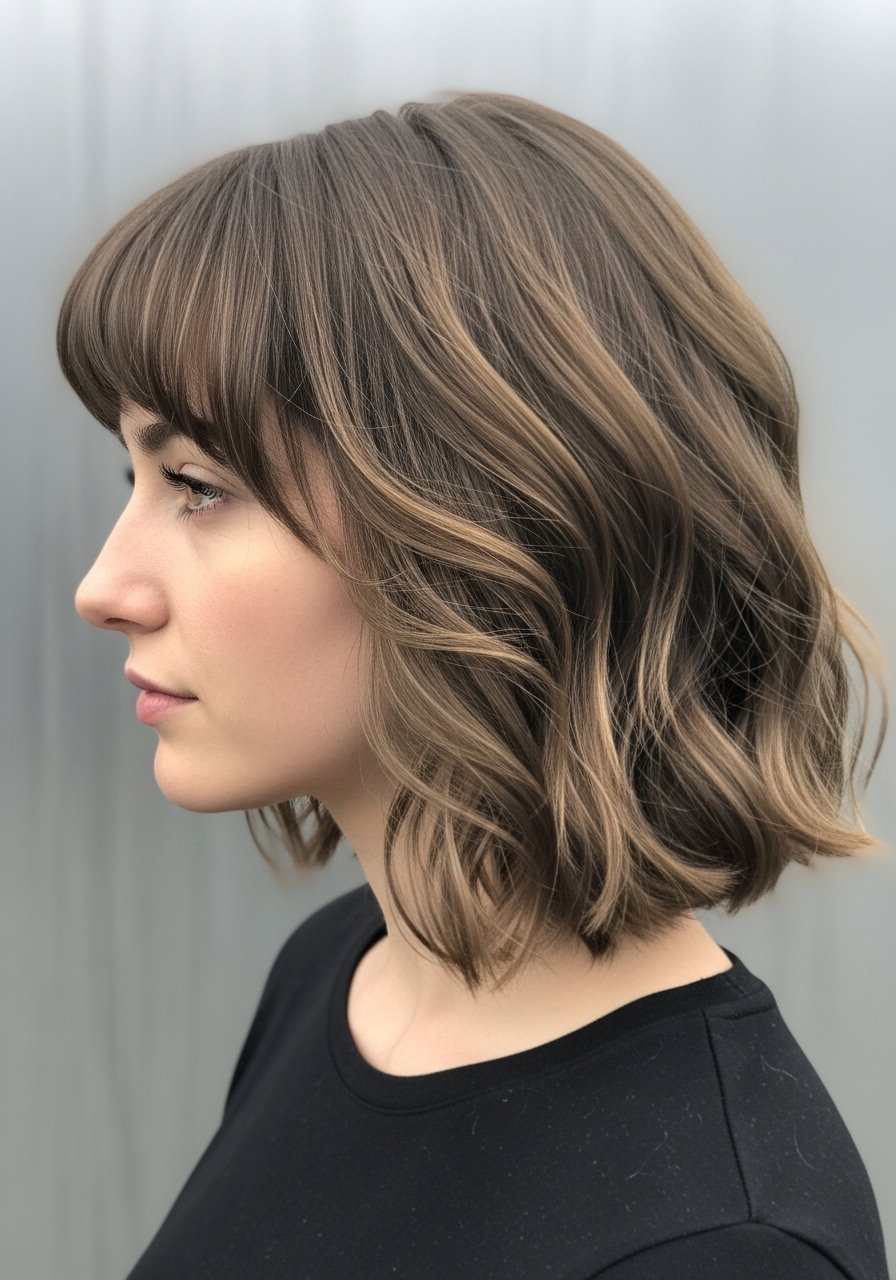
If your hair is fine and you worry bangs will flatten everything, try wispy micro bangs that are feathered and longer at the sides. The trick is to texturize the ends with a point-cut method and use a 1:1 layering rule, meaning one long baseline length and small face-framing pieces no more than one inch shorter. A pea-size amount of a lightweight styling cream like SheaMoisture Curl Enhancing Smoothie warmed between palms and applied through the bangs before air-drying keeps them soft. People often over-apply product to bangs and make them look greasy. Time required is short, about five minutes, and it pairs well with the braid-sleep day two method later in this list.
Diffuse And Scrunch Routine For Shoulder-Length Waves

My go-to for day-one waves is a damp scrunch, a cream for hold, then diffuse. Start with a quarter-size of a leave-in cream through the mid-lengths and ends, focusing on the 80/20 rule, meaning concentrate product where your hair needs it most. Follow with two to three scrunches of a light gel or mousse and diffuse at medium heat for 8 to 12 minutes, flipping the head occasionally to stop the root from going flat. I use Olaplex No. 5 Bond Maintenance Conditioner once a week and Olaplex No. 3 Hair Perfector for damaged ends, but buy from the official seller on Amazon or pick them up at Sephora to avoid counterfeits. Common mistake is diffusing too hot. Heat protectant before any iron over 300F is a rule I follow.
Bend And Clip Training For Bangs That Separate
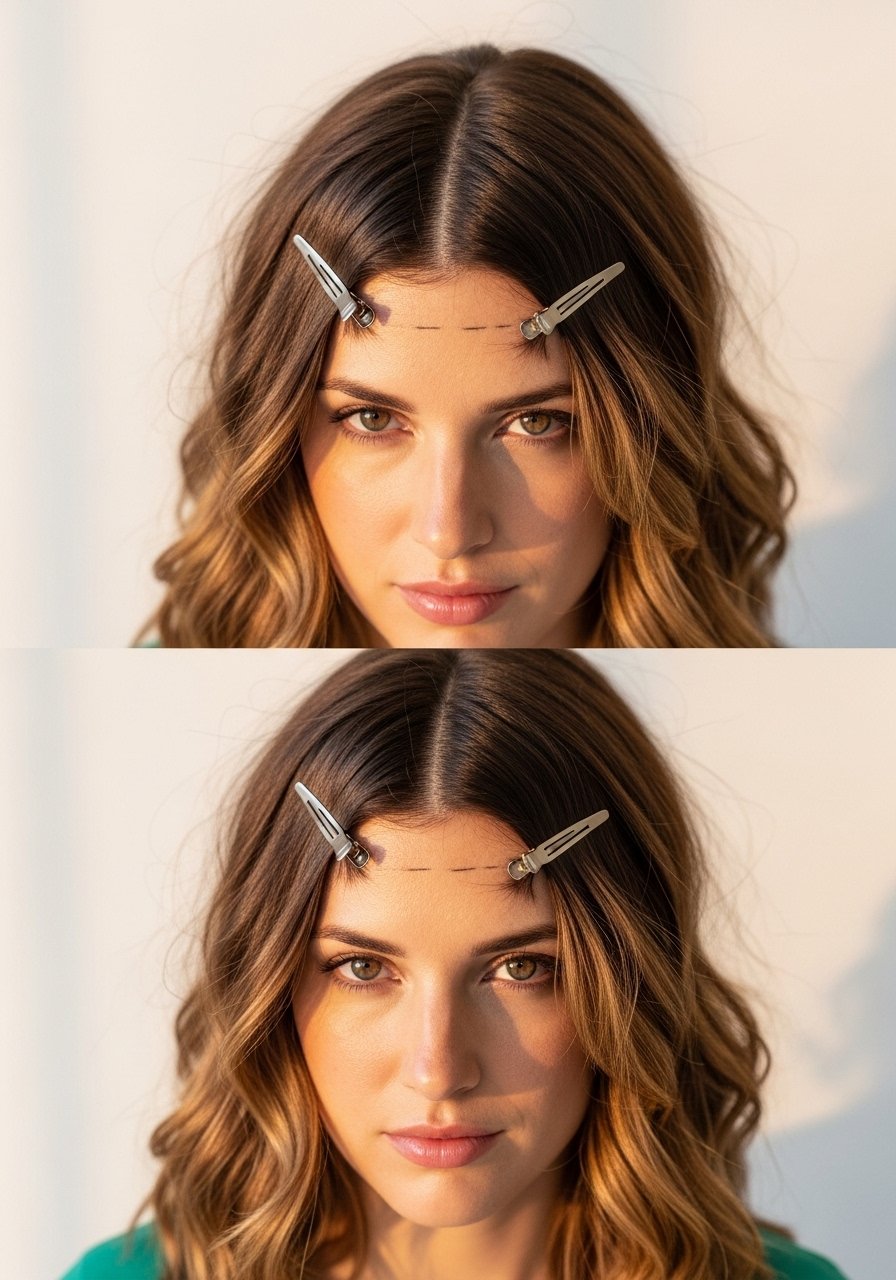
If your bangs refuse to part or blend with waves, train them with clips while they dry. After washing, section the front into three pieces, apply a dab of lightweight mousse, then bend each piece away from the center and secure with a duckbill clip for 20 to 30 minutes. When you release them, blow-dry briefly at low heat or let them air-dry. This creates a soft part and prevents the bangs from plastering to the forehead. A common mistake is skipping the mousse. The tiny amount keeps the bend, and this pairs nicely with the diffuse routine above when you want both body and face framing. Time investment is 10 extra minutes on wash day, but it saves grooming every morning.
Root-Lift Blowout For Subtle Bangs On Flat Hair

When bangs and waves fall flat at the crown, a targeted root-lift blowout brings them back without heavy product. Section the top into three thin subsections, spray a root-lift mist at each base, and blow-dry with a medium round brush at low heat while rolling the hair up for about 10 seconds per section. If you use heat tools, keep the setting under 300F when possible and use a heat protectant on damp hair first. Color Wow Dream Coat after styling can buy you a day or two of frizz-free hold on humid mornings. People often overdo the spray at the roots, which makes the hair sticky. Small sections equal better lift.
Braided Sleep Waves For No-Heat Second-Day Texture

If your second-day waves turn into frizz, braided sleep waves are a lifesaver. After applying a dime-size of leave-in, divide hair into two or three loose braids depending on thickness. Sleep on a silk pillowcase to reduce friction and undo in the morning for soft waves. For tighter waves, braid in four smaller sections and leave them in overnight. This costs nothing and takes five minutes, but avoid braiding wet hair if your scalp is sensitive to mildew. A common frustration this solves is bangs that separate from the rest of the hair overnight. Pair this with the Bend and Clip Training method on wash day for consistent shape.
Mini Layers At The Nape To Prevent Bangs From Weighing Down Waves

Heavier hair at the nape can pull bangs down and flatten your waves. Asking for short, soft layers at the nape creates lift while keeping length. I tell stylists to cut one to two inches of micro-layering around the crown area only, not all over. The result is bounce without a shag. If you try this at home, start with a conservative half-inch and check in natural light. Salon cuts are recommended for structural layering. And remember, hair grows slowly. Hair grows about half an inch a month at most, regardless of what biotin gummies promise you, so plan trims accordingly to keep the bang shape.
What I Actually Keep In My Wavy Hair With Subtle Bangs Kit
- Olaplex No. 3 Hair Perfector 3.3 oz, weekly bond treatment. Buy from the official Amazon store or Sephora to avoid counterfeits.
- Bumble and bumble Surf Spray 8 oz, two spritzes through damp hair for separation.
- SheaMoisture Curl Enhancing Smoothie 12 oz, small amount for bangs and mid-lengths. Drugstore affordable, also at Target.
- Color Wow Dream Coat 4 oz, anti-humidity finishing spray for hold that lasts days. Also carried at Ulta.
- Microfiber Hair Towel Turban, cuts drying time and fights frizz. Around $12.
- Boar Bristle Paddle Brush, distributes natural oil and smooths bangs before styling. About $15 to $25.
- Set of Duckbill Clips 6-pack, for clip training and sectioning on wash days.
Salon Gloss Or Gentle At-Home Toner For Bangs That Need Color Pop
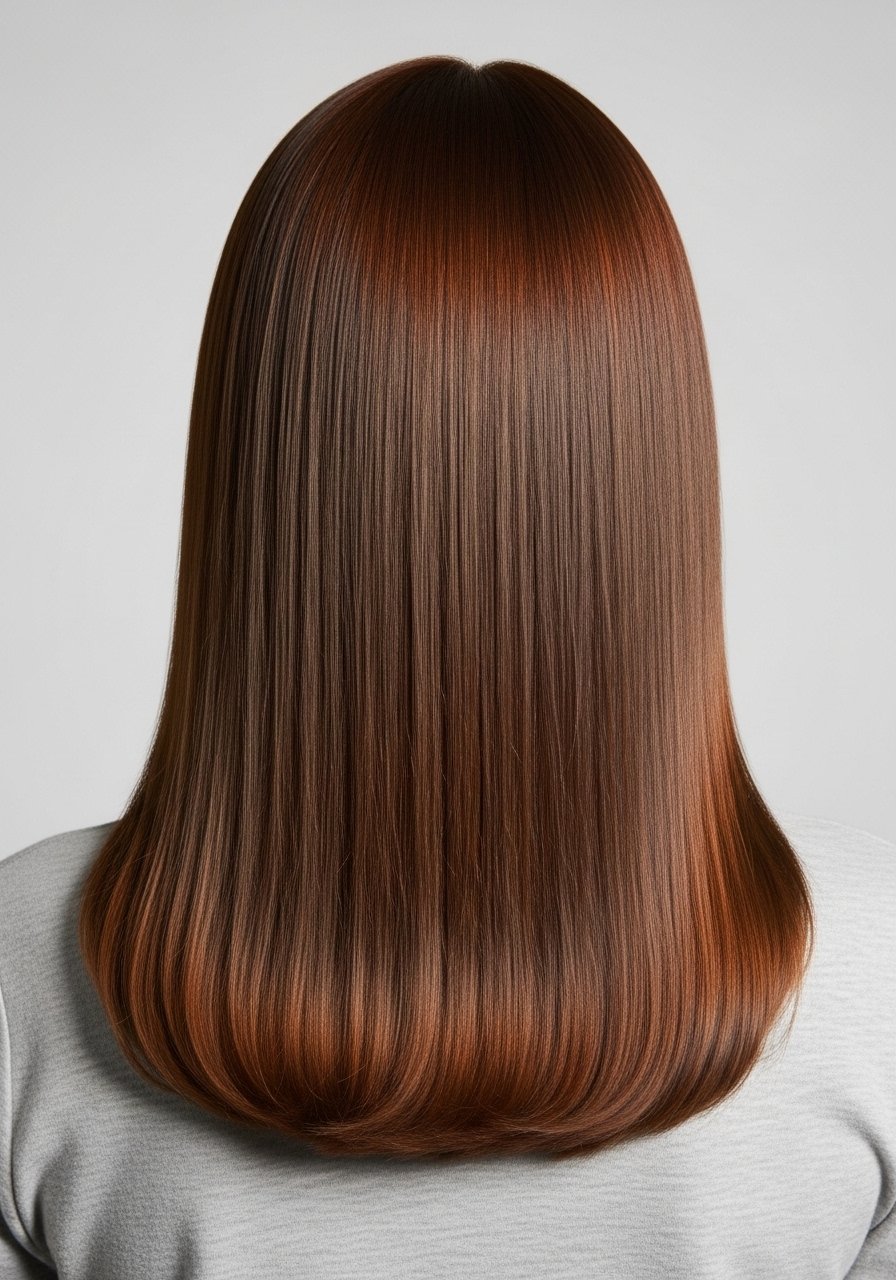
If your bangs look dull or brassy compared to the rest of your waves, a gloss at the salon gives a sheer boost without lifting. Salon glosses cost more up front but last four to six weeks and make subtle bangs read soft rather than faded. If you try a DIY toner, do a strand test and patch test for allergies first. The common mistake is leaving a toner on too long, which can shift color. For maintenance, a purple shampoo once every seven to ten days prevents brass without drying hair. If you have scalp sensitivity or recent color work, see a colorist for the initial gloss.
Sea Salt Mist Alternative For Thicker Waves Using Creams

Salt sprays can do wonders but also dry out hair, especially if you have thicker waves. I swapped to a lightweight cream plus a tiny texturizer for grip. Apply a nickel-size of leave-in through damp hair, then a pea-size of texturizing cream to the ends and scrunch. For added grit, one spray of a lightweight texturizing mist does the work without the drying salt. People who use salt sprays daily complain about frizz by week two. If you have color-treated hair, reduce salt spray to once a week and top up with weekly Olaplex No. 3 treatments to preserve moisture.
What I Wish Someone Had Told Me Before I Cut Subtle Bangs
- Cut bangs with a dry check, not only wet. Hair shortens when wet and surprises happen.
- Heat protectant goes on damp hair, not dry. Apply before any styling and before flat irons over 300F, and try a Color Wow heat protectant that absorbs into damp hair.
- Sleep on a silk pillowcase to reduce friction, a simple switch that helps bangs sit better. Silk pillowcase queen size under $30 is an easy buy.
- When you want shape but not a commitment, ask for long curtain bangs that can be pinned back. That gives you options if you regret the chop.
- Avoid trimming bangs with kitchen scissors. Invest in a small pair of hair shears, or the first tiny cut will end up needier than you expected.
Frequently Asked Questions
Q: Can I cut my own subtle bangs at home safely?
A: You can, but cut conservatively. Trim in small vertical point cuts, start longer than you think, and check in natural light. If you want structural layering or a precise part, a salon professional is worth the first appointment.
Q: How often should I refresh curtain bangs to keep them subtle?
A: Every six to eight weeks for most people, depending on growth and how quickly your bangs hit your eyes. If you want looser maintenance, a small edge trim every three to four weeks keeps them tidy without changing the shape.
Q: Will sea salt spray ruin color-treated hair?
A: Daily heavy salt spray can dry color-treated hair and accelerate fading. Use it sparingly, switch to cream-based texture when possible, and use a moisturizing bond-building treatment weekly to protect color.
Q: My bangs go greasy but the rest of my waves look fine. What gives?
A: Bangs sit on the forehead and get oilier from skin contact and styling products. Use a very small amount of product near the root for the bangs, dry shampoo the root line on day two, and avoid heavy conditioners on the fringe area to keep them from laying flat.
Q: Can I use Olaplex No. 3 if my hair is not damaged?
A: Yes, you can use it as a strengthening treatment for maintenance, but once a week is usually enough. If your hair is healthy, use less often. Always buy Olaplex from the brand store on Amazon or a reputable retailer to avoid counterfeits.