I cut my own choppy bangs once to save money and spent two months hiding in headbands while they grew in unevenly. If you want wavy hair with bangs that actually look lived-in, the trick is the cut plus the routine, not infinite products. These ideas are aimed at 2A through 3B waves, most shoulder length to mid-back, with options for thicker hair noted. Expect mostly under $40, with one tool splurge. Most of the looks are DIY friendly, a few are worth a salon visit.
Relaxed Beach Waves With Soft Choppy Fringe
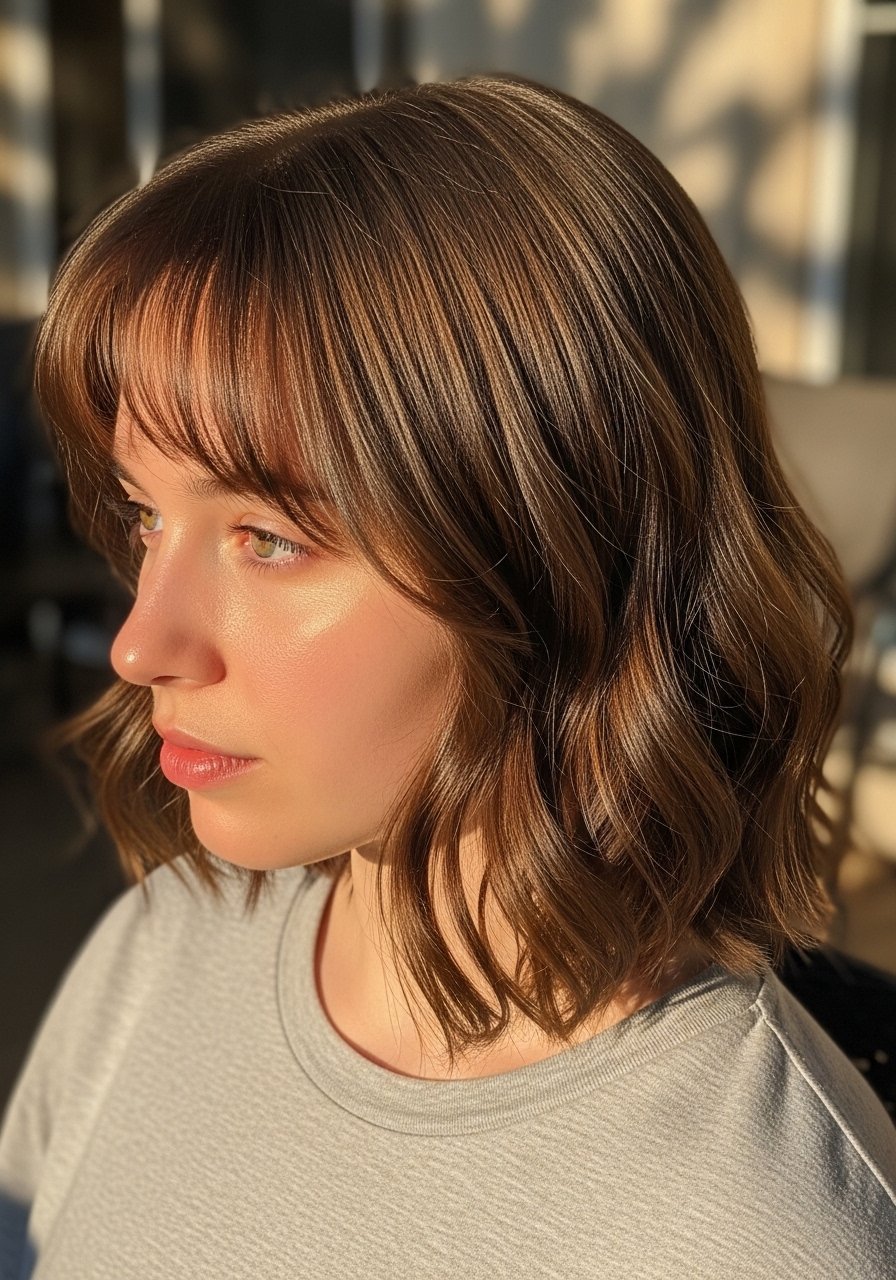
If your bangs puff up while the rest of your waves sit flat, try loosening the wave at the roots. After towel blotting, spritz two medium sprays of a sea salt spray through the mid-lengths and ends, then finger-twist three to five 1-inch sections to encourage separation. Diffuse on low heat with medium airflow for 6 to 8 minutes per side, keeping the dryer 6 inches away. For texture that holds without crunch, I run a nickel-sized amount of SheaMoisture Curl Enhancing Smoothie through the ends only. Common mistake is over-spraying the roots, which makes bangs look greasy. This is DIY friendly and takes about 15 minutes after washing.
Cut-In-Show: Salon-Grade Choppy Bangs for Fine Waves
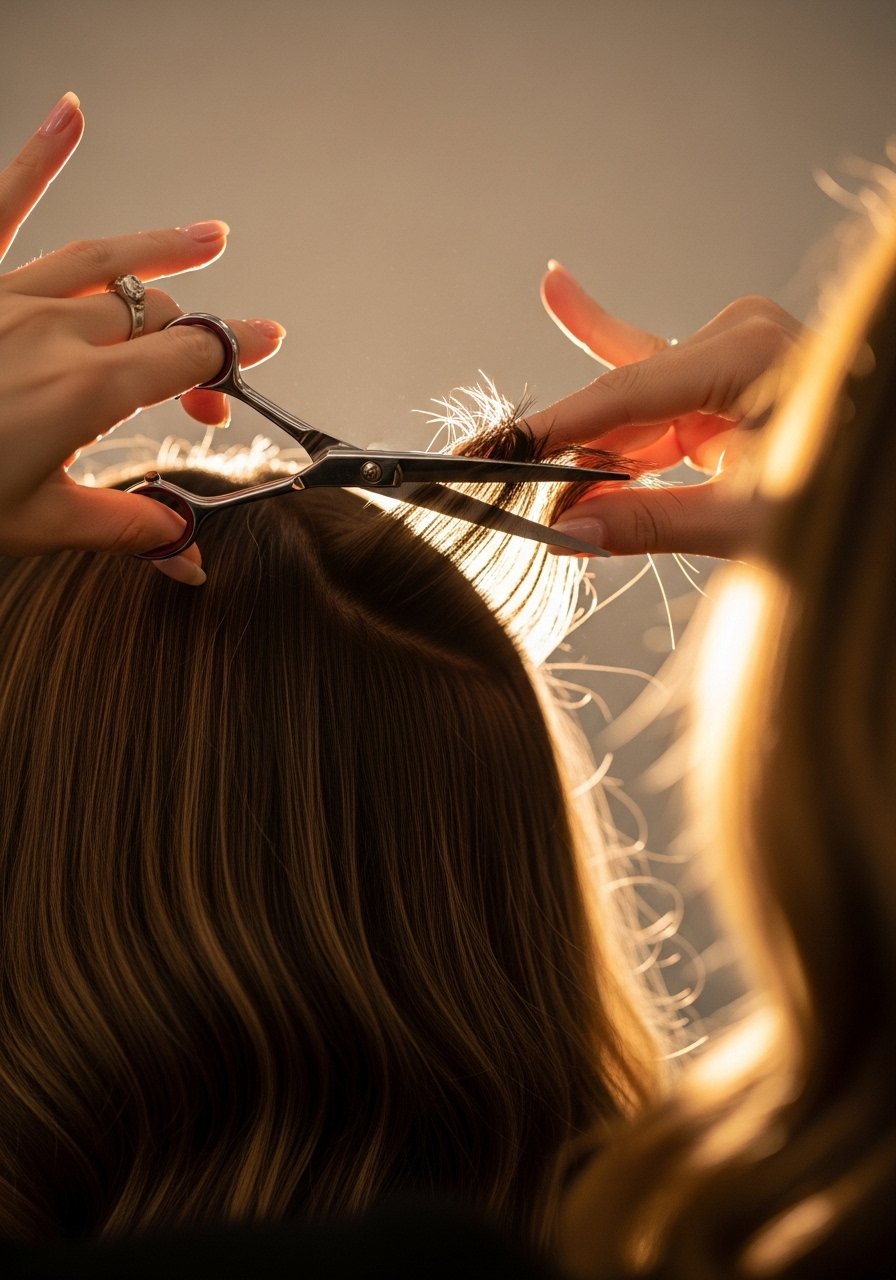
If your waves are fine and bangs vanish into the rest, ask your stylist for point-cut choppy bangs and a 1/8-inch graduation at the ends so they flutter, not clump. For face-framing on fine hair, three to four horizontal sections across the fringe, cut with the head tilted forward, gives natural weight removal. Expect a $20 to $60 salon add-on depending on your area. DIY can work but a salon cut is worth it the first time, bringing the bang line to your eyebrow bone for best movement. Bring photos and be specific about how much you brush them, since bangs behave differently in waves.
Heat-Shaping Bangs With a 1-Inch Wand
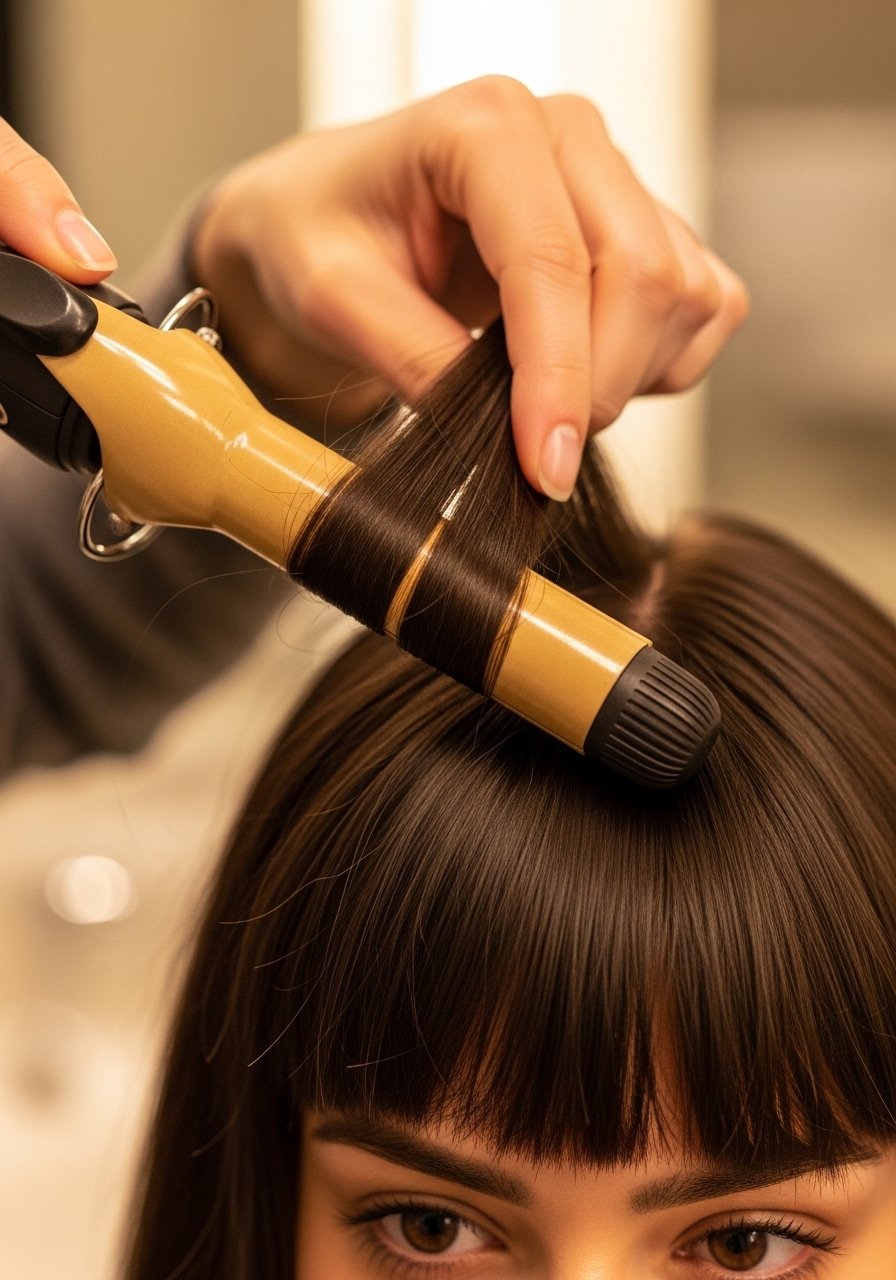
When you need shape, a 1-inch curling wand at 300F for one to two seconds per piece can bend bangs without frying them. Always use a heat protectant before any iron over 300F, and I like spritzing a light mist and waiting 30 seconds so it absorbs. Work in 4 to 6 small pieces across the fringe, wrap away from the face, and then loosen with fingers. A common error is holding the wand too long. If your bangs are already dry and high-porosity, reduce heat to 270F. For a product that gives softness without stiffness, two sprays of Ouai Texturizing Hair Spray finishes without crunch.
The LOC Method for Second-Day Bangs That Behave
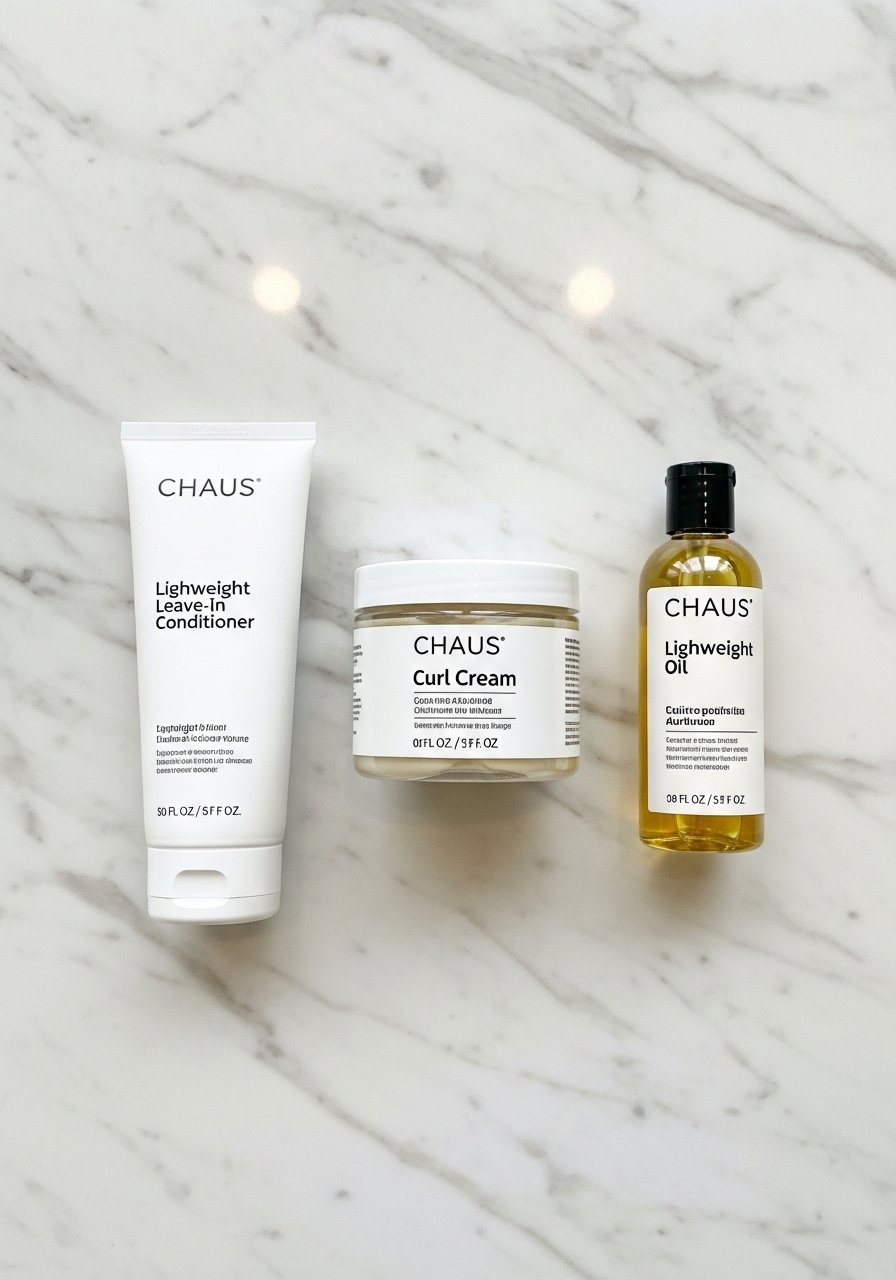
Second-day bangs can go greasy or limp. Use a scaled-down LOC approach on the bangs only. After finger-spritzing with water, apply a pea-size dash of leave-in cream, press in a grain-of-rice amount of curl cream, then seal the tips of the bangs with one drop of lightweight oil. For my 2C waves, this routine adds hold without weight and lasts through midday. People often layer full-head amounts on the fringe and end up flat. This takes under two minutes. Try Briogeo Curl Charisma Leave-In paired with a pump of Moroccanoil Treatment Light if you have finer hair.
Textured Cut That Plays Nice With Thick Waves
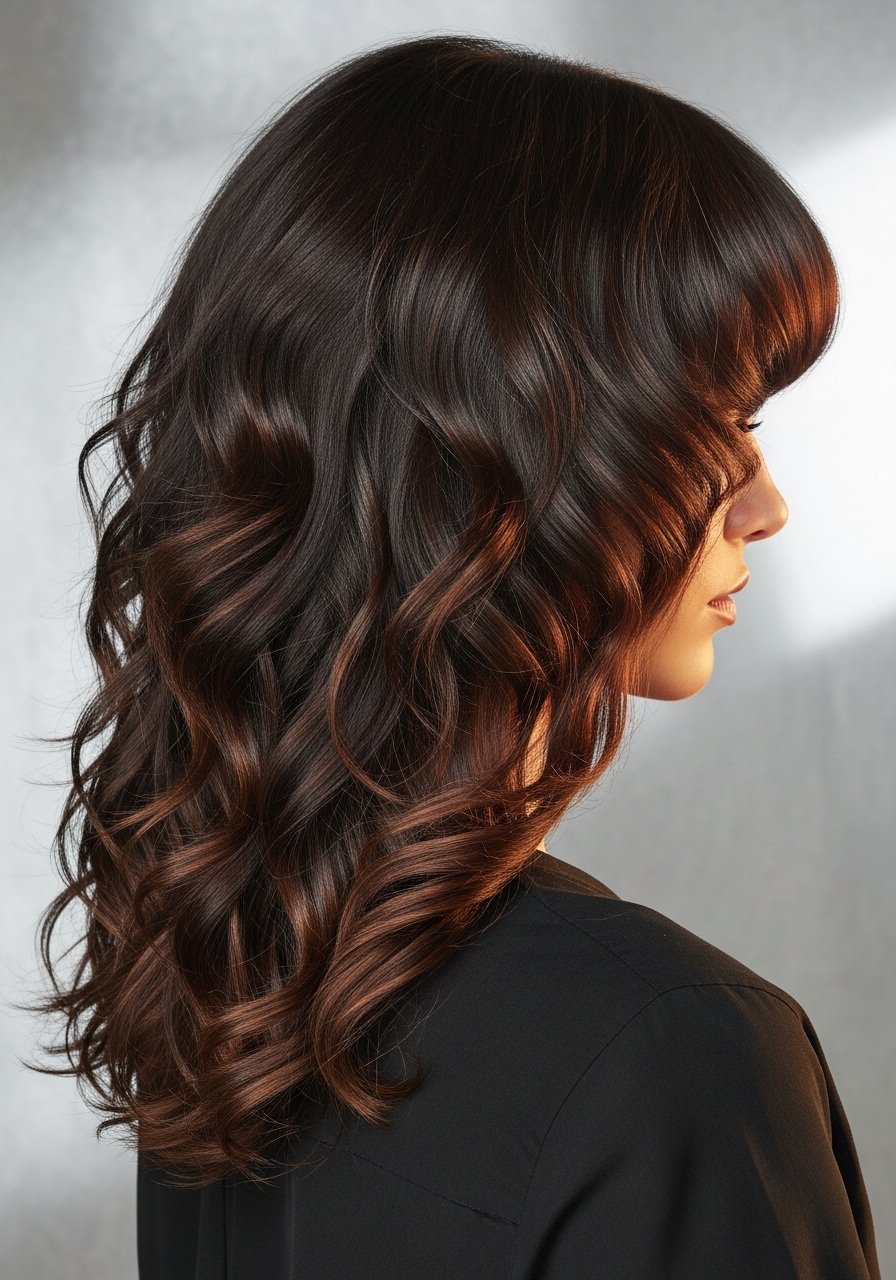
Thick wavy hair makes choppy bangs heavy if the cut is blunt. Ask for internal thinning at the bang base and long face-framing layers that feed into the rest of the wave. I tell stylists I want 20 to 30 percent weight removed from the fringe area so the bangs sit instead of pulling the front down. This cut takes more upfront work but saves daily styling time. For maintenance at home, use a wide-tooth comb and a boar-mix paddle brush to distribute oils without flattening. If your hair is color-treated, warn your stylist so they avoid overprocessing at the front. Salon-only for the first cut, then easy DIY trims.
Quick Drying Trick So Bangs Don’t Stick Flat

If damp bangs cling to the forehead and lose movement, speed up the drying around the root with a microfibre towel plus heat. After blotting, clip the bangs gently with a duckbill clip in three vertical sections and diffuse on low heat and low airflow, keeping the dryer 5 to 6 inches away. Dry each section for about 60 to 90 seconds. The clip gives lift and avoids the flat band that happens when you leave them loose. Common mistake is using medium to high heat; bangs thin out fast. This trick shaves off a full five to ten minutes of styling time.
Bang-Friendly Refresh Spray For Between Washes
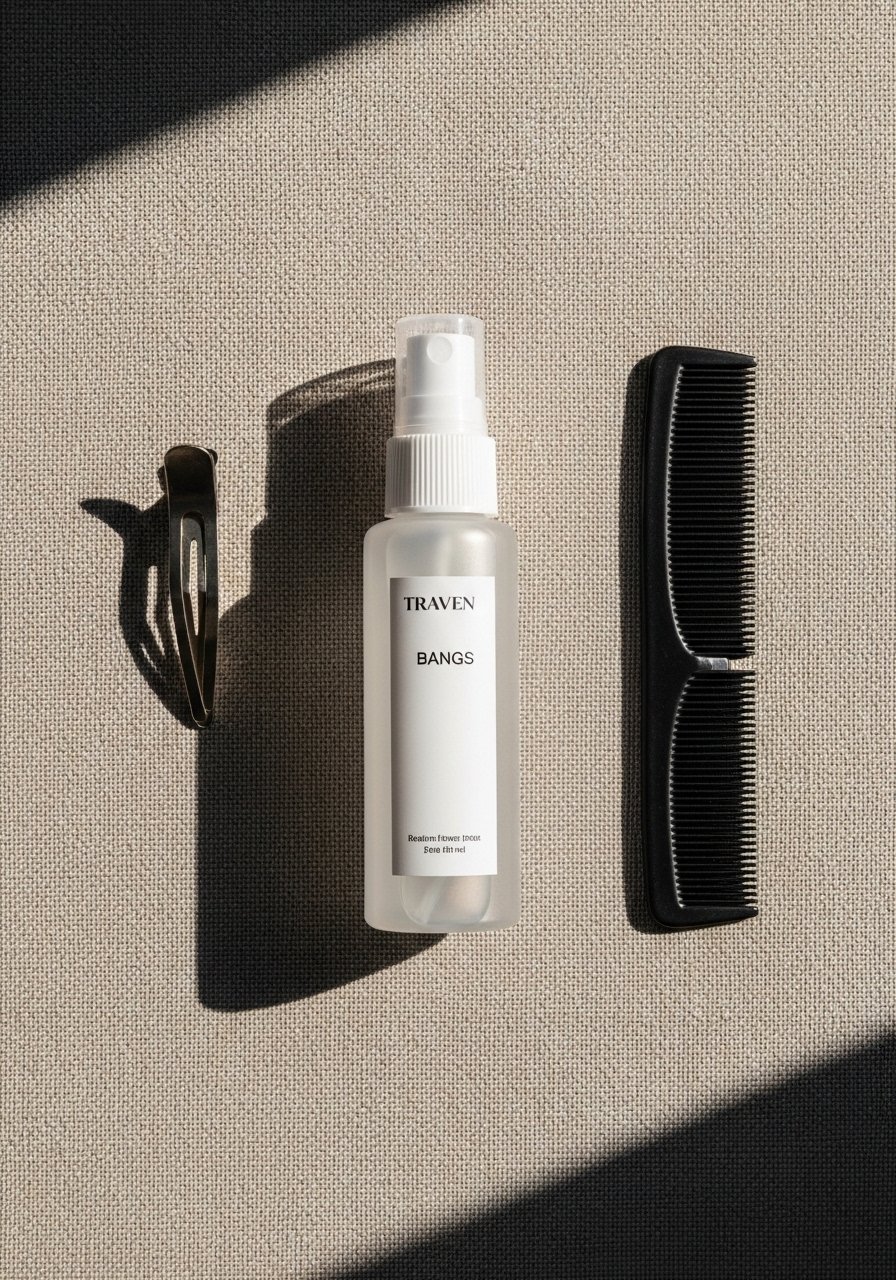
I make a tiny refresh spray for bangs from two parts water to one part leave-in detangler and a spritz of texture spray in a 2 oz travel bottle. Finger-comb into the bangs and scrunch lightly. It beats washing your face and bangs five times a week. For store-bought options, a single pump of Living Proof Perfect Hair Day Dry Shampoo at the crown and a light mist of Bumble and bumble Surf Spray through the ends revives the shape. The problem this solves is bangs that flatten overnight from pillow humidity. Keep the bottle in your bag for midday fixes.
What I Actually Keep on Hand for Wavy Hair and Choppy Bangs
- I never skip this little kit when managing a fringe and waves. Olaplex No. 3 hair perfector 3.3 oz for weekly bond care, buy from the official store on Amazon or Sephora to avoid counterfeits.
- Olaplex No. 5 conditioner 8.5 oz for smoothing without weight.
- SheaMoisture Curl Enhancing Smoothie for affordable definition.
- A lightweight heat protectant spray under 6 oz, for any tool over 300F.
- A 1-inch curling wand if you like to shape bangs. Tools under $50 are fine on Amazon.
- A silk pillowcase queen to reduce morning frizz.
- A pack of duckbill clips for sectioning bangs while drying.
- A small travel spray bottle to carry my 2:1 refresh mix.
- A wide-tooth comb for detangling wet waves without breakage.
A Simple Night Routine So Bangs Wake Up Soft

Sleeping on your bangs wrong creates a crease that is impossible to style in the morning. I flip my pillow to the cool side and sleep on a silk pillowcase, laying the bangs to one side and tucking the ends under gently. If I need lift, I use a loose silk headband at the hairline. Plopping or pineapple methods are great for full curls but avoid gathering bangs into the same bundle. The fix took me one week to notice a difference, and it made second-day styling far faster. This is cheap and saves time.
Root-Lift Drying Technique for Flat Foreheads
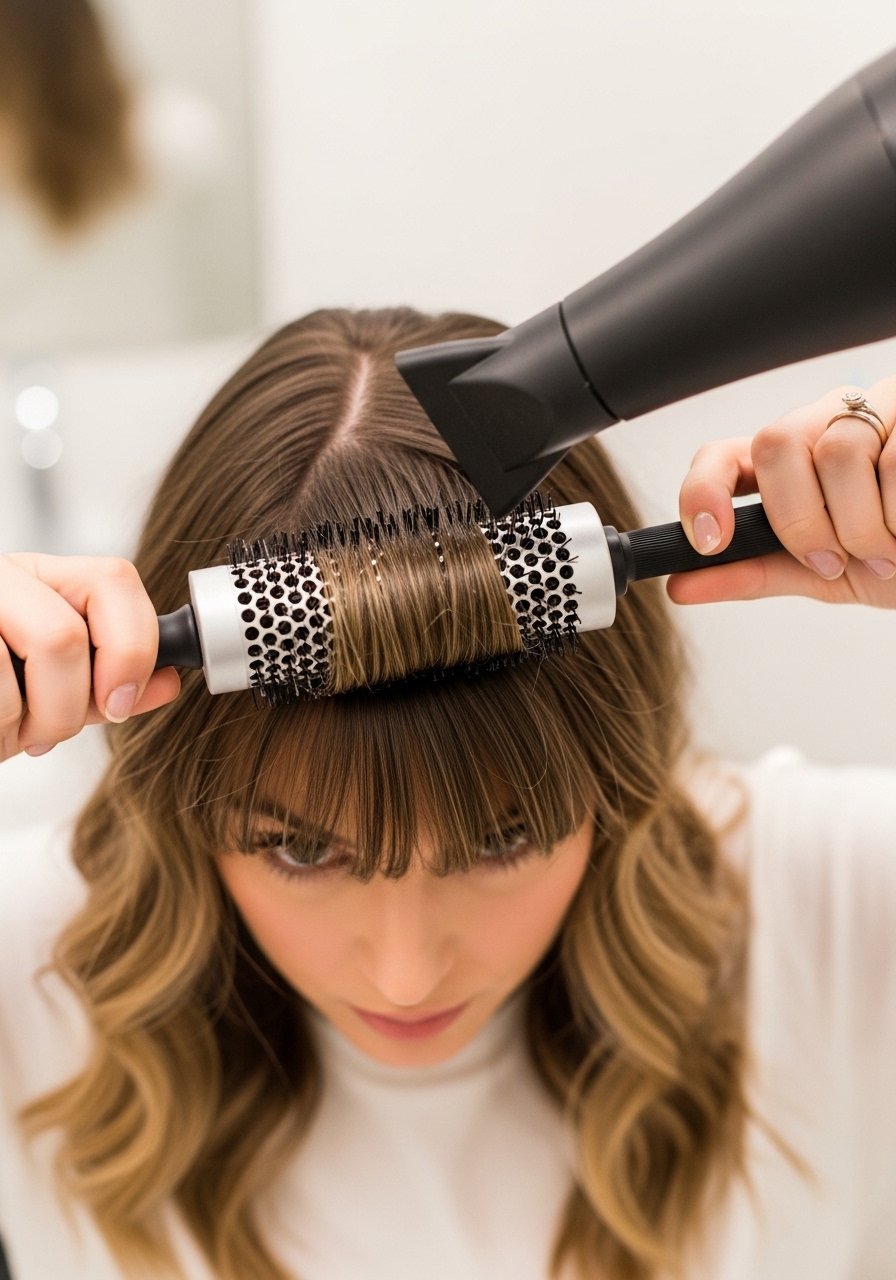
For persistent flat roots at the fringe, section the bangs into three vertical slices and dry from root to tip with a small round brush, rolling the brush up and blowing at 260F equivalent on the dryer setting that is safe for your tool. Keep the nozzle close but not touching, and cool-shot each section for five seconds. People often try to lift bangs by backcombing, which roughs the cuticle. This technique gives targeted volume and keeps bangs soft. If you have color-treated hair, check with your stylist about heat frequency.
Softening Stubborn Cowlicks With Light Texturizer
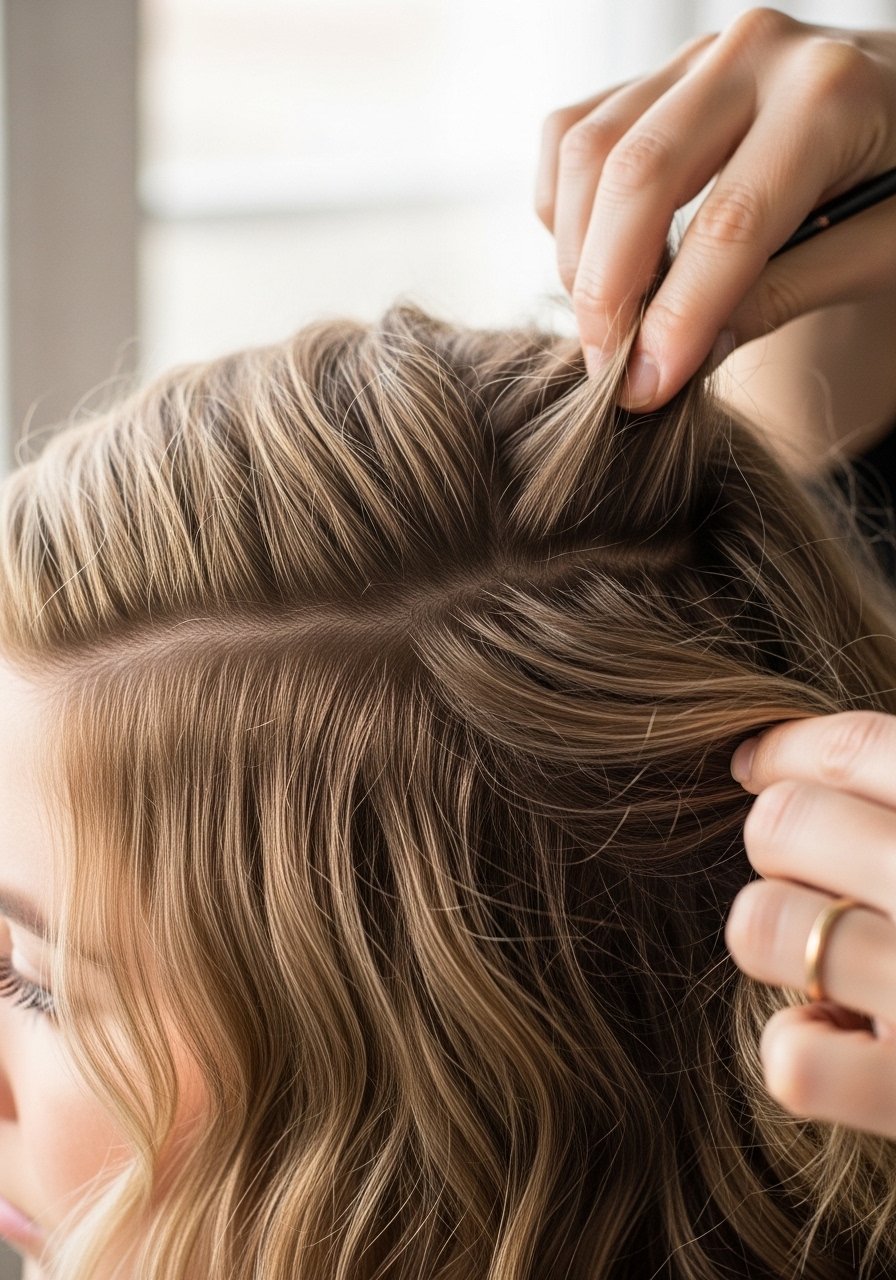
Cowlicks at the fringe make bangs split and refuse to lie. A light texturizing paste, dabbed in a rice-grain amount at the root and smoothed in with the pads of your fingers, reshapes the direction without stiffness. The trick is warming the product between fingers so it spreads thinner. The common error is applying too much and ending up with gummy bangs. For strong cowlicks, ask your stylist to angle the cut slightly so the natural growth pattern works with the fringe. This is a quick five-minute fix in the morning.
Color and Bangs, How to Keep the Front Fresh

Face-framing color fades faster because of washes and sun exposure. If you highlight or brighten the bangs, tone them every six to eight weeks and use a color-safe sulfate-free shampoo. For quick maintenance, a color-depositing conditioner once every two to three washes keeps the tone from drifting. A warning: if you plan to lighten the fringe and it has previous color, do not attempt heavy lifting at home. Lifting over existing dye can cause breakage and needs a salon correction. On the product side, Color Wow Dream Coat helps with humidity resistance on the lengths, but the front benefits from targeted toning.
Quick Trim Guide For Growing Out Choppy Bangs
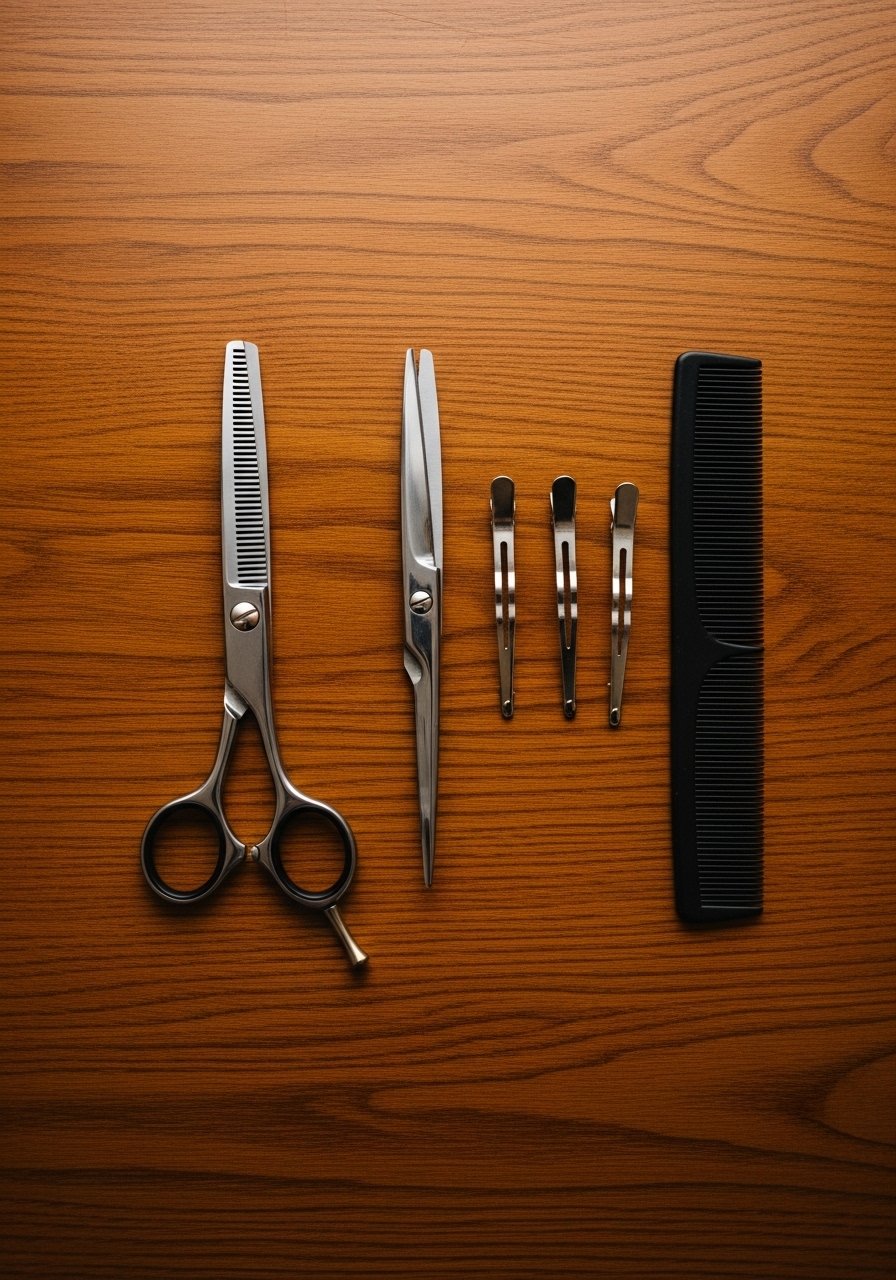
If you are growing out choppy bangs, small at-home trims can keep the line tidy. Work with dry hair, section the fringe into two vertical halves, take 1/8-inch off the longest pieces with sharp hair scissors, and point-cut the ends to blend. Trim from the longest point inward, not across, and check the length by letting the bangs fall naturally. The common mistake is cutting too much in one go. A salon clean-up every three months helps, but these micro-trims make the transition easier and keep you comfortable in between.
Bang-Friendly Diffuse for Heavy Waves
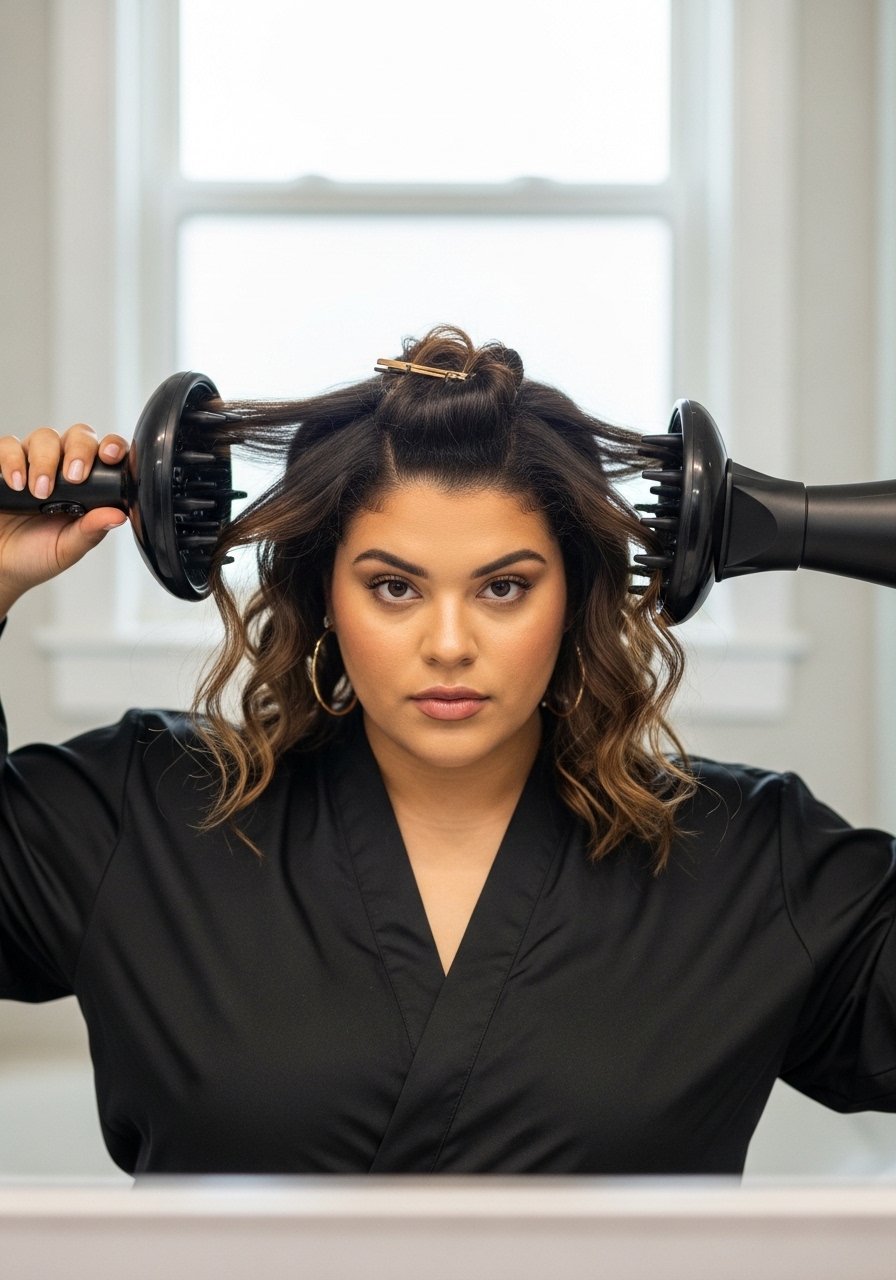
For dense waves that drag bangs down, pin the fringe up in one clipped strip while you diffuse the rest with medium-low heat and medium airflow. Diffuse each side for about five to eight minutes and then release the bangs and blast cool air for six seconds to set the shape. The problem this solves is the heavy front pulling forward during drying. If your dryer has a temperature display, keep it under 300F for the bangs and use heat protectant when you need shaping. Pair this with a weekly bond builder for thick, color-treated hair.
What I Wish Someone Had Told Me About Cutting Choppy Bangs
- Heat protectant goes on damp hair, not dry. The cuticle is more open and the product actually absorbs. Try a lightweight heat protectant spray and wait 30 seconds before styling.
- Hair grows about half an inch a month at most, regardless of what biotin gummies promise you. That means trims should be planned, not rushed.
- Use two to three small clips when sectioning bangs for any wet cut. It creates a predictable line and avoids accidental overcuts.
- Drugstore shampoo is fine, where you need to spend is conditioner and bond builders. Olaplex No. 5 conditioner helps when the front has been lightened. Buy premium items from official sellers to avoid counterfeits.
- If you cut bangs at home, cut in small increments and point-cut to soften the edge. Trust a stylist for big changes.
Frequently Asked Questions
Q: Can I have choppy bangs if my hair is 3B tight waves?
A: Yes, but the approach is different. For 3B you want longer, more graduated choppy pieces so they blend into the curl pattern. Ask for heavier texturizing at the fringe base so the bangs do not become a halo. Expect to style them less and let the natural curl shape do some of the work.
Q: How often should I trim choppy bangs at home?
A: Every four to six weeks for a tidy line if you like the short look. If you are growing them out, micro-trim 1/8-inch every six to eight weeks to prevent unevenness. Always cut dry and point-cut rather than slicing straight across.
Q: Will using Olaplex No. 3 make my bangs look better if they are damaged from blonde?
A: Olaplex No. 3 can strengthen hair bonds and smooth the appearance of damage when used weekly, but it will not permanently reverse breakage. Use it as a preventative and to improve manageability. Buy from the official store on Amazon or Sephora to avoid counterfeits.
Q: Is it okay to use a lot of texture spray on bangs?
A: Use texture spray sparingly on the bangs. Two light sprays distributed with fingers usually do the trick. Over-spraying makes bangs stiff and causes them to separate oddly from the rest of your waves.
Q: Can I bleach choppy bangs at home if the rest of my hair is darker?
A: Lifting bleach over existing color or darker hair at the front is risky and often causes breakage. This is one of the few things I recommend a salon for. If you attempt any lightening, do a strand test and patch test for scalp sensitivity first.
Q: My bangs creased overnight, what quick fix works in the morning?
A: Damp the crease lightly with water, apply a pea-sized amount of leave-in, blow-dry with a round brush on low heat while rolling the crease out, then finish with a light mist of texturizer. If the crease is severe, a one-second pass with a 300F wand on a micro-section can reshape it, but always use heat protectant first.