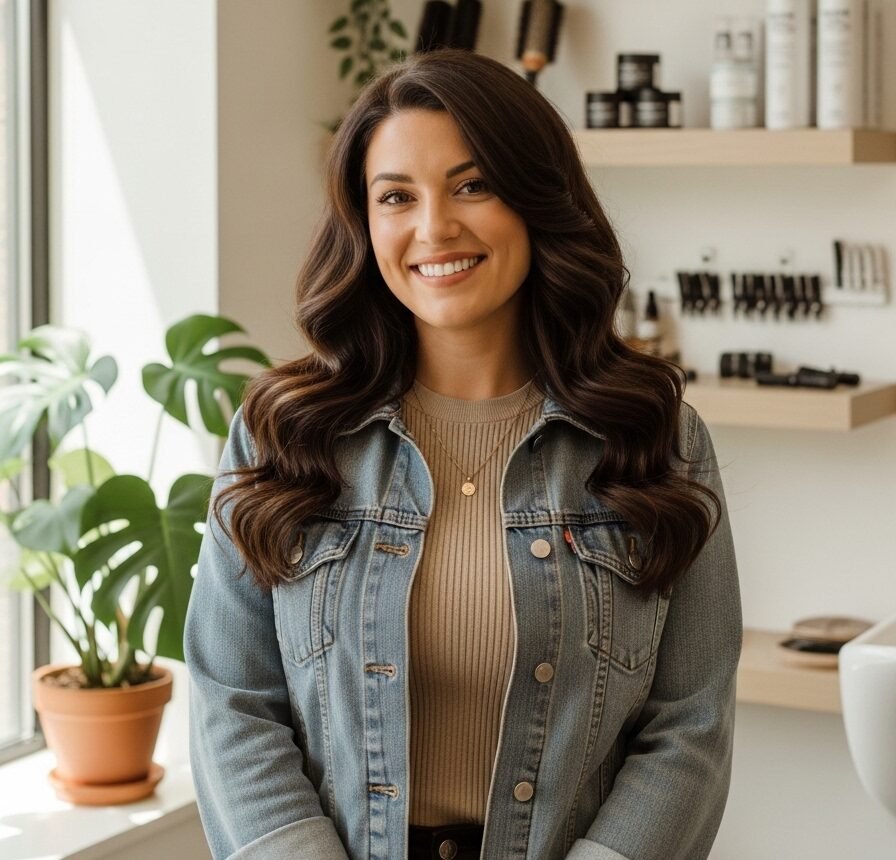
I bleached my own hair in my kitchen last January and watched a chunk break off in the shower three days later. I paid a salon to fix the shape and kept the lessons, which is why I now recommend specific sectioning, heat settings, and bond treatments when someone says they want a shag but also want to go lighter. Most heat protectants you spray on dry hair before flat ironing barely work. They need to absorb into damp or just-dried hair to actually shield the cuticle.
These ideas are geared mostly to fine to medium 2A through 3B textures and a handful that suit thicker 3C to 4A hair with simple adjustments. Skill ranges from quick DIY trims and at-home styling to two-salon-visit color changes for the money piece. Budget runs from under $20 for a good texturizing spray to a $200 splurge for a pro gloss. I note when you must see a stylist, and when you really can safely try it at home.
Shag Lob With Soft Curtain Bangs
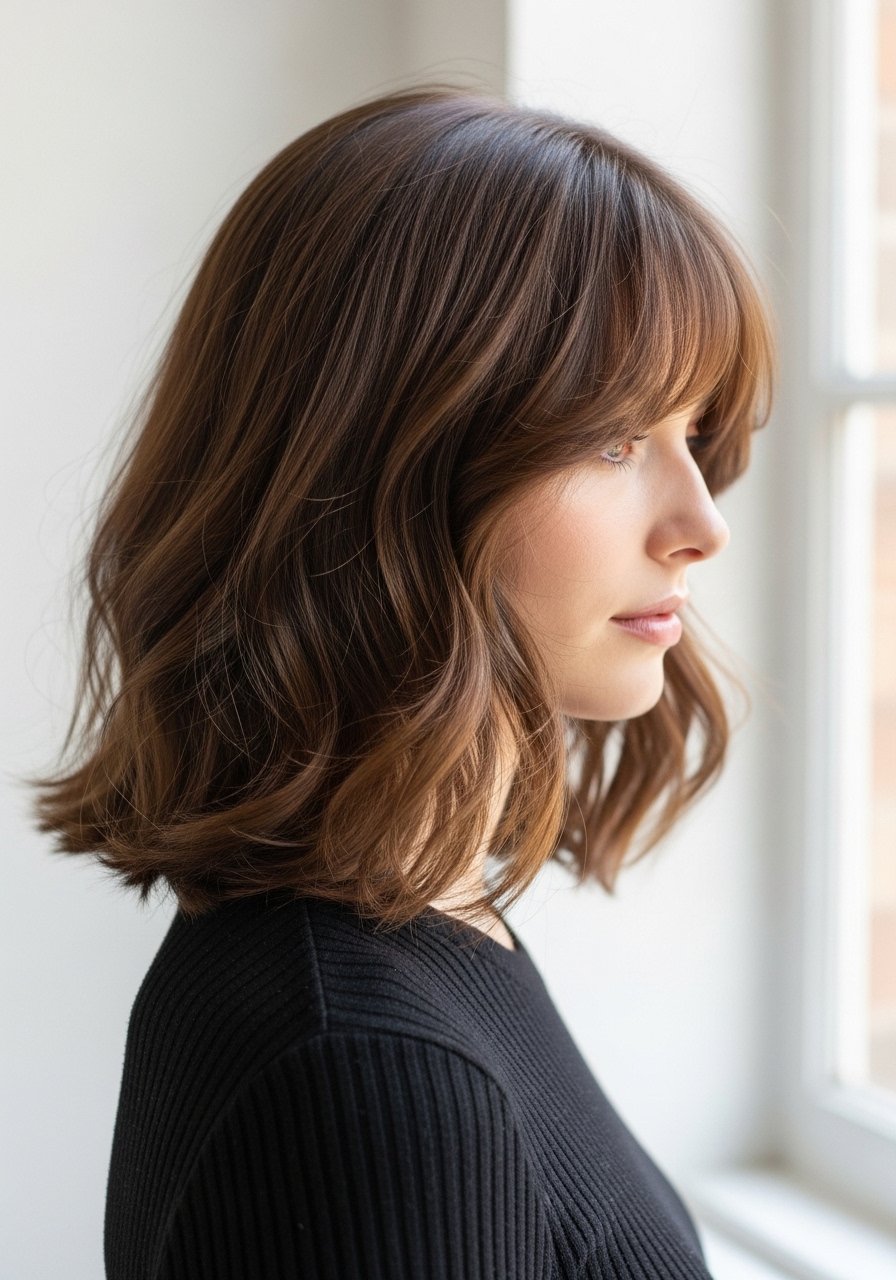
This is my go-to when my hair feels weighed down but I do not want too-short layers. Section into four even quadrants and cut the longest top layer about 1.5 inches shorter than the bottom, then point-cut the ends for feathering. It works best on fine to medium 2A through 3A hair and takes one salon visit or a careful DIY with sharp shears and a 1-inch sectioning rule. Two spritzes of Oribe Texturizing Spray through the mid-lengths, then 320F on a one-inch curling iron for two-second bursts creates that lived-in piecey bend. Common mistake, cutting bangs too blunt at home. If you went blunt, towel-dry, add a little serum, and let them settle for two days before panicking.
Choppy Wolf Shag For Thick Hair
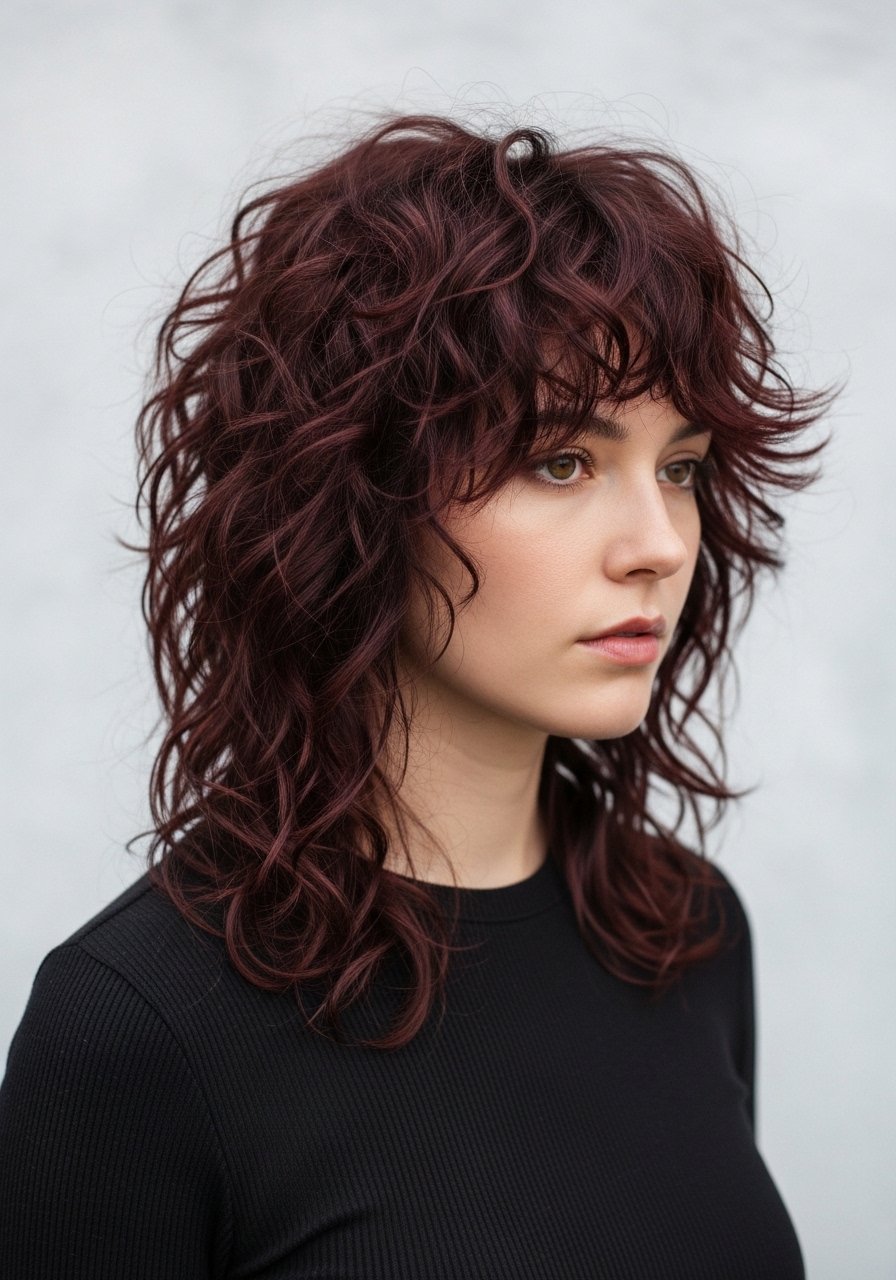
Thicker hair needs aggressive layering to avoid a helmet effect. Ask your stylist for short crown layers that are cut with thinning shears vertically, not horizontally, and leave 3 to 4 inches of weight in the underlayer to keep length. This suits 3A through 3C textures and dense 4A with a tapered nape. For DIY shaping, work in 1-inch vertical slices and remove small amounts, then step back. I use the LOC method on my daughters hair when styling this cut, applying leave-in, oil, then cream to keep layers separated. Heat warning, always apply heat protectant before any iron over 300F. Salon trimming every 10 to 12 weeks keeps the shape from collapsing.
Micro Bang Shag For Round Faces
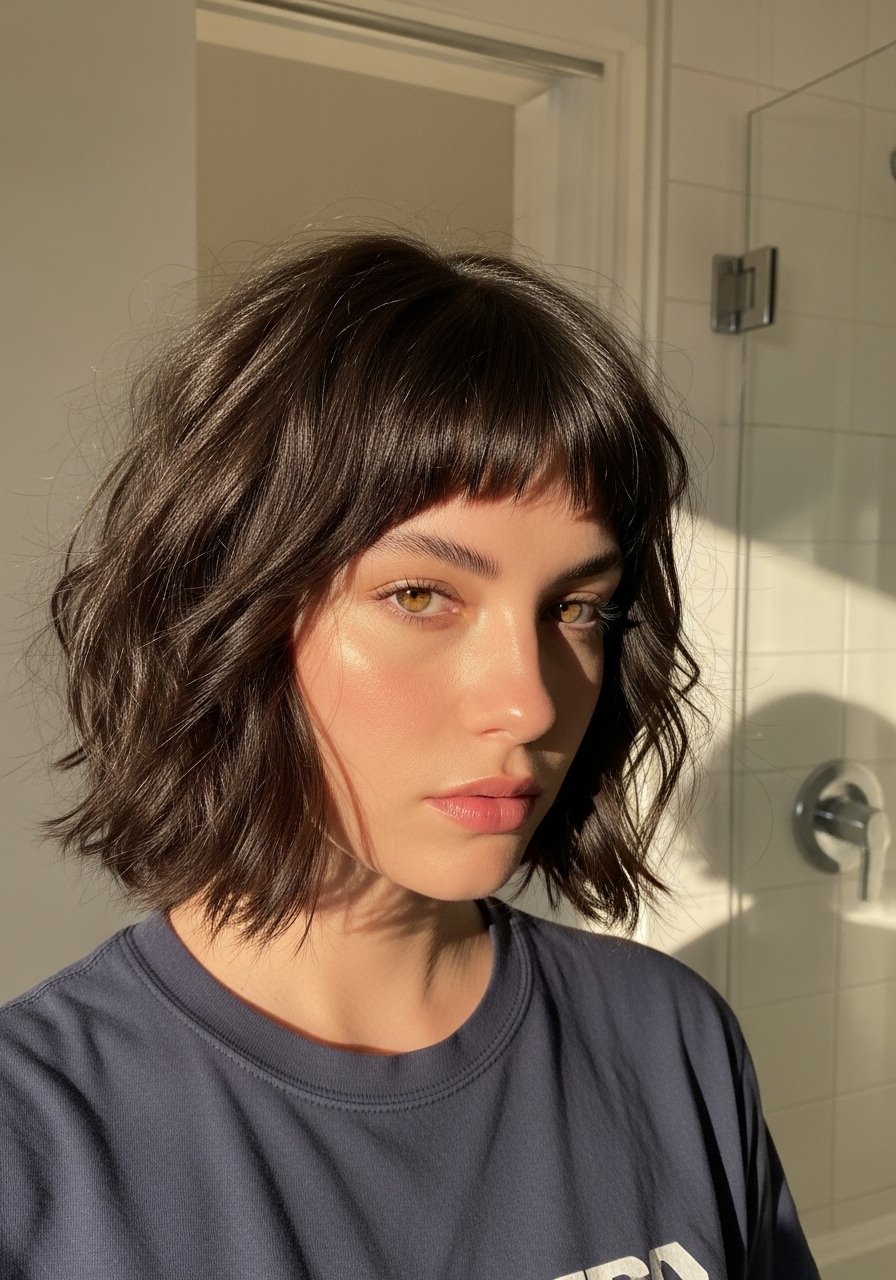
Micro bangs can make a round face feel lifted when cut with a slight arch and plenty of texture at the ends. Start by cutting bangs dry and cut tiny snips diagonally to avoid a blunt band. This is best for fine to medium 2A through 3B hair. Time investment, five to 10 minutes for a touch-up at home if you know what you are doing, or a quick salon trim. Over-trimming is the number one mistake. If they end up too short, sweep to the side for a week and let them grow. A dime-sized amount of lightweight cream keeps them from puffing.
Razored Shag Pixie For Short Textures
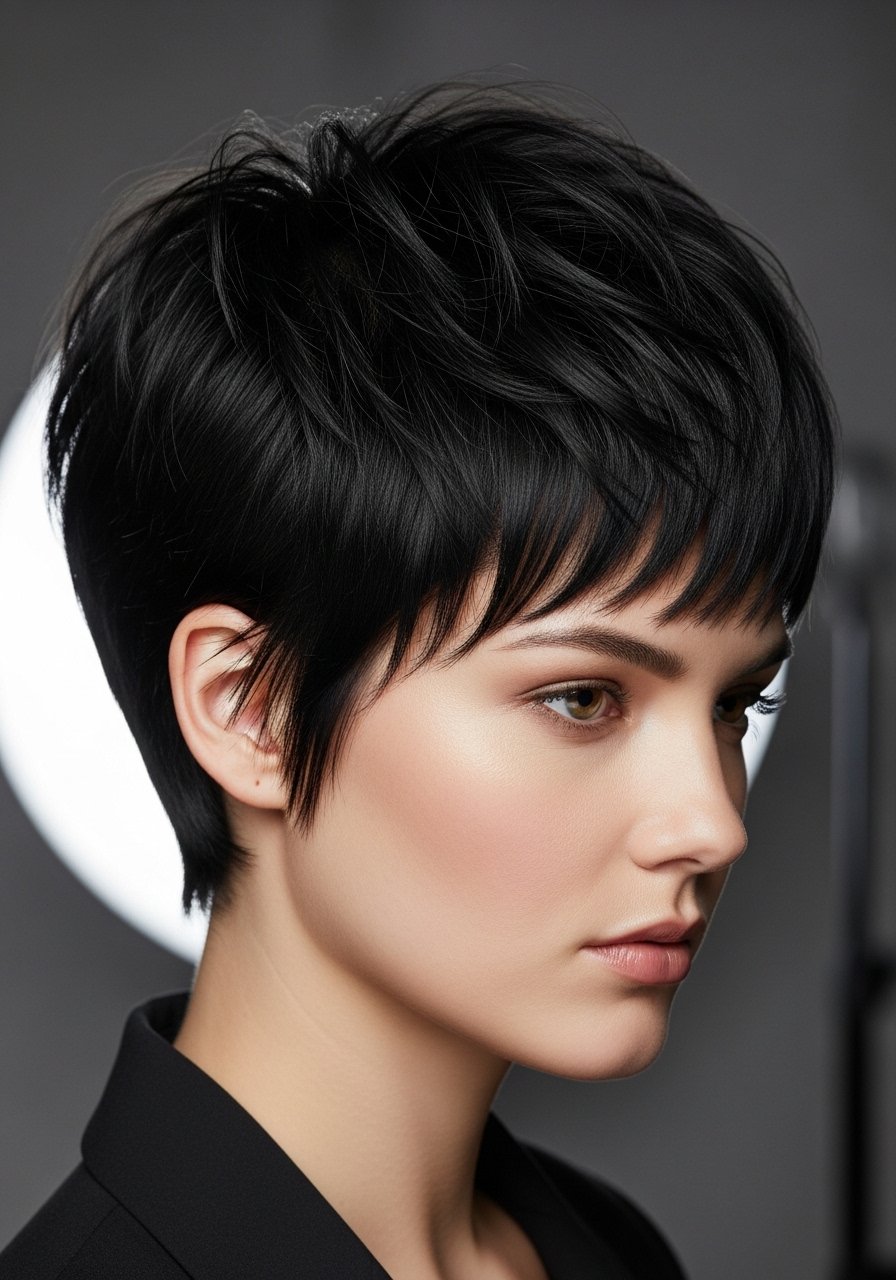
Short hair can still have shag energy. The razor creates feathered ends that sit lighter at the crown which works on straight to slight-wave hair. Tell your stylist you want texture, not a blunt pixie. For DIY, use a texturizing shear for micro-removals in 1/2-inch sections. A 3 to 4 minute styling routine with a pea-size of Baxter of California Clay Pomade finishes the look. Beware of over-razoring at home, it is easy to go too thin. Salon styling gives the clean taper and saved length.
Long Layered Shag For Natural Waves
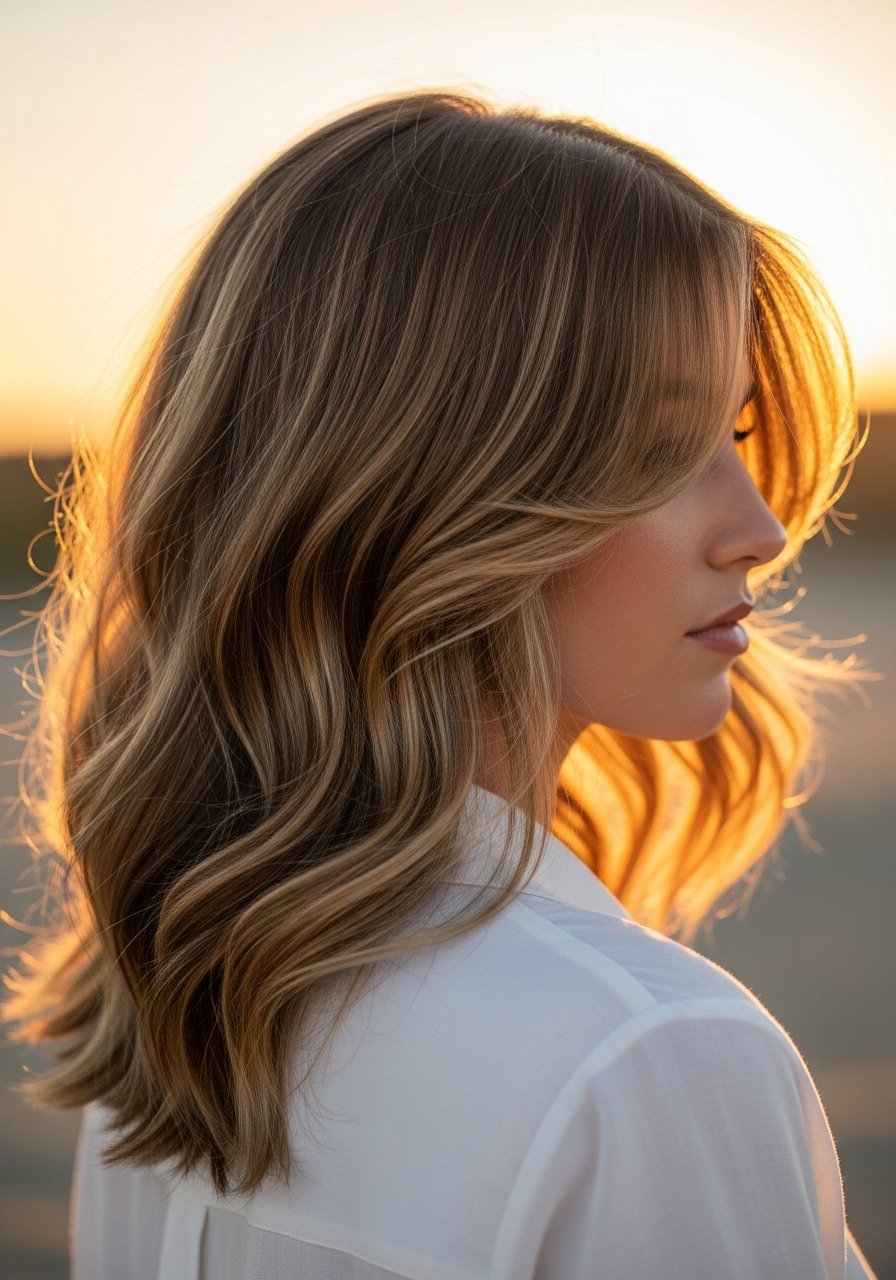
If you want movement without losing length, ask for long face-framing slices that start at the chin and work down. This style suits 2A through 3A waves best. Tell your stylist to leave the ends blunt-ish so the layers read in soft steps. Wash day trick, finger-coil two-inch sections with one pump of curl cream and a nickel-size of gel, air dry or diffuse on low. I found swapping gel-only routines for that staged cream-under-gel layering keeps waves from going flat by noon. Color note, use a gloss after any lightening session to avoid brassiness.
Mullet Shag Revival For Edgy Short-Long Contrast
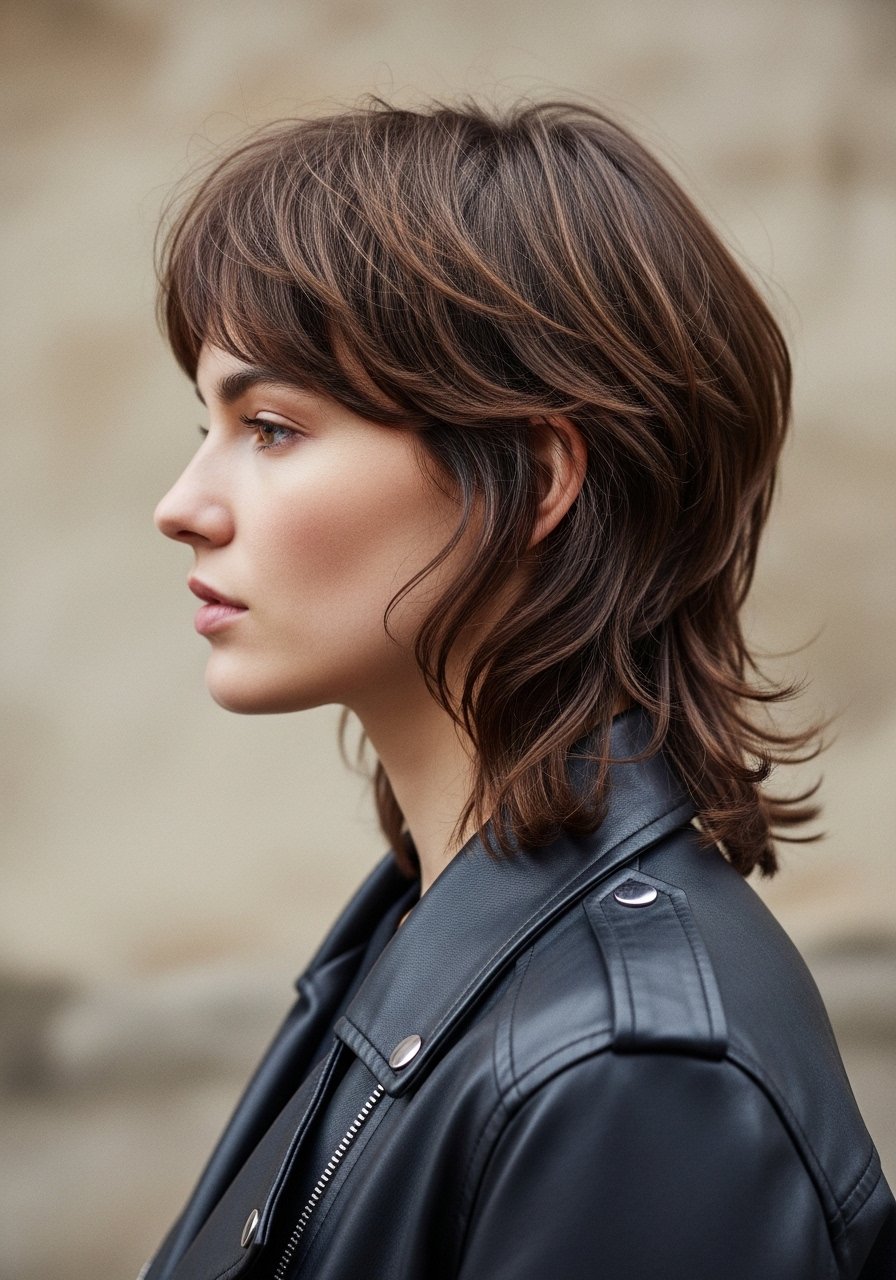
The mullet-shag works when you want edge without full commitment. Keep crown layers chunky and let the nape hang at least three inches longer to get that short-long contrast. Works for straight and slightly wavy textures. The mistake I see is over-thinning the nape which makes the shape lopsided. If you try this at home, use 1-inch sections and point-cut vertically to blend. Styling time is quick, one to three minutes, using a few sprays of salt spray at the roots and a one-inch flat iron at 300F for a couple of root bends. If you plan heavy color lifts, get that done in the salon.
Soft Feathered Shag For Fine Hair
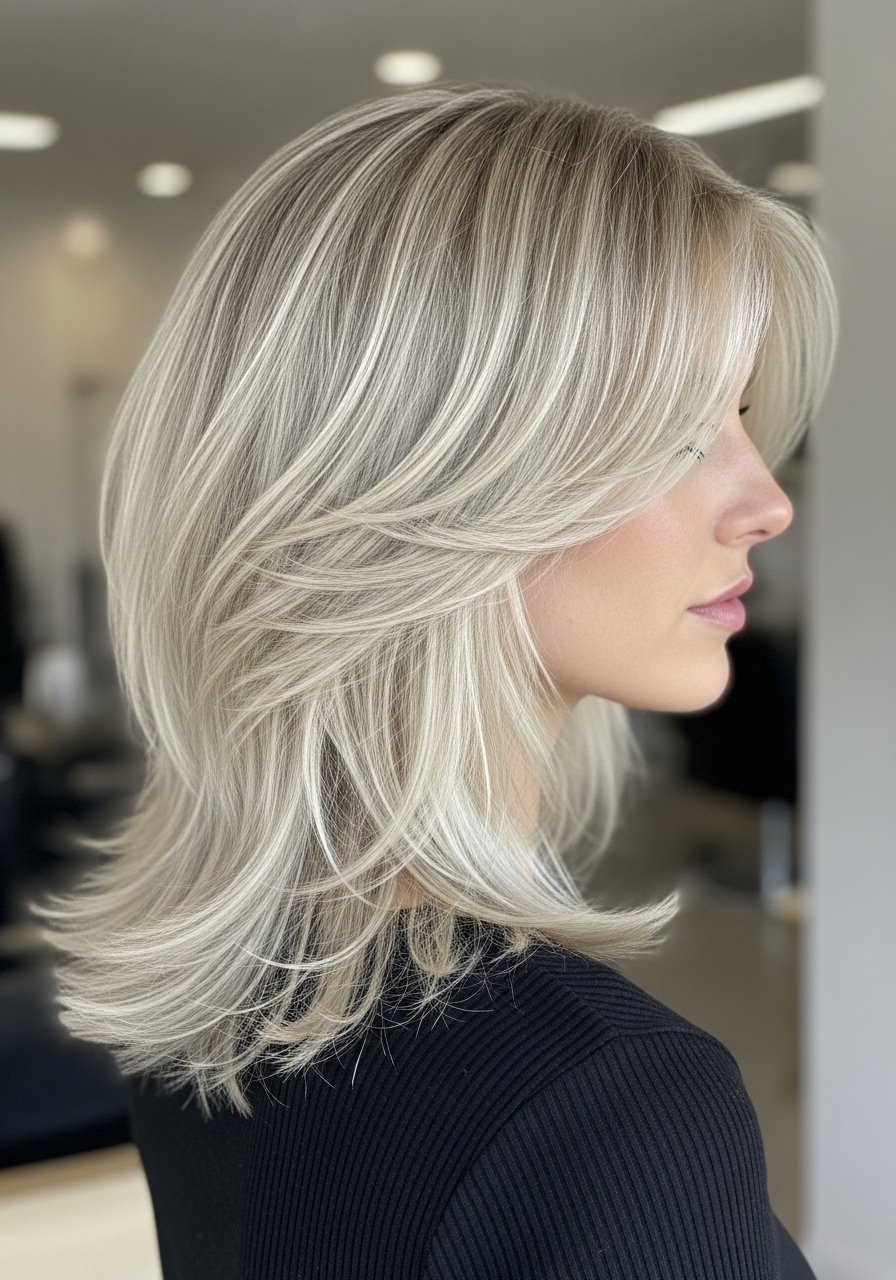
Fine hair responds to feathering because it creates the illusion of volume without removing weight. Ask for internal layers and leave outer length intact. I warn people to avoid too many thin layers. The technique that works is 1/4-inch vertical slices cut with the shears angled, not blunt. Two pumps of a lightweight mousse at the roots and a boar bristle brush while blow-drying lifts the crown. If you want a product, a light mist of Bumble and bumble Thickening Spray at the roots before blow-dry helps. Salon note, ask for a demo on how your stylist layers fine hair so you can replicate the comb angles at home.
What I Actually Keep In My Shag Toolbox
- Honestly the things I reach for most when styling a shag and why they earn shelf space
- Olaplex No. 3 Hair Perfector 3.3 oz. Weekly bond treatments fixed the brittle feel after my home bleach. Buy from the official seller on Amazon or at Sephora to avoid fakes
- A silk pillowcase queen size. Hair grows about half an inch a month at most, regardless of what biotin gummies promise you. The pillowcase reduces friction
- A microfiber hair towel under $15. Cuts dry time
- Oribe Texturizing Spray 2.5 oz. Works better than sea-salt sprays for soft separation
- A 1-inch curling iron with adjustable temps. Aim for 300F to 350F depending on thickness
- A wide-tooth comb for detangling wet waves
- Color Wow Heat Protectant travel size. Heat protectant before any iron over 300F is non negotiable
- A set of flexi rods. Great for heatless texture on the long shag options
- A boar bristle paddle brush distributes oils and helps styling on fine to medium hair
Money Piece Shag With Face Framing Color

A money piece punches up a shag without a full head of highlights. The trick is to keep the face-framing slices small, about one to two inches wide, and blend with a demi-gloss after lightening so the edges do not look stripy. Best for medium density and fine to medium textures. If you do it at home, use a cream lightener and a 20-volume developer unless you are lifting darker than two levels. Safety note, if you have previous color or very dark hair, book a salon visit for lifting. My real-world tip, ask your colorist for a second-salon-visit plan to avoid brass, not a kitchen bleach session.
Curly Shag That Keeps Definition
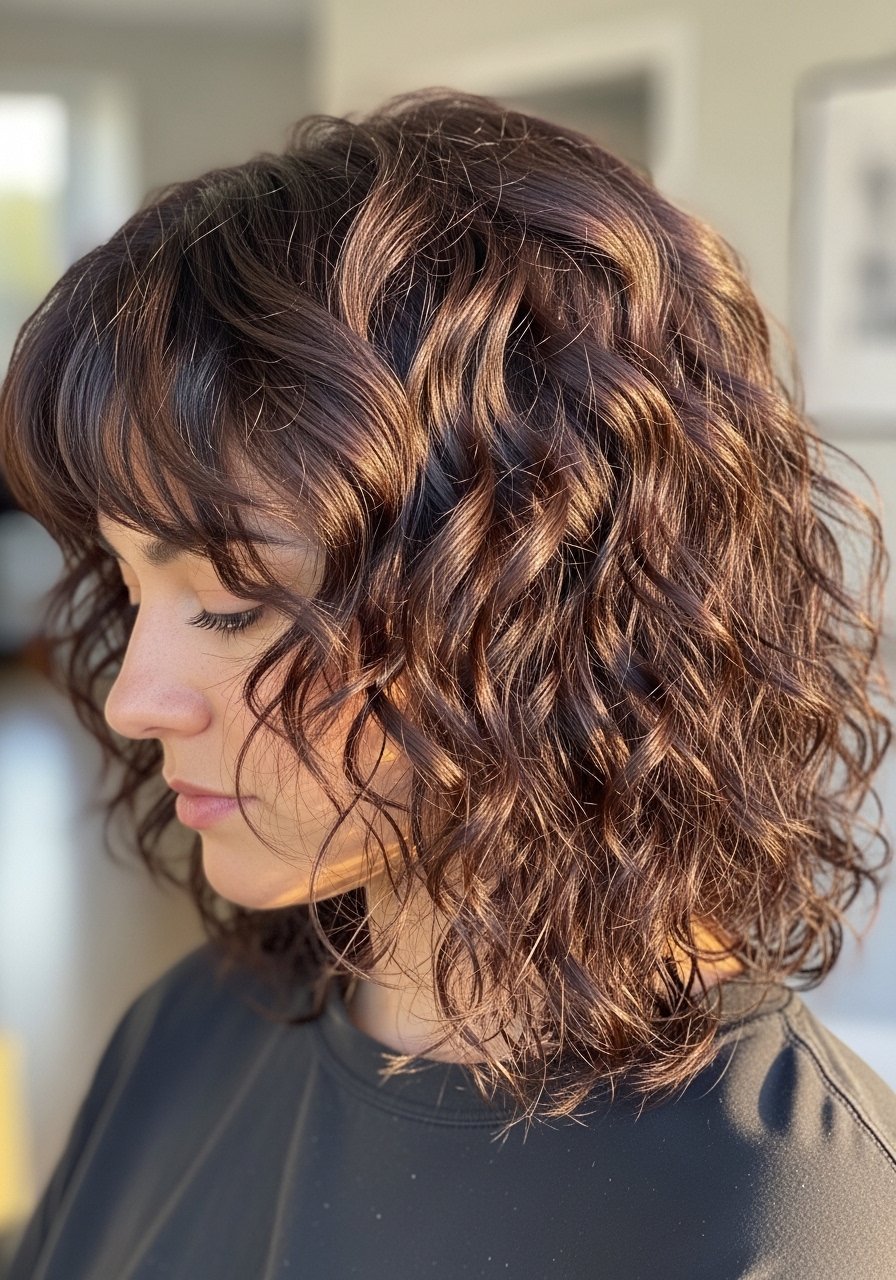
Curly shags are all about respect for the curl clump. Cut the hair dry in its natural curl pattern, snipping layers only where curls fall naturally. This suits 3A through 3C hair. A common mistake, cutting curls wet and flat, which removes spring. For styling, work in 1-inch sections with a pea-sized amount of curl cream then a nickel-size of gel, scrunch and plop for 20 minutes. I swapped a gel-only routine to layering cream under gel and my second-day texture held. Trim every 10 to 12 weeks for maintenance.
Shag With Blunt Ends For Contrast

Blunt ends plus shaggy layers feel modern because the bluntness gives structure while layers add movement. This works for straight to slight wave hair. Stylists create this by leaving the outer perimeter one length and adding internal razor texturing. At home, avoid thinning shears on the perimeter. Two passes with a flat iron at 300F for a smooth finish, then a light mist of anti-humidity spray keeps frizz controlled. If you color the ends, watch for breakage; use a bond builder like Olaplex No. 5 conditioner in your routine.
Modern Shag For Short Curly Hair
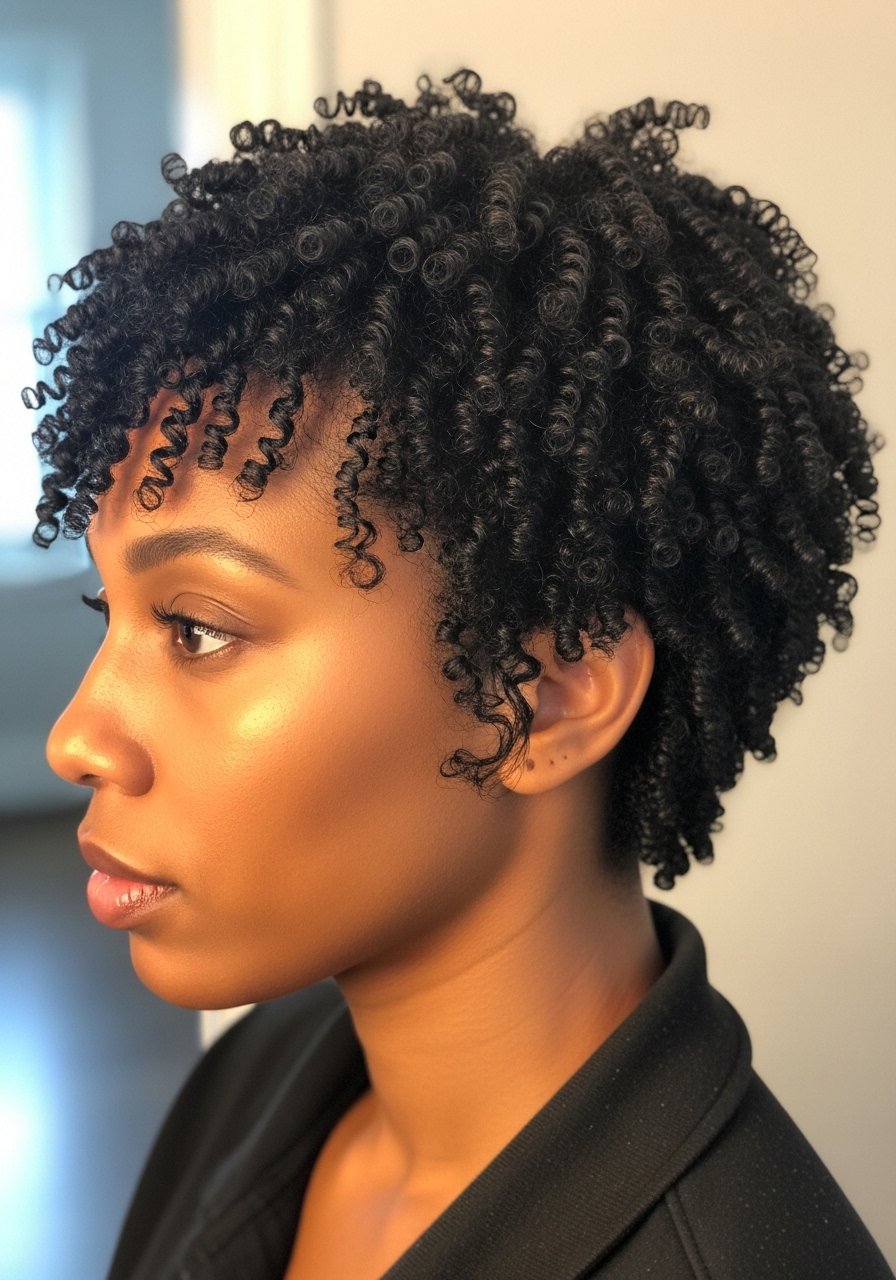
Coily hair can wear a shag if it keeps shape near the crown and has longer face-framing pieces. Cut with a 2 to 3-inch length difference between crown and front and shape dry if possible. This suits 3C to 4A textures. I always tell friends to avoid over-layering the sides or else you lose the silhouette. For styling, a rice-grain sized amount of cream per section and a light gel obviate crunch. Deep-condition weekly if you are color-treated. If you are unsure about a cut, consult a stylist who specializes in textured cuts.
Salon Gloss Shag For Color Longevity
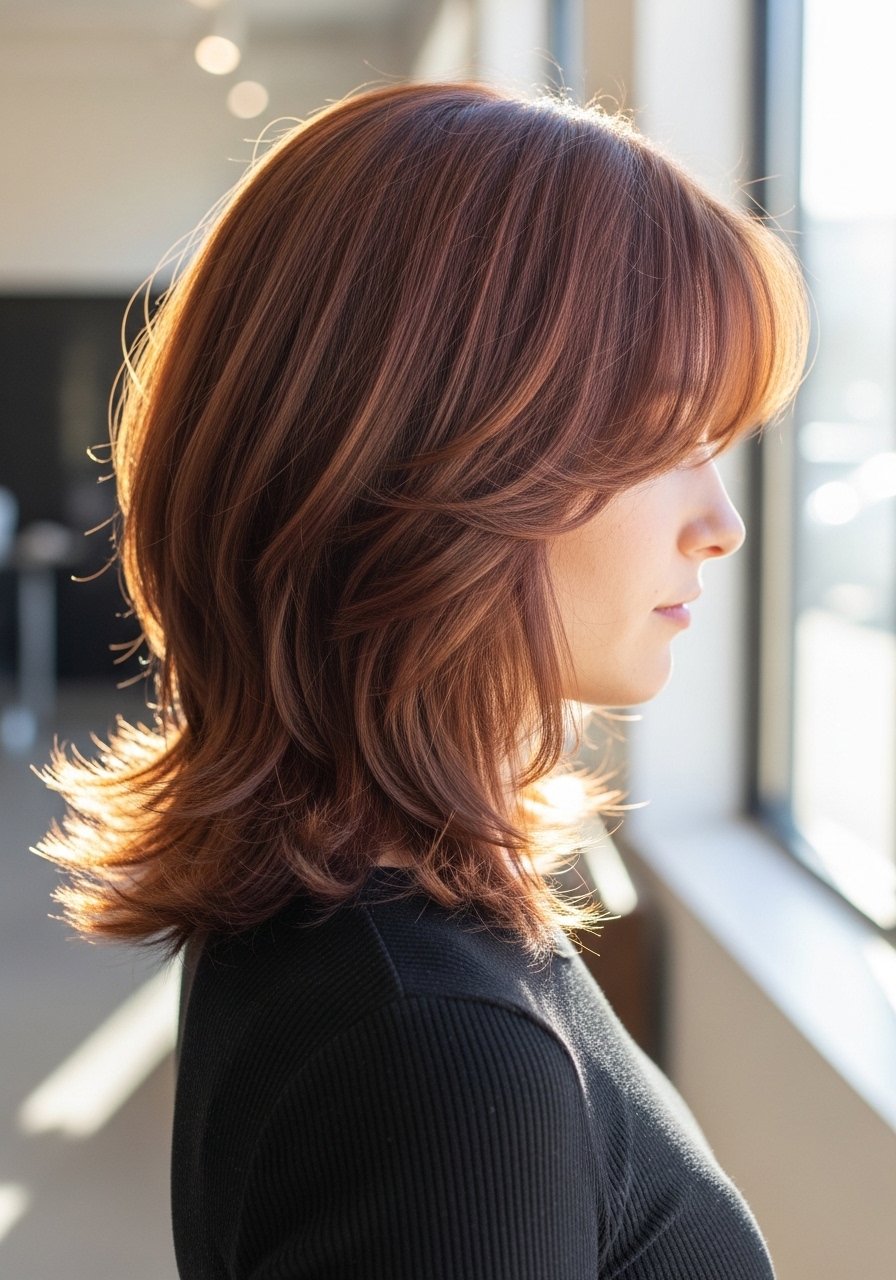
If you colored and want the tone to last, a salon gloss after your cut seals the color and smooths layer edges. It usually takes 20 to 30 minutes and keeps shine for four to six weeks. This is the one salon service I rarely skip when I have highlights or a money piece. At-home glosses exist but read ingredients and do a patch test for scalp sensitivity. A common frustration I see is people over-washing and fading color. Stretch your washes to every three to four days when possible and use a color-safe sulfate-free 8oz shampoo.
Heatless Robe Tie Waves On a Shag
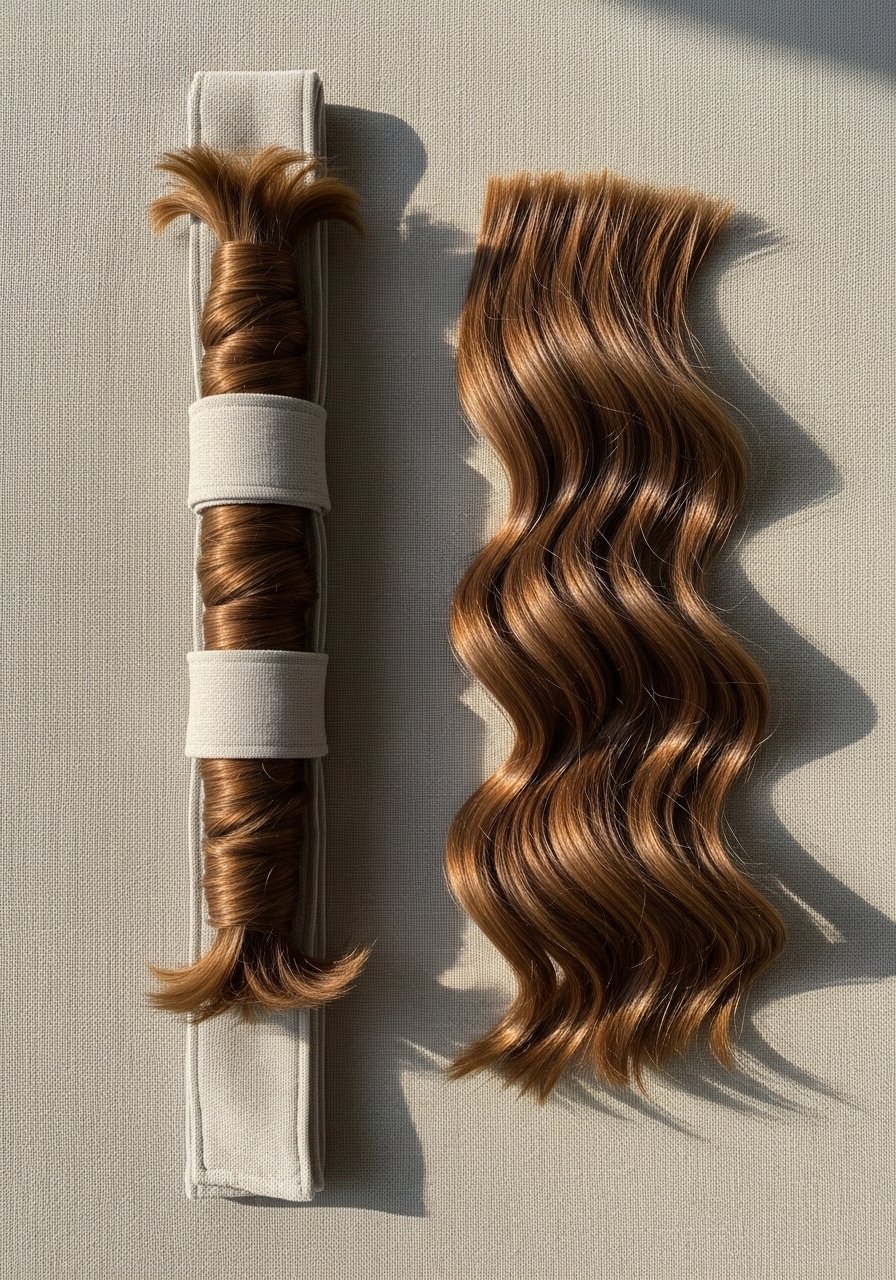
For a softer, low-damage wave on any shag length, try the robe tie method overnight. Section hair into four to six pieces depending on thickness, wrap each around the sash and secure, sleep, and release in the morning. Works well on 2A through 3B textures. The advantage is less heat damage and a more natural bend. Mist hair with a leave-in, then two spritzes of salt spray before wrapping. Common mistake, wrapping too tightly which creates dents, or using a heavy product that leaves hair sticky. For fine hair, use four sections. For thicker hair, six.
Feathered Face-Framing Shag For Oval Faces
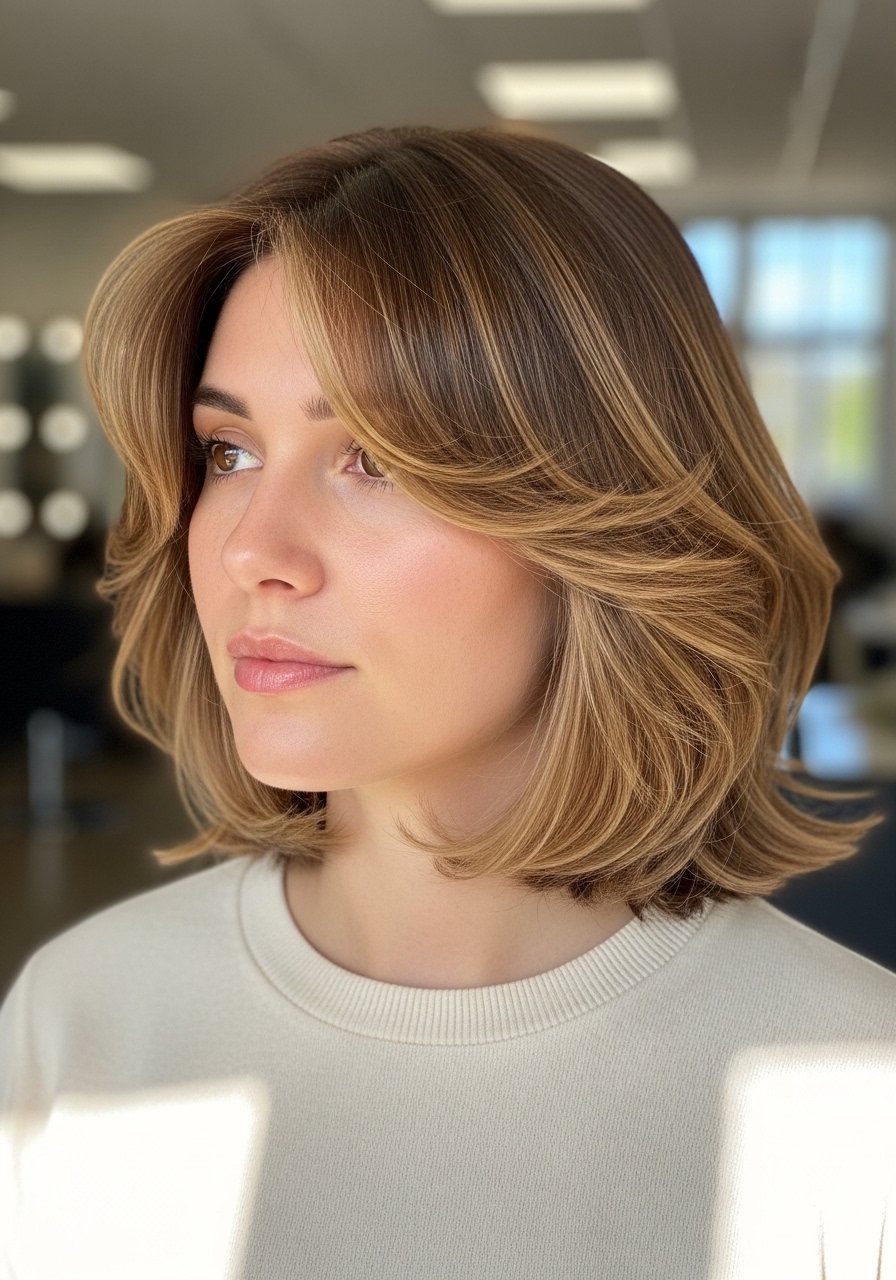
Oval faces are forgiving, but feathered face-framing really softens features. Ask for slices that start at the cheekbone and angle down toward the chin. Keep the weight at the bottom to maintain length but take micro slices at the front. This style takes about five minutes to style daily with two fingers and a bit of cream for separation. The mistake is too much product which collapses the feathering. If you color the face-framing pieces, do a strand test and watch for scalp sensitivity.
Pinned Back Shag With Volume At The Crown

When you want the shag off your face but still textured, a couple of bobby pins at the crown lifts and converts the cut to a modern half-up in two minutes. Tease a half-inch strip at the crown lightly, pin with two pins in an X, and leave face-framing pieces out. Works on 2A through 3B textures and shoulder-length cuts. The trick is not to over-tease or your roots will go crunchy. Use a boar bristle brush to smooth without flattening and finish with a light shine mist.
What I Learned About Cutting Shags The Hard Way
- Do not try to lift dark hair three levels at home and then cut a shag. You will pay a salon to fix it
- Most stylists agree, cutting curls dry is essential to keep shape
- If you are going color light, book the cut after your color correction or the layers will read wrong
- Heat protectant belongs on damp hair first, not dry. Color Wow Heat Protectant is my pick
- If your ends look like split fiberglass, trims and weekly bond treatments beat miracle shampoos. Olaplex No. 3 Hair Perfector once a week helps the most in my experience
Frequently Asked Questions
Q: Can I cut a shag at home if I am not experienced?
A: Short answer, yes for small texturizing tweaks and curtain bangs if you go slow. For major reshapes, see a stylist. Start with dry cuts in natural texture, take off less than you think, and do one-inch sectioning. If you try color at the same time, do not bleach over previous dye at home.
Q: How often should I trim a shag to keep the shape?
A: Every 10 to 12 weeks is my rule for active shags. If you are growing it out, 12 to 16 weeks works. Waiting longer makes the layered silhouette collapse and you wind up with random weight at the bottom.
Q: What is the difference between a leave-in and a curl cream, and do I need both?
A: Leave-ins detangle and add slip. Curl creams shape and add hold. For most shags with wave or curl, I use a dime to nickel amount of leave-in on damp hair, then layer a pea-sized curl cream in 1-inch sections before adding gel or mousse. Layering is better than a single product.
Q: Can I use Olaplex No. 3 if my hair is not damaged, or will it make it worse?
A: You can use it as a preventive boost, but once a week is enough. Watch for counterfeit sellers on Amazon, buy from the official store or Sephora if you want peace of mind. It will not force hair to regrow, but it helps reduce breakage from styling.
Q: How often should I wash a shag with color or money piece highlights?
A: Try to stretch to every three to four days. Over-washing lifts color and fades face-framing highlights fastest. Dry shampoo between washes helps root volume if you have fine hair.
Q: Is a razored shag better than shears for texture?
A: Razors give softer, feathered ends which offset blunt perimeter. Shears give cleaner lines. For most modern shags I prefer a mix, razor on internal layers for movement, sharp shears on the outer line. If you do it at home, stick to shears unless you are experienced with a razor.
Q: How often should I use purple shampoo without drying my hair out?
A: Once a week if you have moderate brass. If you use it every wash and your hair feels straw-like, back off to once every two weeks. Follow with a good conditioner and a weekly bond or deep mask if you are color-treated.