
I bleached my own hair last winter and learned the hard way that a textured shag hides damage better than a blunt cut, but only if the layers are set up to move. These ideas focus on shags that look lived in, take 10 to 30 minutes to style, and fit hair from fine 1B straight to thicker 3B waves. Most are doable at home with one or two tools, three cost more than $100, and highlights or heavy lifts are worth a salon visit.
Easy Choppy Shag For Shoulder-Length Hair
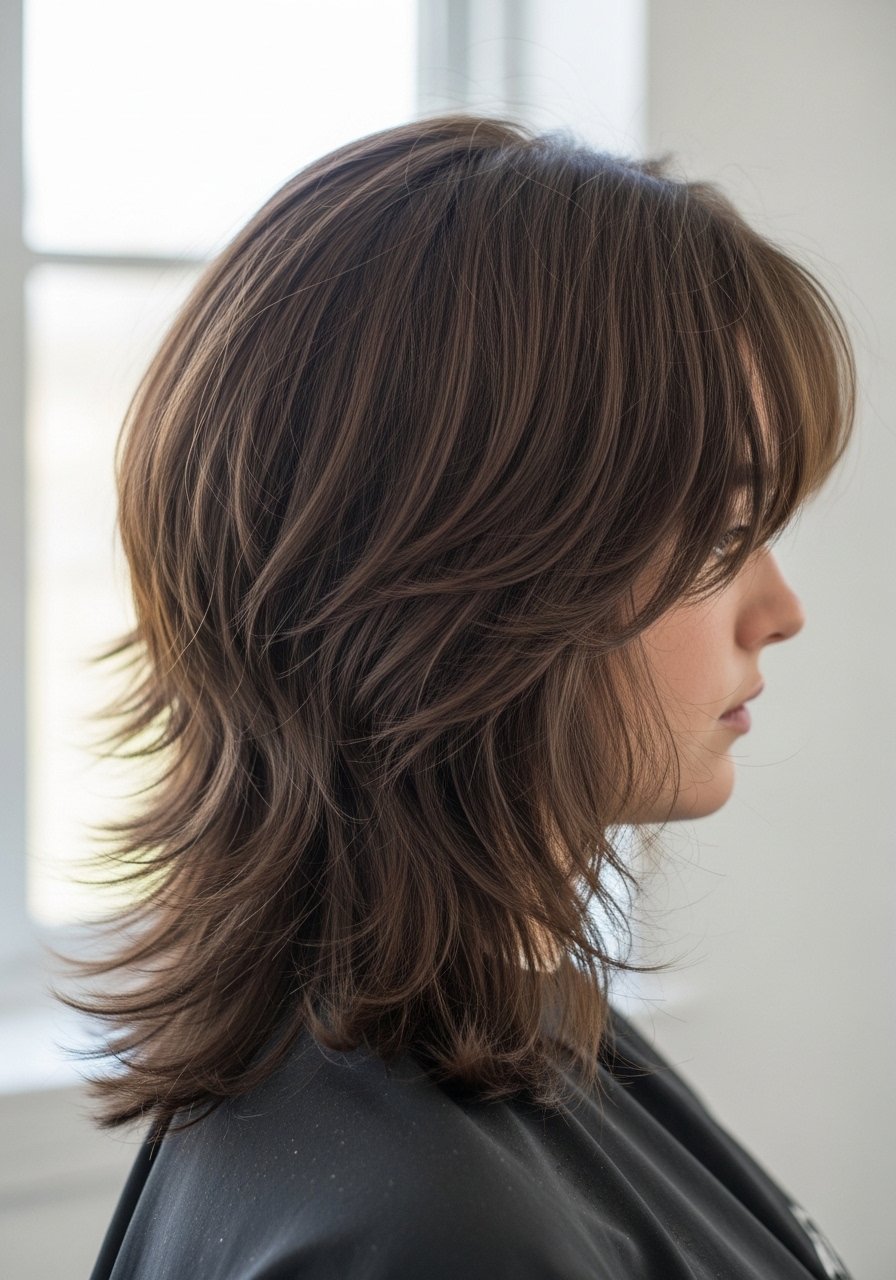
Start with dry hair so your stylist or you can see how the ends behave. I ask for short layers at the crown and longer pieces toward the front, which keeps movement without losing length. On shoulder-length 2A to 2B hair, two spritzes of Batiste dry shampoo at the roots, then rough-dry for about six minutes on medium heat gives instant lift. A common mistake is over-texturizing the ends, which makes fine hair look thin. If you cut this at home, section into four and keep each slice to 1/2 inch thickness. Heat protectant before any iron over 300F is a rule I never skip.
Short Shag Pixie For Thick Hair
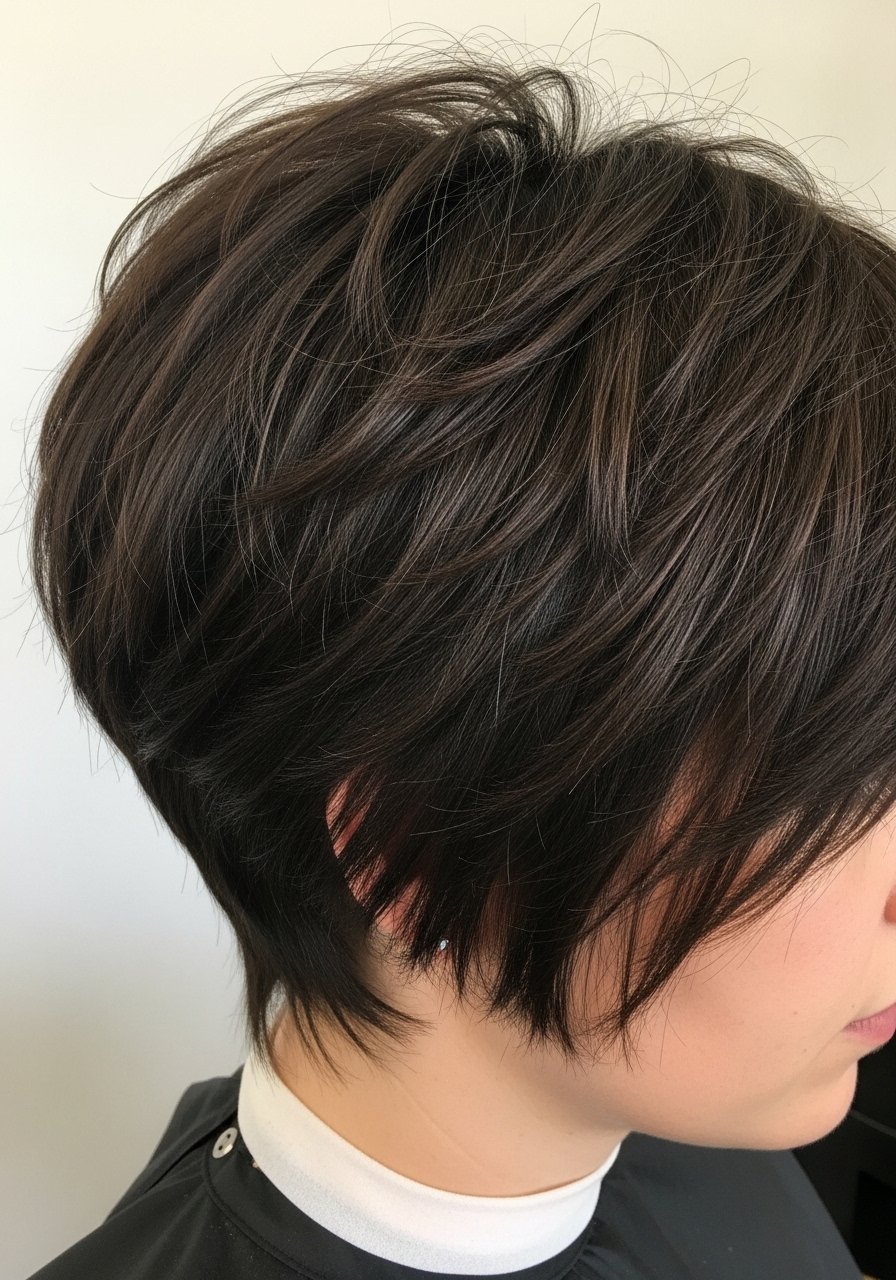
If your hair is dense and weighs down layers, the short shag pixie gives bounce without looking spiky. My stylist slices the top into 1/4 inch graduating layers, and we leave the sides longer to soften the face. It takes five to ten minutes to style with a 1-inch curling iron at 300F, alternating directions through eight 1-inch sections. Most people overuse product on this one, leaving it greasy by midday. Two finger-taps of Oribe texturizing spray and a light matte paste smooth the shape. Salon cutting is recommended for the first pass, DIY trims for maintenance.
Curtain Bangs With A Soft Shag Frame

Curtain bangs make a shag read modern and breezy, but cut them a little longer than you think. My rule is to dry the hair before trimming bangs, then cut in 1/2 inch increments. For styling, I brush bangs with a round 1.5-inch brush and a quick 280F blast of heat through the section, hold three seconds, then finger-comb. A frequent error is trimming too short when wet, which opens a forehead gap. If you want a softer finish, two drops of a lightweight oil smoothed through ends keeps the fringe in place. If you color the face-framing pieces, patch test for allergies and consider booking with a pro.
Layered Lob Shag For Fine Hair
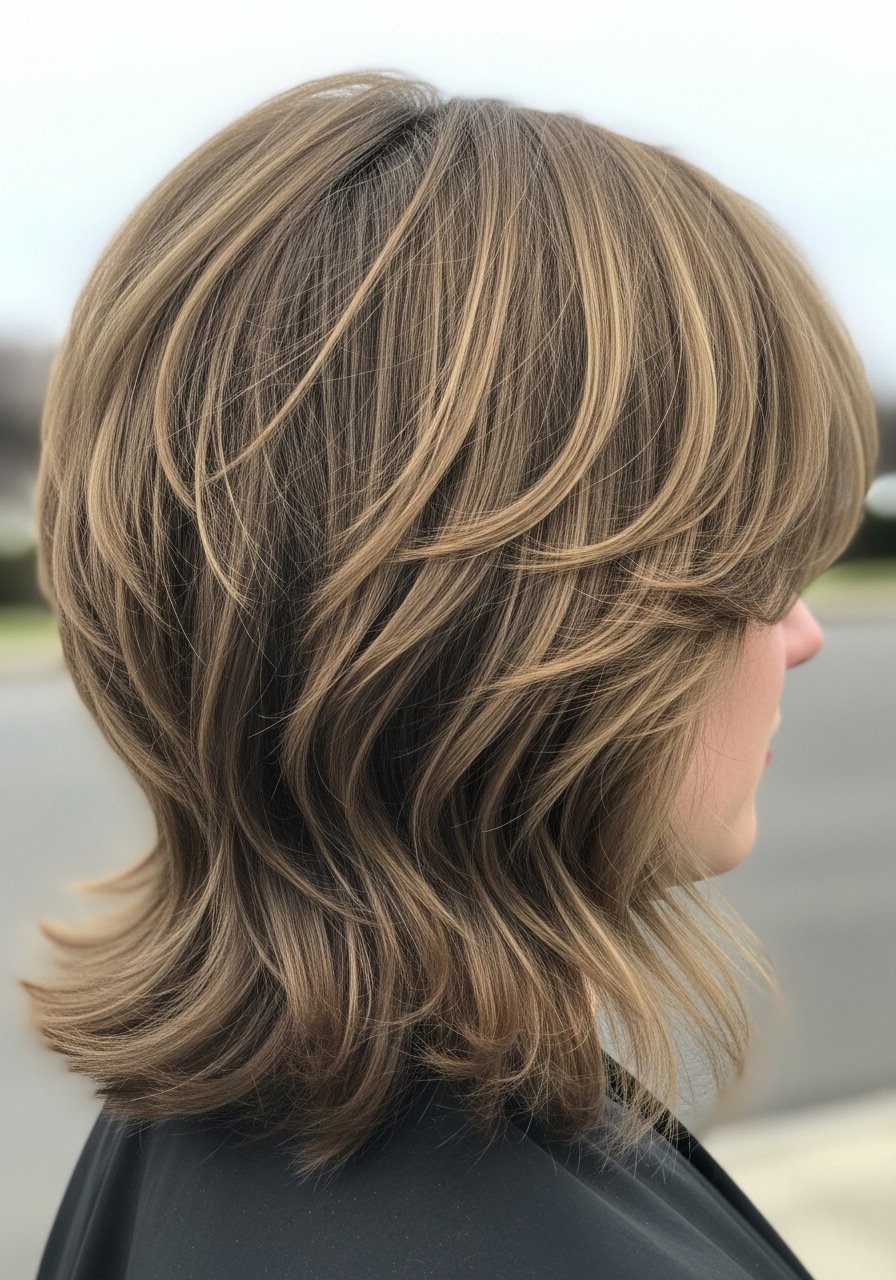
Fine hair benefits from fewer, more strategic layers. I ask my stylist for two weight-reducing layers at the crown only, keeping length at the front so it reads fuller. On wash day I use the LOC method, applying a leave-in, then oil, then cream through mid-lengths to ends. If you blow-dry, use a cool-to-medium setting and a round brush for 7 to 10 minutes, rather than a full hot blowout, which flattens fine hair. A light mist of Color Wow Dream Coat after styling keeps frizz down for three days. Avoid heavy waxes; they collapse the lift.
Wolf-Inspired Shag For Medium Waves

The wolf-style layering and a modern shag overlap nicely when you want edge with softness. I separate my 3B waves into six large sections and scrunch a lightweight cream into each, then diffuse on low for 12 minutes to keep shape without crunch. A mistake is relying on gel alone. Switching to a cream under a small-amount gel gave my second-day texture actual definition. If you try this at home, cut in stages and leave the longest layers at the front. For longevity, refresh with a two-spray touch of Batiste dry shampoo at the roots on day two.
Textured Shag With Money Piece Highlights
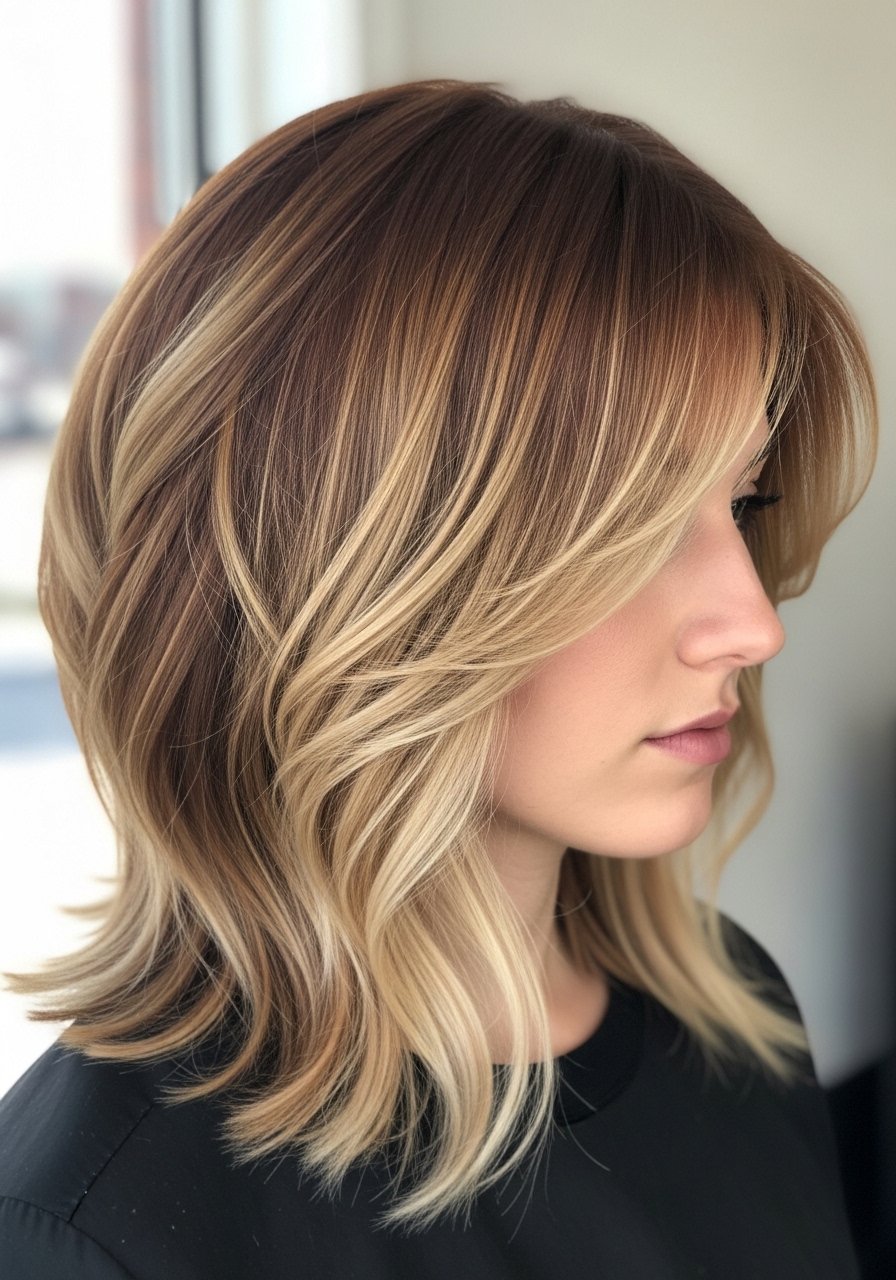
Face-framing money pieces brighten a shag without a full color commitment. If you are lifting color more than two levels, do it in a salon to avoid breakage and uneven tone. My stylist lightens only the front two sections, no more than 1.5 inches wide each, and we tone to prevent brassiness. Expect a 45 to 90 minute appointment and touch-ups every 8 to 12 weeks. Try Olaplex No.3 once a week to keep lifted strands from feeling papery. Buy Olaplex from the official store on Amazon or grab it at Sephora to avoid counterfeits.
Heatless Robe Tie Shag Waves
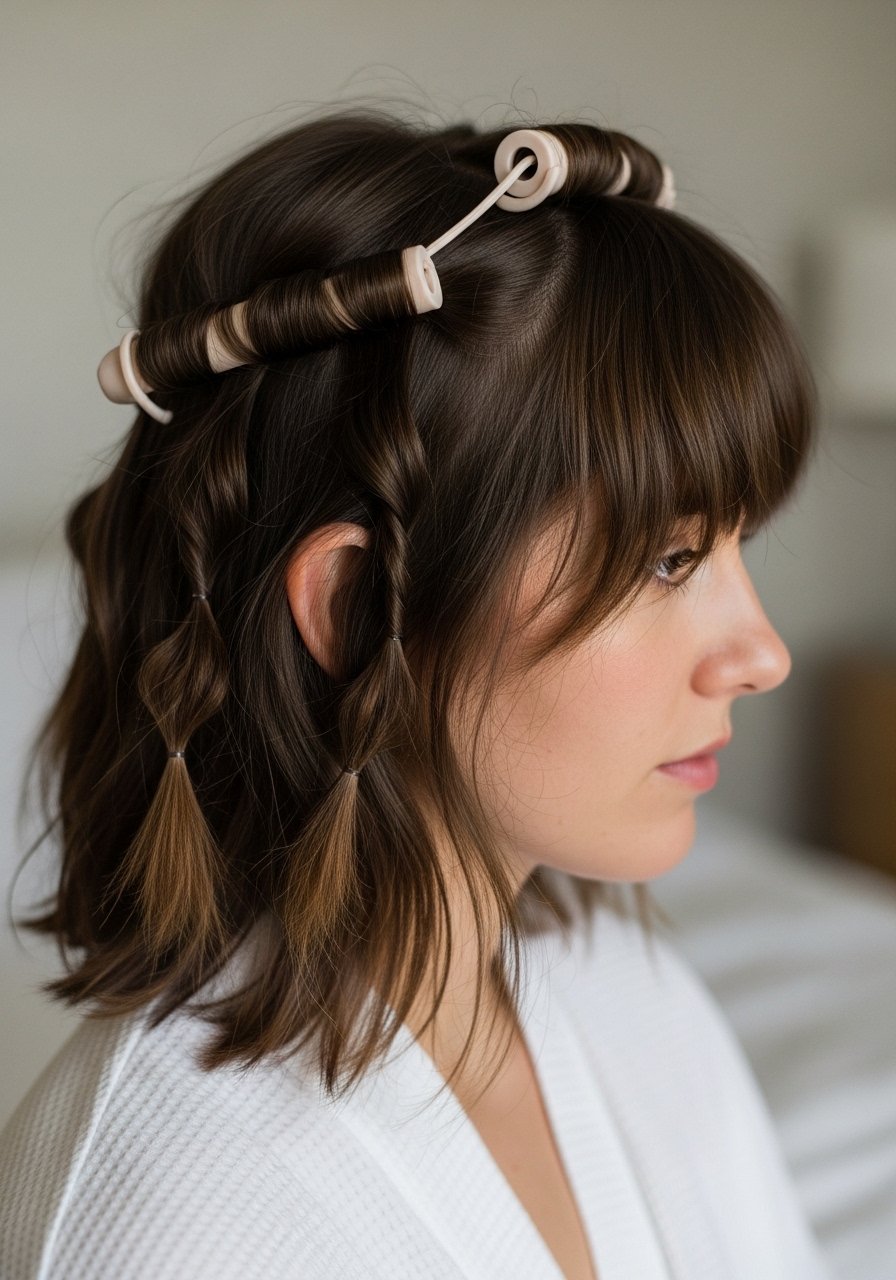
I started doing robe-tie waves to sleep on, and they actually hold better than loose overnight braids for my hair type. Work on damp, not dripping, hair. Divide into eight 1-inch sections, wrap each around the sash, and knot loosely. In the morning, untie and shake. A light cream before wrapping keeps frizz down. Most heat protectants you spray on dry hair before flat ironing barely work. Apply leave-in and styling cream while hair is damp instead. This technique is safe and cuts morning styling to under five minutes.
What I Pack For A Modern Shag
Olaplex No.3 hair perfector 3.3oz. I use this weekly when my color has been lifted, and I buy from the official seller on Amazon or Sephora to avoid fakes.
Batiste dry shampoo travel size. Two spritzes at the roots revives the cut between washes.
Color Wow Dream Coat anti-humidity spray 4oz. One light application before blow drying gives a three-day frizz shield.
Silk pillowcase queen size. It cut my morning frizz in half and is under $25.
Microfiber hair towel turban. Cuts blow-dry time by a third when I use heat.
1-inch ceramic curling iron. Set to 300F for most shags, higher only for thick coarse hair.
Wide-tooth detangling comb. Gentle on wet hair and keeps layers defined.
Oribe texturizing spray 2.5oz. Two finger-taps through mid-lengths adds separation without grit.
Boar bristle paddle brush. Spreads natural oil and helps fine lobs look fuller.
Bedhead Shag With Root Lift For Greasy Hair
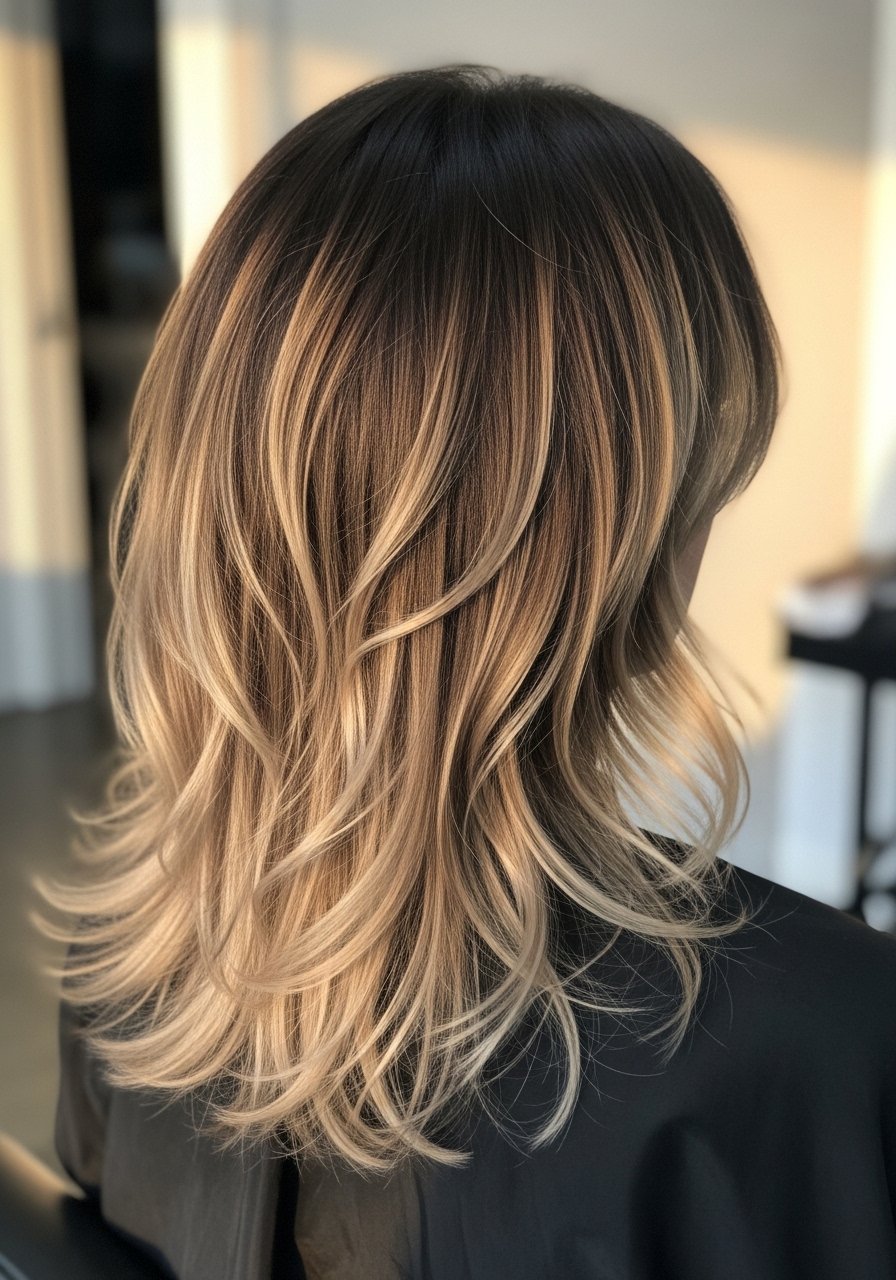
If your scalp gets oily fast, embrace the bedhead shag. Use a clarifying wash once a week and rely on a volume powder or dry shampoo between washes. I spray Batiste dry shampoo into the roots, let it sit for three minutes, then massage gently. A common mistake is brushing it through too hard, which spreads oil. Lift at the roots with a round brush for five minutes and finish with a single short burst of cool air to set. If you color near the roots, avoid clarifying washes more than once a week to prevent premature fading.
Blunt-Edge Shag With Smooth Ends For Straight Hair
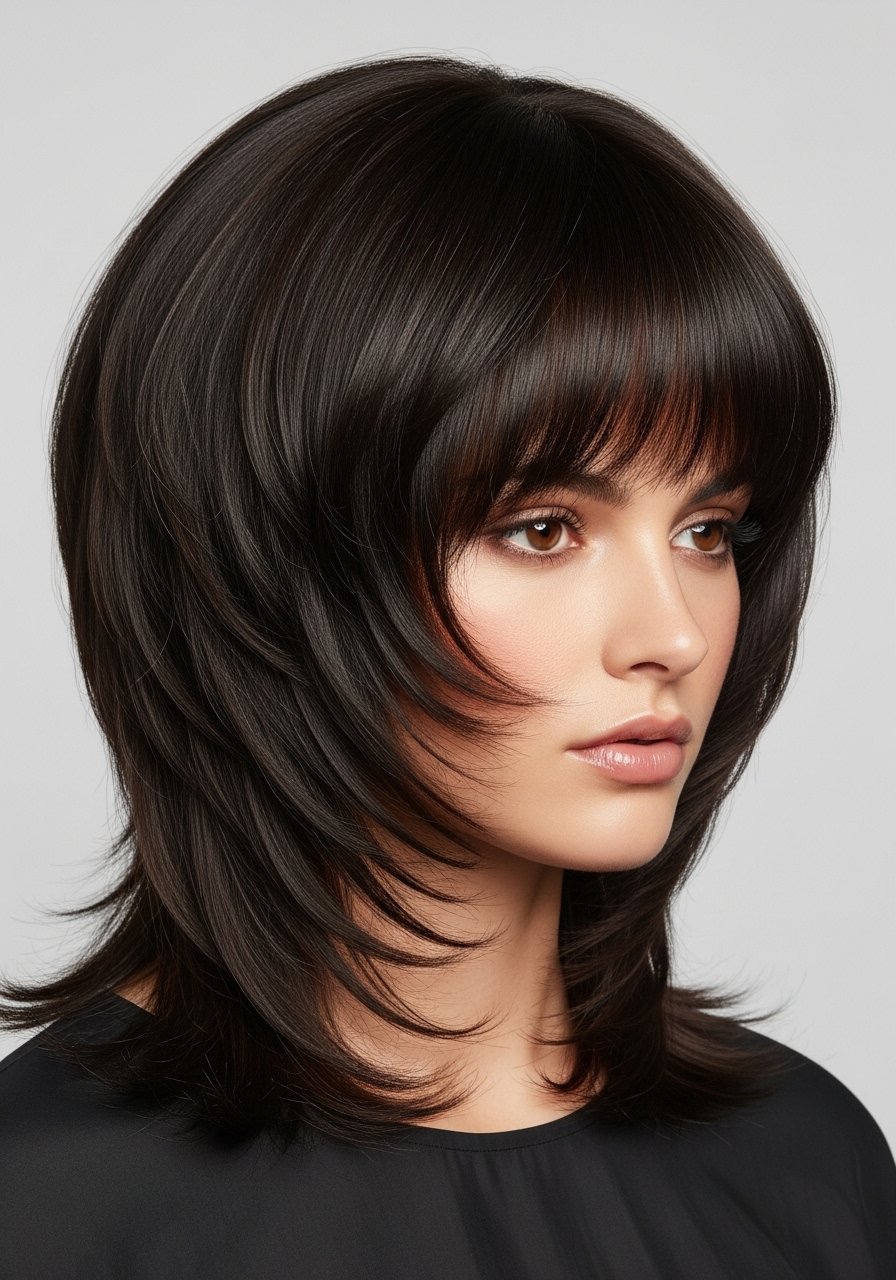
This look pairs blunt ends with internal texture so straight 1A to 1B hair keeps weight at the bottom and movement on top. After a sleek blowout I run a 1/2-inch straightener at 320F over 1-inch sections for a polished finish. Too much oil will ruin the blunt look fast, so a tiny pea-size of lightweight oil only on the very ends does the trick. If you are tempted to flat iron daily, remember heat protectant before any iron over 300F and keep the iron moving to avoid frying strands. Trim every eight to ten weeks to maintain that crisp edge.
The Little Things That Keep a Shag Easy
Grab a microfiber hair towel for $12. It cuts my blow dry time and stops the frizz before it starts.
Heat protectant goes on damp hair, not dry. The cuticle is more open and the product actually absorbs. Color Wow heat protectant is one I reach for when I blow-dry often.
Hair grows about half an inch a month at most, regardless of what biotin gummies promise you. So keep trims regular and focus on breakage prevention with Olaplex No.5 conditioner if you color.
If you sleep on second-day texture, switch to a silk pillowcase to reduce friction and preserve layers.
Drugstore shampoo is fine. Where you need to spend is on a conditioner and a bond builder. Buy Olaplex from the official Amazon store or at Sephora to avoid counterfeits.
Frequently Asked Questions
Q: Can I do money piece highlights at home without wrecking my shag?
A: If you are only lifting one level for subtle brightness, a careful at-home kit can work. For anything more than that, or if you have previous color, this is a salon service. Lifting over old color often causes breakage. If you try it, do a strand test and have Olaplex No.3 on hand for immediate conditioning.
Q: How often should I trim a shag to keep shape?
A: Every eight to twelve weeks for shorter shags, and ten to fourteen weeks for longer lobs. Waiting longer makes layers lose their separation and the cut looks heavy. A quick 10-minute in-between trim fixes stray pieces without changing the style.
Q: My waves fall flat by midday. What am I doing wrong?
A: Often too much product at the roots or heavy conditioners are to blame. Try two spritzes of dry shampoo at the roots and apply creams only from mid-lengths to ends. Also try rough-drying the roots for six to eight minutes on medium heat before finishing with a cool shot.
Q: Can bond builders fix over-processed layers?
A: They help strengthen and smooth the appearance of damaged strands, but they do not reverse past chemical damage. Bond builders reduce breakage and make styling more predictable. Use them weekly and pair with a sulfate-free shampoo. If you have severe breakage, see a salon or trichologist for a plan.
Q: How often should I use a clarifying shampoo on a shag?
A: Once every one to two weeks if you use a lot of styling product. Over-clarifying more than twice a week can dry the hair. For color-treated or porous hair, stick to every other week and follow with a deep conditioner.
Q: How do I know my porosity and why does it matter for a shag?
A: Drop a clean strand into room temperature water. If it floats for 4-plus minutes, low porosity. If it sinks in under a minute, high porosity. Low porosity hair needs a bit of warmth for products to absorb, so use a warm towel or steamer with treatments. High porosity hair benefits from bond builders and richer conditioners to reduce frizz and hold the shape of layers.