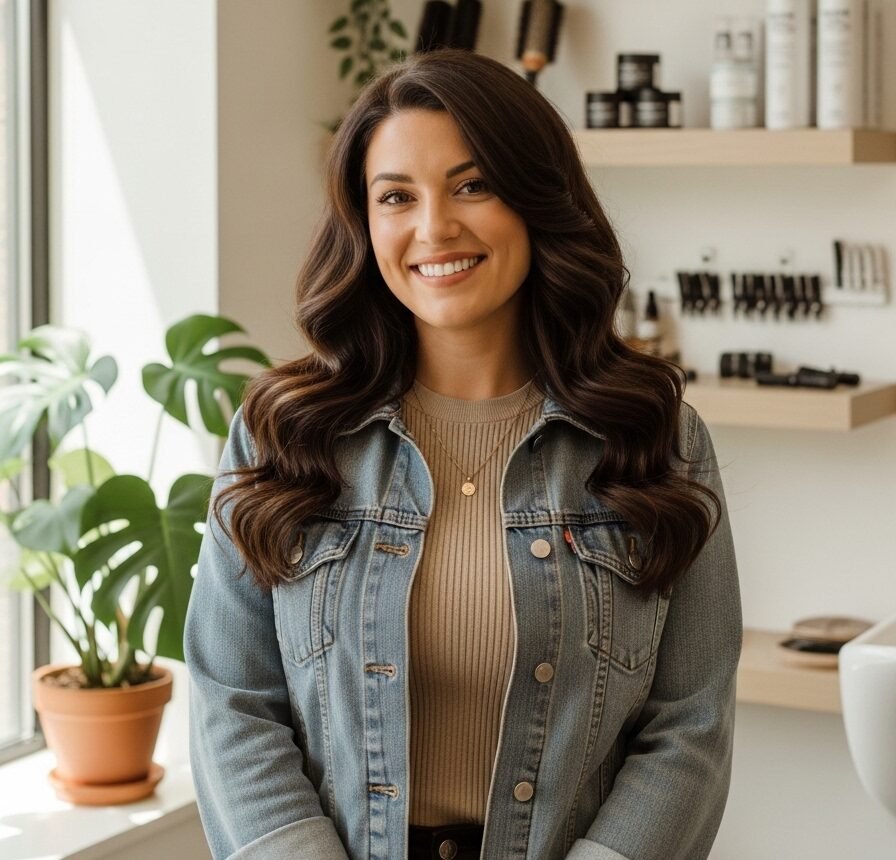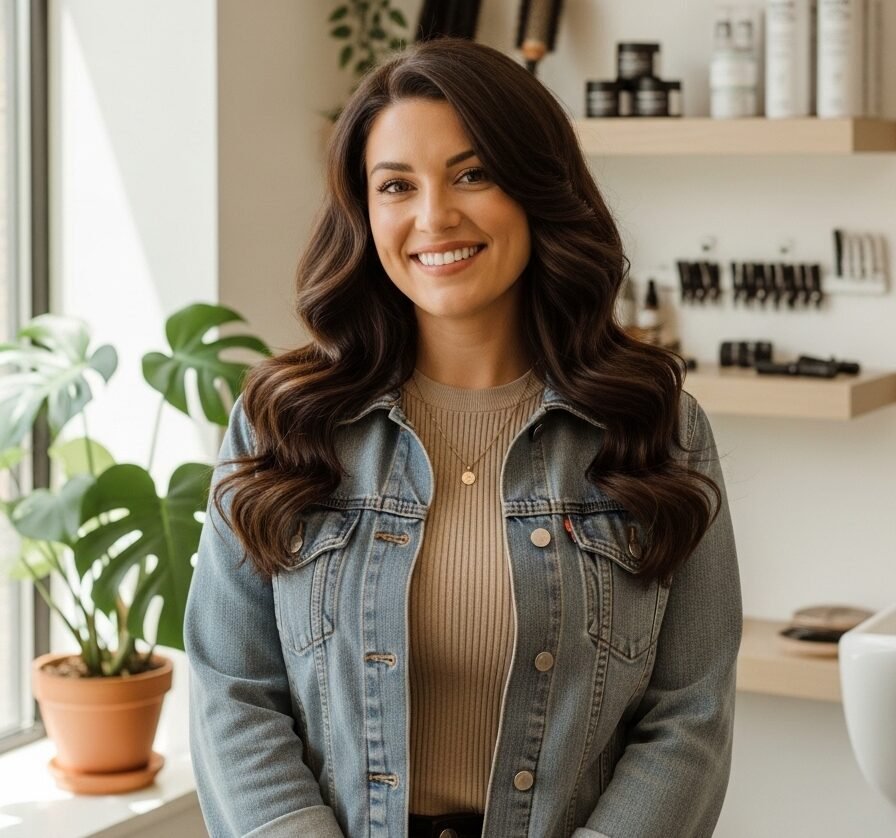
I cut my own hair once to save money and ended up with uneven layers that literally stuck out like little wings. After a year of growing them and learning how a subtle medium length haircut with layers actually sits, I want to spare you the awkward phase. These are real, wearable cuts and styling tricks that worked on my hair, my friends, and a handful of clients I clipped for a backyard trim.
These suggestions are best for shoulder to collarbone length hair, and they lean toward fine to medium density 1B through 3B textures, with notes for thicker or curlier hair where needed. Most styles are doable at home with basic tools in 15 to 30 minutes, while a precision face-framing layer or a dramatic weight change is worth a salon visit. Budget ranges from under $25 for a good texturizing spray to a splurge around $300 for a quality dryer.
Subtle Layered Lob That Keeps Weight at the Nape
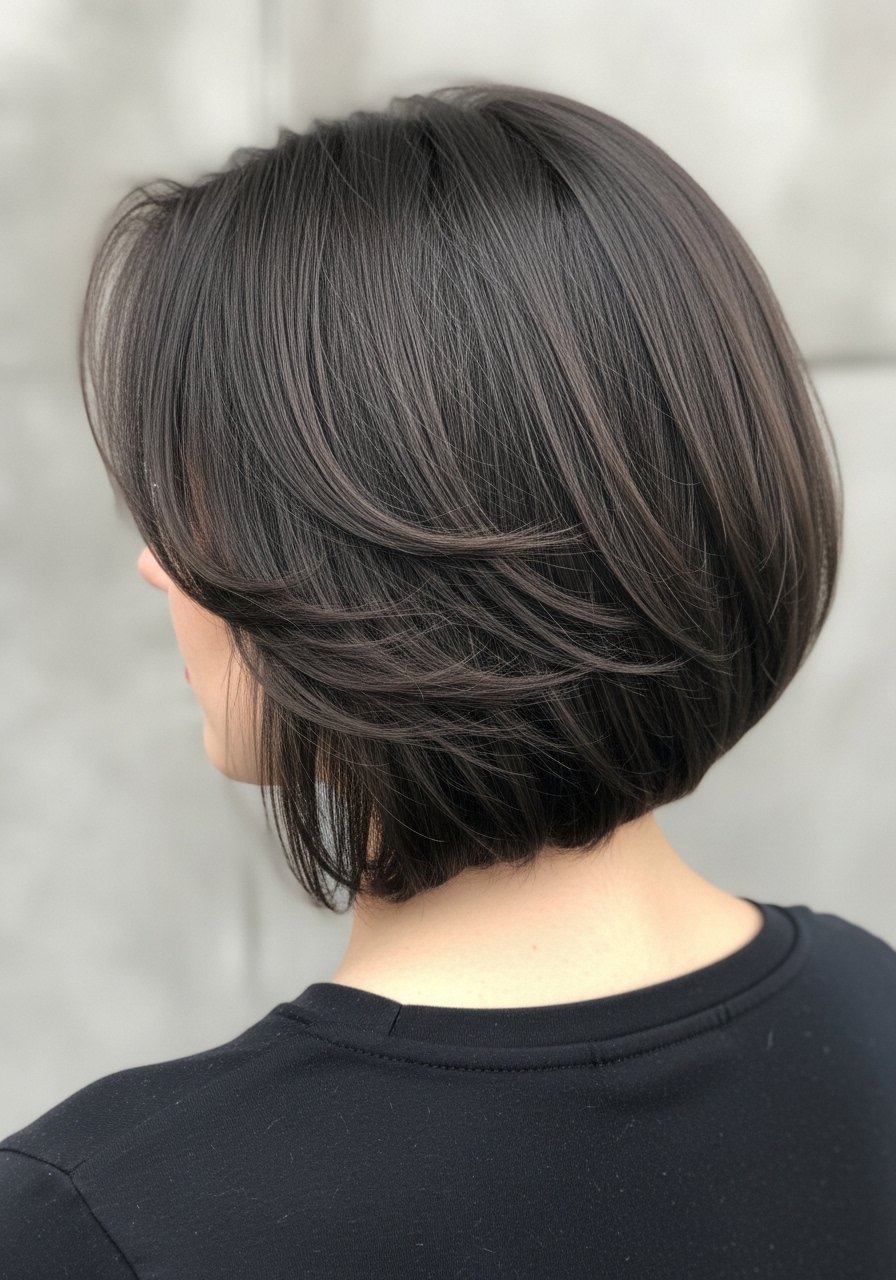
If your hair goes flat at the roots but poofs at the ends, this long lob with internal layers balances the weight. Ask your stylist for internal layering every 3 inches from the nape up, which keeps the silhouette clean while letting the ends move. It works great for fine to medium straight hair and for 1A through 1C textures. At home, two quick passes with a 1-inch plate set to 320 to 350F smooth the outer surface. Always spray a heat protectant before any iron over 300F, and use only a light texturizing spray, two to three spritzes, so you do not lose the lob’s weight. This cut is low-maintenance and easy to air dry.
Face-Framing Layers That Soften Round Faces

When my friend wanted her round face softened, adding long face-framing layers that begin at the cheekbones made the difference. The trick is to keep those pieces longer than you think, around 2 to 4 inches past the chin, so they do not create a forehead gap. This is ideal for 2A to 3A waves and those growing out bangs. It takes about 20 minutes to style with a 1.25-inch barrel wand at 300F for a single S-wave through the front sections. A common mistake is cutting the layers too short, which creates a floating fringe. DIY is okay if you section into three panels and snip conservatively. Salon option if you want precise face shaping.
Feathered Layers for Straight Thinning Ends
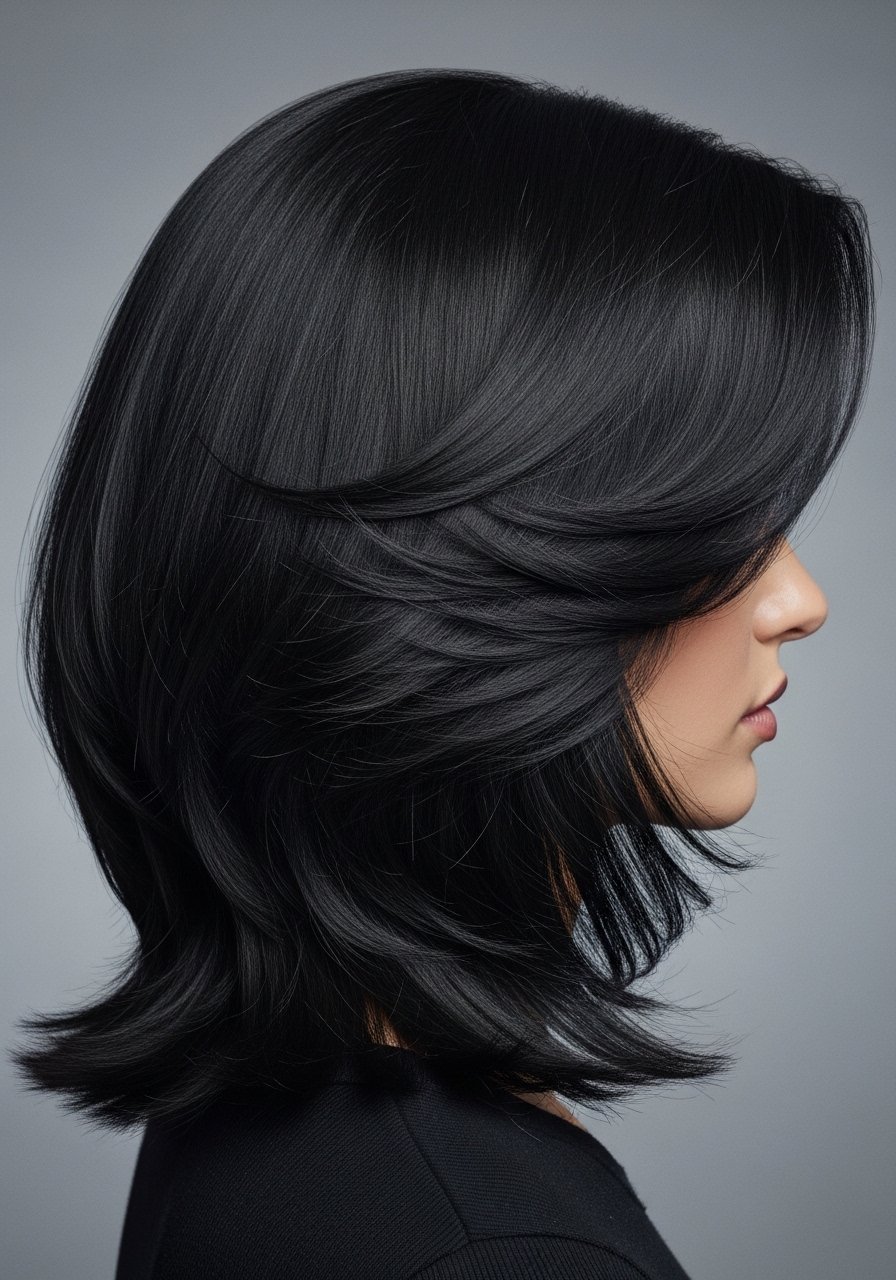
Feathering the ends is a subtle way to remove that blunt, straw-like look without losing length. For fine straight hair, the stylist uses point cutting at a 45-degree angle on 1-inch sections, which softens ends while keeping density. At home, a single session of a smoothing mask once every two weeks helps join the feathered tips, and Olaplex No. 3 used weekly cut fray in half. Watch for the razor temptation, razor work can thin hair too much near the ends. This look is budget friendly for upkeep, but if your ends have been previously bleached skip dry cutting and talk to your stylist about a wet trim.
Textured Layers to Add Volume to Fine Hair
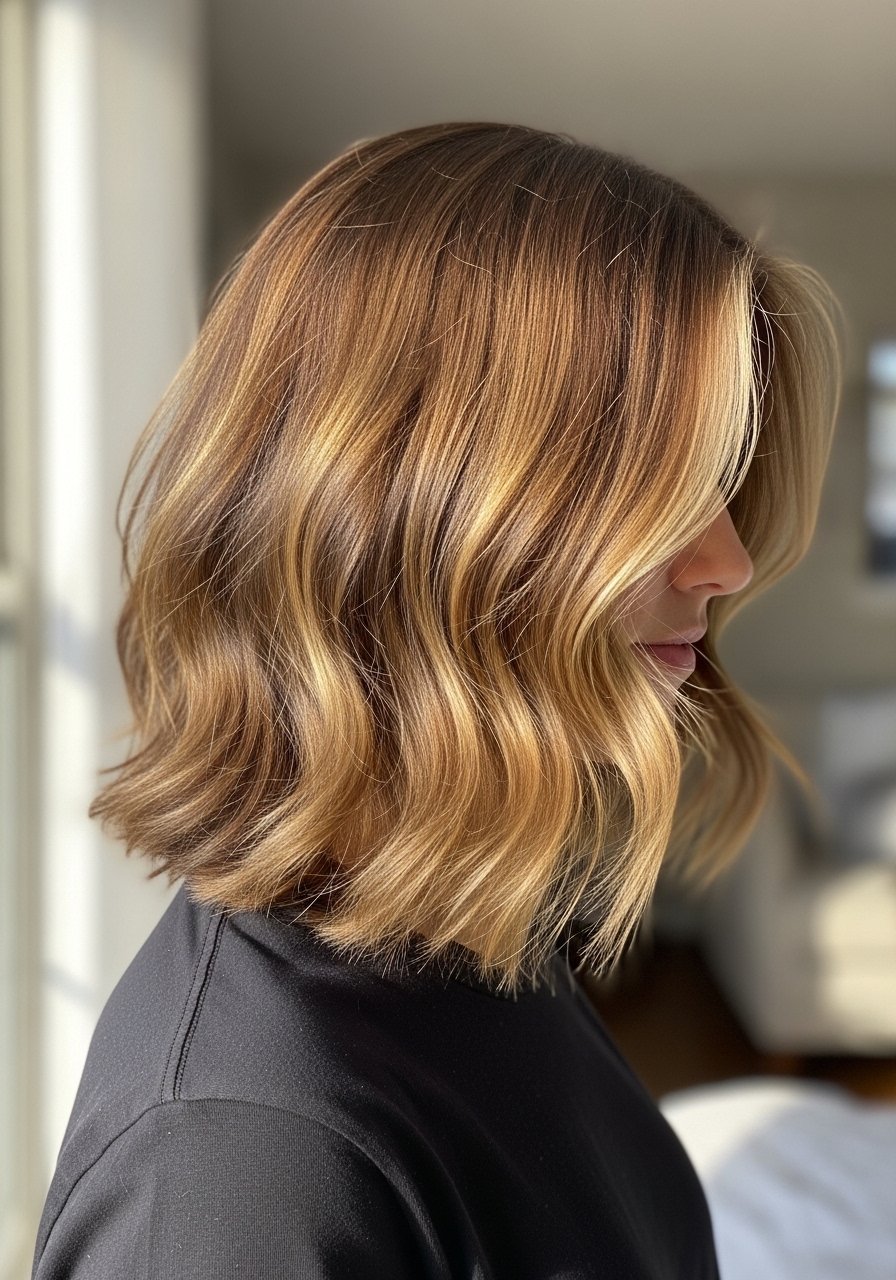
I used to pile product on limp hair and still get nothing. The fix was micro-layering through the mid-lengths, about every 2 to 2.5 inches, which creates points for product to cling to. For fine 1A to 2B hair, try a dime-sized amount of lightweight mousse distributed through damp hair, then diffuse on low for 10 to 12 minutes. A common mistake is over-texturizing with salt sprays. One or two light passes of a sea salt spray is enough. This style is perfect when you want a subtle medium length haircut with layers subtle enough to keep length, but textured enough to stop the limpness.
Long Layers That Tame Thick Hair Movement
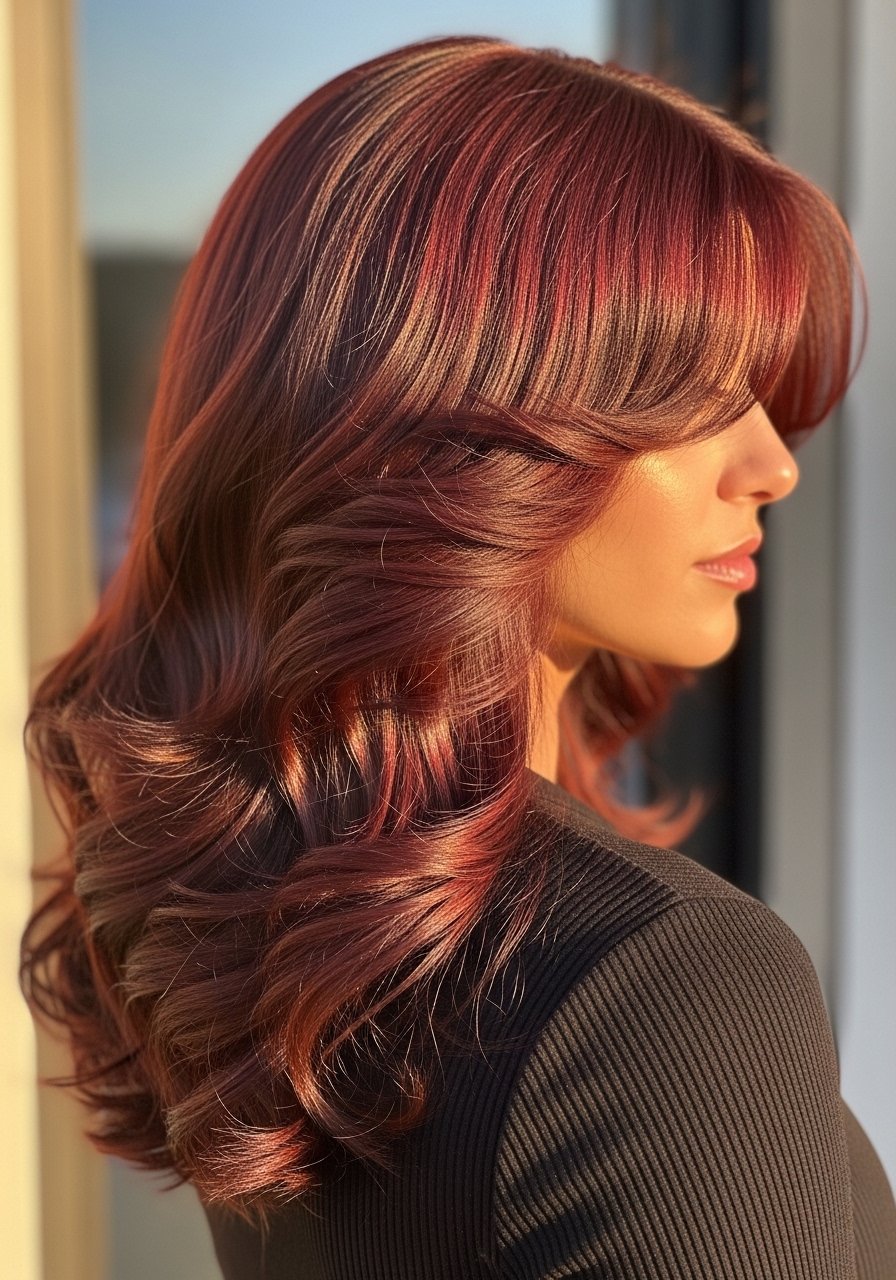
If your hair is dense and heavy, long internal layers remove bulk without creating short, frizzy pieces. Stylists often remove 20 to 30 percent of weight using long slicing cuts that start at collarbone length and blend down. This suits thick 3A to 4A textures as long as the top layers are kept long to avoid a pyramid shape. At home, avoid heavy creams near the roots and use a wide-tooth comb to detangle in sections. A salon cut is recommended here because over-thinning with scissors can lead to frizz. If you color, do an allergy patch test for new formula and discuss lift limits to protect your ends.
Soft Shag for Wavy Hair That Grows Out Gracefully

Shags do not have to be dramatic to read modern. A soft shag with long face-framing layers and graduated internal slicing keeps natural wave clumps intact. For 2B to 2C waves, the stylist should cut in vertical slices about every 1.5 inches to keep piecey separation while avoiding a jagged finish. I style mine with the LOC method, a small amount of leave-in cream followed by two pumps of light gel, scrunched and air-dried. The mistake is using a heavy cream that collapses the shape. This is a great in-between cut if you want texture but plan to grow your hair longer.
Blunt Ends With Subtle Underlayers for Sleek Looks
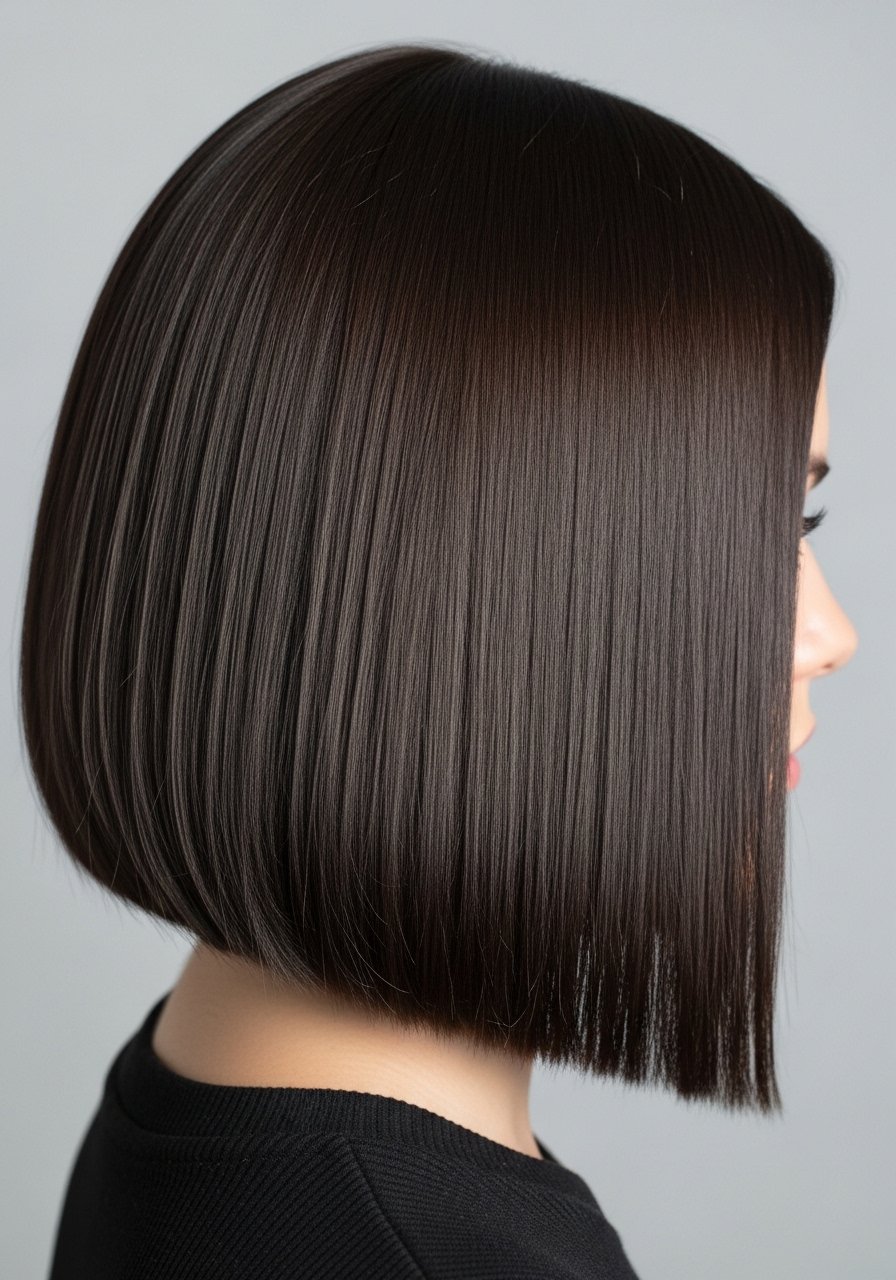
For people who like the clean edge of a blunt cut but need movement, hidden underlayers are the answer. The top section remains blunt, while 1 to 2 layers underneath are thinned using point cutting every 2 inches. It is perfect for 1A to 1C textures and for anyone worried about losing length. Style with a middle-part and two passes of a flat iron at 340F. Always use heat protectant on damp hair and avoid daily flat ironing. DIY trimming is risky here because blunt lines reveal tiny mistakes. Book a stylist for the initial cut and maintain with small trims every 10 to 12 weeks.
What I Keep In My Medium-Length Layer Kit
Olaplex No. 3 3.3 oz. I buy from the official brand store on Amazon or pick it up at Sephora to avoid counterfeits.
A fine-tooth comb for sectioning, cheap and essential.
Color Wow heat protectant spray for irons. Spray on damp hair and wait 30 seconds before styling.
A 1.25-inch barrel wand under $40 for soft waves.
A wide-tooth detangling comb for wet hair to stop breakage.
A boar bristle brush to smooth the top section without flattening volume.
A microfiber hair towel to cut drying time and frizz.
Lightweight sea salt spray for texture, two spritzes only.
A paddle dryer with diffuser attachment if you need to dry without disrupting layers.
Curtain Bangs Grown Into Soft Layers Without the Gap
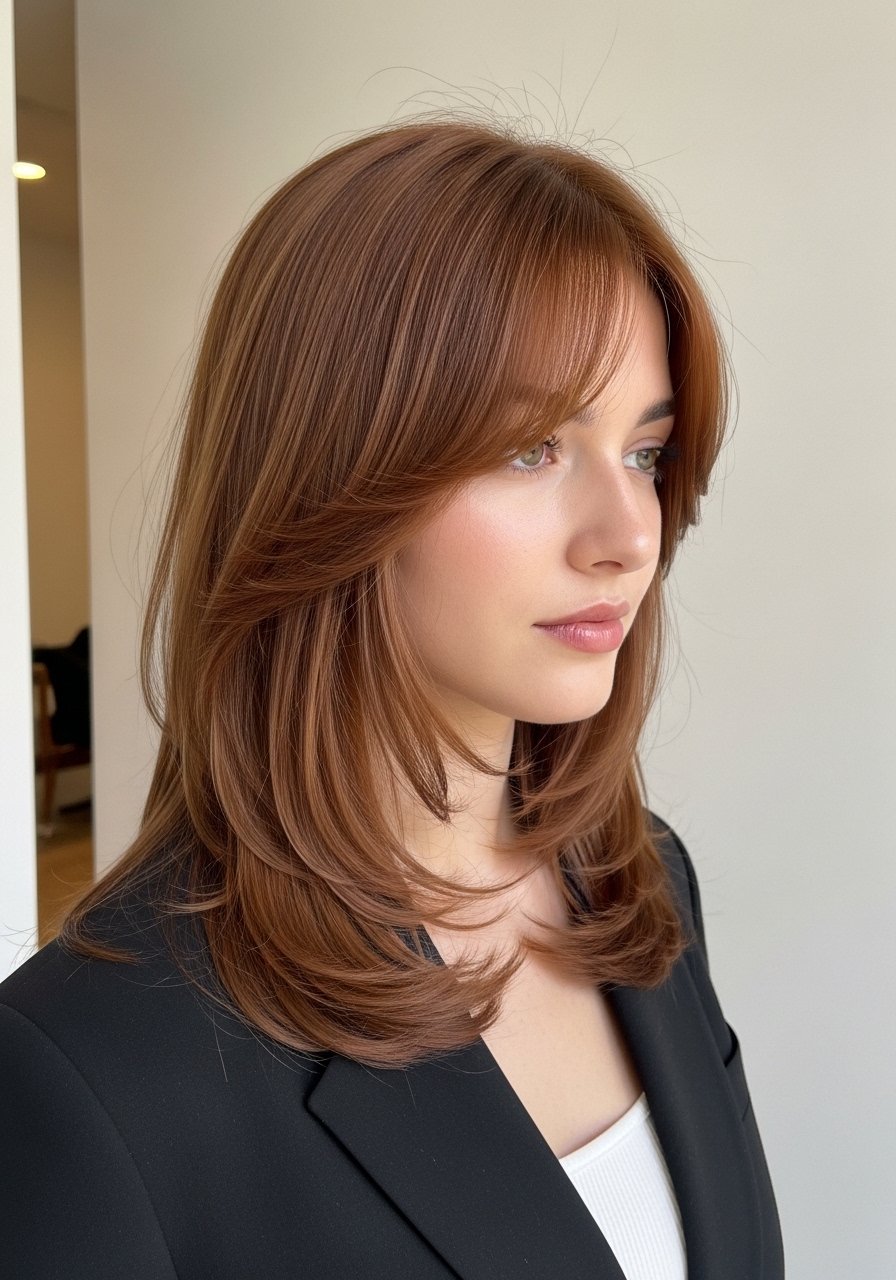
Growing curtain bangs into a layered medium cut is my favorite hiding trick. Start with bangs cut slightly longer than desired and let them graze the cheekbone. Every 6 to 8 weeks, trim the ends by a quarter inch while blending into the adjacent layers. This suits 1B to 3A textures because the part creates vertical line and length. A common error is cutting the bangs too blunt when they are wet, which shortens them after drying. If you style, a 30-second blast with a round brush at low heat shapes them without frying. See a stylist for the initial blend to avoid an obvious regrowth line.
Grow-Out Bob With Graduated Subtle Layers
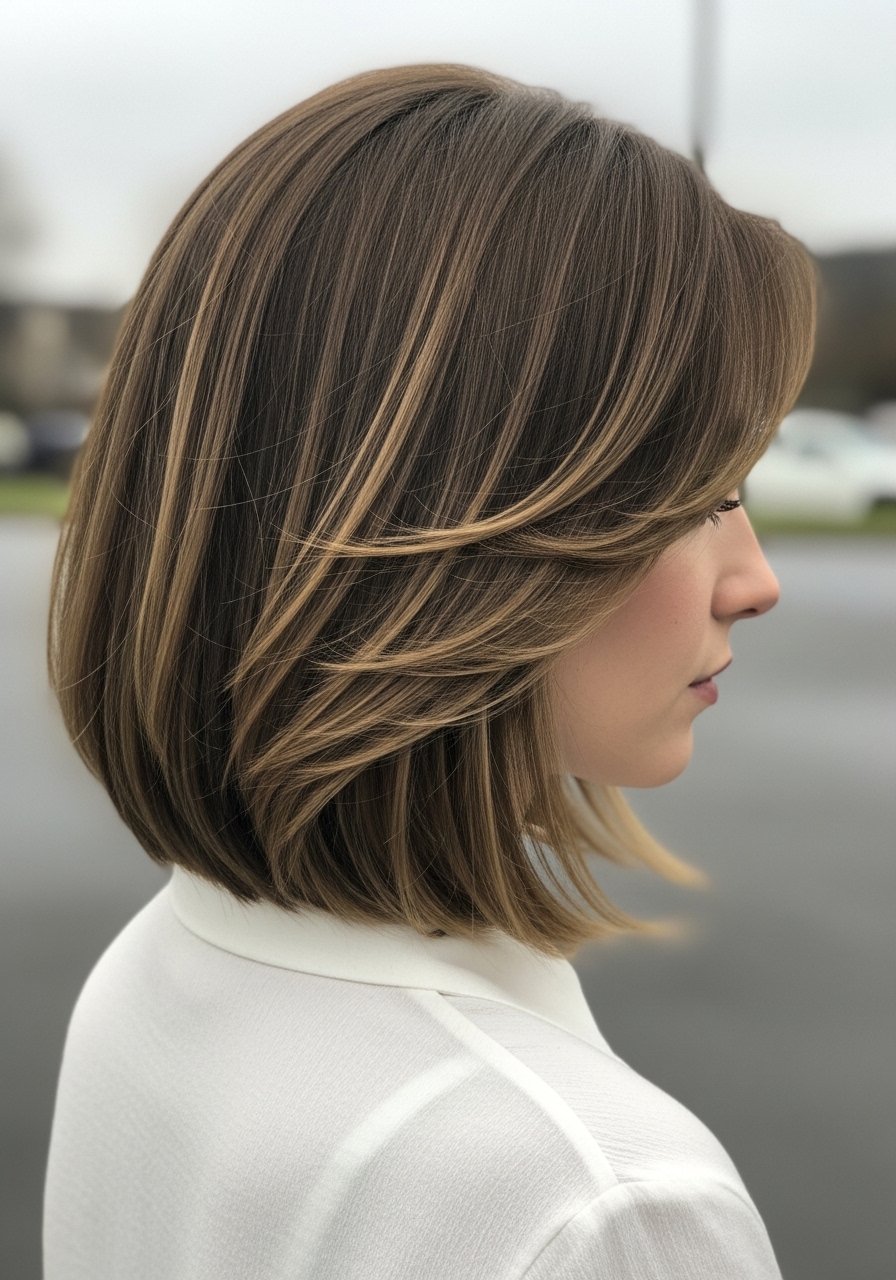
I once needed to grow a sharp bob into a softer medium length haircut with layers subtle enough to look intentional. Graduated layers at the back every 1.5 to 2 inches let the shape move without looking choppy. This method works for fine to medium straight and wavy hair. At-home maintenance is two short trims every 8 to 10 weeks to keep the graduation tidy. Avoid over-thinning the ends during grow-out. If your ends are color-treated, wait until a professional trims to reduce split end flare. This approach saves money because you delay a full restyle.
Layered Cut for Curly Hair That Keeps Clumps Intact
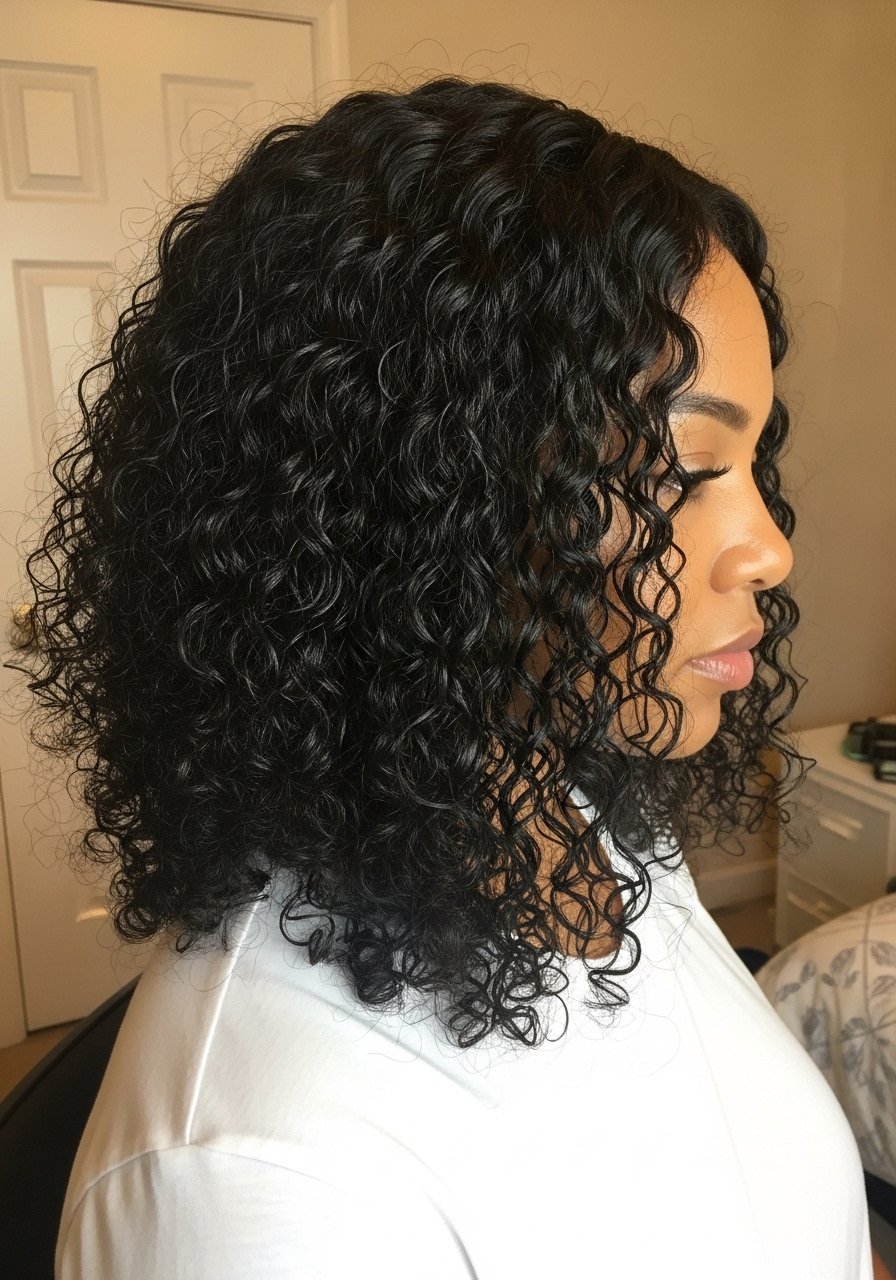
Curly hair needs layers to move, but the wrong layering ruins clumps. I ask for long, dry cuts where the stylist snips curl by curl, removing weight only where the curl opens. This suits 3A to 4A textures and saves the shape. Try not to over-comb when styling. The LOC method works well here, leave-in followed by oil. A common mistake is asking for too many short pieces which creates frizz. If you color, scalp sensitivity is a real concern, so do a patch test and avoid overlapping bleach. A salon visit for the cut is worth it for precision.
Soft Wolf Cut With Subtle Chops for Movement
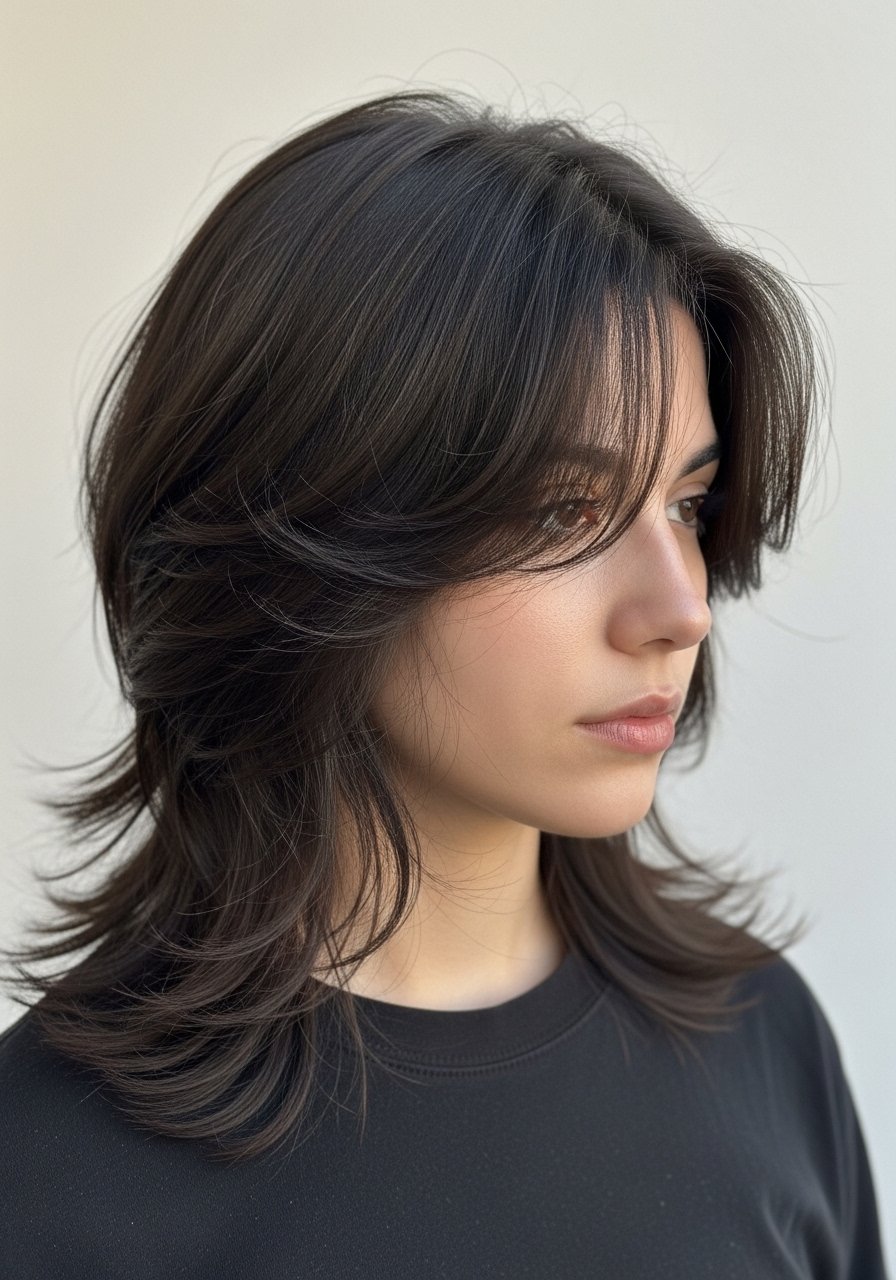
If you like a little edge without the full mullet, a soft wolf cut adds choppy texture but keeps the length. Ask for controlled, short face-framing bits and longer layers through the back, cut on a 30-degree elevation to avoid harsh steps. This works on wavy and straight 2A to 3A hair and for people who want low-effort styling. Avoid over-thinning the crown which leads to a volume spike. Style by scrunching with a pea-sized salt spray gel mix and air-dry. DIY with thinning shears is not recommended. Share photos with your stylist to get the exact subtlety you want.
Layered Ends With a Gloss Finish for Subtle Shine
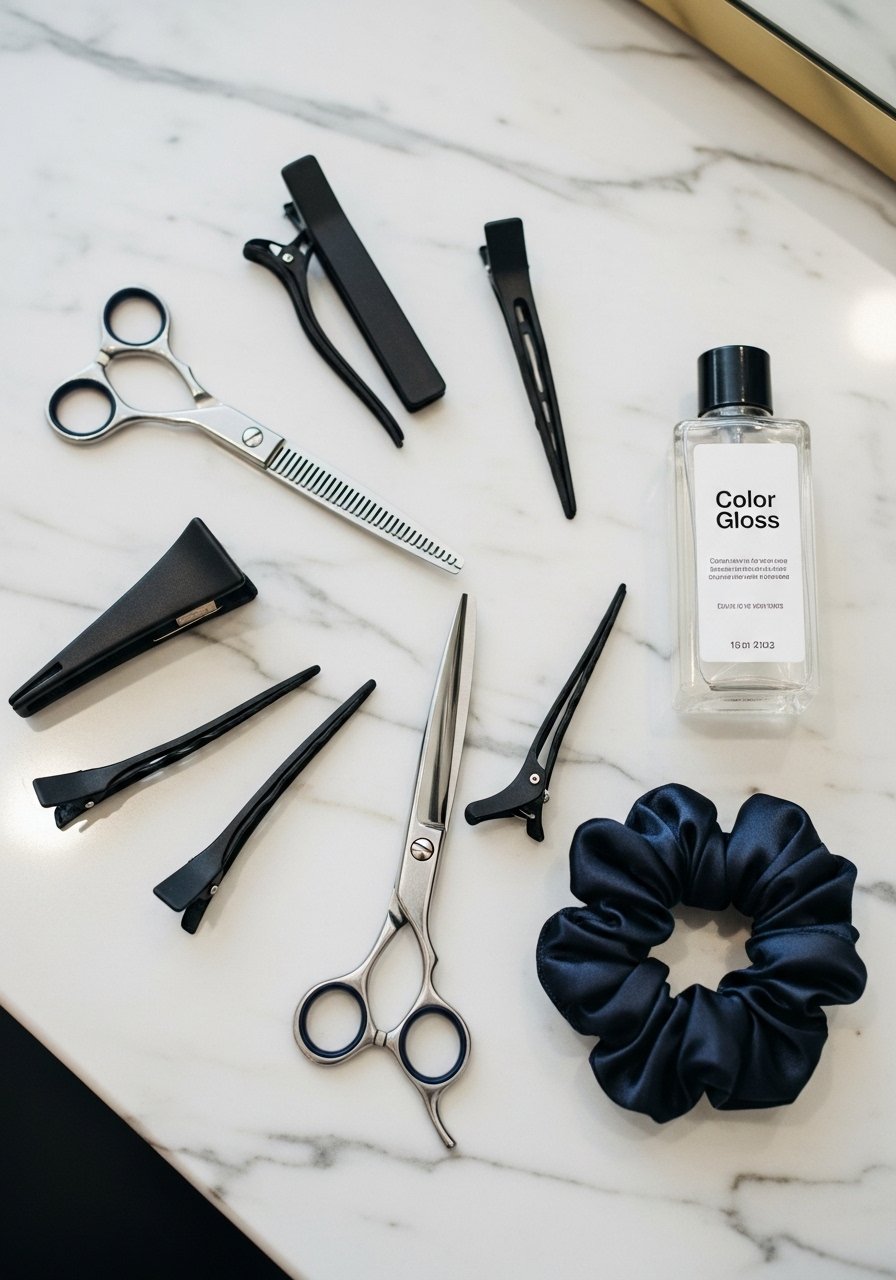
After a layered cut, adding a clear gloss or glaze at the salon ties the finish together. A bond-friendly gloss closes the cuticle slightly and makes the layers read smoother. For color-treated hair, pick a pH-balanced gloss and ask the stylist for 10 to 15 minutes of processing, which gives a sealed appearance without lift. At home, a weekly protein-lite mask helps the look last. Be cautious if you have allergies, do a patch test for any color or gloss product. This step costs extra but the upkeep is minimal, about one to two salon visits every three months to refresh shine.
What I Wish I Knew Before Getting Medium Layers
- Heat protectant goes on damp hair, not dry. The cuticle is more open and the product absorbs better, especially before a 320 to 350F iron. Color Wow heat protectant spray is compact and reliable.
- Hair grows about half an inch a month at most, regardless of supplements. Reduce breakage with a silk pillowcase and weekly bond treatments to actually keep length.
- If you have coilier 3C to 4A hair, ask for dry cutting and curl-by-curl shaping. It saves a redo.
- Avoid razors on very fine hair. They can create visible wisps and flyaways that are hard to smooth with product. I learned this the hard way.
Frequently Asked Questions
Q: Can I ask for subtle layers if I have very fine hair?
A: Yes, but ask for internal micro-layers or point cutting and keep the outer length mostly blunt. That gives movement without losing perceived density. Use lightweight foam and avoid heavy oils at the roots.
Q: How often should I trim medium layers to keep them from getting choppy?
A: Every 8 to 12 weeks for most people. If you have curly hair, you can stretch to 12 to 16 weeks but ask the stylist to remove only minimal length to preserve the shape.
Q: Will layers make my hair look thinner if I have thick hair?
A: Properly placed long layers remove bulk and stop the triangular volume issue. Ask your stylist to remove weight through internal slicing rather than short choppy layers. Salon cuts are recommended for heavy density.
Q: Can I cut layers at home between salon visits?
A: Only tiny dusting trims, and use sharp shears. Cutting layers at home often makes them uneven and more noticeable. If you need a quick fix, do single small vertical snips while hair is dry and sectioned.
Q: What styling product helps medium layers keep shape without stiffness?
A: A light texturizing spray or a few drops of lightweight serum on the ends preserves movement. Two spritzes of a sea salt spray through damp hair before diffusing or air-drying usually gives hold without crunch.