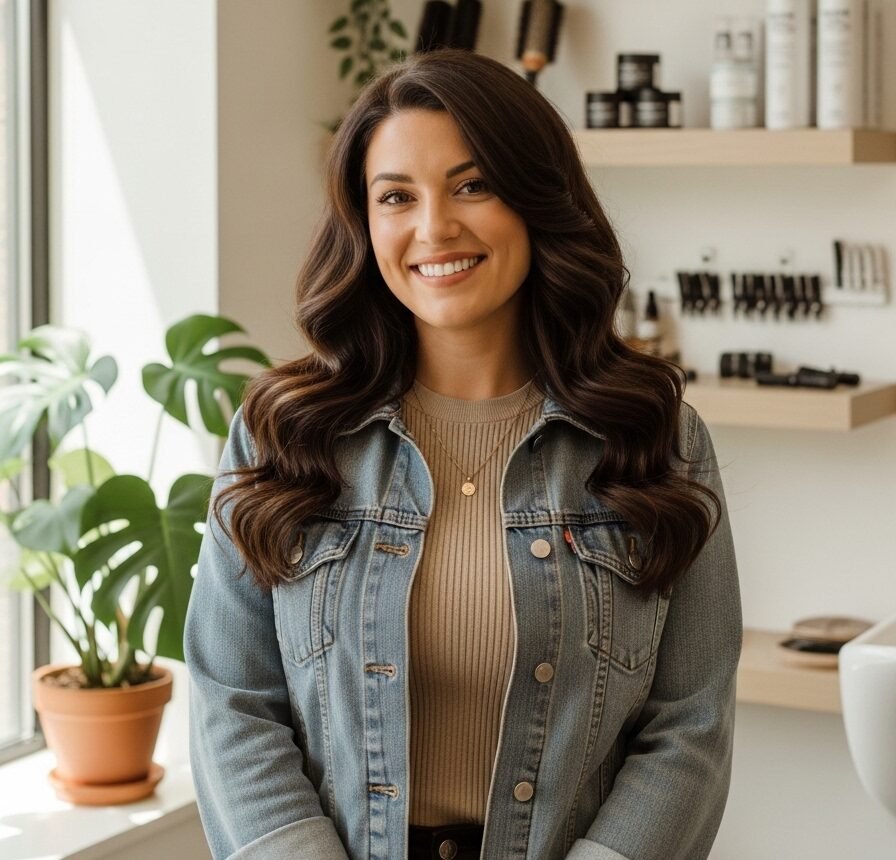
I used to think low porosity hair meant "no moisture ever," until I learned to add heat, thin products, and timing. I ruined a bottle of leave-in mixing it with heavy oil and wondering why it sat on top. Here are products and real techniques that actually sink in, hold shape, and stop that coated, greasy feeling.
These picks mostly serve fine to medium density Type 2A through 4A hair that struggles to absorb products. Most steps are beginner friendly, most products are under $40, and you can do everything at home except if you are lifting color, which is a salon job.
Reset With a Gentle Clarifying Shampoo
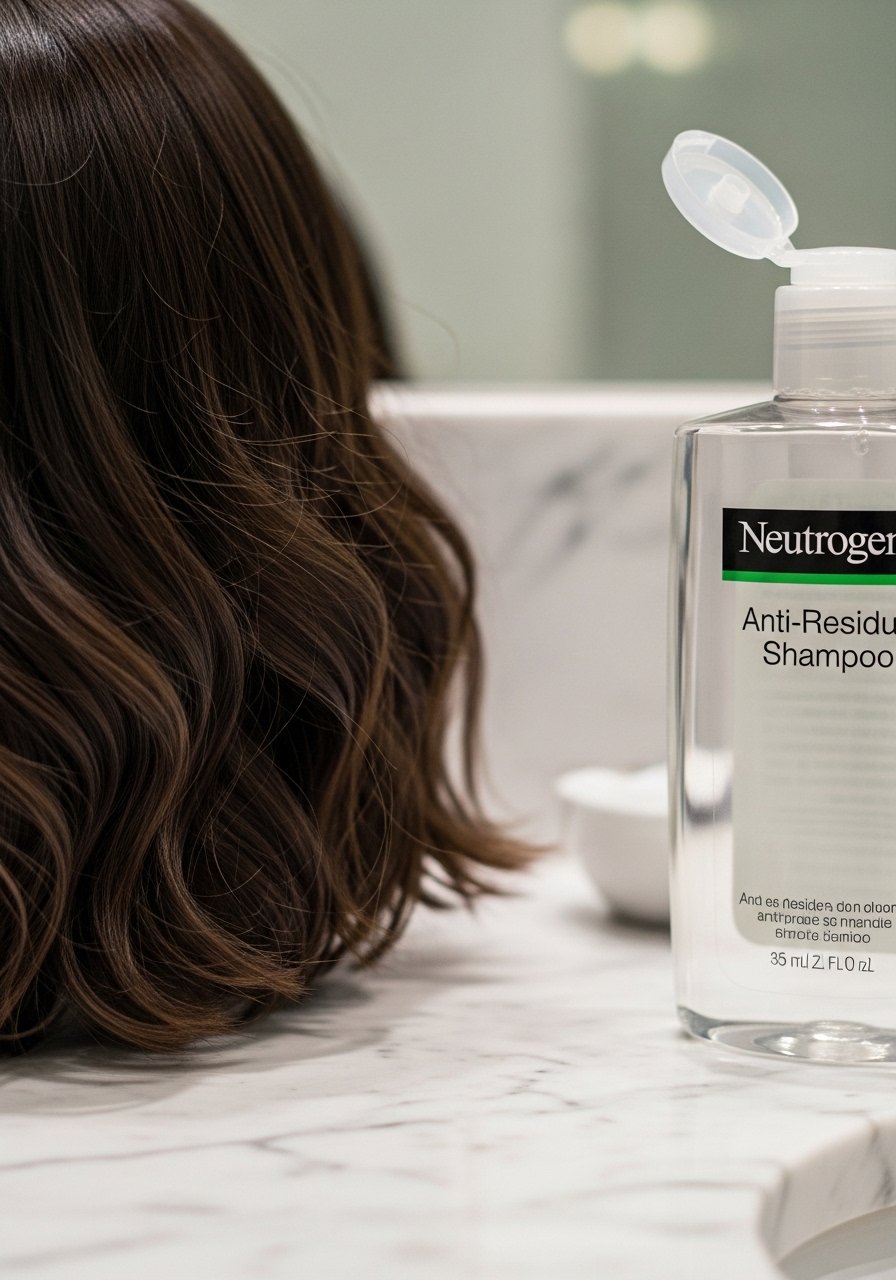
If your products sit on the hair instead of soaking in, you probably have buildup. For low porosity hair I clarify every two to three washes, not every wash. Eight ounces of a gentle clarifying wash removes silicones and styling residue without stripping natural oils. Two pumps, lather at the scalp for 60 seconds, rinse with warm water, then follow with a warm towel wrap for five minutes before conditioning. I use neutrogena-anti-residue-shampoo when my scalp feels clogged. Common mistake, rubbing conditioner into the roots right after a cold rinse, stops the cuticle from opening. If you color often, have your colorist check before frequent clarifying.
A Lightweight Leave-In That Actually Penetrates
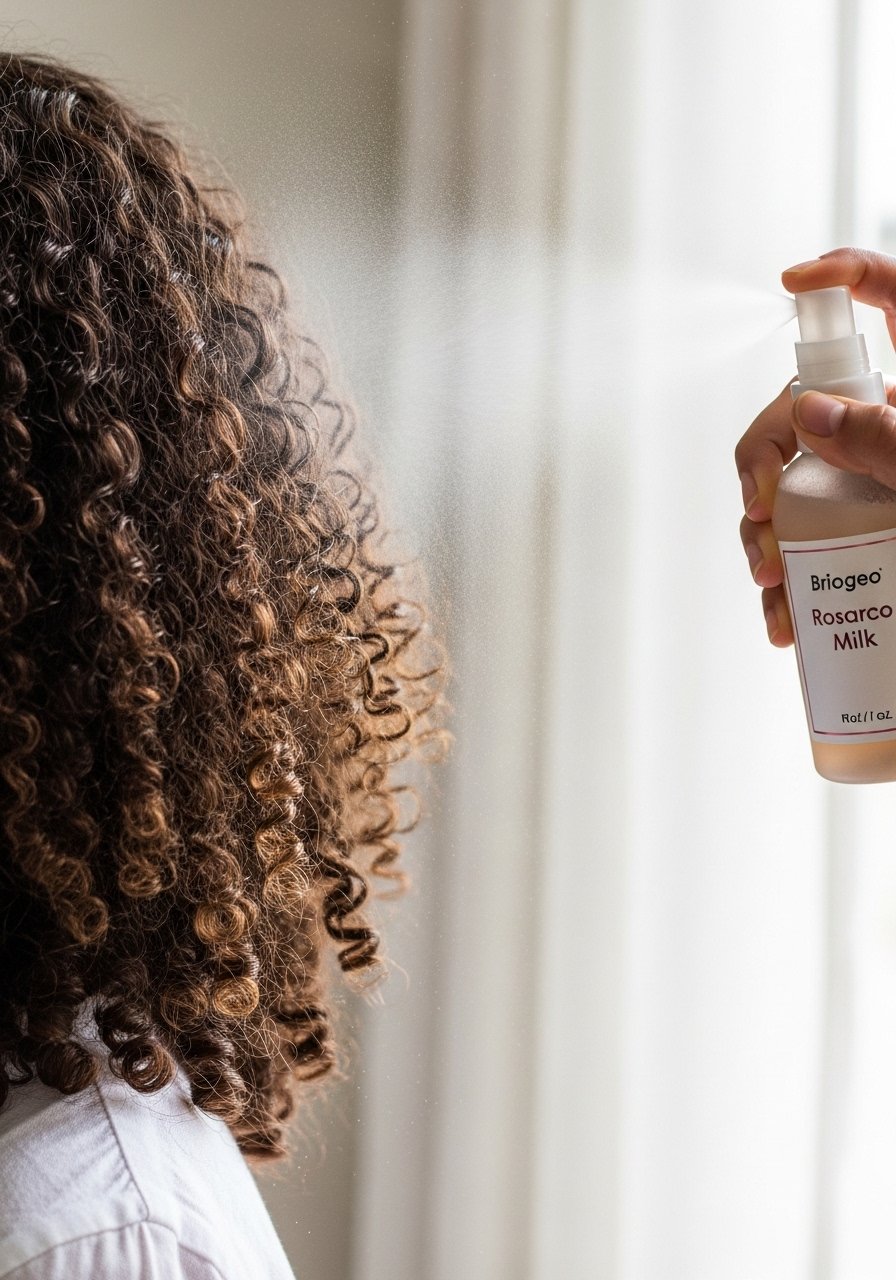
Heavy creams sit on low porosity hair and make it limp. I mist a lightweight leave-in on damp hair, comb through in four sections, then trap heat for five minutes using a warm towel so the product sinks in. A little goes a long way, two spritzes per quadrant for shoulder-length hair. briogeo-rosarco-milk-leave-in works for me because it is milky, not greasy. The mistake is applying leave-in to nearly dry hair. Use it while hair is damp, follow with the LOC method if you need extra hold, and avoid adding oil until the product feels absorbed.
Deep Condition With Heat, Not Longer Time
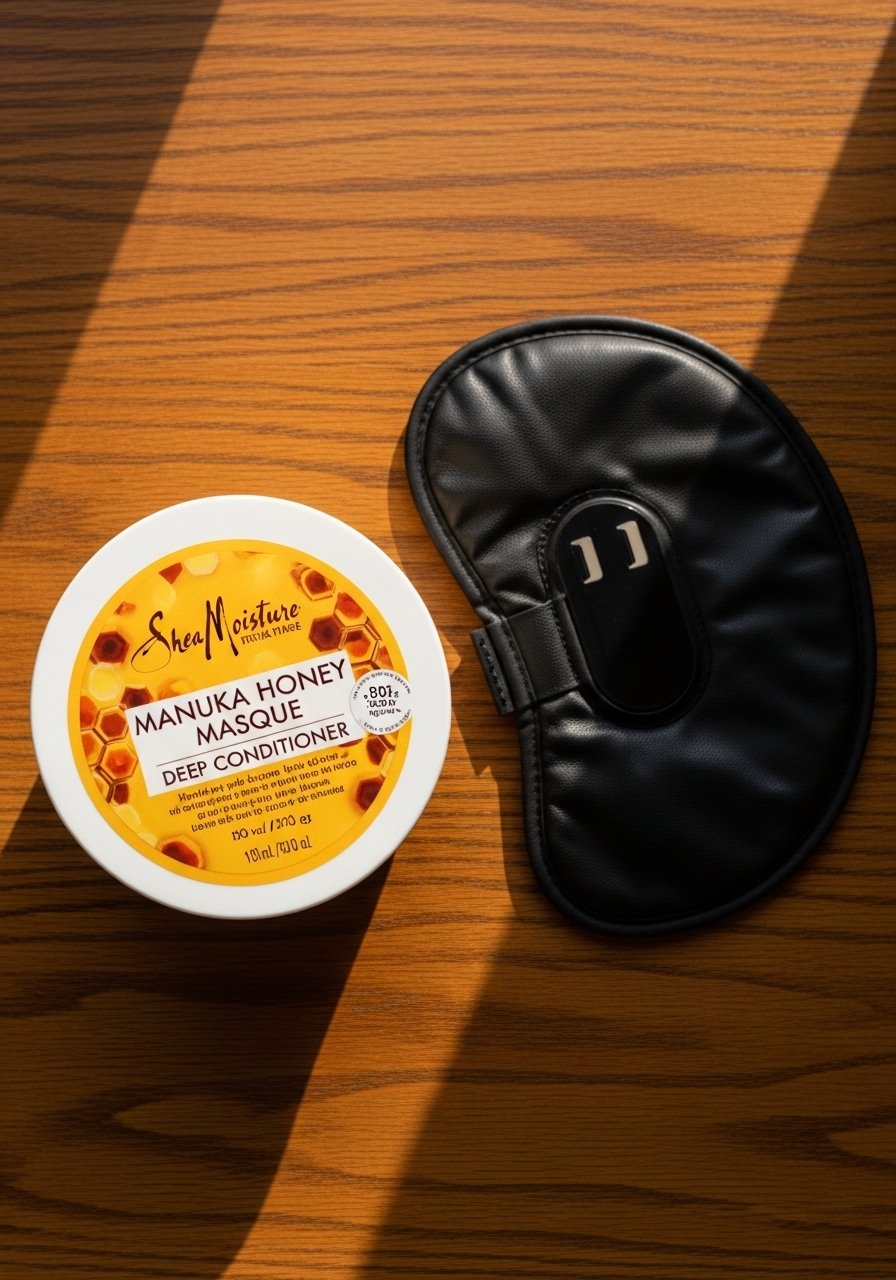
Low porosity hair needs heat to open the cuticle, not a longer sit time. I apply a quarter-sized amount of a deep mask from mid-length to ends, section into four, then sit under a low-heat cap at around 110 to 120 degrees Fahrenheit for 20 minutes. That is when the product penetrates instead of resting on the surface. shea-moisture-manuka-honey-masque is rich but respond to the heat step. Don’t overdo the heat if you have a sensitive scalp. If your hair is color-treated, check with your stylist first.
Bond Building Weekly, Light Dose
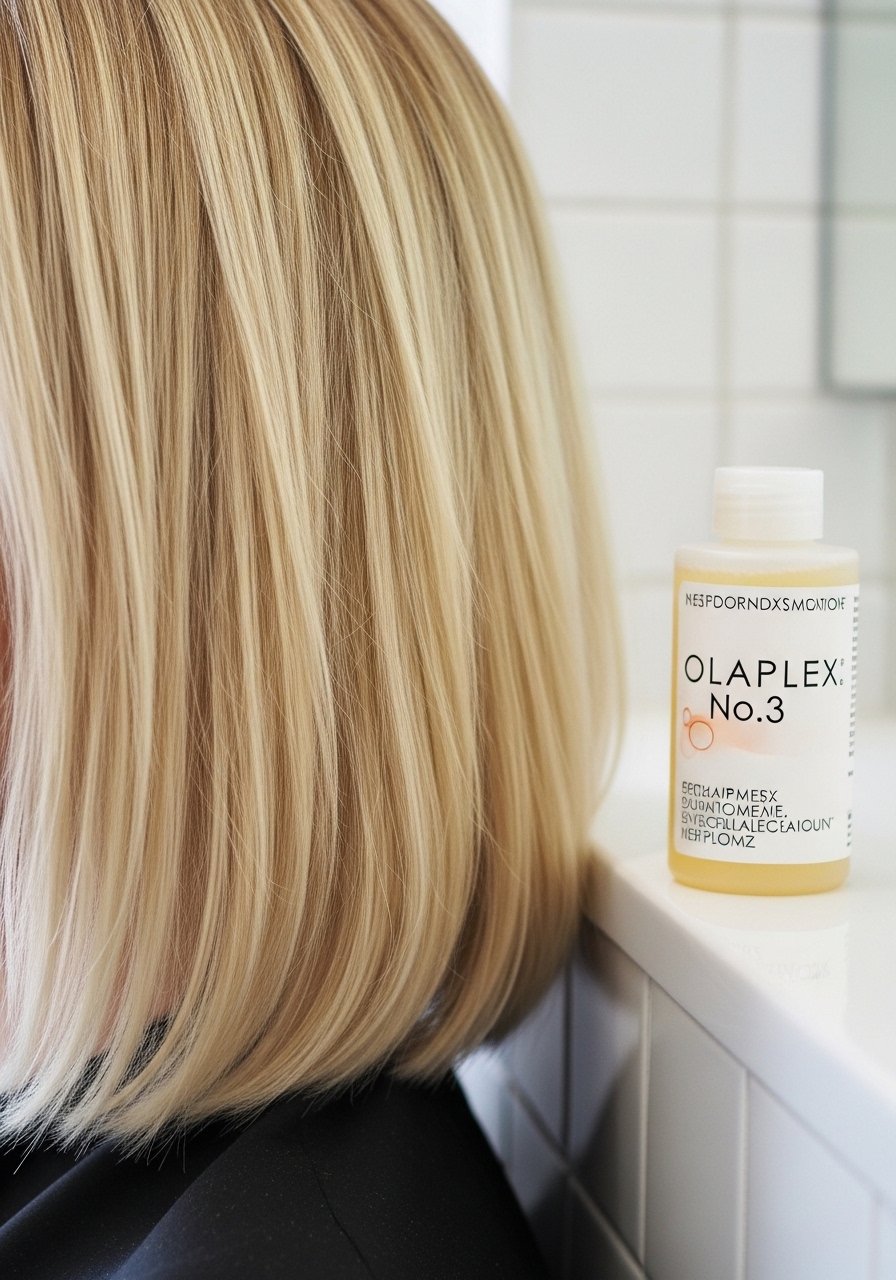
I learned the hard way that weekly, not daily, bond-building keeps brittle low porosity hair from feeling gummy. I apply Olaplex No. 3 to damp hair, comb through in four sections, and leave it for 10 minutes before rinsing. If I leave it overnight I wake up with a weighed-down feel. olaplex-no-3-hair-perfector saved my overprocessed ends, but buy from the official store on Amazon or from Ulta to avoid counterfeits. The common mistake is treating it like a daily conditioner. It is a targeted weekly treatment.
Seal With a Lightweight Oil, Two Drops Only
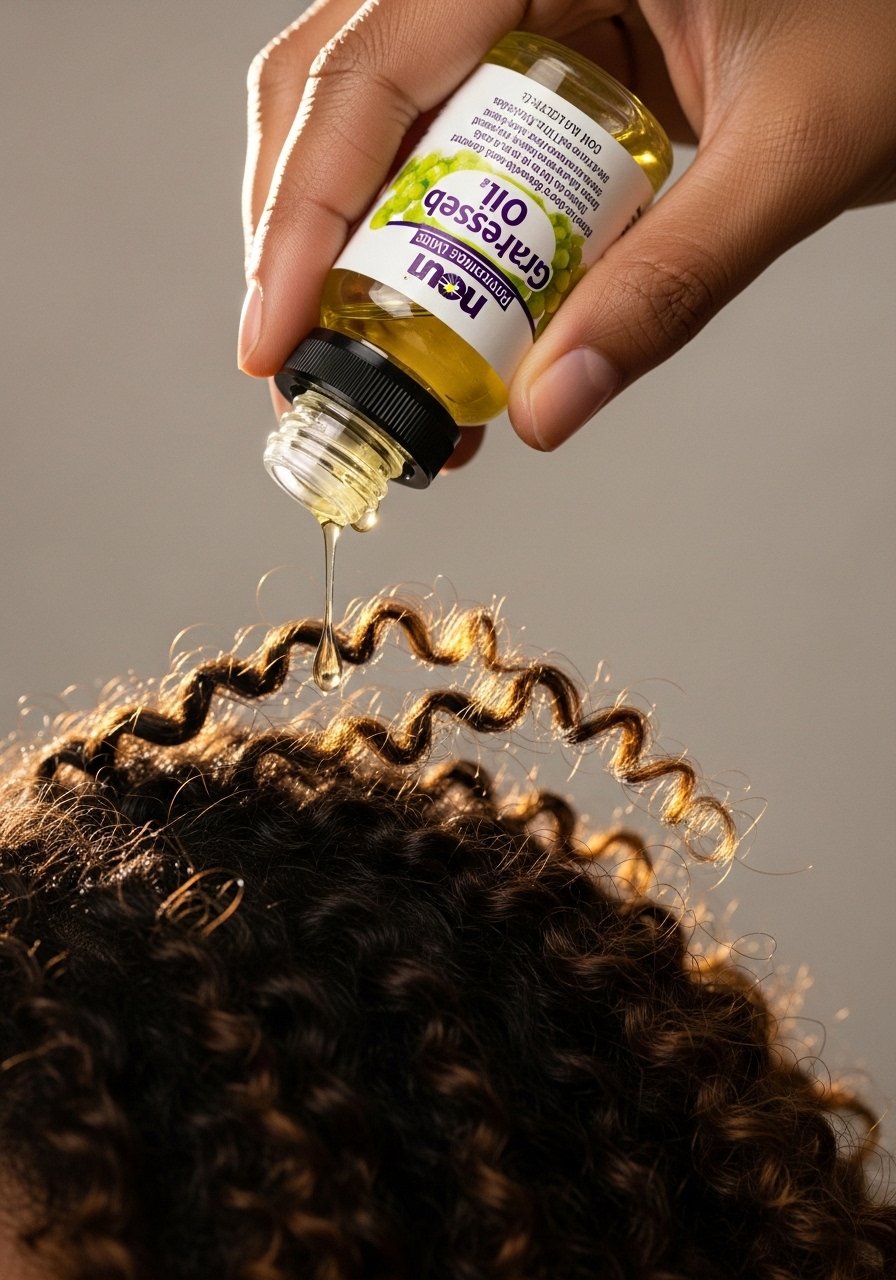
Thicker oils sit on low porosity hair. Switch to a thin oil and use the tiniest amount. I warm two drops of grapeseed oil between my palms and smooth over the ends only, after my leave-in has dried to the touch. now-solutions-grapeseed-oil is light and seals without clumping. A common error is oiling the scalp because low porosity scalps can look greasy quickly. If you have a flaky scalp, avoid oils on the roots and treat the scalp separately.
Layering Cream Then Gel For Hold That Lasts
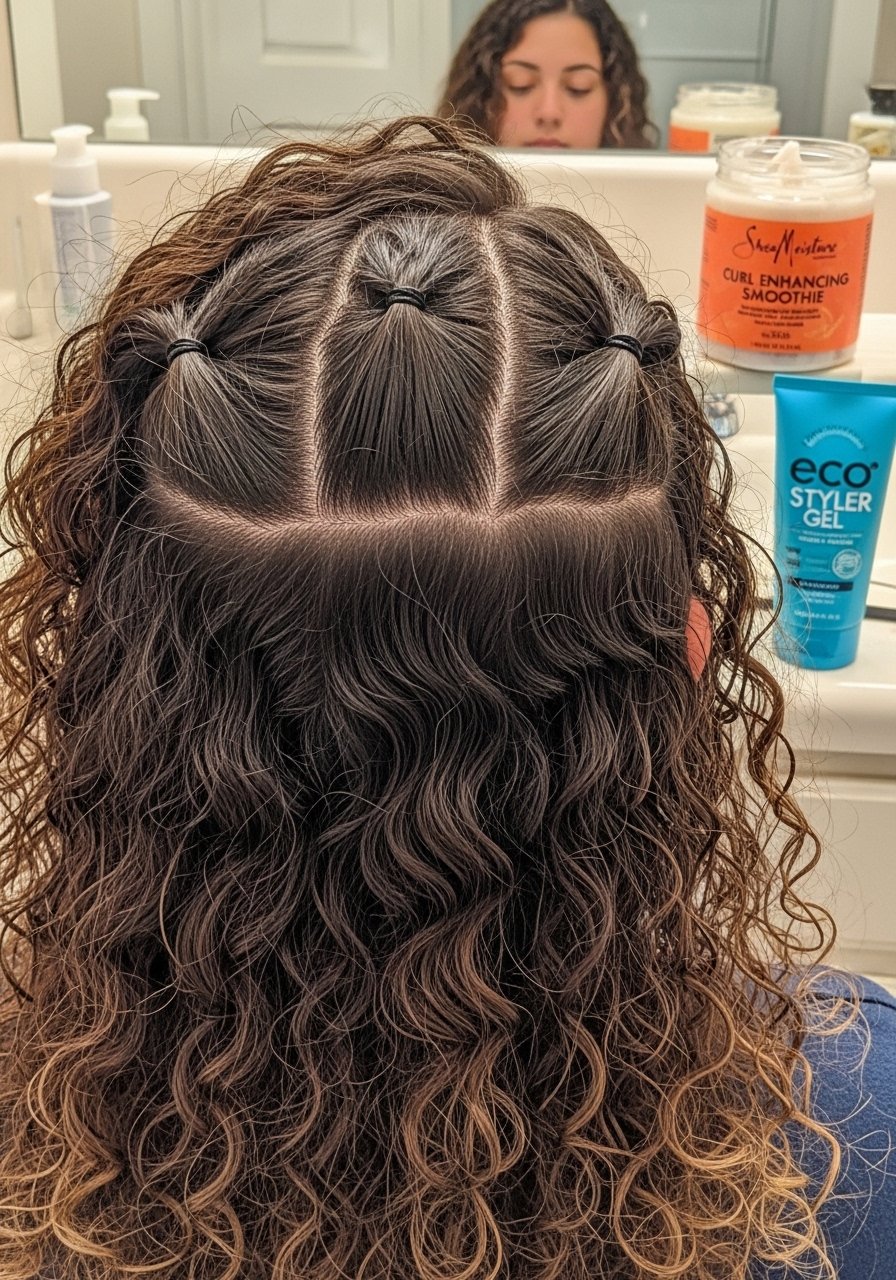
I stopped doing gel-only and added a thin cream first. For low porosity hair, a pea-sized amount of cream per section helps lock moisture without creating a film. Follow with a thin layer of gel for definition. I use shea-moisture-curl-enhancing-smoothie sparingly, then smooth in eco-styler-olive-oil-gel in smaller amounts. The technique is the key, not more product. Mistake I used to make, I globbed gel on top and my hair looked crunchy and then fell flat by noon. If humidity is high, swap the gel for a light mousse.
Apple Cider Rinse To Close Cuticles
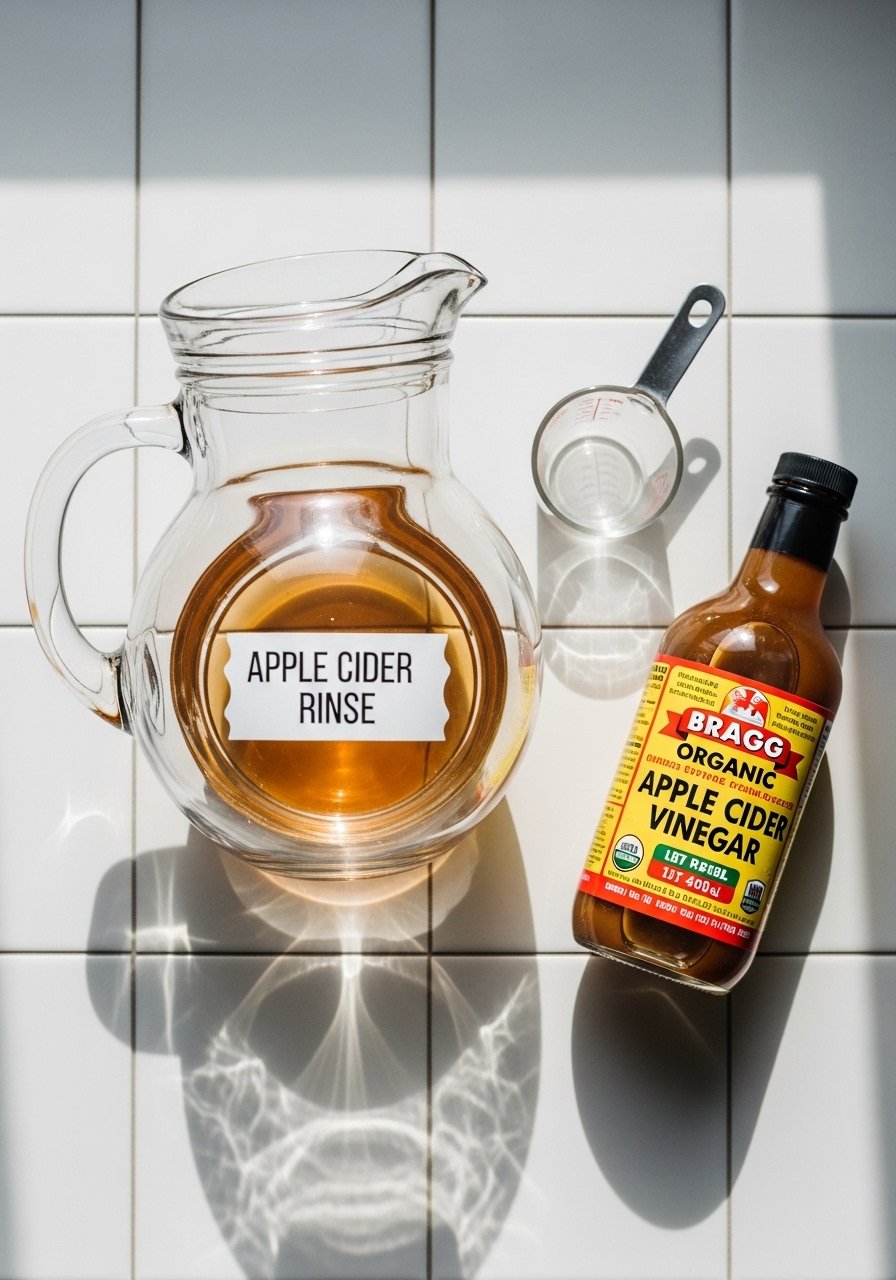
After a warm deep condition and rinse, I do a diluted apple cider vinegar rinse to rebalance pH and help the cuticle close. Mix one tablespoon of raw apple cider vinegar with one cup of warm water, pour over hair, leave for 60 seconds, then cold-rinse. bragg-organic-apple-cider-vinegar is what I reach for. Do an allergy patch test first and avoid if you have an irritated scalp. The mistake is keeping it on for minutes without dilution, which can sting.
What I Keep On My Shelf For Low Porosity Days
- Honestly the clarifier I use when my hair feels coated. neutrogena-anti-residue-shampoo 8oz
- For weekly bonds, buy from a verified seller. olaplex-no-3-hair-perfector 3.3oz, also at Ulta or Sephora to avoid counterfeits
- A lightweight leave-in spray that does not sit on top, briogeo-rosarco-milk-leave-in 8oz
- Light oil for sealing, NOT a heavy butter. now-solutions-grapeseed-oil 4oz
- A heat cap to help masks penetrate at home, battery-heat-cap
- A silk pillowcase and microfiber towel to cut friction and drying time. silk-pillowcase-queen, microfiber-hair-towel
- A pH balancing rinse staple, bragg-organic-apple-cider-vinegar 12oz
- A lightweight defining gel that rinses clean, eco-styler-olive-oil-gel 8oz
A Protein-Free Daily Conditioner That Won’t Sit
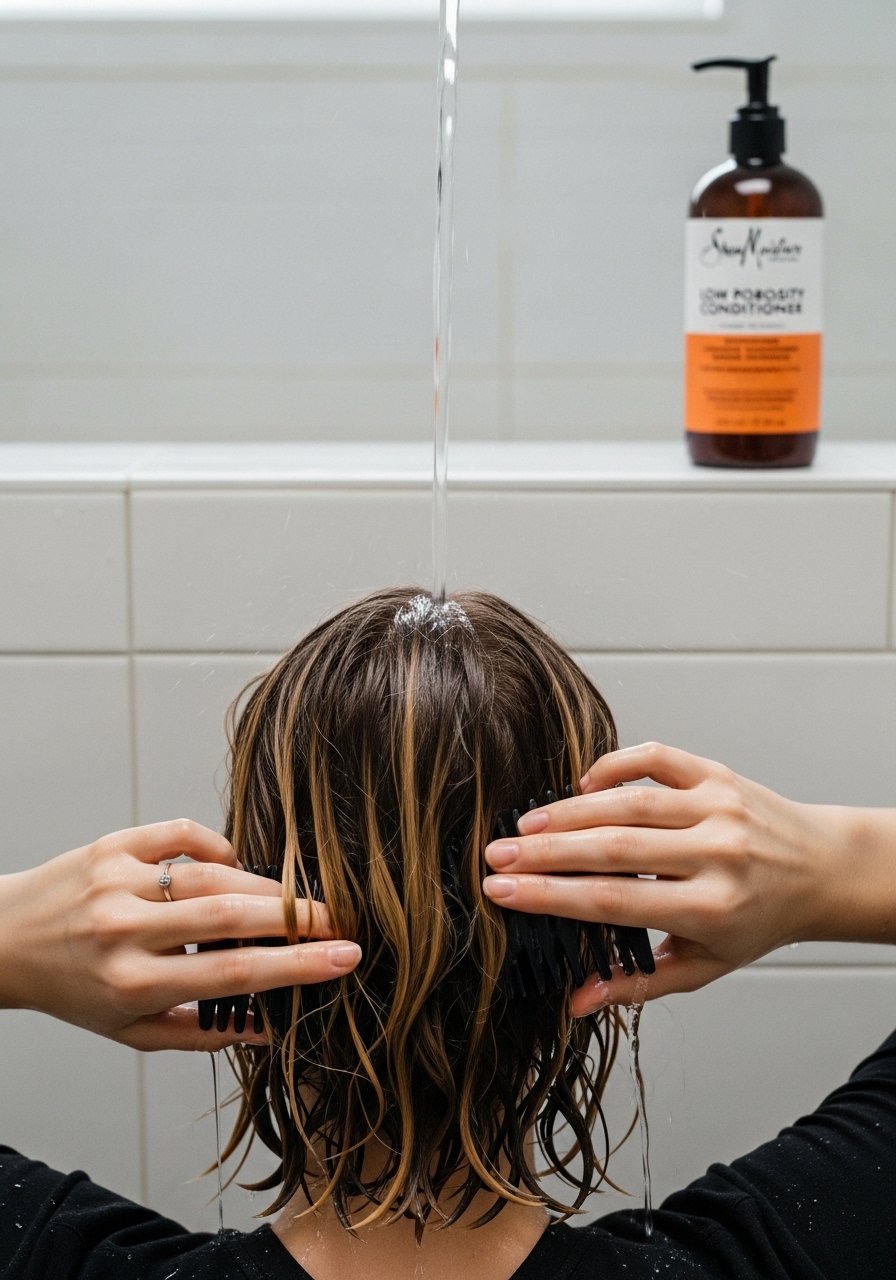
Low porosity hair can feel heavy if you use protein too often. On wash days I use a light, protein-free conditioner and rinse with warm water, then flip my head and squeeze excess before the leave-in. One pump per quadrant for mid-length hair keeps weight down. shea-moisture-low-porosity-conditioner is formulated just for this porosity and it leaves slip without coating. Mistake I made, I started every routine with a protein mask. The result was stiffness. Reserve protein for once a month unless your hair is chemically processed.
Always Use Heat Protectant Before Hot Tools
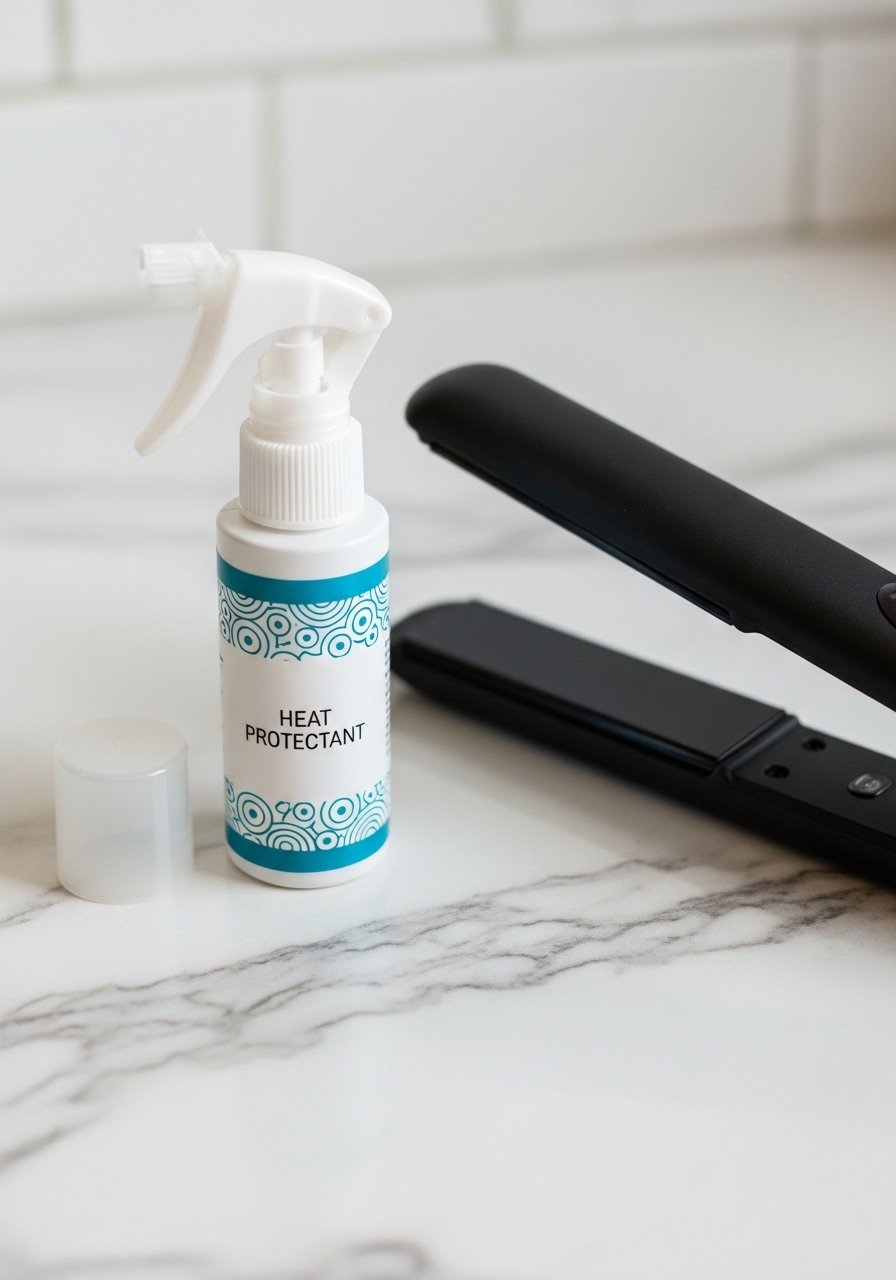
If you flat iron or use a hot tool over 300 degrees Fahrenheit, the protectant should go on damp hair and have time to absorb. Heat protectants need to soak in, not sit on top. I spray from 6 inches away, comb through in two passes, then dry to just damp before irons. ghd-heat-protect-spray is lightweight and won’t suffocate low porosity hair. Safety note, any iron over 300F needs a proper protectant and a test strand first. Too much product before heat causes steam and breakage, so less is more.
Humectant Balance For Humidity Days
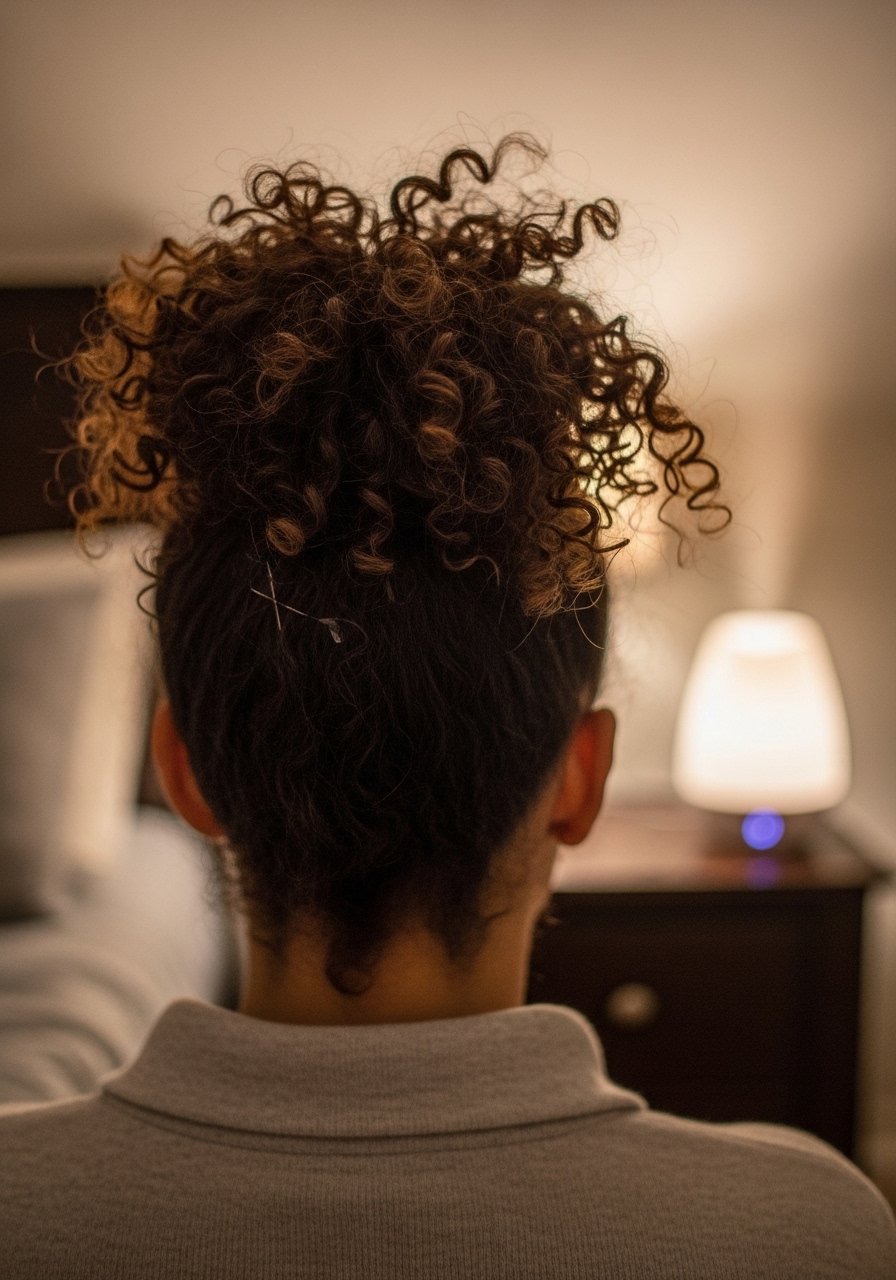
Glycerin and humectants pull moisture in, but on humid days they can make low porosity hair swell and frizz. I switch to a protein-light, humectant-controlled mist when humidity is above 60 percent, and use a light anti-humidity spray after styling. Hair grows about half an inch a month at most, regardless of what biotin gummies promise you. That means retaining length is about reducing breakage, not gobbling supplements. Try one spritz of color-wow-dream-coat on dry halves of your hair to lock the style without heaviness.
Overnight Strategy That Preserves Moisture
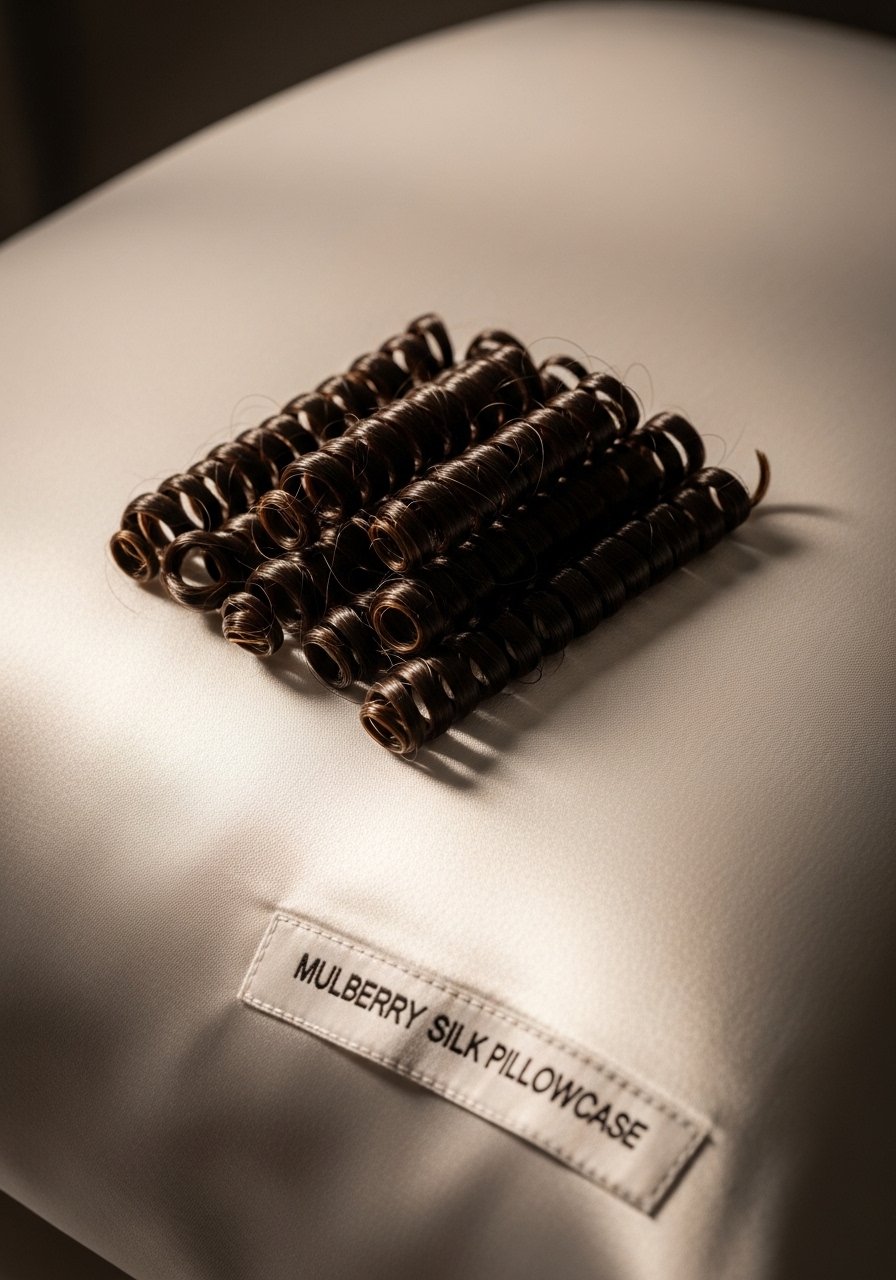
To get products to sink overnight, I apply a diluted leave-in, finger-rake through four sections, loosely braid each section, and sleep on a silk pillowcase. The silk cuts friction, and sleeping in four loose braids helps product contact the strand without tangles. A microfiber towel for drying reduces roughness when towel-drying after a deep condition. silk-pillowcase-queen and microfiber-hair-towel are two inexpensive swaps that save me time and breakage. The mistake is tying tight hairdos overnight, which wakes you up with flattened roots.
What I Wish I Knew Before Trying Low Porosity Products
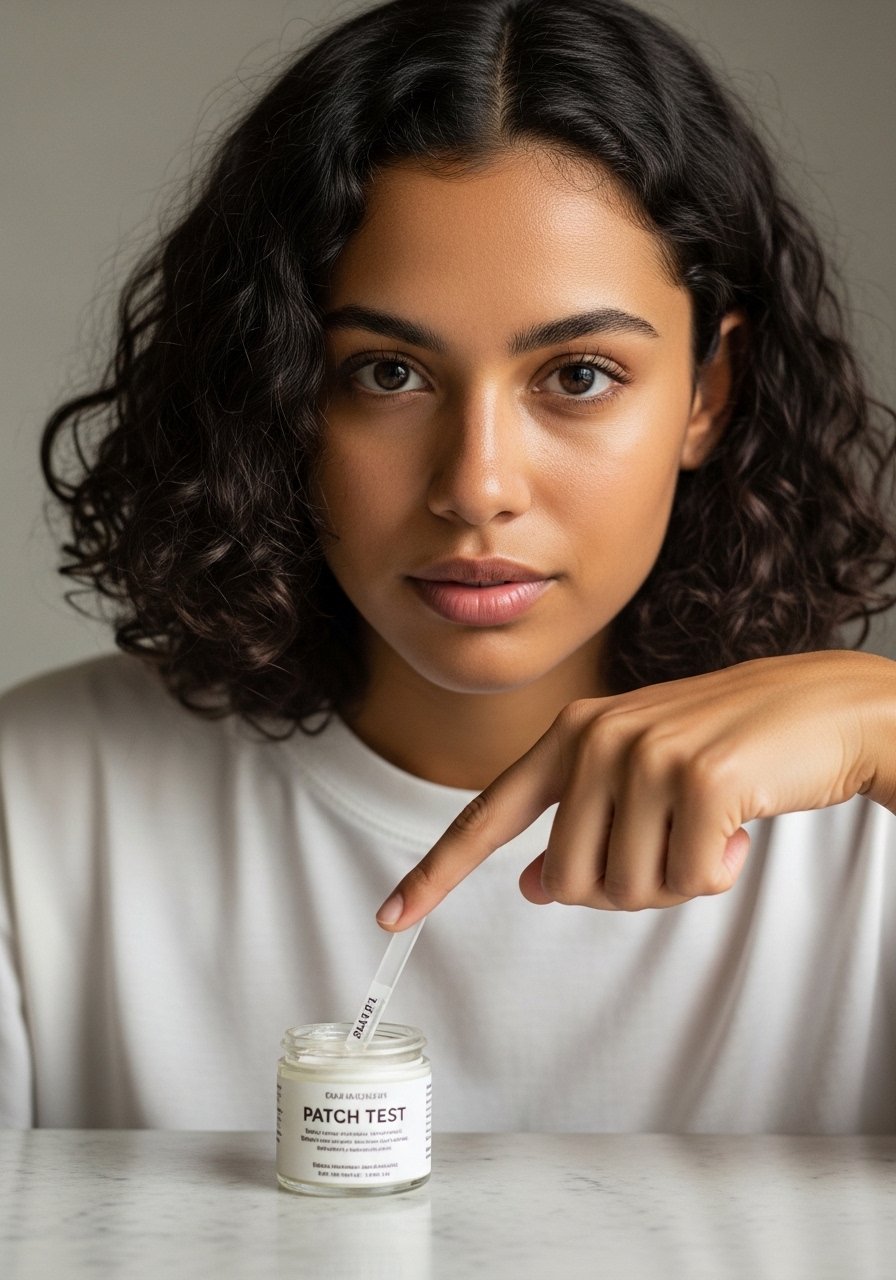
Heat helps, products should be thin, and timing beats quantity. The mistakes I made were applying oil first, skipping the warm towel step, and assuming more product would equal better results. The LOC method works for low porosity hair if you swap in a lightweight oil and use heat to help each layer absorb. If you plan to lighten or bleach, do not layer bleach over previous lifts at home, it is safer and smarter to see a salon. Also, if you have scalp sensitivity, test apple cider vinegar or strong actives on a small patch first.
Frequently Asked Questions
Q: How can I tell if my hair is low porosity?
A: Drop a strand of clean hair into a glass of room temperature water. If it floats for 4-plus minutes, low porosity. If it sinks in under a minute, high. Low porosity hair needs heat, like a warm towel or a heat cap, for products to actually penetrate.
Q: How often should I clarify low porosity hair?
A: Every two to three washes is usually enough unless you use a lot of styling products daily. Over-clarifying strips oils and can tighten the cuticle. I clarify before a deep treatment and then follow with heat for 20 minutes to let the mask sink in.
Q: Can I use Olaplex No. 3 on unprocessed hair?
A: Yes, but you do not need it weekly if your hair is healthy. Once a month often suffices for maintenance. If your hair is chemically processed, weekly use helps manage breakage. Buy from the official store on Amazon or a known retailer to avoid counterfeits.
Q: Will glycerin ruin my low porosity hair in humid climates?
A: It can if humidity is high. Glycerin pulls moisture, so in high humidity it makes strands swell and frizz. Swap to a lower-glycerin leave-in or add a light anti-humidity spray like color-wow-dream-coat for finishing.
Q: How long should I leave a deep conditioner on for low porosity hair?
A: Ten to 20 minutes under gentle heat at about 110 to 120 degrees Fahrenheit is usually enough. Heat opens the cuticle. Leaving a mask on cold for two hours often does less than a heated 20 minute session.
Q: My leave-in feels like residue. Am I using too much product?
A: Probably. Low porosity hair needs thin layers. Try two spritzes per section, warm towel for five minutes, then add one drop of oil to the ends if needed. If residue persists, clarify and simplify the routine for a few washes.