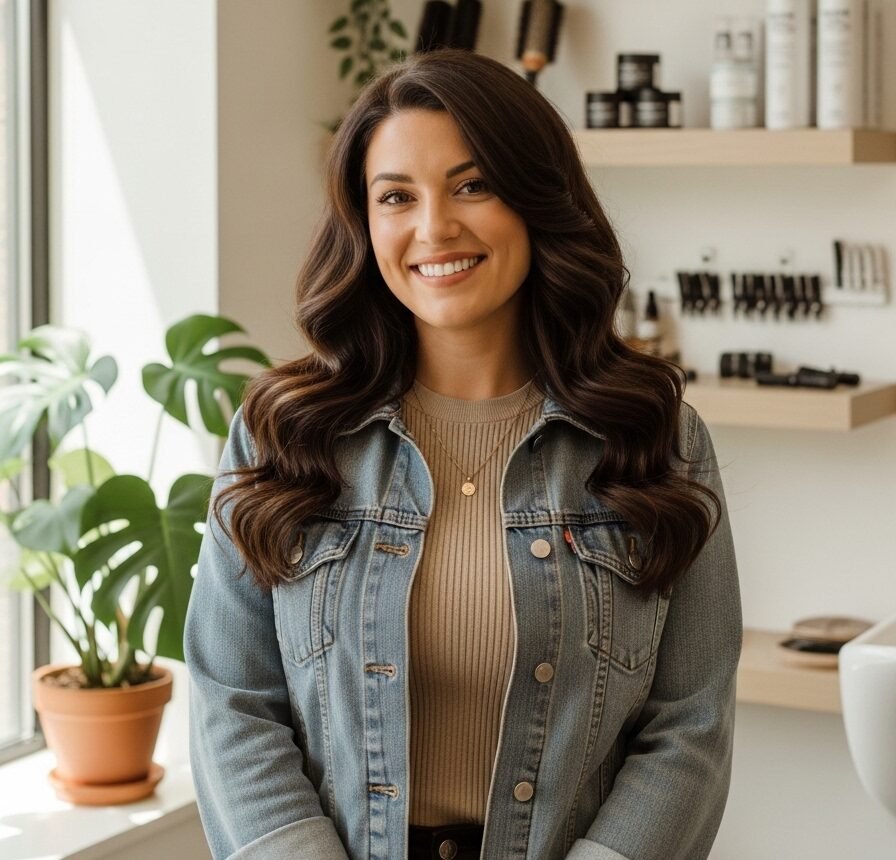
If every product you try sits on the hair and never seems to sink in, you are not imagining it. Low porosity hair needs lighter textures and heat or steam to accept moisture, not heavier creams that just sit on the surface. These picks and small technique tweaks are for fine to medium 2A through 3C curls and waves, plus some notes for thicker 4A textures. Most items are easy to use at home, budget friendly under $40 for most, with two splurges worth considering.
Clarifying Shampoo That Actually Clears Buildup
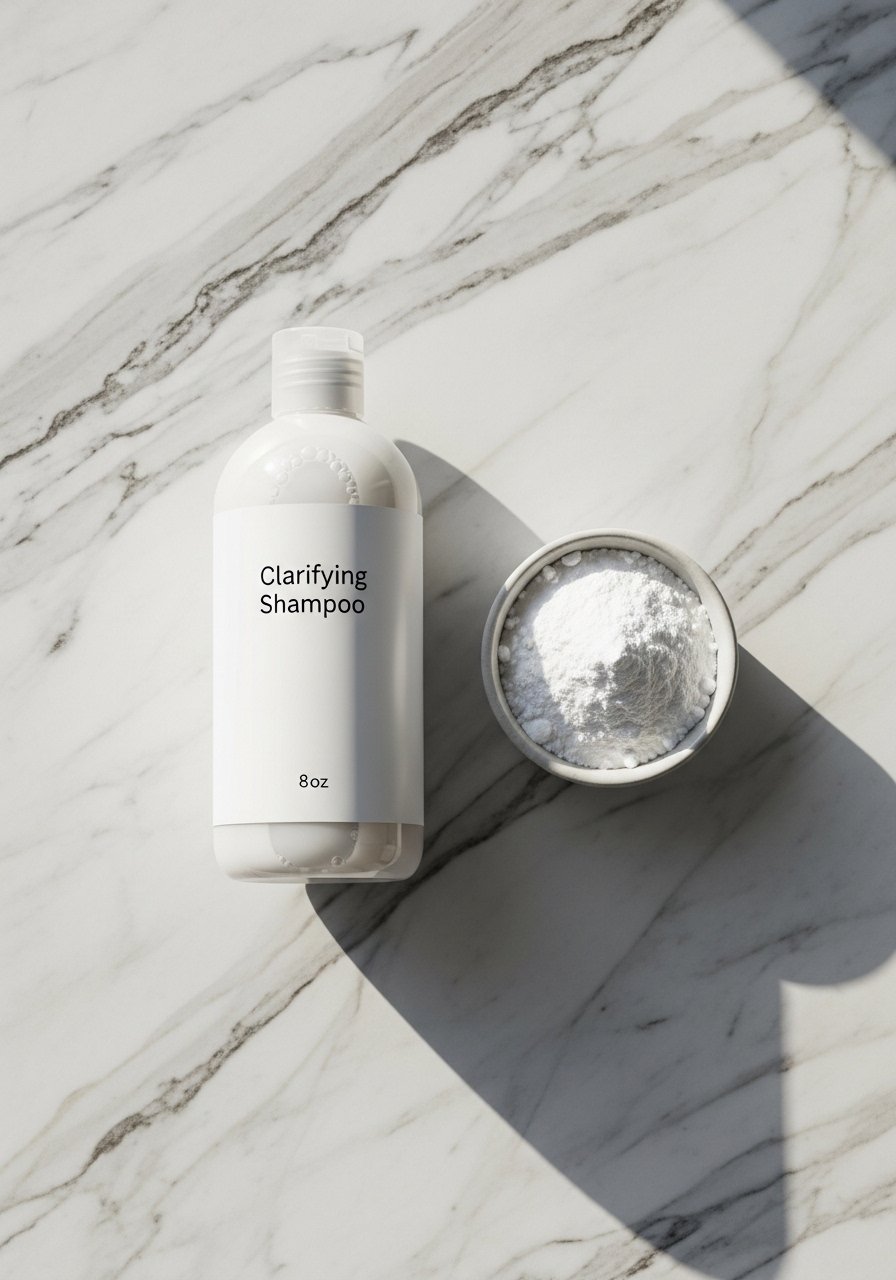
Low porosity hair traps product residue. A weekly 8oz sulfate-free clarifying shampoo rinse will stop creams from sitting on the cuticle. I use two palms of shampoo, lather at the scalp for 60 seconds, then rinse twice if I wore heavy styling products that week. The result is lighter, more responsive strands and better product absorption the next wash. If your hair is color-treated, alternate clarifying with a color-safe low-sulfate option. Common mistake, scrubbing aggressively at the ends thinking it helps. Focus on the scalp and let rinse water carry suds down. For a reliable option, try clarifying-shampoo-for-build-up.
Warm Steam Deep Conditioning for Cuticle Opening
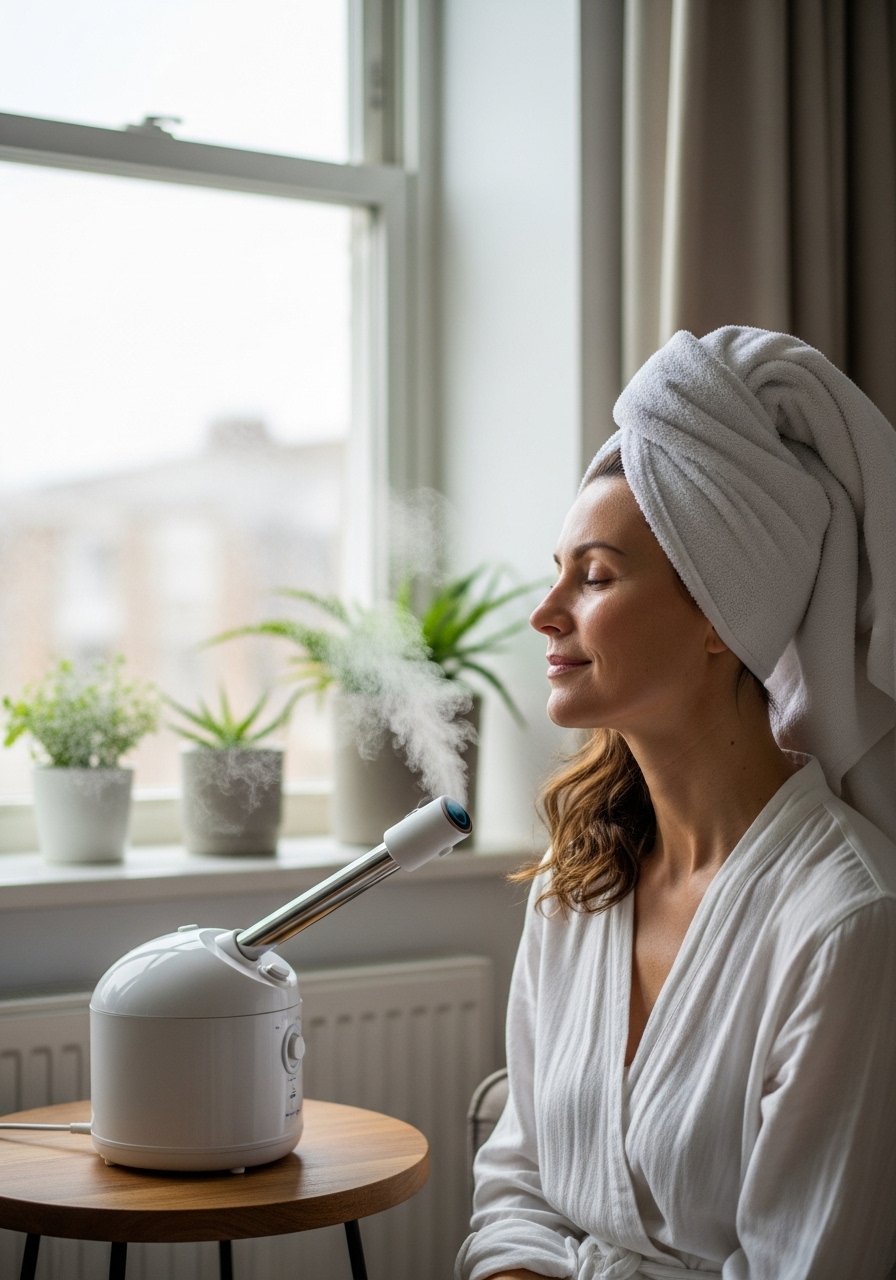
Low porosity hair benefits when the cuticle lifts slightly so conditioners can penetrate. Warm steam for 10 to 15 minutes does that. After shampoo, apply a water-based deep conditioner, cover with a plastic cap, then sit under a handheld steamer or a warm towel for 12 minutes. I time the steam at 12 minutes because longer starts to fatigue my curl pattern. The specific detail many guides skip, use lukewarm water for your final rinse, not cold. Cold seals too fast. A good pick is deep-conditioning-treatment. Avoid burning yourself, and do not overdo steam if your scalp is sensitive.
Lightweight, Protein-Free Leave-In for Low Porosity Hair
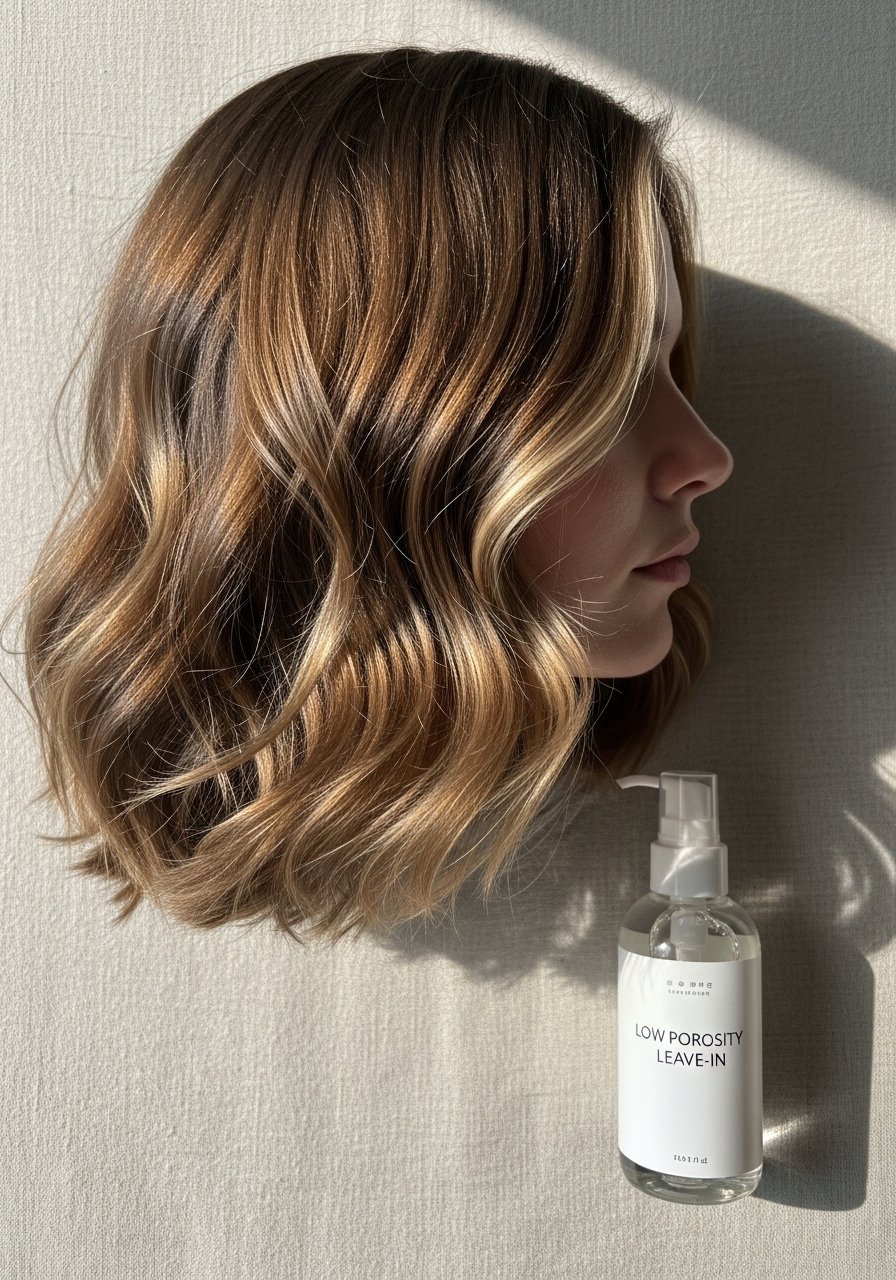
My ends would stay limp until I swapped heavy creams for a protein-free, water-first leave-in. Apply a nickel-sized amount across damp, not soaking hair, working from mid-length to ends. A small detail most articles skip, towel-blot to damp and wait 60 seconds so the leave-in spreads instead of running off. For low porosity curls and waves, this prevents buildup while adding slip for detangling. A regular mistake is applying leave-in to almost-dry hair. The cuticle is already sealing. Try sheamoisture-low-porosity-leave-in-detangler for an easy, affordable option.
Water-Based Styling Cream Layered Under Gel
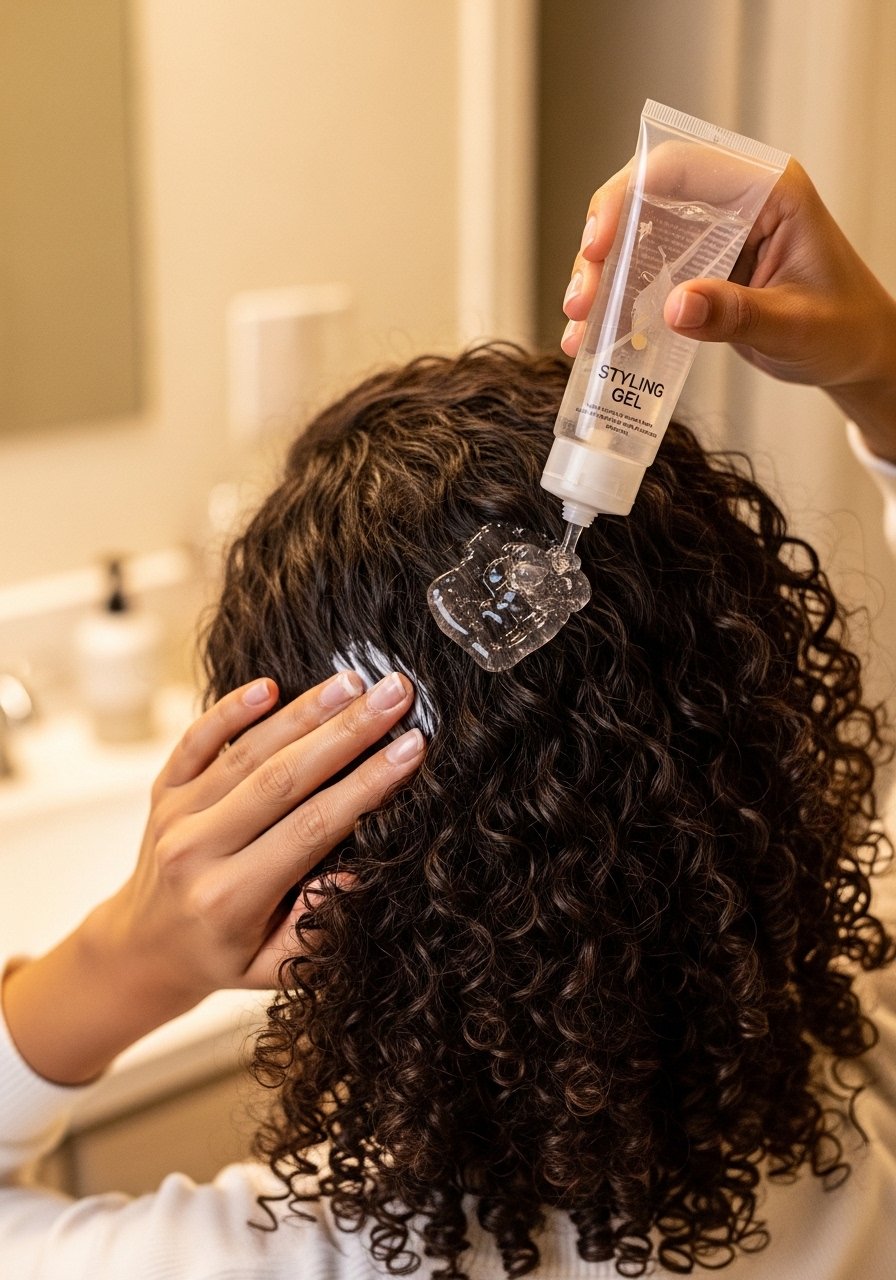
I used to do gel-only and watched my curls go flat and crunchy by midday. Swap gel-only for a thin water-based cream first, then lock with a light gel using the LOC method reversed for low porosity, liquid then oil last if you need sealing. For fine low porosity hair, one pea-sized pump of cream per section works. Section into four to six parts for shoulder-length hair to get even distribution. If your hair is thicker, use six to eight sections. A reliable combo is lightweight-curl-cream with light-hold-gel. The result is defined hold without the weighed-down feel.
Grapeseed or Jojoba Oil for Spot-Sealing Ends
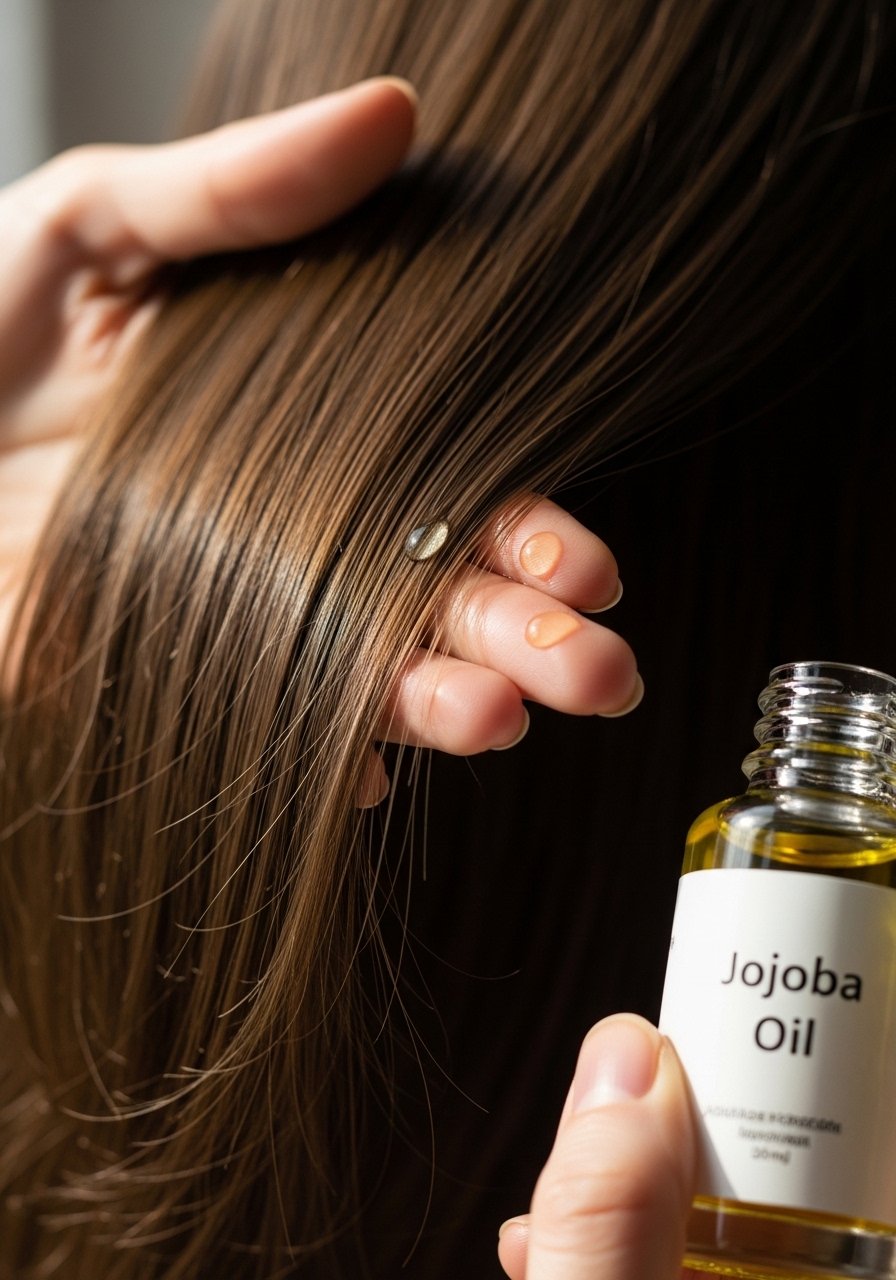
Heavy oils sit on low porosity hair. Instead of a palm-full, use two to three drops of a light oil like grapeseed or jojoba, rub between palms, and apply only to ends. I add oil only on day two and three to tame frizz and avoid morning greasiness. A common error is oiling roots. You will look greasy fast. Grapeseed is lighter than coconut, so it does not sit on top as much. Try grapeseed-oil-4oz and measure your drip, not guess.
Weekly Bond Builder for Damaged Low Porosity Hair
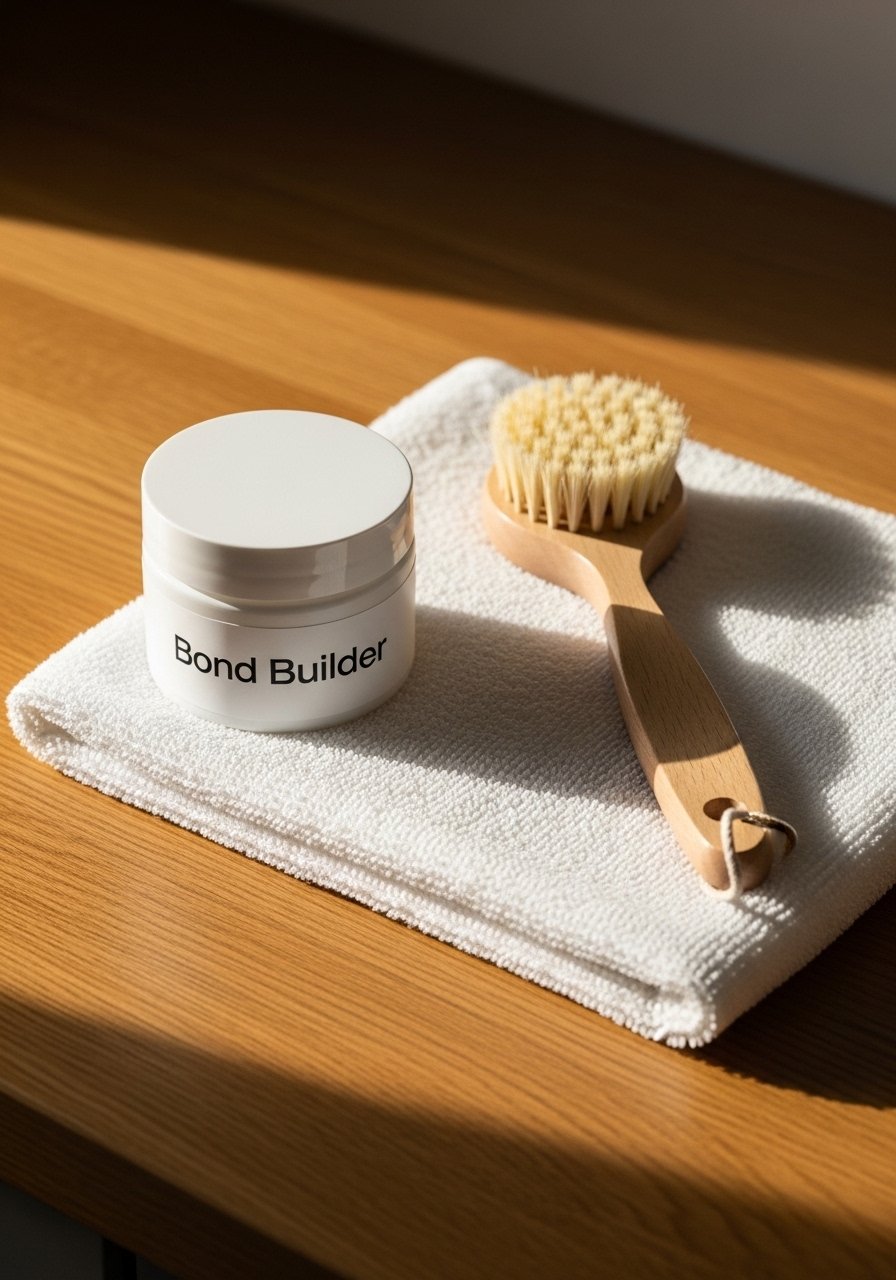
It took me too long to accept a weekly bond-builder treatment was worth the $30 bottle. Used once a week on damp hair for 10 minutes, it strengthens strands so trims happen less often. I do not claim it magically reverses damage. It smooths the appearance and reduces breakage during detangling. Use on damp hair after shampoo, leave for 10 minutes, then rinse and condition. Watch for counterfeits, buy from the official store on Amazon or Sephora. Try olaplex-no-3-hair-perfector. If you have scalp sensitivity, patch test first.
What Low Porosity Shoppers Actually Need On Hand
- For clarifying and prep: clarifying-shampoo-for-build-up 8oz. Use weekly if you use heavy stylers
- For daily detangling: sheamoisture-low-porosity-leave-in-detangler 12oz, budget friendly
- For bond building: olaplex-no-3-hair-perfector 3.3oz, buy from official seller to avoid fakes
- For sealing ends: grapeseed-oil-4oz or jojoba if you prefer
- For lightweight hold: light-hold-gel 8oz
- For steaming: portable-hair-steamer under $40 is the most practical at-home option
- For heat protection: heat-protectant-spray with an explicit note below to use on damp hair
- Sleep protection: silk-pillowcase-queen under $20 that cuts morning frizz
Ultra-Light Leave-In Spray That Doubles as a Refresher
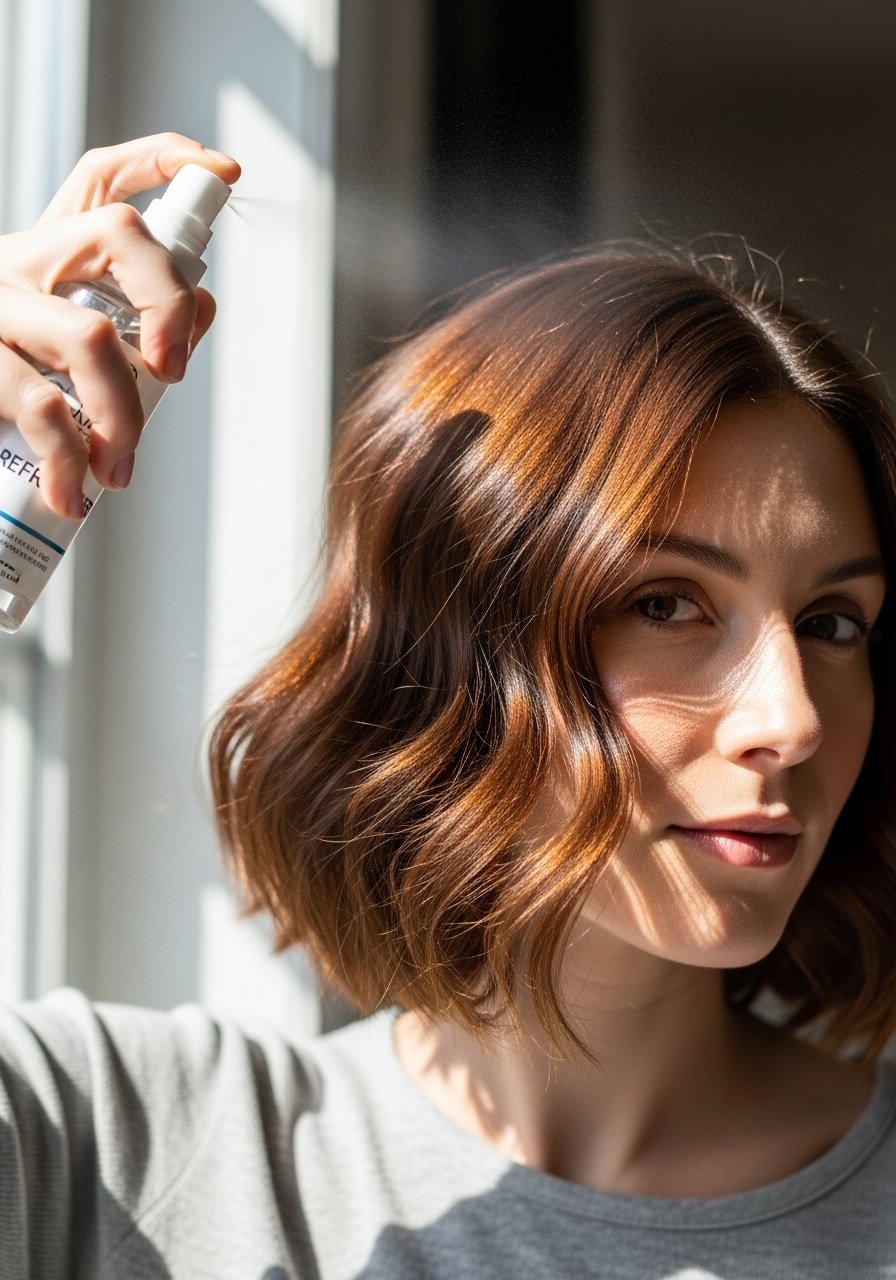
When second-day curls go flat, a water-based leave-in spray revitalizes without build-up. Mist from 8 to 10 inches away, scrunch lightly, and diffuse on low for one to two minutes to set. This is where "My curls looked great on TikTok and like wet noodles by 11am." hits home. Low porosity hair often needs a light mist, not more cream. A common mistake is soaking hair and then piling product on. Try water-based-leave-in-spray for an easy refresh.
Low-Porosity Protein Balance Mask, Used Carefully
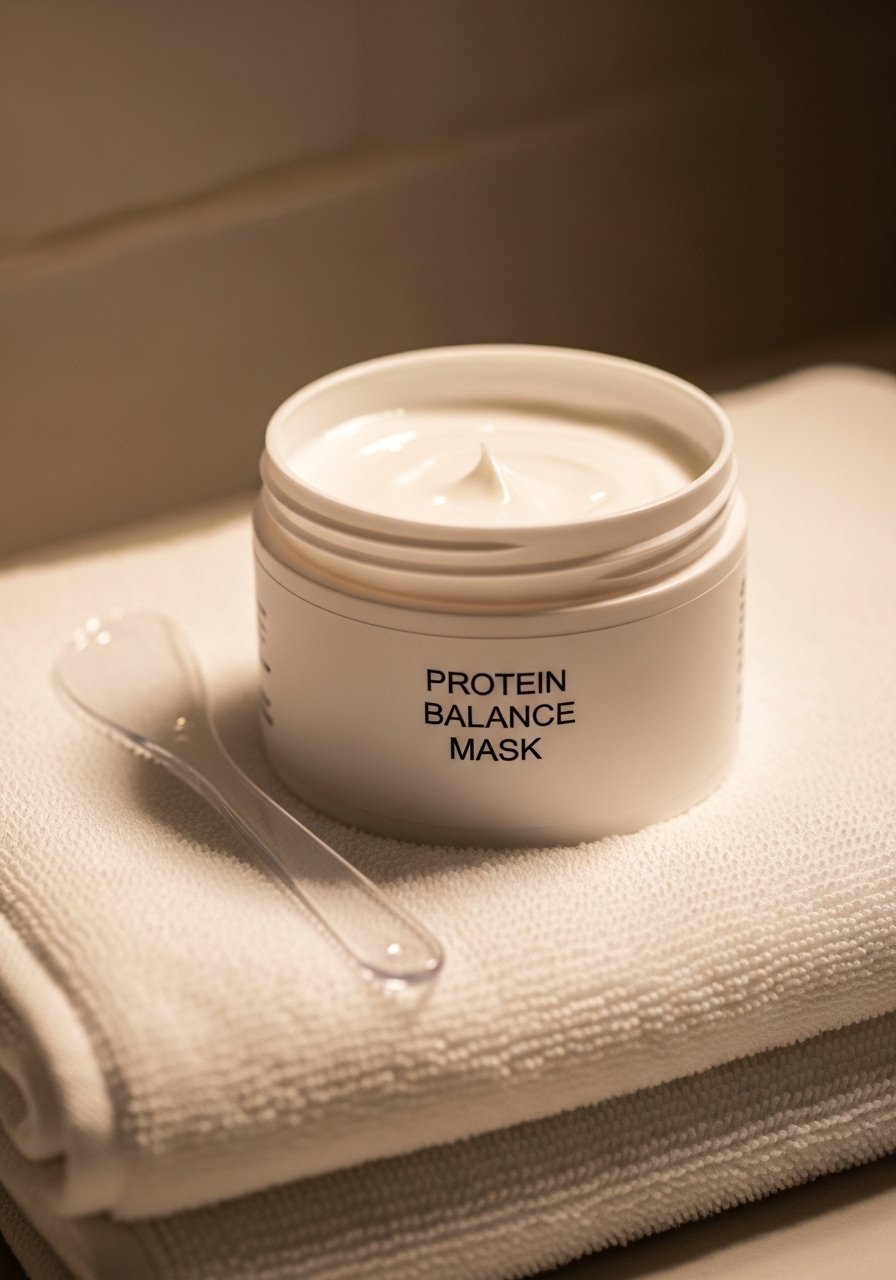
Protein can be useful for porous, damaged hair, but low porosity heads often react badly to daily protein. Use a low-dose protein mask every 3 to 6 weeks if you have breakage. For me, one tablespoon of mask per application, left on 8 minutes under heat, made the difference. Overdo protein and your hair feels straw-like. If you are unsure, alternate moisturizing and protein masks and watch for stiffness. A balanced pick that many people can find on Amazon is protein-balance-mask. If your scalp is reactive, patch test.
Heat Protectant Applied to Damp Hair, Not Dry
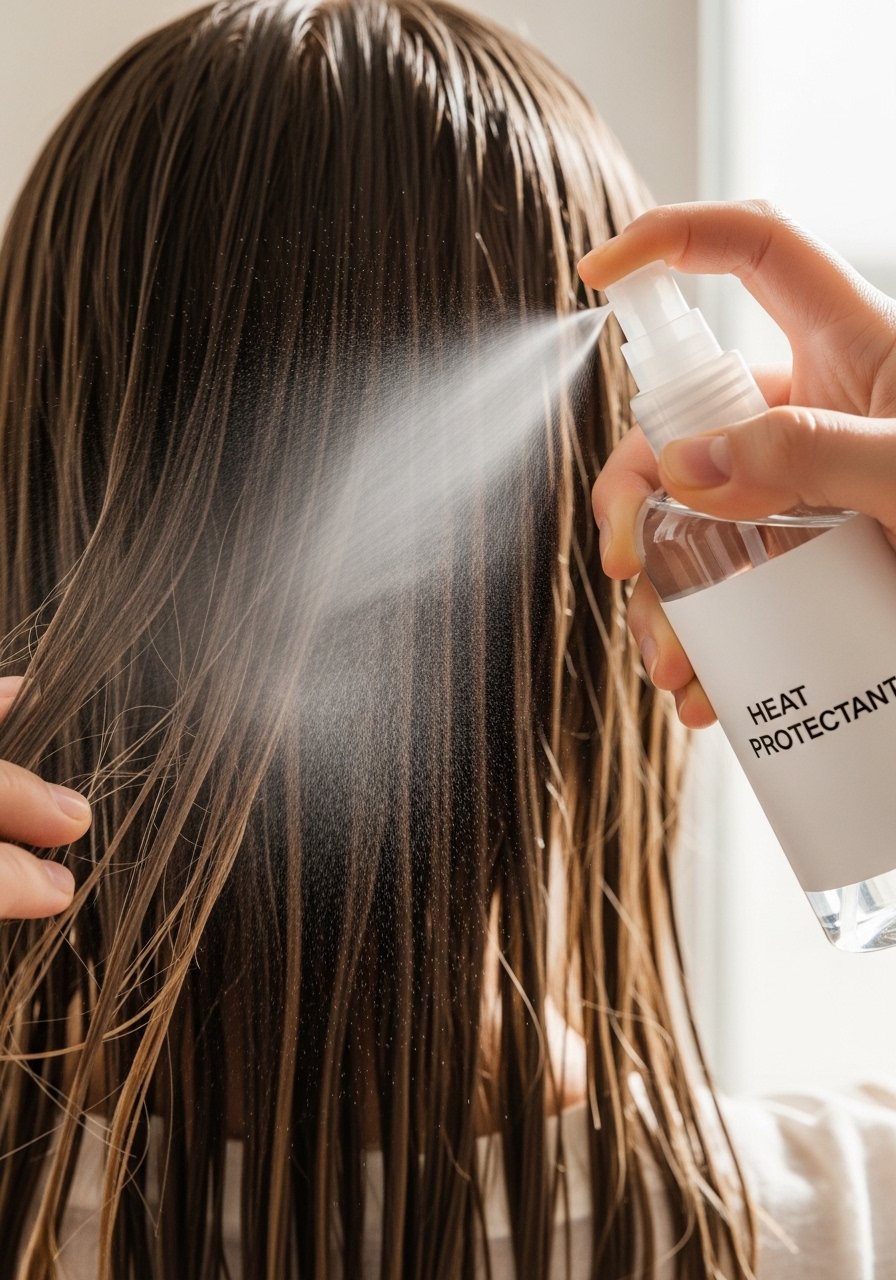
Most heat protectants you spray on dry hair before flat ironing barely work. They need to absorb into damp or just-dried hair to actually shield the cuticle. Spray over damp hair after leave-in, comb through two wide-tooth passes, then dry. If you are using irons over 300F, always add a second light mist after drying and before the iron. A solid option is heat-protectant-spray. Remember, heat above 300F needs extra care, and always keep the iron moving.
Lightweight Mousse for Fine Low Porosity Strands
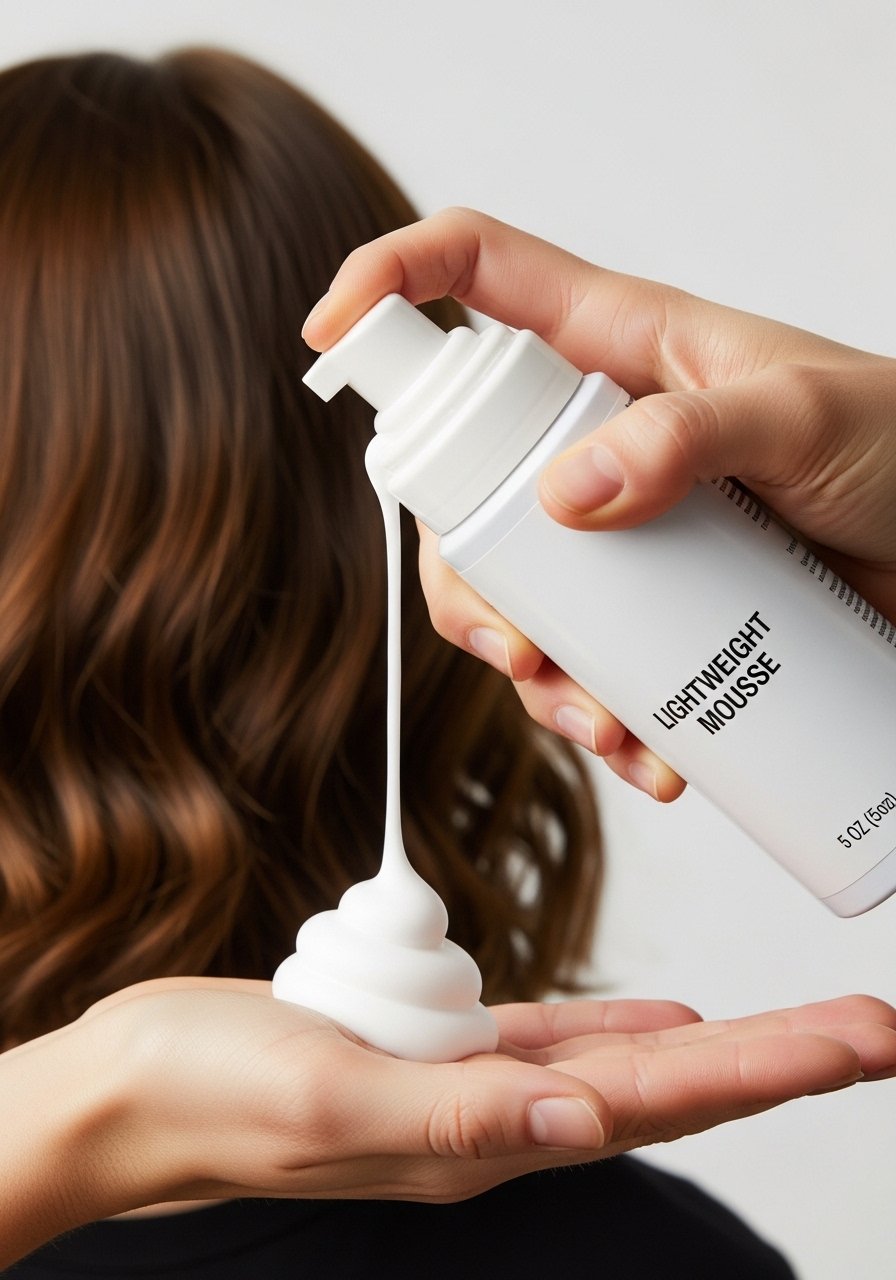
Fine low porosity hair often collapses under creams. A weightless mousse gives volume without residue. Shake, dispense two golf-ball sized amounts for shoulder-length hair, distribute in four sections, then diffuse on low. The hidden detail, use a comb with wide teeth for initial distribution to avoid clumping. Avoid applying mousse to dry hair. It works best on damp hair so the foam spreads. Try lightweight-mousse-for-volume. If you have thicker 3B-4A hair, double the product and use sectioning.
Diffuser Technique, Low Heat, Short Bursts
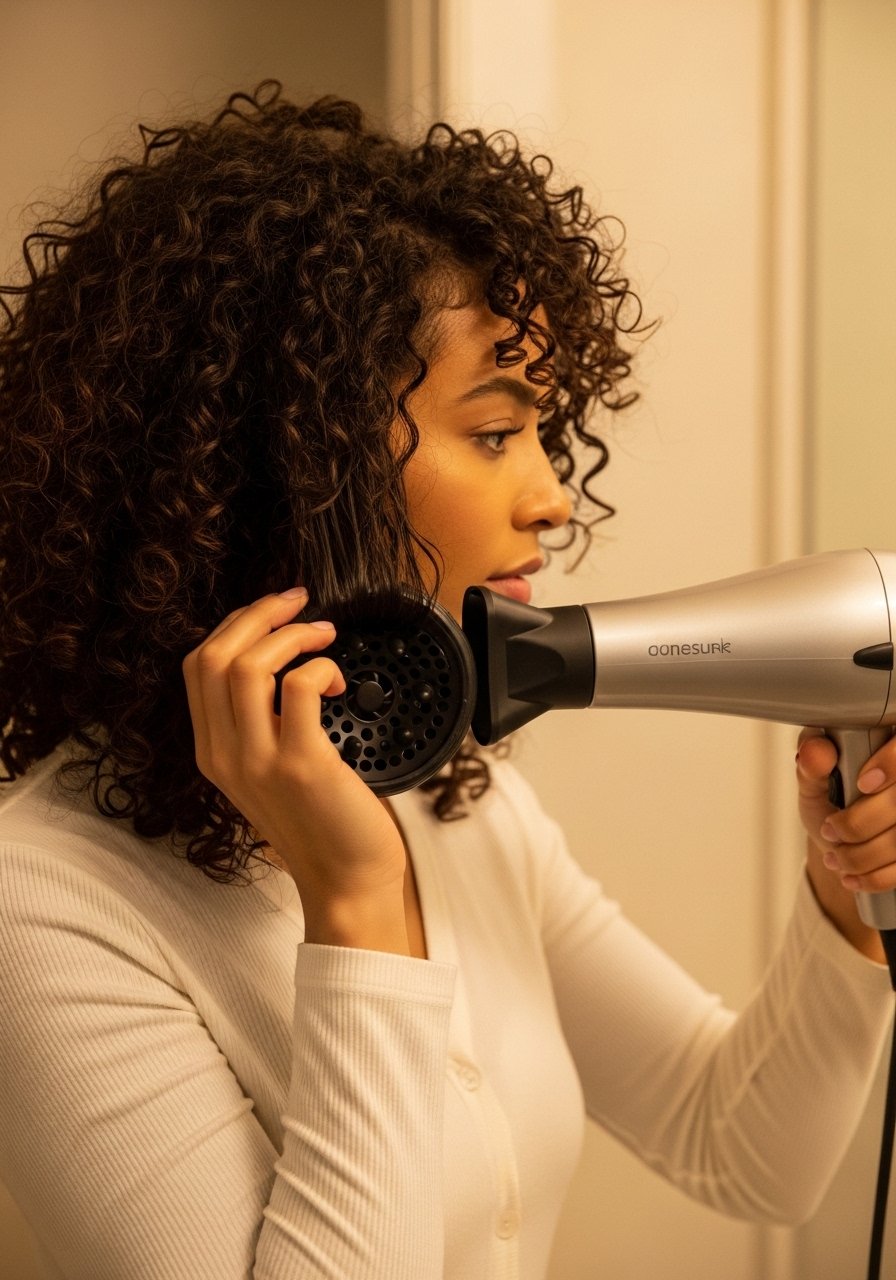
When you need speed, diffuse on low heat and medium air. I set my dryer to medium warm, 40 percent power, and cup curls at the roots for two to three 30-second bursts per section. The detail many skip, rotate sections so each root gets one focused burst then move on. Over-drying makes low porosity hair look dull because cuticles clamp down hot. Stop when hair is 90 percent dry then air-dry the rest. A good travel diffuser is universal-hair-diffuser.
Microfiber Towel and Silk Pillowcase Combo
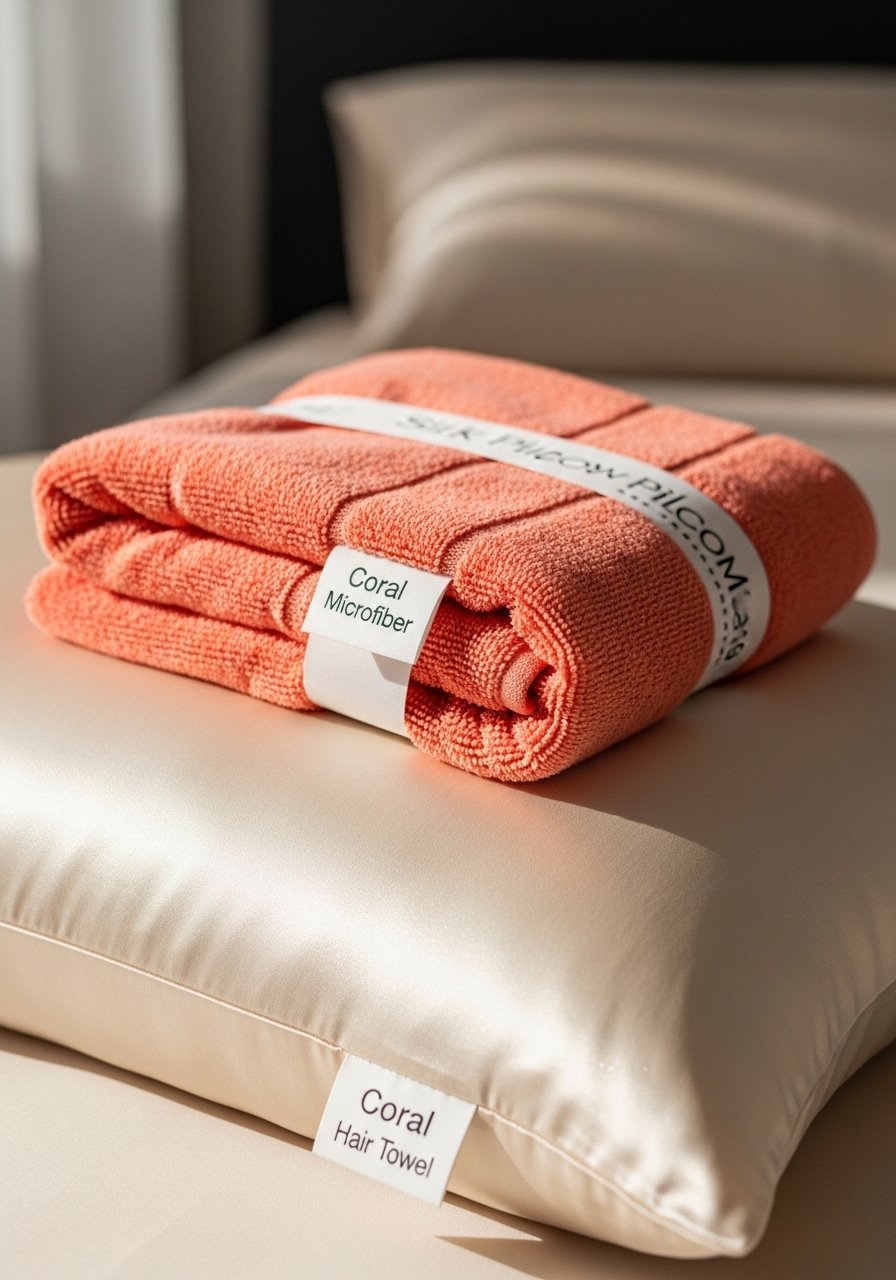
I slept on a cotton pillowcase for years and woke with frizz. Switching to a silk pillowcase plus wrap-up with a microfiber towel after shower cut morning fluff by at least half. Hair grows about half an inch a month at most, regardless of what biotin gummies promise you. The practical result is less friction and fewer tangles, which keeps ends intact between trims. Grab microfiber-hair-towel and silk-pillowcase-queen and use them together for best effect.
Spray Bottle Warmth Prep, A Cheap Steam Alternative
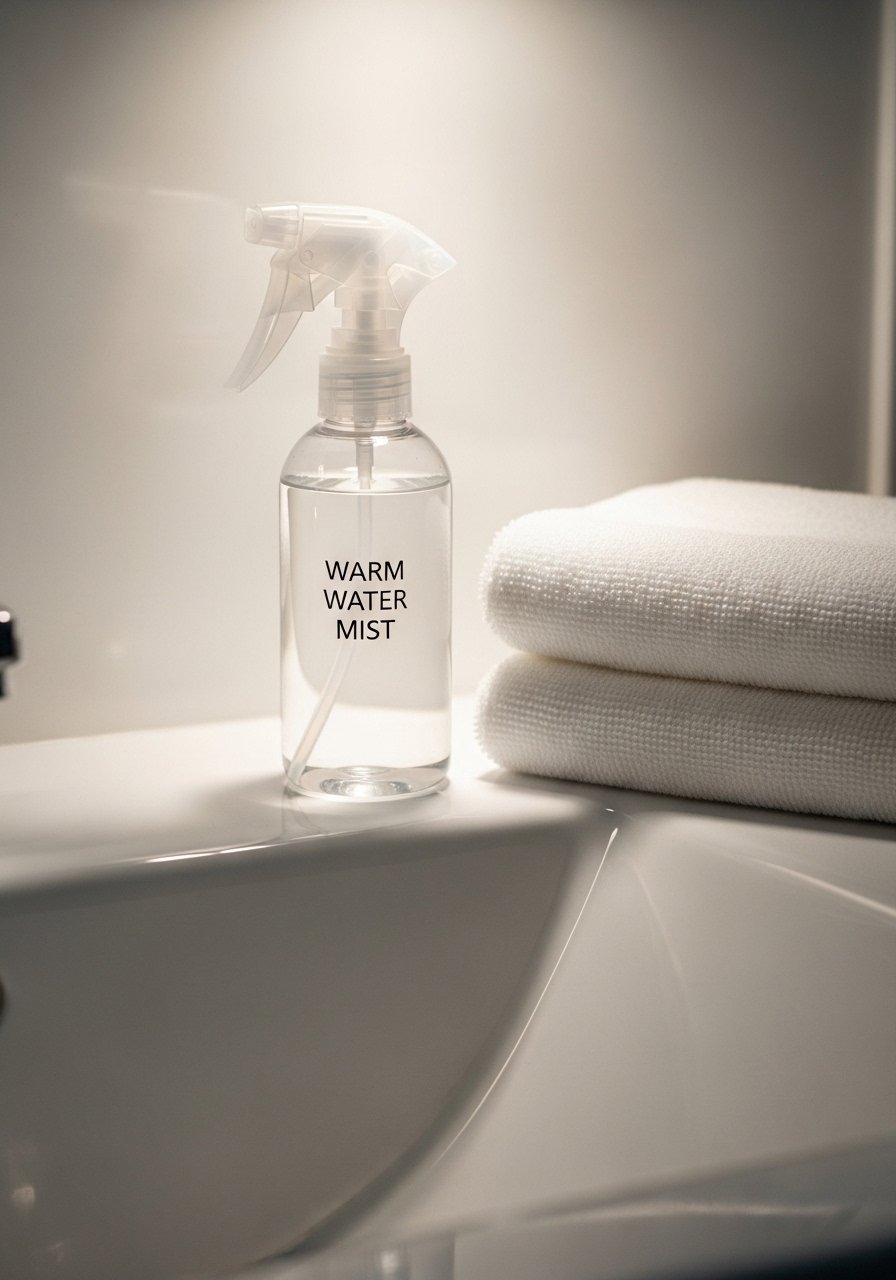
If you do not own a steamer, warm water misting before applying conditioner helps. Fill a spray bottle with water warmed to body temperature, mist each section until damp, apply conditioner, then cover with a plastic cap for 8 minutes. The critical detail many miss, warm not hot water. Hot water can stress your scalp. This trick is cheap and easy at home and makes lightweight treatments actually sink in. Use ergonomic-spray-bottle.
Low-Porosity Friendly Color Refresh Without Heavy Deposits
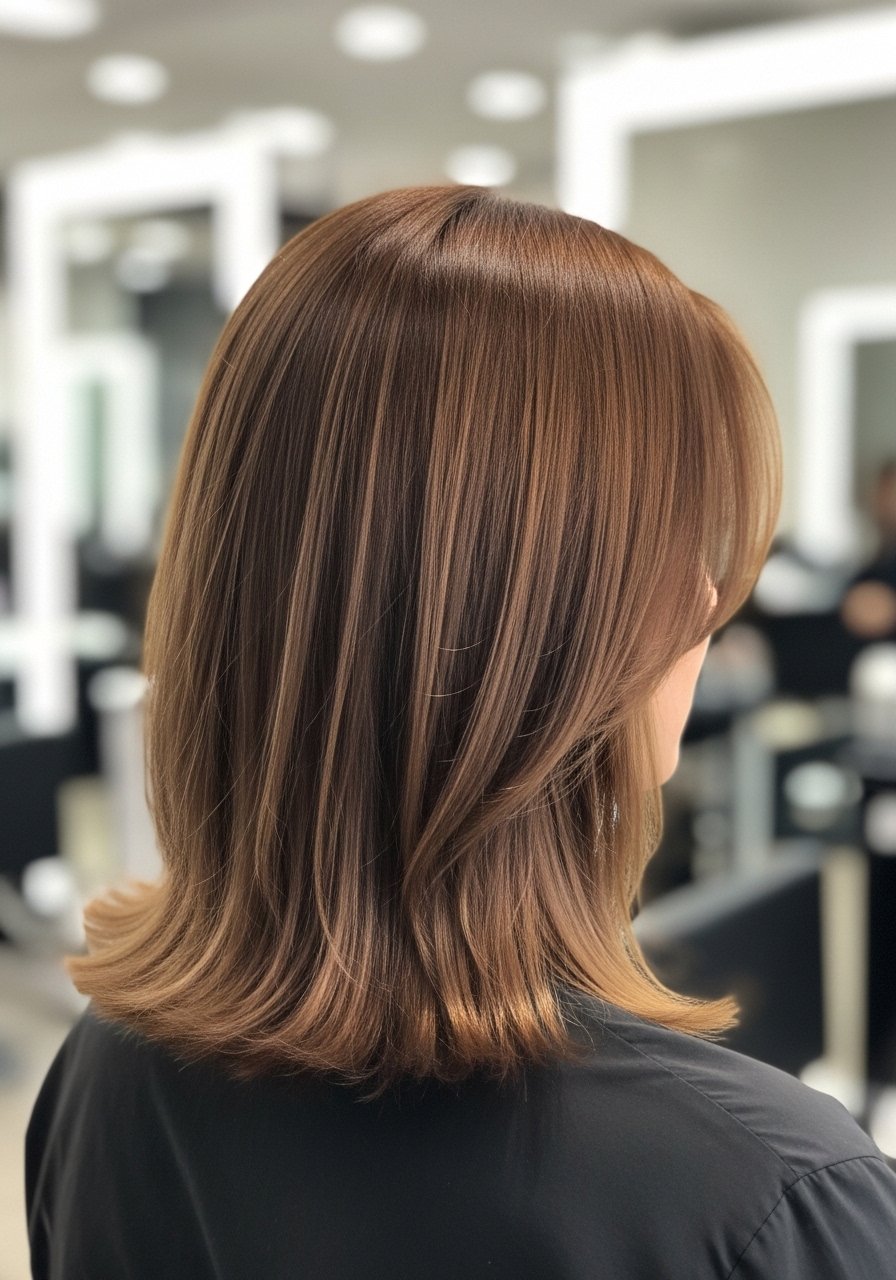
If you color, low porosity hair tends to keep pigment on the surface so colors fade or look patchy. Gloss or glaze services at the salon sit on the cuticle and add shine. At home, use diluted color-depositing conditioners sparingly, once every 4 to 6 weeks. A salon note, ask for a demi-gloss rather than full lift if you have low porosity and want subtle refresh. If you try at home, patch-test for allergies and follow timing exactly. For upkeep, consider a small tub of color-depositing-conditioner.
Robe Tie Overnight Heatless Curls for Low Porosity Hair
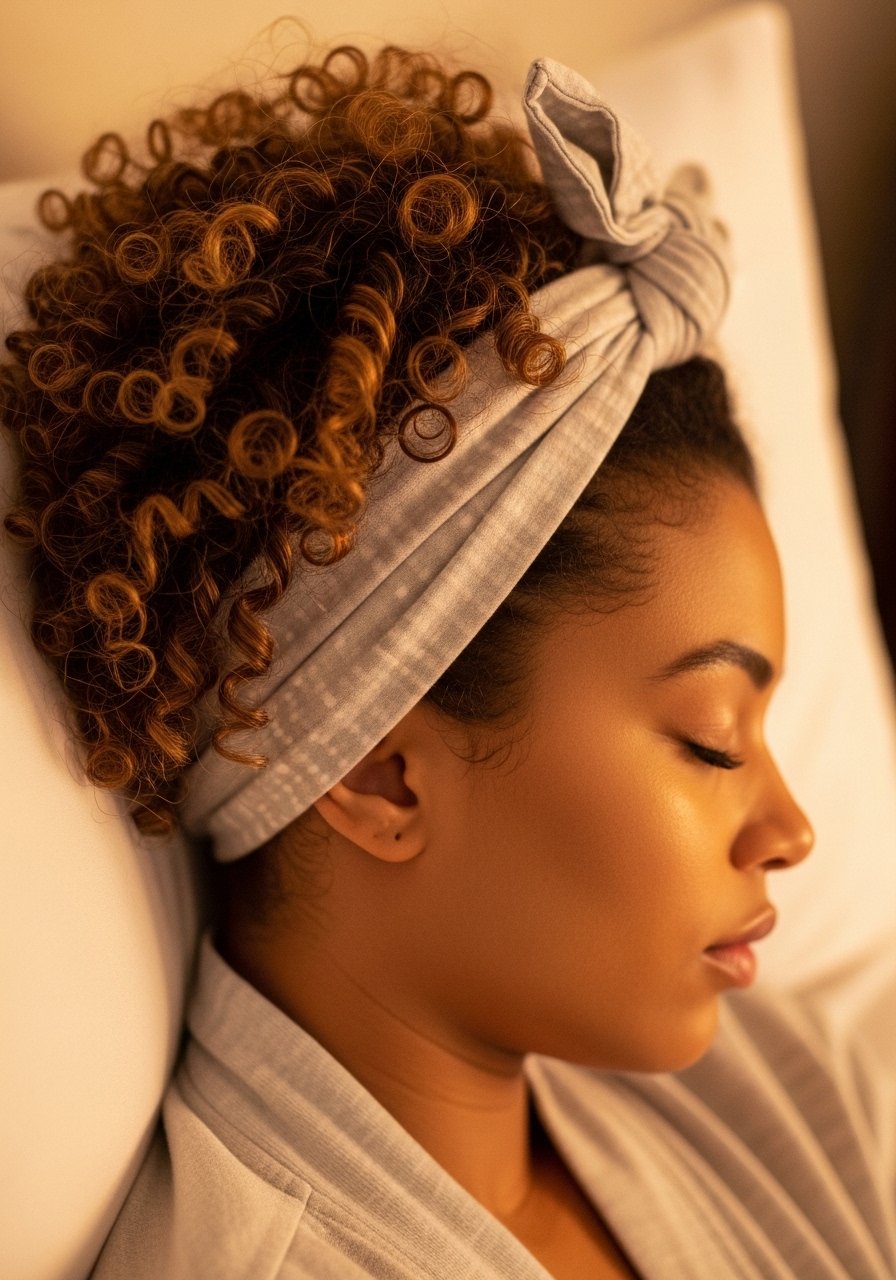
Heatless sets like the robe tie method give shape without thermal stress, and low porosity hair holds them well if hair is misted then set. Section hair into six to eight equal parts for mid-back length, wrap each section twice around the robe tie, and sleep. In the morning, finger-fluff and separate. Common mistake, tying too tight and causing dents. Keep tension firm but not tight. This is a great weekend style when you want less manipulation. Use soft-fabric-robe-tie.
What I Wish I Knew Before Switching Every Product
- Stop piling heavy creams on low porosity hair, swap to water-based layers
- Use warm steam or a warm-water spray to help products penetrate
- My curls looked great on TikTok and like wet noodles by 11am, that was a technique problem, not a product fail
- Clarify weekly if you use silicone or thick gels
- Buy Olaplex and K18 from official Amazon stores or Sephora to avoid counterfeits
- Heat protectant goes on damp hair, not dry. The cuticle is more open and the product actually absorbs. heat-protectant-spray is the one I keep handy
Frequently Asked Questions
Q: How do I know if my hair is low porosity?
A: Drop a clean strand into room temperature water. If it floats for four plus minutes, low porosity. If it sinks under a minute, high porosity. Low porosity hair needs heat, even gentle steam, for products to actually penetrate.
Q: Can I use Olaplex No. 3 if my hair is not damaged, or will it make it worse?
A: You can use it on hair without visible damage. It will not make healthy hair worse, but you may not notice dramatic changes. Use once a week on damp hair for 10 minutes. Buy from the official Amazon store or Sephora to avoid counterfeits.
Q: How often should I clarify without stripping color?
A: Once a week if you use heavy stylers or silicone products. If you color, alternate a color-safe low-sulfate shampoo every other wash, and clarify once every two to four weeks depending on product load.
Q: Is protein bad for low porosity hair?
A: Protein is not inherently bad, but low porosity hair can respond stiffly. Use a light protein mask every 3 to 6 weeks only when you see breakage. Alternate with moisturizing masks and watch for stiffness.
Q: What is the best order to layer products for low porosity curls?
A: Start with water, then a lightweight leave-in, then a styling cream if you need slip, then a light gel. Seal only the ends with a drop of light oil if needed. Use the LOC idea with liquid and oil last if you have thicker hair.
Q: My hair looks greasy fast after oiling. What am I doing wrong?
A: Most people apply too much or hit the roots. For low porosity hair, two to three drops rubbed between palms and applied to ends is usually enough. Avoid heavy oils like coconut on low porosity hair unless you dilute them.