I asked my stylist for subtle layers and walked out with something more aggressive once, so I learned to ask for "face-framing, one-inch graduation" instead of vague words. This list is for long hair that needs movement without obvious chops. Expect ideas that work for fine, medium, and thicker textures, plus a few that adapt for coils. Most sections are DIY-friendly, a few deserve a salon visit. Budget ranges from under $20 for styling tools to one splurge around $300. Time varies from five minute styling tweaks to a 45 minute salon cut.
Subtle Face-Framing Layers For Grown-Out Bangs
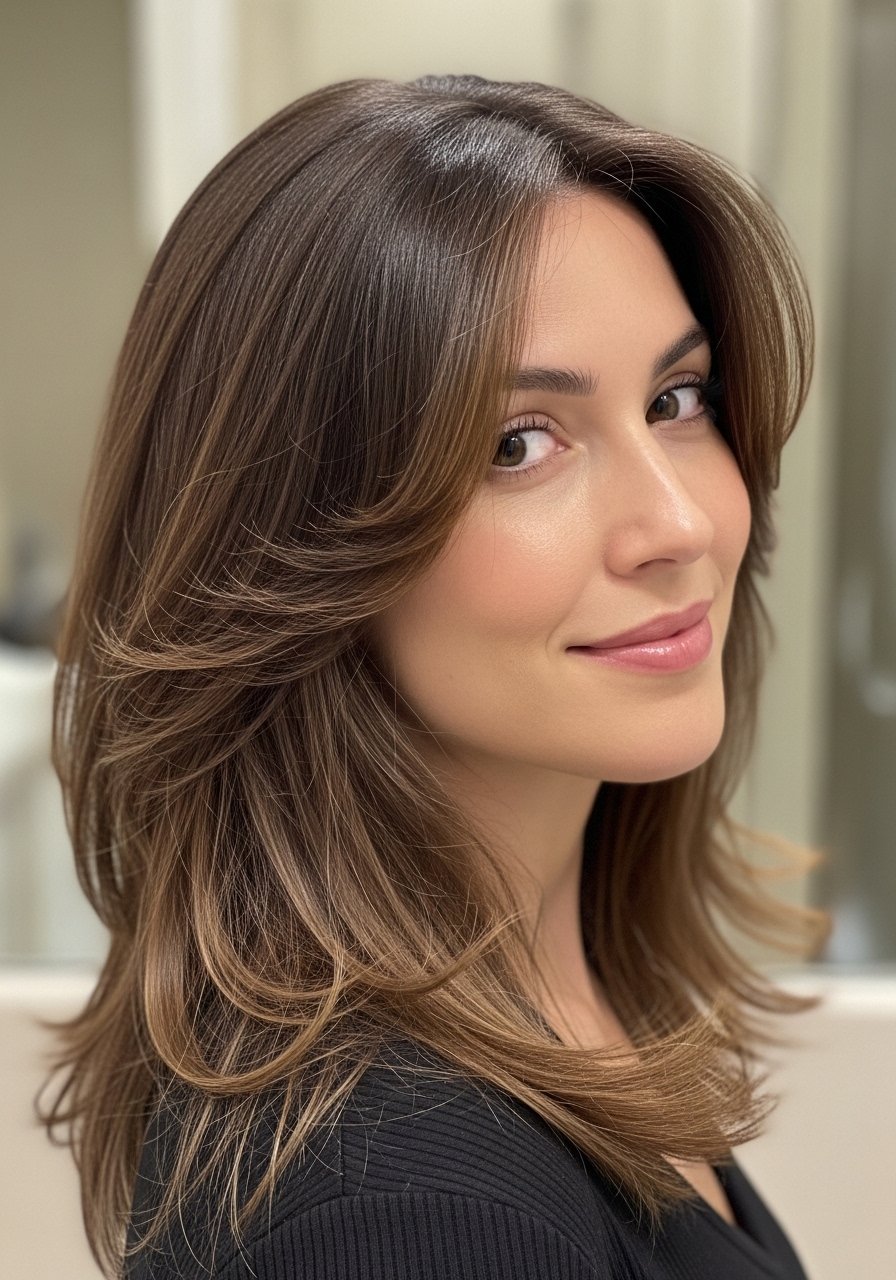
Ask your stylist for "soft, two to three face-framing layers starting at chin length" and your grown-out bangs stop looking like a separate accessory. This works best for medium to thick straight or wavy hair, and it takes about 10 minutes more at the chair. At home, wet the front sections, clip them into three 1-inch vertical subsections, and point-cut into the ends to soften any hard edges. A common mistake is cutting too much weight out at once, which makes the layers read choppy. If you color front pieces, do an allergy patch test. Salon styling is worth it the first time so you have the exact angles to maintain.
Long Layered Shag That Helps Fine Hair Breathe
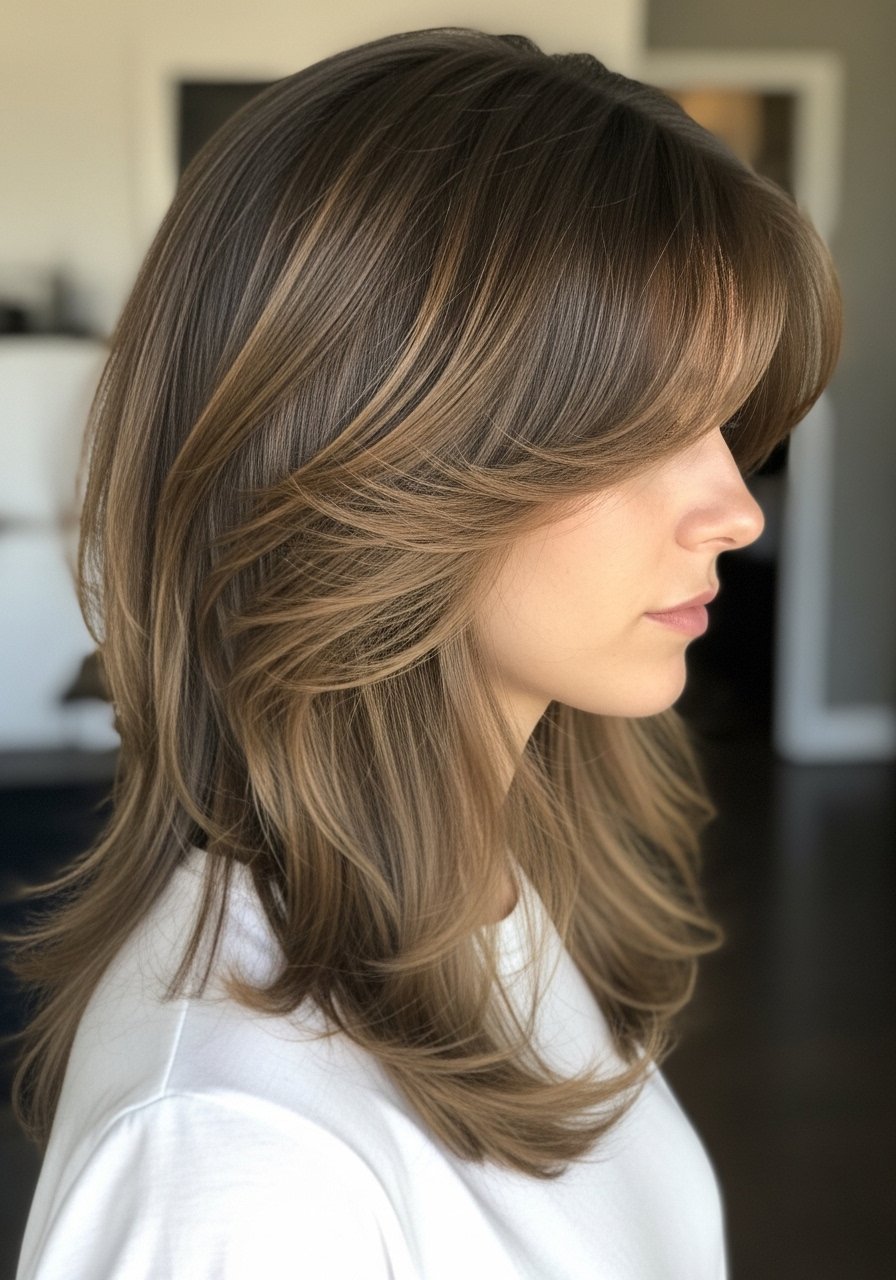
Fine hair often looks flat when long. The long layered shag removes interior weight while keeping a blunt-looking base for density, which works for 1A to 1B hair. Ask for thin interior layers, spaced about an inch apart, so the cut reduces bulk without shortening length. It usually takes 20 to 30 minutes at the salon. At home, a texturizing spray used three spritzes at the roots and a 1-inch barrel curling iron at 320F for random bends gives the illusion of movement. A mistake is over-thinning with a razor, which creates visible wisps. For cost conscious people, a $15 texturizing spray lasts months.
Weight-Removing Interior Layers For Thick Hair
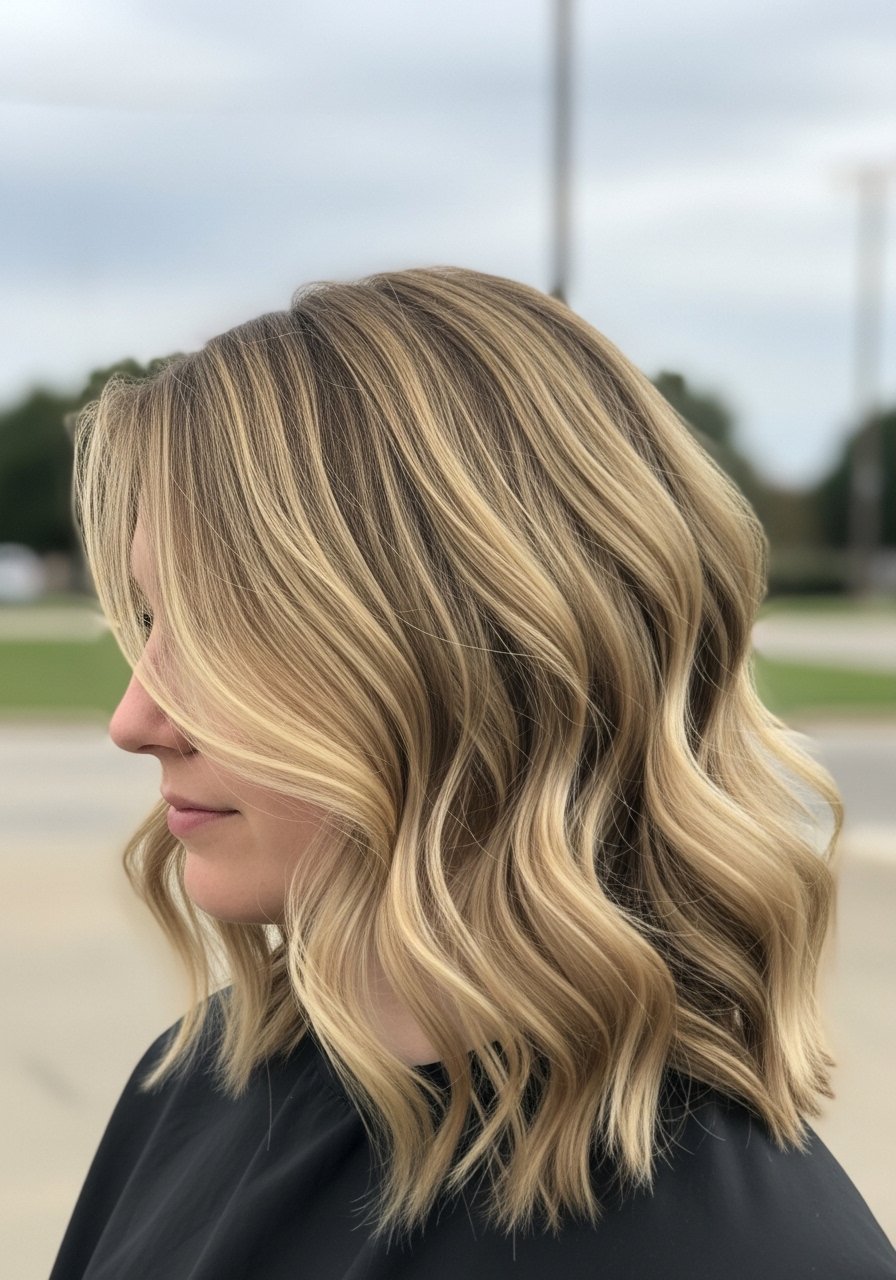
If your hair puffs at the crown and drags at the ends, interior weight removal is the trick. This suits thick, coarse, or dense hair and needs a stylist who knows to work vertically through the mid-lengths, not horizontally at the tips. The goal is to remove bulk from three to six inches up from the ends, not shorter. A common error is cutting full layers that expose the ends and create triangle shape. Expect a 30 to 45 minute session. At home, use a wide-tooth comb and detangle in four large sections before styling. Heat note, always spray heat protectant before any iron over 300F.
Long Layers With Soft Wave Cut For 2A To 2C Texture
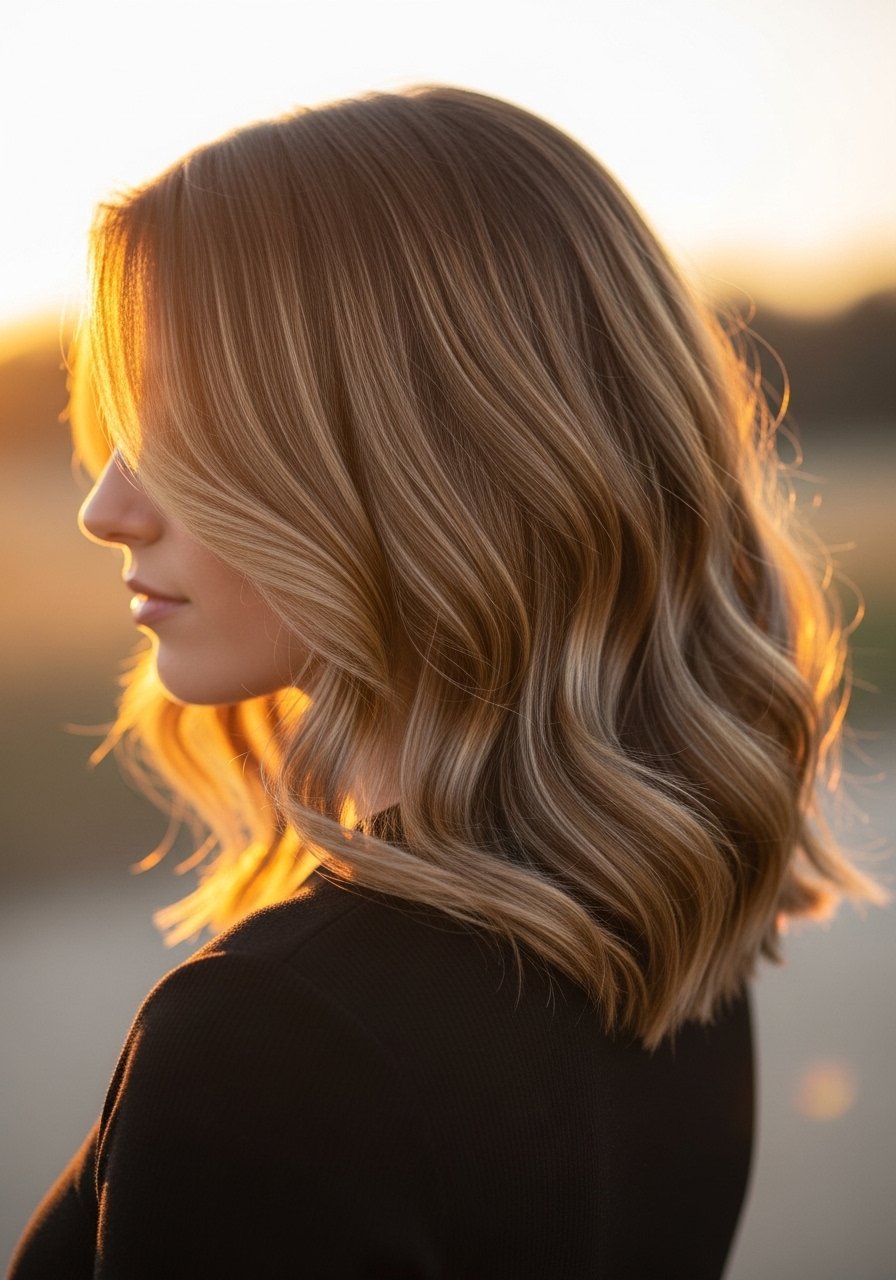
For loose waves, subtle layers should start around the clavicle so waves stack, not separate into blunt strips. That makes the layers visible only when styled, perfect for people who want movement without obvious haircuts. It is quick to maintain, a 15 minute morning routine. I like two spritzes of a sea salt spray through damp hair, scrunch, and diffuse on low for 10 minutes. Many people over-apply oil after drying and flatten the waves. Use a pea-sized serum on the ends only. This approach scales to thicker waves by widening the layer starting point by an inch or two.
Layered Ends That Add Spring To Curly Hair
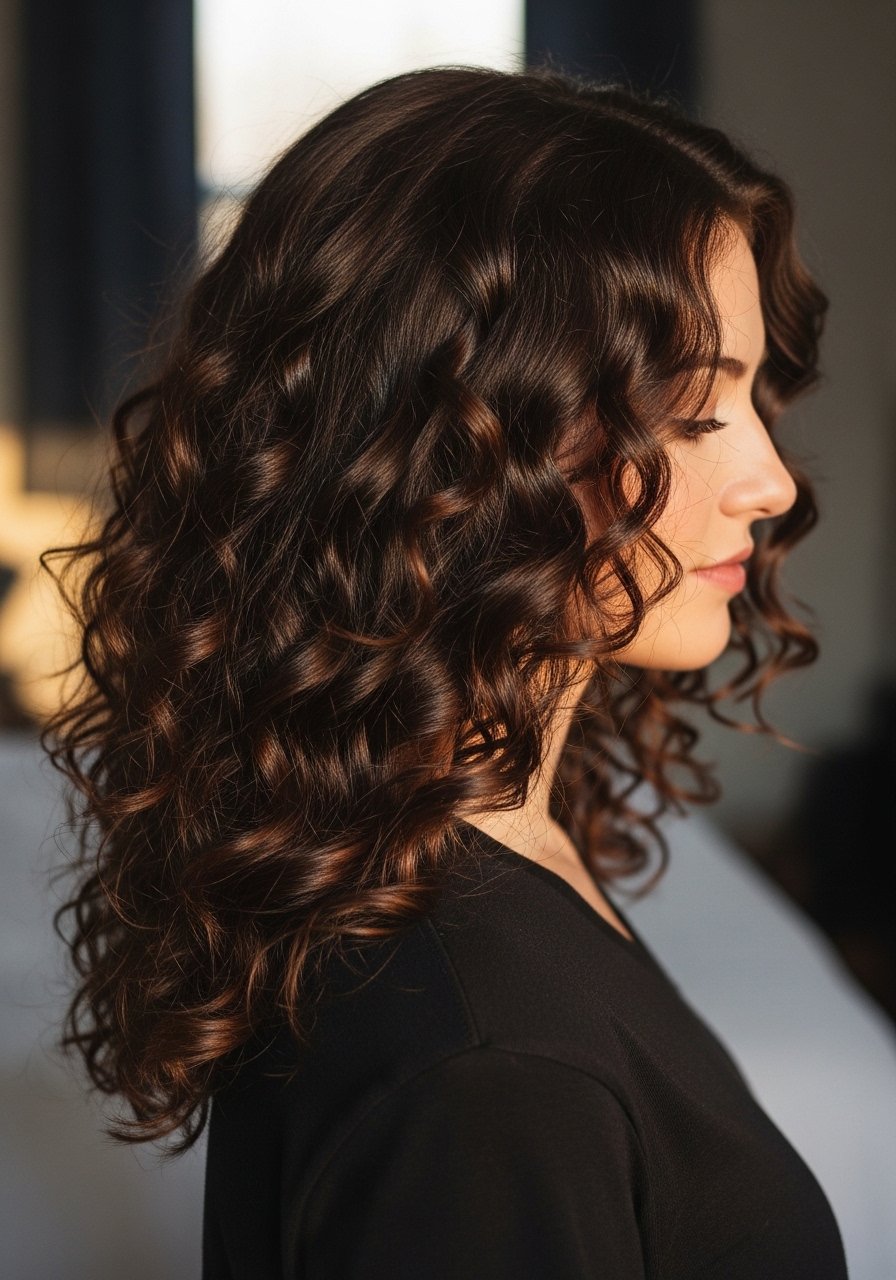
My curls looked great on TikTok and like wet noodles by 11am. Finally figured out it was the gel-only routine. Added a leave-in cream underneath and it changed everything. For curly hair, long layers at the ends help the curls stack without interrupting the natural curl pattern. This is best for 3A to 3C textures, and you should request that the stylist dry-shapes the layers so you see the result while you are in the chair. At home, I apply a nickel-sized amount of leave-in cream, then two finger-coils of gel on each curl group. Common mistake is cutting curls blunt when wet, which shortens the curl length as it dries. If hair is color-treated, space deep conditioning sessions every seven to ten days.
Long Layers With A Money Piece For Subtle Framing
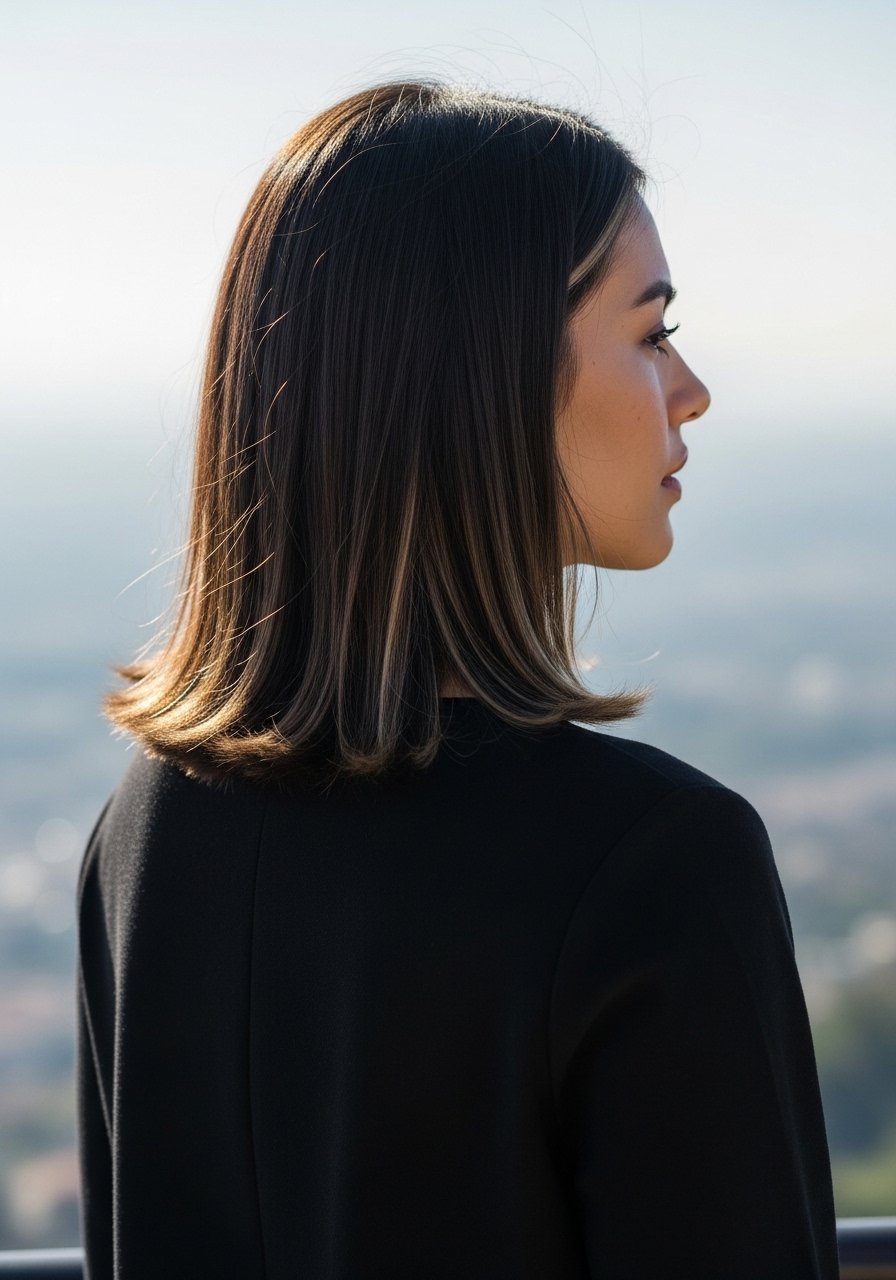
A money piece does not have to be dramatic to work with layers. Soft, one to two shades lighter at the most visible front sections adds dimension and makes layers read without extra cuts. This suits straight to wavy hair, and it is a low-cost color touch that lasts six to eight weeks with color-safe products. At home, protect the lighter pieces with a sulfate-free shampoo and a weekly protein-balanced mask. A mistake is lifting too bright for a subtle look. If you try it yourself, use a demi-permanent formula, do an allergy patch test, and expect to need a gloss in six weeks. Salon is safer for first-timers.
Micro-Layers Around The Crown To Reduce Bulk
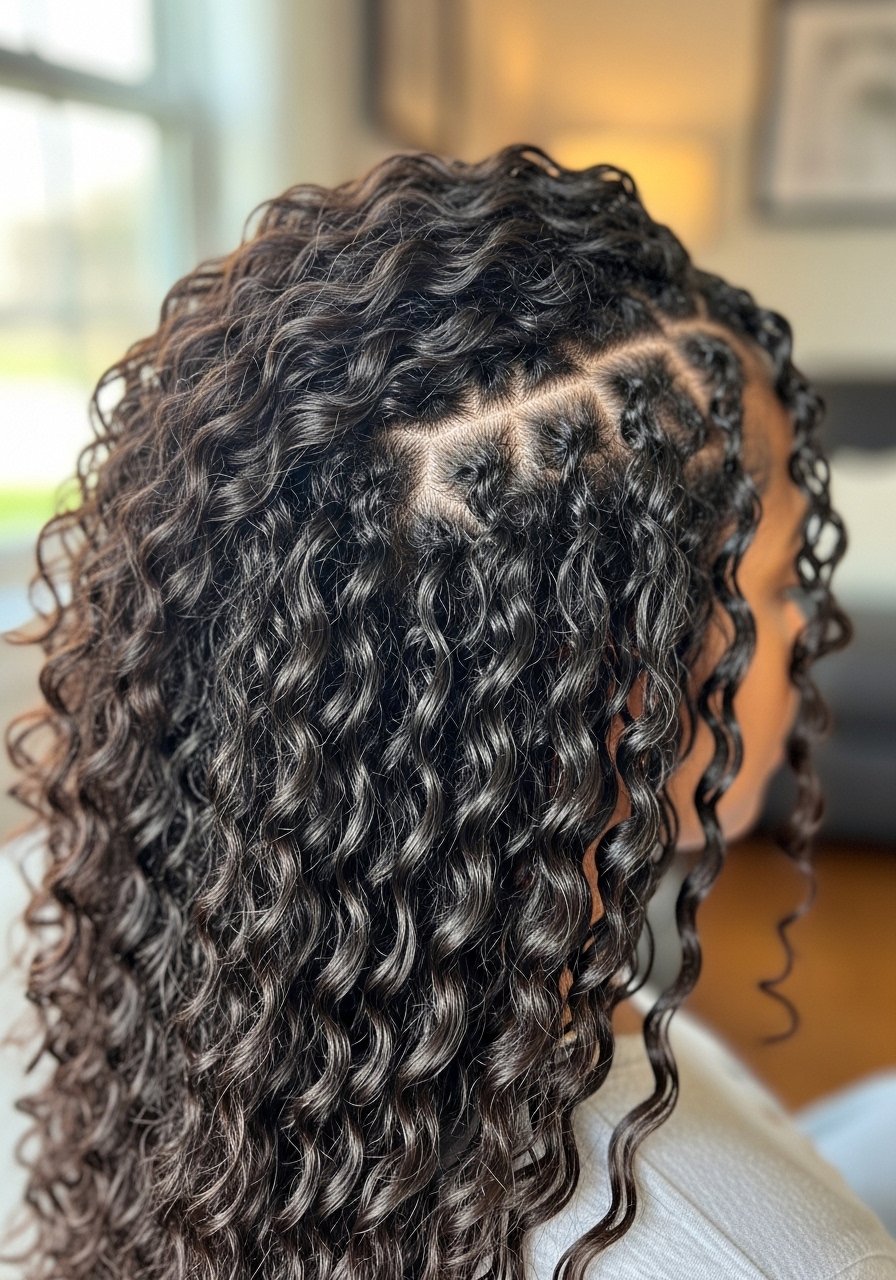
Micro-layers at the crown take that triangular, helmet shape out of hair that is dense from root to mid-length. This is particularly useful for Type 4 textures or very thick 3C hair. Ask for 1 to 2 inch micro-layers around the crown only, cut with scissors vertically for softer ends. It is a quick 15 minute adjustment at the salon. A common error is over-layering the perimeter, which sacrifices length. At home use a light leave-in and a 1:1 mix of water and conditioner in a spray bottle to refresh the crown between washes. Avoid heavy oils near the roots or your crown will look weighed down.
What I Actually Keep In My Subtle Layers Kit
[Honestly the list of tools and products I reach for when I want long hair with subtle layers to look lived-in and healthy. Each link is to an easy Amazon search so you can compare options.]
- Honestly the best splurge I made was Olaplex No. 3 hair perfector 3.3oz, used once weekly to strengthen strands. Buy from the official seller on Amazon or at Ulta to avoid counterfeits
- For gentle cleansing, 8oz sulfate-free clarifying shampoo, use every two to four washes depending on buildup
- For conditioners, Olaplex No. 5 bond maintenance conditioner 8.5oz, cheap insurance for ends under color stress, also available at Sephora
- Styling, a boar bristle paddle brush spreads scalp oil and smooths the lengths, about $20
- Heat tool I actually use, a 1-inch curling iron with temperature control, set to 320F for most long styles
- Sleep protection, a silk pillowcase queen size, under $30, cut morning frizz dramatically
- For texture, light sea salt spray, two to three spritzes through damp hair before air drying
- For curls, a microfiber hair towel to plop for 20 minutes and reduce frizz
- For detangling, a wide-tooth comb pack, keep one in the shower for conditioner work
- For shine and sealing the ends, a light argan oil serum, one pump on damp ends only
Sliced Layers For Movement Without Losing Length
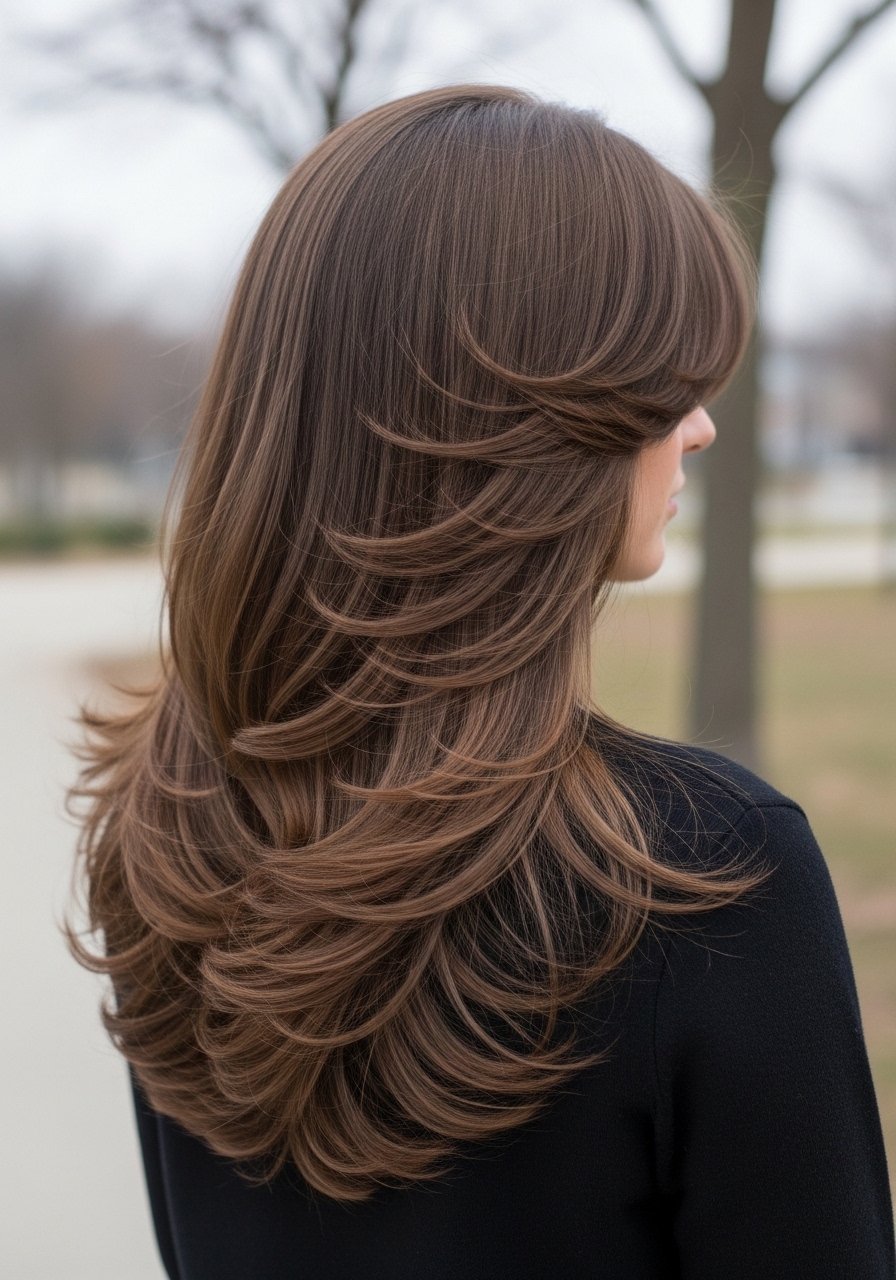
Slicing takes very fine vertical sections and texturizes only the surface of the hair so you keep length with lots of movement. This is great for medium to thick straight and wavy hair, and it is a salon technique. Expect a 30 to 40 minute appointment. The common mistake is asking for too much slice which creates ragged ends. After slicing, I use three to five 1-inch random waves at 320F to show how layers fall. If you DIY, do one small test slice and let it settle for a week before committing to more. Avoid slicing dry or hair will look frayed.
Single-Length With Interior Layering For Sleekness
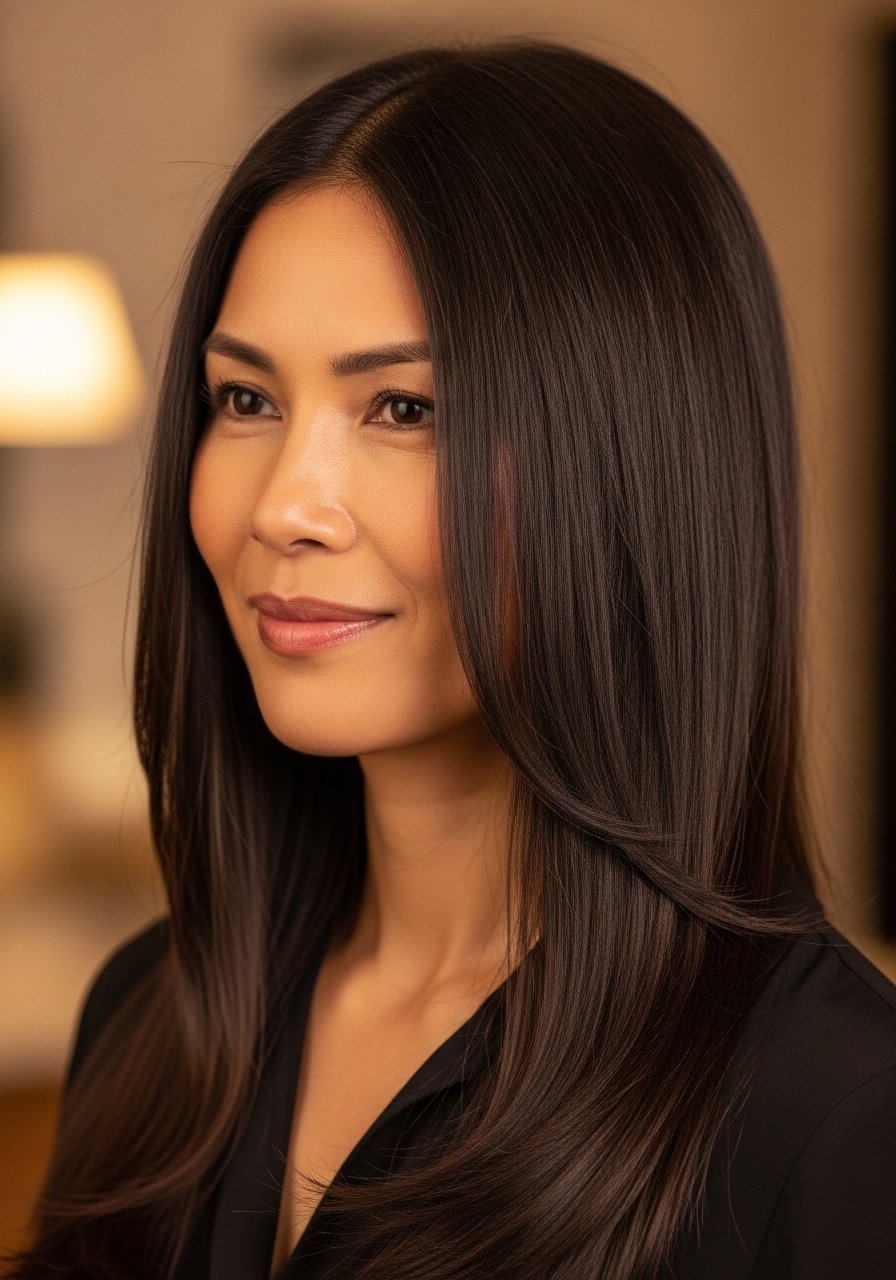
If you love the blunt look but need less weight, ask for interior layering that keeps the outside line intact. It is a favorite of people with poker-straight hair who want movement when styled. This cut is salon-only for safety, and takes 20 to 30 minutes. At home, a round brush blowout using medium heat and a light smoothing spray keeps the outside edge lying flat. A mistake is thinning the outer perimeter, which ruins the blunt line. If you straighten, use a heat protectant and set irons to 350F or below for most long hair types.
Layered Trim With Bond Builder For Damaged Ends
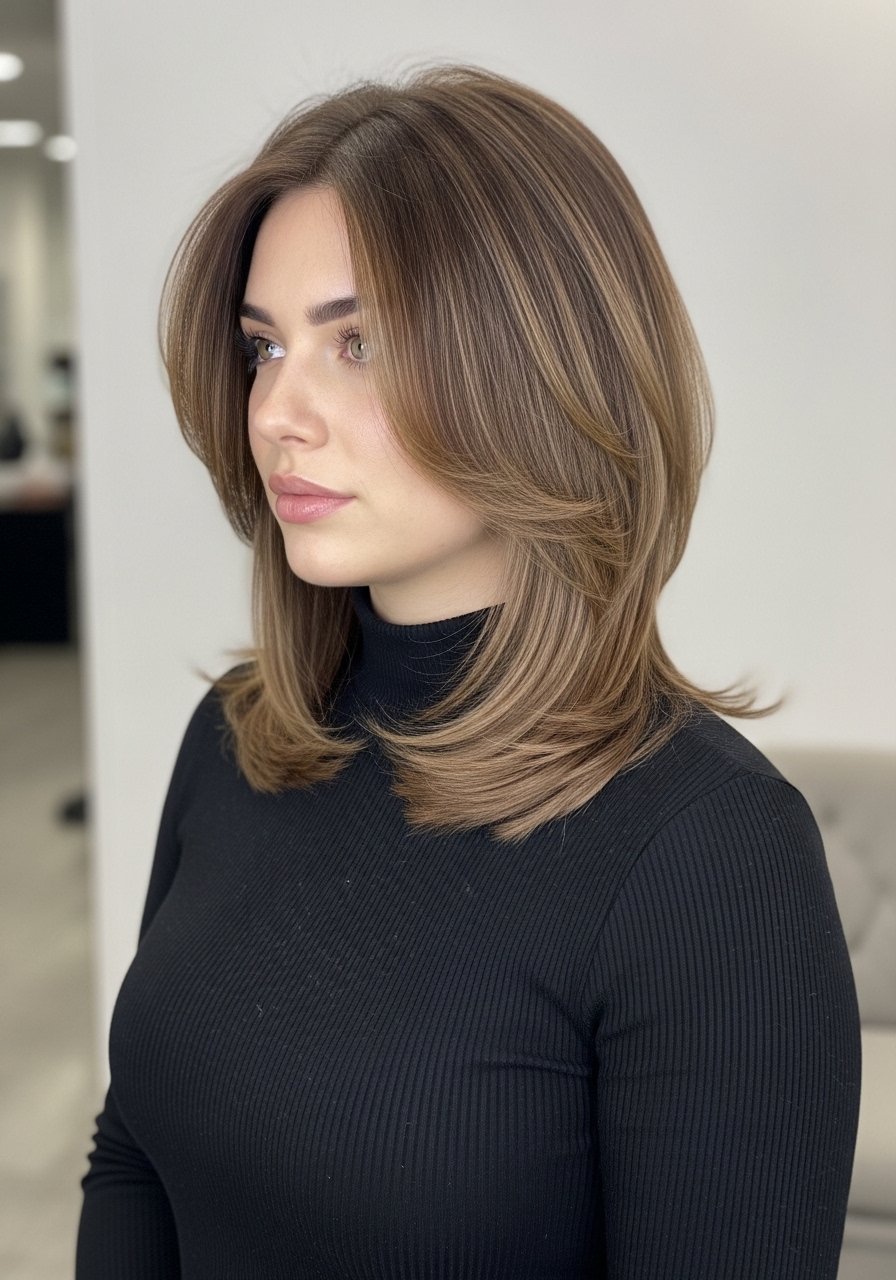
I bleached my own hair last winter trying to save $200. Three months later I paid $400 to fix it. Olaplex No. 3 saved what was left. Pair a conservative long-layered trim with a bond builder application if ends are gummy or frayed. Best for color-treated or heat-damaged medium to thick hair. This is a salon-worthy service but you can maintain at home with weekly at-home bond treatments. A common mistake is trusting one cut to fix all damage. Bond builders smooth the appearance temporarily and reduce breakage, they do not reverse years of damage. Watch for counterfeits and buy from authorized sellers.
Long Layers With A Blunt Base For Visual Density
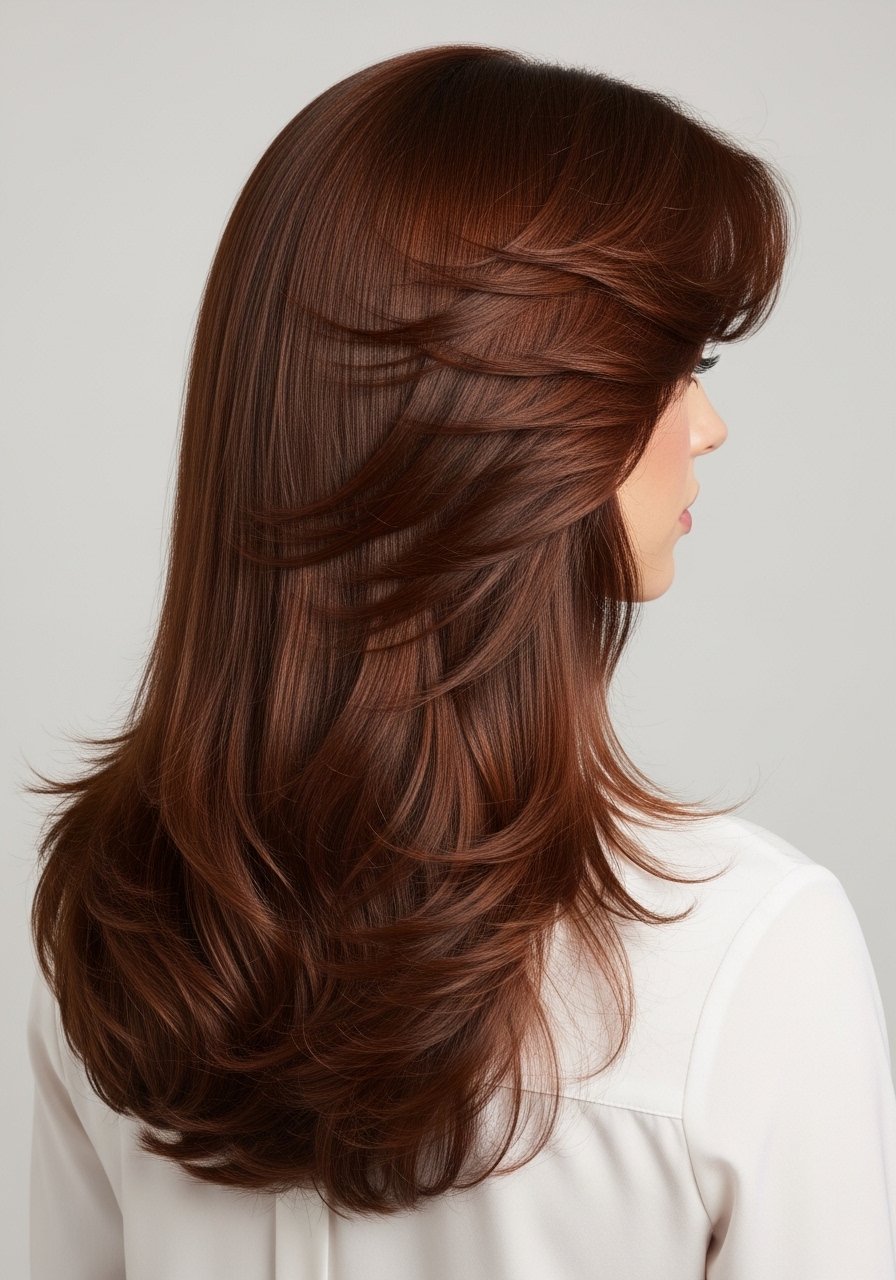
Long hair can still look dense if the base is blunt and the interior has long, graduated layers. This works for fine to medium textures that want the wall of hair look while gaining movement. The cut takes a stylist who will maintain a one-length base while texturizing mid-lengths. At home, blow dry with a boar bristle brush and finish with a one-pump serum on ends. A mistake is over-texturizing the ends which makes hair look thin. For those keeping length, trim 1/2 inch every three months to avoid split ends spreading.
Heatless Wave Styling That Shows Off Layers
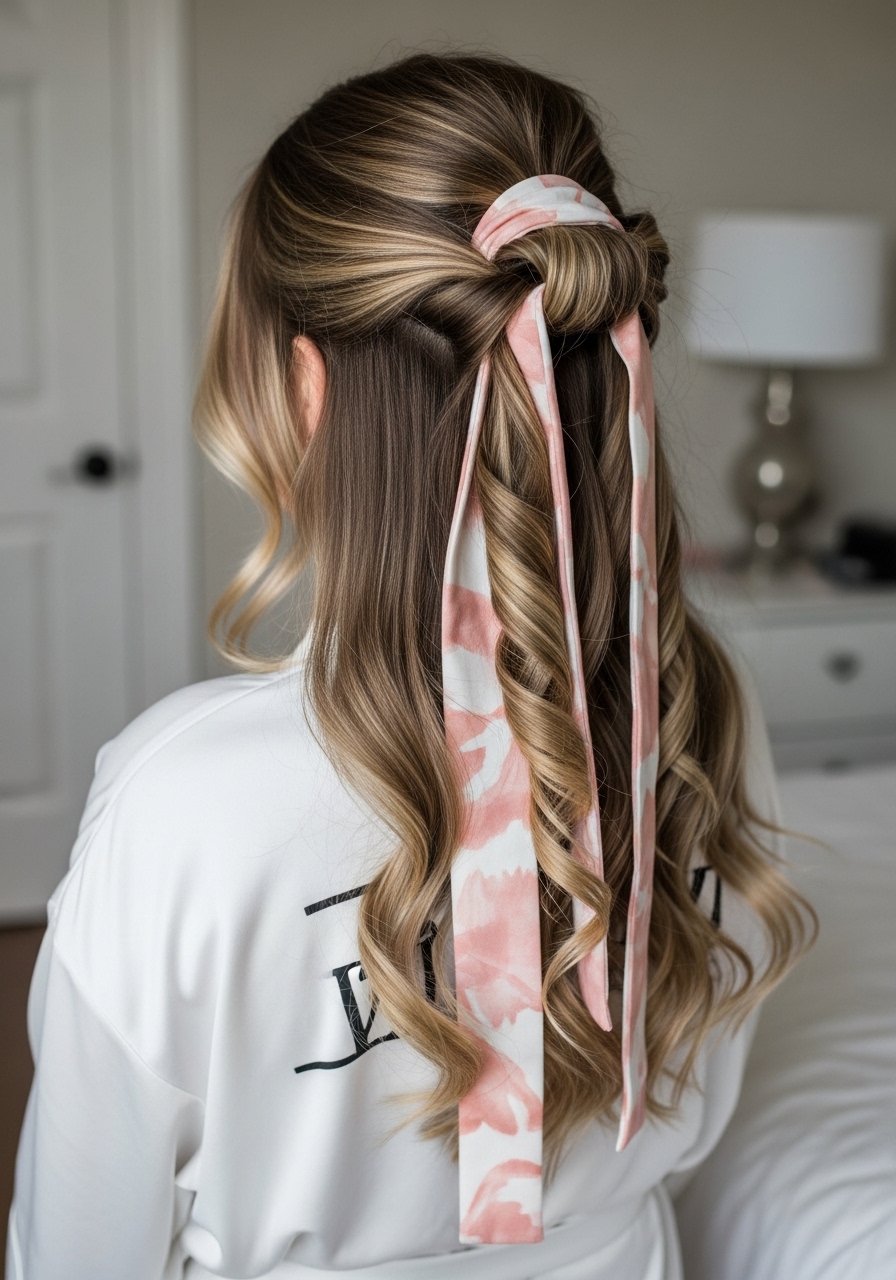
If you want to highlight subtle layers without heat, the robe tie method is magic. Section hair into four large panels, wrap each around a robe sash across the crown, and sleep on it. In the morning, shake out and finger-comb. Works well for wavy and fine wavy hair, takes zero dollars if you have a sash, or buy a pack for under $15. Mistake is wrapping too tightly which creates creases. For thicker hair, increase panel count to six to avoid lumpiness. This preserves hair health and shows how layers move when you do not flatten them with irons.
Long Layers For Low-Maintenance Second Day Volume

If your roots go flat by day two, layers that start at the crown give instant bounce without restyling. This is great for fine to medium waves and straight hair that wants lift. Wash every other to third day, and on day two use a dry shampoo at the roots in two to three spots, rub with fingertips for lift. A typical mistake is using dry shampoo all over which adds buildup. For second day styling, 10 quick seconds with a 1-inch iron at 300F on a few root sections brings the shape back. Remember hair grows about half an inch a month at most, regardless of what biotin gummies promise you.
What I Wish Someone Had Told Me About Long Layers
- Heat protectant goes on damp hair, not dry. The cuticle is more open and the product actually absorbs. Color Wow heat protectant spray is one I use when I know I will iron
- Grab a microfiber hair towel for $12. It cuts your blow dry time and reduces frizz before you touch a product
- Hair grows about half an inch a month at most, regardless of what biotin gummies promise you. Reducing breakage by sleeping on a silk pillowcase and trimming split ends keeps length retention honest
- Swap gel-only routines for layering a leave-in cream under gel. I switched to that and my curls lasted longer without feeling crunchy, use a pea-sized leave-in for shoulder-length curls
- For premium items like bond builders and Olaplex, buy from the official store on Amazon or grab them at Sephora or Ulta to avoid counterfeits
Frequently Asked Questions
Q: How do I ask my stylist for subtle layers without losing length?
A: Use specific language like "start layers at the chin for face framing" or "long interior layers only, keep the outer length blunt." Bring photos of the exact fall you want. Ask them to dry shape it in the chair so you leave with the look you expected.
Q: Can I add a money piece myself at home safely?
A: If you want one to two shades lighter and a subtle effect, a demi-permanent kit can work, but do an allergy patch test and follow timing exactly. For anything lifting beyond two shades or if you are already colored, book a salon to avoid uneven results.
Q: How often should I trim long layered hair to keep it from looking choppy?
A: Every eight to twelve weeks for most people. If you have color or heat damage, eight weeks keeps layers from fraying. If your hair is very healthy and you are only removing minimal split ends, stretch to twelve weeks.
Q: Will long layers make my curly hair lose length faster?
A: Only if you cut curls blunt when wet or over-layer the perimeter. Dry shaping and conservative layering preserve curl length visually. Use a leave-in plus gel layering method to define curls without adding shrinkage.
Q: Are texturizing razors safe for subtle long layers?
A: They can be, but they also create wispy, high-contrast edges if overused. For subtle long layers, scissors point-cut or slice vertically. If a stylist suggests a razor, ask to see what a small test section looks like first.