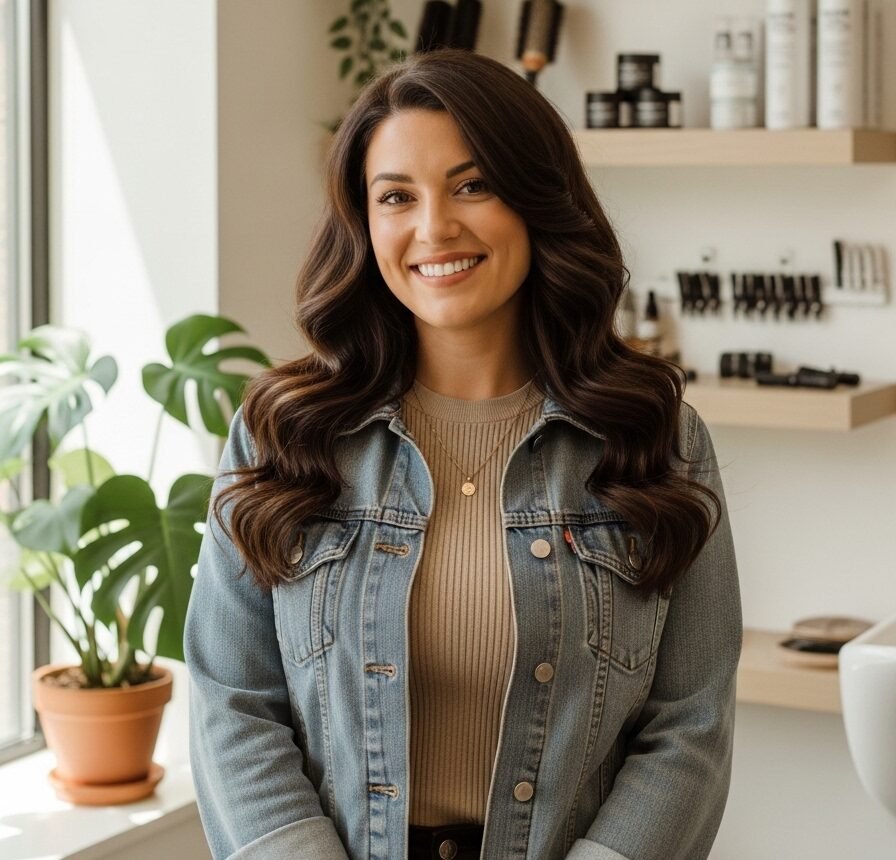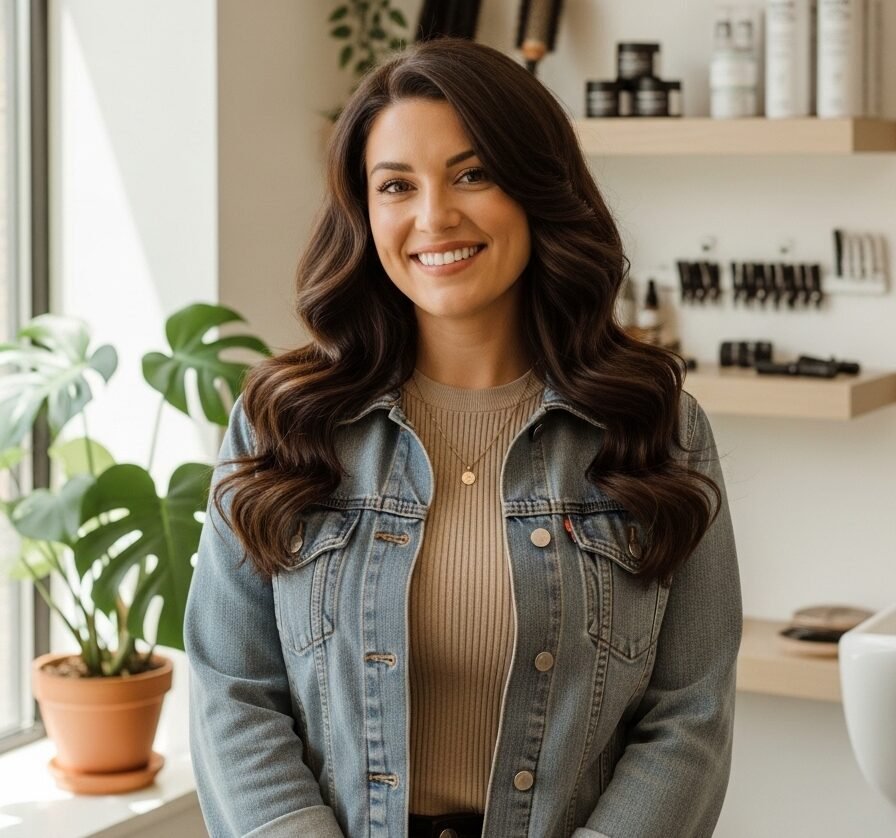
I chopped my own layers once because my stylist was booked for months. The first cut looked like a jagged staircase and I cried in the sink. After fixing it and living with intentionally choppy layers for two years, I learned which cuts and styling moves actually work on different textures. These ideas are for people who want that lived-in edge without the salon drama.
These look best on hair that is at least shoulder length, and they work for fine straight 1B hair up through thicker 3C waves with small tweaks. Most techniques take 10 to 20 minutes to style on weeknights, a few need a salon visit. Budget ranges from under $20 for tools to a one-time $120 salon tweak.
Face-Framing Choppy Layers That Soften a Long Face
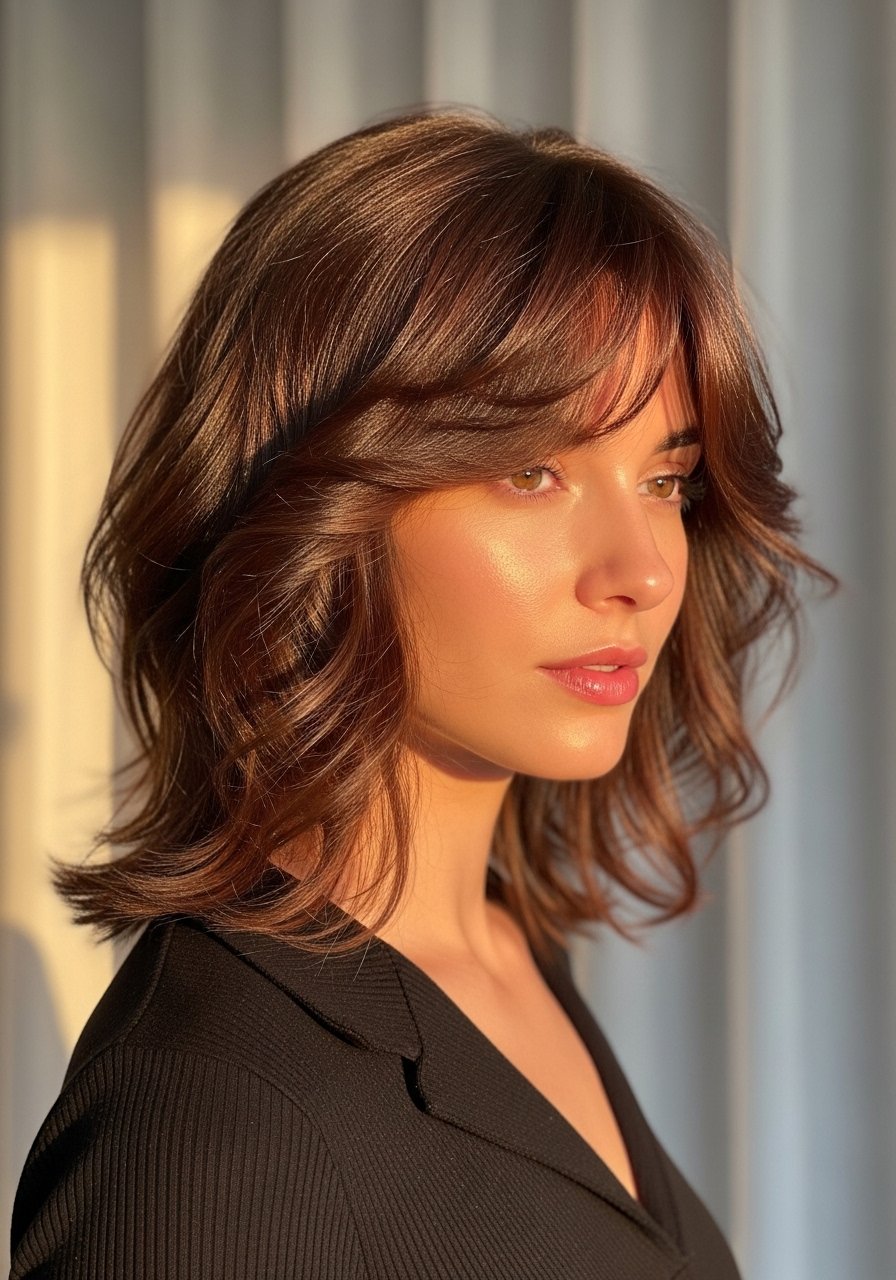
If your face reads too long or your hair pulls your features down, short choppy face-framing pieces take the visual weight off the jawline. On wavy 3A to 2C hair, ask for 3 to 4 inch front layers that are point-cut, not razor-thinned, so they hold a piecey shape without turning into flyaways. Styling takes five minutes: two pumps of leave-in cream through damp hair, then a quick 1-inch barrel at 320F to bend the ends outward for that lived-in sway. A common mistake is asking for blunt face layers on thick hair, which bulks. This is a salon job unless you are confident with point cutting. Trim the shortest pieces every 8 to 12 weeks or they will grow into that awkward fringe phase.
Long Choppy Layers For Fine Hair That Add Motion
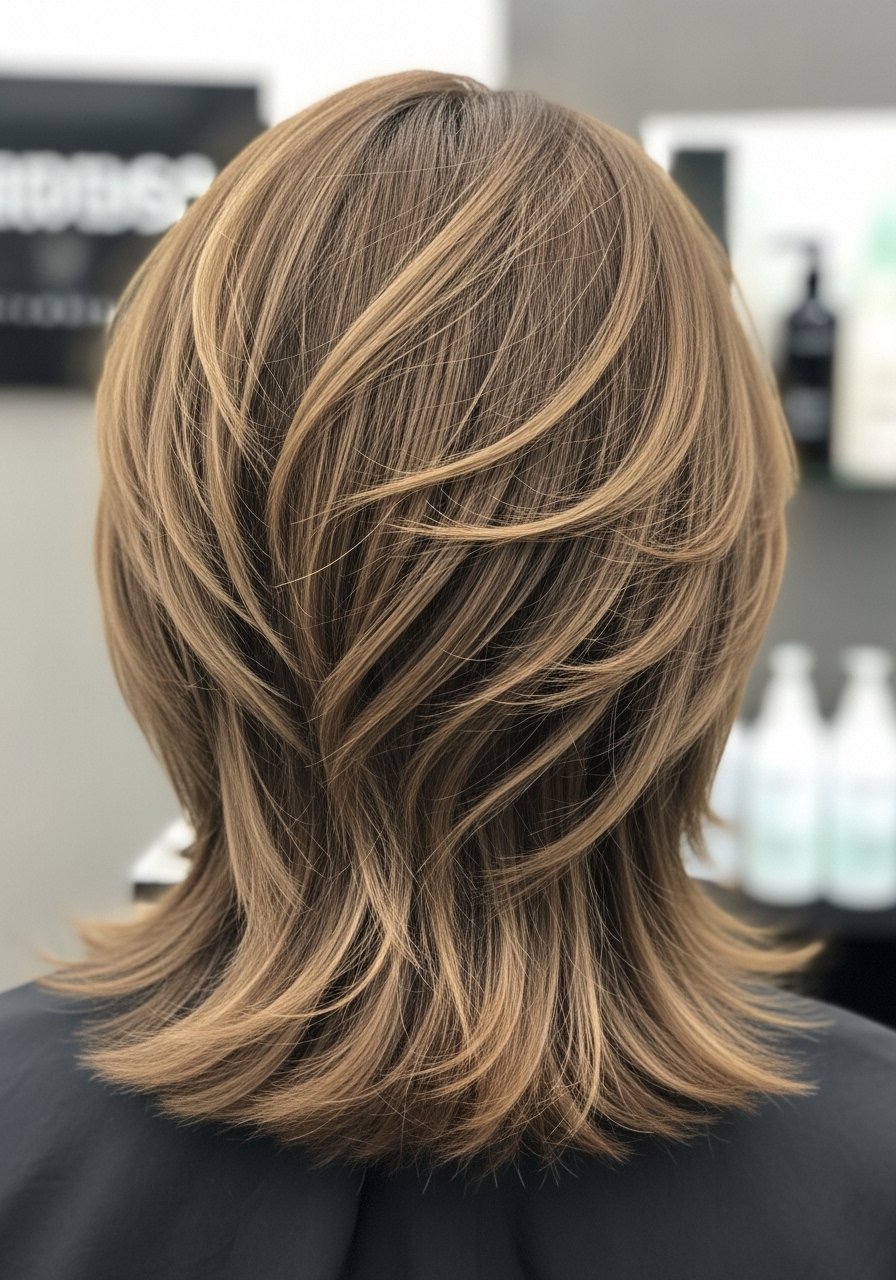
Fine hair loses shape fast, so layered chopping can create the illusion of movement without removing too much density near the crown. Ask your stylist for long layers that start around the chin and stagger every 2 to 3 inches, with point cutting at the tips to keep weight. At home, use the 80/20 product placement rule, meaning put 80 percent of styling product mid-lengths to ends and 20 percent at the roots to avoid weighing hair down. A boar bristle paddle brush helps distribute natural oils and gives lift while blow drying. Avoid heavy oils at the roots. This style takes 10 to 12 minutes to style with a round brush, or less if you air dry with a light texturizing mist like Bumble and bumble Surf Spray for separation.
Choppy Long Layers To Stop That Triangle Shape
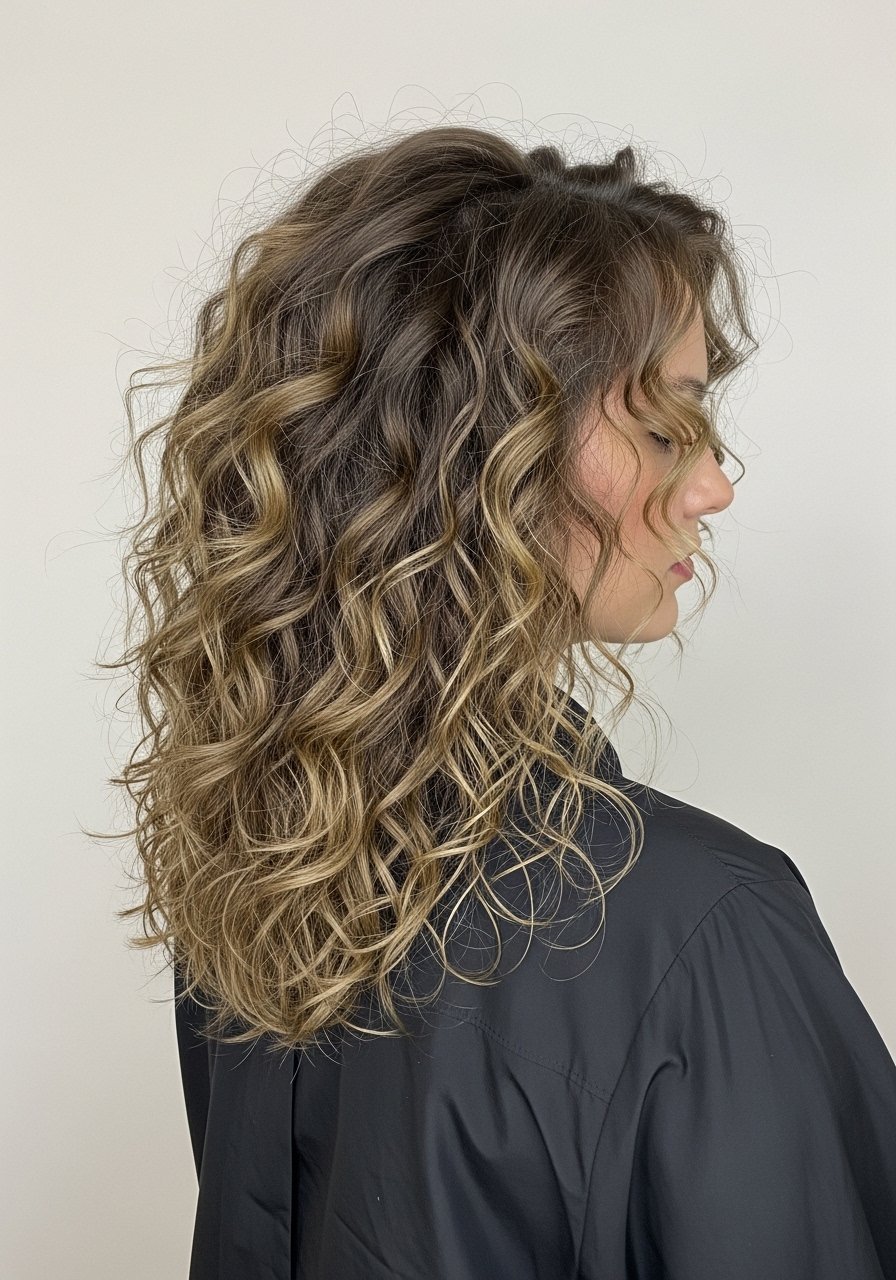
Thick curly hair often ends up a triangle because the bottom holds too much weight. Choppy long layers remove bulk without chopping all the length. For 3B to 3C curls, I tell stylists to dry cut on stretched curls and remove hair in vertical sections of about 1 inch, taking no more than 20 percent of bulk per pass. The result is a rounder silhouette that still feels long. A common error is texturizing with a razor, which can frizz. DIY is risky here. If you color, remember that cutting into recently bleached or chemically treated hair requires caution. Heat styling should always include a protectant before any iron over 300F.
Choppy Layers With A Soft Face-Balance For Round Faces

Round faces respond well to long layers that add vertical movement. Ask for longer front pieces and choppy layers beginning below the chin. One trick I learned is to keep the top two inches of density intact while texturizing the lower sections. That keeps root coverage but allows the ends to move. Styling is simple: a wide-tooth comb through damp hair, two spritzes of a flexible hold spray, and a 10-second pass with a straightener at 340F on stubborn pieces to add slight bend. If you try this at home, point cut the ends with small vertical snips and avoid slicing across horizontally. This look is cheap to maintain and grows out gracefully.
The Dry-Cut Choppy Layers That Work For Thick Hair
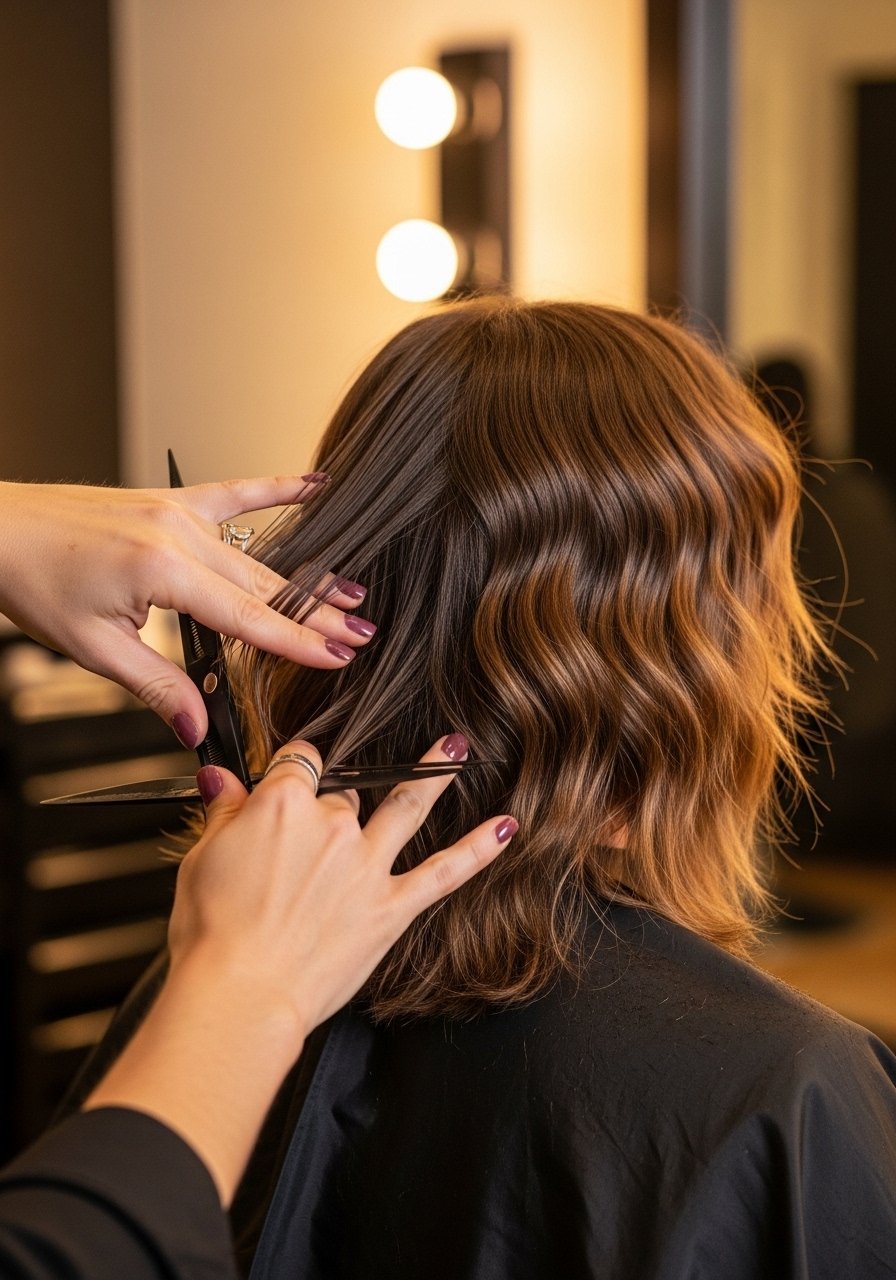
Dry cutting is not trendy hype, it is a tool for choppy layers on thick textured hair because you see how the layers settle. For dense 2C to 3B textures, stylist dry-cuts in 1 to 1.5 inch vertical sections and uses slide-cutting to keep the ends airy. The main benefit is less surprise after the wash. A typical mistake is asking for too many short layers in one session. Spread heavy texturizing across two appointments if you want major change. Keep a bond builder like Olaplex No. 3 in your routine once every 7 to 10 days if your ends have been thinned. Buy from the official Olaplex store on Amazon or Sephora to avoid counterfeits.
Layered Ends That Hold A Style Without Daily Heat
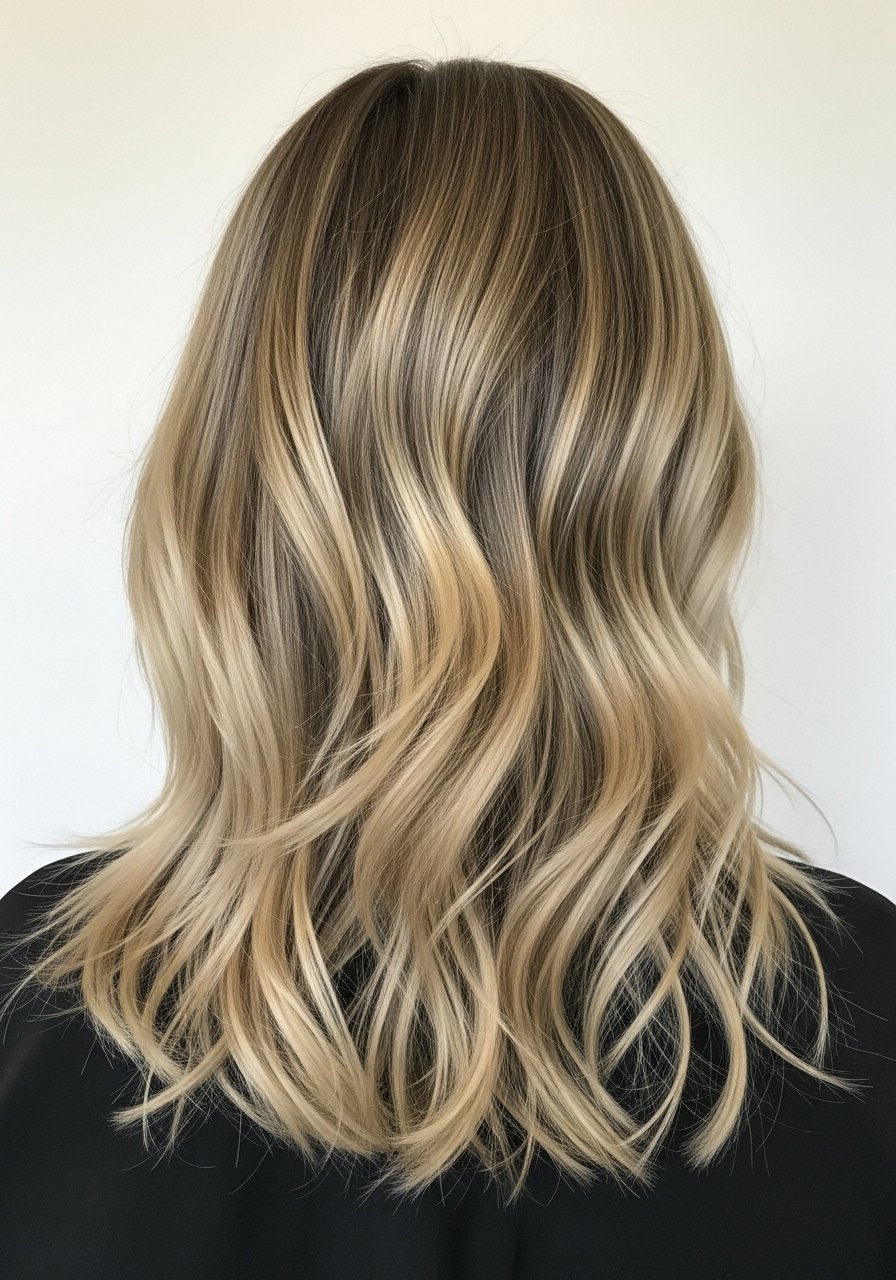
If you want choppy layers but hate daily heat, cut layers with staggered lengths so they catch and fall differently when air dried. For 2A to 2C hair, towel blot, apply a nickel-sized amount of curl cream, then follow with a pea-sized amount of gel using the LOC method, leaving out the final oil at the roots. Pinch and scrunch every 2 inches from mid-length to ends to create intentional separation. A frequent mistake is soaking the scalp with leave-in and then wondering why roots are flat. Place products where the hair bends, and use a microfiber towel or T-shirt to reduce frizz. Pair this with the smoothing routine later in the article for second-day refreshes.
Choppy Money Piece Layers For Frame And Lightness
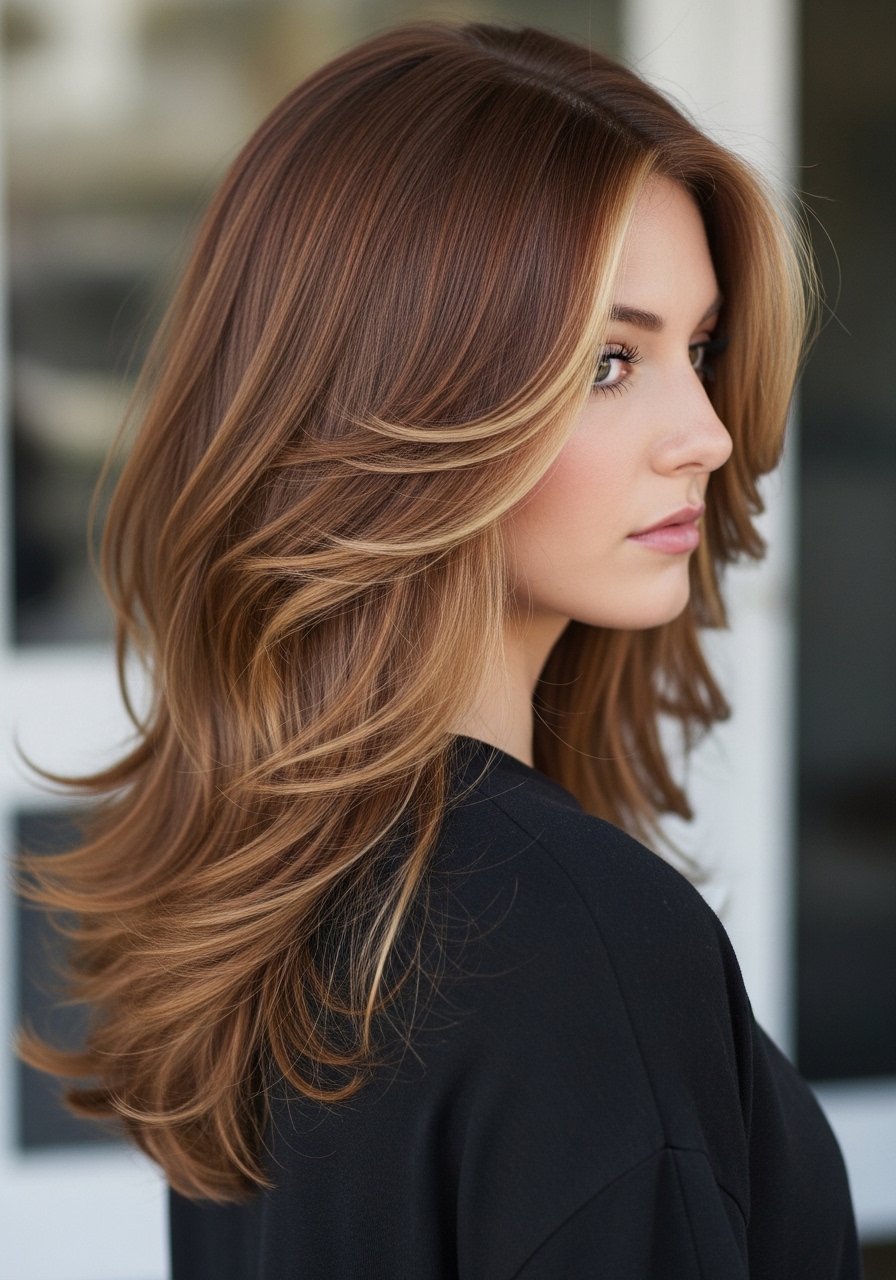
If you want contrast without going all overboard with color, money piece highlights around the face brighten and make choppy layers read intentional. On medium porosity hair, keep the lighten-to-tone ratio low, highlight a 1 to 1.5 inch face-framing section, and tone immediately to avoid brass. A common mistake is over-bleaching wide sections that look blocky. This is a salon job if you need more than one level of lift. If you are doing baby touch-ups at home, use a 10 volume developer and check lift every six minutes. Always patch test for sensitivity.
What I Actually Keep In My Choppy Layer Kit
A compact kit that covers cut, color, and styling fixes for long choppy layers.
- Honestly, the thing that saved my ends: Olaplex No. 3 Hair Perfector 3.3 oz. Use once a week on damp hair, leave 10 minutes, rinse. Buy from the official store on Amazon or Sephora to avoid counterfeits.
- For texture on dry hair, Bumble and bumble Surf Spray 5 oz. Two light spritzes mid-lengths to ends.
- A silk pillowcase queen size under $30 that cut my morning frizz in half, silk pillowcase queen.
- For sectioning and control, a pack of 12 duckbill clips, duckbill hair clips.
- A 1-inch wand with temperature control up to 400F for finishing, 1-inch curling wand adjustable temperature.
- For home touch-ups of face-framing pieces, a demi-permanent glaze like glossing demi-permanent color 3.4 oz. Gentle and fades evenly.
- A microfiber hair towel for scrunching and faster dry times, microfiber hair towel.
Heat-Patterned Choppy Waves For Photos That Match Real Life

If you want photos that match how your hair looks walking out of the house, use a heat pattern that mirrors your natural wave. For 2B to 2C hair, wrap 1.5 inch sections around a 1-inch barrel for three seconds at 340F, then cool in your hand for 10 seconds before releasing. This short timing avoids over-curling and keeps layers looking choppy instead of ringlet-y. A mistake I made early was using the same temperature for every section. Thicker underlayers need 360F for 4 seconds, thinner top layers need 320F for 2 to 3 seconds. Always spray a heat protectant on damp hair and let it dry before using irons because heat protectant works better when it has time to absorb.
The Overnight Robe Tie Trick For Gentle Choppy Bend
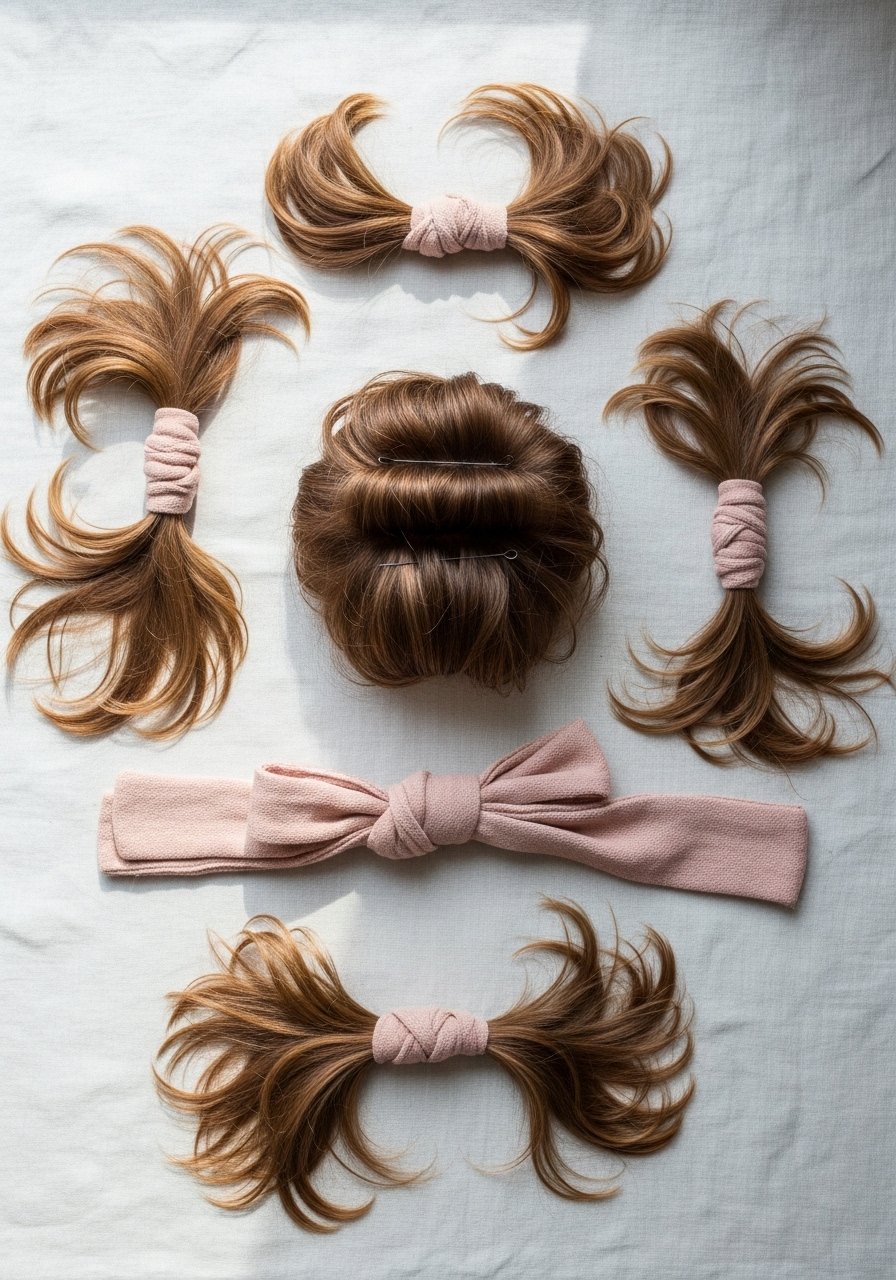
For second-day texture without stress, try wrapping 6 to 8 one-inch sections around a robe sash and sleep on it. This works for 2A through 3B hair. I separate hair into four main vertical panels for mid-back length, then split each panel once more for tighter bends. Wrap the end around the sash twice and secure with a loose knot. In the morning, untie and finger-separate. A typical mistake is packing too many layers into each wrap so the inside stays damp and frizzes. If your hair is fragile from color work, skip overnight tight wraps and use bigger sections. This is safe on color but do a strand test if you recently had bleach.
What I Wish Someone Had Said Before I Asked For Choppy Layers
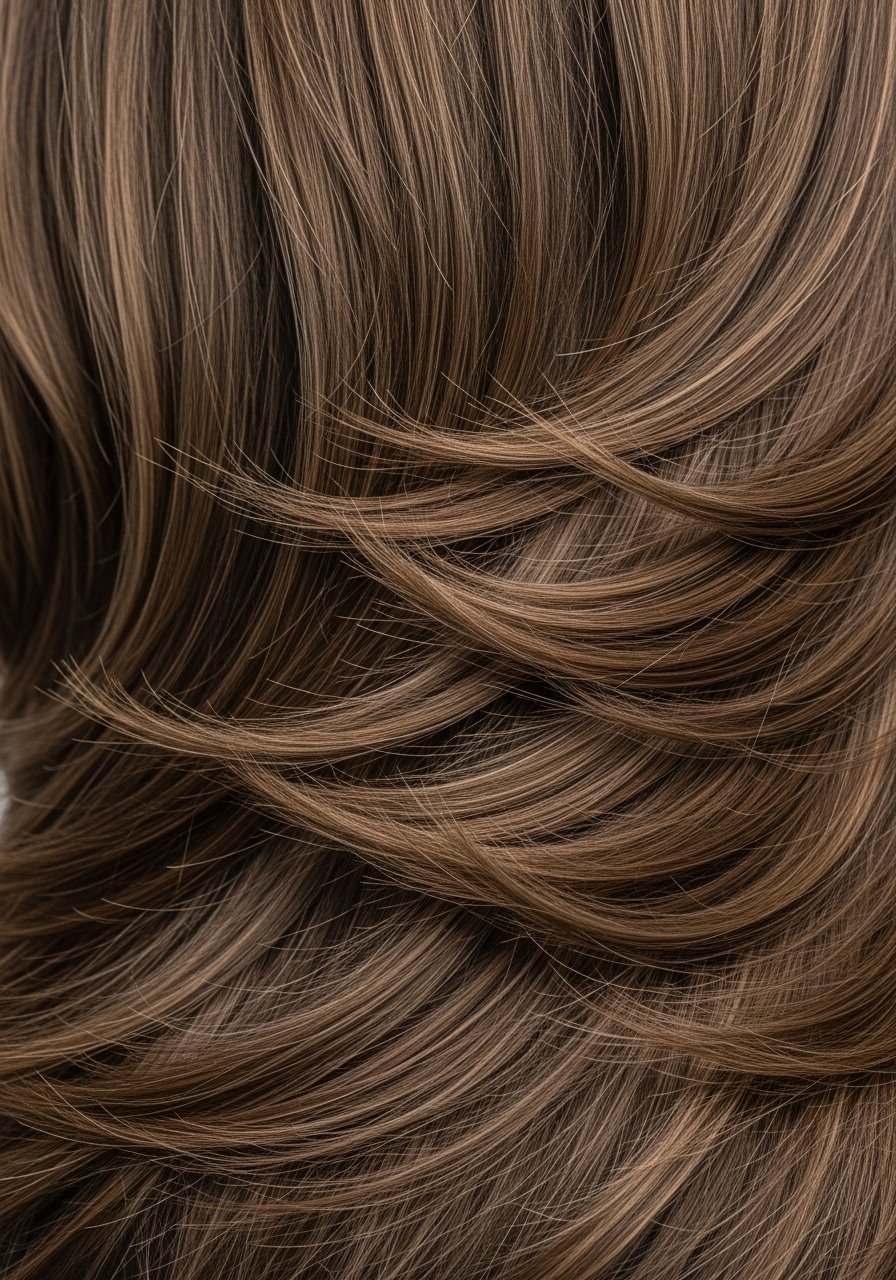
When I first asked for choppy layers, I pictured instant texture and low maintenance. The reality is you will need small trims every 10 to 12 weeks to keep the shape, and a little product discipline. Hair grows about half an inch a month at most, regardless of what biotin gummies promise you. If you have chemically treated hair, expect to spend on bond-building treatments occasionally. My other regret was not specifying how blunt or soft I wanted the edge. Say "point cut for natural chips" or "blunt for a statement edge" so the stylist and you are aligned. For home fixes, a pair of salon shears used only for micro-trims will keep grown-out choppy layers readable between salon visits.
Mistakes I Made So You Can Avoid Them
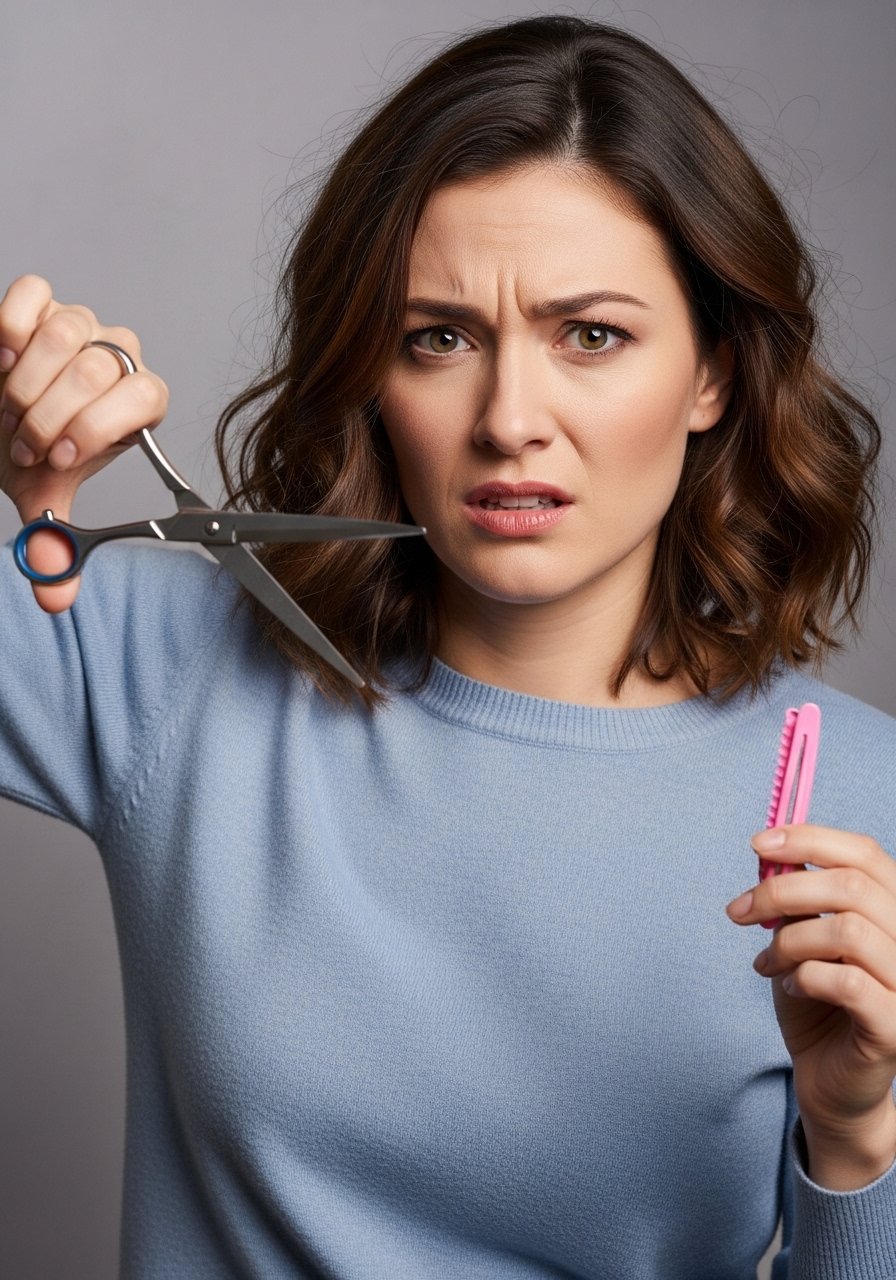
Heat without protectant, over-thinning near the crown, and chopping too much at once were my main errors. The phrase I now say out loud before any at-home tweak is this is the single most common reason hair breaks off in the shower. When attempting color or heavy texturizing, budget for two sessions and tell your stylist you want staggered changes to protect integrity. If you rely on drugstore purple shampoo every wash, swap to once a week to stop drying the mid-lengths. And if you try to DIY a major layer change, film the cut so you can see angles you missed. Small, steady edits win.
Frequently Asked Questions
Q: Can I get choppy layers if my hair is very fine and limp?
A: Yes, but the cuts are subtle. Ask for long layers that start below the chin with point-cut ends and focus on product placement, 80/20 mid-length to ends, not heavy root products. A light volumizing mousse on damp hair and a round brush blast on medium heat adds necessary lift.
Q: How often should I trim choppy long layers to keep the shape?
A: Every 10 to 12 weeks for most people. If you have fast-growing hair or do lots of heat styling, every 8 weeks keeps the choppy silhouette sharp. Micro-trims at home between salon visits can help, but use proper scissors and small vertical snips.
Q: Can I bleach my hair and get choppy layers in the same appointment?
A: Bleaching over previous color can cause breakage. This is the single most common reason hair breaks off in the shower. If you need major lift plus a big cut, plan for two sessions: color first, then cut once the hair has rested. If your hair is fragile, talk bond-building treatments with the stylist.
Q: What product actually helps choppy ends look piecey without stiffness?
A: A small pea-sized dab of cream, then a finger-smoothed dot of a light water-based wax on the tips gives separation without crunchy finish. For example, finishing with a pea-sized amount of a light texture cream on dry ends works well.
Q: Can choppy layers work on natural 4A or 4B hair?
A: Yes, but the cutting approach changes. Layering should be done dry on stretched coils and in vertical sections so the shape sits rounded rather than triangular. Use heavier creams and the LOC method for styling. If you are unsure, bring photos of the silhouette you want and discuss density reduction rather than blunt length removal.