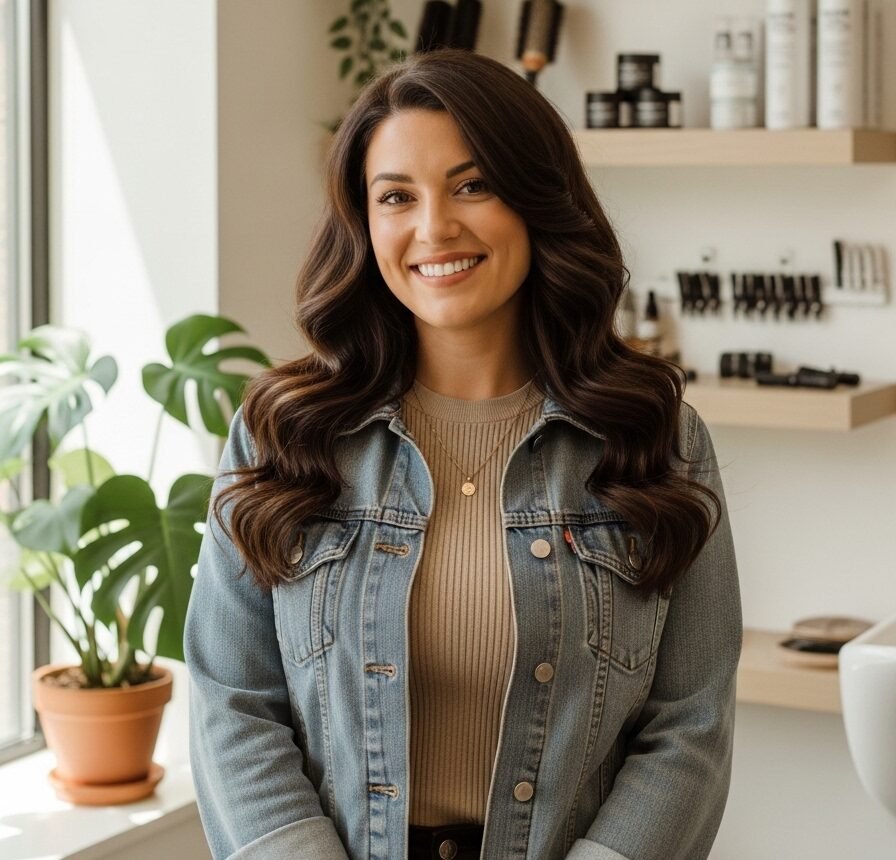
I bleached my own hair last winter trying to save $200 and woke up the next morning with a chunk that looked like fried spaghetti. After two salon fixes and a careful bond builder routine, I learned which light blonde techniques survive real life, not just Instagram. Below are looks, fixes, and actual product measures that made the blonde sit pretty on my dark base without shredding it to bits.
These ideas are aimed at medium to thick 1B to 3B hair, plus notes when something changes for coily textures. Most can be done at home with basic tools in 30 to 90 minutes. Budget runs from under $20 for toners to a couple of salon sessions if you want one-step lift.
Face-Framing Blonde Peekaboo For Low-Maintenance Dimension
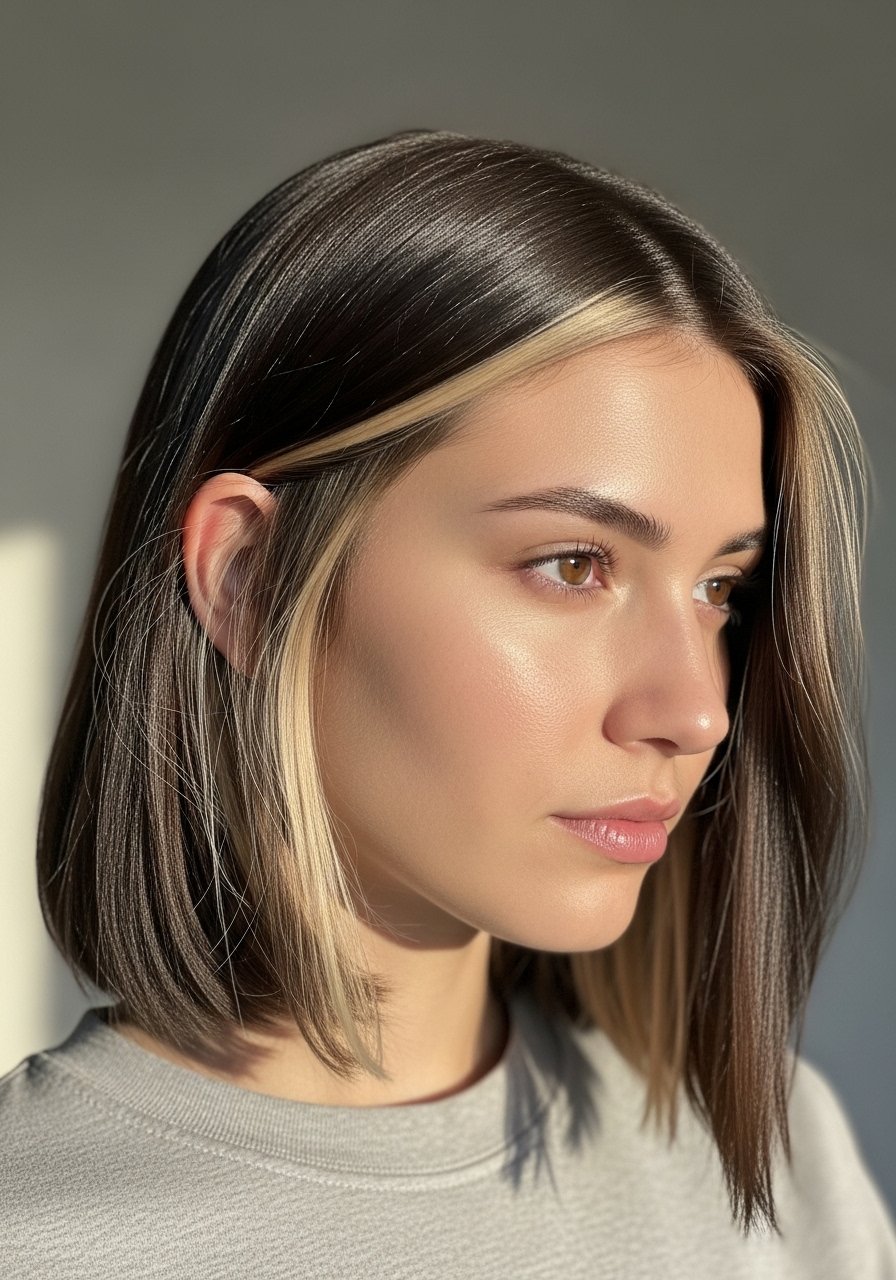
If you want light blonde on dark hair without full-head bleach, paint thin face-framing slices and a few hidden under-layers to catch the light. I do 6 to 10 thin sections around the face, each about 1/8 inch wide, and leave them under a processing cap for 20 to 25 minutes with 20 volume developer. The result pops in photos and hides when roots grow in. It works best on straight to wavy hair, and fine hair needs softer slices to avoid looking stripy. Watch for scalp sensitivity and always do a patch test when introducing bleach. I use developer-20-volume and a gentle bleach-powder when I DIY.
Root Shadow Blending To Stretch Appointments And Soften Regrowth
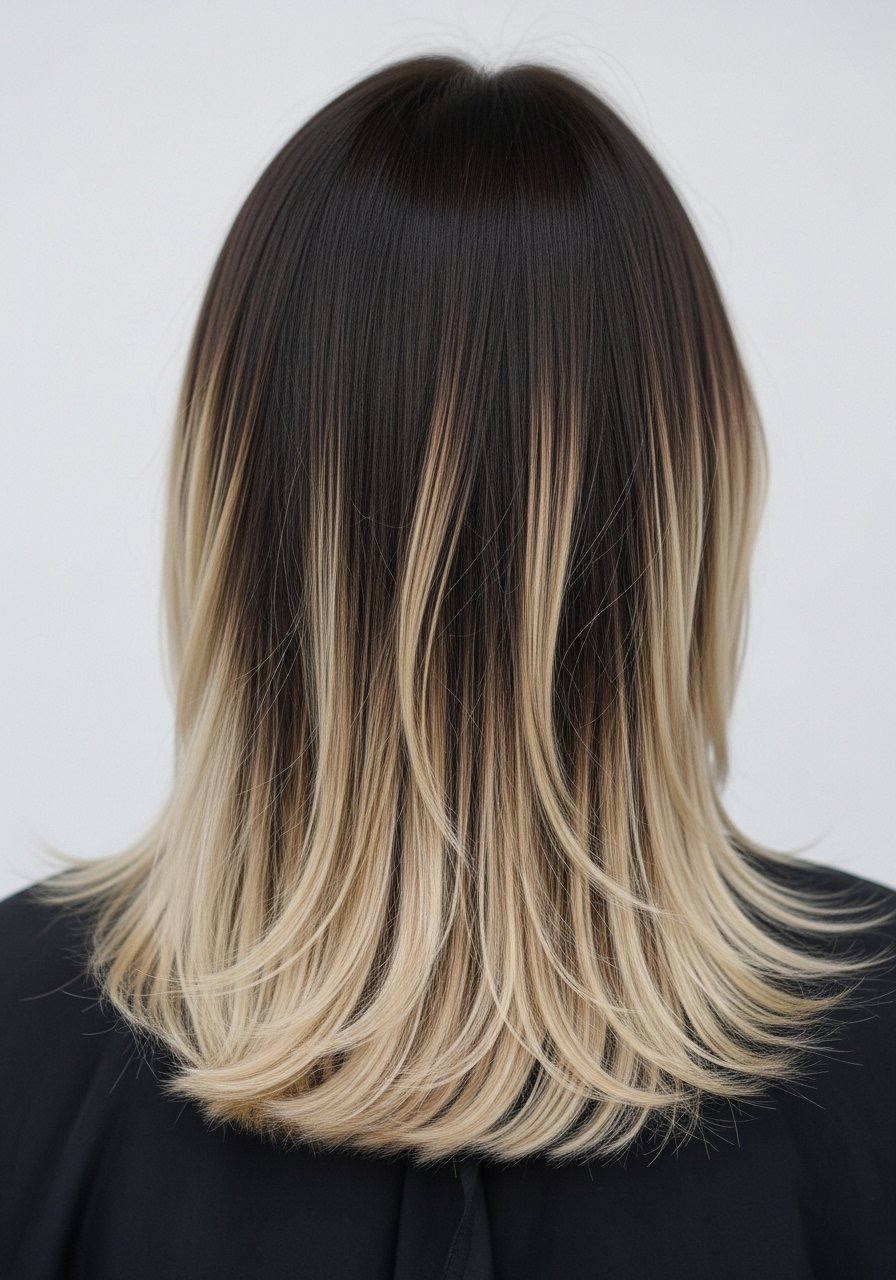
A root shadow lets you lift ends to light blonde and keep a soft, darker band at the root so touch-ups are every 8 to 12 weeks. For this, I paint a demi-permanent shade one level darker than the natural root, blending downward with a 1-inch feathering motion. It is ideal for thick hair and wavy textures because the root contrast reads less harsh. Salon pros usually recommend this over a full bleach-touch once you hit 8 weeks of regrowth. Be careful not to overlap fresh bleach onto previously lightened hair the same day. Try a gentle demi-permanent-gloss to seal the blend.
Purple Shampoo Timing To Kill Brass Without Drying
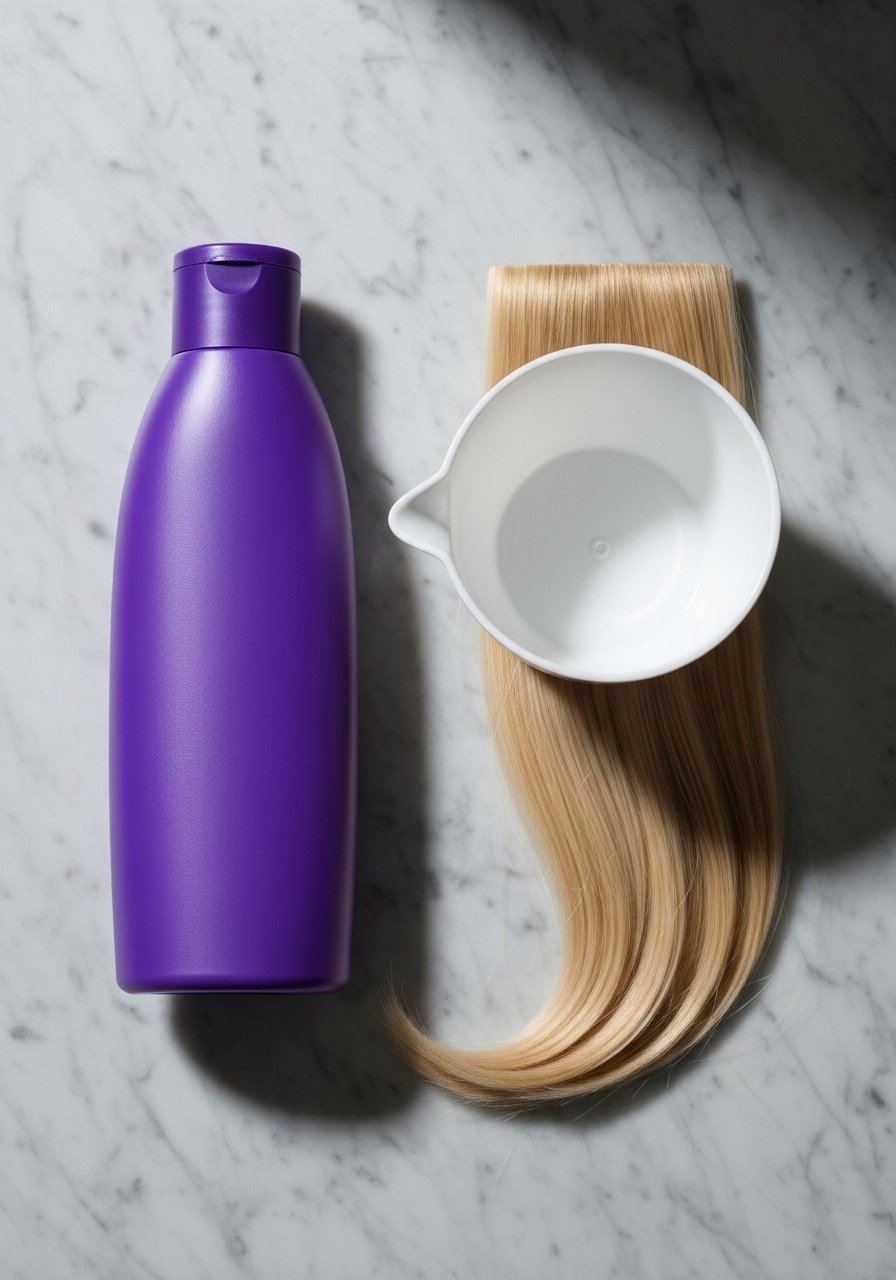
If your light blonde on dark hair goes brassy, purple shampoo is your friend, not your enemy. Use a thin, even coat once a week for cool tones, leave it on for 2 to 5 minutes depending on brass level, then rinse. I overdid it once and left it on for 15 minutes, and my ends looked slightly lavender for a week. For porous or very dry hair, limit to 90 seconds and follow with a rich conditioner. Switch to every other wash once the tone is where you want it. I keep a bottle of purple-shampoo on hand and set a timer when toning.
The Bond Builder System That Keeps Bleach From Feeling Like Rope
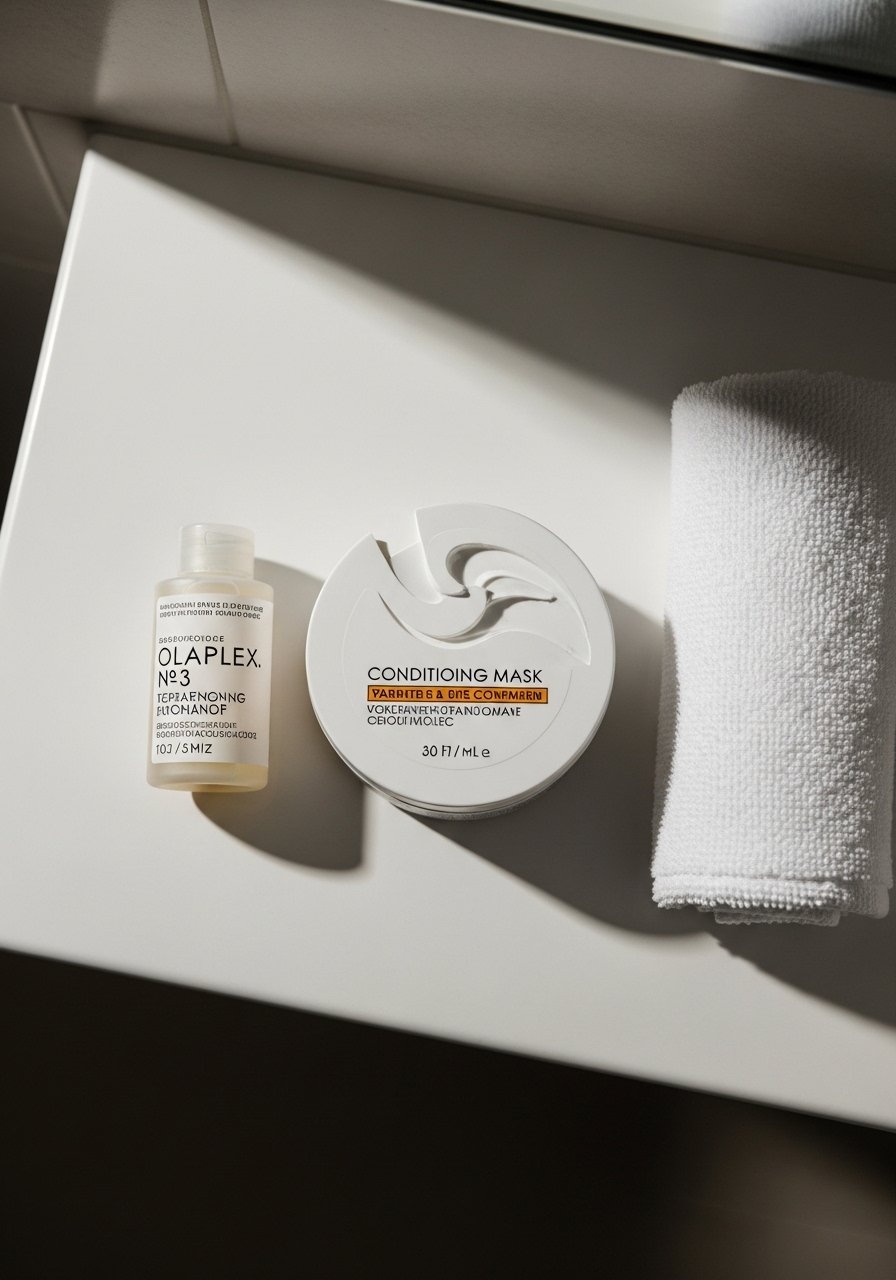
Bond builders do not undo damage, but they make lightening survivable. My rule is apply a bond builder like Olaplex No. 3 hair perfector for 10 minutes before bleaching when hair is already compromised, and again after processing for 10 minutes to 30 minutes depending on porosity. For very damaged hair, I do a two-step: Olaplex No. 0 for 10 minutes, rinse, then No. 3 for 20 minutes. If you see white or papery strands, stop and book a salon fix. Also, buy from the official store on Amazon or grab it at Sephora to avoid counterfeits.
Gentle At-Home Bleach With 20 Volume For Controlled Lift
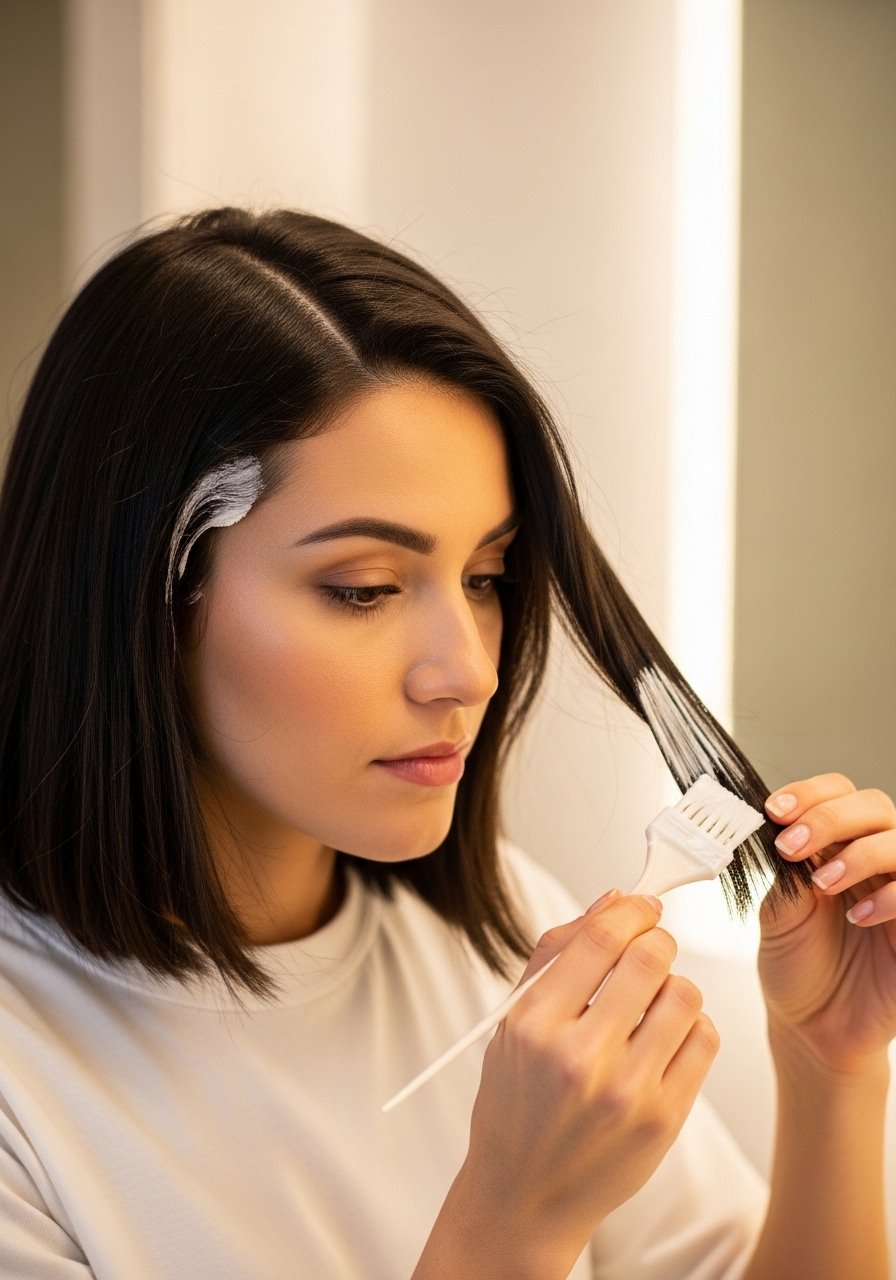
If you lift dark hair at home, stick to 20 volume for small sections or when you only need a 2 to 3 level lift. I keep my sections at 1/4 to 1/2 inch, apply bleach sparingly, and check every 5 minutes once I hit 15 minutes. Total safe processing time for a subtle lift is usually 25 to 35 minutes max. Never apply 20 volume over previously lifted hair in the same session. For darker brown bases wanting pale blonde, accept multiple sessions spaced 4 to 6 weeks apart rather than one hot chemical melt. I use a reliable bleach-powder and developer-20-volume.
Balayage Painting With Section Counts For Even Blonde
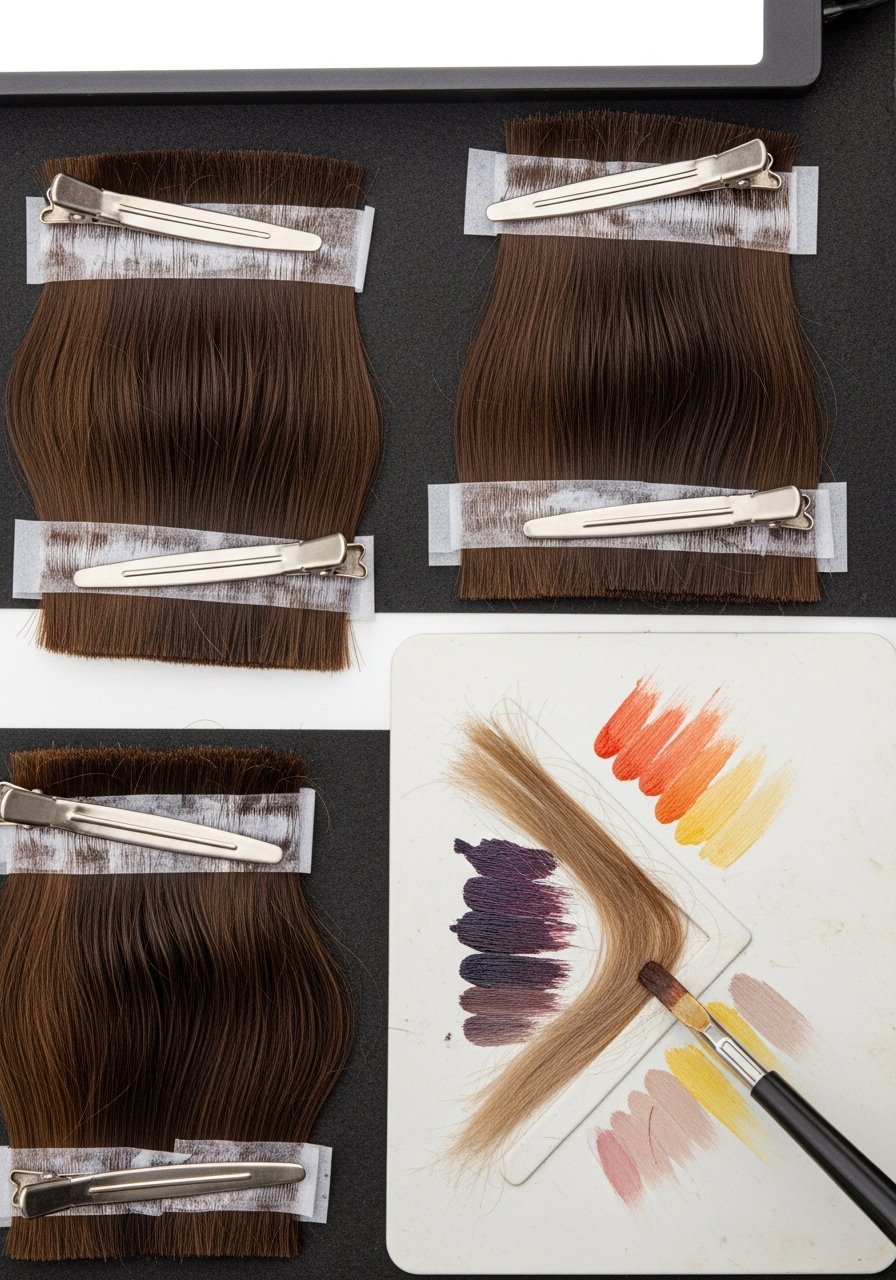
When I paint balayage on dark hair, I use 10 to 12 vertical sections for shoulder-length hair and 12 to 16 for mid-back length. I aim for 1/8 to 1/4 inch slices and feather the product out to avoid hard lines. A thin, controlled weave on the top layers gives the most believable dimension on thick hair. Leave the mid-lengths and ends longer under the bleach to prevent banding. If you want to DIY, practice on a small patch first and set a timer. A dye brush set helps, try dye-brush-set for controlled lines.
Baby Light Highlights For Fine Hair Without Looking Stripy
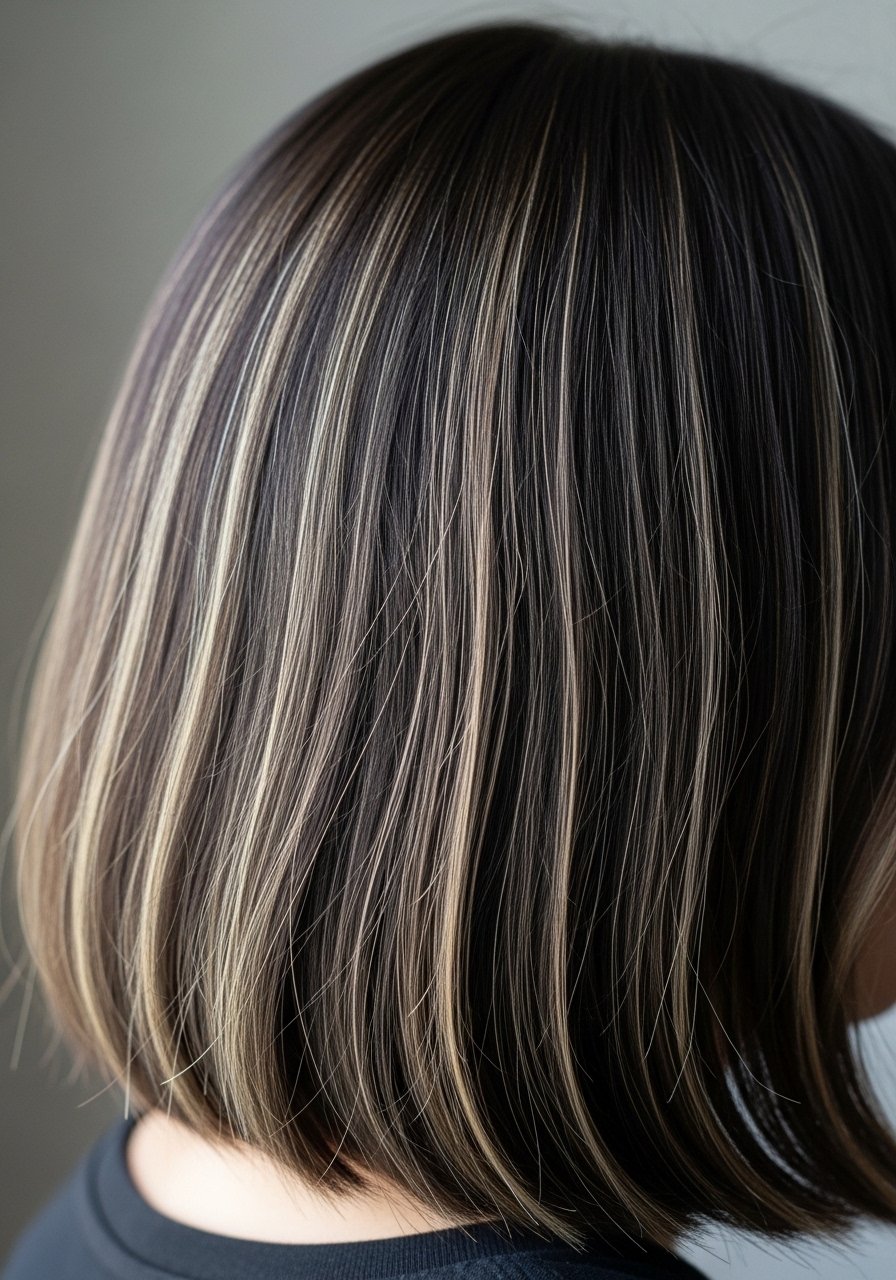
Fine hair shows highlights fast and can look stripy if sections are too thick. I do baby lights that are 1/16 to 1/8 inch wide, spaced irregularly, and process for shorter times, often 12 to 18 minutes with 20 volume. Fine hair also lifts faster so start checking early. Use a demi gloss after rinse to smooth tone. Salon application gives the most natural placement, but if you DIY, mirror your slices against a photo and use gloves. For a safe at-home bond boost, add a small pump of bond-builder-no-0 before bleaching.
What I Pack For Lightening Dark Hair At Home
- Honestly the essentials fit in one small tote. I always have developer-20-volume in 8oz for spot lifts and a spare 20oz when doing a full head.
- For bonding, Olaplex No. 3 hair perfector 3.4oz. Buy from the official store on Amazon or Sephora to avoid counterfeits.
- For toning, a 8oz demi-permanent-gloss.
- For brass control, a 10oz purple-shampoo.
- A pack of 12 disposable-gloves and a dye-brush-set.
- A microfiber-hair-towel to cut drying time.
- A heat-protectant-spray for styling.
- Wide tooth comb for detangling, and a silk pillowcase as sleep protection.
Silver Glosses To Smooth Tone Between Bleach Sessions
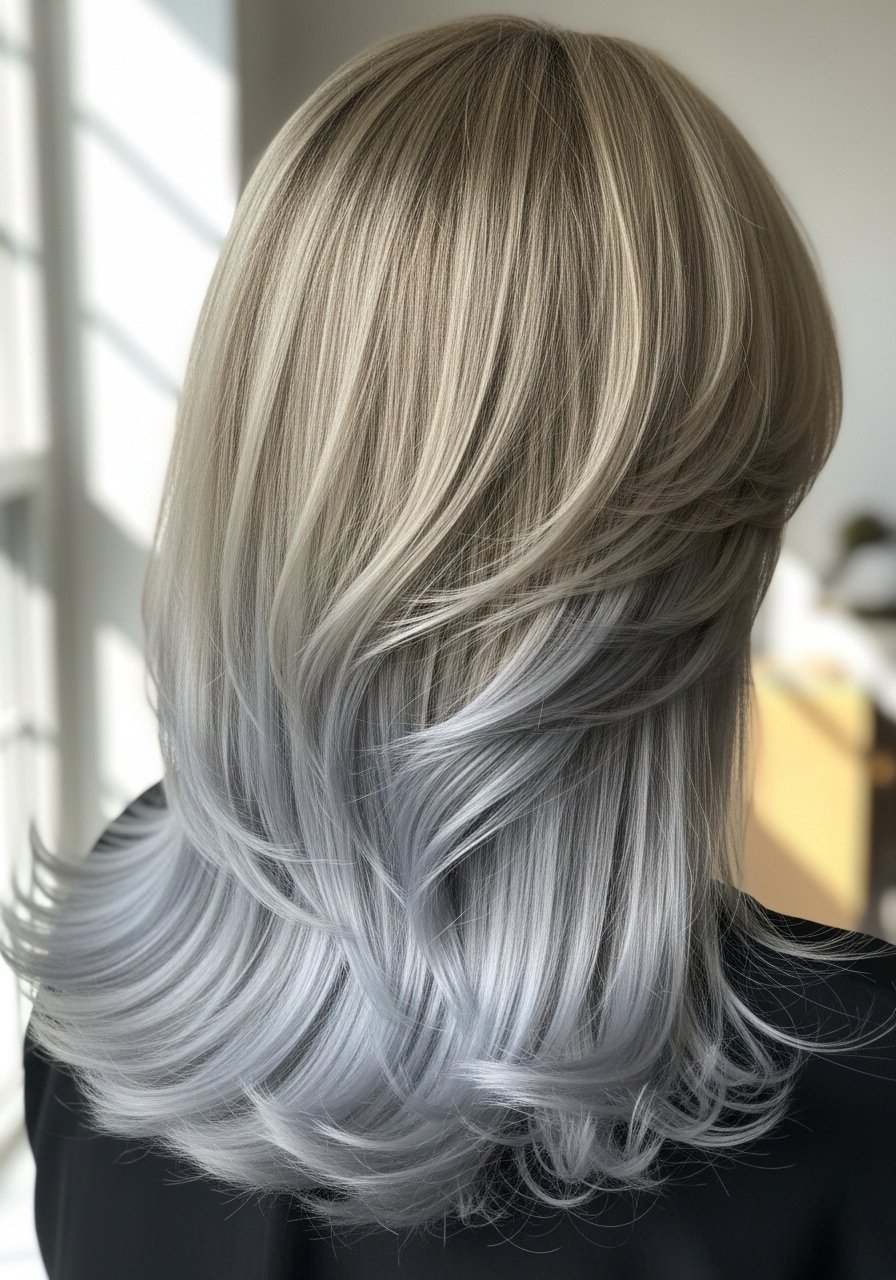
A demi-permanent silver gloss is my go-to the week after bleaching to cancel warmth and add shine. I mix one ounce of gloss with one ounce of developer and apply to towel-dried hair for 10 minutes. It slips into porous ends and evens out patchiness. For curly and coily textures, use a bit less developer and sit for 5 to 8 minutes to avoid over-penetration. Glosses wash down over 4 to 8 shampoos so they are a great short-term fix and salon pros can do a custom formula if you want a cooler or warmer nuance. Try demi-permanent-gloss if you need to blend tones.
Scalp Protection And Patch Tests For Sensitive Skin
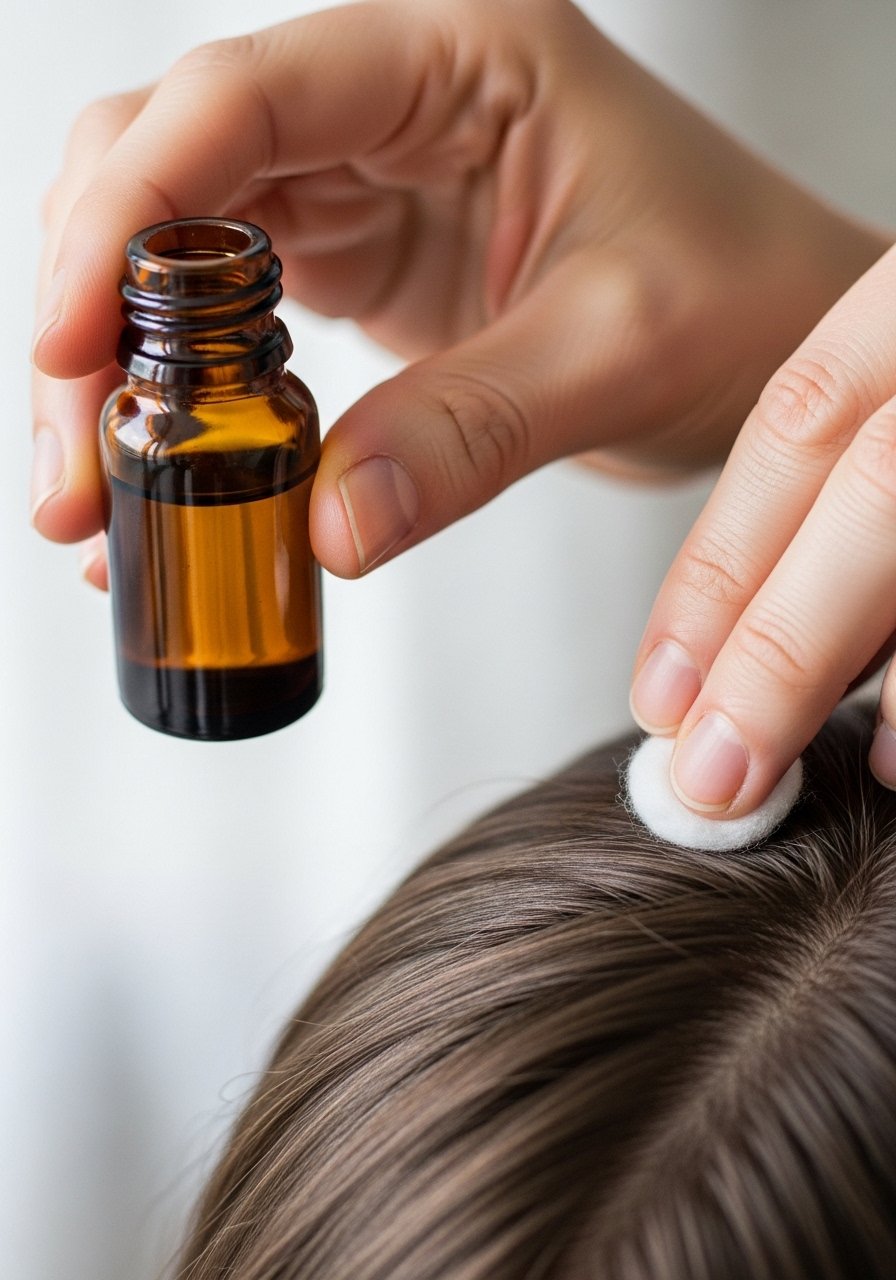
Bleaching dark hair means chemicals near the scalp. I always apply a thin oil barrier on the hairline, and do a 48-hour patch test behind the ear when using a new brand. If your scalp tingles strongly or the skin breaks out, stop. For sensitive scalps, consider painting lighter sections starting 1/2 inch off the root and letting the roots lift with natural processing. When in doubt, book a salon consult. Also remember that lifting while overlapping previous bleach raises the risk of breakage, so leave at least 4 weeks between major sessions. A gentle barrier-oil can help.
Low Heat Styling To Keep Blonde Ends From Looking Frayed
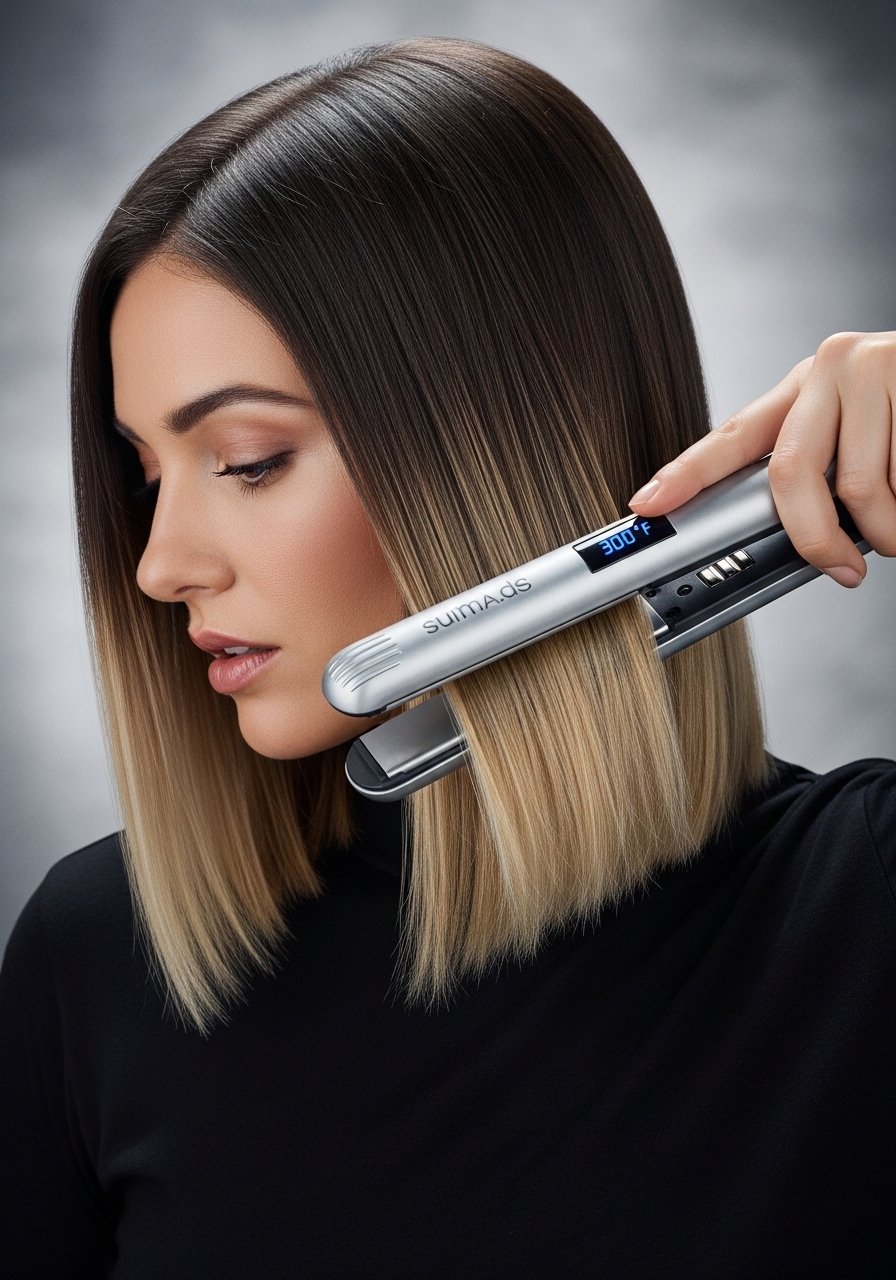
Most heat protectants you spray on dry hair before flat ironing barely work. They need to absorb into damp or just-dried hair to actually shield the cuticle. I set irons to 300 degrees F for regular smoothing and only go higher for stubborn kinks, after heavy protectant application. Use one to two spritzes of heat-protectant-spray on towel-dried hair, comb through, then dry on low. For fine hair, lower temps and fewer passes prevent breakage. Always work in 1-inch sections for even heat distribution.
Weekly Repair Night For Color Longevity
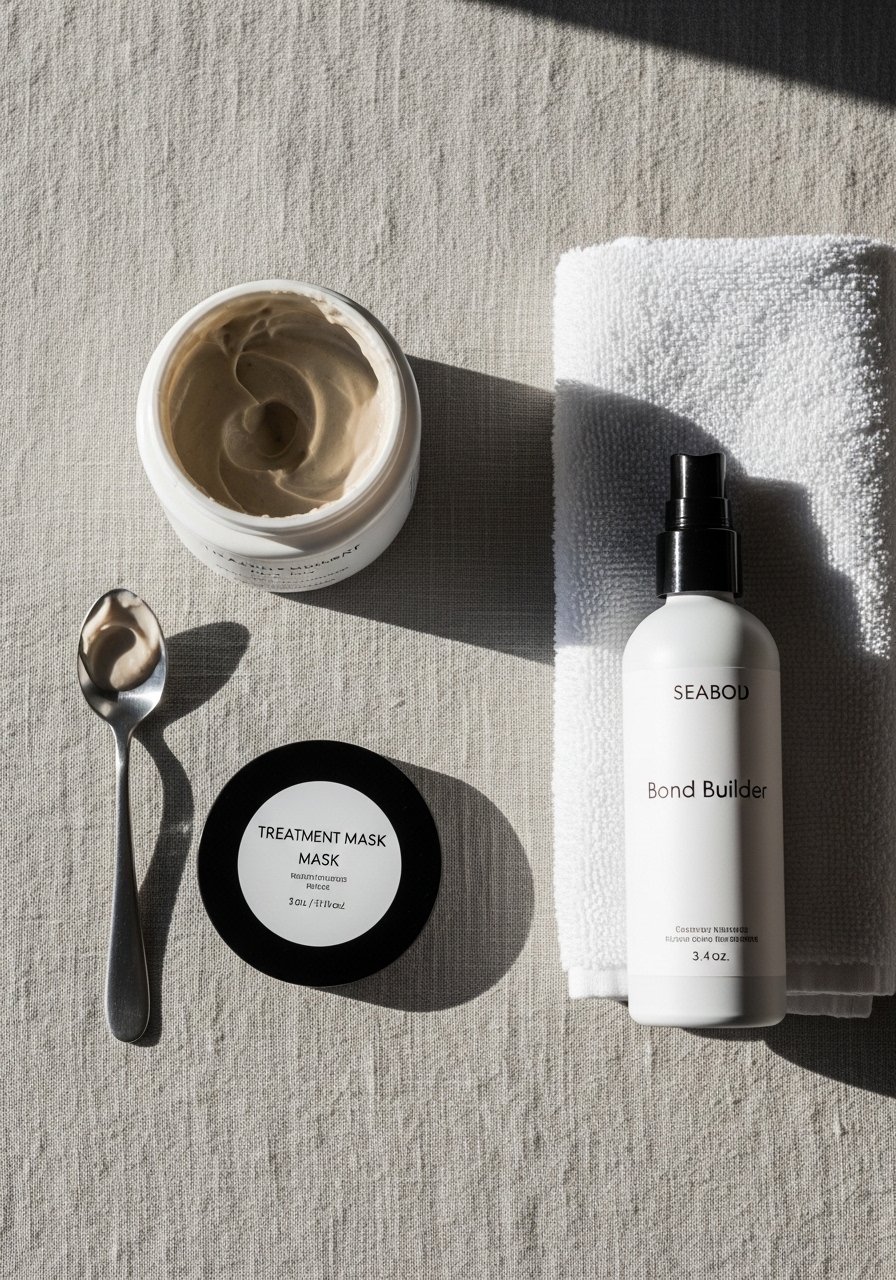
Hair grows about half an inch a month at most, regardless of supplements. To keep light blonde looking intentional on dark hair, I do one deep repair night a week. For me that means Olaplex No. 3 for 20 to 30 minutes on damp hair, then a 10 to 15 minute mask, rinsed with cool water. This routine smooths surface porosity so glosses and toners sit better and last longer. If your hair is low porosity, add gentle heat via a warm towel for 10 minutes so products penetrate. I pick a hydrating mask with proteins if hair feels gummy.
Gloss Over A Dark Base To Fake Full Blonde
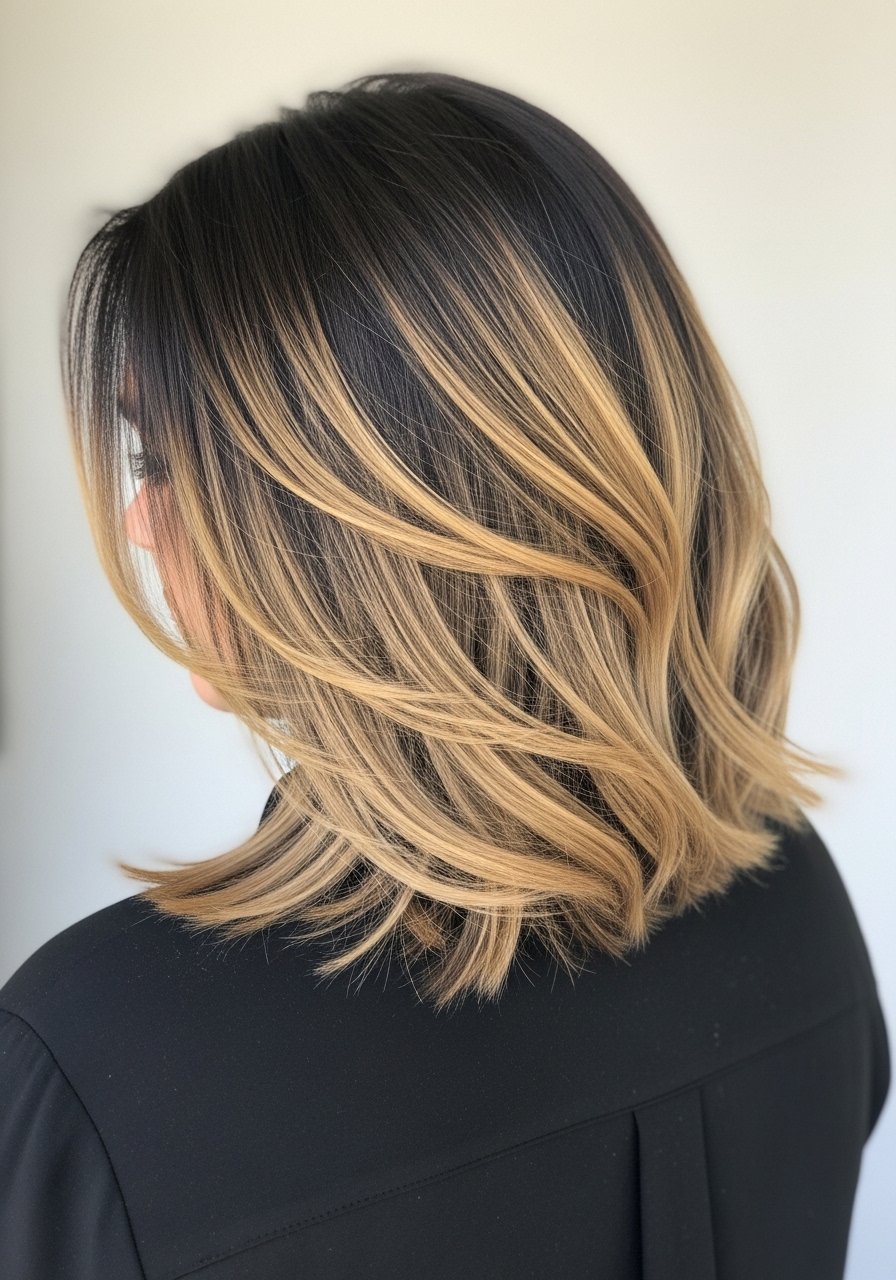
If you are not ready to lift to full blonde, a warm gloss on the mid-lengths and ends creates the illusion of overall lightness. I apply a warm beige gloss and process 8 to 12 minutes to avoid drifting too orange on dark bases. This looks natural on straight and wavy hair and is quick to fix at home. It is a salon versus DIY call if you want extreme tone correction. For at-home use, a demi-permanent product mixed at a 1:1 ratio with developer works well. Keep demi-permanent-gloss nearby for touch-ups.
Layered Tones To Make Light Blonde Wear Longer On Dark Bases
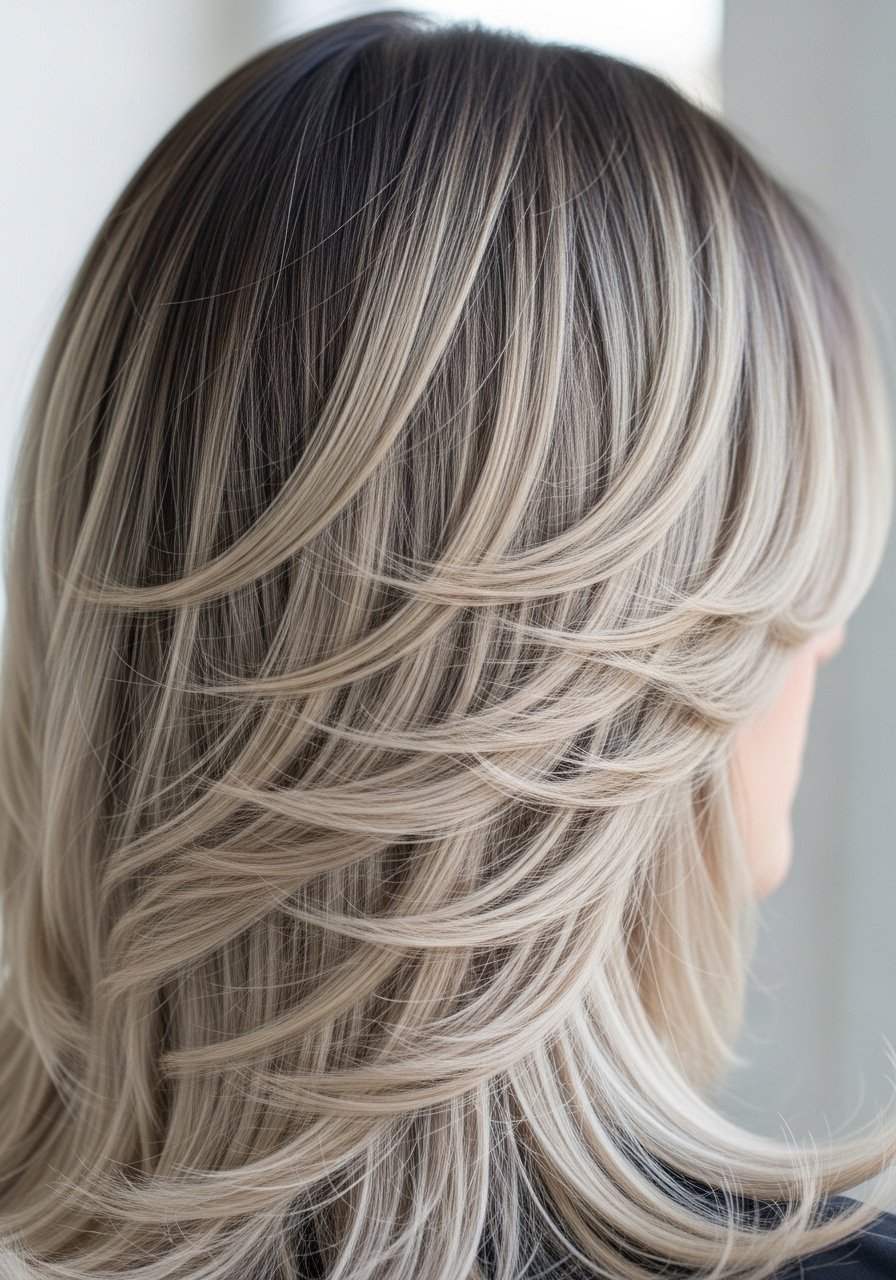
Instead of one flat blonde, I build layered tones: a warm base, a cool mid-tone, and a pale tip gloss. It hides regrowth and keeps the color interesting as it fades. Start with a warm base glaze, then paint cooler slices through the mid-lengths, and finish with a pale gloss on the ends for dimension. This approach adds a realistic gradient on thick and curly hair, and it reduces the wipe-out effect that single-process blondes get in week three. If you are doing it yourself, section into 12 to 16 parts and work from the back forward. A pack of dye-brush-set will keep your layers neat.
How I Stop Brass Without Sacrificing Moisture
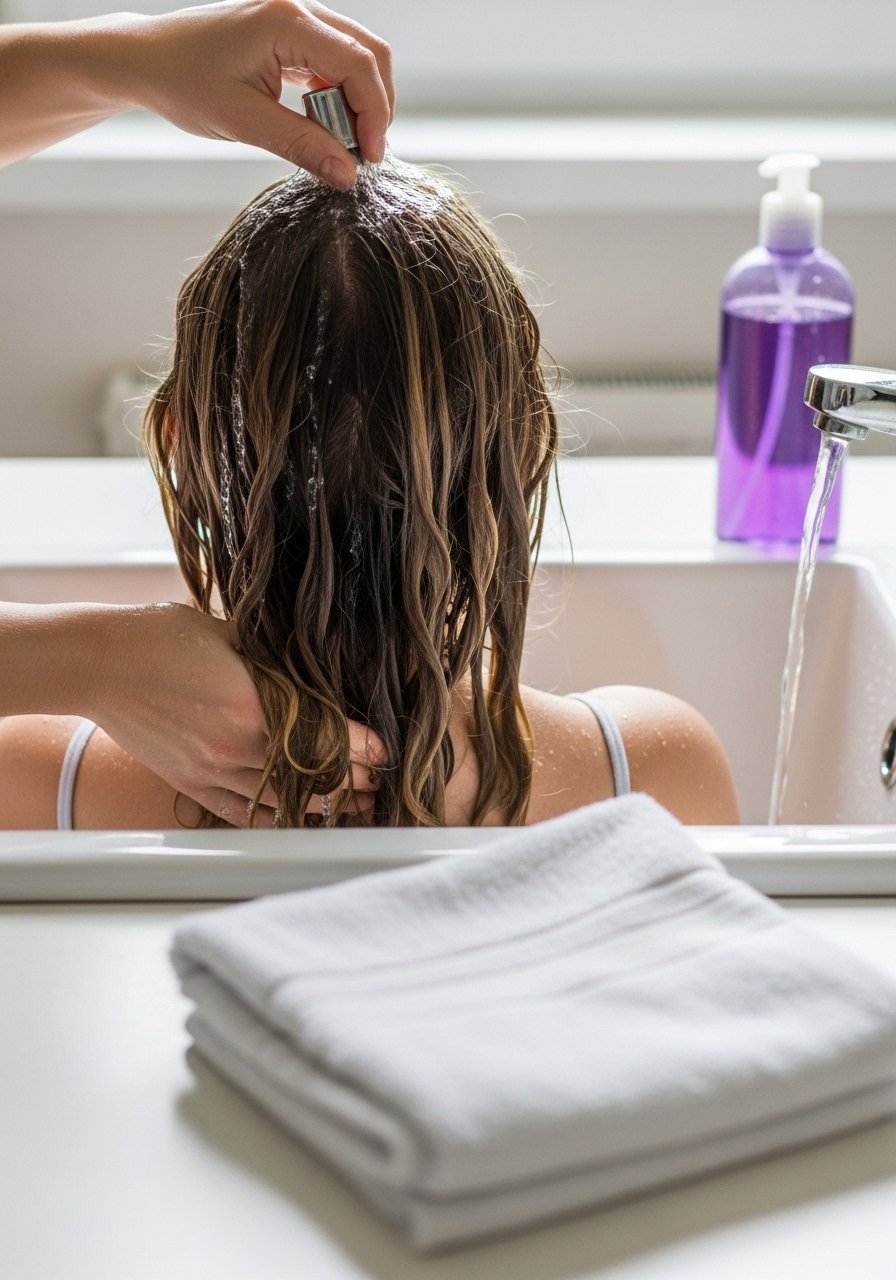
Overuse of purple shampoo is a real problem. A friend used it every wash for six months and her ends felt like straw. Swap to once a week for longterm maintenance, and use a conditioning toner the next wash if needed. When hair is porous, dilute purple shampoo with a bit of conditioner to avoid drying. For severely brassy patches, a short salon gloss will neutralize faster than endless home washes. Keep a mid-range purple-shampoo and a hydrating conditioner in rotation.
What I Wish Someone Had Told Me Before Going Blonde On Dark Hair
- Heat protectant goes on damp hair, not dry. The cuticle is more open and the product actually absorbs. Heat-protectant-spray is worth a small bottle.
- The obvious cost is bleach and toner. The hidden cost is upkeep, plan for glosses every 4 to 8 weeks if you want a stable tone.
- Hair grows about half an inch a month at most, regardless of supplements. Protect length by reducing breakage, not by chasing faster growth.
- Avoid purple shampoo more than once a week unless you have stubborn brass. Dilute it when hair is dry to touch.
- If you have low porosity hair, warm towels or steam make treatments work. Try a microfiber-hair-towel for quicker absorb.
Frequently Asked Questions
Q: Can I go from dark brown to light blonde in one session at home?
A: Probably not without risking serious damage. Lifting that far usually requires multiple sessions and careful monitoring. If you must try at home, limit yourself to 20 volume on small sections and expect to book a salon session to finish safely.
Q: How often should I use purple shampoo to remove brass without drying my hair?
A: Once a week is a solid rule. If you have mild brass, start with 2 to 3 minutes and adjust. For porous ends, mix a little conditioner into the purple shampoo to prevent dryness.
Q: Will bond builders make my hair like it was before bleaching?
A: Bond builders strengthen and temporarily smooth the hair by reconnecting bonds. They do not erase past damage and they cannot replace a trim. Use Olaplex or similar once a week and expect gradual improvement, not an instant miracle.
Q: What heat setting should I use on lightened ends to avoid frying them?
A: Keep irons at 300 degrees F or lower for regular styling. If you must use higher heat, apply a good protectant to damp hair and make only one pass per section. Most heat protectants need to absorb into damp or just-dried hair to actually shield the cuticle.
Q: Is it safe to bleach hair that has been dyed dark recently?
A: Lifting over fresh color increases breakage risk and uneven results. Stylists usually recommend waiting 4 to 6 weeks or booking a color correction. Lifting over dye is a salon job for most cases.
Q: How do I keep light blonde on dark hair from looking patchy a few weeks in?
A: Use a gloss or demi-permanent toner at week two if you see patchiness, and stick to a weekly Olaplex or mask routine to even porosity. Also, consider a root shadow when you first lift so regrowth reads as intentional.