
I once tried cutting my kiddo's bangs while we both watched cartoons and the bangs were an uneven crater for two weeks. After that, I learned which cuts survive sticky fingers and soccer, and which ones require a pro. Most of these ideas are easy to maintain between trims, and a few are salon-only looks worth the price if you want them to last.
These ideas are aimed at straight to wavy fine and medium hair, with adjustments noted for thicker curls. Most styles are low-skill and under 30 minutes at home, a handful need a stylist and a $40 to $120 salon visit. Budget friendly tools and one gentle splurge appear in the shopping list after the seventh idea.
Soft Pixie With Swept Fringe

A soft pixie lives in school uniforms and summer heat, and it hides cowlicks if the fringe is cut to sweep to one side. Works best on fine to medium straight hair. If you DIY, section the fringe into a 1-inch central wedge and point-cut upwards at a 45 degree angle, one pass only. Salon notes, ask for texture with thinning shears rather than razor on fine hair. Two quick styling moves: one pump of a lightweight cream through damp hair and blow dry on low for 4 to 6 minutes, or air dry for no fuss. Scissors safety note, do not use household shears. For a protective staple I reach for a silk pillowcase so morning bedhead is manageable.
Blunt Bob That Grows Out Neatly
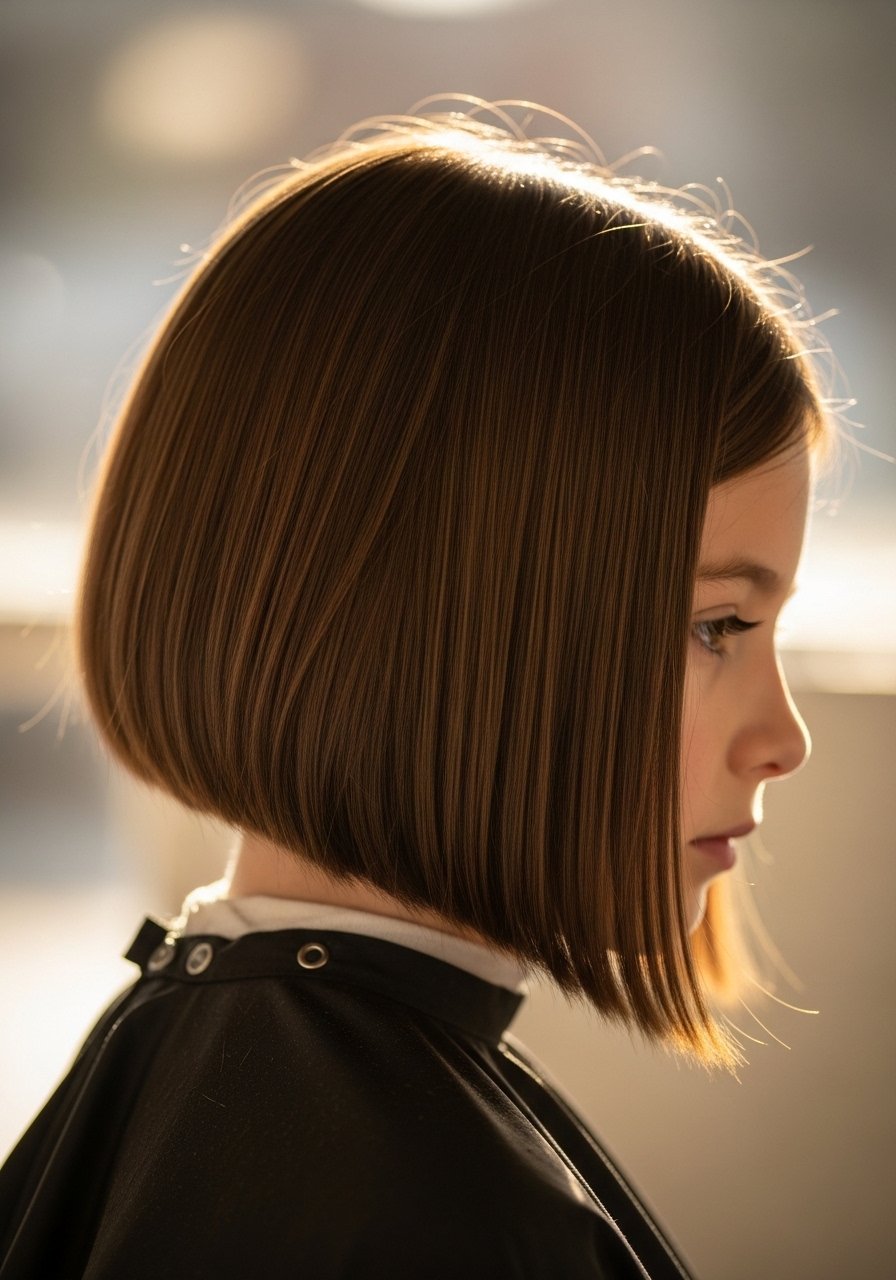
A blunt bob is the easiest cut for parents who want predictable regrowth. It flatters straight and slightly wavy hair, and if you trim every 8 to 10 weeks it keeps the shape. The trick I learned is to cut with the head tilted forward an extra inch, that hidden length makes the bob look intentional even when it grows. For home trims, use a pair of hair-cutting scissors and a fine-tooth comb, snip vertically into the ends for a softer finish if your child hates salon visits. This cut needs no heat, but for Sunday touch-ups two quick passes with a small flat iron on 300F or below after applying a heat protectant keeps it polished. Remember, Hair grows about half an inch a month at most, regardless of what biotin gummies promise you.
Modern Bowl Cut With Soft Layers
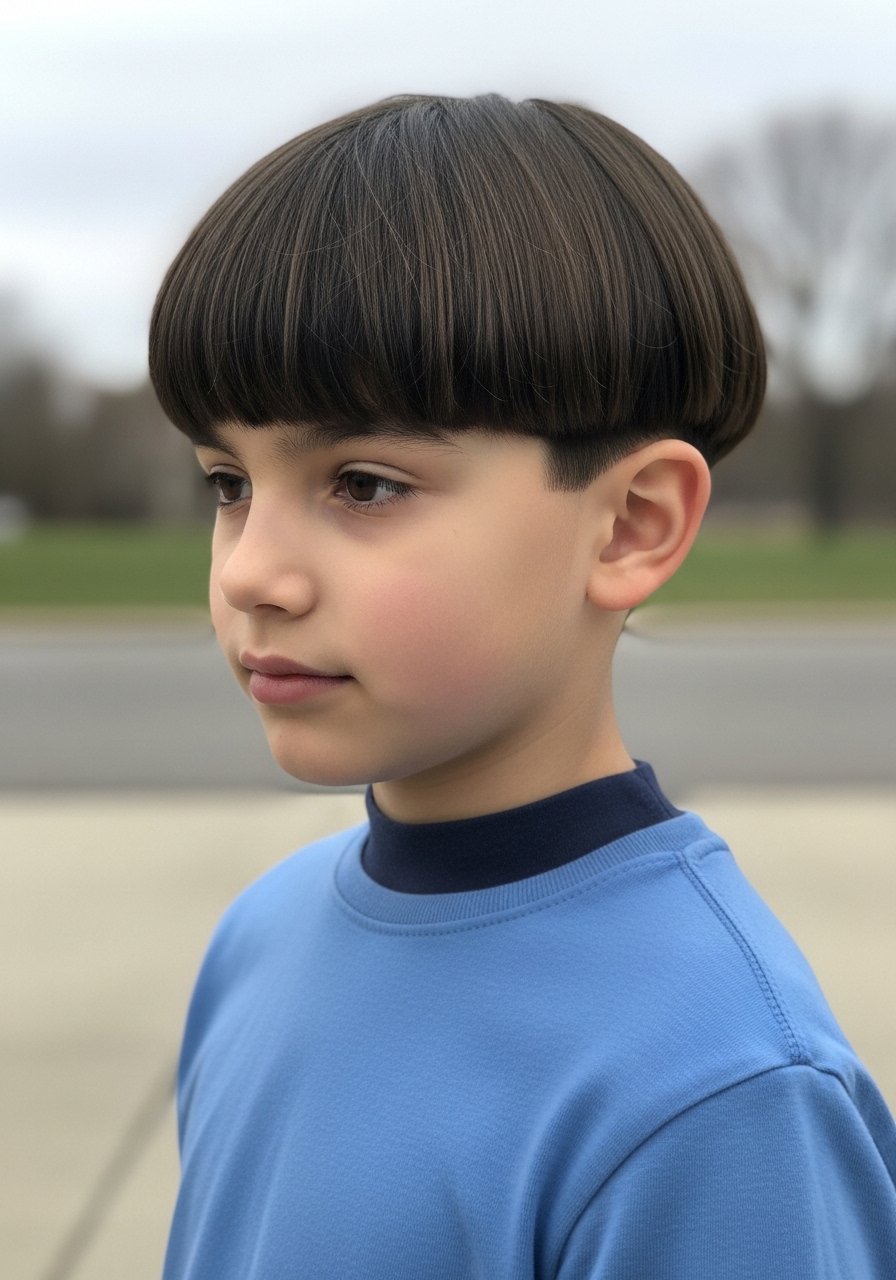
The updated bowl cut is not the 90s disaster. With slight internal layering it avoids the helmet look and works great on fine to medium straight hair. Ask the stylist for 1 to 2 inches of interior texture and keep the outside line blunt. At home, separate into four sections and only trim along the natural jawline, taking micro amounts. This solves the toddler problem of hair constantly in eyes and the school sports sweat issue. Quick product note, a pea-sized dab of lightweight paste on the ends after towel drying gives hold without stiffness. If color is considered, do not bleach kids at home.
Layered Shag For Little Curls

Curly kids need shape, not blunt weight, and the layered shag for curls gives bounce without bulk. This is for 3A to 4A curl patterns, medium density. A stylist should cut this dry or curl-by-curl, removing one to two inches from the underside and leaving length at the crown for balance. The LOC method works here, leave-in, oil, cream in small quantities, and scrunch with a cotton T-shirt. A common mistake is piling on gel, which makes curls crunchy and flat by midday. Swap heavy gels for a lightweight curl cream and a small amount of gel only where you need hold. If you use heat for clipping around the neck, keep it low and use a leave-in. My curls looked great on TikTok and like wet noodles by 11am, so layering products made the difference.
Textured Lob For Active Kids

A long bob with texture is forgiving for kids who play hard. It suits 2A to 3B hair and medium to thick densities. The razor texturizing at the ends removes bulk so it dries fast after swims and reduces matting. At home, wet detangle and towel blot, then apply a dime-sized amount of leave-in and rough-dry for 3 to 5 minutes. For beachy texture without drying, two spritzes of a sea salt spray through mid-lengths keeps it lived-in. Common mistake, using too much salt spray which dries hair and creates straw-like texture. Salon note, ask for minimal layering and long face-framing pieces that tuck naturally behind ears.
Feathered Curtain Bangs For Round Faces
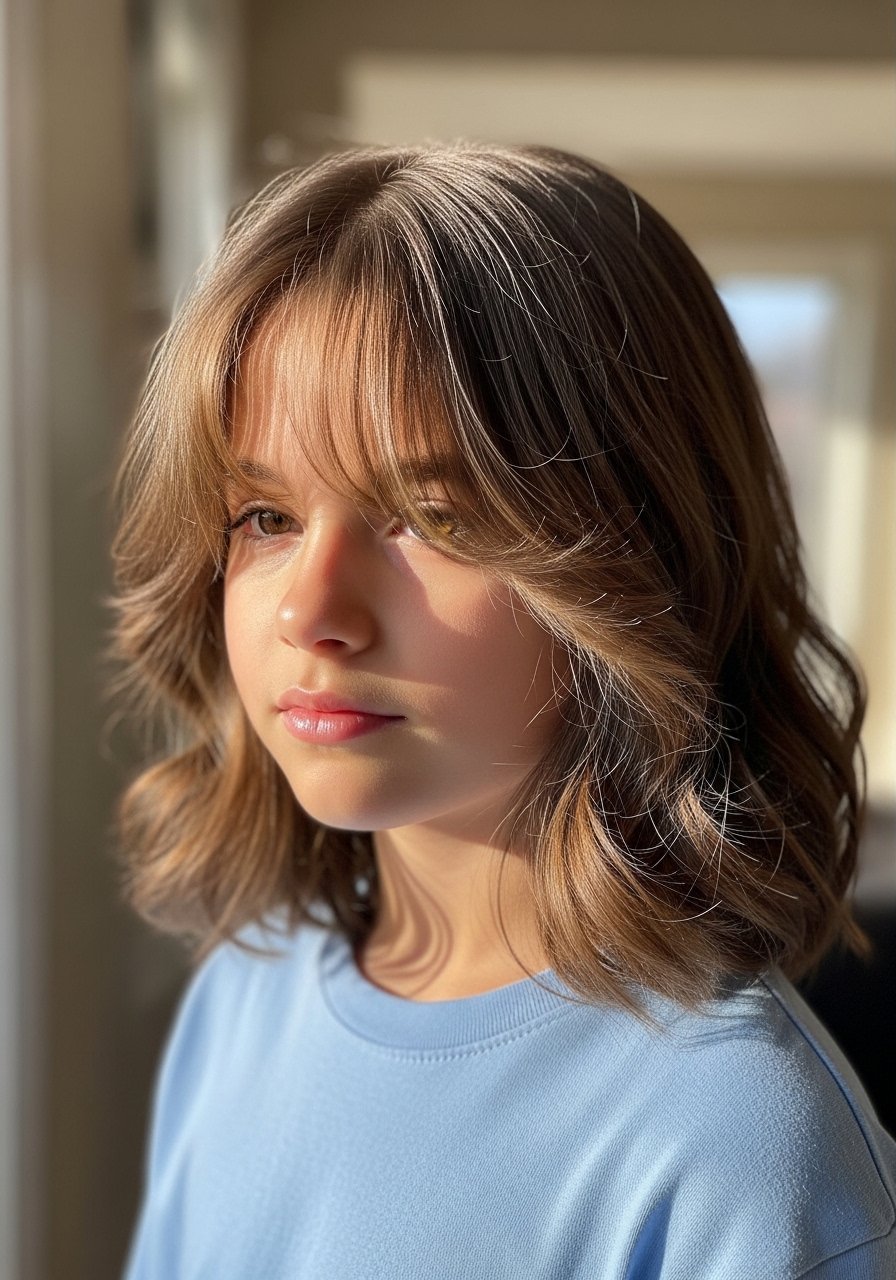
Curtain bangs on kids soften a round face and avoid the one-size-fits-all blunt fringe that looks heavy after two weeks. Best on fine to medium waves and straight hair. Cut them slightly longer than you think and point-cut the ends to prevent a harsh line. I usually start with a 2-inch center part and cut in 1/4 inch increments, testing how hair falls when dry. Styling is two fingers through damp bangs with a tiny bit of lightweight cream and air dry, or a quick low-heat round with a small brush. Avoid cutting when the child is fidgety. If you want quick clips for school, a soft claw clip keeps bangs out of the eyes.
Subtle Money Piece For Face Brightening
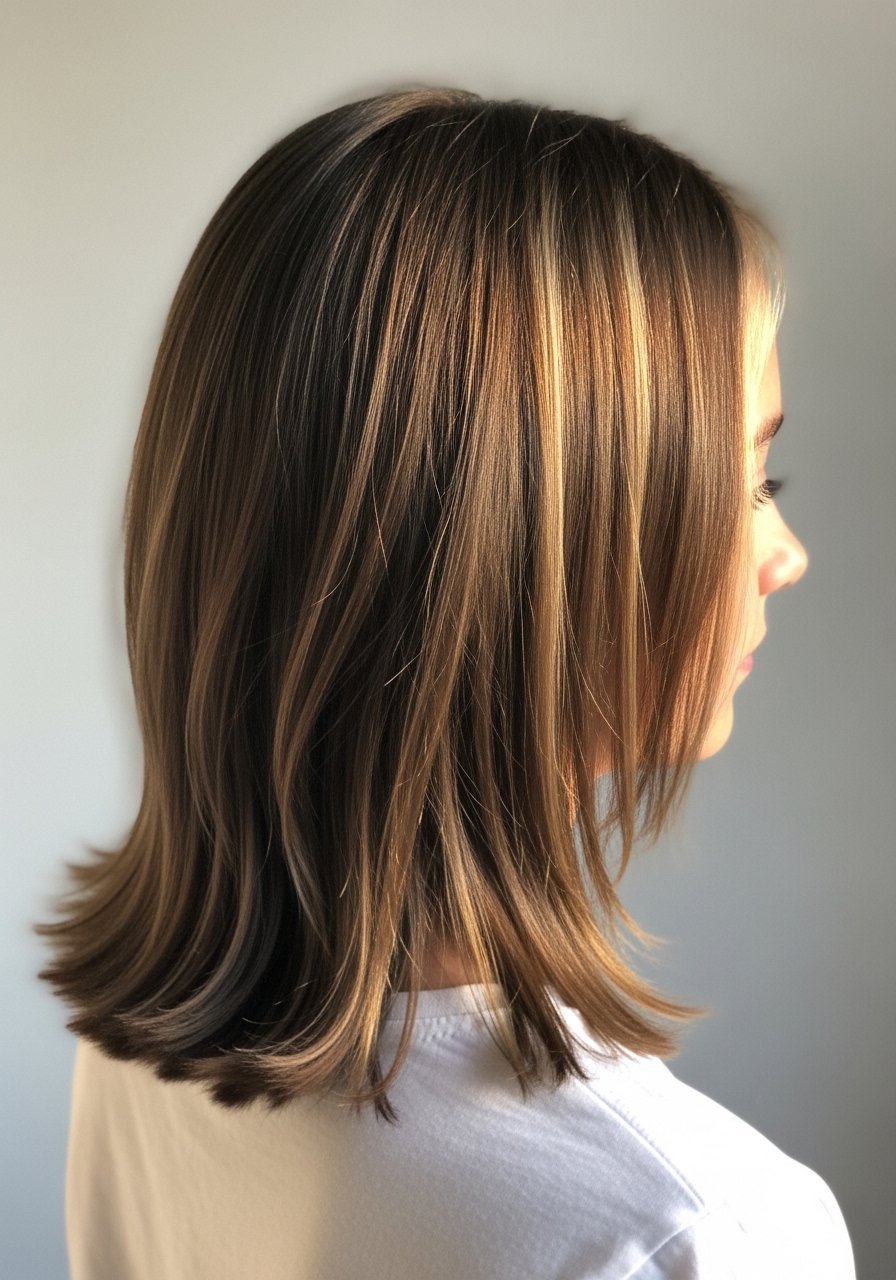
A soft money piece is a small highlight at the front that brightens the face without full-head color maintenance. For kids, keep the panels thin and use a demi-permanent dye or a natural gloss at the salon. This works on medium to dark brown hair and lasts 6 to 8 weeks with gentle care. Home DIY is risky because lifting can be uneven. If you try a salon gloss, ask for low-lift and a patch test for scalp sensitivity. Keep sunscreen on color-treated scalp after outdoor camps, and avoid bleach on young scalps entirely.
What I Pack For A Kid's Cut Day
Silk pillowcase for sleeping so the new cut lasts longer Cheaper duplicates exist, I buy from the brand store.
Child-safe haircutting scissors set One straight pair and one thinning set.
A small microfiber towel Cuts drying time and reduces tangles.
Gentle sulfate-free shampoo in 8oz size Look for kids formulas if scalp is sensitive.
Wide-tooth comb For detangling wet curls without breakage.
Mini boar bristle brush for straight hair Distributes natural oils and reduces conditioner use.
Small clip set for sectioning hair Cheap and worth it for neat trims.
Color-safe conditioner 12oz If you opt for a gloss or subtle highlights, buy from the salon or Sephora to avoid counterfeits. Note on premium brands like Olaplex or K18, buy from the official store on Amazon or grab them at Sephora or Ulta to be safe.
Crew Cut With Soft Top For Easy Maintenance
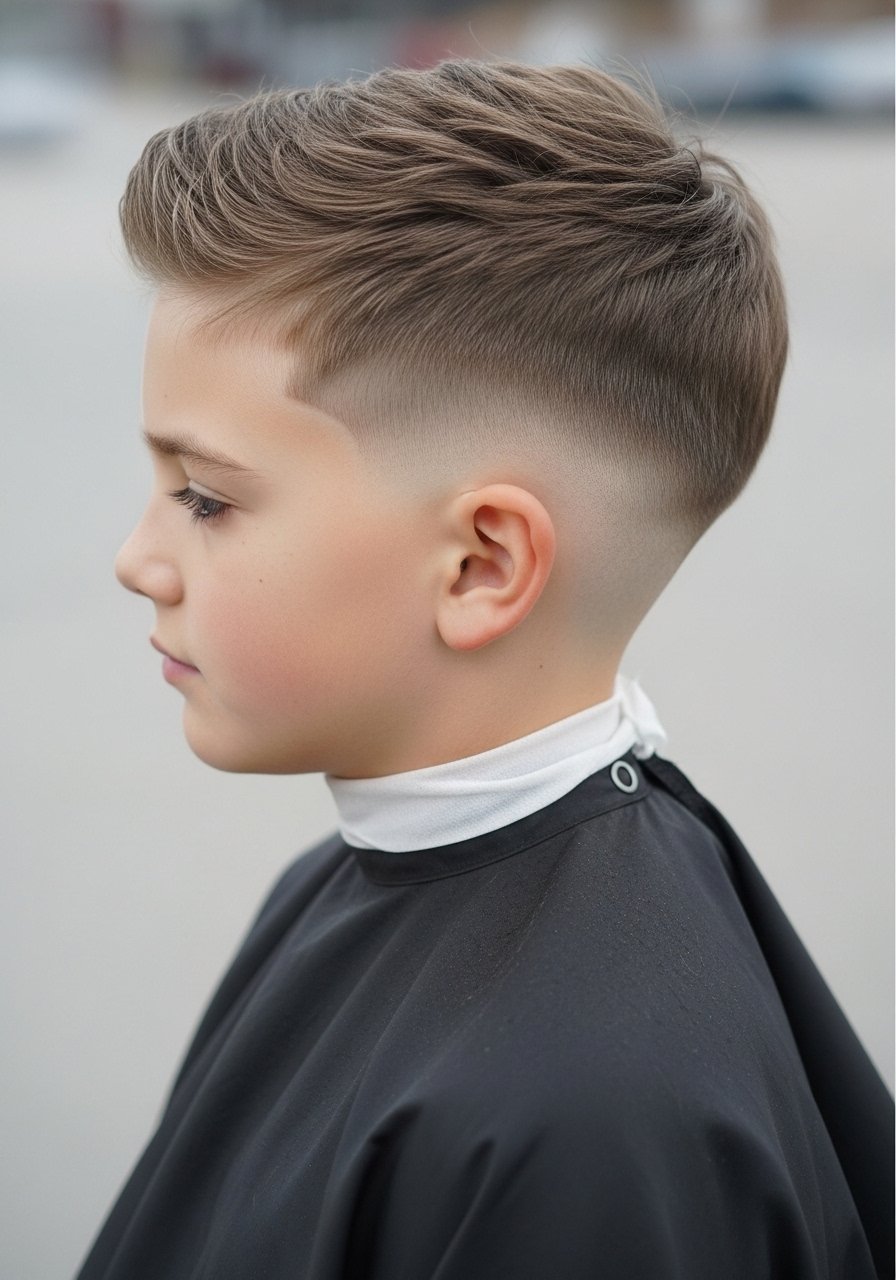
A crew cut is the fastest morning win and works for most hair textures, especially straight and slightly wavy hair. Ask your barber for a clipper guard number to keep, usually a 2 on the sides and 4 on top for a soft top. Tell them to blend the temples for a neater regrowth pattern. At home, wipe down with a damp cloth and a dab of lightweight balm if hair gets dusty. Safety note for at-home clippers, use a guard and go slow on the first pass. This style solves the "tangled after class" problem and requires trims every 4 to 8 weeks.
Messy Mullet With Tidy Front
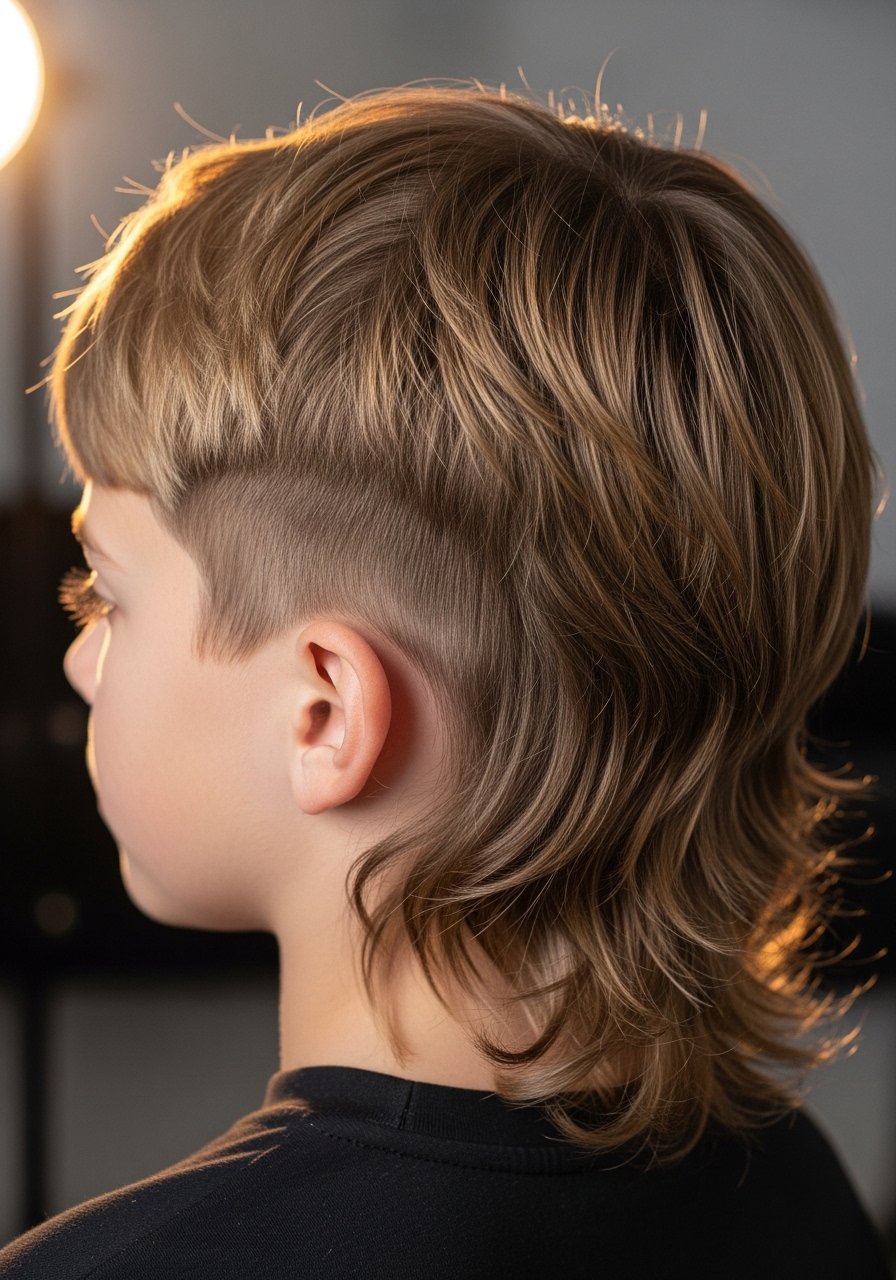
Yes, mullets come in kid versions that read playful not punk. Keep the front tidy and the nape longer for easy ponytails or piggy tails. Ideal for medium to thick hair. A razor or point cutting on the nape gives movement, but do not over-texturize if your child hates brushing. A small leave-in conditioner applied to the ends twice a week prevents matting. Salon note, show the stylist a picture and ask for conservative length differences. This cut handles sweat, soccer helmets, and gives a grown-out look you do not regret.
Curly Taper For Shorter Styles
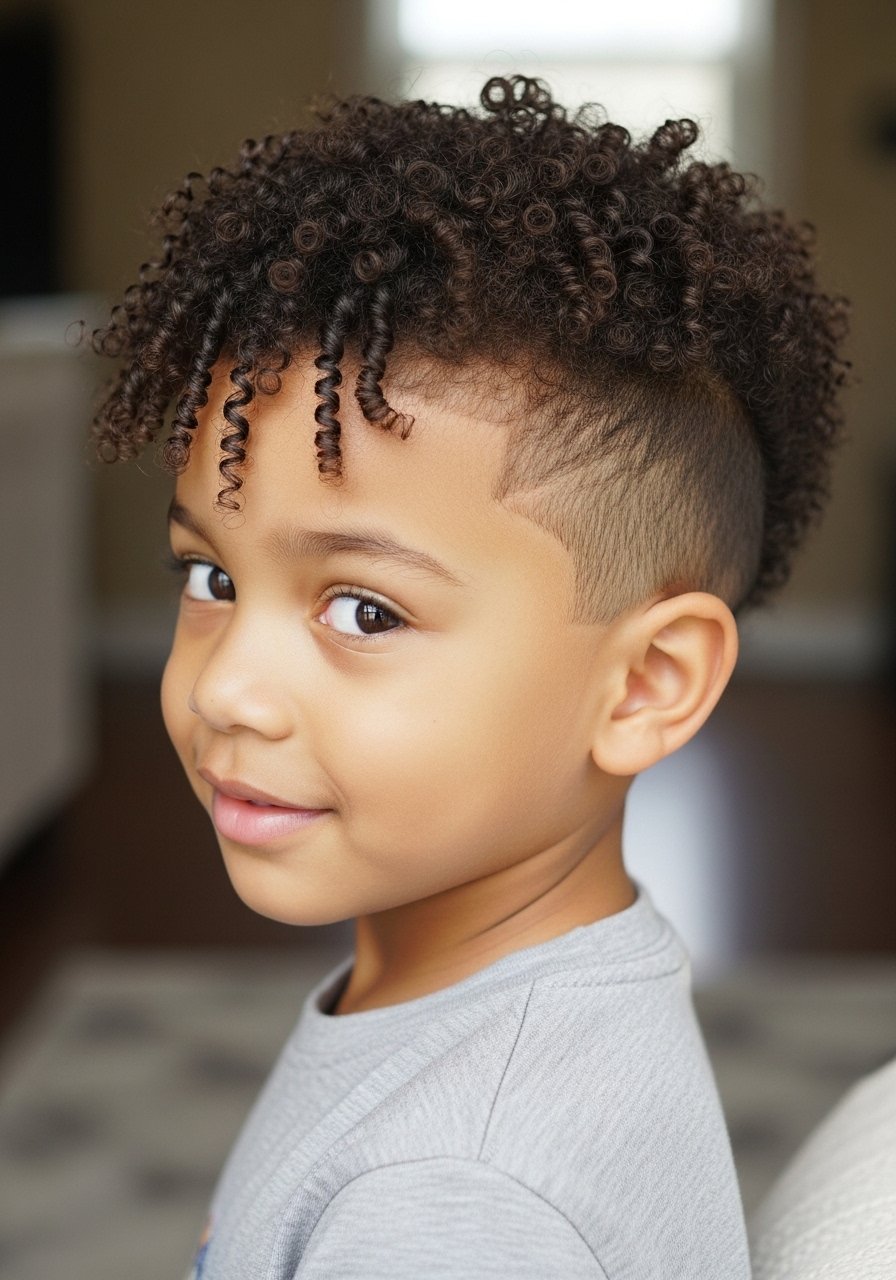
A curly taper keeps the texture on top and reduces bulk around the neck, perfect for active kids with coils. The stylist should cut with dry technique, following curl clumps to avoid uneven shrinking. For home care, detangle with finger combing in the shower with a slip-rich conditioner, apply the LOC method in small amounts to avoid weighing down coils. A common mistake is shampooing every day which strips natural oils. Try co-washing once or twice a week instead. If you use a clipper around the sides, choose a lower guard and work slowly to avoid lines.
Long Layers With Braids For Low Fuss Days
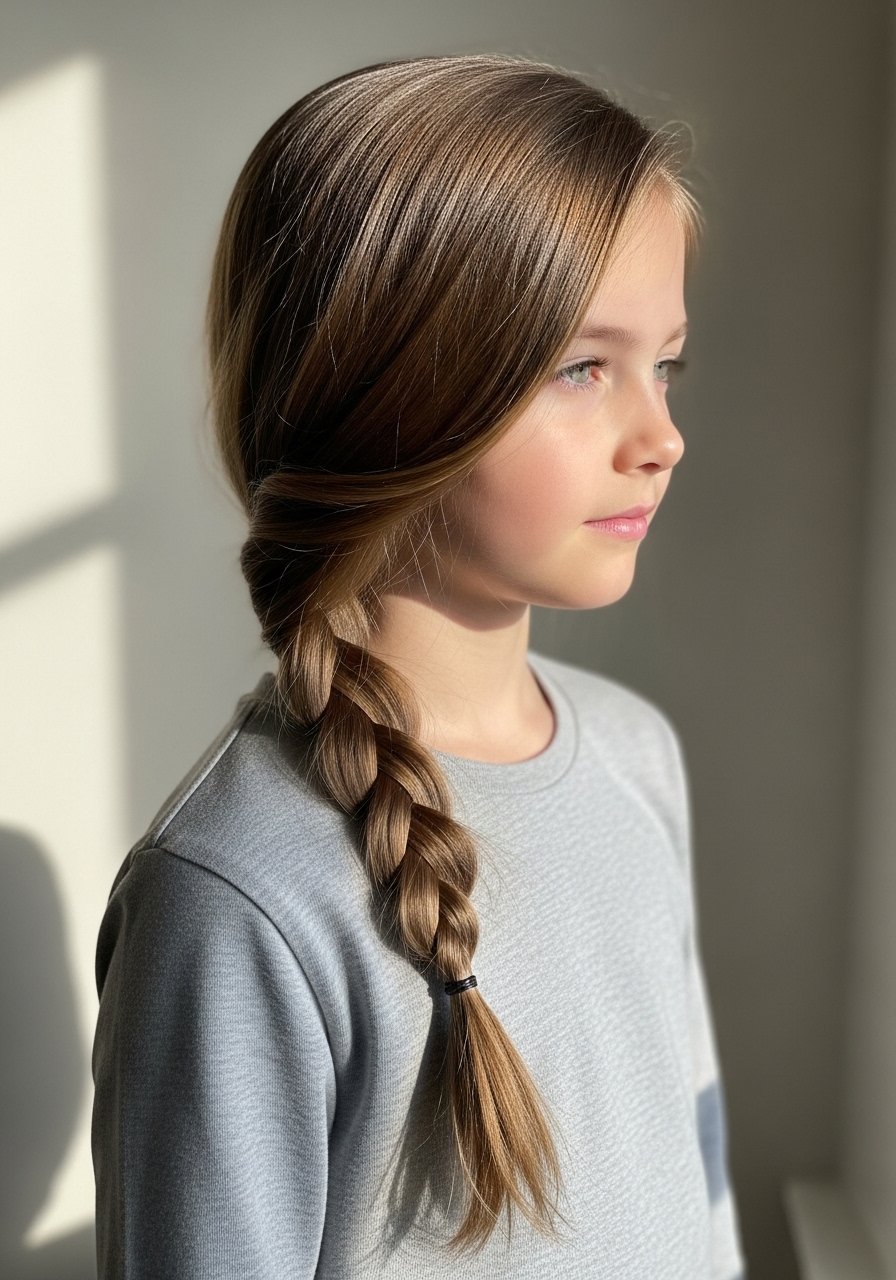
Long hair on kids can be easy if you cut long, soft layers that detangle at the ends, and teach one braid for school mornings. Layers remove weight and reduce the need for daily brushing. For braid longevity, slightly wet hair and smooth with a pea-sized amount of leave-in, then braid in three sections and secure with a soft elastic. The braid will loosen naturally and still look neat. That tiny habit cuts morning stress for both of you. Damage note, avoid heat on long hair more than once a month for kids under 12.
Side-Swept Fringe With Soft Undercut
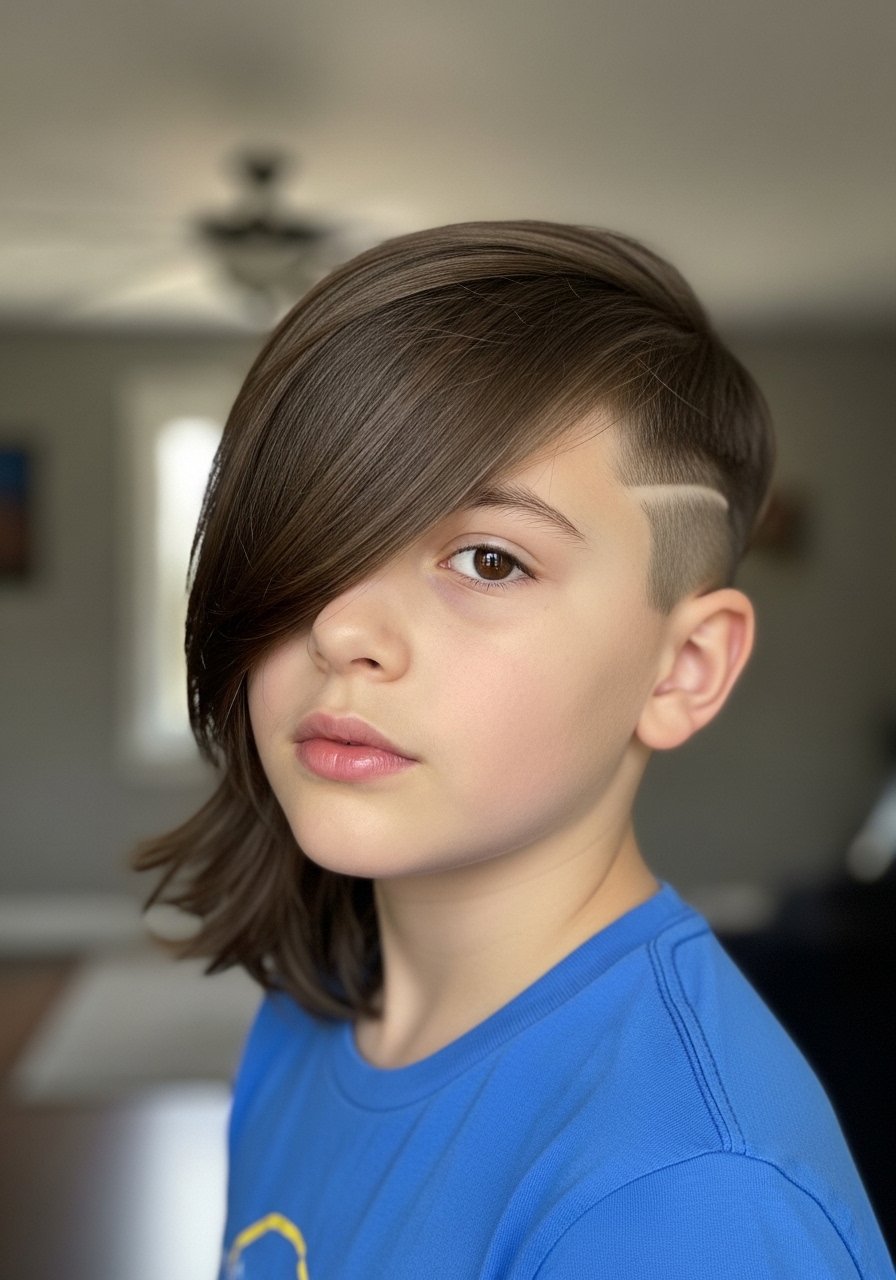
Side-swept fringes paired with a small undercut give a modern feel but keep hair manageable. Works for fine to medium hair. The undercut should be short and hidden behind the ear so it grows out gracefully. I tell stylists to keep the undercut shallow, about one inch wide, so it does not show when the hair is down. At home, train the fringe with one pass of a small round brush and low heat, and apply a drop of lightweight oil to ends using the 80/20 product-placement rule, mostly on the ends not the roots. Most heat protectants you spray on dry hair before flat ironing barely work. They need to absorb into damp or just-dried hair to actually shield the cuticle.
Braided Crown For Special Days

The braided crown is a go-to for picture day and events because it keeps hair off the face and survives a lot of running around. It fits medium to long hair of most textures, though very fine hair may need a small bit of texturizing spray for grip. Section the hair into two, create two Dutch braids, then wrap and pin. Use small clear elastics and 6 to 8 bobby pins for hold. Mist lightly with an anti-frizz spray if humidity is expected. Salon vs DIY, this is easy to learn but practice once at home before the big day.
Shaggy Lob With Feathered Ends

The shaggy lob is forgiving and grows out into a soft shape, ideal for wavy hair and medium density. Texturize the ends with point cutting and one long slide-cut through the interior to avoid bulk. I ask stylists to leave the front slightly longer for elastic pony options. At home, encourage air drying for minimal breakage and use a small dollop of lightweight cream from mid-length to ends. Common mistake, adding heavy mousse which makes the lob crunchy and clumpy. If you want more control, a quick 2-minute diffuse on low heat keeps things tidy.
What Parents Should Know Before The First Cut
Use a real pair of hair-cutting scissors, not kitchen scissors, and keep them away from unsupervised hands. Child haircutting scissors set under $25 is fine.
If you color at all, take kids to the salon. No bleach at home on children. For gentler color options, ask for demi-permanent gloss and request a patch test.
Heat protectant goes on damp hair, not dry. The cuticle is more open and the product actually absorbs. A reliable heat protectant is worth keeping in the kit.
Teach one simple braid or ponytail and you will cut morning tangles by half. Use a microfiber towel for quicker drying. Microfiber hair towels are cheap and effective.
Hair grows about half an inch a month at most, regardless of what biotin gummies promise you. The real wins are protection and reducing breakage, not miracle pills.
Frequently Asked Questions
Q: How often should I trim kids' bangs so they do not look uneven?
A: Every 4 to 6 weeks for active kids, depending on how fast the hair crosses their brow. Trim dry in small increments so you see how the hair naturally sits. If you cut wet you can easily take off too much.
Q: Can I bleach a small money piece at home to brighten my kid's face?
A: No. Lifting bleach on a child is risky and can damage the scalp. Use a salon demi gloss or balayage done by a colorist and always do a patch test for sensitivity.
Q: My child has tight coils, will a pixie ruin their curl pattern?
A: A pixie shortens the visible curl length, but it does not change the natural pattern. Ask for a taper cut that keeps length on top to preserve curl definition and cut dry so shrinkage is predictable.
Q: Are clippers safe for a toddler at home?
A: Clippers are safe with a guard and a steady hand. Use a lower speed, a guard you tested on paper towels, and distract with a show or snack. For fades or blends, a professional cut is less stressful and avoids uneven lines.
Q: How do I prevent tangles in long kid hair without heavy product?
A: Brush from ends to mid-length with a wide-tooth comb, then work up to the roots. Apply a small spray of detangling mist or a pea-sized leave-in on the lower half only. Focus on nightly braids before sleep to reduce morning knots.
Q: Will frequent trims make hair grow faster?
A: Trims do not speed growth, but they remove split ends and reduce breakage which helps retain length. Keep trims regular and focus on minimizing friction and rough brushing to actually keep more length over time.