
I learned to cut my niece's hair after paying too much for a buzz that left her cowlick visible for months. Cutting kids hair is more about placement and patience than fancy tools. These nine haircuts are the ones I have actually done or fixed, with real tips for clippers, scissors, and how to keep a wiggly kid calm during the process.
These ideas work best on toddler through early-teen hair. I cover straight 1A to 2C wavy hair and textured 3A curls with adjustments called out. Most takes 15 to 45 minutes at home and under $60 in tools, with two ideas worth a short salon visit for precision.
Angled Bob With Soft Ends for Fine Straight Hair
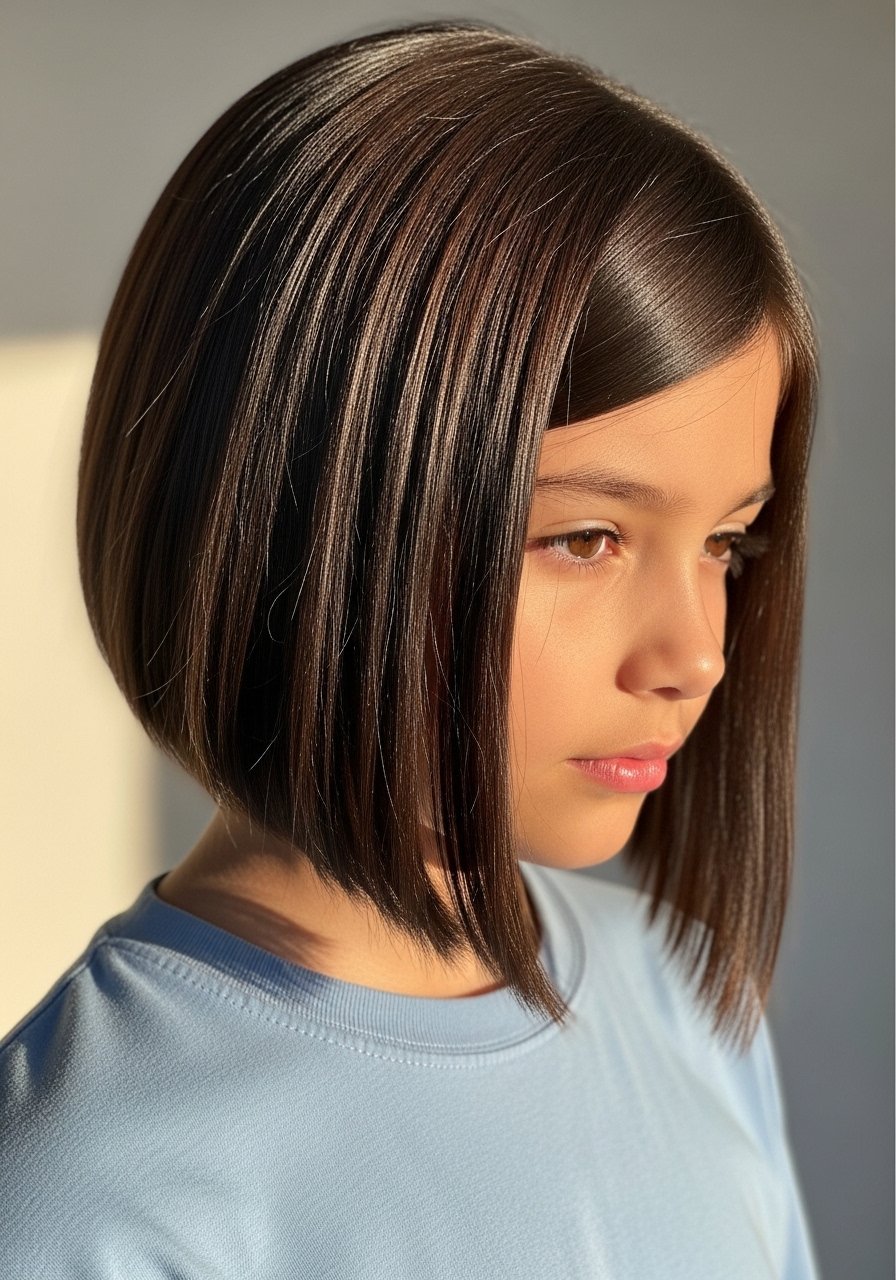
The angled bob is forgiving for fine hair because the forward weight makes it read fuller without adding bluntness. I cut this on a damp day, sectioning into three horizontal panels and using scissors to point-cut the ends, about a quarter inch per snip to avoid a heavy line. It takes 20 to 30 minutes at home if you are patient. For keeping the ends soft between trims, two drops of a lightweight leave-in applied to mid-lengths and ends after towel-dry matters more than an expensive styling cream. A wide-tooth comb and a small pair of rounded-tip kids scissors keep the process safe. The common mistake is cutting from the crown first. Start at the front so you can control the angle. Salon visits help if you want razor texturizing.
Pixie With Long Side Fringe for Round Faces
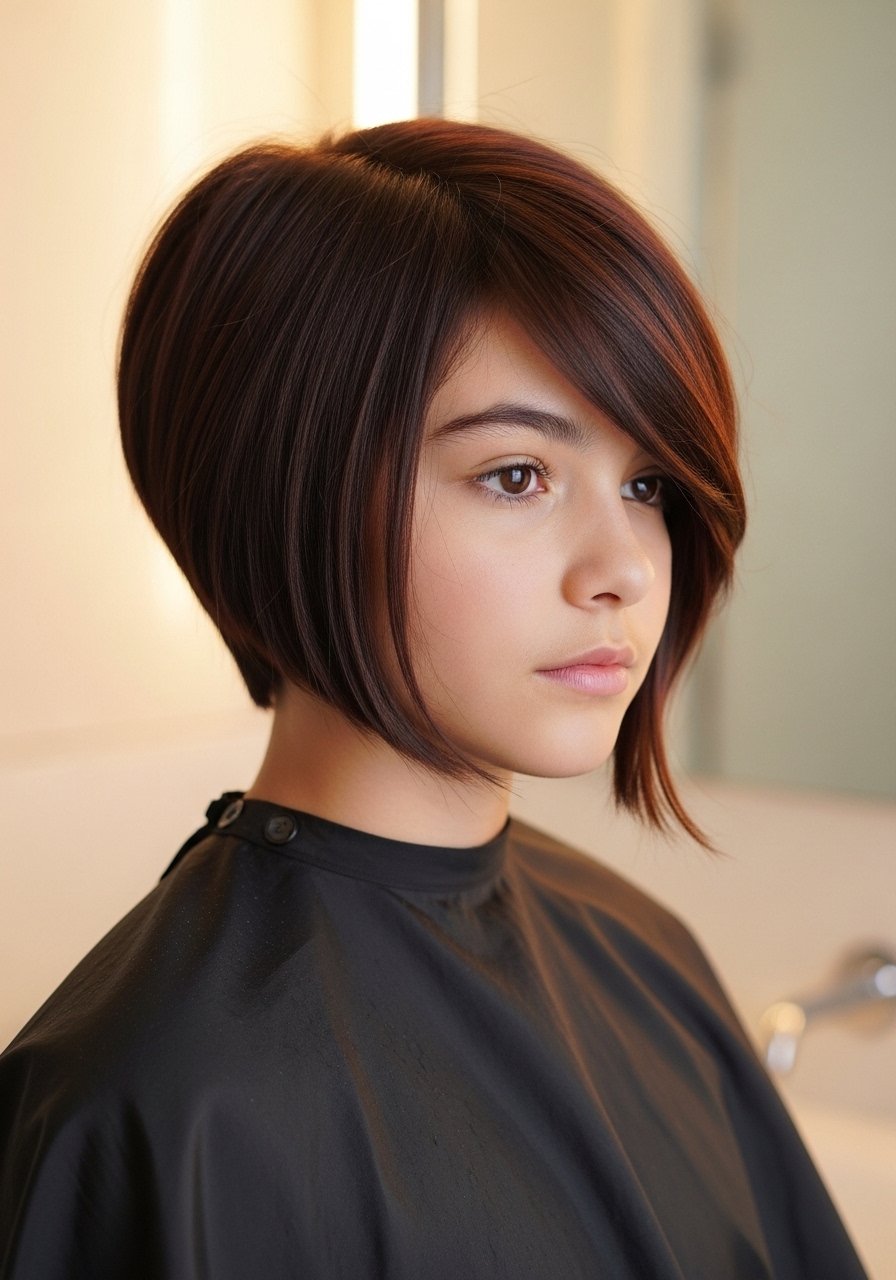
A pixie that keeps a long side fringe is the trick I use for round faces because the fringe elongates the face. For kids with 1B to 2A hair it trims down bulk and stays presentable without daily styling. I clipper the nape with a guard 2 for a tidy finish, then scissor over comb at the crown to remove weight, working in 1/2 inch sections. Time is 25 to 40 minutes at home. One mistake is cutting the fringe too short in the first pass. Leave it long, then trim a centimeter at a time while the child looks up. If you are nervous about clippers, book a five minute salon edge clean to teach you the line.
Layered Cut For Bouncy Curly Hair
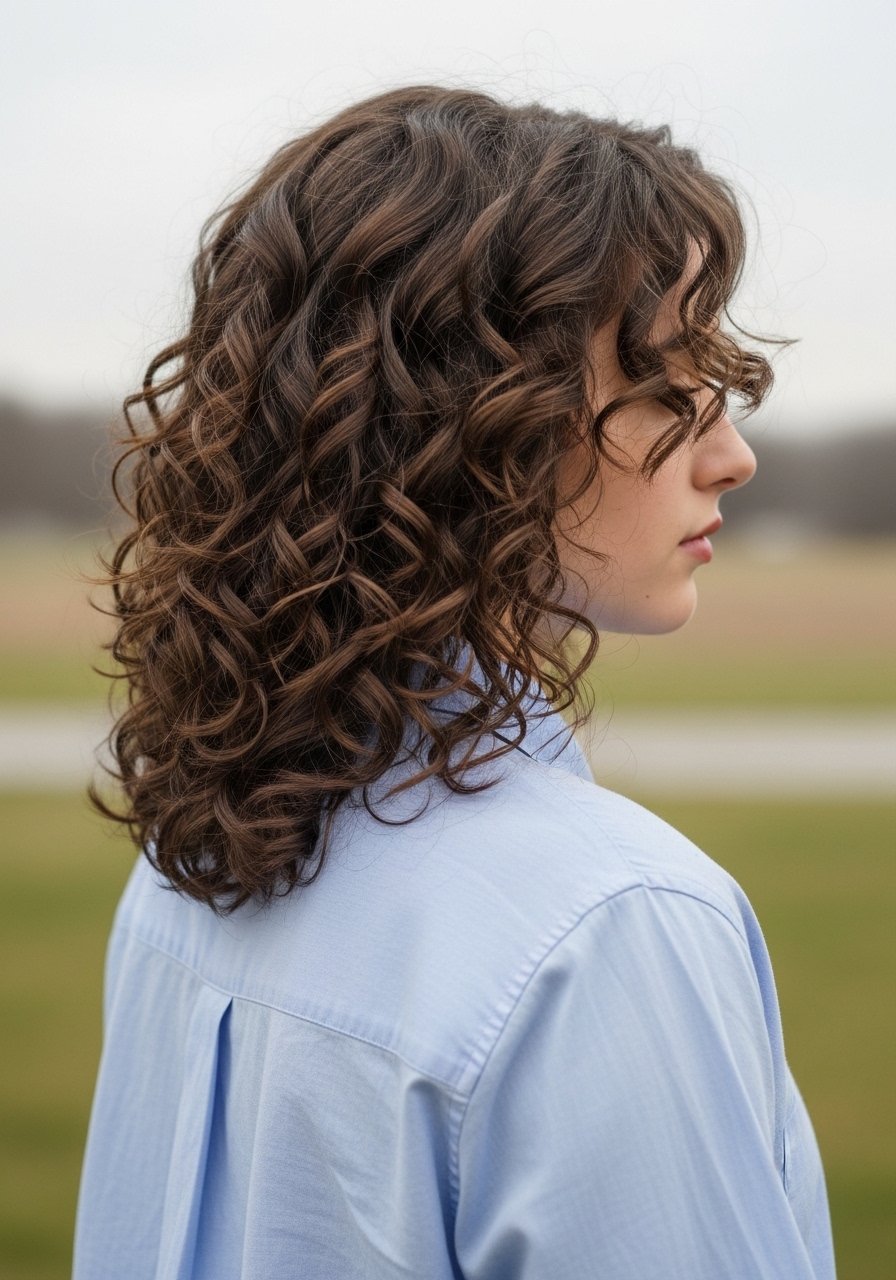
Curly kids' cuts need to be done dry when possible. I learned this the hard way when three inches disappeared after a wet cut. For 3A to 3C textures, cut curl by curl, trimming only the loop that falls past your target length. Use a leave-in with light slip and a small amount of curl cream, applied with the LOC method, to see how the curl shrinks before you cut. Expect 30 to 45 minutes. A little diffusing on low heat at 250F helps you check shape, but always spray with a heat protectant if you use a dryer. The common mistake is layering too aggressively, which causes the cut to puff. If you need help, a salon that does dry shaping is worth the extra $30.
Updated Bowl Cut With Blunt Back for Thick Hair
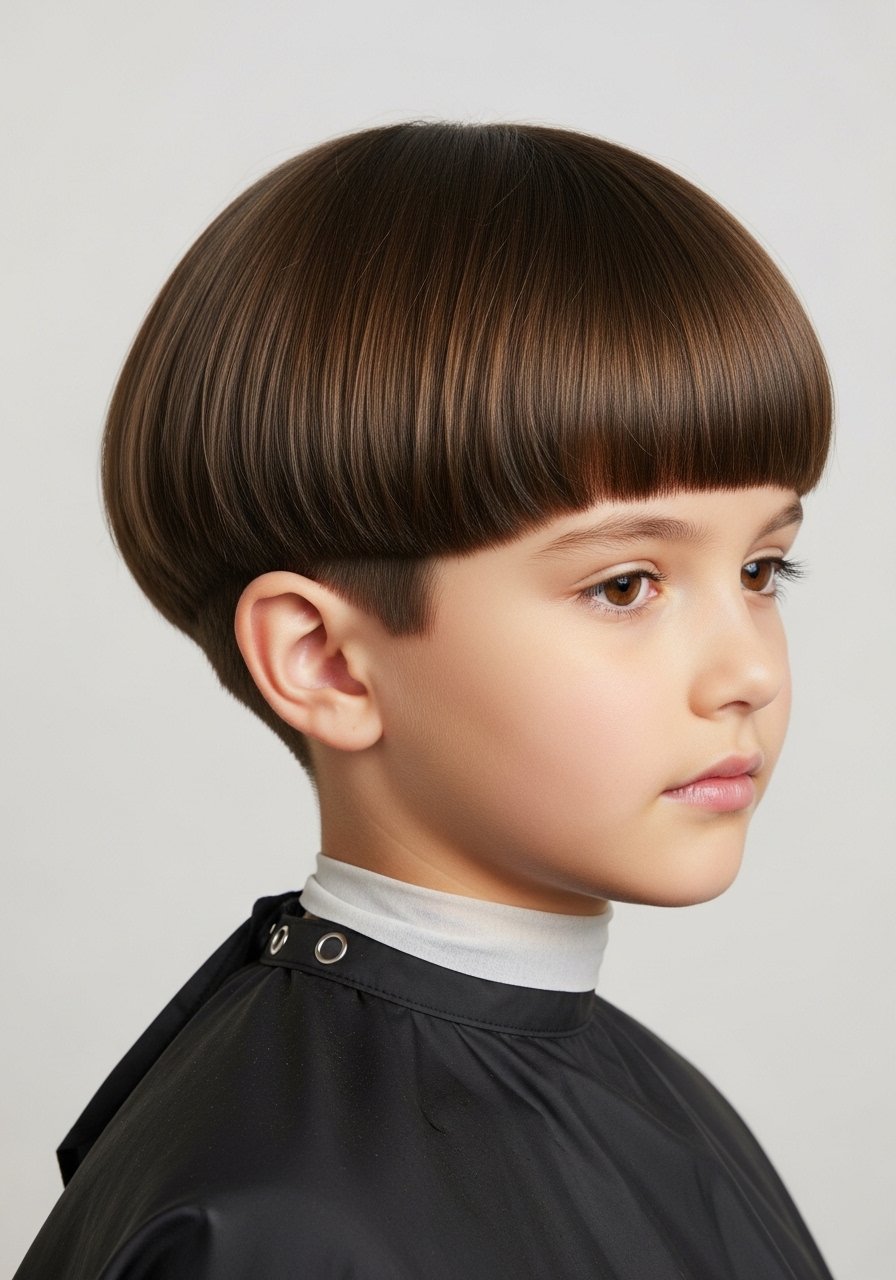
The modern bowl cut is about a clean perimeter and soft texture up front. For thicker hair reduce bulk with vertical point thinning, not heavy layering. I set intent by clipping the nape with a guard 3, then scissor the perimeter straight across, checking symmetry by folding hair forward and comparing both sides. For kids who hate sitting, this cut is fast once you have the line. Bring a handheld mirror so they can see progress, that calms many fidgety kids. Watch out for an overly sharp fringe. Soften it with one pass of point cutting. Salon razor work creates that lived-in finish, so consider booking a stylist for the final texturing.
Tapered Fade Crew Cut For Easy Maintenance
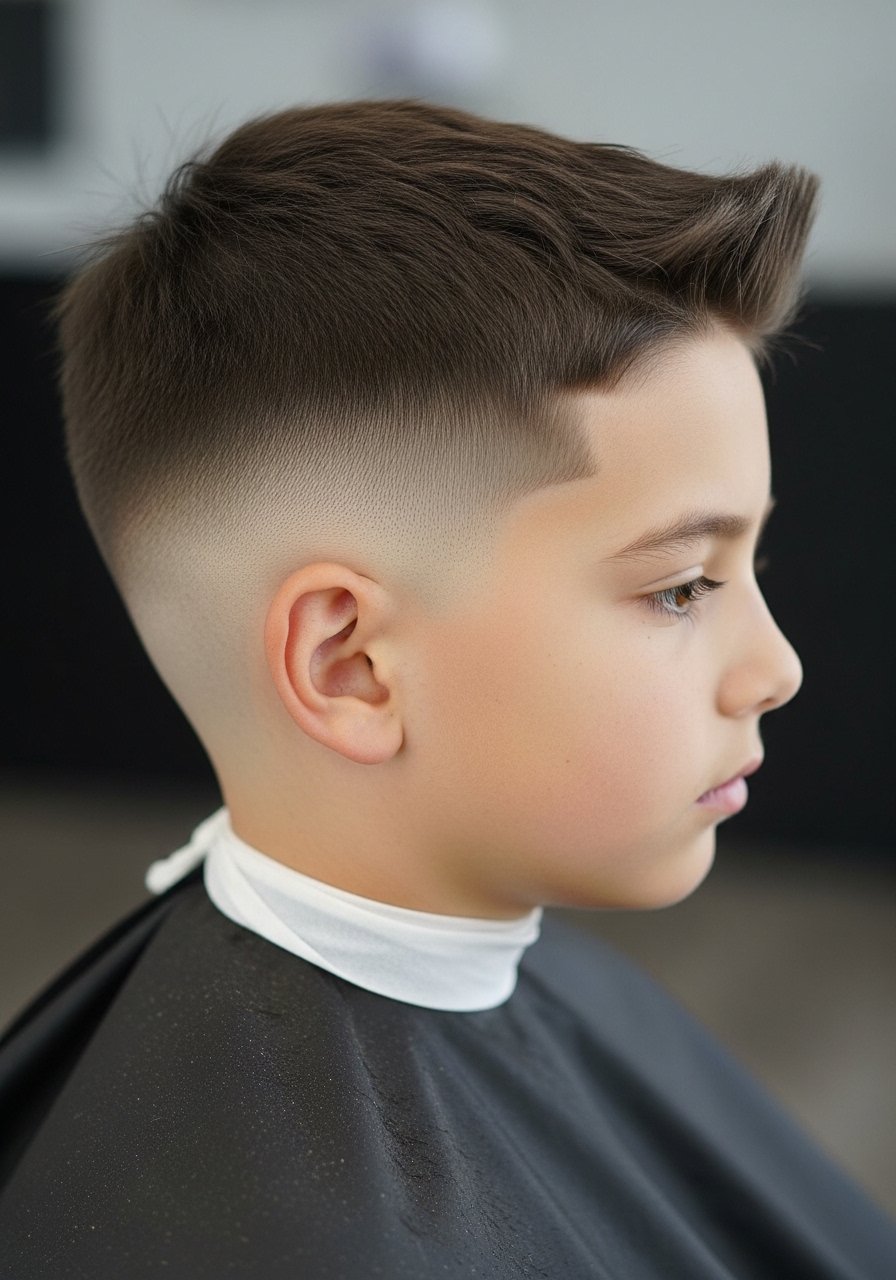
This is my go-to for active kids. A taper fade keeps the neck clean and looks sharp for weeks. Start with a longer top guard like 6, then blend down using guards 4, 2, and finish with a 1 around the ears. Use one pass per guard and blend where they overlap. The whole process takes 15 to 25 minutes once you are confident. The big mistake is rushing the blend. Slow blending in small vertical strokes gives a softer result. Clippers can nick if you go too fast, so keep the blade perpendicular to the head and use small amounts of pressure. If your child has sensitive skin, check for razor redness an hour after cutting.
Curtain Bangs For Oval Faces With A Soft Part

Curtain bangs are surprisingly forgiving for teenagers who want a change without commitment. I cut them on slightly damp hair, sectioning the fringe into two triangles and trimming the center a touch longer, about 1/2 inch below the brows, then point-cut toward the corners for a soft taper. They work best on oval faces and 2A to 2C waves because the texture hides bluntness. Bang trims every six to eight weeks keep the shape, and a quick run of a small round brush at medium heat around 300F smooths them without frying. A common error is cutting bangs straight across when the child has cowlicks. Work with the natural part.
Undercut Designs For Creative Kids
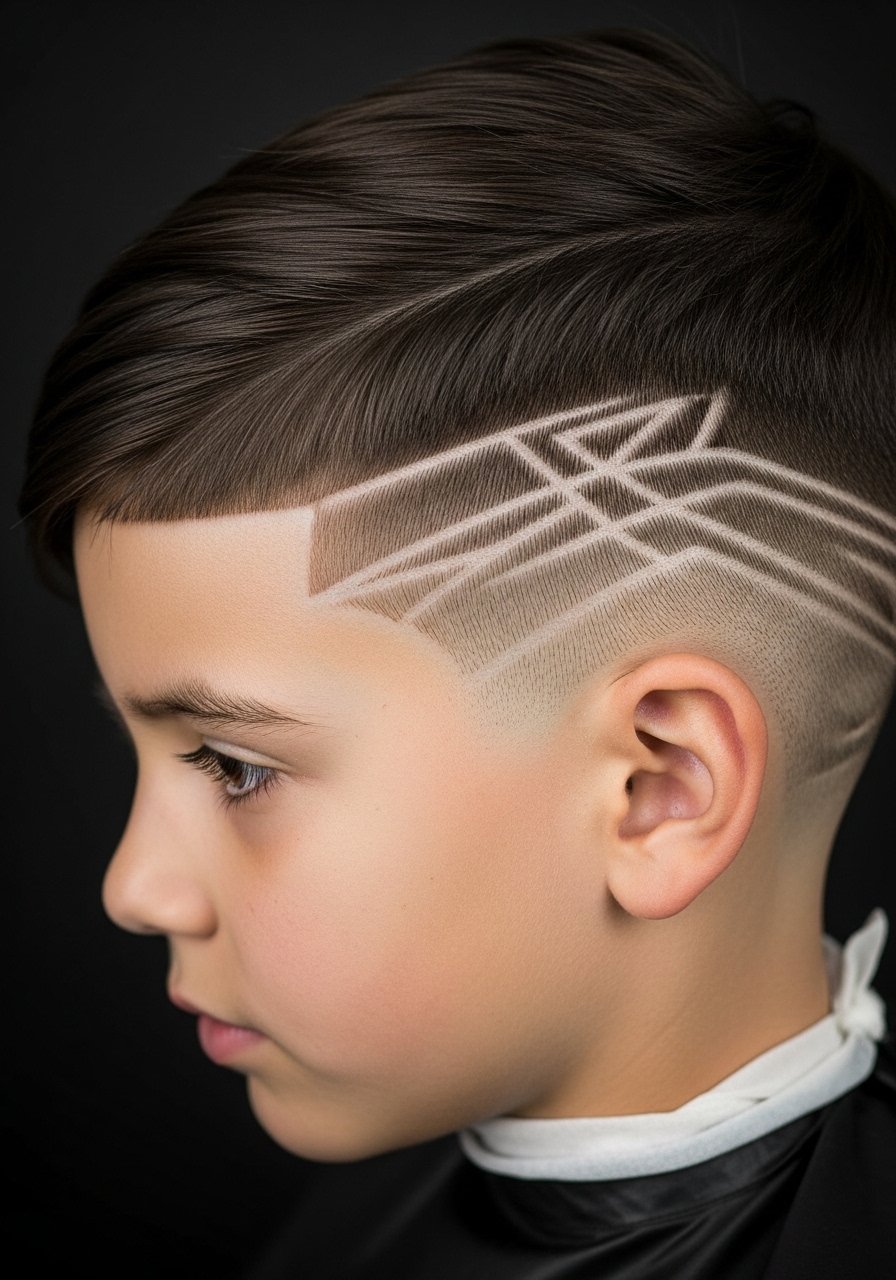
Undercut designs are a playful way to personalize a cut. I keep designs simple for kids, like a single curved line or a small star. Use clippers with a 0.5 guard for the shaved area and a longer guard for the top. I sketch the line with a washable marker first, so the child can approve it. The whole thing is a ten minute add-on for someone comfortable with clippers. Avoid intricate designs unless you are practiced or see a barber who specializes in fades. A safety note, do an allergy patch test if you consider hair paint instead of shaving. Designs grow out predictably, and I always tell parents they may need a trim every 3 weeks to keep the line crisp.
Curly Taper With Defined Top For Natural Texture
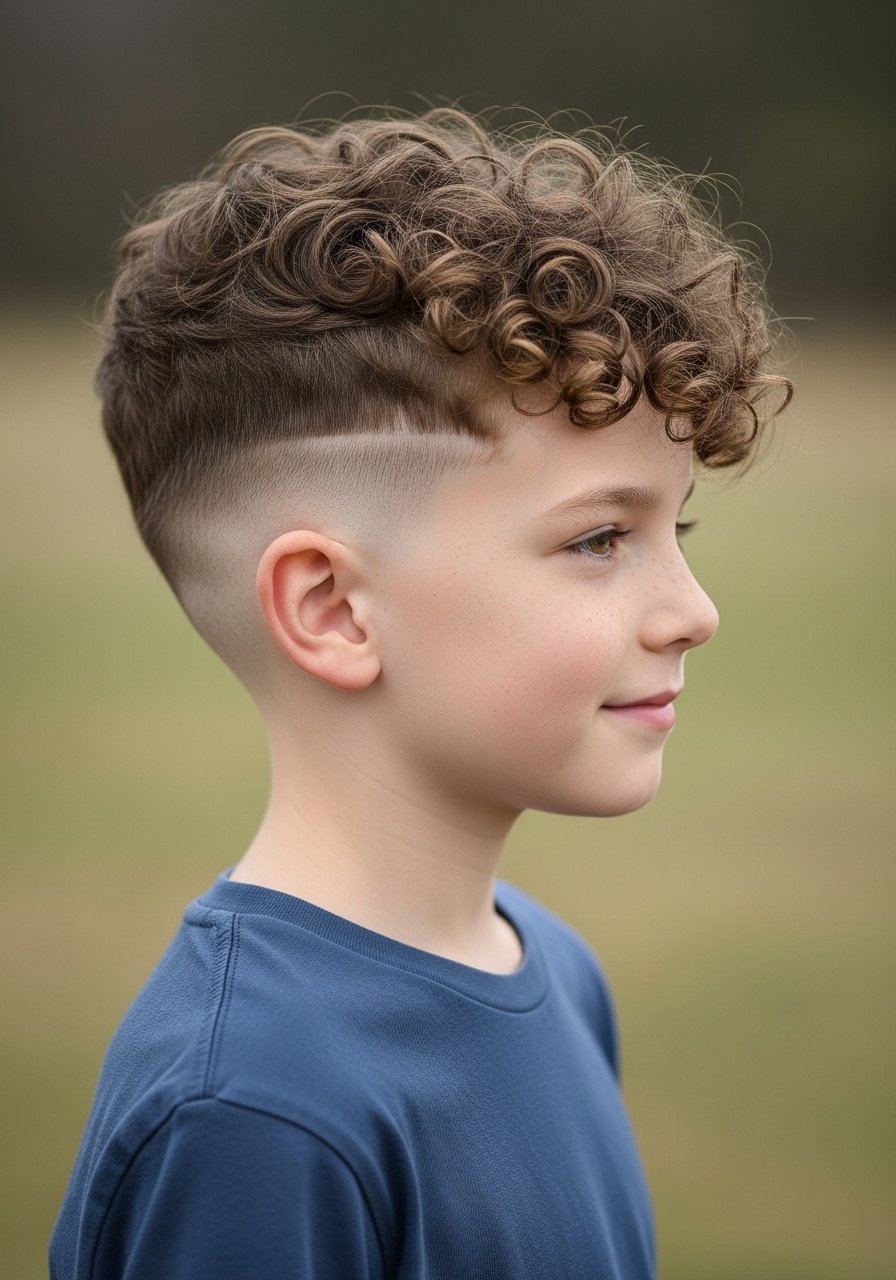
For curly boys I leave the top long enough to define the curls and taper the sides for low maintenance. Cut the sides with a guard 2 to 3, then shape the top dry, snipping 1/2 inch at a time to preserve spring. Apply a nickle-sized amount of water-based curl defining cream to damp hair and diffuse on low. One mistake is using heavy wax which flattens natural movement. If texture is extra tight, a small amount of leave-in with slip helps you trim without tugging. I usually spend 20 minutes, and a salon session helps if you want perfectly matched taper lines.
What I Actually Pack For A Kid's Haircut At Home
- I always bring a compact spray bottle to keep hair damp while cutting, and I use a professional-looking kids spray bottle because it is less likely to spill.
- For clippers, the Wahl kid haircut kit is under $60 and feels sturdy for multiple kids.
- A rounded-tip pair of scissors matters. I use left- or right-handed rounded-tip scissors so you do not accidentally poke anyone.
- For detangling, a wet brush saved my niece from daily meltdown before trims.
- A microfiber cape for kids keeps clothes clean and quiet, which helps sensory-sensitive kids.
- For curly shaping, I keep a lightweight curl cream in a small travel jar so I do not overdo product.
- If I expect split ends to be visible, I pack Olaplex No. 3 hair perfector for weekly home maintenance. Watch for counterfeits, buy from the official store on Amazon or grab it at Sephora.
- For quick fades, an extra set of clipper guards is a must. I stash replacement clipper guards so you do not lose the right size.
- A small handheld mirror finishes the job. Kids love to see the finished look, and it usually keeps them still for the last five minutes. A compact two-sided mirror is cheap and useful.
What I Wish Someone Told Me Before Cutting Kid's Hair
- Keep scissors blunt enough for safety and sharp enough for a clean cut. Grab a 6-inch hair cutting shear. Blunt scissors lead to tugging and tears.
- Use a spray bottle with cool water. A damp brush stroke shows true length, and a fine mist bottle keeps kids from flinching.
- If the child is sensory sensitive, let them hold a fidget toy and give a five minute break after 10 to 15 minutes. Small breaks reduce squirming and keep the cut tidy.
- For at-home fades, work from long guard to short. Start with a 6 then step down. A clipper kit with multiple guards is worth the small extra cost because it prevents overcutting.
- For curly trims, cut dry. Dry shaping shows where the curl sits and prevents shrinkage surprises. I always apply a tiny bit of leave-in before trimming, about a pea-sized amount for short kids hair. A travel leave-in bottle keeps the amount consistent.
Frequently Asked Questions
Q: Can I use clippers on a toddler at home safely?
A: Yes if you use rounded-tip guards and keep the blade moving. Start with a longer guard and work down to avoid cutting too short. Keep the clipper perpendicular to the scalp and use small vertical strokes. If you are nervous, practice on a stuffed toy to get comfortable, or book a quick barber lesson.
Q: How often should I trim bangs or a bob on a school-age child?
A: Every six to eight weeks usually keeps bangs from falling into eyes and preserves the bob shape. For aggressive cowlicks or fast-growing kids, trim every four to five weeks. Trim conservatively, one quarter inch at a time, and check symmetry by folding hair forward.
Q: My child cries during haircuts because of the sound. Any tips?
A: Headphones with quiet music or a tablet for distraction works. Also try a soft microfiber cape so the rustle of plastic does not startle them. Shorter sessions with breaks help too. For sensory issues, let them touch the tools while off so the sounds are less scary.
Q: Are hair designs or temporary colors safe for kids?
A: Simple shaved designs are fine if done with clean clippers. For temporary color use hair chalks or sprays labeled for children and do an allergy patch test 48 hours before. If the product has a high pH or strong fragrance, do not use it on very young or sensitive scalps and consult a pediatrician if you are unsure.
Q: What guard sizes should a beginner use for a tapered fade on kids?
A: Start with a 6 on top, then blend down with 4, 2, and finish edges with 1. Move slowly during the blend and keep the blades clean. Practice on a willing older child or volunteer first, and consider a barber appointment to learn the hand positions for a smooth fade.