I bleached my own hair in my kitchen last January and watched a chunk break off in the shower three days later. I learned the hard way that a good cut can hide damage and the right technique keeps straight hair from looking flat or wispy. Most heat protectants you spray on dry hair before flat ironing barely work. They need to absorb into damp or just-dried hair to actually shield the cuticle.
These ideas suit naturally straight 1A through 1C hair, from fine to thick. Most takes 10 to 45 minutes to style, budgets run from $0 for a trim to a $150 splurge tool. Most cuts are salon jobs, but I flag the safe DIY trims.
Blunt Bob That Weighs Fine Hair Down
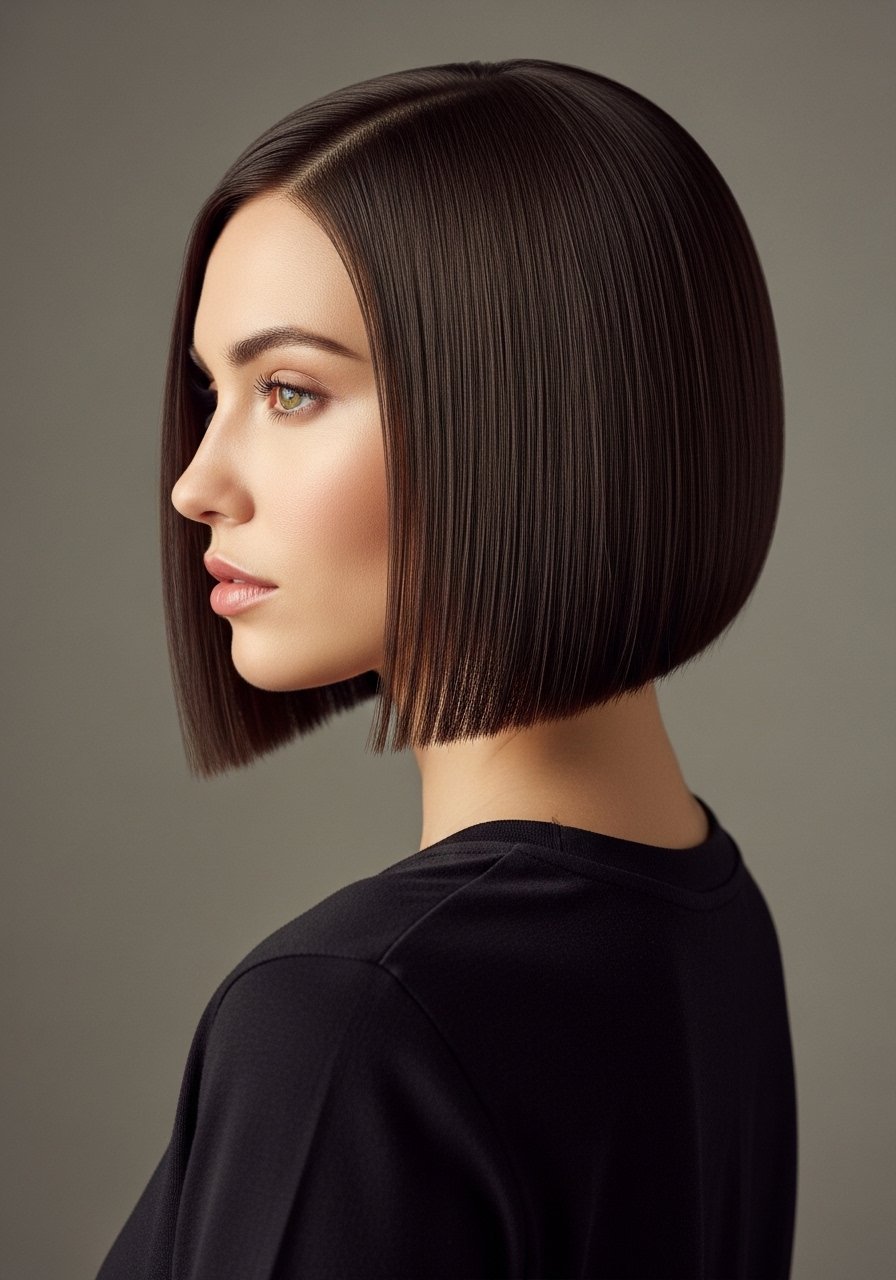
A blunt bob is the secret to making fine straight hair look fuller at the ends. Ask your stylist for zero point-texturizing at the perimeter and no more than one interior weight reduction, or it will feather out. Blow dry with a medium round brush on low heat, aiming the dryer nozzle down the hair shaft at about 300F equivalent airflow, and finish with two small pumps of smoothing oil at the ends. If you over-thin the bob with a razor you will lose the weight that makes it look dense. This cut is worth a salon visit the first time, then trims every 6 to 8 weeks.
Long Layered Lob With Face-Framing Pieces
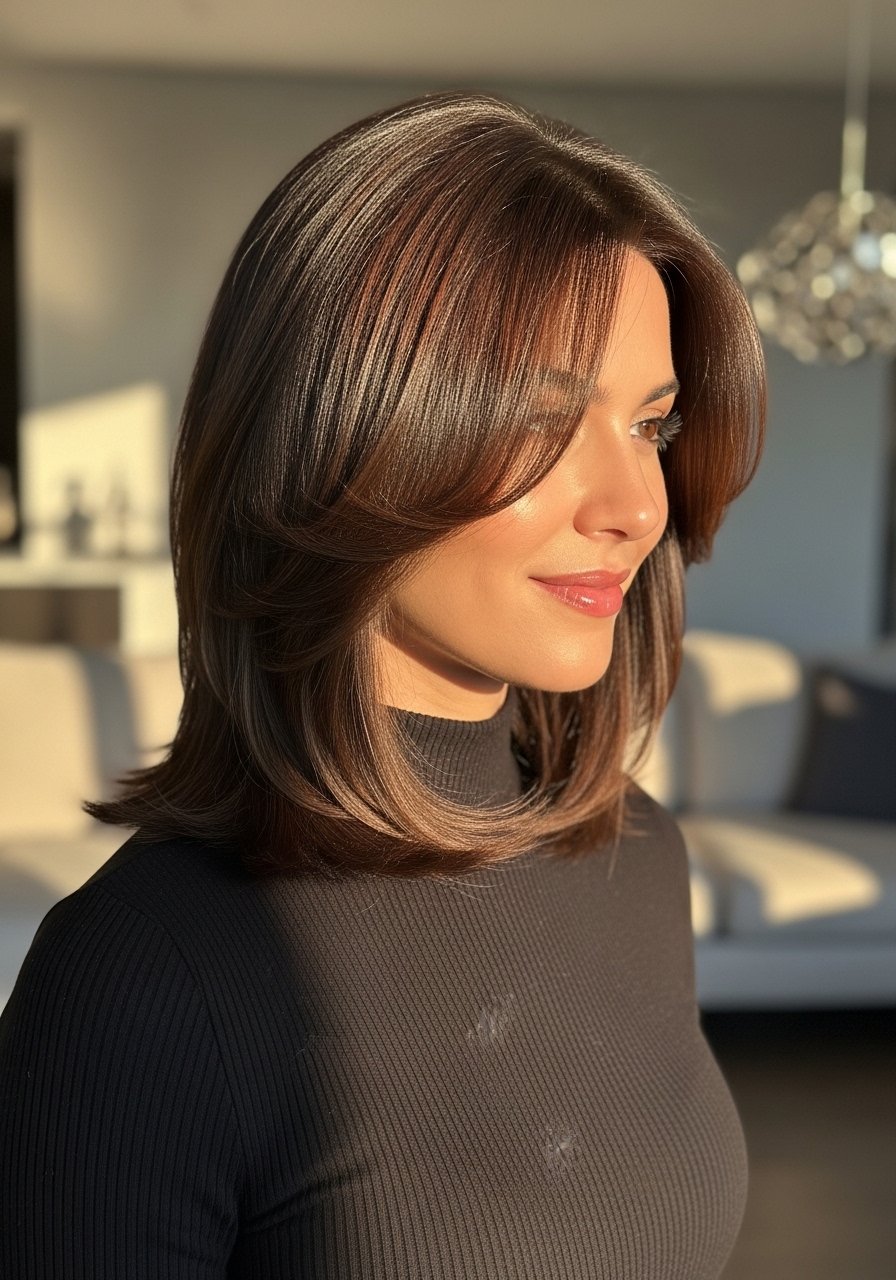
A long layered lob keeps length while adding motion so hair never looks like a flat sheet. Ask for long layers that start around the chin so the ends keep weight. When I blow dry I split hair into four panels, rough-dry to 70 percent, then smooth each section with a 1.5 inch round brush and a heat protectant applied to damp hair first. Keep your flat iron under 350F for medium density hair and use a light texturizing spray afterward to avoid stiffness. Too many short layers will make straight hair look stringy, so be specific about where the layers start.
Curtain Bangs Softly Textured For Long Faces
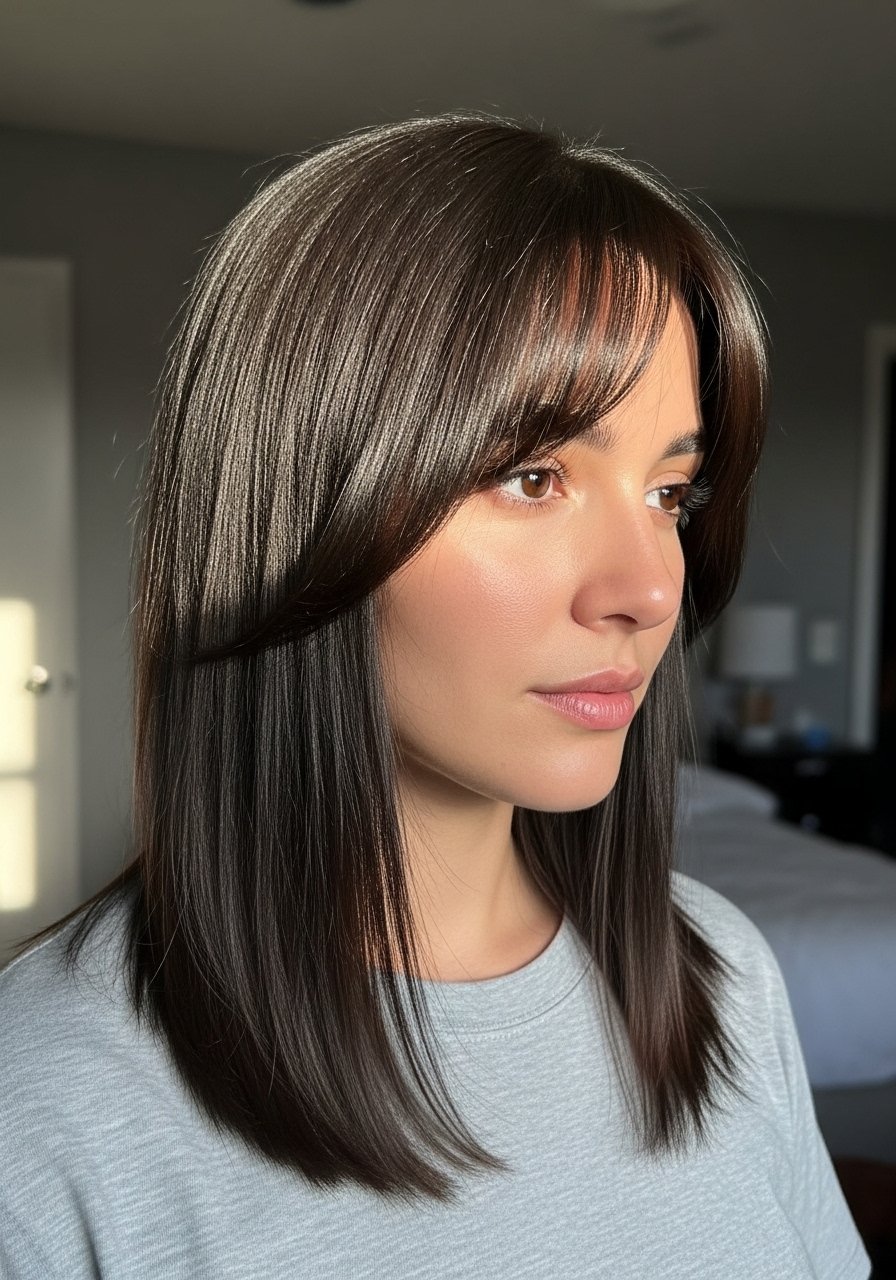
Curtain bangs are forgiving on a long face because they open the forehead instead of covering it. Tell your stylist to cut bangs a touch longer than you think, and to point cut vertical slices for softness. I style mine by drying bangs with a small round brush and then sweeping a 1-inch flat iron once at 320F to sit the ends inward. If your scalp gets oily fast, shampoo the bangs more often than the rest of your hair or use a light dry shampoo at the roots. Trim every 6 to 10 weeks to avoid that awkward heavy curtain gap.
Micro Bangs Tempered For Thick Straight Hair
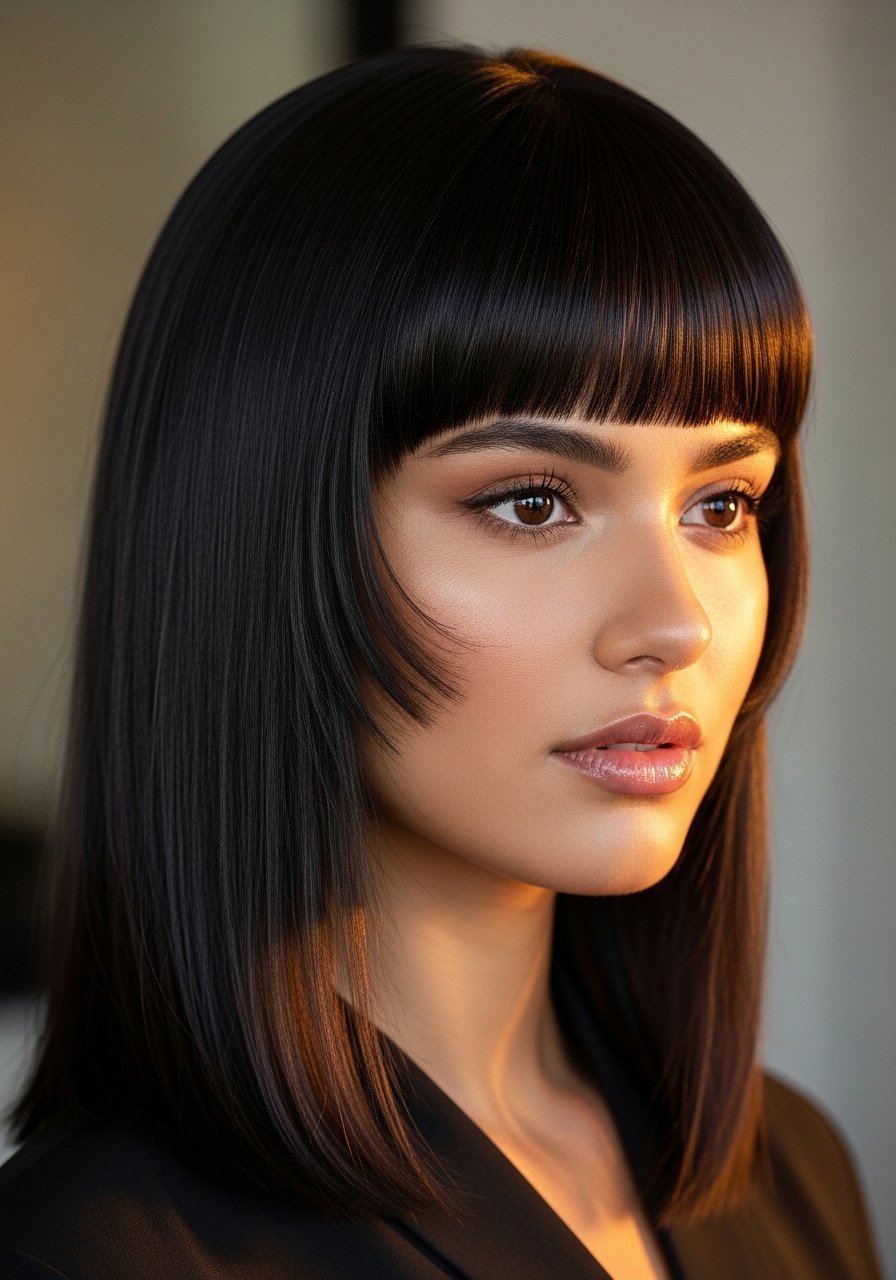
Micro bangs can actually make a square jaw look stronger if the edges are softened. For thick straight hair, the trick is to remove bulk behind the fringe in two thin vertical slices only, not across the whole top. I keep them styled with a dab of matte paste at the roots, and a light mist of flexible hold spray once the fringe is dry. The common mistake is cutting them too thick from the start. This cut is a salon job unless you are very confident with scissors.
Shag Cut Scaled Down For Straight Hair

Shags are back but skip aggressive razor slicing. For straight hair ask for staggered layers that create movement without removing weight at the tips. I ask for face-framing pieces that are cut in nine sections so they fall naturally. After the cut, two sprays of a medium hold sea salt spray through damp hair and a rough dry give lived-in texture. If your stylist uses a razor it can make straight hair feel thinner, so mention point cutting instead. This is a seasonal cut that needs a trim every 8 to 10 weeks to keep the shape.
Blunt Mid-Length Cut That Hides Split Ends
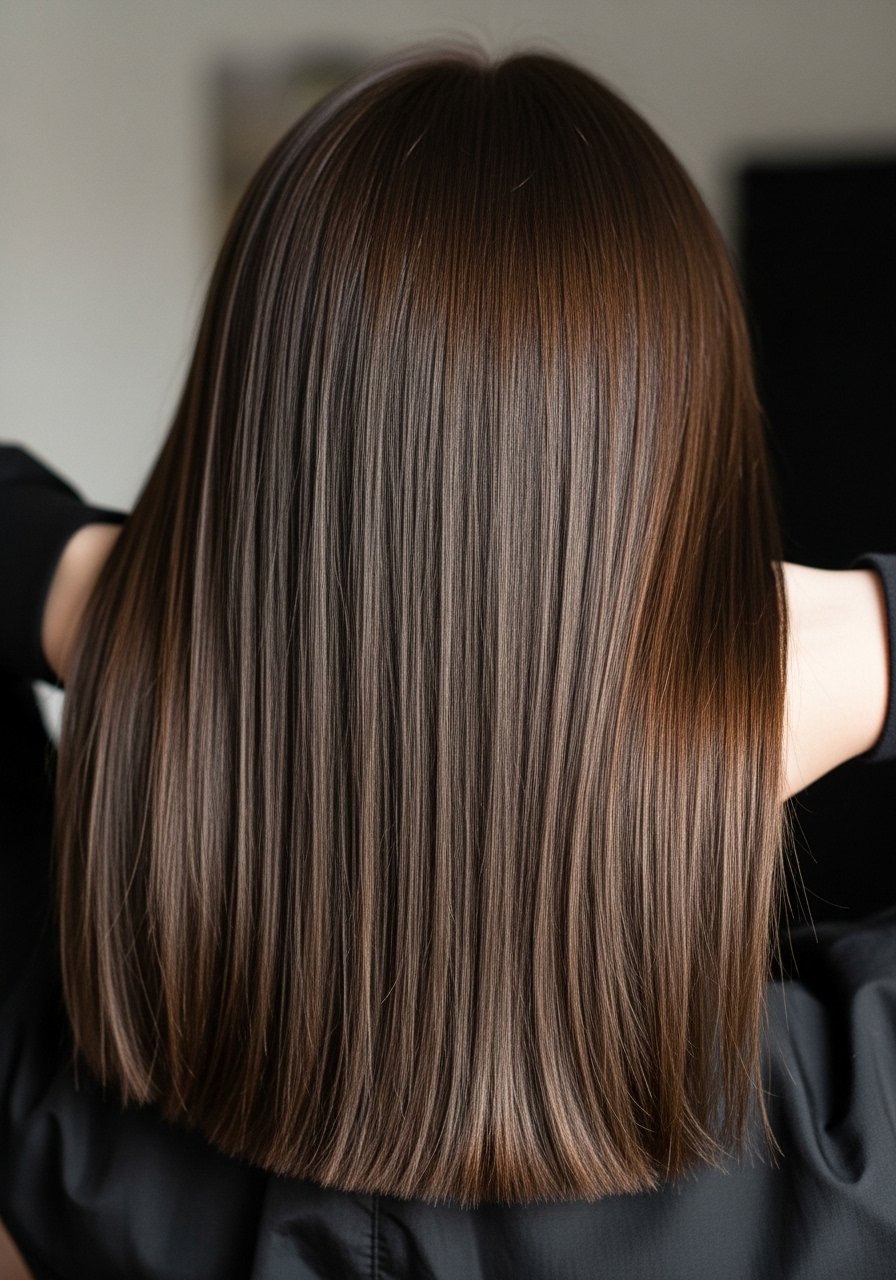
A blunt mid-length is the low-maintenance cut if your ends are fried. The straight-across line hides thin, split tips until you can afford a big trim. I treat the hair weekly with a bond builder and use one to two pumps of serum on damp mid-lengths before drying. Overzealous interior layering will expose split ends, so ask for density to be preserved. If you are repairing color or bleach damage, buy the bond builder from the brand store on Amazon or from Sephora to avoid counterfeits.
Pixie Cut With Long Side-Swept Top For Fine Hair
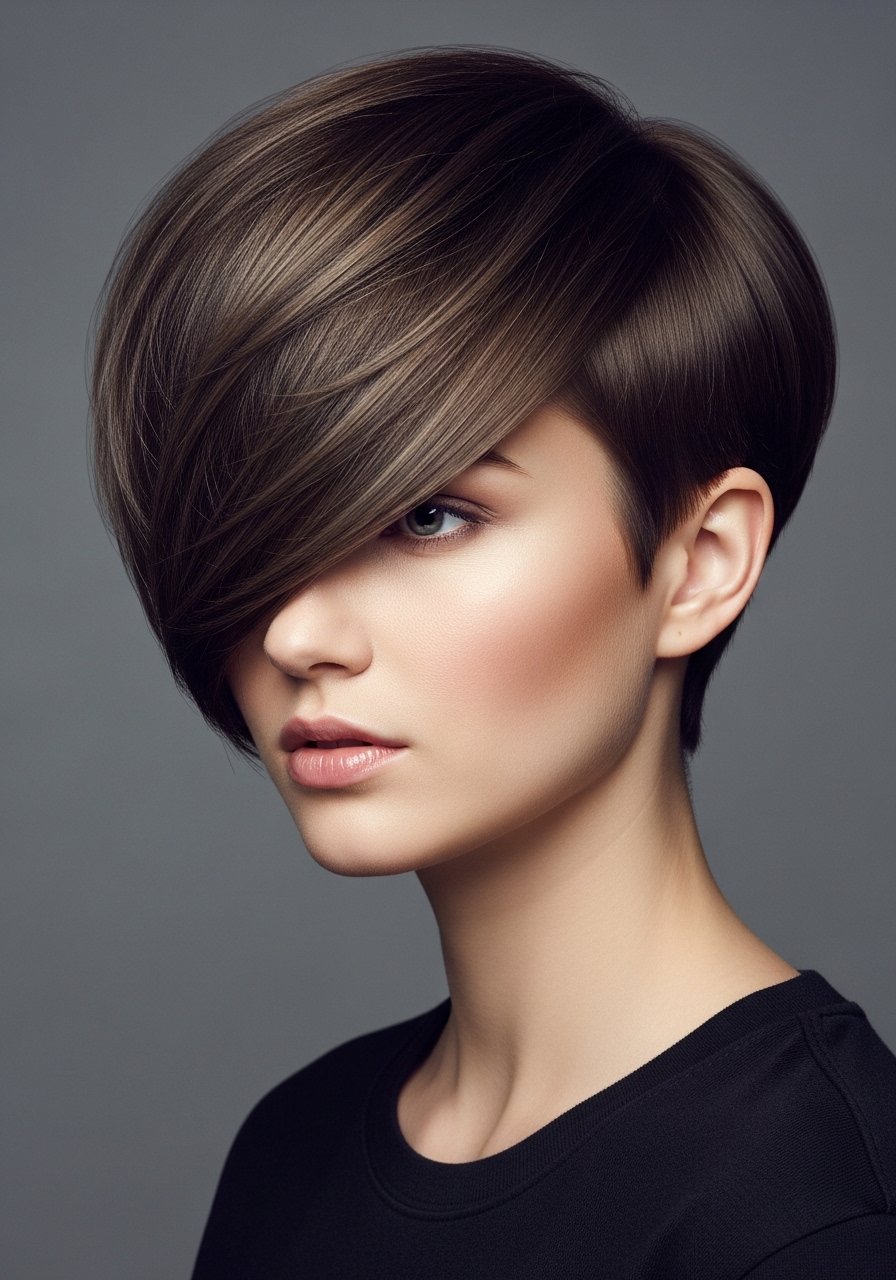
A pixie with a longer top gives fine straight hair styling options without daily flatness. I let the top grow 2 to 3 inches so I can sweep it or add volume at the roots. A tiny amount of styling cream worked into dry hair shapes the top without weighing it down. The mistake is using heavy wax which flattens the crown. Pixies are a true salon cut unless you have advanced clipper skills at home.
Straight Hair Kit I Actually Keep In My Bathroom
- Honestly the best $35 I spend most months. Olaplex No. 3 hair perfector used once a week fixed my over-processed ends. Buy from the official store on Amazon or grab it at Sephora to avoid counterfeits
- For heat protection I put it on damp hair before any hot tool. Color Wow heat protectant spray is the one I keep coming back to
- A 1-inch flat iron under 350F for medium hair is the sweet spot. A ceramic 1-inch flat iron (~$60) works for most people
- For smoothing while blow drying I use a medium round brush, 1.5-inch size. A 1.5-inch round brush saves time and gives bend
- For second-day hair I reach for dry shampoo. A lightweight dry shampoo (~$12) keeps bangs from needing daily washes
- If you want a silk option under $25 try a silk pillowcase. Hair grows about half an inch a month at most, regardless of what biotin gummies promise you
- For texture without crunch I use a light sea salt spray. A salt spray for fine hair (~$10) applied to damp roots helps volume
- Buy a quality pair of hair cutting shears for trims between salon visits. Professional hair cutting shears (~$40) will save you from bad DIY results
- For brush detangling and distributing oil I prefer a boar bristle mix brush. A boar bristle paddle brush (~$18) is underrated
Razor-Free Face-Framing Layers For Thin Straight Hair

If your hair is thin the cut that helps most is long face-framing layers where the stylist uses point cutting instead of a razor. I ask for three to five thin vertical sections around the face so each piece falls instead of sticking out. Two finger-width sections is how I describe the size I want for natural movement. After the cut I use a lightweight mousse on damp roots, then a quick blast of cool air to set volume. The mistake is asking for too many short layers which makes thin straight hair look sparse.
A-Line Bob That Slims The Neckline
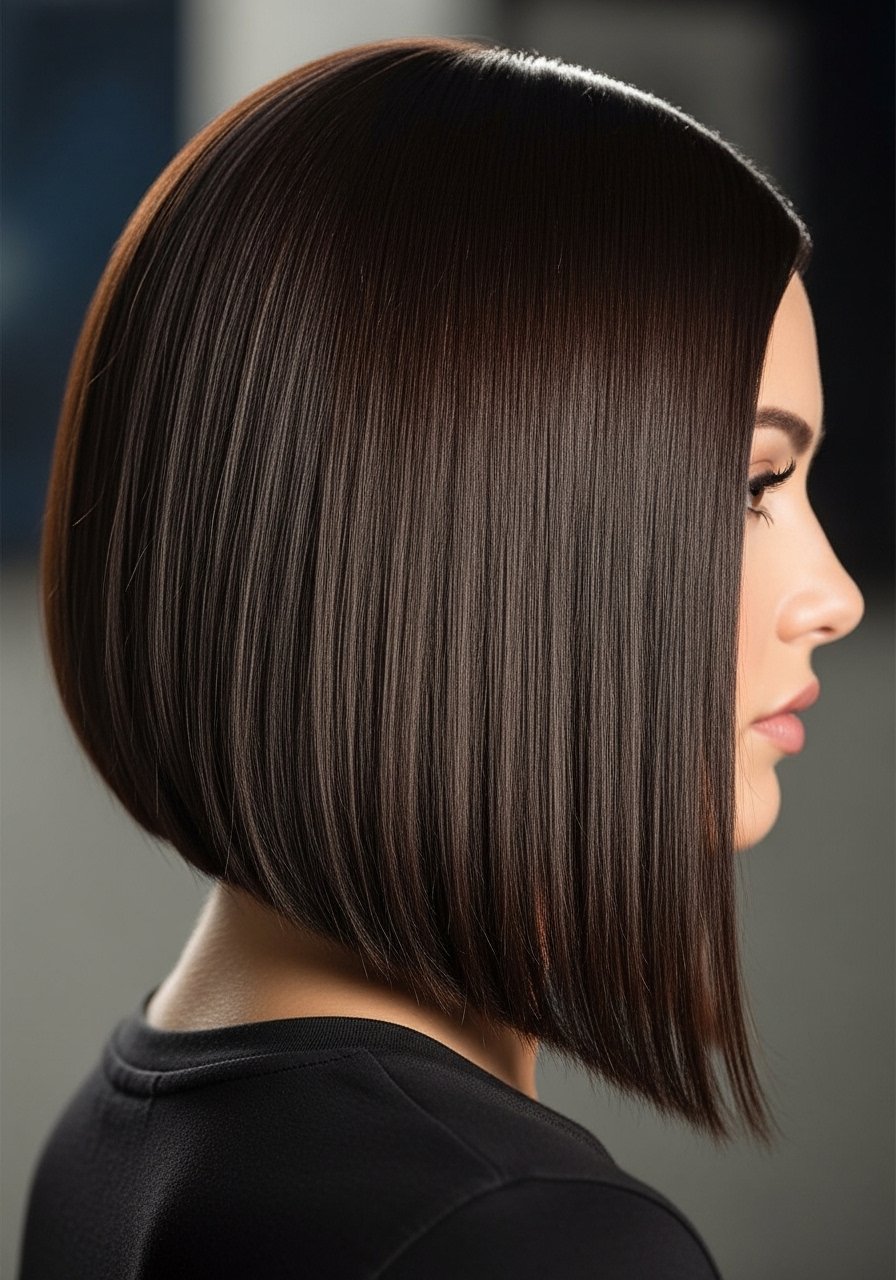
An A-line bob slopes forward and frames the jaw while keeping a dramatic perimeter. It looks especially good on people who want the illusion of length without going long. I rough-dry with fingers, then smooth the ends with a 1-inch flat iron at a low setting and finish with a pea-sized amount of serum. This cut fares better with regular trims every 8 to 12 weeks. DIYers can attempt maintenance trims, but the initial graduation is a salon-level move.
Subtle Undercut At The Nape For Lift

A small undercut at the nape gives straight hair lift at the crown without showing when you wear hair down. Keep the undercut shallow, only 1 to 2 inches deep, so it is easy to grow out. This is a salon-only job because clipper length and blending matter. If you color your hair later, warn the colorist because shaving under previously colored hair can reveal odd banding. The undercut lets you rock a quick updo with less bulk and still avoid full shaving.
Lob With Blunt Ends And Soft Interior Texture
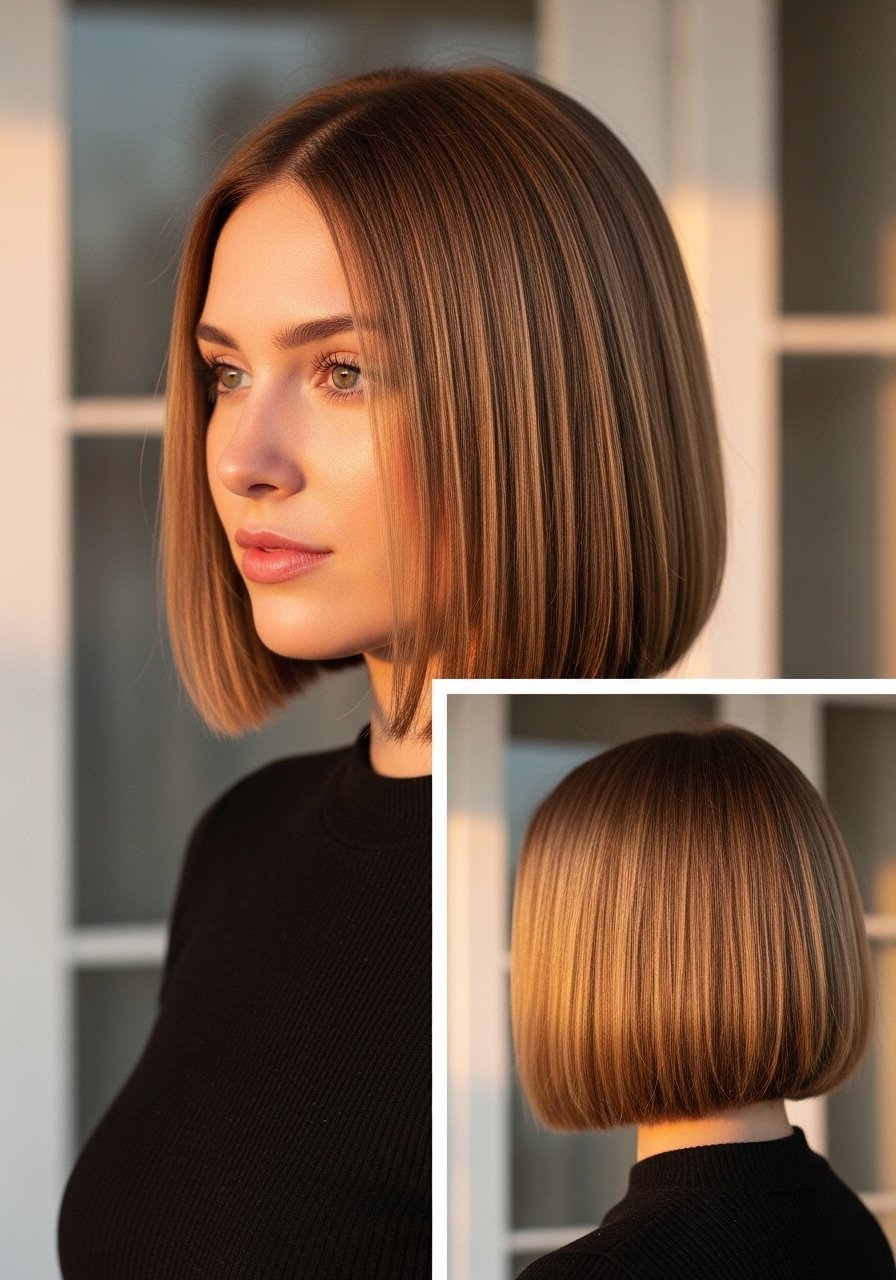
This lob keeps the outer edge blunt while removing weight inside so the ends do not stick out. Ask for interior texturizing in two horizontal sections only, not a full razor pass. On damp hair I apply a dime amount of leave-in cream, then blow dry with a paddle brush. If your ends still poof, a single pass with a flat iron at 320F smoothes them without flattening the root. Cross-reference the blunt bob above if you want something heavier at the ends.
Wispy Curtain Bangs In The Grow-Out Stage

When you are growing out bangs the wispy curtain approach is the easiest stage. Ask for light texturizing only through the middle third of the fringe, and dry-style them with a round brush so they sweep naturally. If your roots look greasy, spray a touch of dry shampoo at the hairline before styling. The mistake is piling product into the fringe which makes it heavy and flat. Trim the fringe every 8 to 10 weeks to keep the soft shape.
Long Blended Layers For Sleek Everyday Wear
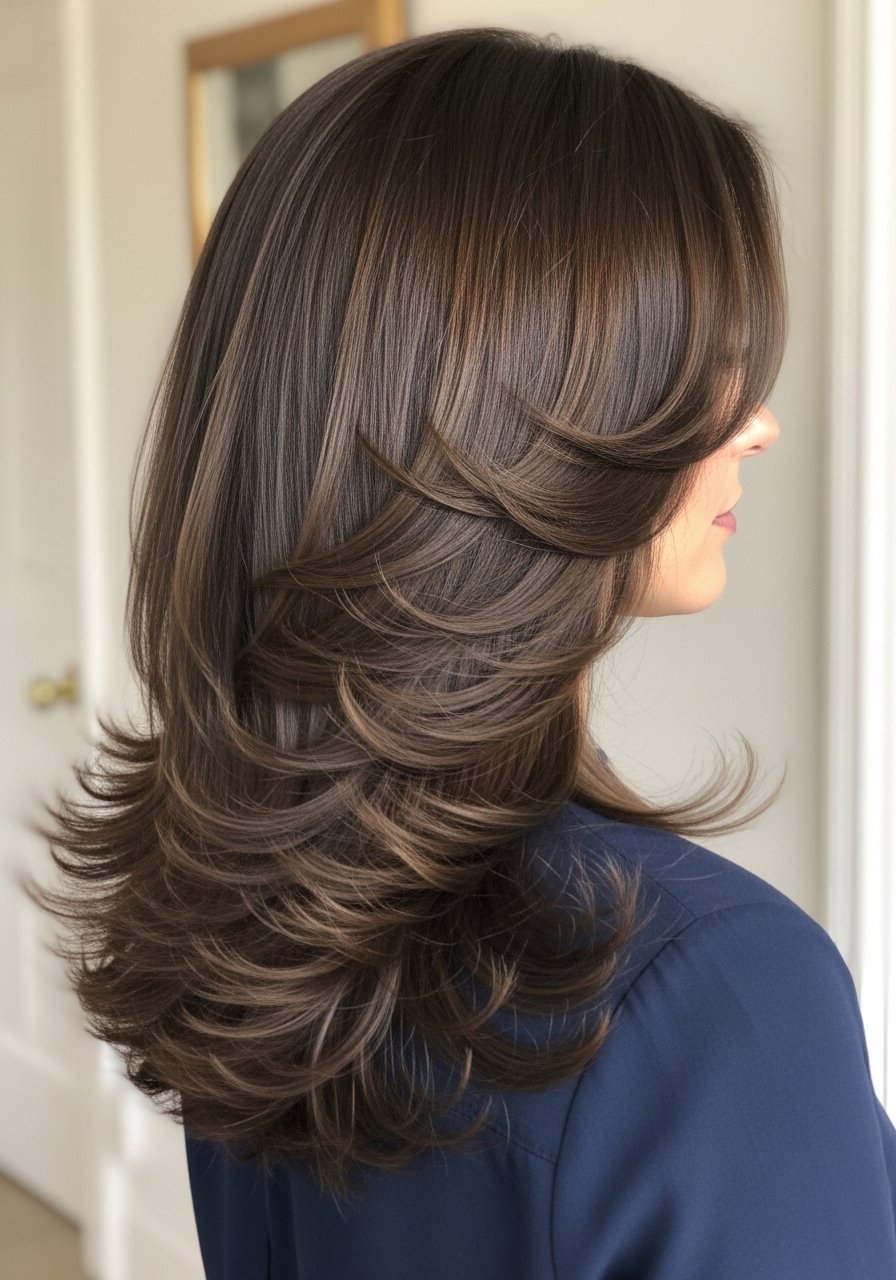
Long blended layers keep movement without losing length, which is perfect if you like sleek hair but want it to sit naturally around the face. I ask for layers that are staggered by about two inches between them, and I have my stylist leave the last inch blunt so the ends read healthy. Weekly Olaplex No. 3 treatments helped my color-treated long hair stop looking frayed. If you use heat, always spray onto damp hair first and keep the iron under 375F for safety.
What I Wish Someone Had Told Me Before Cutting Straight Hair Short
- Heat protectant goes on damp hair, not dry. The cuticle is more open and the product actually absorbs. Color Wow heat protectant spray is worth the splurge in my kit
- Buy a good pair of shears if you are trimming bangs at home. Professional hair cutting shears keep the cut cleaner than kitchen scissors
- Hair grows about half an inch a month at most, regardless of what biotin gummies promise you. If you want length, reduce breakage with a silk pillowcase and weekly bond treatments
- Swap heavy texturizing sprays for a light cream if your hair looks chalky. A small pump of light styling cream through the mid-lengths gives separation without stiffness
- If you are changing the shape dramatically, book a consult. Most stylists will charge the consult fee toward the cut so you can test the idea without a full commitment
Frequently Asked Questions
Q: Can I use Olaplex No. 3 if my hair is not damaged, or will it make it worse?
A: Use Olaplex No. 3 once every one to two weeks on hair that gets heat or chemical exposure. It will not make healthy hair worse, it just adds bond support. Buy from the official brand store on Amazon or at Sephora to avoid counterfeits.
Q: How often should I trim a blunt bob to keep the line sharp?
A: Every 6 to 8 weeks if you want the edge very crisp. Stretch to 10 weeks if you prefer softer regrowth and are okay with a slightly less precise line.
Q: Is it okay to cut curtain bangs at home during a grow-out?
A: A small upkeep trim at home is fine if you are careful. Cut vertically with point snips and only remove tiny amounts. For any major reshaping book a salon appointment.
Q: What heat setting should I use on a flat iron for straight hair?
A: Keep fine hair under 320F, medium density under 350F, and only go above 350F for thick coarse hair when necessary. Always apply a heat protectant to damp or just-dried hair first, because most sprays need time to absorb to work properly.
Q: Can a shag work on straight hair without looking messy?
A: Yes, if the layers are staggered and not razor-shredded. Ask for point cutting and minimal interior removal so the shape reads intentional instead of damaged.
Q: How often should I use dry shampoo if my bangs get greasy quickly?
A: Spot-spray the roots of your bangs every other day at most. Overuse will leave residue and make the hair look dull. A light cleansing shampoo twice a week keeps the rest of your hair from getting stripped.