
Most heat protectants you spray on dry hair before flat ironing barely work. They need to absorb into damp or just-dried hair to actually shield the cuticle. I learned that after frying a strand on too-high heat and paying to fix the damage. The nine twist styles below are the ones I actually do on myself or help friends with, the routines that hold past commute sweat, and the tweaks that stop twist-outs from going crunchy.
These styles work best for Type 3A through 4C textured hair, with a few that adapt to straighter textures if you add texturizer or light mousse. Skill level runs from beginner to intermediate. Most looks can be done at home in 20 to 90 minutes. Budget ranges from under $20 to one tool splurge around $120, and two styles I note are worth a salon visit if you want longevity.
Two-Strand Twist Out for Defined Second-Day Curls
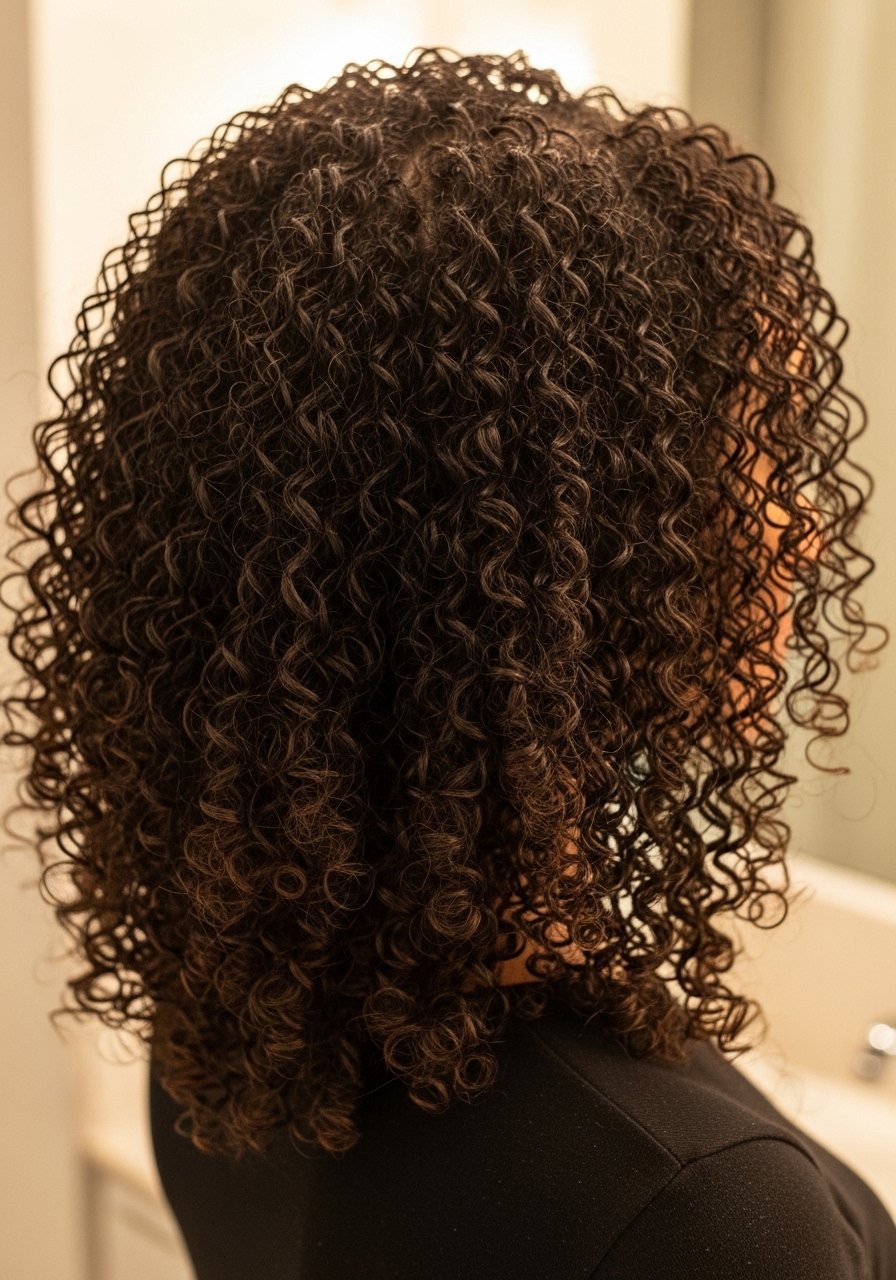
The two-strand twist out is the one I reach for when I want bounce without shrinking my length. Start with damp, detangled hair in 12 equal sections for shoulder-length hair. Apply a pea-sized amount of leave-in per section then smooth a cream, and finish each twist with a dime-size of holding gel at the ends. After air-drying or diffusing on low for 25 minutes, untwist with oil on your fingertips to avoid frizz. If your hair is Type 3A to 4C, this gives defined springy curls and stretches coils without heat. Common mistake is making twists too thick, which leaves the middle limp. For product help try SheaMoisture Curl Enhancing Smoothie layered under a light gel. This routine takes 45 to 75 minutes depending on section count.
Flat Twist Crown That Holds All Day
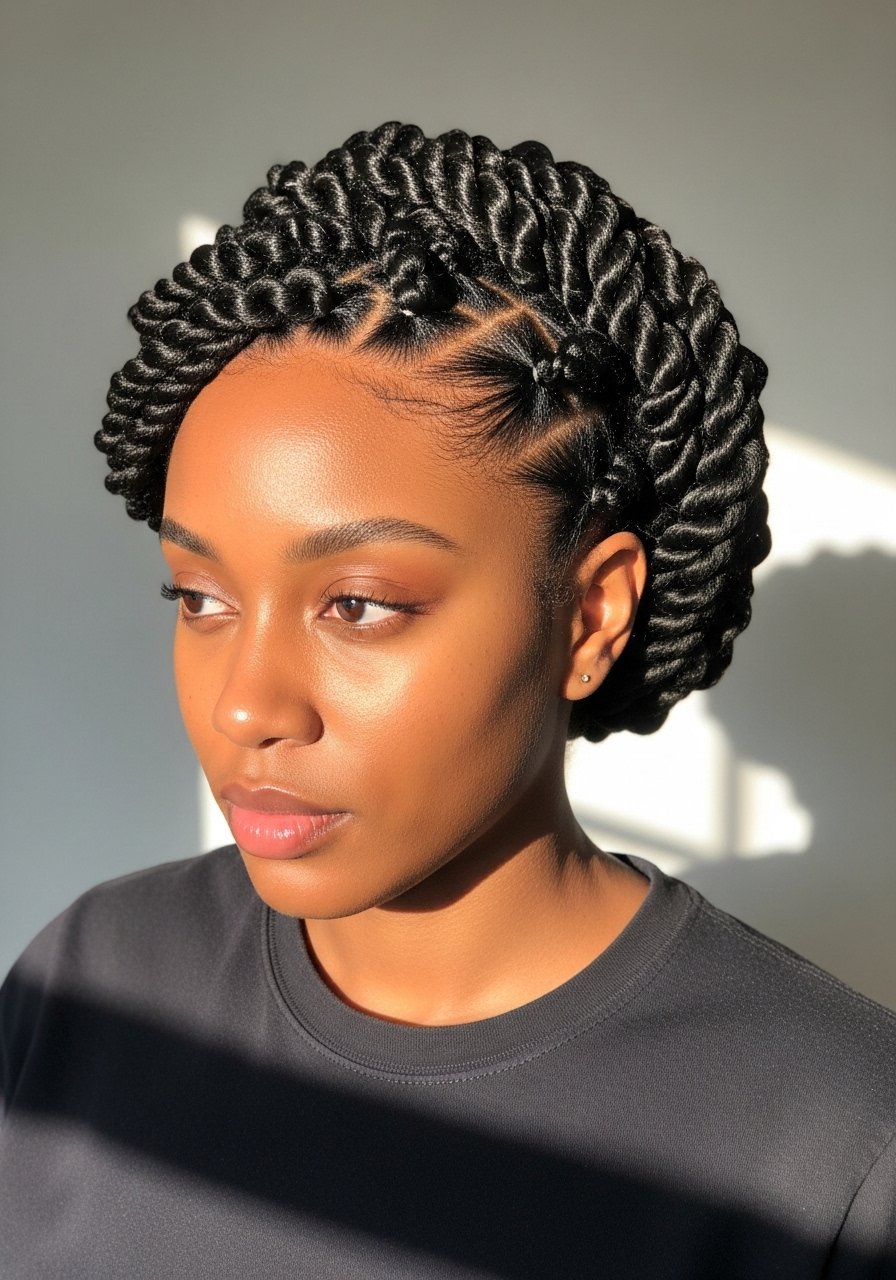
Flat twists along the hairline, wrapped into a crown, are my go-to when I need a polished look that survives humidity. For best results on Type 3B to 4C hair, part hair into 8 subsections and use small, controlled two-finger twists for clean edges. Apply a light gel to the section, then smooth with a boar bristle brush to keep the parts crisp. It is a common frustration that crowns puff at the back by noon. The trick is a loose satin scarf for 10 minutes after styling to set the pattern. If you want to book it, a stylist can tuck and pin extensions for longer wear. I use Denman-style paddle brush to smooth sections and a small amount of edge control for flyaways. Avoid over-tight twisting that strains the hairline.
Rope Twists for Fine or Slippery Hair That Actually Stay
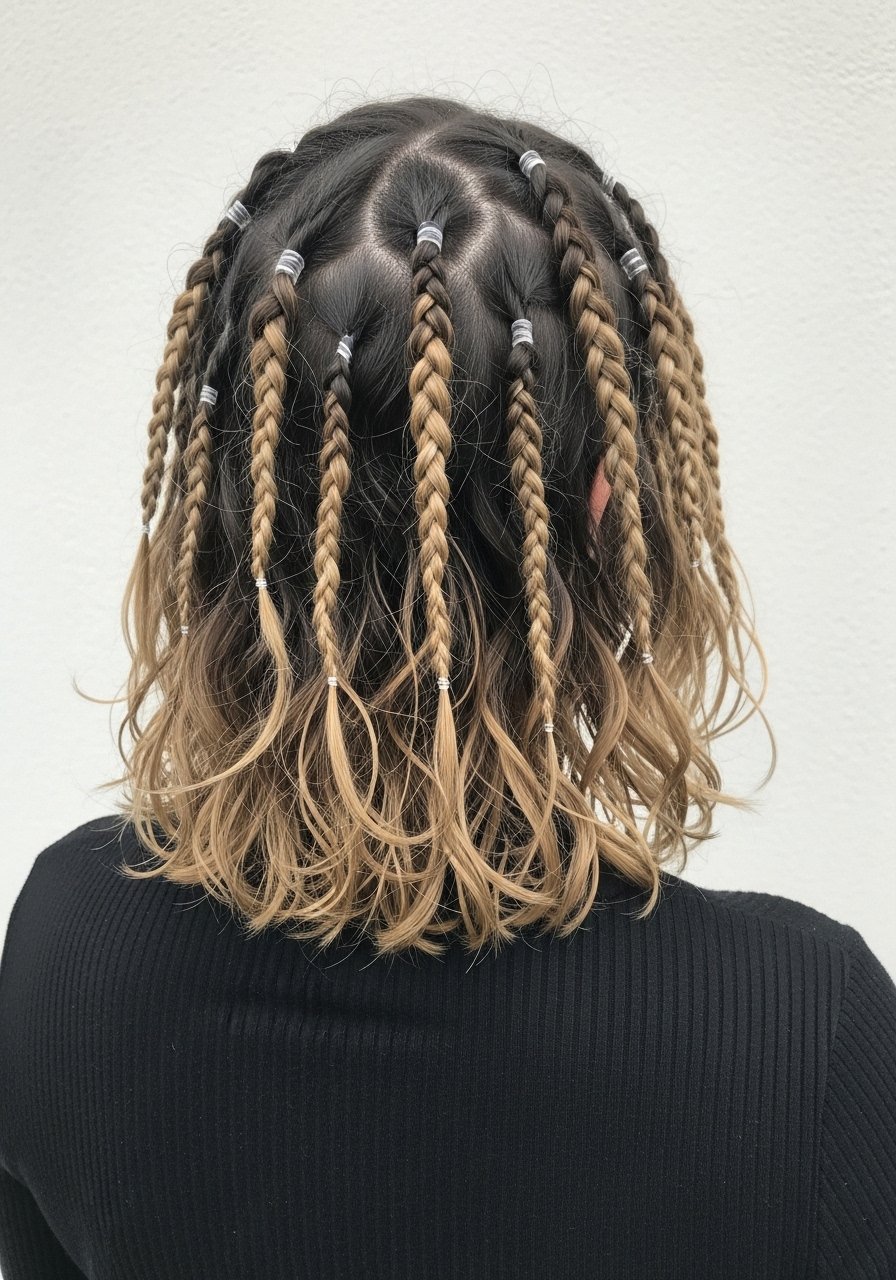
Fine waves and low-porosity hair often need grip, which makes rope twists hard to keep. My trick is a light texturizing spray before sectioning and twisting two thin strands around each other with one full wrap per inch. For 2A to 3B hair, two spritzes of sea salt spray on damp hair gives enough tooth without drying it out. A common mistake is using too much oil at the roots before twisting, which causes slippage. Rope twists take 20 to 40 minutes for shoulder-length hair and can be worn three to five days. For texture I reach for Bumble and bumble Surf Spray applied sparingly at the scalp and mid-lengths.
Senegalese-Style Long Twists With Safe Extension Tips

If you want long, smooth twists with extensions, go slow and prioritize the base. For Type 3B to 4A hair, have your stylist cornrow the base in 6 to 10 sections to distribute weight. Use lighter Kanekalon or Marley hair, and keep each twist at 0.5 to 0.75 inch thickness so your scalp does not carry too much load. The DIY trap is using heavy hair and skipping the root tension checks. Leave-in maintenance is simple, two drops of oil at the scalp once a week and a satin bonnet at night. If you buy extensions on Amazon, watch for counterfeits and consider buying from the official brand store or a salon. A good starter buy is synthetic braiding hair but budget for a professional install if you have any scalp sensitivity.
Mini Twists for Low Manipulation and Slow Growth
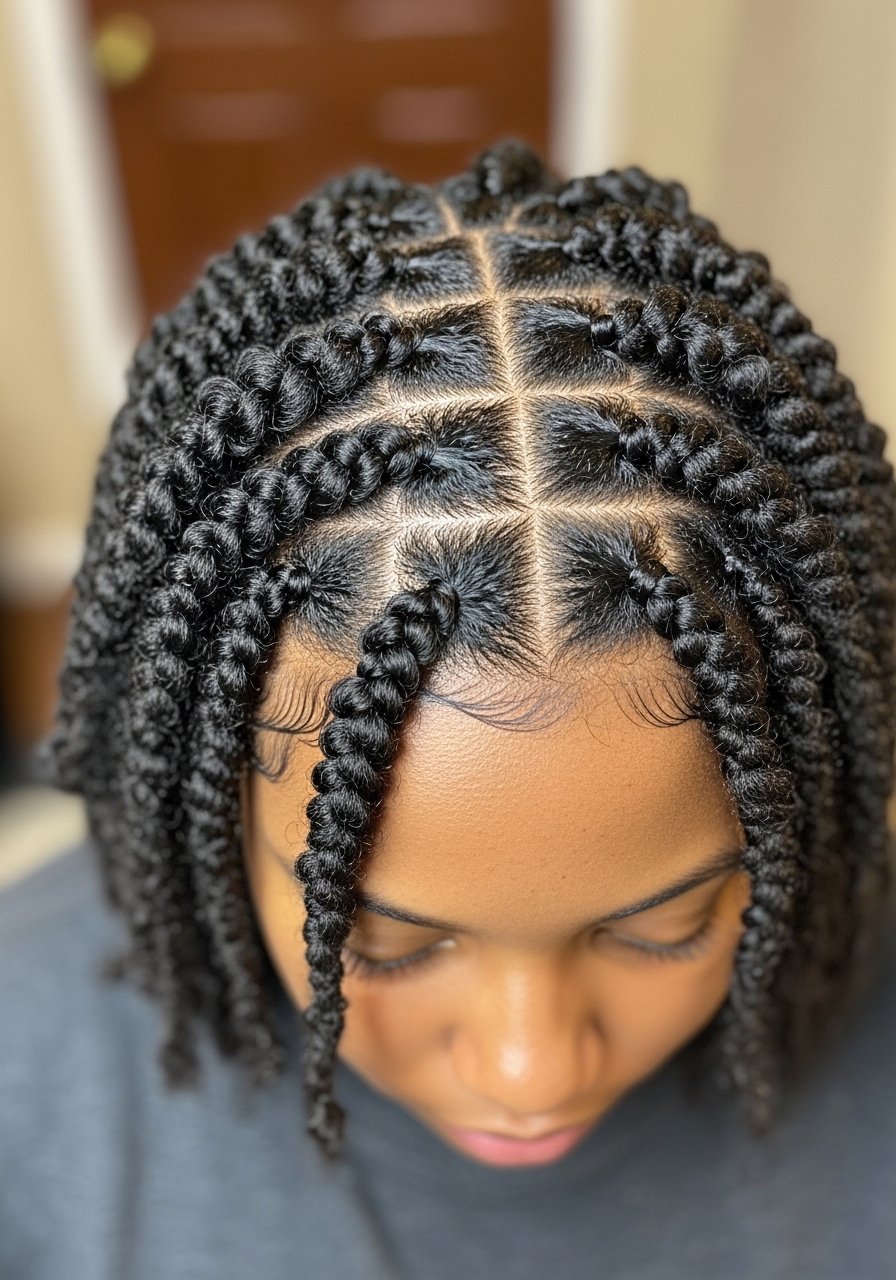
Mini twists are the low-manipulation answer I recommend to friends who want length retention. They cut daily styling time because you can go weeks without redoing individual sections. For Type 3C to 4C hair, use 1/8 inch sections and a dime-size of cream to each before twisting. Expect 2 to 4 hours for a full head, but the payoff is two to three weeks of styling if you sleep on a silk scarf. A frequent frustration is mini twists that unravel at the ends. Knot the tips or dip them in warm water for one second then smooth with a very small amount of gel. If you see scalp irritation, loosen the technique or book a salon appointment. A handy tool is a wide-tooth comb to detangle before you start.
Twisted Half-Up Top Knot for Lazy Days That Look Put Together
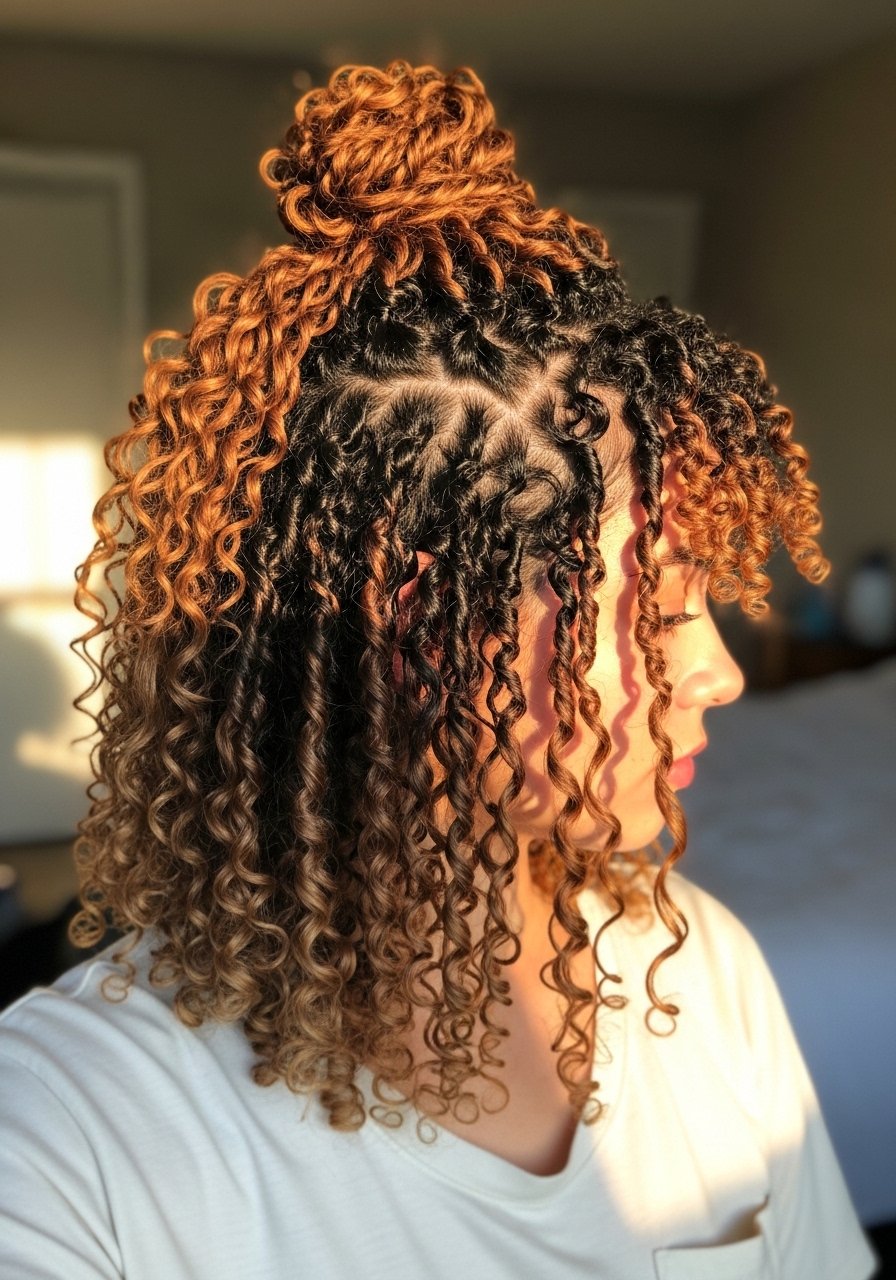
When my roots need a break but I still want volume, a twisted half-up top knot works every time. Split the top half into 6 medium twists, secure them into a loose knot at the crown and let the rest hang. On 2C to 4B hair this gives instant lift and hides oily roots for one to two days. People often pack the knot too tight, which hurts and creates kinks; keep it loose. This take-five styling trick needs about 10 to 20 minutes and looks better with a light dry shampoo at the roots if your scalp is oily. I like Batiste dry shampoo for quick refreshes.
Twist-and-Flat Iron Smooth Finish for Sleek Ends
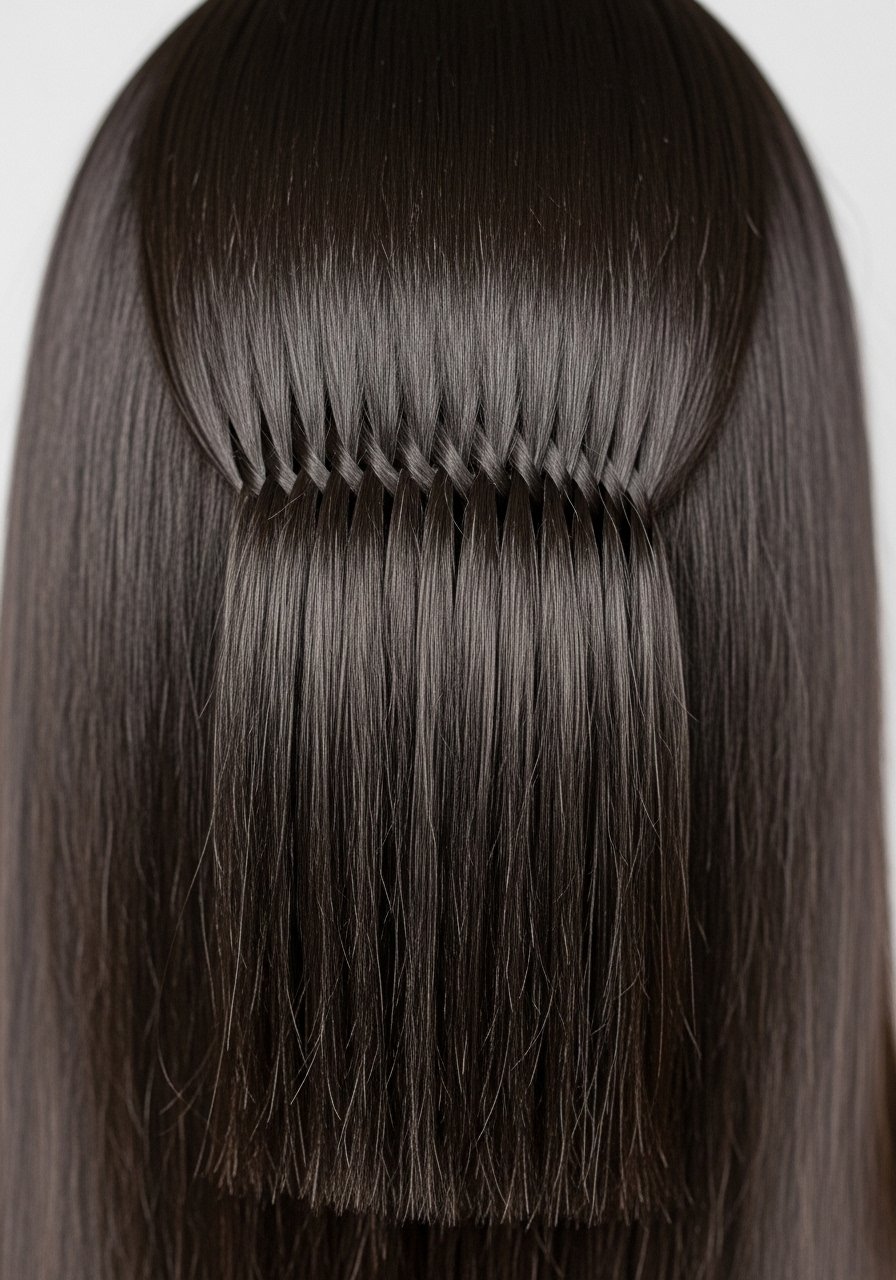
If you want the twist pattern at the roots with straight, sleek ends, this hybrid is my go-to for special events. Work on clean, low-porosity hair to avoid steam damage. Blow-dry fully, apply a heat protectant while hair is damp, and always remember heat protectant before any iron over 300F. Then set 10 to 12 twists at the crown and flat iron the lengths at 330 to 350F for relaxed textures. Use a medium ceramic iron and one slow pass per section. The main safety note is do a small test strand if your hair has been color treated. For a bond-building pre-wash, Olaplex No. 3 hair perfector once a week saved my ends after a bad at-home color job, just buy from the official seller to avoid counterfeits.
What I Keep In My Twist Styling Kit
- Honestly the best $30 I spend most months, Olaplex No. 3 hair perfector, used once a week before deep conditioning. Buy from the official store on Amazon or grab it at Sephora to be safe
- For detangling before twists, a wide-tooth comb and a Denman-style paddle brush help create clean parts
- For hold without crunch, SheaMoisture Curl Enhancing Smoothie and a light gel like Eco Styler Gel work in tandem
- For nighttime protection, a silk pillowcase queen size under $25 cut my morning frizz dramatically
- For extensions, synthetic braiding hair if you are DIY, but budget for a pro install for long-term wear
- For quick texture on slip-prone hair, Bumble and bumble Surf Spray two light spritzes on damp hair
- For sleepy refreshes and second-day separation, a microfiber hair towel and a satin bonnet
- For edges and small flyaways, eco-friendly edge control in a small jar
Bantu Knot-Out for Tight, Springy Definition
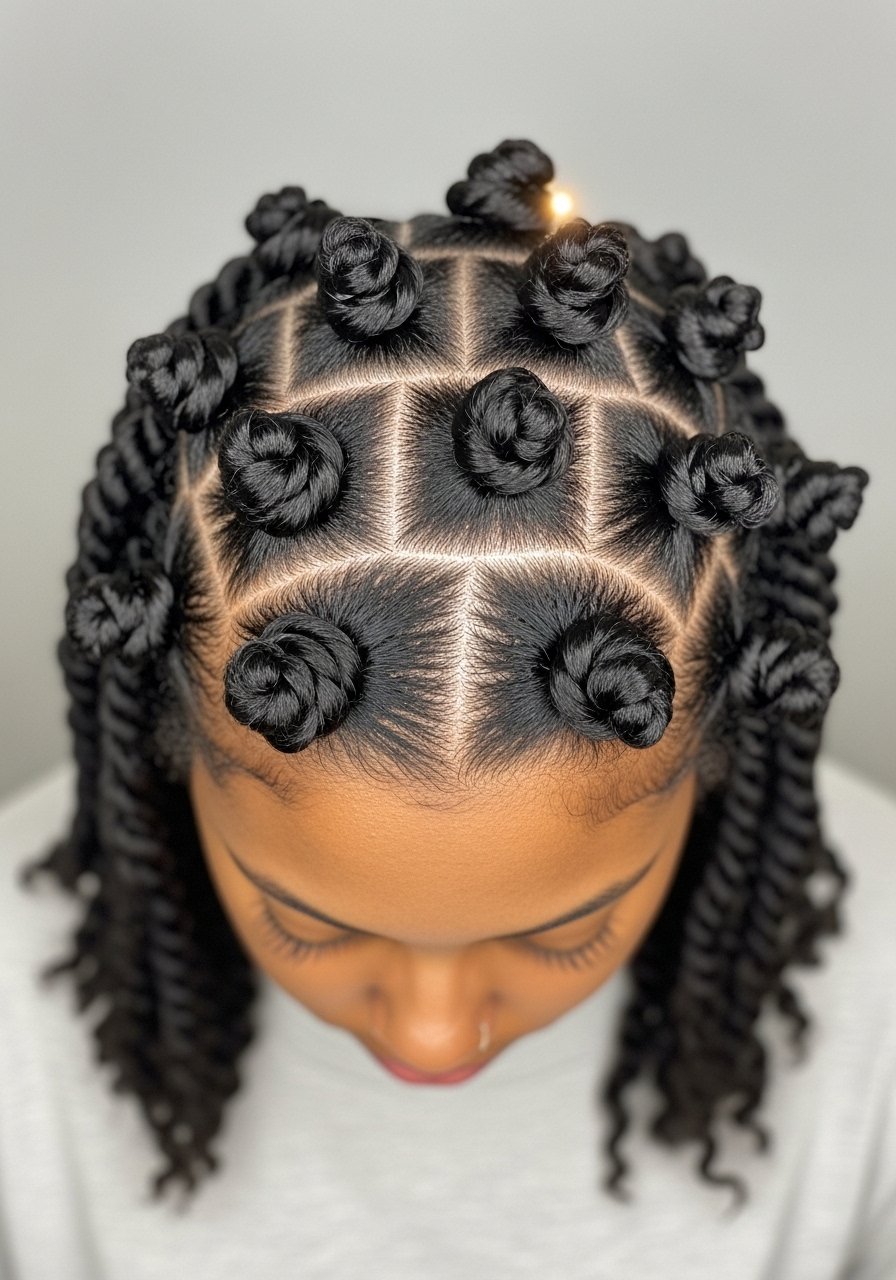
Bantu knots are the quickest way to amplify tight curl patterns without heat. On Type 3C to 4C hair, make 20 to 40 small sections depending on density. Use a lightweight cream and twist the hair into a small knot, pinning each with bobby pins. Let them sit overnight or until fully dry, then unravel with oil on your fingers to reduce frizz. A lot of people expect instant length. You will get definition and shrinkage, and that is the point. This style lasts up to a week if you sleep with a satin scarf and refresh with a light mist. If your scalp is sensitive, avoid tight sectioning and give your scalp short breaks between sessions. Mielle Organics Twist & Restore can help maintain moisture during the set.
Ladder Twist Accent for Shorter Face-Framing Pieces
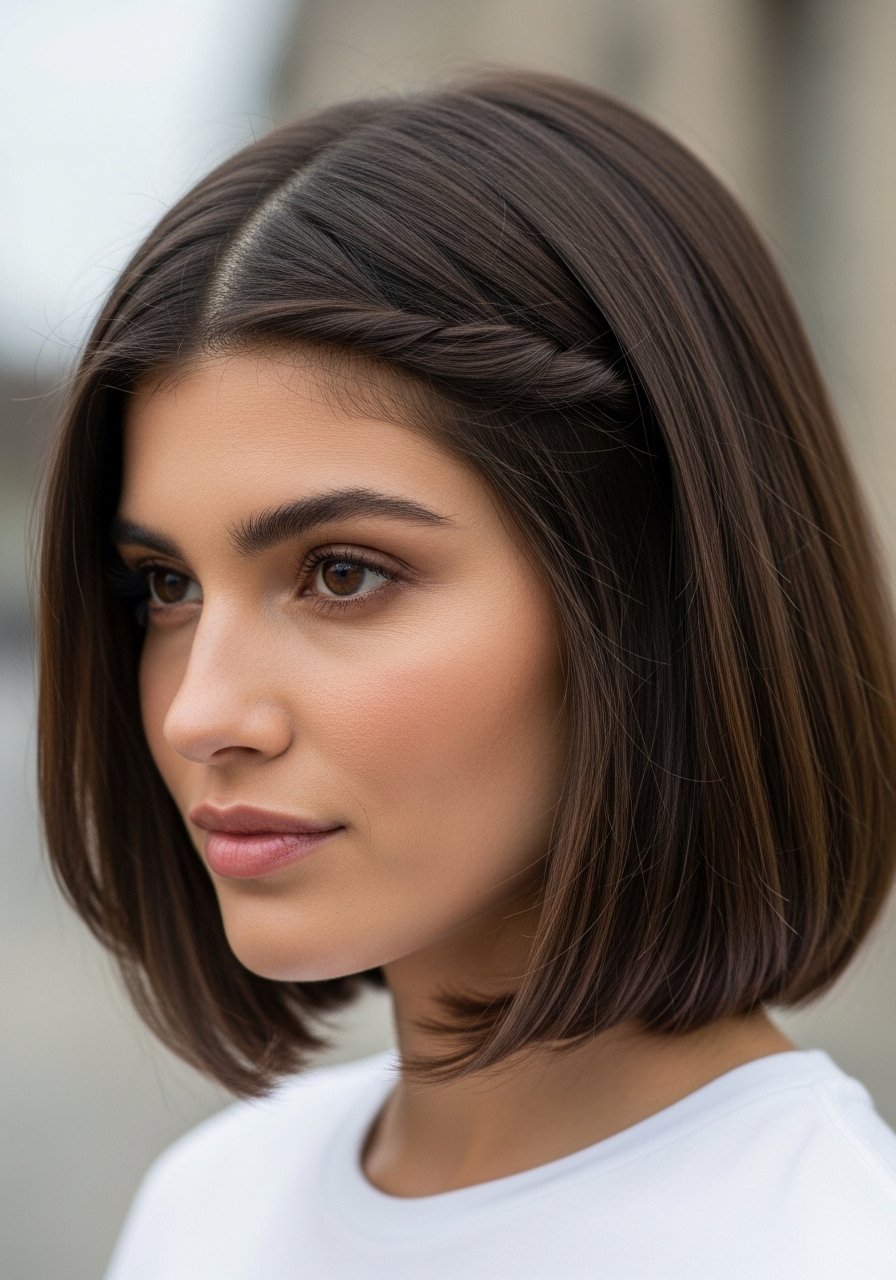
If your hair is shorter, you can still get the twist look with ladder twists as accents. On straight to wavy hair 1B to 3C, take two small sections near the face, twist them back and pin flat for an ear-to-ear ladder effect. This gives the impression of a styled updo while keeping most hair down. I use a tiny dab of lightweight cream to keep the pieces sleek and a single bobby pin hidden under the twist. The result is polished in five minutes and great for second-day hair. Common mistake is using too much product up front which weighs hair down. For fine hair try Oribe Supershine Moisturizing Cream sparingly, or grab a drugstore alternative at your local store.
The Mistakes I Made So You Do Not Repeat Them
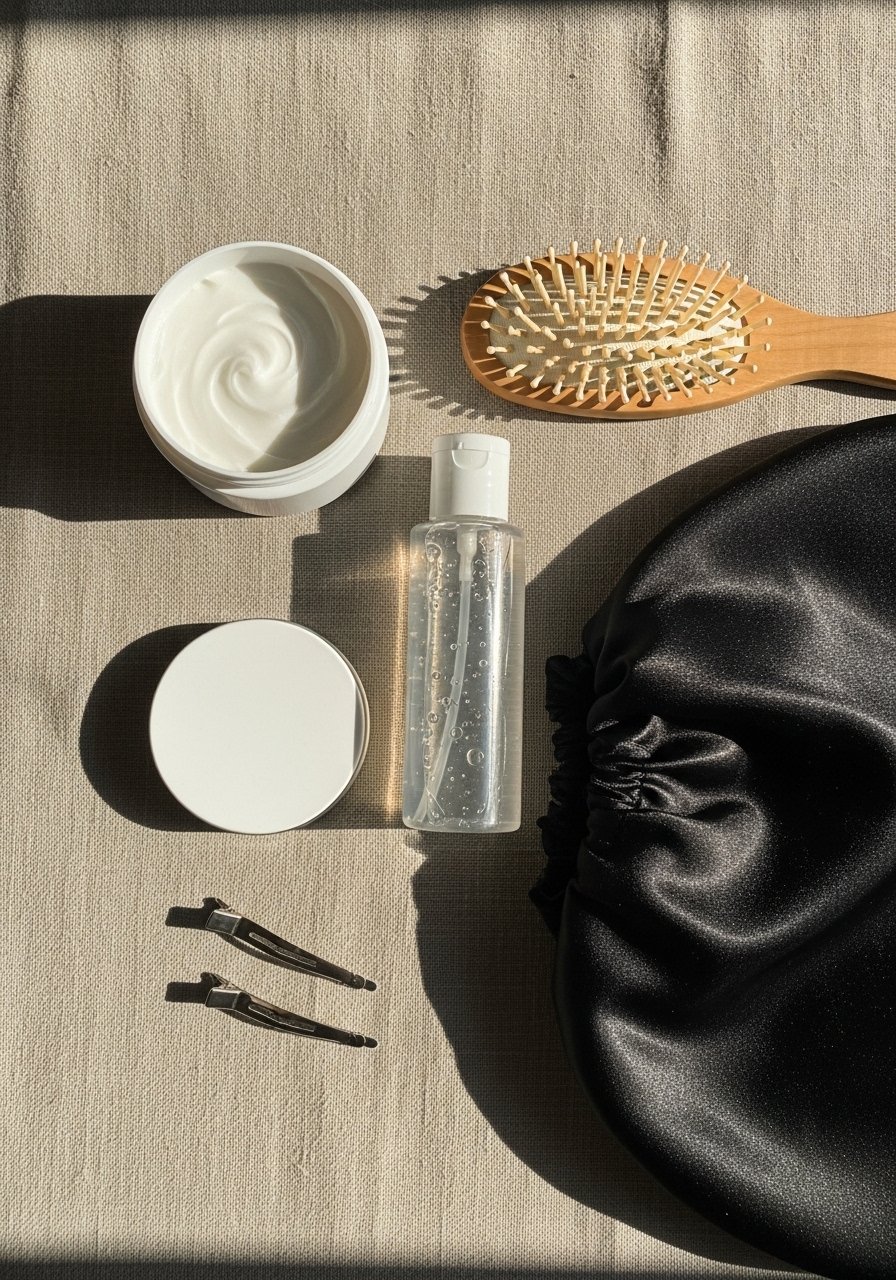
Heat protectant goes on damp hair, not dry. The cuticle is more open and the product actually absorbs. A Color Wow heat protectant alternative is one I recommend testing on a small strand first. Grab a microfiber hair towel for $12. It cuts your blow dry time by a third and stops the frizz before it starts. Hair grows about half an inch a month at most, regardless of what biotin gummies promise you. The thing that helps length retention is reducing breakage with a silk pillowcase and weekly bond treatments. Most stylists I follow say you hear "do less" a lot because overworking hair is the biggest invisible damage.
Frequently Asked Questions
Q: How often should I redo mini twists so they do not damage my hair?
A: For Type 3C to 4C hair, take the twists down every two to three weeks. Leaving mini twists in longer increases the chance of matting and single-strand knots. If you see breakage around the edges, loosen the twist size or do a one-week break between installs.
Q: Can I use Olaplex No. 3 if my hair is not visibly damaged?
A: Yes. Olaplex No. 3 is safe for occasional use as a strengthening pre-wash treatment. Use it once a week and buy from the official Amazon store or Sephora to avoid counterfeits. It will not make hair worse, but it will not regrow hair faster. It helps reduce breakage during chemical or heat services.
Q: My twist-outs get crunchy. What am I doing wrong?
A: Crunch comes from too much gel or not sealing in oil after the product dries. Try a cream first, then a light gel only at the ends, and smooth with one or two drops of oil when your twists are dry. Also try loosening the twist size for a softer hold.
Q: Is it safe to flat iron after doing twists?
A: Yes if you follow safety steps. Heat protectant before any iron over 300F is essential. Let hair fully dry, apply the protectant to damp hair and let it absorb, then flat iron at 330 to 350F for textured hair needing a sleek finish. If your hair has been recently colored or lightened, do a test strand and consider a pro.
Q: How often should I wash hair with extensions in twists?
A: With synthetic extensions, wash every 2 to 3 weeks using a diluted shampoo and focusing on the scalp. Too-frequent washing loosens knots and can cause shedding, while leaving dirt and product on the scalp leads to itch and buildup. Use a light conditioner on the lengths and always dry fully to avoid mildew.