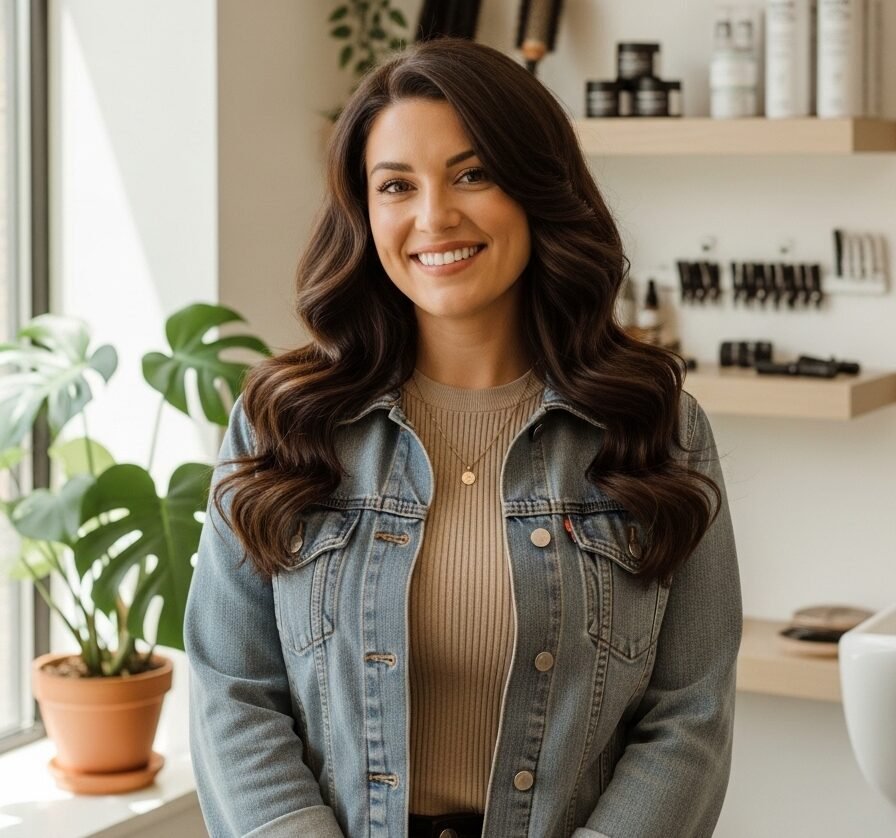
I once spent an hour with a round brush and left the dryer on high until my ends looked like straw. After switching techniques and cutting heat by 20 percent, my hair actually kept a shape without feeling crunchy. These 11 ideas are the ones I used when my hair was long and thin, so they work in real life, not just for a flat-lay photo.
These ideas suit fine straight to fine wavy long hair, roughly shoulder length to mid-back. Expect most looks to take five to 25 minutes, and budgets from under $15 up to one tool splurge. Most are doable at home, a couple are worth a salon visit.
Low Loose Braided Ponytail That Adds Weight
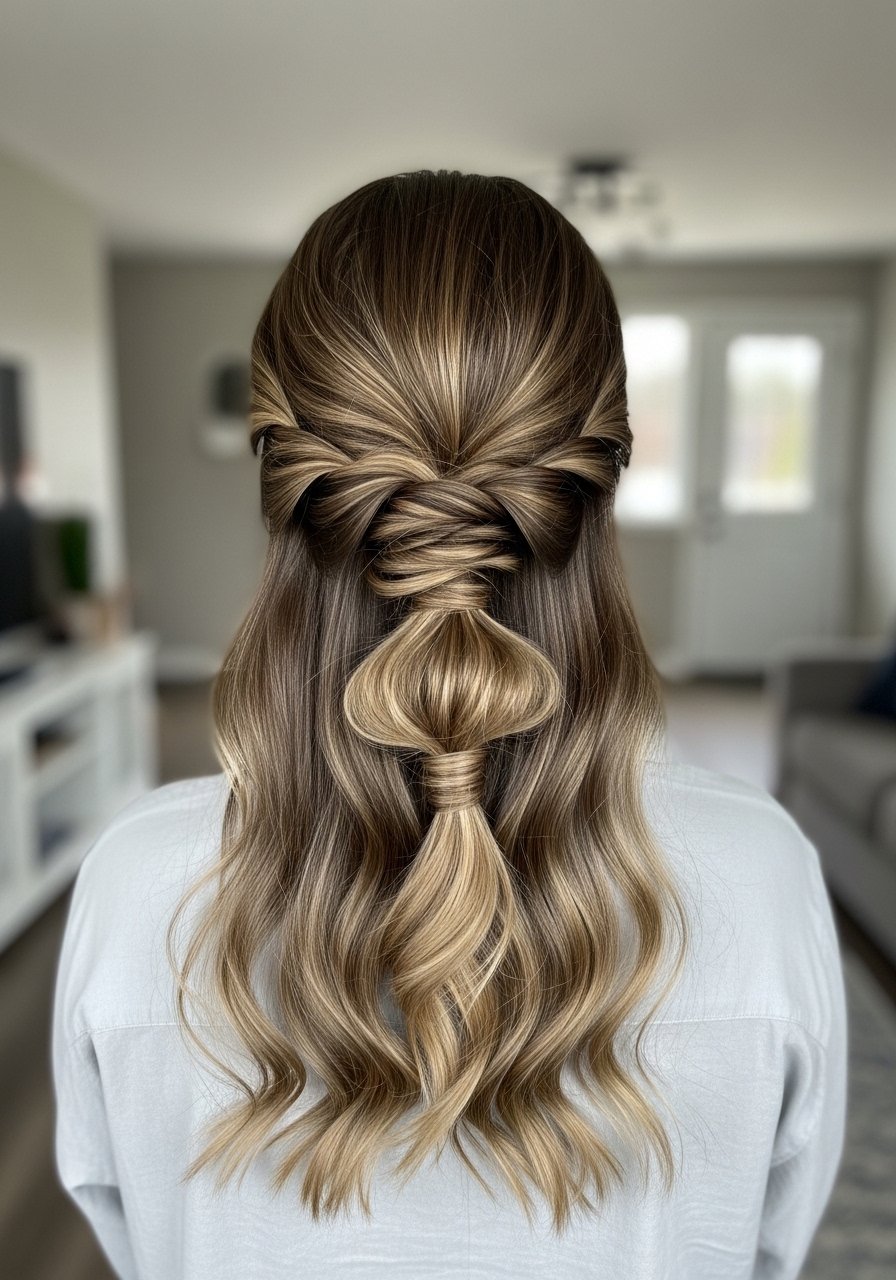
If your hair swims around the neck and refuses to look like it has weight, a low loose braided ponytail creates the illusion of density while being quick. For fine long hair start with two 1-inch sections at the crown, backcomb a single inch under each, then gather hair at the nape and tie, leaving a 2-inch tail to braid. A spritz of texturizing spray through the mid-lengths holds the braid without crunchy residue. For product I like a light salt spray; two to three spritzes are enough. This works best on fine wavy or straight hair. Mistake to avoid, braiding too tightly flattens the roots. Salon note, ask for soft long layers to help the braid sit without creating gaps at the edges.
Curtain Bangs Grown Out For Long Thin Hair
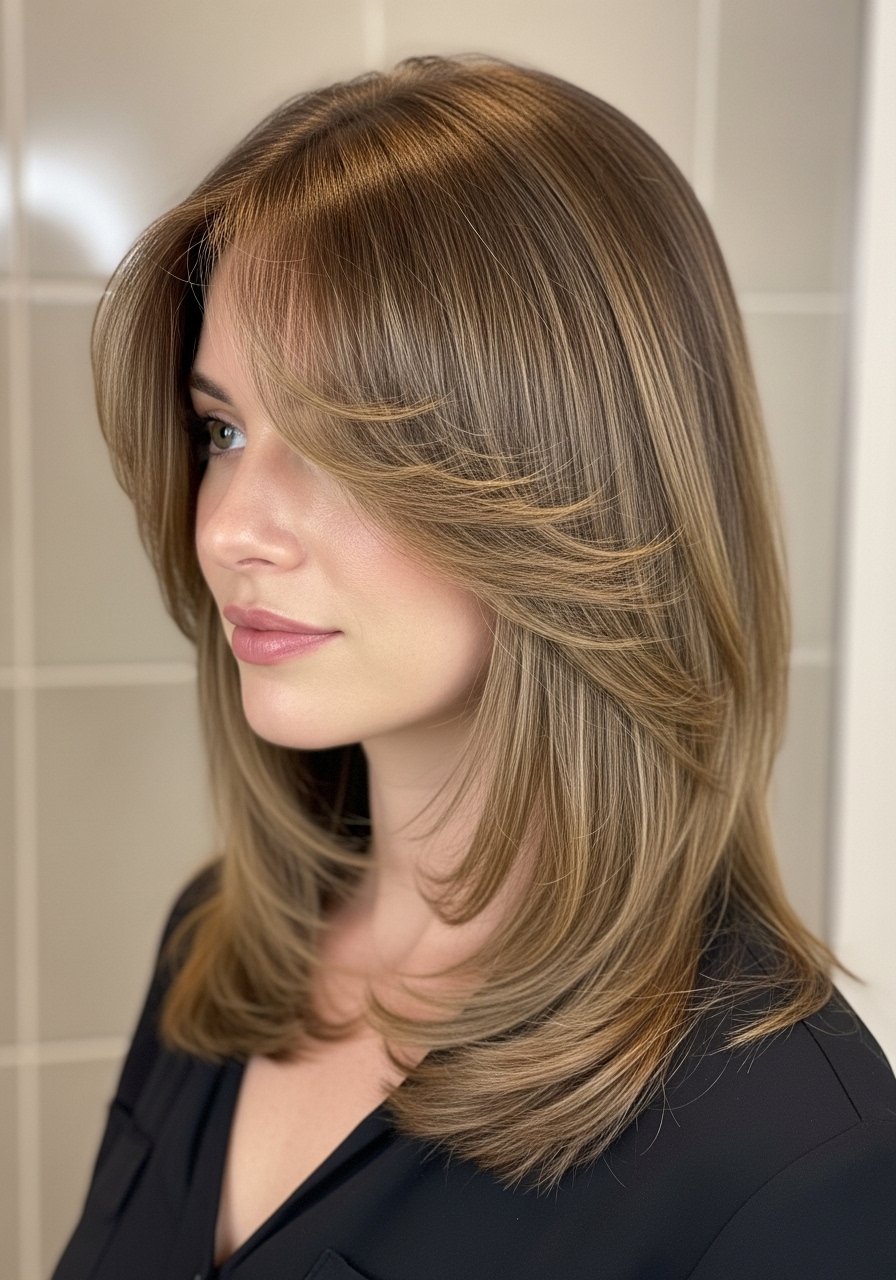
Curtain bangs are wonderful if you want face framing without losing length, but on fine hair they need blunt weight at the ends to avoid looking wispy. Ask your stylist for a one-inch heavier weight line where the bangs meet the face, then feather down into the rest. If you are trying to grow them out, use a dime-sized amount of smoothing cream through the bangs after blow-drying to keep them from sticking up. DIY trimming is tempting but one mistake and you have to wait months. If your forehead gap appears, a soft two-finger point-cut blends the line. Works best on fine straight or slightly wavy hair. Warning, bangs need trims every six to eight weeks to avoid split ends appearing stringy.
Half-Up Claw Clip Lift For Thin Roots
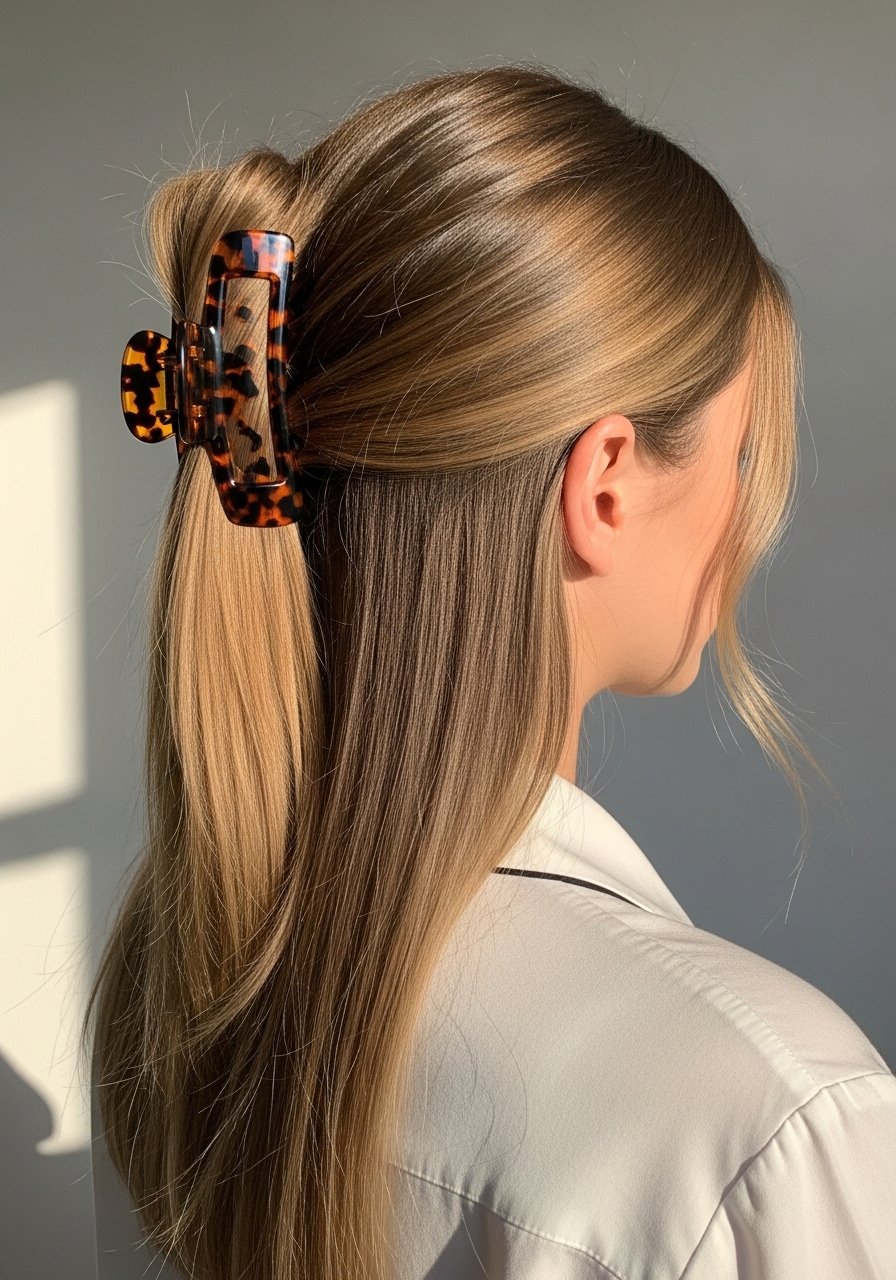
Claw clips are having a moment for good reason. For long thin hair, clip a half-top section about two inches back from the hairline and tease a half-inch under the crown to create lift before clipping. A root lift spray applied to towel-damp hair at the roots, one to two spritzes, makes the volume last all day without residue. I learned the hard way that tiny clips just pull hair flat, so use a large clip that spreads the hold across more hair. Works for fine straight and fine wavy hair. Salon vs DIY, this is totally at-home friendly. Avoid clipping wet hair, and never use metal clips if your scalp is sensitive.
Heatless Robe Tie Curls That Actually Hold
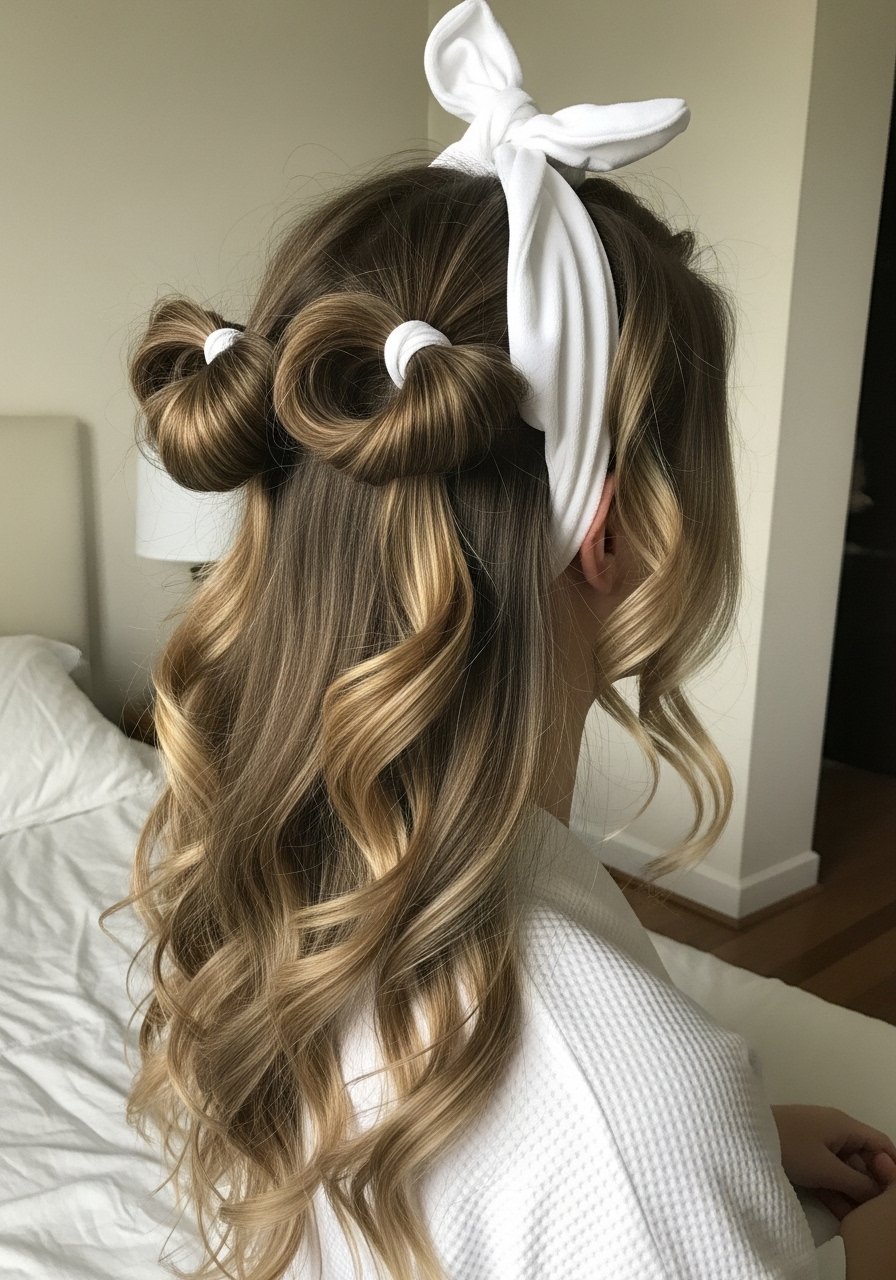
If you want curl without frying the ends, the robe-tie method is my go-to. On towel-dried hair divide into six sections, two on each side and two at the back, each about one to one and a half inches wide. Wrap each section around a soft robe sash sitting across your head, secure lightly, and sleep six to eight hours. Unwrap and finger-separate in the morning. Use one pump of cream mixed with a nickel-sized gel dabbed through the lengths before wrapping for hold that does not crunch. Works best on fine wavy or soft curly hair. Common mistake, wrapping hair too tight so the curls look unnatural. This is DIY-friendly and gentle on damaged ends.
Money Piece Front Lights For Face Definition
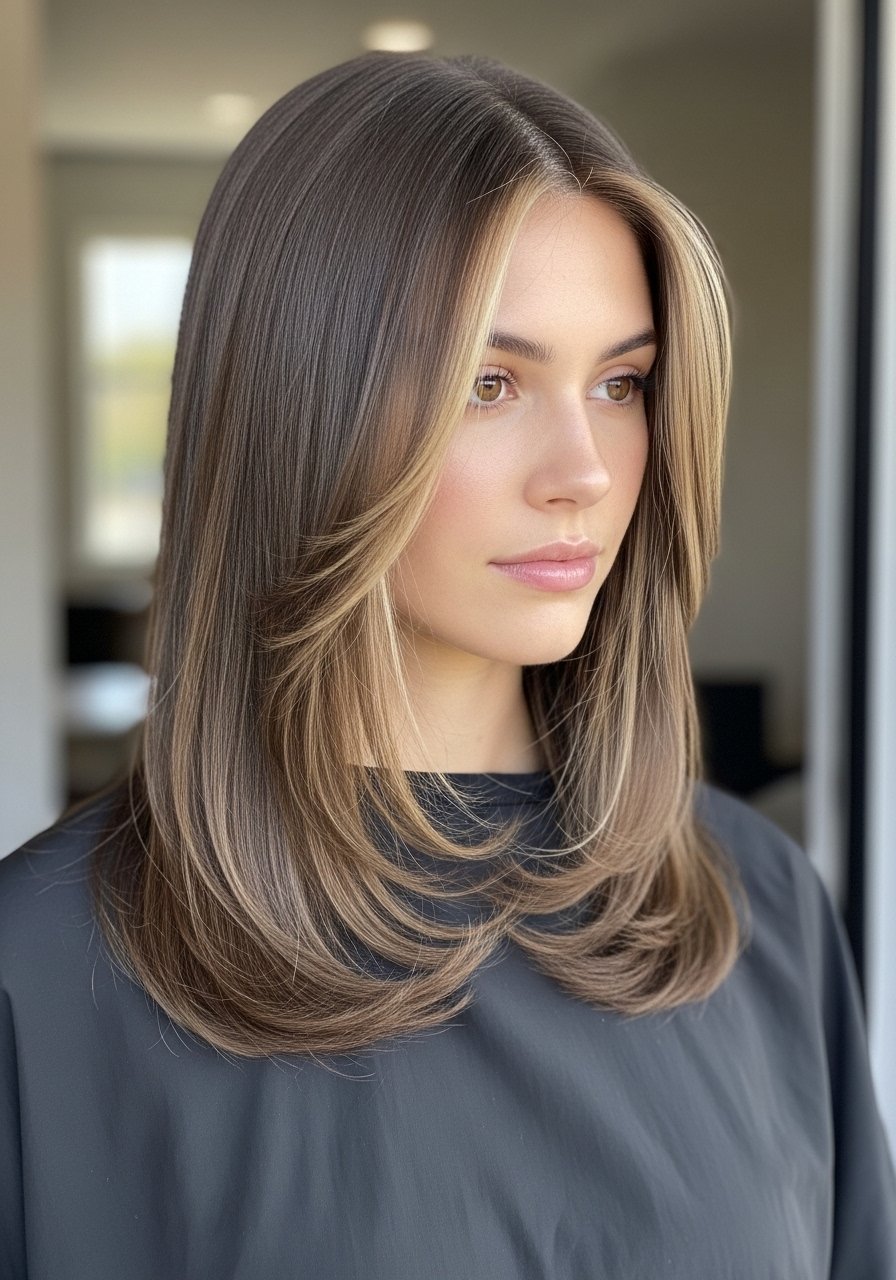
A strategically placed lighter front section, often called a money piece, gives long thin hair instant dimension without full-head color, which can dry fine hair out. Ask for a demi-permanent or balayage front slice, one to two inches wide, kept softer at the roots to avoid harsh regrowth lines. If you attempt a DIY refresh between salon visits, a demi-permanent gloss will blend the tone and adds shine without lifting too much. Always do an allergy patch test with color products and never lift color over previously bleached hair at home. This look suits fine straight and fine wavy hair. Salon work is recommended for the first placement, then DIY gloss touch-ups are okay.
Long Layered Shag To Add Movement
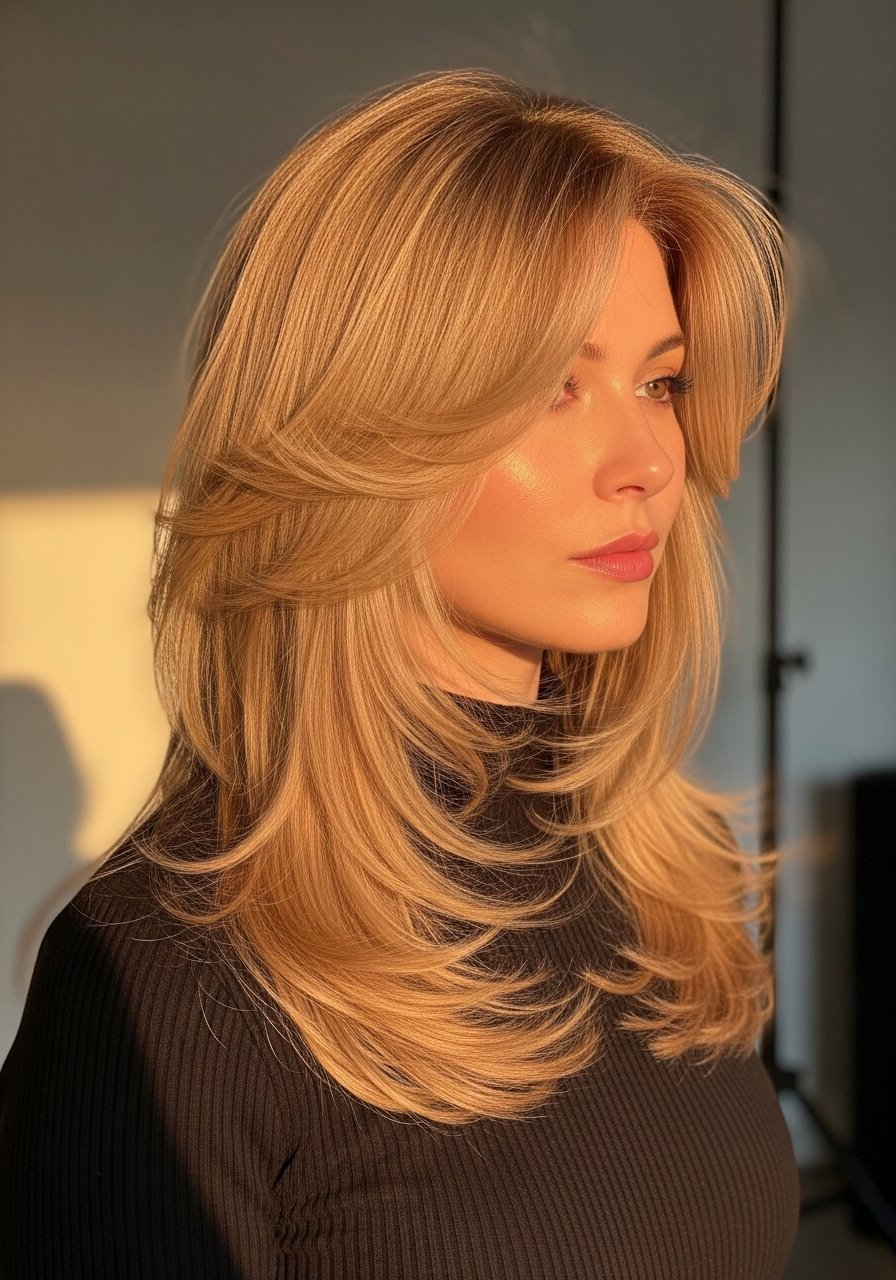
A long layered shag gives thin hair motion without cutting the overall length. Ask for staggered long layers starting around the chin and finishing with feathered tips. The key technical detail stylists use is a soft point-cut at the ends rather than heavy thinning. To keep layers from looking stringy, I do a weekly bond builder treatment such as Olaplex No. 3 hair perfector applied from mid-lengths to ends for ten minutes then rinse. Buy Olaplex from the official store on Amazon or Sephora to avoid counterfeits. This cut works for fine straight and fine wavy hair. Heat safety note, use a protectant before any iron over 300F to avoid making thin ends brittle.
Sleek Low Bun With Silk Scrunchie For Smooth Finish
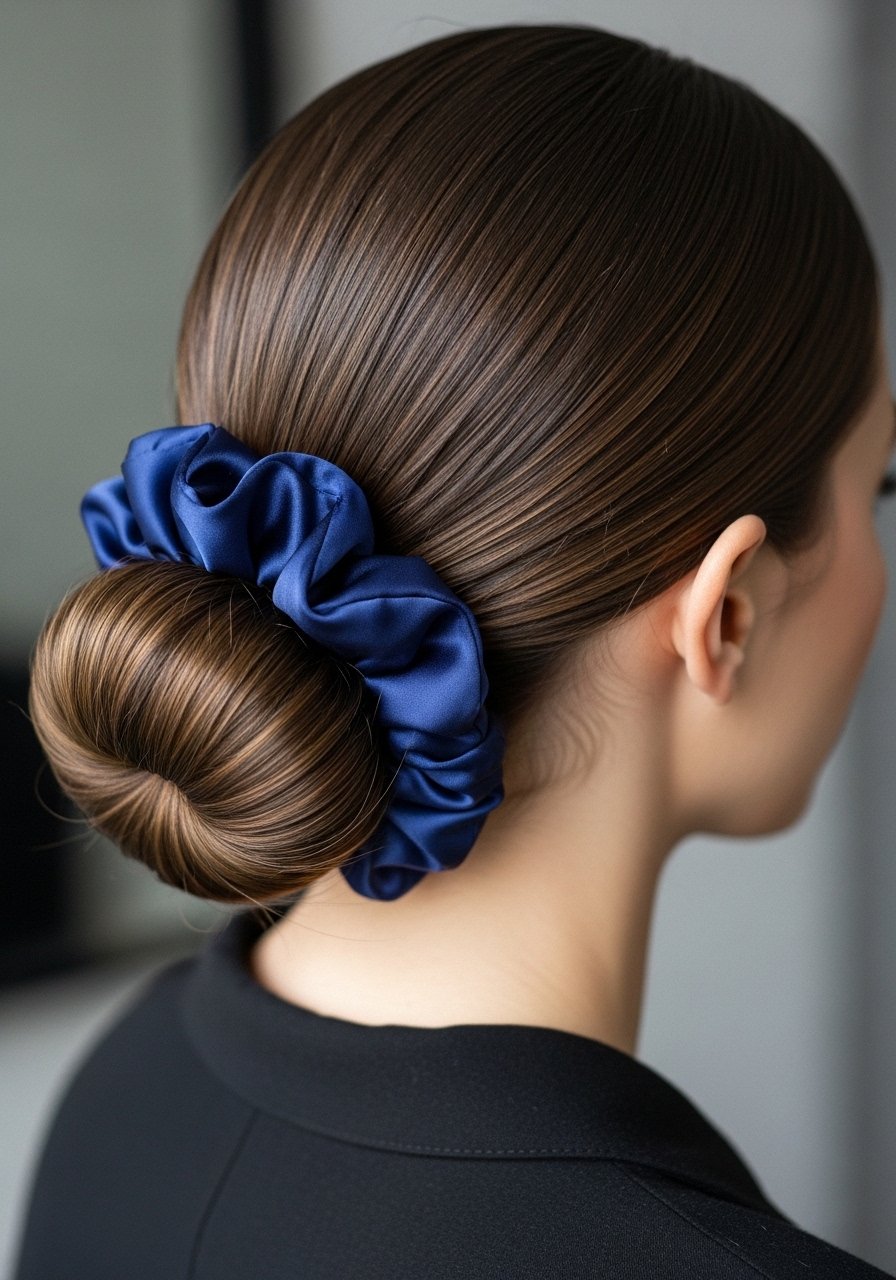
When long thin hair wants to look intentionally neat, a sleek low bun keeps the length visible but contained. Start with slightly damp hair, smooth a small amount of cream into the mid-lengths with a boar bristle brush, then gather at the nape and twist into a low bun secured with a silk scrunchie. I use a fine-tooth comb just along the hairline to trap flyaways, not to over-comb them. One common mistake, applying too much product which collapses the volume. This style is quick, three to ten minutes, and easy at home. If you have hair breakage around the hairline, use a softer elastic and avoid repeated daily tension.
What I Keep In My Long Fine Hair Kit
A short list of the things I actually reach for when my hair is long and thin.
- Honestly the best $30 I spend yearly. Olaplex No. 3 hair perfector 3.3oz, used once a week keeps ends from looking frayed. Buy from the brand store on Amazon or Sephora to avoid counterfeits
- For daily texture, two to three spritzes of sea salt spray (~$12) through damp hair before scrunching
- For sleep styles, a soft robe sash works. Microfiber robe sash or fabric tie under $15 cuts morning frizz
- For smoothing and control, a silk scrunchie pack prevents breakage and cost under $10
- For quick root boost, dry shampoo spray two sprays at the roots extends styles one to two days
- For heat styling, a medium size one-inch curling wand and a heat protectant are worth a splurge
Third-Day Braid Sleep Stretch For Fewer Washes
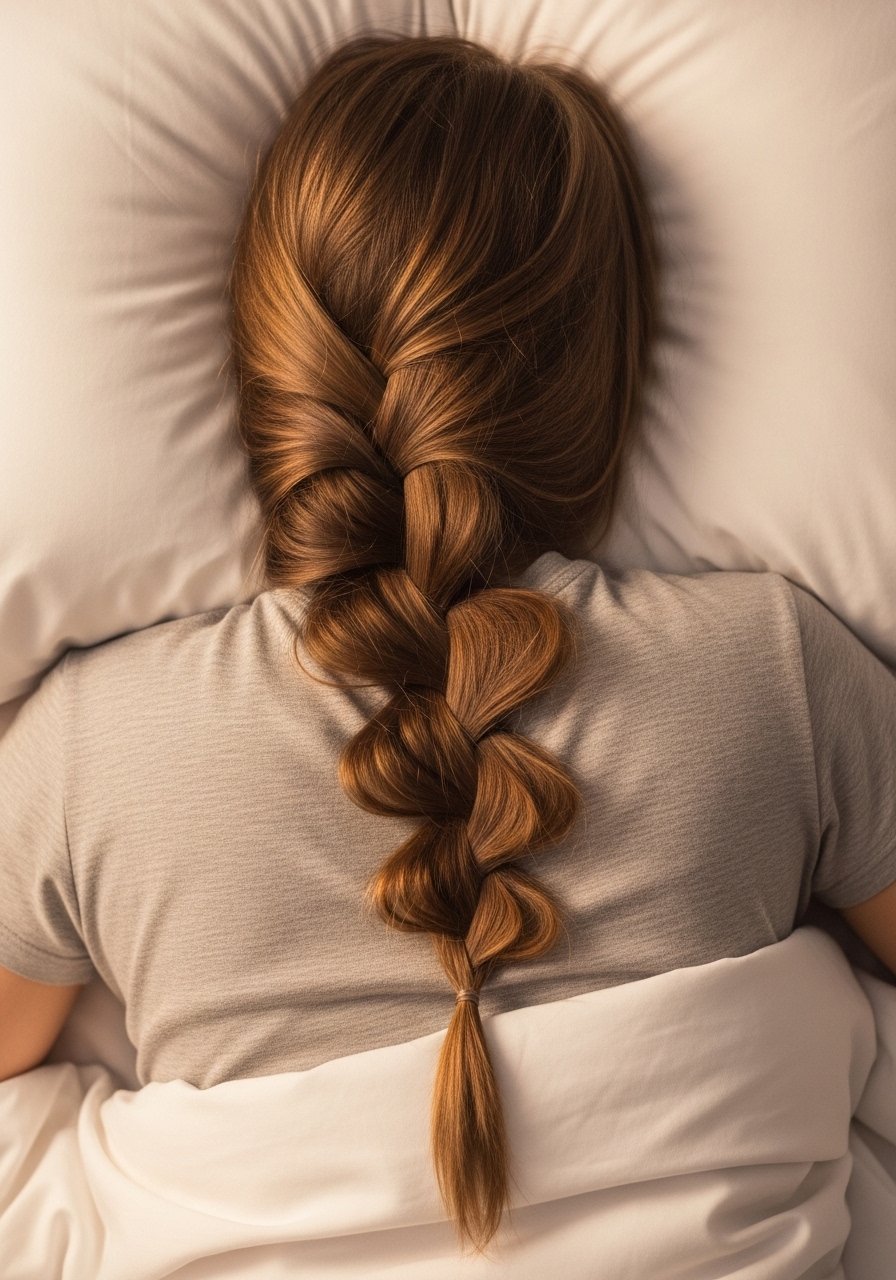
If your scalp gets oily but the lengths stay limp, braiding on night three resets texture without another wash. Lightly mist the roots with dry shampoo, flip hair forward and loosely three-strand braid starting at the crown. Keep the braid loose, one to two inches apart in tension, so you avoid kinks that fracture the hair. In the morning, undo and use a dime-sized cream on the ends to tame flyaways. Works best for fine wavy and fine straight hair. Common mistake, making multiple tight braids which create breakage points. This method stretches wash day and saves time and product.
Root Volume Blowout With Round Brush Technique
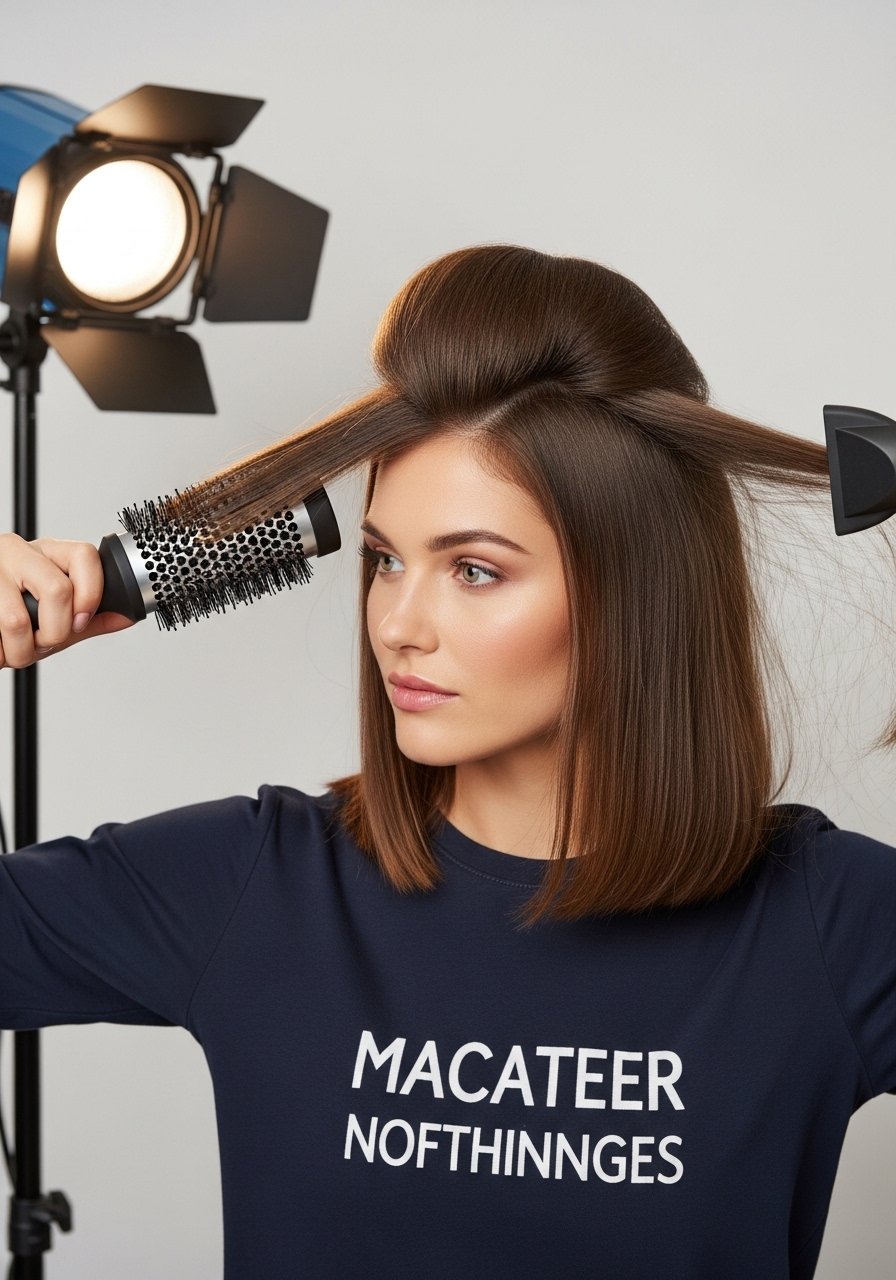
A targeted root blowout makes a huge difference on days you need volume. Work in two-inch sections, lift each section with a medium round brush, and point the dryer nozzle down at a 45 degree angle. Keep the dryer on medium heat and hold for about 8 to 12 seconds per section for lasting lift. Always apply heat protectant to damp hair first because heat protectant goes on damp hair, not dry. For tools, a ceramic medium round brush and a dryer with a concentrator are the combo that works. Mistake, blasting the dryer on high which roughens the cuticle. This technique is salon-adjacent but totally doable at home.
Soft Waves With A One-Inch Wand On Medium Heat
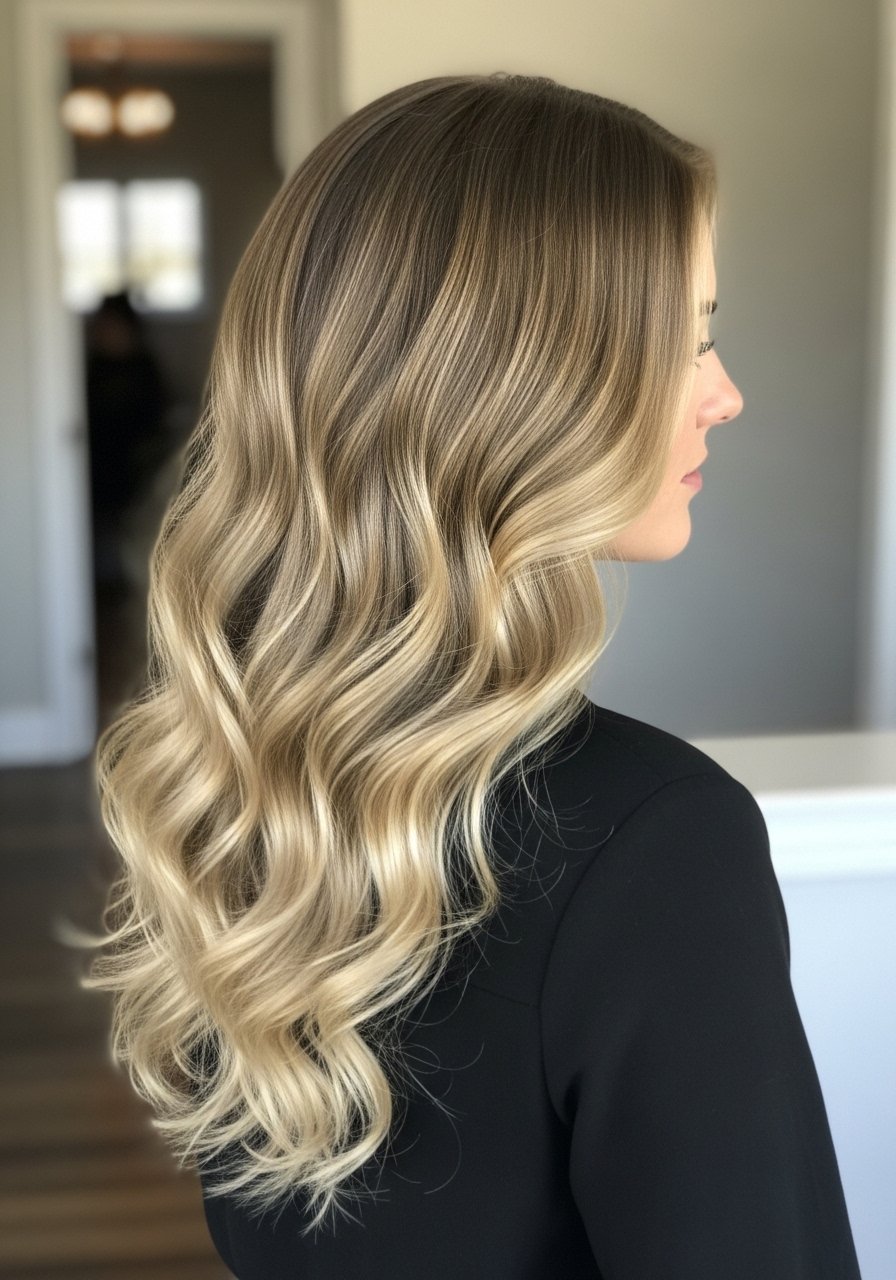
If you want effortless waves, a one-inch barrel at 330 degrees usually gives shape without frying fine hair. Wrap one-inch sections away from the face, leave the last inch of hair out to keep the look modern, and pin each curl against the scalp to cool for 10 seconds. After cooling, shake out with fingers and set with a light hairspray just at the roots and mid-lengths. A common mistake is using the highest temperature. For thin hair, 330 degrees is plenty. Use a heat protectant applied to damp hair first and a quick mist after styling. This works well on fine wavy and fine straight hair.
Halo Weft For Instant Thickness Without Damage
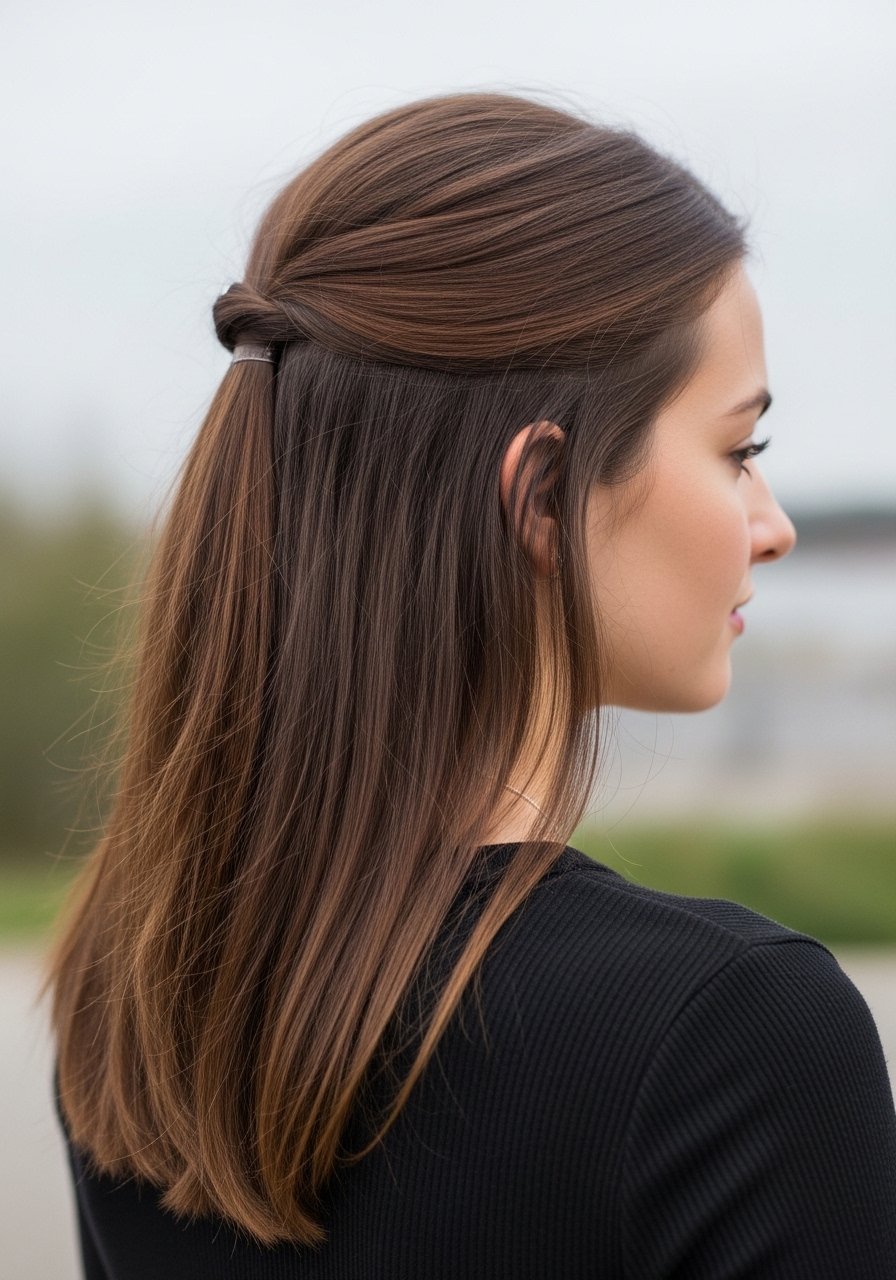
If your hair looks flat even with styling, a halo weft gives instant fullness with low risk. A single lightweight halo sits on top of the head and clips into place, spreading weight so the scalp is not strained. Pick a 20 to 24-inch length with fine wefting to avoid heavy pull on the roots. I recommend trying a color swatch in person or ordering from an authorized seller. Avoid daily wear for more than eight hours while you get used to the feel, and never sew in heavy tracks on very thin hair without a consult. This is a DIY-friendly option that looks natural when blended, and salons can place tape-ins or custom wefts if you want a more permanent solution.
What I Wish Someone Told Me Before I Tried To Fix Flat Long Thin Hair
- Hair grows about half an inch a month at most, regardless of what biotin gummies promise you. Focus on reducing breakage not miracle speed
- Heat protectant needs to be applied to damp hair to actually absorb and protect before any iron over 300F. Try a lightweight heat protectant spray
- Switch gel-only styling for a small amount of leave-in cream under a light gel when you need hold. My curls looked great on TikTok and like wet noodles by 11am until I layered products correctly
- If you buy Olaplex or K18 on Amazon, buy from the brand store or pick it up at Sephora to avoid counterfeits
- Sleep on a silk or smooth satin pillowcase. Silk pillowcase queen under $25 cuts morning frizz and breakage
Frequently Asked Questions
Q: How often should I use a bond builder like Olaplex No. 3 on long thin hair?
A: Once a week is usually enough for long thin hair that has color or heat damage. More than that can leave hair feeling heavy. Use it as a ten-minute treatment from mid-lengths to ends. Buy from the official brand store on Amazon or grab it at Sephora to avoid counterfeits.
Q: Can I do curtain bangs at home if I have thin hair?
A: I would not recommend cutting curtain bangs wide at home. If you want a small trim between salon visits, take off quarter-inch snips with the hair dry and point-cut horizontally to avoid a blunt gap. For a full new placement see a stylist.
Q: Will halo weft extensions damage my scalp if I wear them often?
A: Lightweight halo wefts are low risk compared with sew-in tracks because they rest on the head rather than pulling the roots. Start by wearing them a few hours and increase slowly. If you feel tension or irritation stop and consult a pro.
Q: How often should I wash fine long hair that gets oily at the roots but dry at the ends?
A: Every other day or every third day is common. Use dry shampoo at the roots to stretch washes and apply conditioner only to the mid-lengths and ends. Over-washing strips oils and can make the scalp overproduce, which is the frustration many people have.
Q: Is a robe-tie method safe for color-treated hair?
A: Yes, robe-tie heatless curls are safe for color-treated hair. Add a leave-in cream before wrapping to reduce friction. Do not wrap hair too tight, which can crease and stress colored ends.