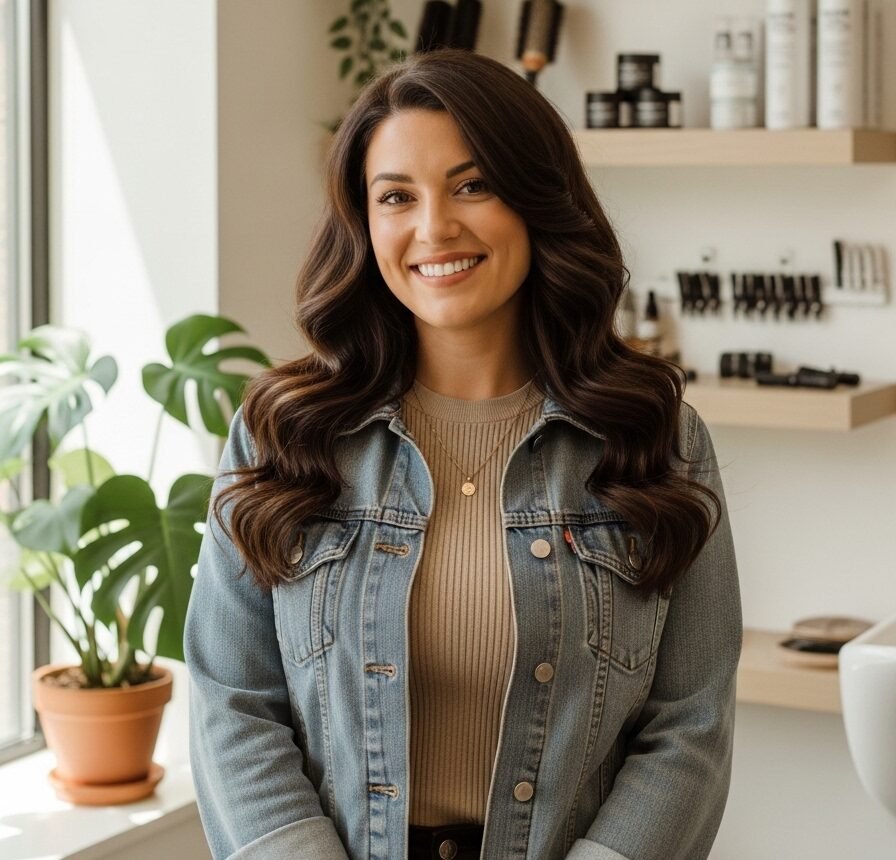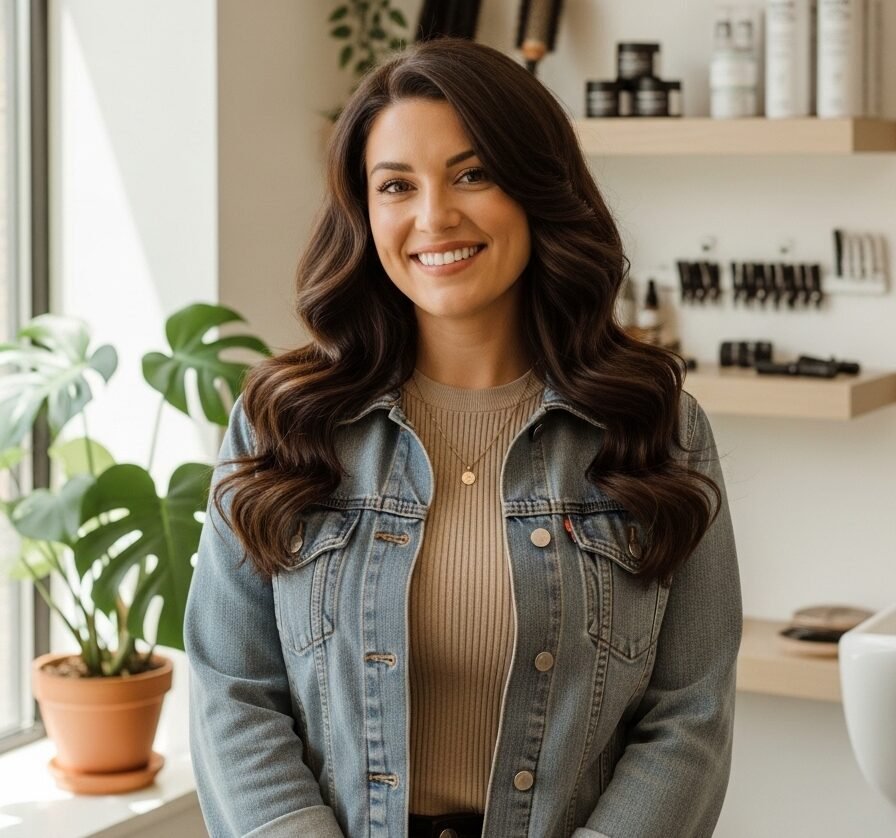
If your waves fall flat by noon and your bangs either puff into a helmet or disappear into your forehead, this is for you. I learned curtain bangs on wavy hair subtle techniques the hard way, by overcutting once and overproducting twice. These ideas are geared toward 2A through 2C waves, shoulder length to mid-back, most doable at home with basic tools, and a few worth a stylist visit. Budget runs from under $20 to one splurge around $150 for a better dryer.
Piecey Curtain Bangs for 2A Shoulder-Length Waves

If your waves are loose and fine, cut curtain bangs that are slightly longer, about eyebrow length plus 2 inches. They fall into place and avoid that forehead gap. I ask my stylist for soft point-cutting instead of blunt scissors and to leave two 1-inch face-framing sections slightly longer. At home, a 1-inch round brush and a blow dryer on medium heat with two 6-second passes per section creates the outward curve without over-straightening. Finish with a single spritz of sea salt spray through the mid-lengths for texture. Common mistake, cutting them too short in the first appointment. Salon note, ask for a dry consult so the stylist sees your natural wave pattern.
Soft Curtain Fringe for Thick 2C Waves
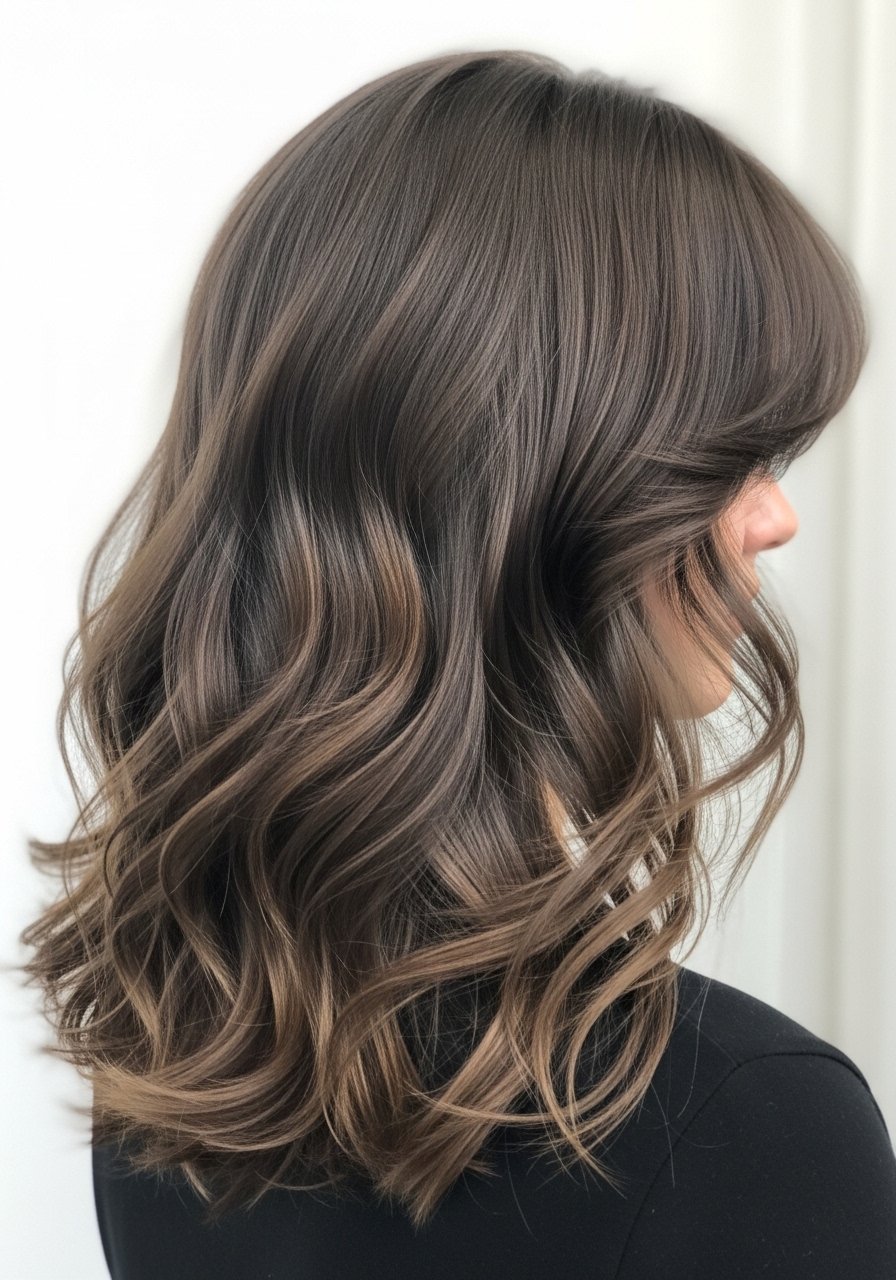
Thicker waves need weight removed so the bangs sit without ballooning. Ask for internal thinning with a razor or slide-cutting to remove about 30 to 40 percent of bulk, not length. I find two short washes after the cut helps the new shape settle. For styling at home, raking a pea-sized dab of leave-in cream through damp hair then using a 1.25-inch round brush with medium heat gives bend without frizz. If humidity is high, a light mist of anti-frizz spray on just the ends keeps the fringe readable. Safety note, if you decide to texturize at home, avoid razors on dry hair, it makes choppy lines.
Grown-Out Curtain Bangs That Still Look Intentional
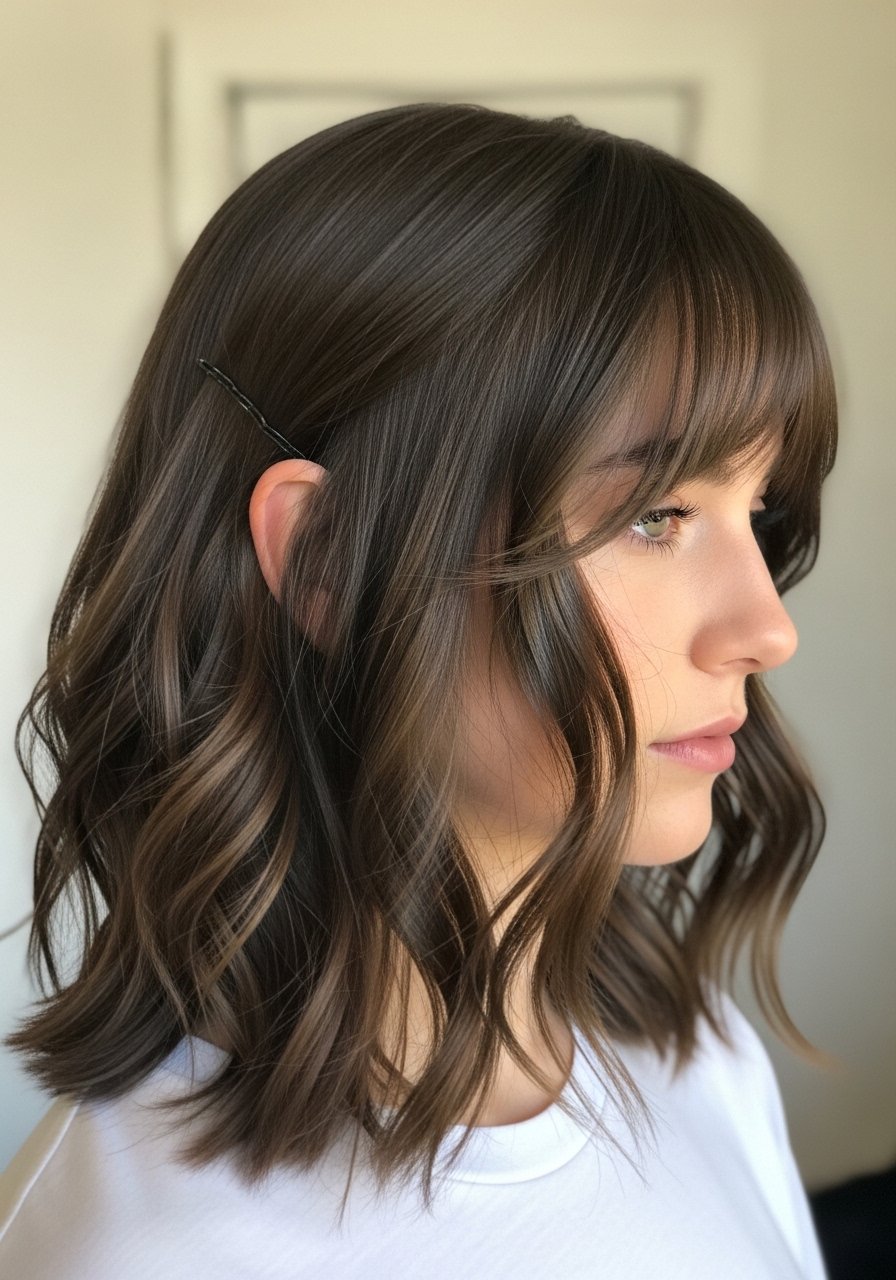
Growing curtain bangs is a phase, but it does not have to look messy. Keep a 1-inch side clip handy to pin the longer center pieces back for day two and three, or braid just the front sections into a small twist to blend them with your waves. Trim the longest bits at home every four to six weeks by snipping vertically with scissors, no blunt cuts. A dab of styling cream on dry lengths tames flyaways. Salon option, ask for a blended long fringe at your next appointment so the grow-out has shape from the start.
Air-Dried Curtain Bangs With Zero Heat
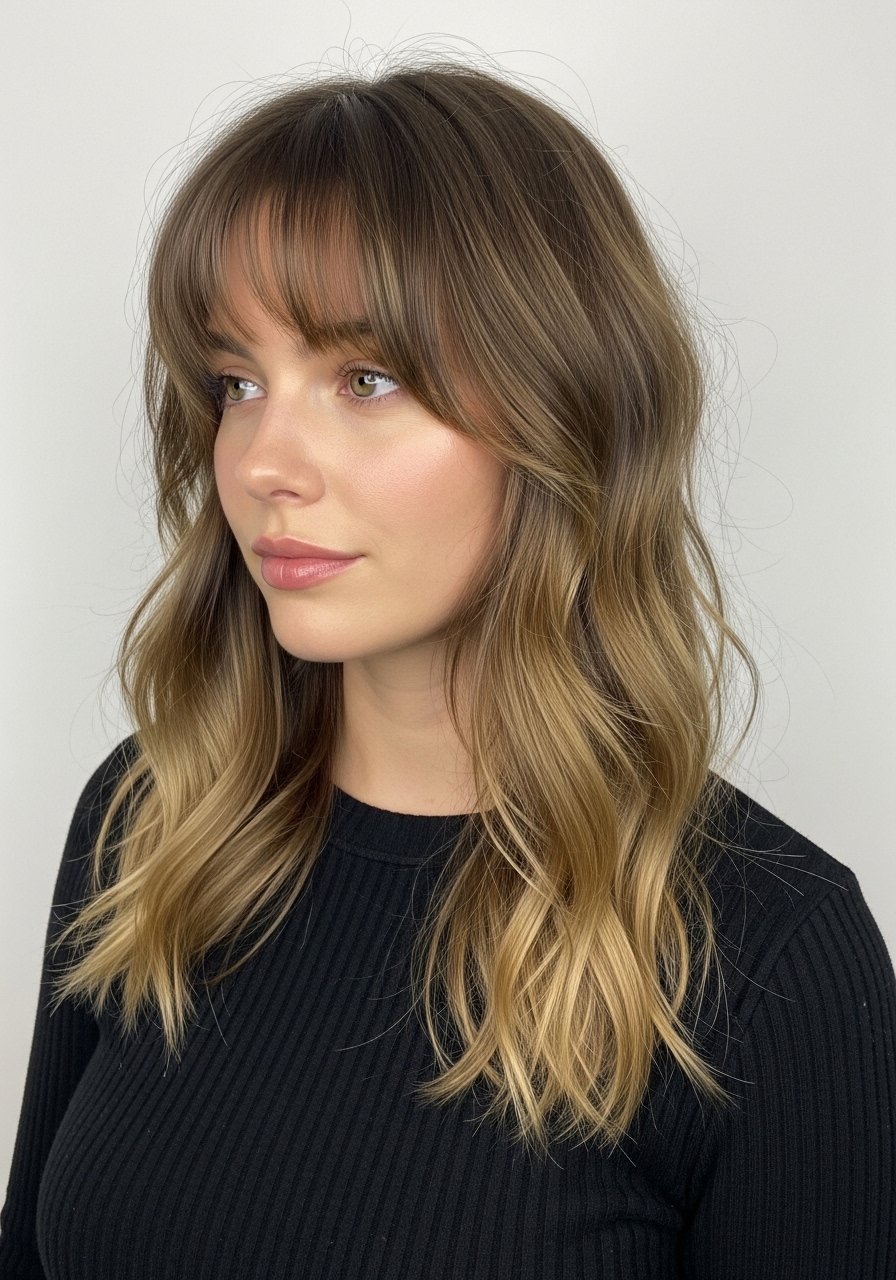
I stopped heat on my bangs for six months and the softness improved. Work on damp hair, apply a tiny amount of leave-in just to the roots and bangs, then shape with fingers. For hold without crunch, the LOC method works: leave-in, oil, cream. Use finger twists to create the curve, then diffuse on low if you must. Most heat protectants you spray on dry hair before flat ironing barely work. If you eventually touch iron, always use a heat protectant before any iron over 300F and keep the iron at about 300 to 320F on fine to medium waves.
Curtain Bangs That Stay Separated on Oily Roots
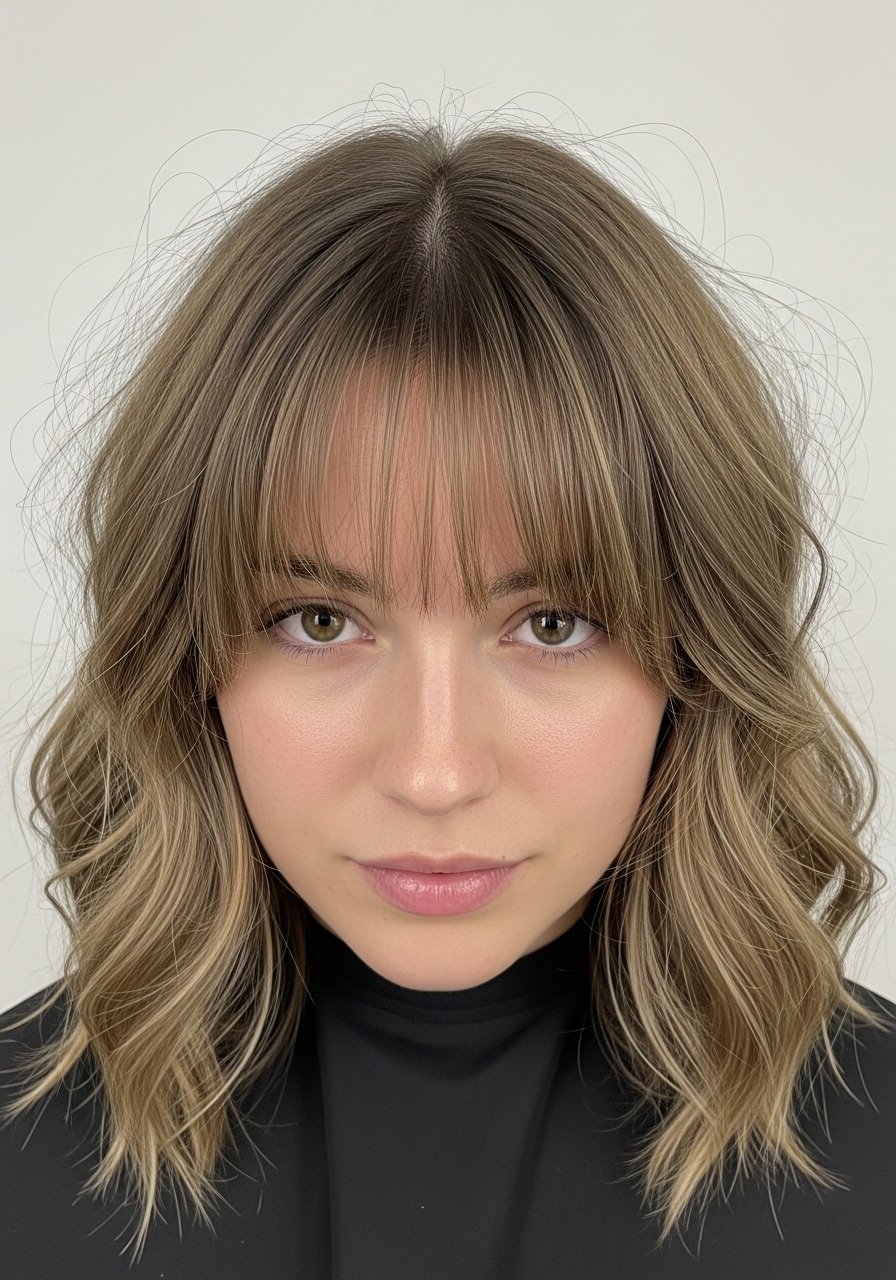
Oily roots are the bane of bangs. I swipe dry shampoo into the roots at night so the oil disperses while I sleep, then gently brush in the morning. A 0.5-inch parting at the center and a quick back-brush at the crown create a tiny root lift that keeps the curtain separation. If you need a refresh midday, two spritzes of dry shampoo and a 10-second blast with a travel hair dryer on cool is enough. Common mistake, using too much product at the root, which shows as white residue in photos.
Money Piece Curtain Bangs for Subtle Face Framing
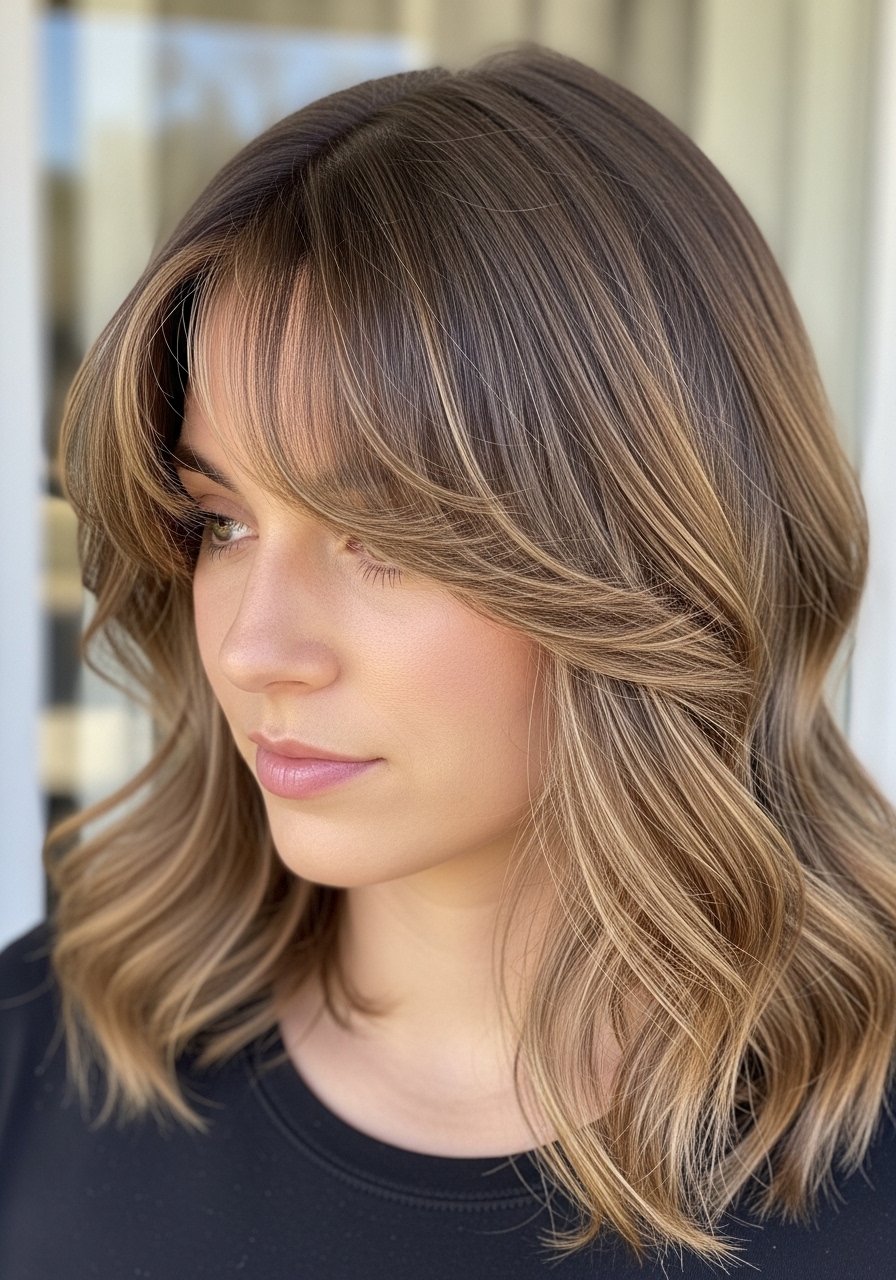
A thin money piece through the curtain fringe brightens the face without a full highlight. Keep the sections small, about 1/4 inch wide, and use a demi-permanent glaze instead of bleach for subtlety on wavy 2A to 2B hair. If you try it at home, do a strand test and patch test for sensitivity. The risk is the highlight can look too stark when dry, so book a salon if you want more control. I use a glossing treatment every six weeks and seal with a tiny drop of shine serum on the outermost pieces after styling.
Curtain Bangs and Second-Day Wave Hacks
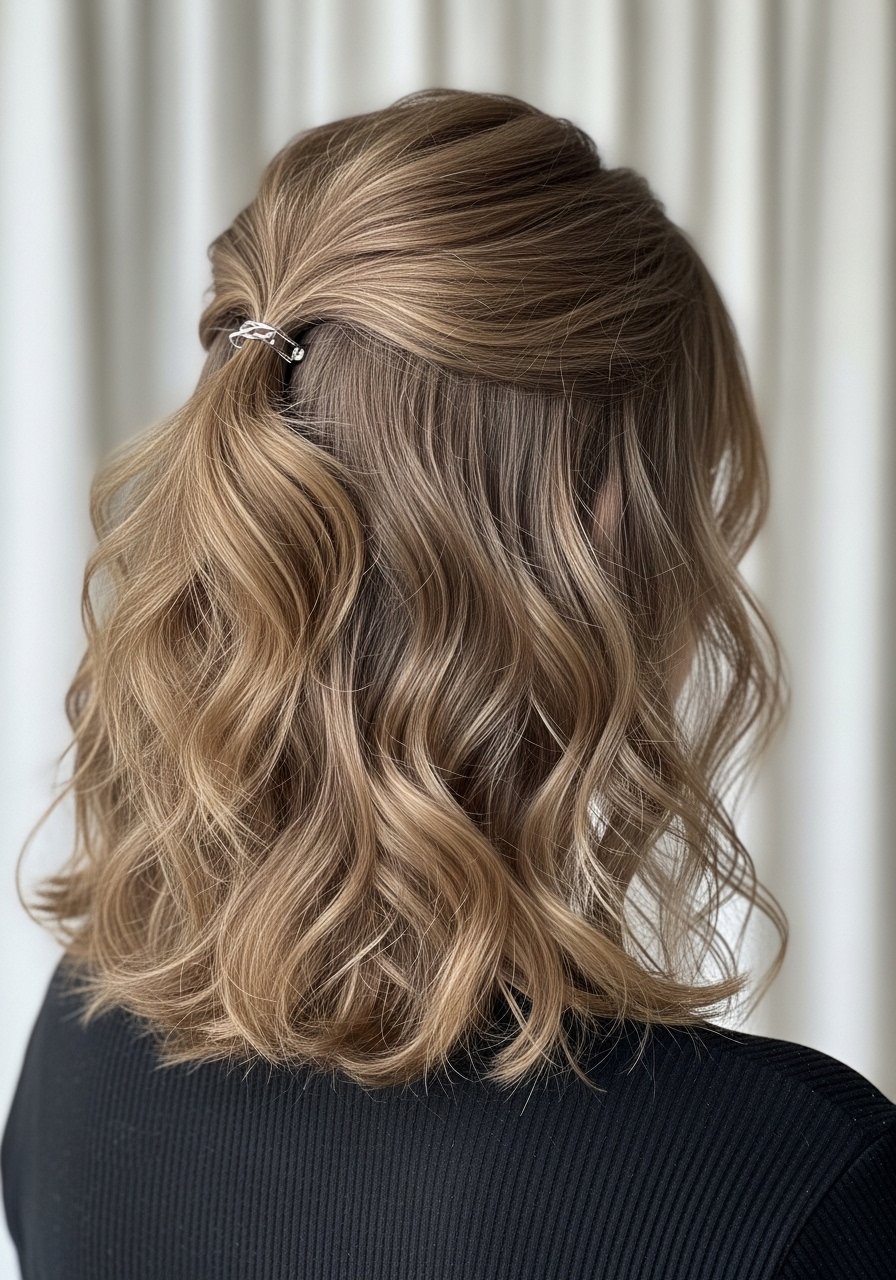
My curls looked great on TikTok and like wet noodles by 11am until I stopped overwashing. For second-day waves, flip hair upside down and lightly spritz water only where the wave breaks, not the roots. Rake a nickel-sized amount of curl cream through the mid-lengths and scrunch. If your bangs flatten, twist them away from the face while drying to rebuild the curve. Avoid re-layering heavy gel on the bangs which mattes them and shows cast. A silk pillowcase also keeps second-day frizz in check.
What I Actually Keep in My Curtain Bang Kit
- Honestly the scissors I use for trims are under $30 and save me a trip. Hair-cutting scissors with a 5.5-inch blade are the right size for bangs
- For daily styling, a 1.25-inch ceramic round brush, not cheap plastic, helps shape without snagging
- Gentle sulfate-free shampoo, 8oz, for waves that cannot handle stripping: sulfate-free shampoo 8oz
- A lightweight leave-in cream I use by the fingertip amount: leave-in cream
- Travel dry shampoo for root refreshes: dry shampoo travel size
- Mini heat protectant spray under $15 for quick irons, remember to always use a heat protectant before any iron over 300F: heat protectant spray
- Silk pillowcase under $25 that actually reduces morning frizz: silk pillowcase queen size
- A small claw clip to pin back the longer curtain pieces when needed: claw clip medium
- Lightweight anti-frizz serum for the ends: anti-frizz serum
- A clarifying shampoo for monthly reset, buy from the official seller to avoid counterfeits: clarifying shampoo
Curtain Bangs Cut to Flatter a Round Face

Round faces benefit from curtain bangs that start slightly off-center and graze the cheekbone, creating vertical lines. Ask for longer outer pieces and a gentle angle instead of equal-length bangs. At home, point-cut the ends every six to eight weeks by taking 1/4-inch vertical snips to keep the shape soft. A touch of root lift at the part keeps the face from appearing shorter. If you are unsure about cutting, pin a 1-inch section back and live with it for a week so you see how it moves.
Curtain Bangs For Short Wavy Bobs
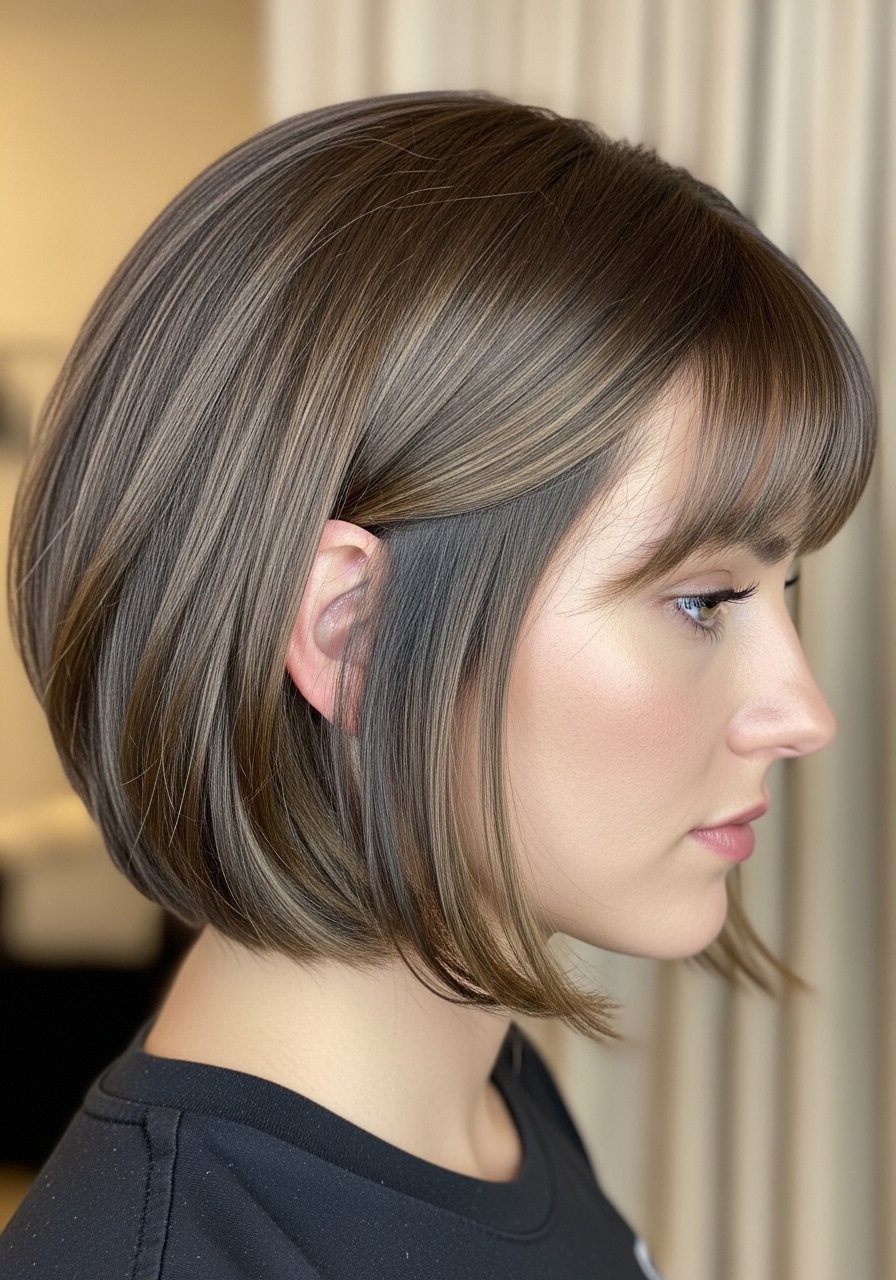
On a short bob, curtain bangs give softness without overwhelming the cut. Keep the bangs about 1 to 1.5 inches shorter than longer styles. I work in small sections, dampen the fringe, and blow dry with a 3/4-inch round brush, two quick pulls per section to avoid over-manipulation. If you need hold, a pea-sized amount of light gel smoothed through the fringe while damp keeps shape all day without stiffness. DIY trimming caution, take off less than you think. Short bangs reveal mistakes fast.
Glossing Routine That Keeps Colored Curtain Pieces Fresh
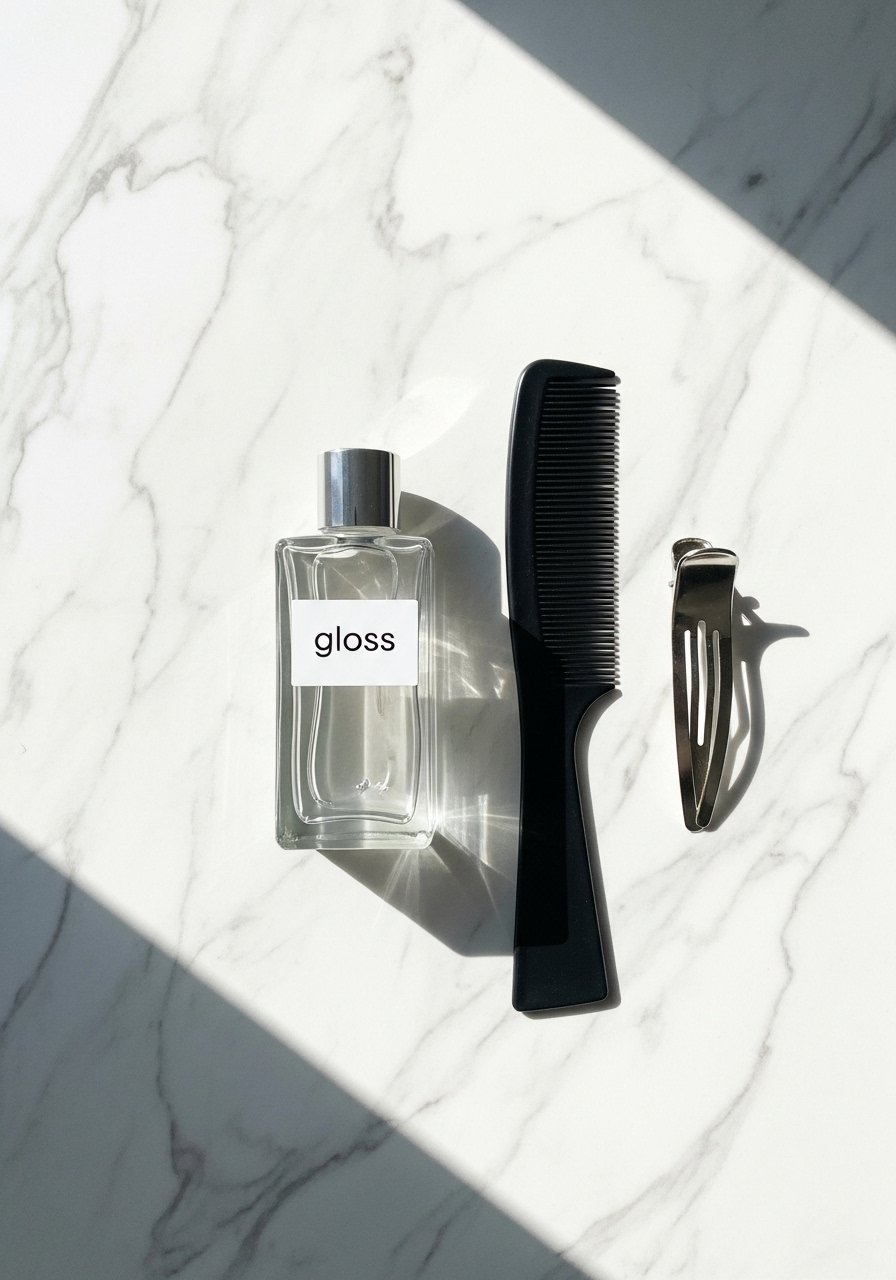
A clear or tinted gloss every four to six weeks keeps money pieces or curtain bangs from looking flat after washing. Apply to damp hair, leave five to ten minutes, and rinse. For color-treated bits, choose a color-depositing glaze that matches your tone and avoid daily brightening shampoos which dry strands. I book an in-salon gloss when I want lift, but the at-home demi-gloss kits work for quick refreshes between appointments. Warning, do a scalp patch test for any new acid-based treatments.
Curtain Bangs for Frizzy 2C Waves
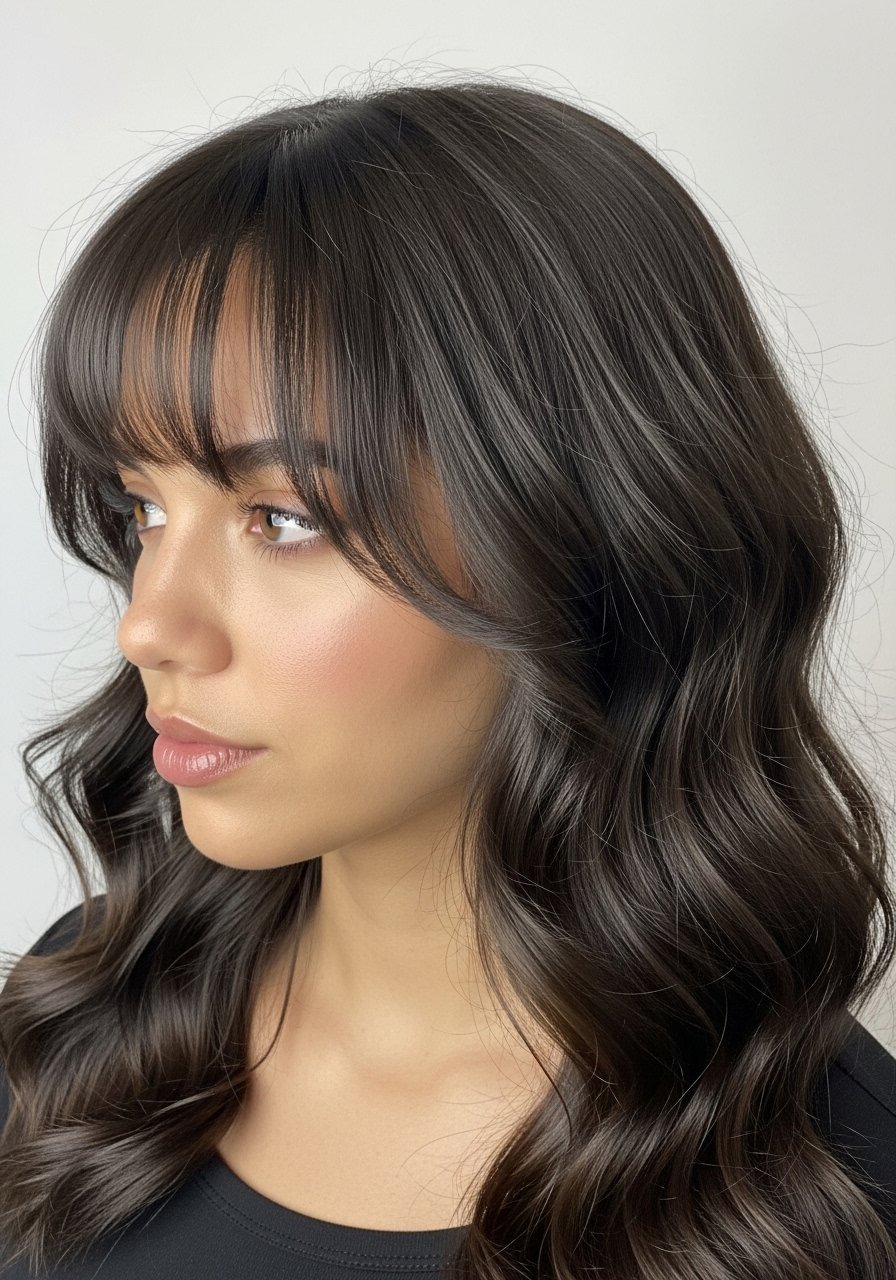
Frizz eats curtain shapes. I switched from a gel-only routine to layering a light leave-in under a gel to get hold without the brittle cast. Apply a dime-size of leave-in to damp bangs, then smooth a pea-size of gel over the top for hold. Scrunch and let air dry or diffuse on low. Avoid rubbing the bangs vigorously when damp, it roughs the cuticle. If your hair is high porosity, use a little oil as the final step to lock moisture without weight.
The Quick Salon Fix for Uneven Curtain Bangs
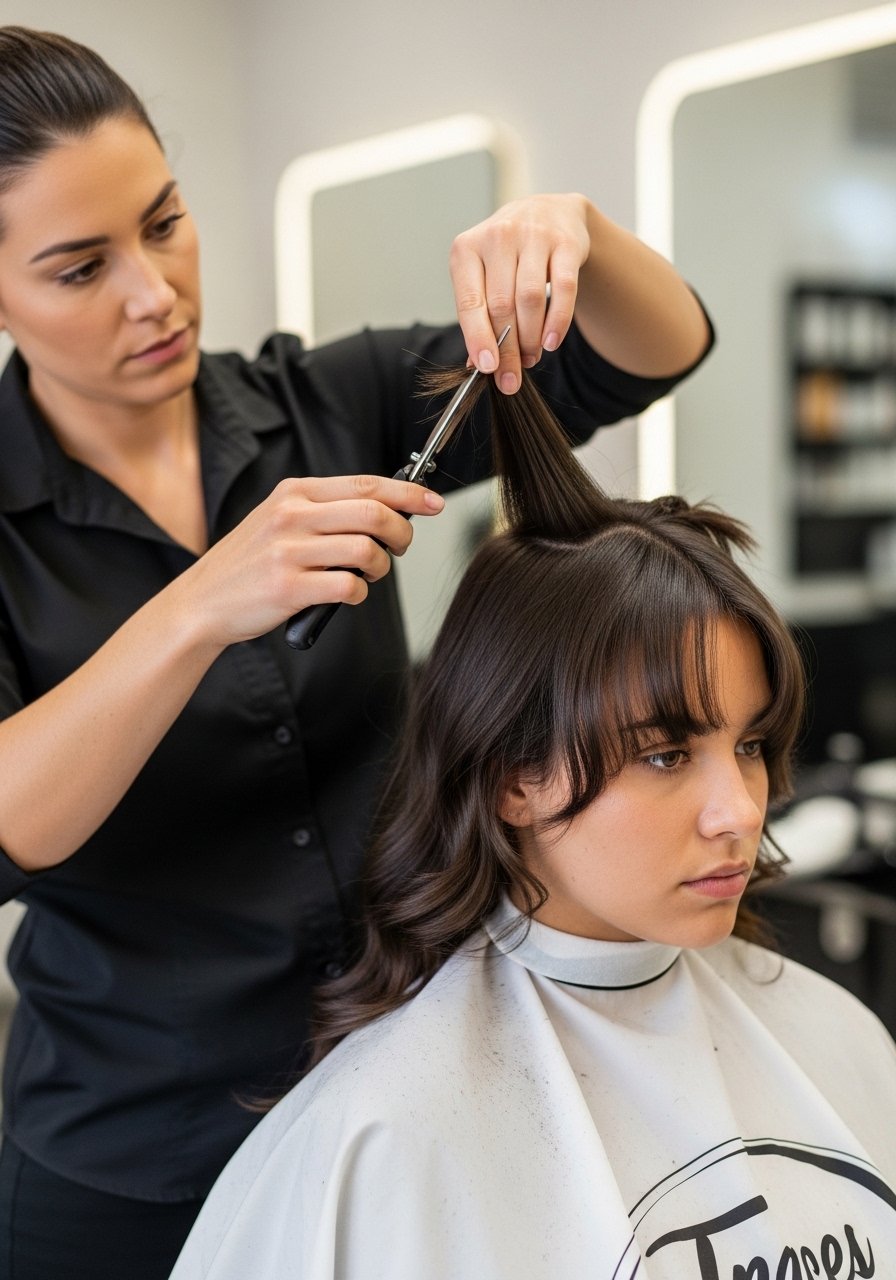
If DIY trim went sideways, a 15 to 20 minute salon tidy will fix the silhouette without a major cut. Ask for point-cutting and dry-checking, so the stylist sculpts with your wave pattern visible. Be explicit about length and movement, and bring a photo of how you sleep and style your hair so they know the daily reality. Expect to pay $30 to $60 for a tidy depending on your city. If you have chemical texture like relaxer or keratin, tell the stylist before any dry texturizing is done.
What I Wish Someone Told Me Before I Got Curtain Bangs

Hair grows about half an inch a month at most, regardless of what biotin gummies promise you. Curtain bangs need trims and patience. They will be a commitment if you like a precise shape, and the grow-out is real. Sleep on silk, avoid heavy products at the root that matt the fringe, and learn basic trim moves so you can keep the shape between salon visits. If your bangs are color-treated, expect maintenance every six to eight weeks. The honest truth, they are worth it when they frame your face right.
What I Wish I Had Known About Curtain Bangs
- Heat protectant goes on damp hair, not dry. The cuticle is more open and the product actually absorbs. This heat protectant spray is travel size and works well
- Grab a microfiber hair towel for $12. It cuts your blow dry time by a third and stops the frizz before it starts
- Hair grows about half an inch a month at most, regardless of what biotin gummies promise you. Trimming is what keeps your shape
- Drugstore shampoo is fine. Where you actually need to spend money is the conditioner and bond builder. Olaplex No. 3 hair perfector used once a week saved my ends after a bad color session. Buy from the official store on Amazon or grab it at Sephora to avoid counterfeits
- Most heat protectants you spray on dry hair before flat ironing barely work. Use them on damp hair and let them dry in for a minute
Frequently Asked Questions
Q: Will curtain bangs suit my wavy 2C hair or will they just puff out?
A: Yes, they can work. For Type 2C waves, ask for internal thinning and slightly longer lengths, then style with a leave-in plus a light gel on the fringe only to control puff. If you have very thick density, schedule a dry texturizing consult so the stylist sees how your waves sit.
Q: How often should I trim curtain bangs at home to avoid salon visits?
A: Trim every four to six weeks for a maintained look. Use vertical point snips on dry hair and remove only 1/8 to 1/4 inch at a time. If you are nervous, clip the center back and live with the pinned look for a week before cutting.
Q: Can I use a ceramic iron on my curtain bangs without damage?
A: Yes if you use a heat protectant and keep the iron at or below 320F for fine to medium waves. Remember to always use a heat protectant before any iron over 300F. Limit direct heat to quick passes and avoid daily ironing to reduce breakage.
Q: My curtain bangs get greasy fast. Are there styling tricks besides washing?
A: Dry shampoo at night, a light back-brush at the crown, and a tiny root lift with your fingers in the morning helps. A travel-size dry shampoo is great for touch-ups. Avoid heavy creams at the root which show oil faster.
Q: Should I lighten money pieces in the curtain bangs myself at home?
A: I would not recommend a full lift at home unless you have experience. A demi-gloss or a very small foil with a low-volume lightener at a salon gives better control. If you try at home, do a strand test and a scalp patch test first to avoid unexpected results.