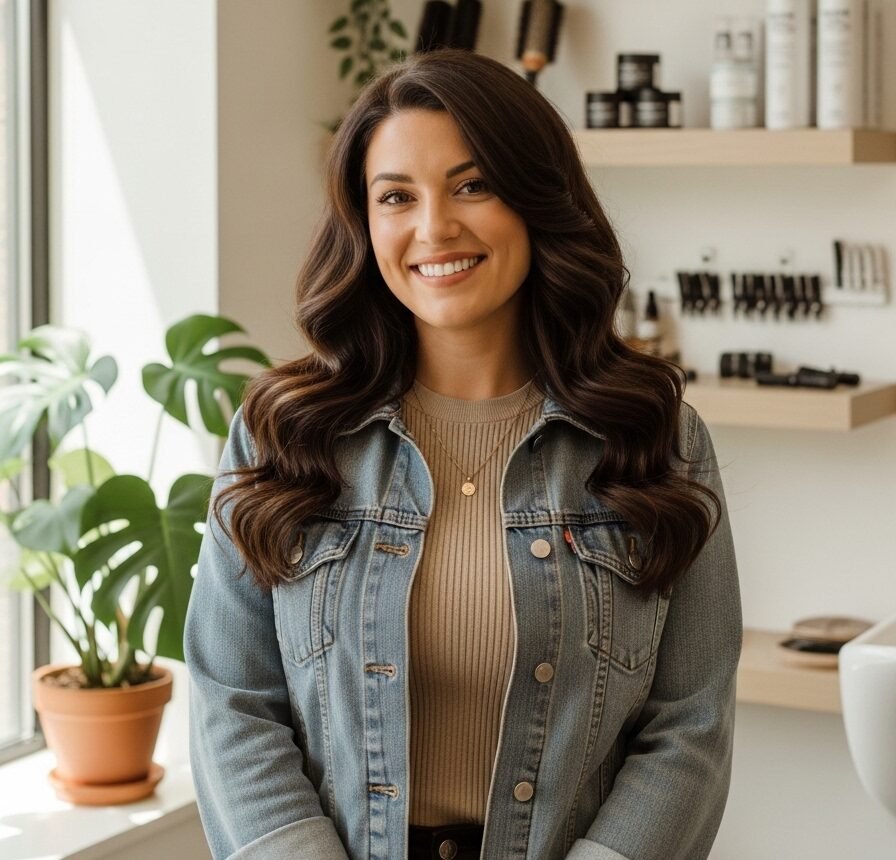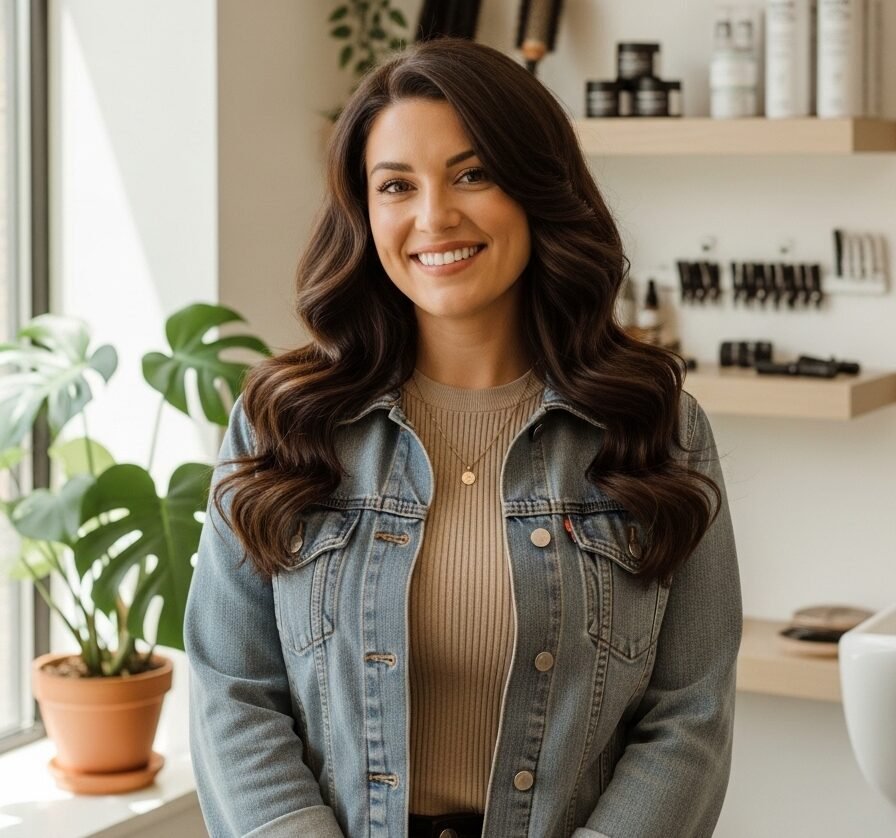
I spent more money fixing my own highlights than I ever planned to, so I learned how to get subtle blonde on brown hair without the obvious striping. These eleven looks are the kinds I actually ask for, or do at home when I want low upkeep. Expect techniques for fine waves through thick curls, a few salon-only notes, and a handful of at-home fixes that do not end in brassy regret.
These ideas suit medium to dark brown bases trying to add soft blonde dimension, from fine 1B hair up to 4A coils with adjustments noted. Skill ranges from simple at-home touch ups to salon-level balayage, with most options taking 20 to 90 minutes. Budgets run from under $30 for a gloss to a $250 salon appointment for a full balayage and toner.
Babylights Through the Face Frame for Subtle Dimension
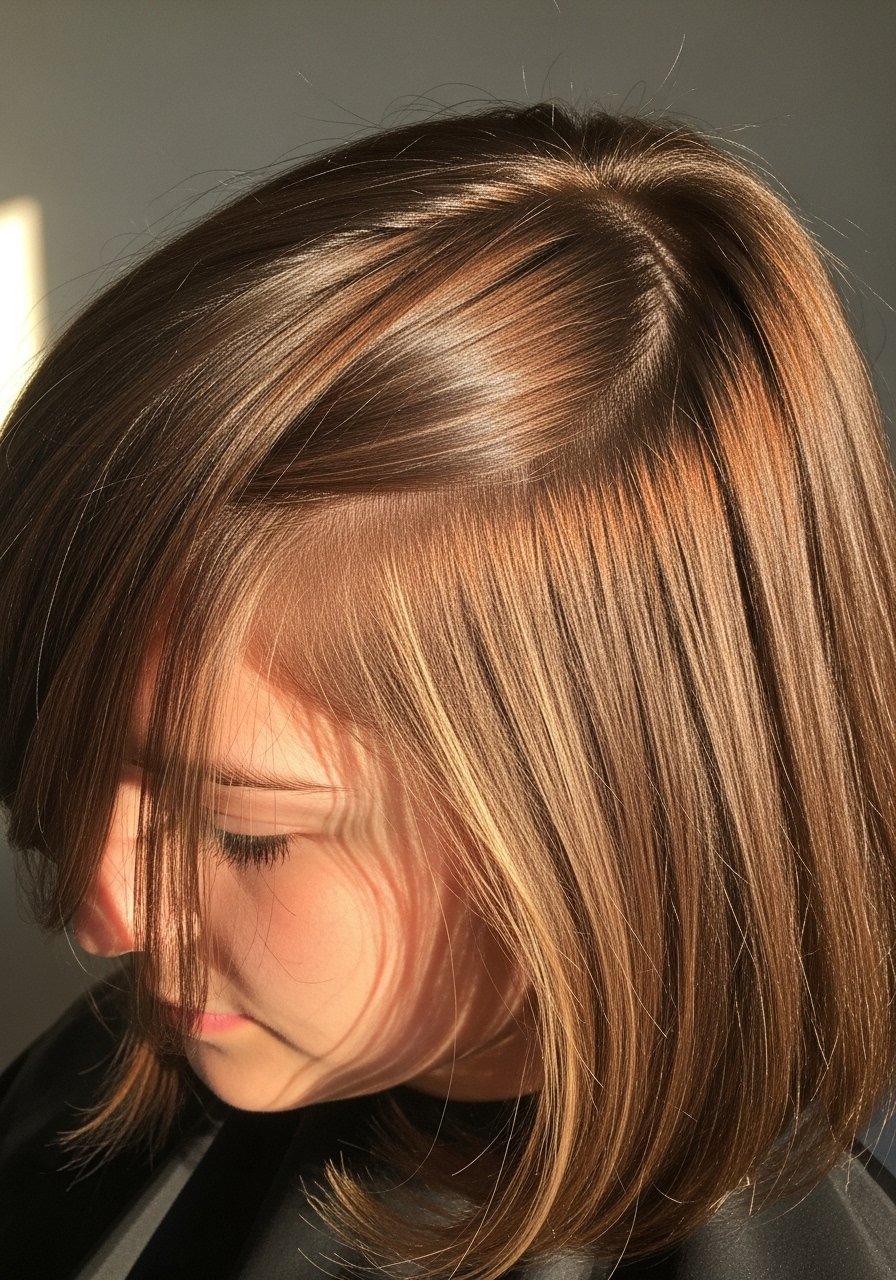
Babylights are the secret for people who want blonde without that stripey highlight look. On fine 1B to 2A hair ask your colorist for 1/8 inch sections, placed through the front and crown only. For a natural lift tell them to process each foil 8 to 12 minutes with 10 volume developer if you are a natural level 4 to 5. The result reads like sun-kissed strands, not a new color line. If you try babylights at home, use very thin foils and patch test the bleach mixture, because lifting over previous color is risky and will break hair. Pair this with weekly Olaplex No. 3 applied for 10 minutes to stop ends feeling dry.
Soft Money Piece for a Face-Framing Glow
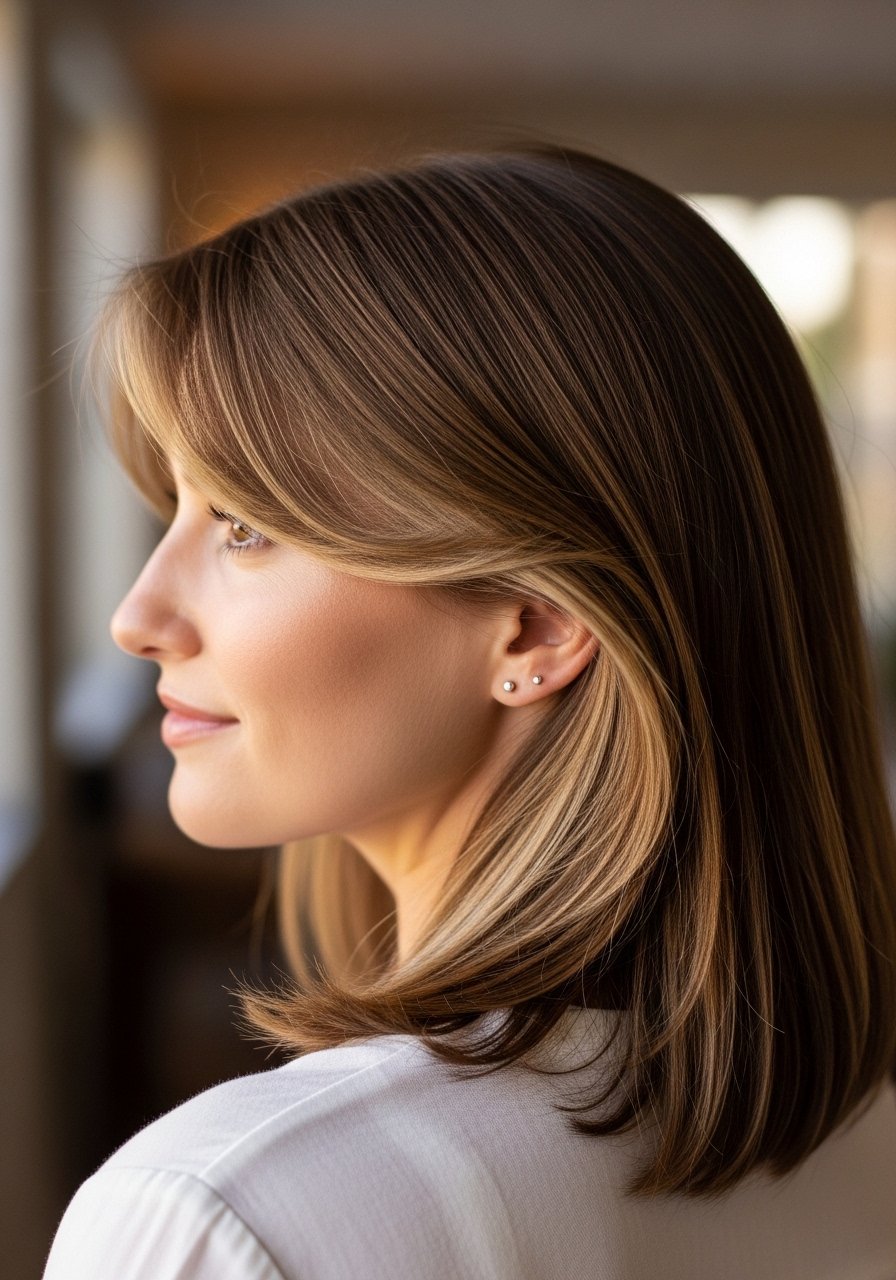
If you want a blonde pop that still looks subtle, the money piece is the trick. Ask for a slightly wider front section that is feathered into the rest of the brown, not blocked off. For medium-thick 2B to 3A hair the colorist will hand-paint the section and blend the edges, then tone with a demi gloss for five to eight minutes so it does not go brassy. This is one of the quickest ways to brighten your face without a full highlight service. Common mistake is asking for a high-contrast stripe, which reads dated. If you DIY, use a low-volume 10 developer and only lift the front pieces. Keep a sulfate-free color-safe shampoo on hand and rinse with cool water to help the gloss last.
Root Smudge to Make Regrowth Invisible
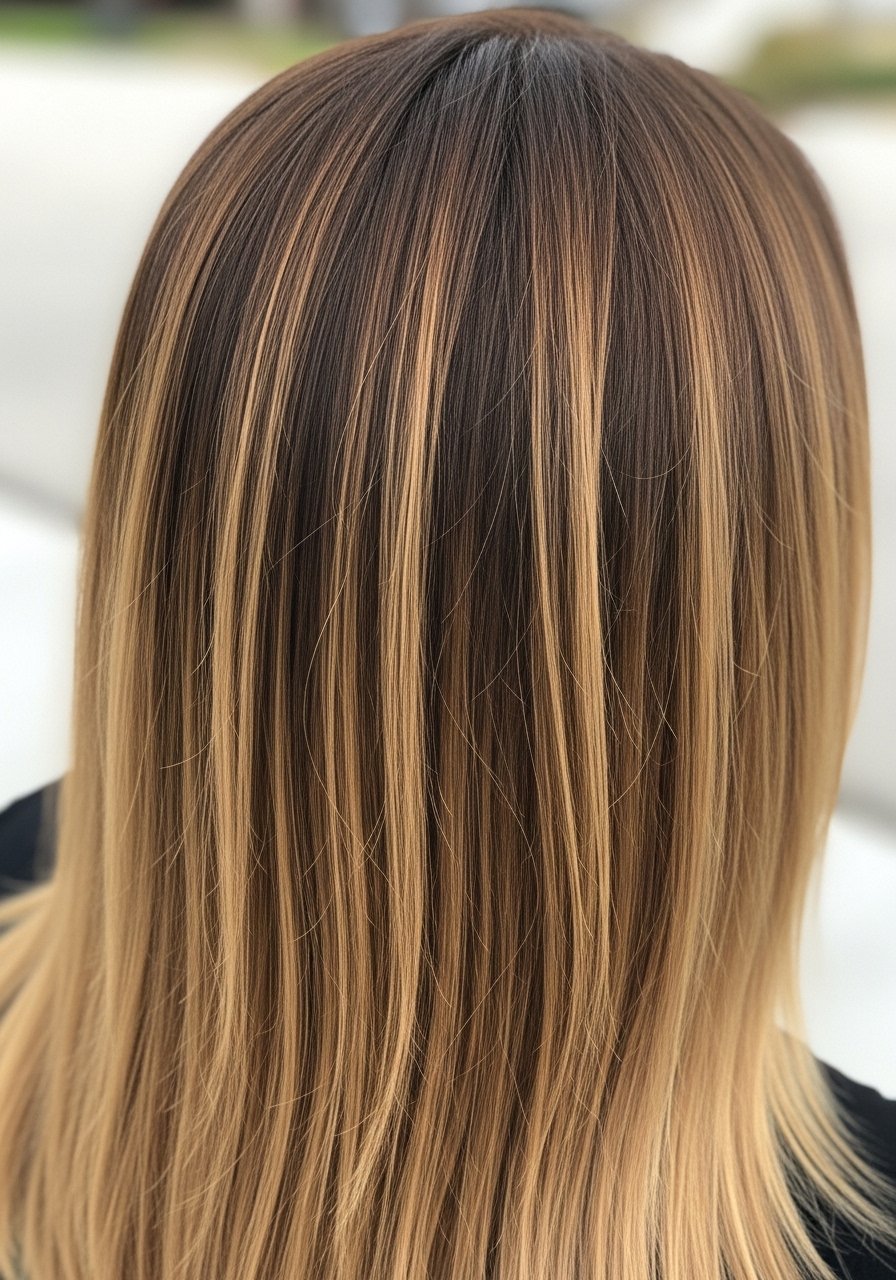
Root smudging lives rent-free in my rotation because it turns the obvious line between highlights and roots into a soft shadow. This is best on shoulder-length to long hair that already has lighter ends. The colorist paints a demi-permanent shade at the rootline and drags it out about half an inch, then blends with a paddle brush. It takes 20 to 30 minutes in salon time and saves you from monthly touchups. DIY warnings apply, do an allergy patch test for any tint, and do not try a heavy bleach smudge at home. If brass appears, swap too-frequent purple shampoo for once a week instead. A gloss after the smudge lengthens the low-maintenance window.
Balayage With Ashy Ends for Cool Brown Blends
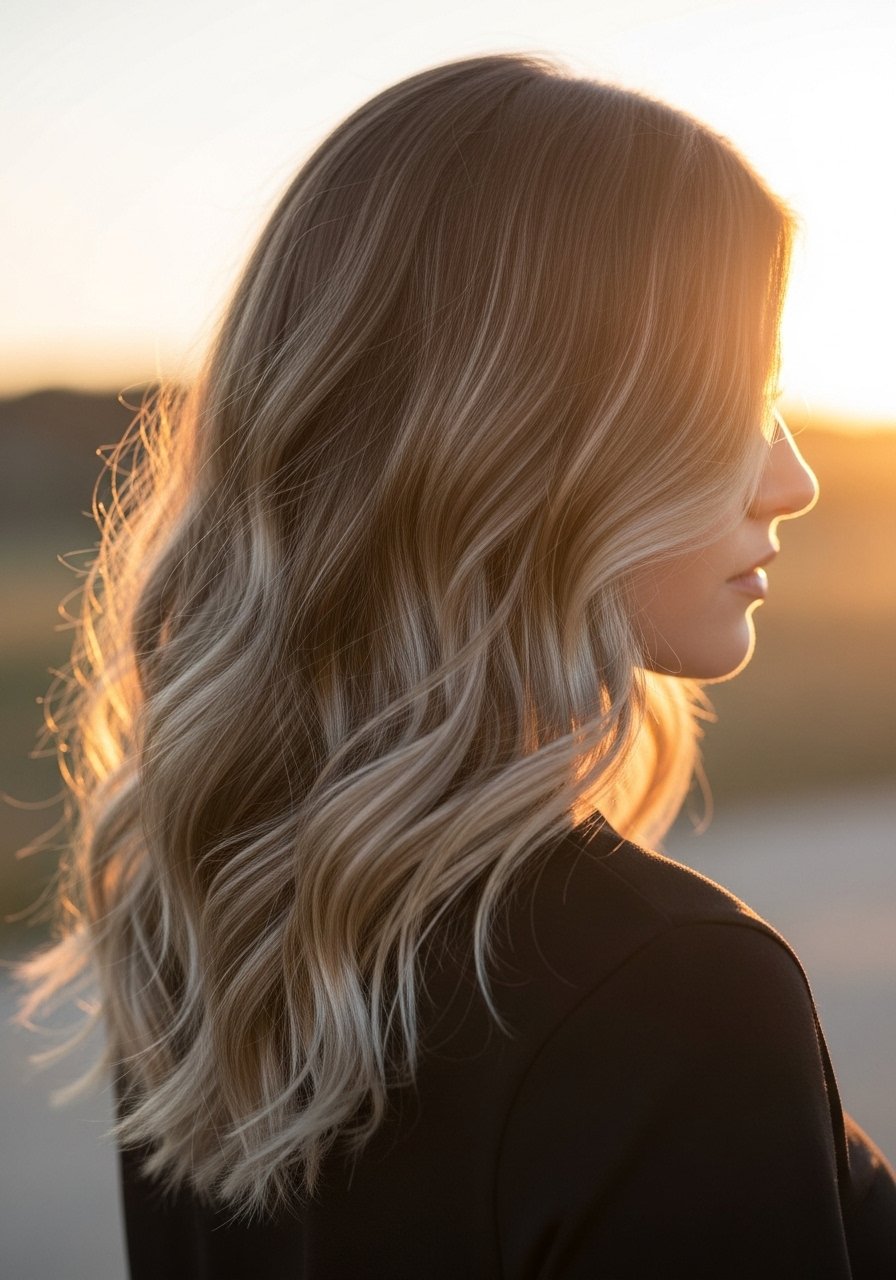
Balayage gives dimension without an obvious highlight pattern. For those with thick, wavy hair balayage is painted in hand-held slices, which means less foiling and more natural fade. If you want cool ash ends bring a toner request, for example a demi-permanent ash gloss left on for six to eight minutes. Processing varies by natural level but expect 25 to 50 percent lightening through mid-lengths before toning. A common mistake is over-smoothing the paint, which kills movement. Salon jobs are worth the cost here, because lifting thick hair evenly at home takes practice. After the service, use a heat protectant whenever using irons over 300F, and reapply every time you heat style.
Short Bob Face-Framing Lights That Read Natural
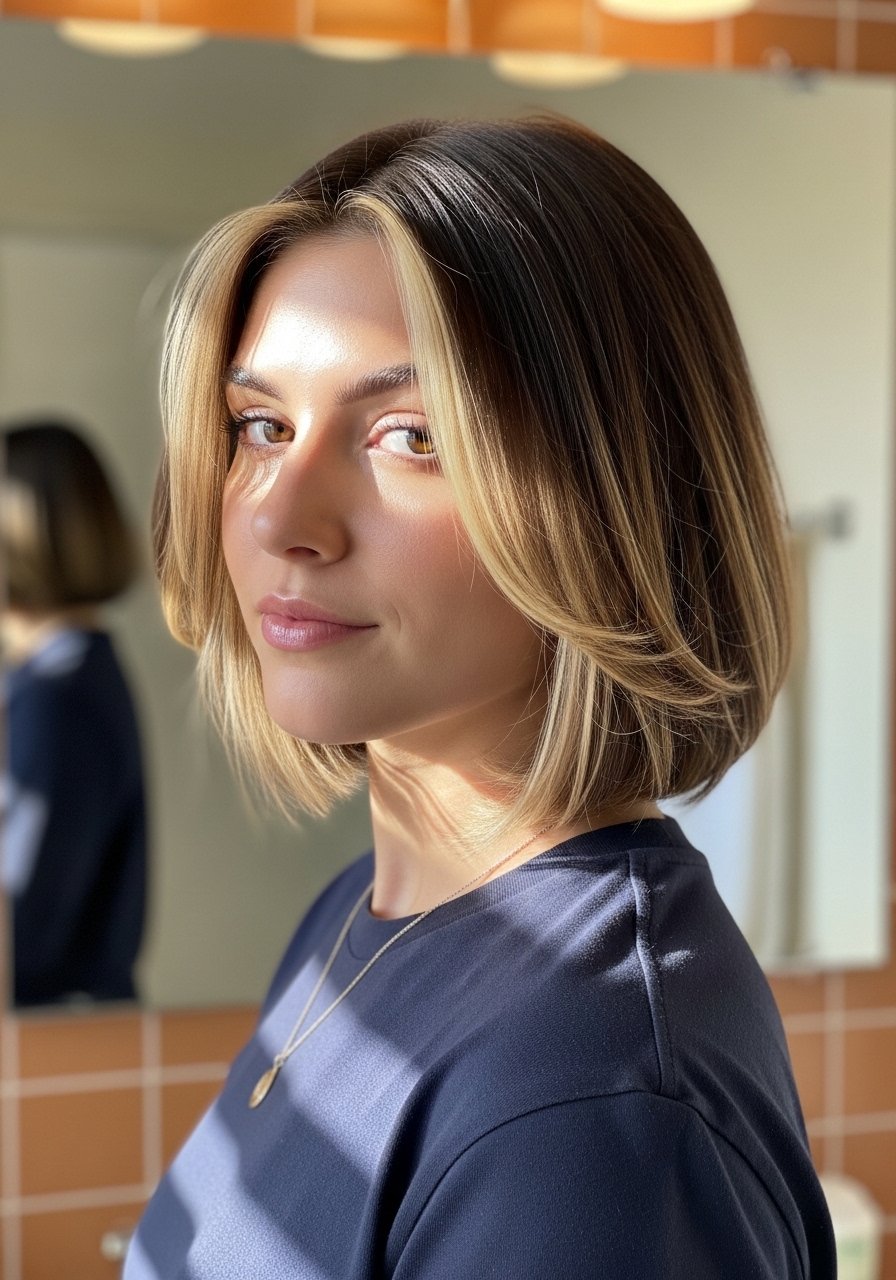
Short cuts need careful placement, because a chunky highlight is obvious on a bob. I ask for micro face-framing pieces about 1/4 inch wide, painted to match the haircut shape. For straight 1B to 1C hair this adds lift without wider maintenance. Salon time is usually 30 to 45 minutes and costs less than a full head of foils. If you try it at home, use a creamy lightener and short processing times, because short hair lifts fast. One mistake people make is applying lightener all around the ear. Keep the pieces front-only for the cleanest look. Touch up with a demi gloss at home between salon visits to keep the pieces from oxidizing.
Babylights for Curly Hair to Keep Dimension Without Drying
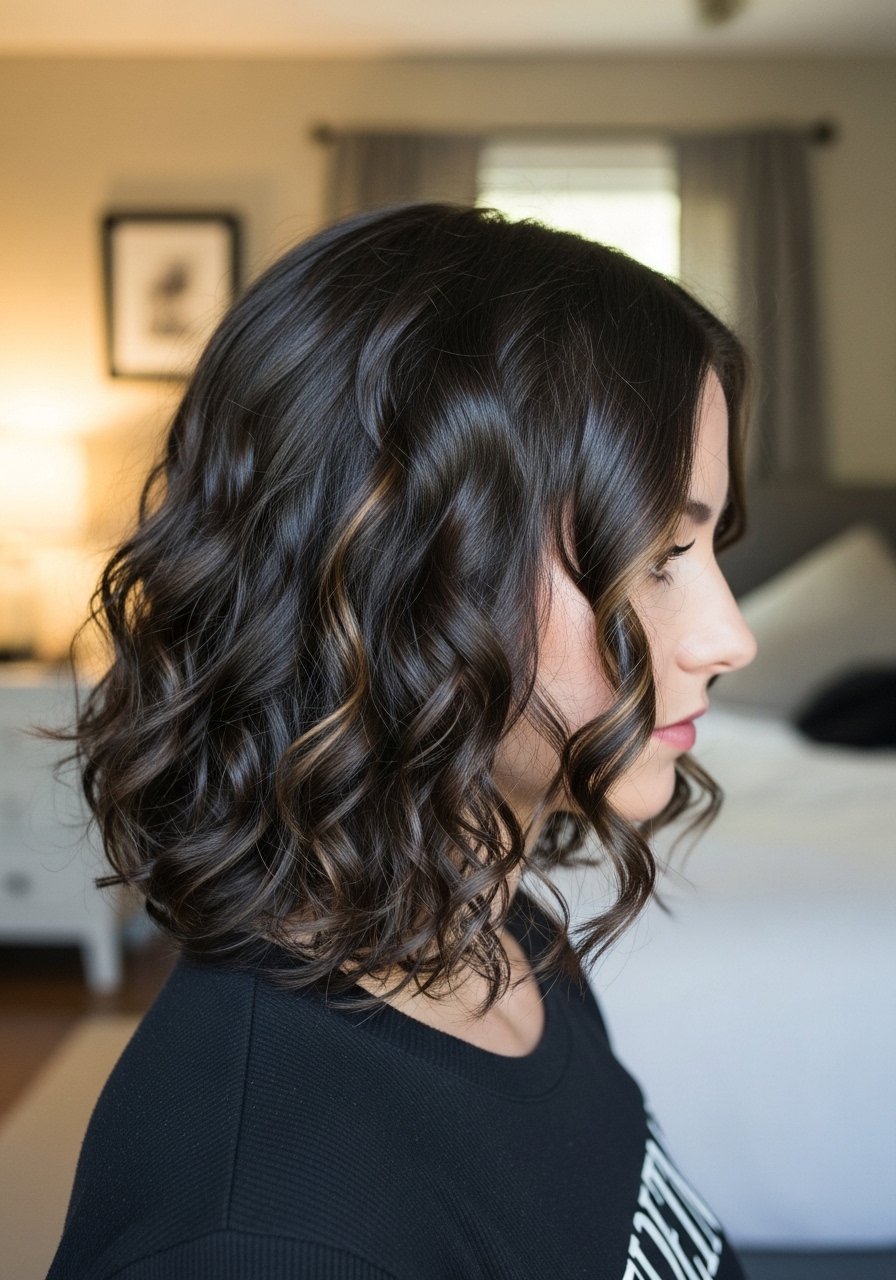
Curly hair and highlights can look amazing if done in thin strands. For 3A to 4A curls, ask your stylist to place highlights on the outside layer only, using 1/8 inch slices and a low-volume developer, typically 10 volume, and check every 6 to 8 minutes. Curly hair reads color differently, so less is more. Bond-building treatments are not optional here. If your curls feel dry after lightening, weekly K18 Molecular Repair Mask for five minutes made a real difference for me, not in marketing language but in how the curls spring back. Avoid processing overlapping lifted hair and get a glass of water ready, because bleaching can be thirsty on textured strands.
Honey-Gloss Top-Up to Kill Brass Without a Cut
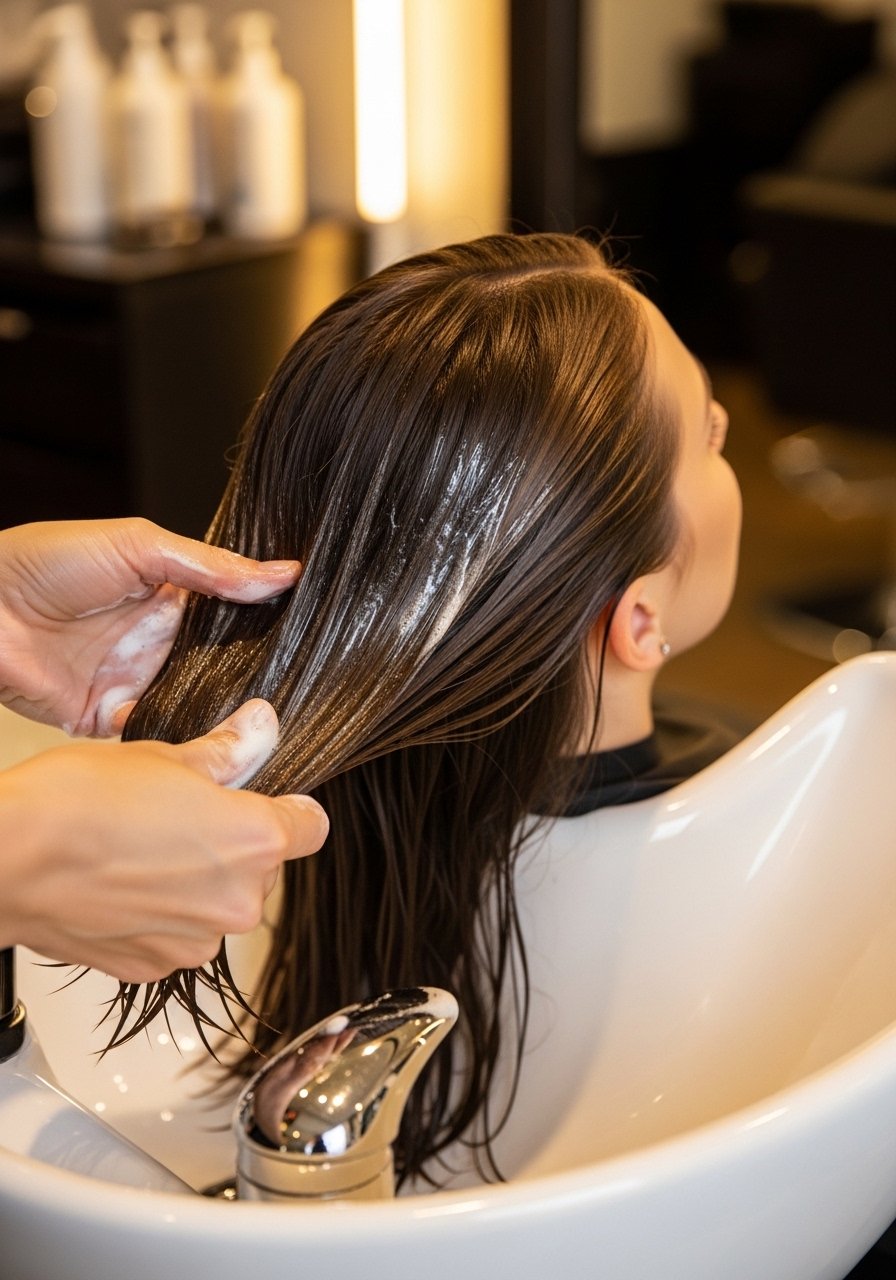
When my highlights start to veer warm, a honey gloss saves money and time. A clear or slightly toned glaze deposits pigment without lifting further, so it is safe between lightening sessions. Expect a 20 to 30 minute salon visit, and the effect typically lasts four to six weeks depending on shampoo frequency. Do not confuse household toners with a professional gloss. If you prefer an at-home route, a demi-permanent gloss from a reputable brand applied for five to ten minutes can help. Watch for counterfeits on premium salon brands, and buy from the official store on Amazon or from Ulta or Sephora when possible.
Face-Skimming Babyslices for Round Faces That Slim
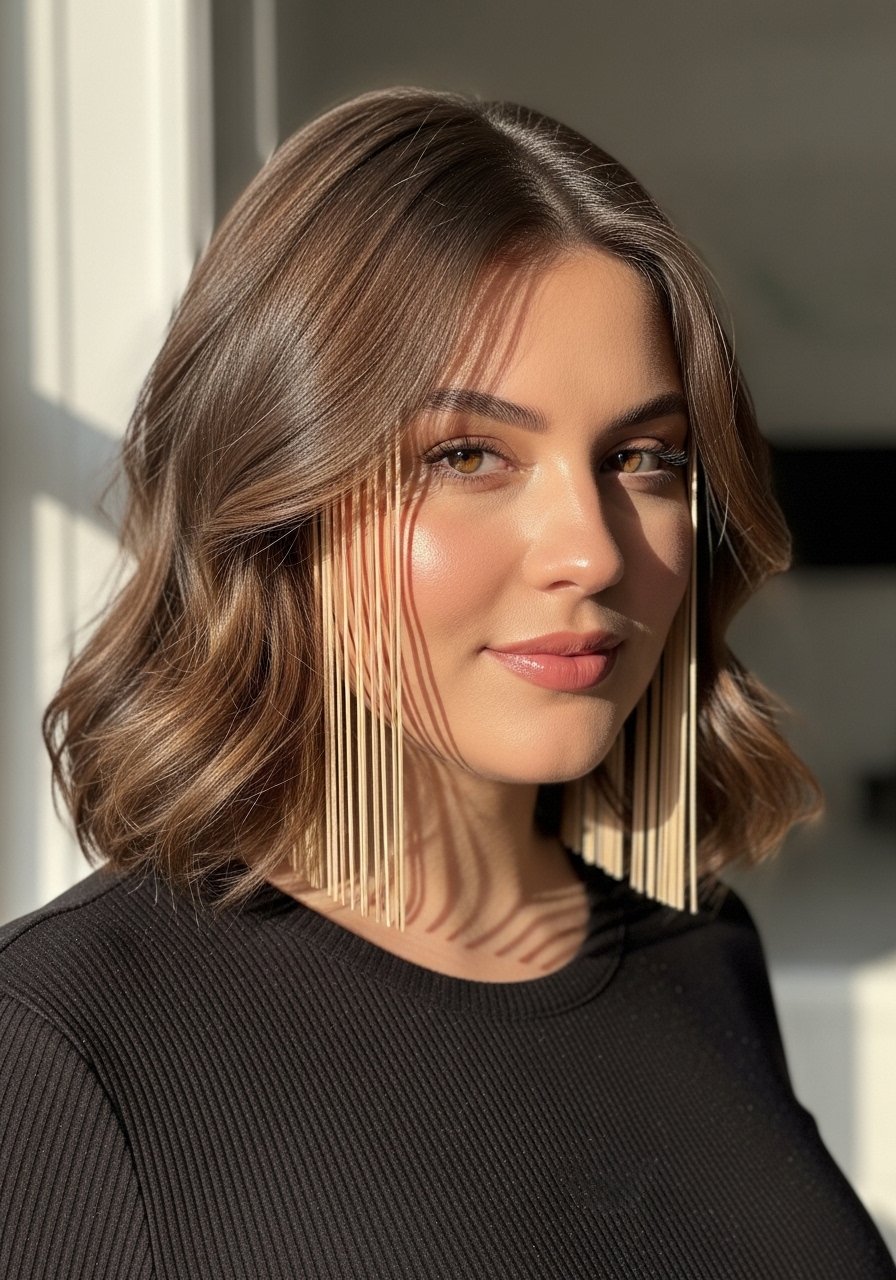
If your goal is to make a round face look longer, strategic placement beats overall lightening. Tell the colorist to paint longer, narrow slices that start higher at the hairline and sweep down past the cheekbones. This trick works well on 2A to 3B hair and takes 30 to 45 minutes. A frequent misstep is too-wide panels that read heavy and dated. These slices need softer edges and a demi gloss to blend. At home, keep the pieces toned with a purple shampoo used no more than once a week. A friend asked why her hair felt like straw. She had been using purple shampoo every wash for six months. Swapped to once a week and it came back.
Peekaboo Underlights for Hidden Blonde Movement
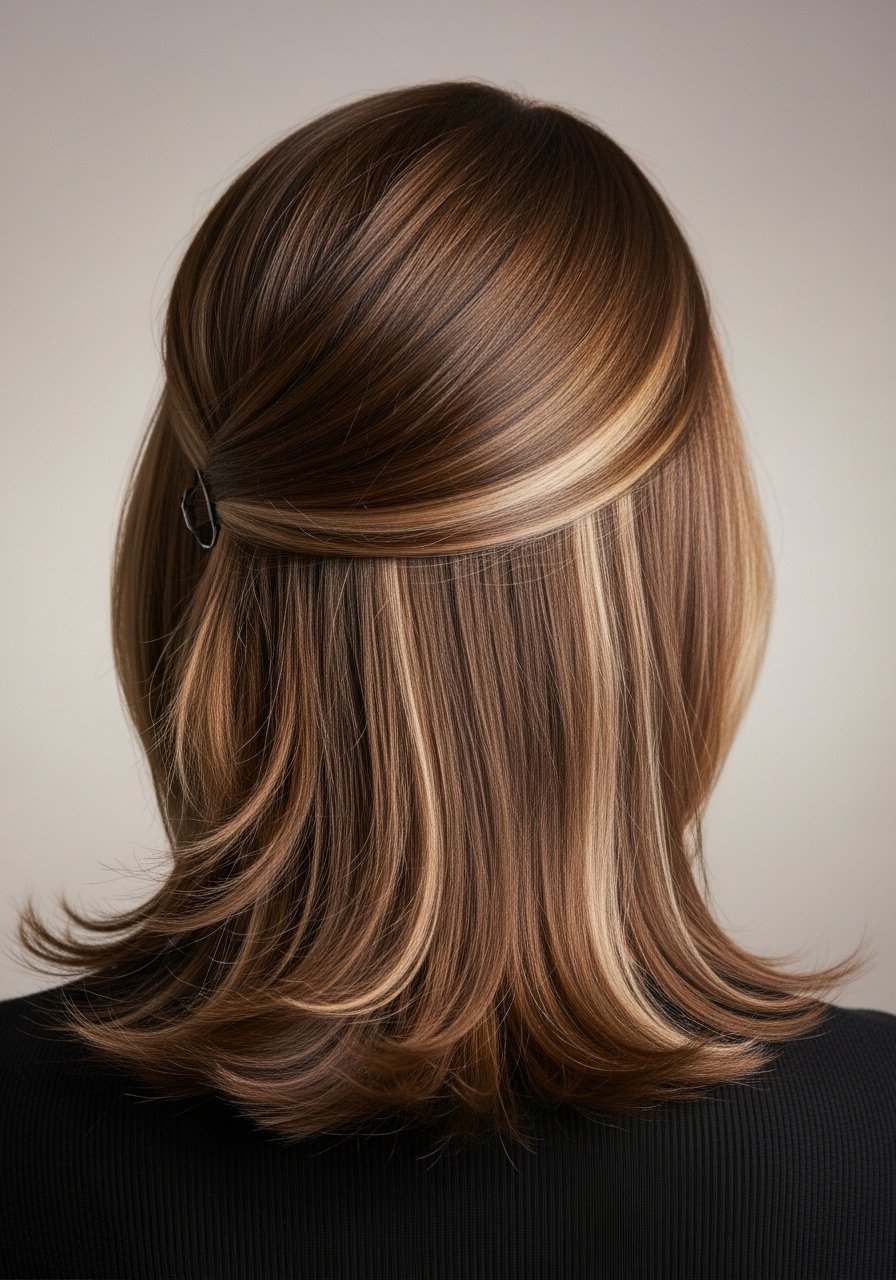
Peekaboo highlights are ideal if you want blonde that only shows when you move. The stylist lifts underlayers and leaves the top coat dark, which keeps the overall look subtle. This is great for thick or layered hair because it preserves the brown surface and adds depth. Processing 10 to 20 minutes with a low-volume developer is common, then a quick toner to avoid brass. DIY underlights are doable if you can precisely section the underside without touching the top layer. This approach reduces salon visits because the top color hides regrowth.
Ash Blonde Balayage for Cooler Tones on Brown Hair
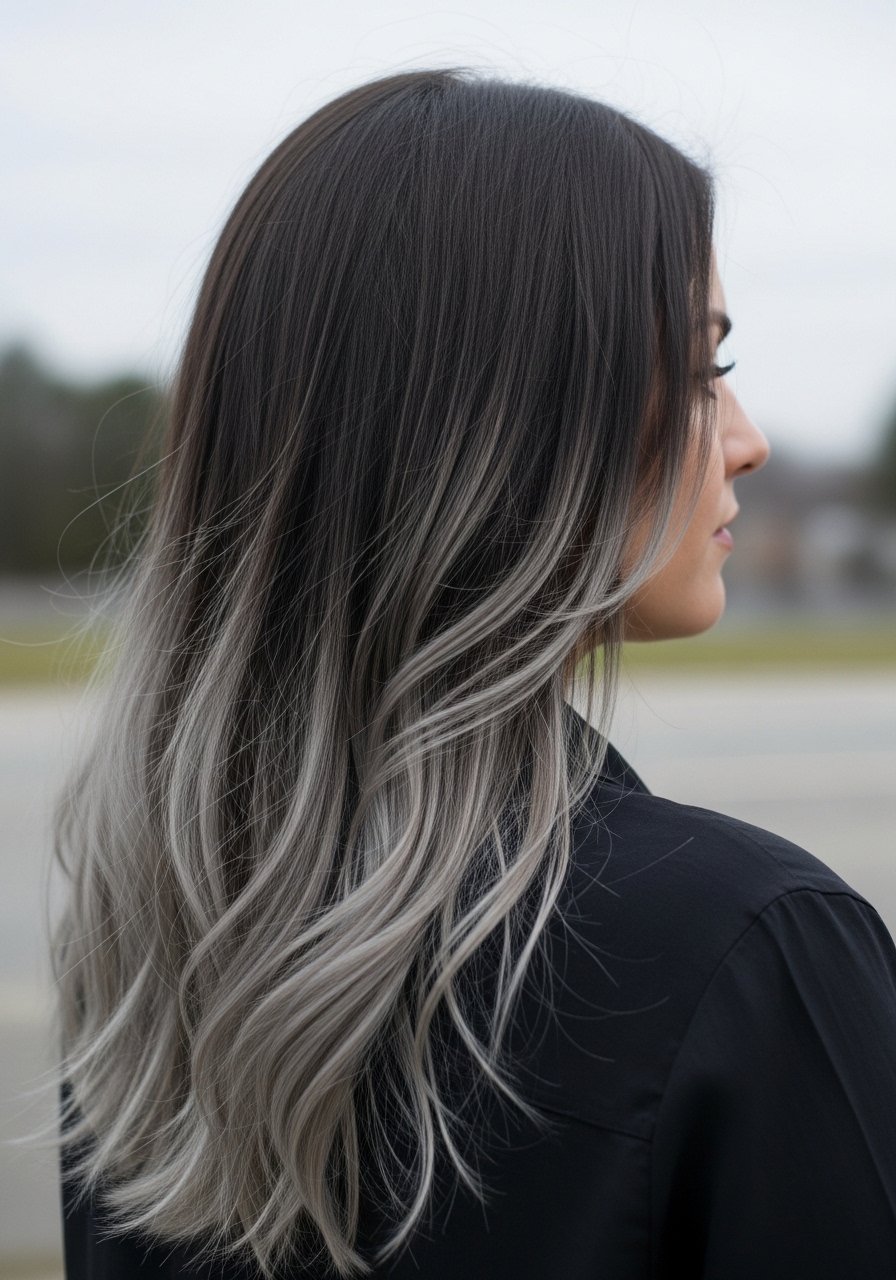
If you lean cool, an ash-blonde balayage avoids the warm golden fade. The colorist will lighten the mid-lengths and ends, then tone with an ash gloss. For many brown bases this requires two-step sessions to avoid brass and keep integrity intact. Expect salon appointments spaced over months, not one sitting, unless your base is already light. A common mistake is over-using purple shampoo, which strips moisture. Hair grows about half an inch a month at most, regardless of what biotin gummies promise you. Plan color maintenance around trim cycles and a weekly bond treatment to lower breakage risk.
A Simple DIY Babylight Touch-Up for Root Regrowth
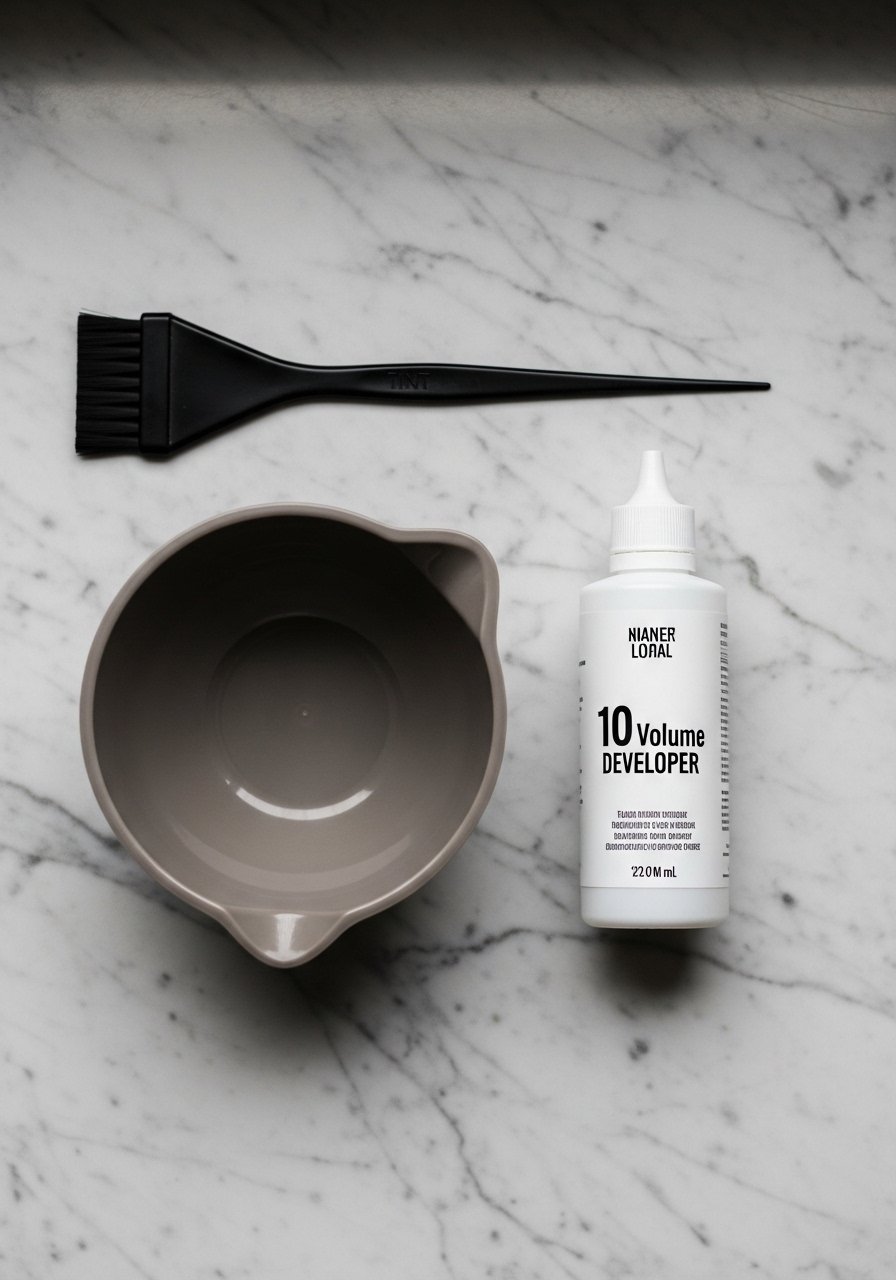
If you cannot make it to the salon, small touch-ups can keep babylights believable between appointments. Use a 10 volume developer and work in tiny 1/8 inch pieces only on the new growth, not overlapping previously lightened hair. Mix a creamy lightener to toothpaste consistency and check every 6 to 8 minutes. A common DIY mistake is leaving the mixture on too long, which creates banding when pieces catch more than others. Always do a skin allergy patch test and be realistic: lifting over existing color or doing full head highlights at home often ends in a corrective session. If you fear breaking hair, stop and book a pro.
What I Keep in My Brown-To-Blonde Kit
- For toning and brass: Fanola No Yellow Shampoo 8.45oz, use once a week max for highlighted hair.
- At-home repair: Olaplex No. 3 hair perfector, 3.3oz, weekly for processed ends. Buy from the official seller on Amazon to avoid counterfeits or pick it up at Sephora.
- Quick gloss at home: Wella Color Charm clear gloss for five to ten minute shine. Also sold in salons.
- Bond treatment alternative: K18 molecular repair mask, one 50ml canister lasts many treatments when used as directed.
- Heat protectant: Color Wow heat protectant spray for ironing over 300F.
- Tools: Boar bristle paddle brush to smooth color-treated hair without breakage.
- At-home lightener for tiny touch-ups: Cream lightener and 10 volume developer kit. Do not lift over previous color without pro guidance.
- Sleep protection: Silk pillowcase queen size to reduce abrasion and color fade.
- Styling finish: Color Wow Dream Coat travel size for three to four days of frizz control.
How I Stop Blonde On Brown From Going Brassy
- Heat protectant goes on damp hair, not dry. The cuticle is more open and the product actually absorbs. Color Wow heat protectant spray is one I keep in rotation.
- Grab a microfiber hair towel for $12. It cuts blow dry time and prevents the frizz that makes highlights look uneven.
- Hair grows about half an inch a month at most, regardless of what biotin gummies promise you. Plan trims and low-maintenance color placements around that rate.
- Drugstore shampoo is fine. Where you actually need to spend money is the conditioner and bond builder. Olaplex No. 5 conditioner does more for damaged ends than a $40 shampoo on its own. Buy Olaplex from the official seller on Amazon or at Ulta to avoid counterfeits.
- Most heat protectants you spray on dry hair before flat ironing barely work. They need to absorb into damp or just-dried hair to actually shield the cuticle. Spritz, comb through, then dry lightly before any iron.
Frequently Asked Questions
Q: How often should I use purple shampoo on brown hair with highlights?
A: Once a week is usually enough to manage brass without drying highlighted hair. Overuse can make ends feel straw-like and strip conditioners. If you see dryness, cut the purple shampoo to every two weeks and rely on a gloss between appointments.
Q: Can I go from dark brown to visible blonde in one salon session?
A: Sometimes yes, but often no. If your natural base is level 3 to 4 you may need two sessions spaced weeks apart to avoid excessive damage. Ask your stylist about staged lightening and bond builders to protect the hair in between.
Q: Is it safe to touch up highlights at home?
A: Tiny root touch-ups with a 10 volume developer on small sections can work, but lifting over previous color or doing a full head at home risks breakage and banding. If you are unsure, save for a pro session.
Q: Will bond treatments fix my over-processed hair?
A: Bond builders strengthen and smooth hair, and they help cosmetically. They do not undo past damage completely. Regular use can reduce breakage and improve manageability, but trims are still the only true way to remove split ends.
Q: How do I choose between babylights, balayage, and full highlights on brown hair?
A: Pick babylights for subtle, face-forward brightness, balayage for low-maintenance sun-kissed fade, and full highlights if you want overall lightening. Hair density and curl pattern matter, so ask for placement tailored to your length and texture.
Q: Can I tone down brass at home without going to the salon?
A: Yes, a demi-permanent ash gloss used for five to ten minutes can help. If brass is severe, professional toning is safer. Always patch test and avoid repeated strong toners at home to prevent dryness.