
I rinsed blue-black dye out in the kitchen sink once at midnight and woke up to patchy color that looked like a bad Snapchat filter. Since then I have learned how to aim for subtle blue-black that reads natural in indoor light and flashes blue in sunlight. These are looks I have tested on myself and friends, with notes on upkeep, pain points, and the products that actually help keep the color looking intentional.
These ideas mostly serve straight to wavy 1B through 3B hair, and a handful are tuned for coarser textures. Most can be done at home with one or two salon visits for the gloss options. Budget runs from bargain box dye to a salon gloss that costs about what I paid for a night out. Time ranges from a five minute root refresh to a two hour salon gloss.
Subtle Blue Black Gloss for Grown-Out Roots
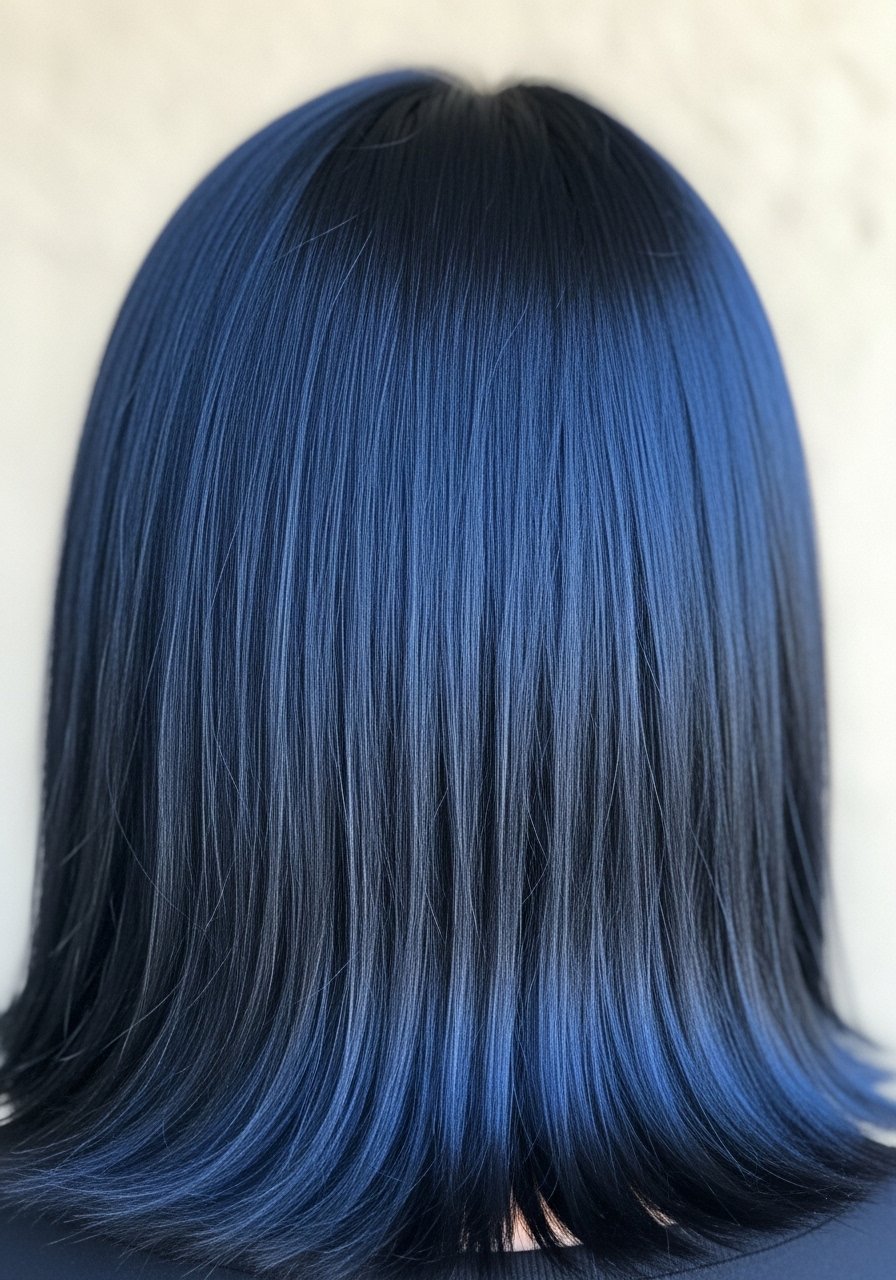
If your roots are showing but you love the blue-black look, a demi-permanent gloss blends the regrowth without a full lift. I book a 45 to 60 minute salon gloss when I want depth without commitment, or use a salon-quality demi box at home for a 20 minute processing time. After lightening, I wait two weeks before any gloss to avoid overlapping chemicals. For weekly care, a sulfate-free 8oz clarifying shampoo used once every two to three washes keeps build up low. Buy the gloss or look for a demi-permanent blue-black option like blue-black demi-permanent hair dye if you are doing a careful at-home refresh. Avoid leaving gloss on beyond manufacturer time, and patch test for allergies.
Blue Black Balayage on Shoulder-Length Waves

Balayage with blue-black tones gives dimension without a full head of dark dye that can look flat. For shoulder-length wavy hair, I ask my colorist for hand-painted lowlights at three to four 1-inch sections per side so the pieces look natural when the hair is parted differently. Expect a two to three hour salon session and a two-week tone correction if you are moving from warm tones. To help the blue hold, I spray a light anti-humidity product before diffusing, like Color Wow Dream Coat in small amounts. A common mistake is over-saturating with blue pigment at the hairline, which creates an obvious band. If you want to DIY, use a semi-permanent blue-black dye on pre-lightened pieces and rinse with cool water to lock tone.
Midnight Shadow Roots for Low-Maintenance Color
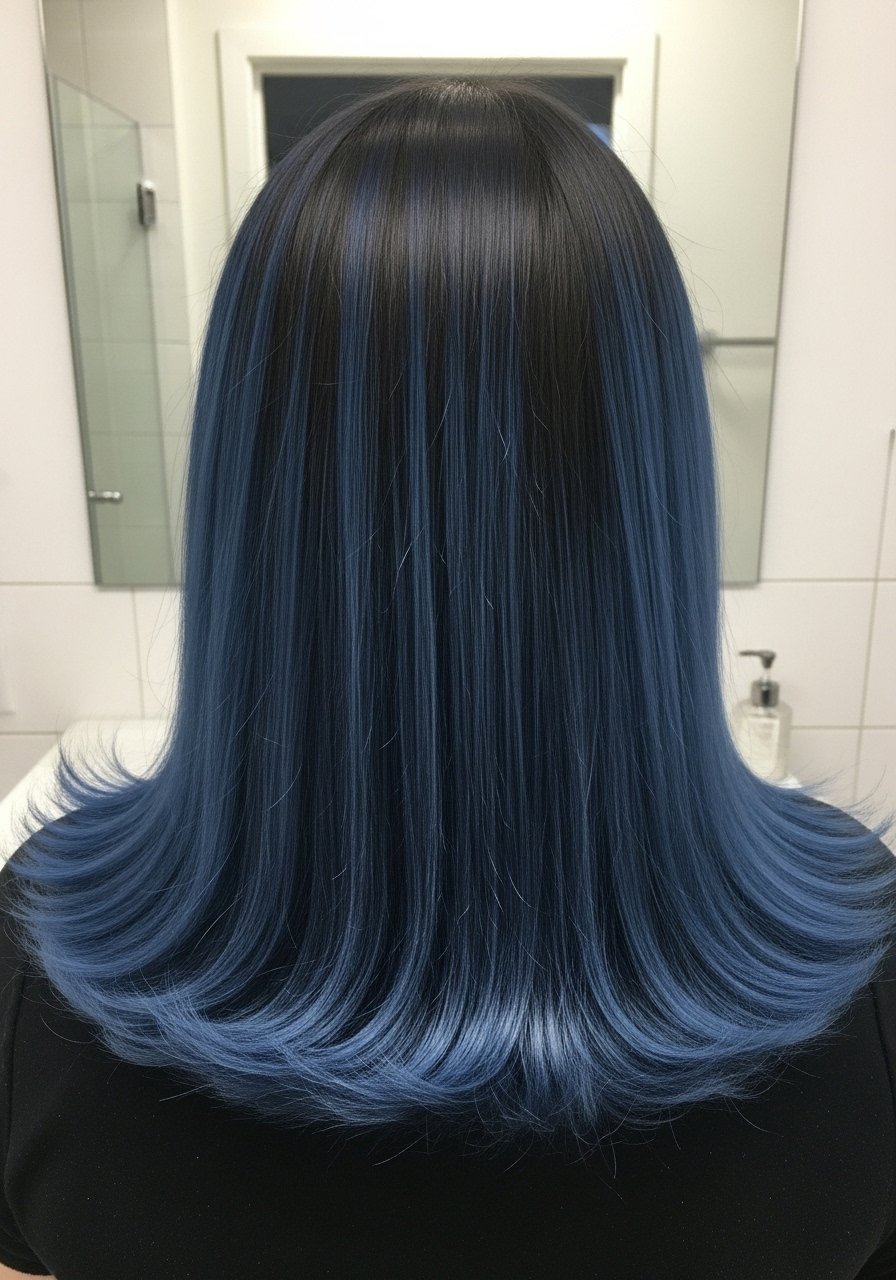
If you hate weekly root touch-ups, shadow roots give you a lived-in look. The stylist will melt a shade or two darker at the root and blend it down over 10 to 15 minute soft feathery strokes. I tell friends this saves at least two monthly appointments. It works on medium to thick hair, and on fine hair you ask for softer feathering to avoid weight at the crown. For home care, wash every 4 to 6 days and use a leave-in conditioner that contains UV filters. A common frustration is seeing a blue ring where the root meets the length. If that happens, a thin gloss session fixes it fast. Avoid lifting roots at home, that is a salon job.
Blue Black on Pixie Cuts for Edge Without Drama
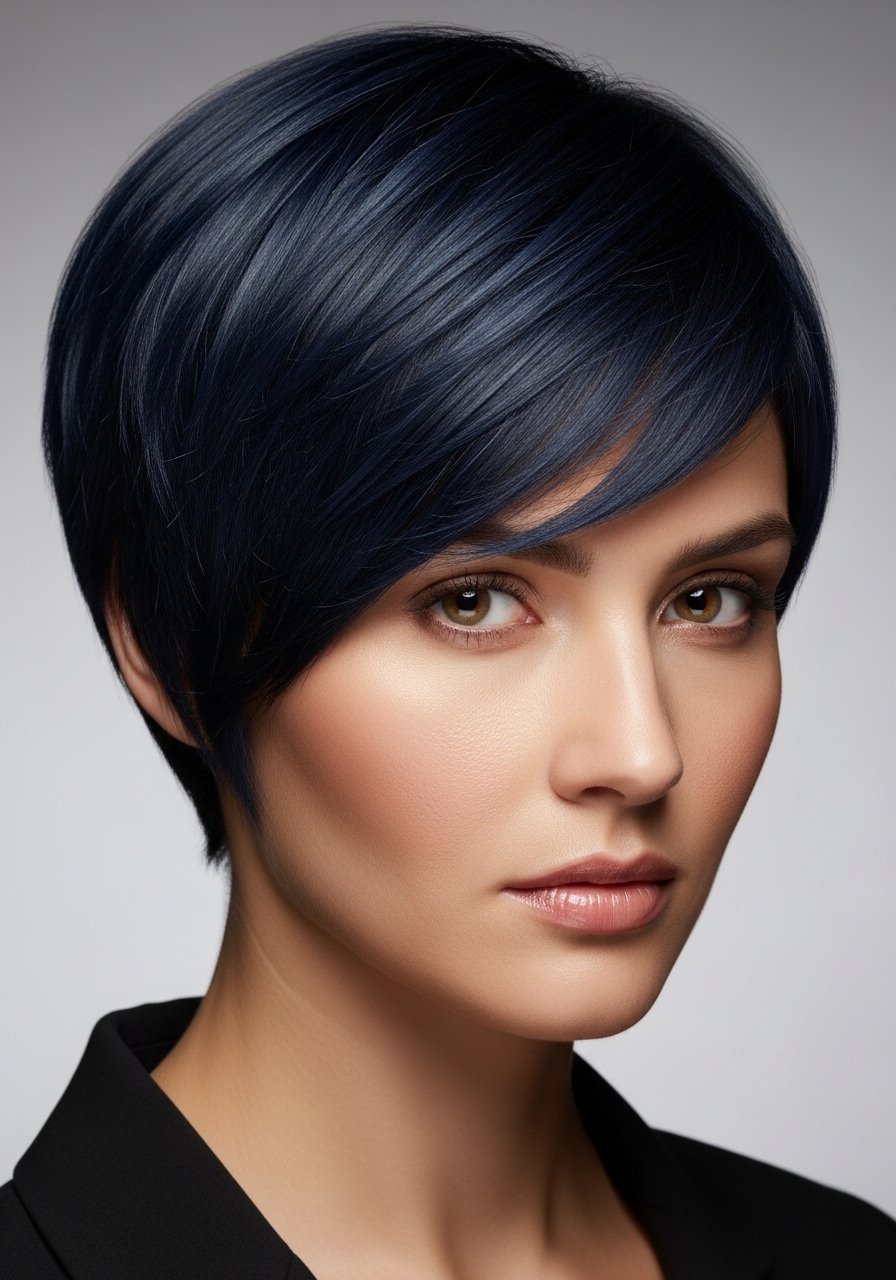
Pixies look modern with a blue-black tone because they catch light differently on short layers. On hair this short, one salon semi-permanent session usually does the job, about 30 minutes. For fine hair textures, use one applicator pass to avoid saturation that makes strands look clumped. After color, smoothing with a pea-sized amount of lightweight serum at the ends stops the tips from looking dull. I use a small metal comb for quick root blending on the second week when the cut starts to show growth lines. Patch test before any permanent dye near the scalp if your skin is reactive.
Blue Black Underlights for Peekaboo Color
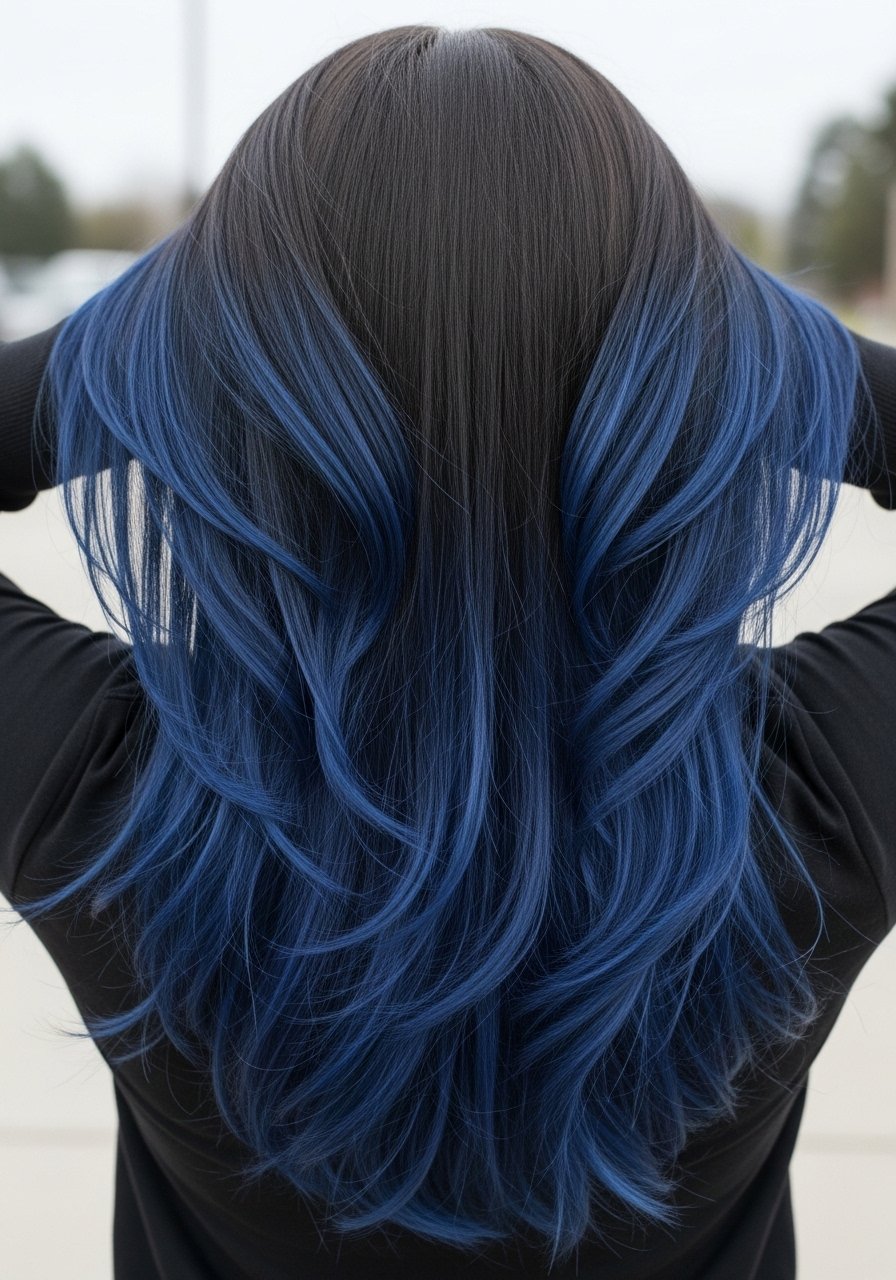
Underlights are my favorite for people who like color but need to keep it subtle at work. The stylist colors 6 to 10 thin sections underneath, leaving the surface layer untouched. This is great for thick and textured hair because the top layer hides the color until you wear hair up. At home, touch-ups are as simple as a demi-permanent run through the underlayer every six to eight weeks. One mistake is using a heavy conditioning mask right after dye because it can speed pigment fade. Instead, use a gentle weekly protein or bond treatment and wash with a cool rinse to seal the cuticle.
Soft Blue Black on Curly 3B Hair That Keeps Definition
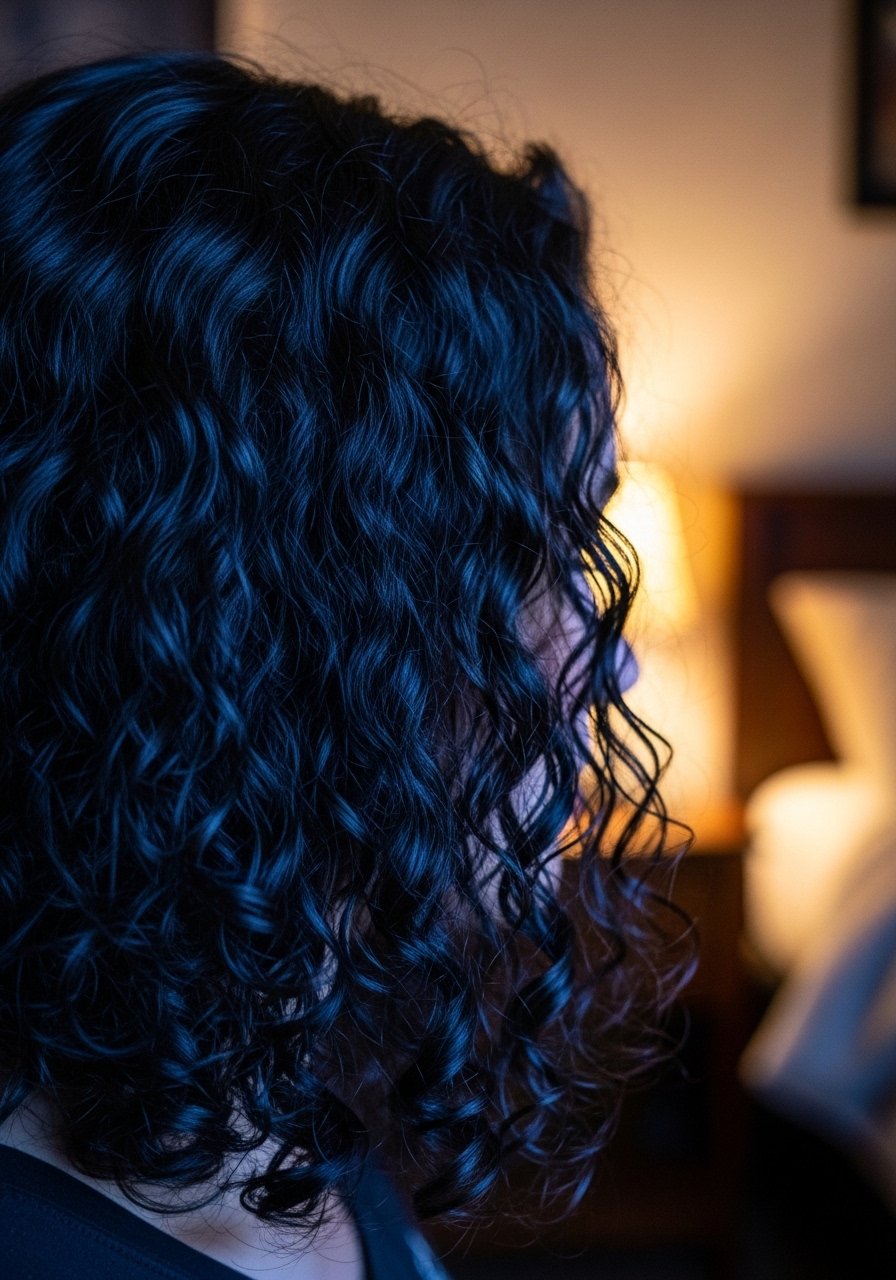
Curly hair shows color vibrancy in a different way. For 3B curls, I prefer semi-permanent blue-black dyes that do not strip moisture. Apply in sections of about 1.5 inches across the crown to ensure even saturation. Use the LOC method after color, oil last, so the pigment does not migrate into heavy creams and change the curl cast. If curls feel drier after dyeing, a weekly Olaplex No.3 at-home treatment for 12 minutes usually helps the strands feel stronger without weighing them down. Avoid aggressive towel rubbing, and always blot with a microfiber towel. Salon vs DIY, a trusted colorist can preserve your curl pattern while depositing color.
Blue Black Glossing Treatment for Brassy Recovery
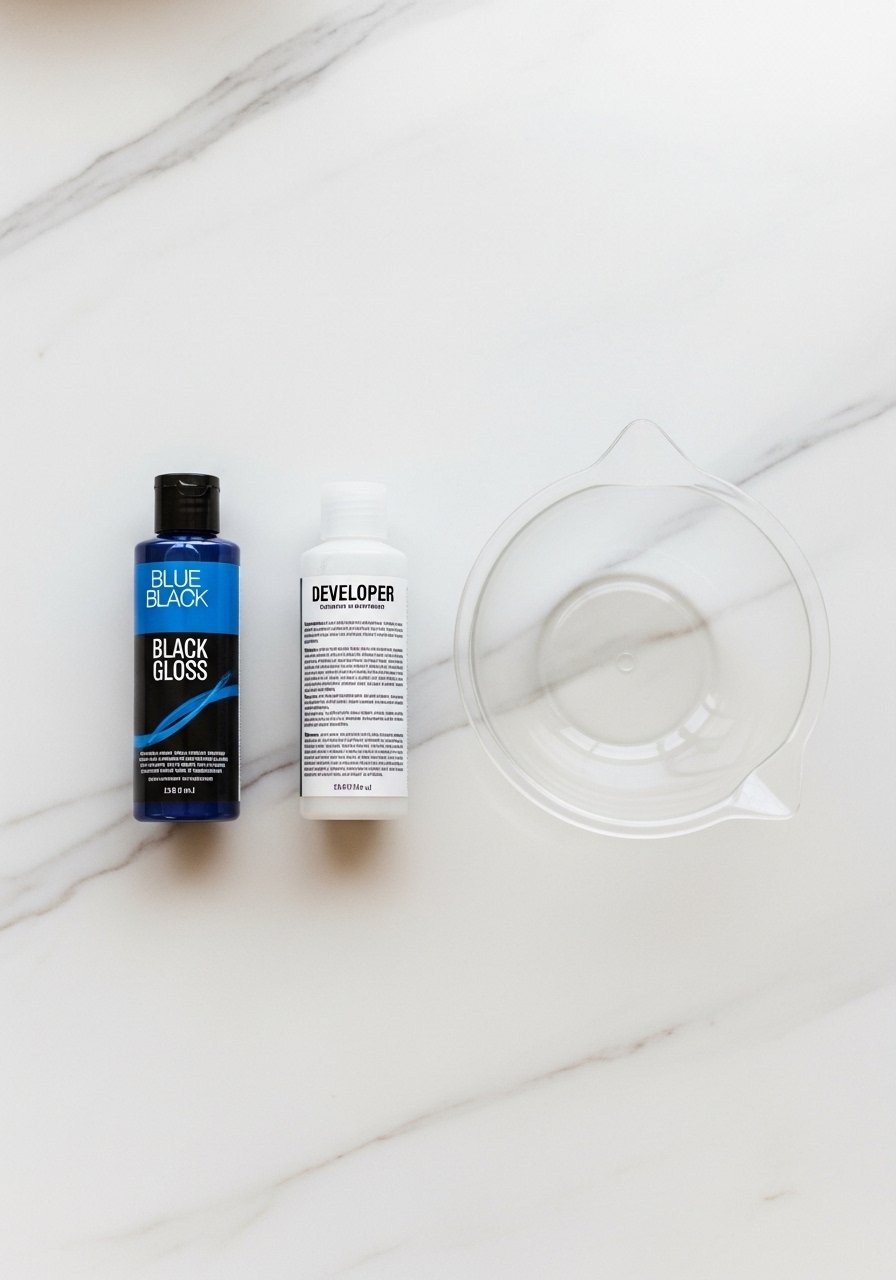
If warm brass took over after a salon session, a blue-black glossing treatment can neutralize brassy tones and add shine in one appointment. My stylist mixes a demi-permanent blue-black with a clear gloss and leaves it for 15 to 25 minutes, depending on porosity. This is a salon treatment I rarely do at home because overlapping chemicals can stress hair. A safety note, do not gloss over hair that was just lifted in the last 48 hours without consulting your stylist. For at-home maintenance, a weekly violet-tinted rinse used once will keep brassy notes down without over-using purple shampoo.
The Blue Black Basics I Keep in My Color Kit
- Honestly I keep a travel bottle of Olaplex No.3 Hair Perfector for 10 to 20 minute weekly treatments, it saves my ends from feeling crunchy
- For color deposit, a tube of semi-permanent blue-black dye for quick at-home root blends
- A gentle sulfate-free clarifying shampoo 8oz used only every 2 to 3 washes to remove product buildup
- Color Wow Dream Coat anti-humidity spray for smoothing before blow drying
- Light heat protectant spray like heat-protectant spray. Always use before irons over 300F
- K18 leave-in molecular repair treatment for a stronger-feeling shaft after color, buy from an authorized seller to avoid counterfeits
- Silk pillowcase standard size to reduce friction and color rub-off overnight
- Boar bristle paddle brush to distribute natural oils without stripping color
- Microfiber hair towel to blot hair gently after washing
Semi-Permanent Blue Black Touch-Ups at Home
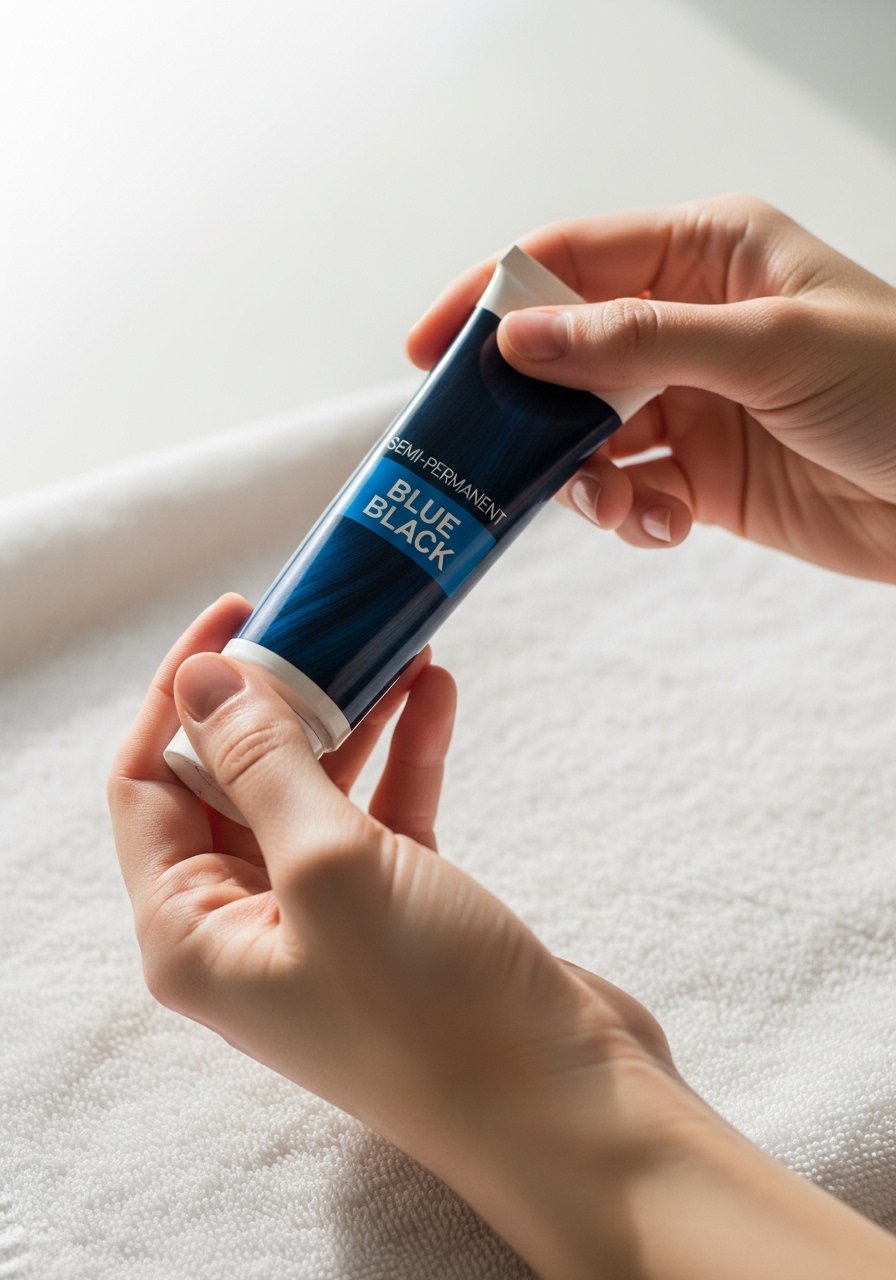
If you want to avoid salon prices, semi-permanent dyes are forgiving and deposit color without peroxide. For a subtle look, apply in 1/4-inch horizontal sections and process for 15 to 20 minutes. Rinse with cool water and skip heavy conditioners for the first wash. A frequent mistake is leaving semi-permanent dye on overnight to deepen color. That generally oversaturates the hair and creates an unnatural patchy result. For fairer shades under blue-black, pre-lightening is required. If you have any scalp sensitivity, do a 48 hour patch test. For targeted root refresh, mix a small amount of dye with conditioner for a diluted refresh.
Blue Black on Thick Coarse Hair with Heat Protection
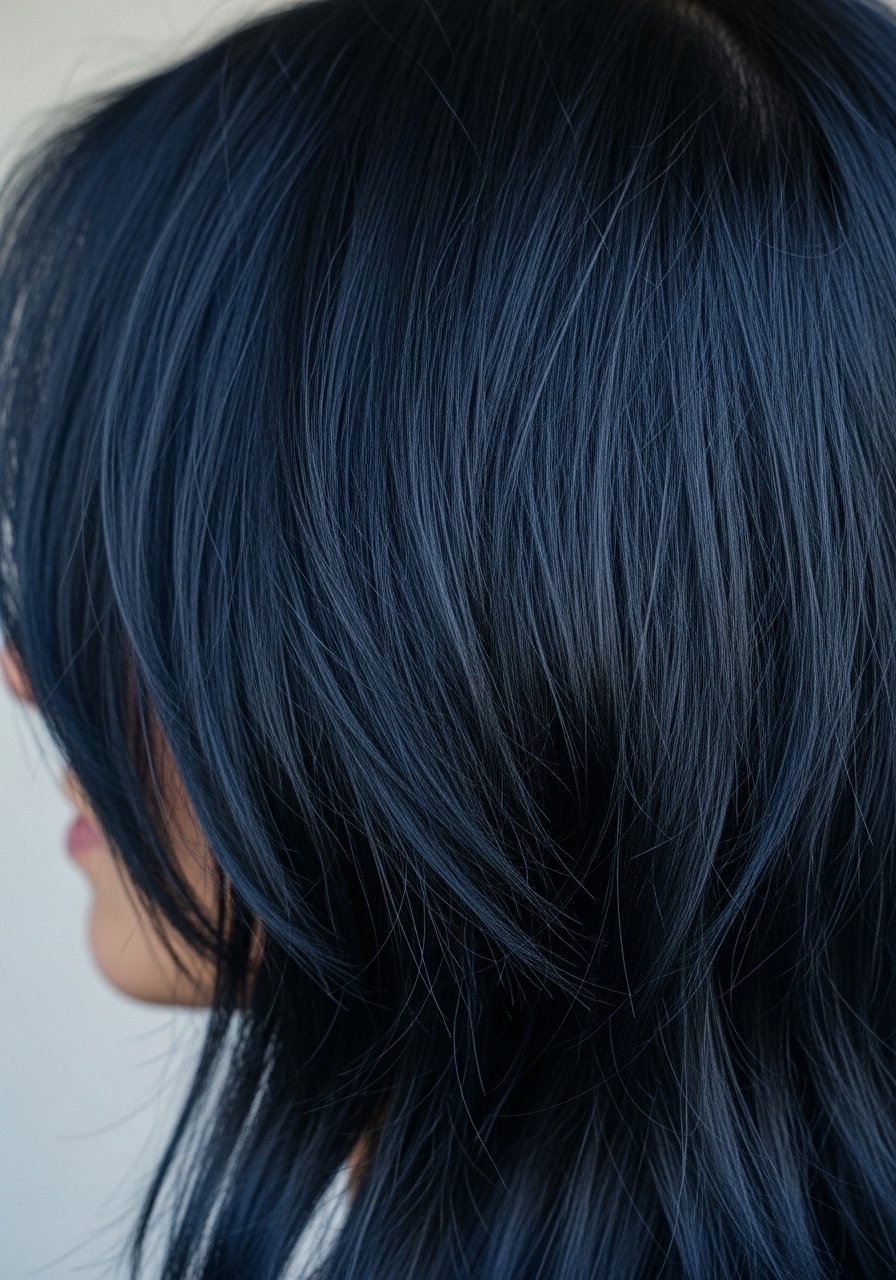
Thicker hair drinks color, so plan on slightly more product and a longer processing time. I section thick hair into 12 to 16 subsections for even application and work from the nape up. When you style with heat, always apply a heat protectant to damp hair first. This is important because heat over 300F does the most visible damage, so use a lower temperature and multiple passes rather than a single 450F blast. For coarse hair, a weekly bond treatment and an occasional olive oil hot oil treatment help the color sit on a softer surface. If you frequently use irons, invest in a quality plate and keep temperatures under 350F when possible.
Blue Black Money Piece for Face-Framing Depth
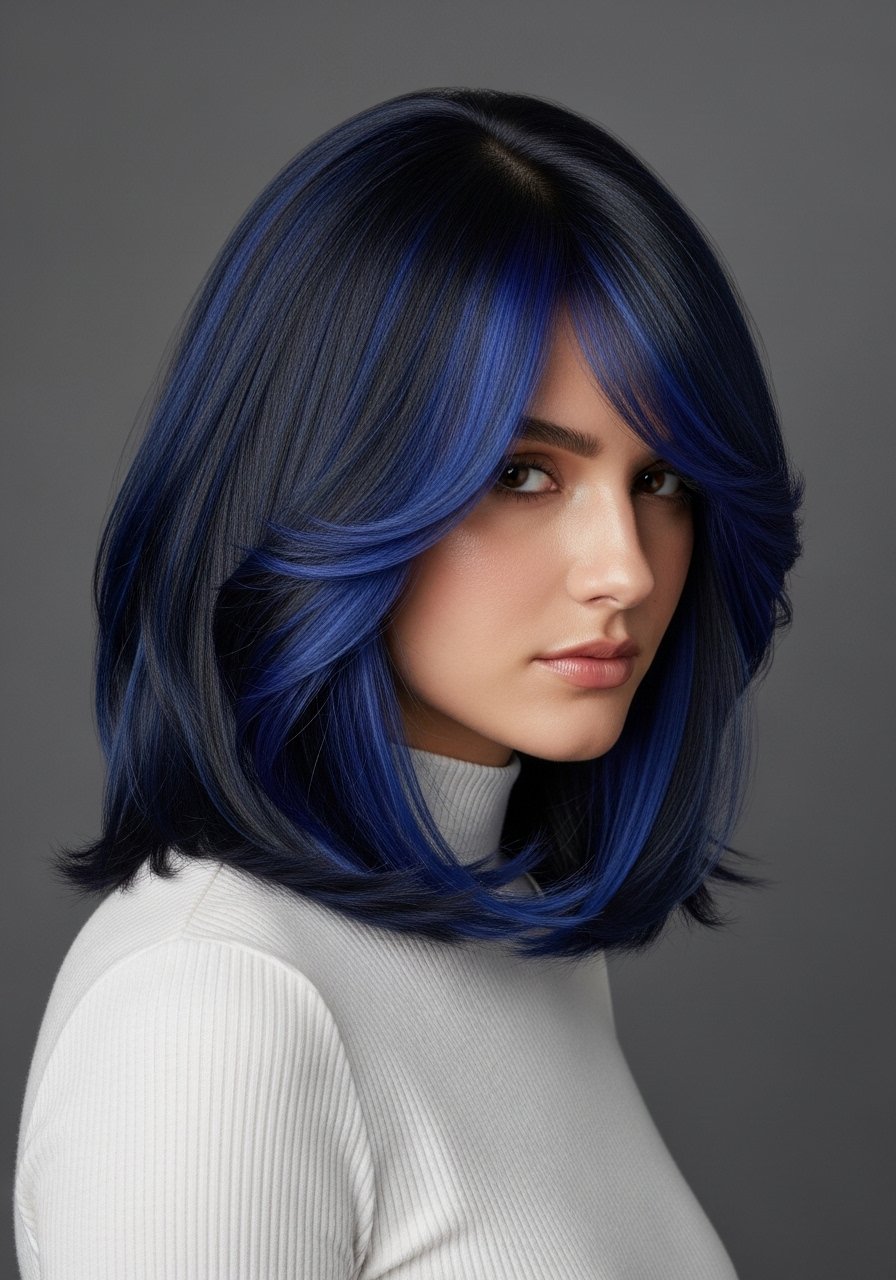
A money piece can add contrast without full-head cost. For blue-black looks, choose a front slice about the width of your eyebrow to temple on each side. If your hair is fine, make the piece thinner so it does not overwhelm the face. Colorists usually foil or paint these pieces and process 10 minutes less than the rest to avoid brass. If you DIY, isolate the sections and apply dye carefully with a small brush for crisp lines. One mistake is going too light on the money piece when your overall color is dark, which creates a stark band. Keep it subtle and tone immediately after lifting.
Salt-and-Pepper Friendly Blue Black Blend
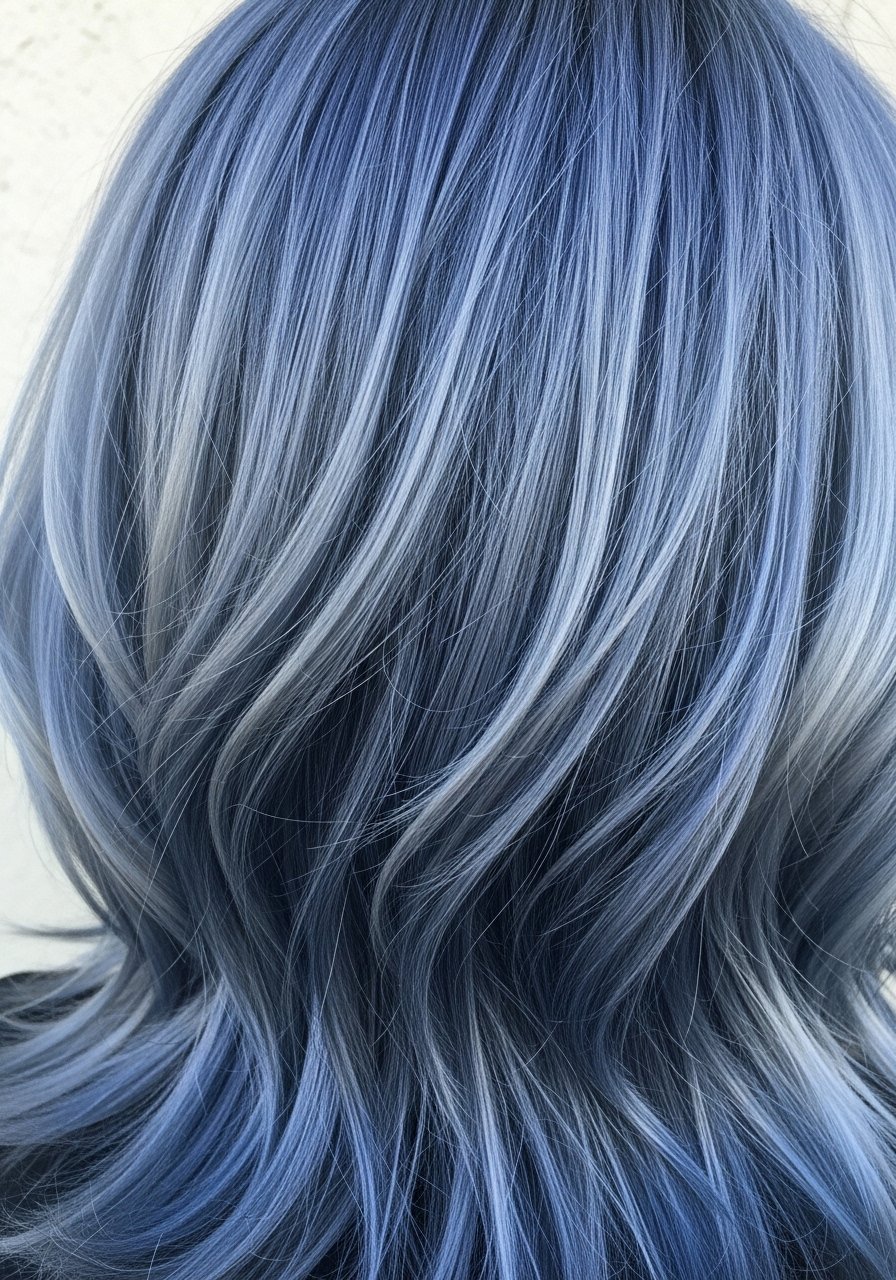
Gray hair can be tricky but a blue-black blended approach hides regrowth better than a flat black. Ask the colorist to mix a 60/40 ratio of blue-black pigment with a neutral dark brown and apply in thin sections. For DIY, use a demi-permanent that deposits without heavy lift so the gray blends instead of being fully covered, which can look obvious. Expect touch-ups every six to eight weeks for noticeable gray coverage. If you have significant resistant gray, plan for a two-step salon session. Avoid using overly aggressive clarifying shampoos because they can strip the pigment unevenly from coarser gray strands.
Blue Black Gloss Over Lightened Hair, But With Caution
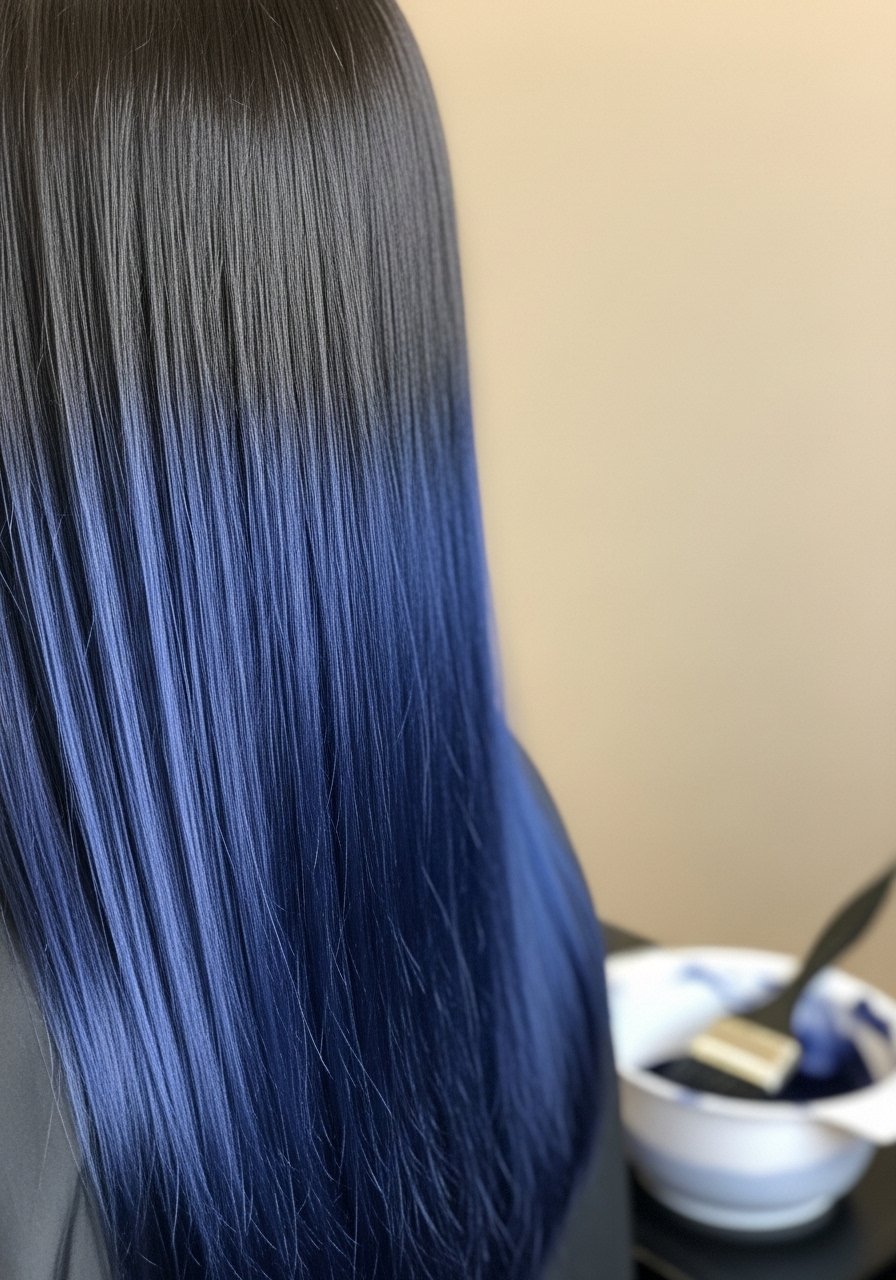
Putting blue-black over lightened hair gives depth but hides the brightness of bleach. If you have recently lifted hair, wait at least two weeks before applying a dark gloss. Overlapping dark color on fragile, lifted ends can cause breakage. If the ends are porous, start with a filler and a bond treatment in the bowl, then apply the gloss for 10 to 15 minutes. If you are unsure, ask the stylist to do a strand test to see how long the color will take. Home glosses are fine for maintenance, but a salon gloss often has better pigment stability and a more even result.
Fade-Resistant Blue Black Routine for Weekly Washes
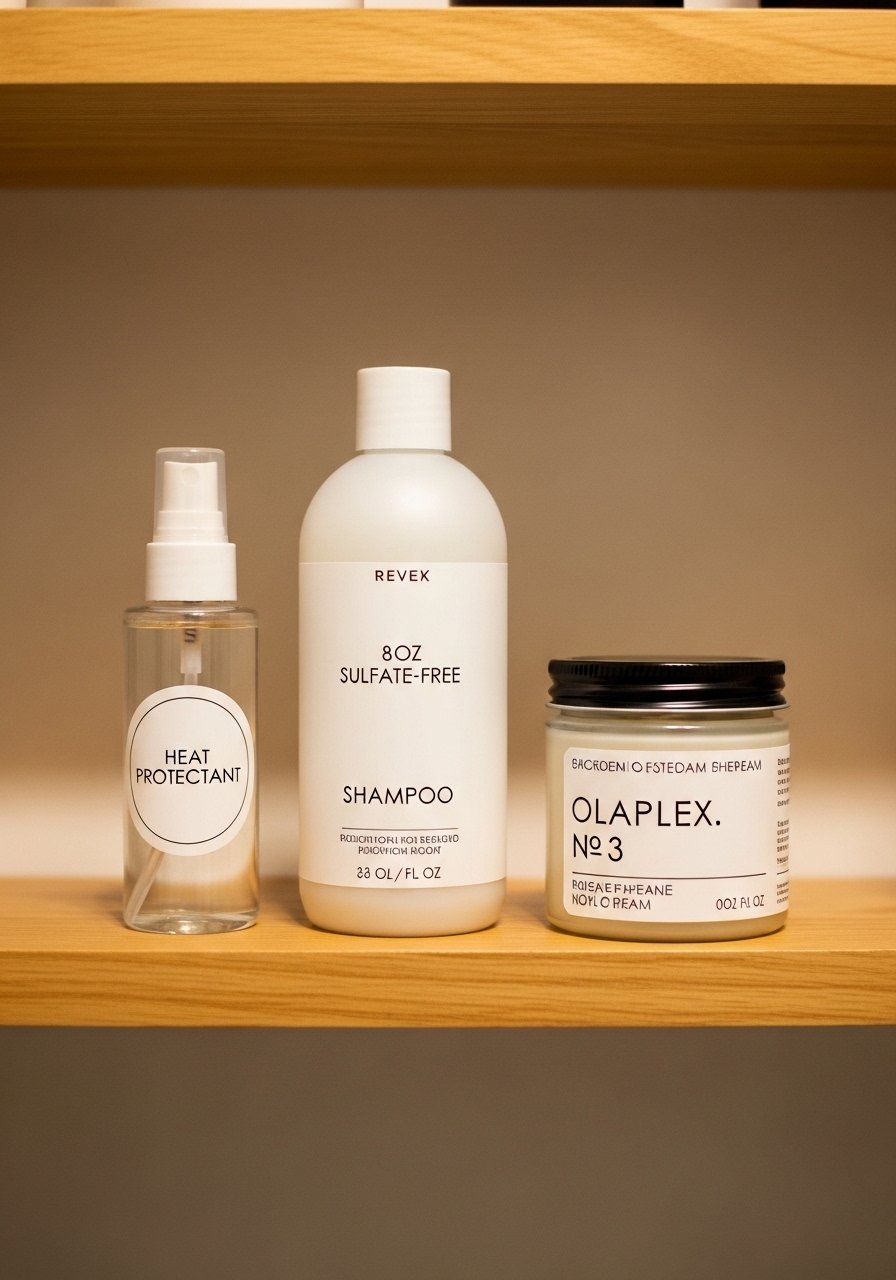
If you wash weekly, you can make blue-black last a long time. I shampoo once with a sulfate-free 8oz bottle, condition mid-lengths to ends, then use a weekly at-home bond treatment for 10 to 20 minutes. For color refreshes between washes, a diluted color-depositing conditioner mixed in a 1:3 ratio with your regular conditioner tints without heavy build up. Purple shampoo should be used sparingly because overuse dries hair. A small amount of anti-humidity spray before styling keeps cuticle alignment and reduces friction that releases pigment. Expect color to gently fade over three to six months depending on sun exposure and washing habits.
How I Keep Blue Black Looking Natural After Week Two
- Heat protectant goes on damp hair, not dry. The product has to absorb to shield the cuticle, so spritz before any iron. Try heat-protectant spray
- Grab a silk pillowcase for $20 to $30. It cuts friction and reduces color rub-off while you sleep
- Hair grows about half an inch a month at most, regardless of supplements. To keep the color line tidy, trim the ends every 10 to 12 weeks and stretch color appointments with a root-only gloss in between
- Drugstore shampoo is fine. Where I spend is conditioner and bond builders. Olaplex No.5 Conditioner does more for damaged color-treated hair than a $40 shampoo in my experience
- If you buy K18 or other premium salon products on Amazon, buy from the official store on Amazon or grab it from Sephora to avoid counterfeits
Frequently Asked Questions
Q: How subtle can blue black hair color look in office lighting?
A: Very subtle. Indoor fluorescent or warm office lights mute the blue. Ask for a blue-black that reads dark brown indoors and shows blue in sunlight. Use a demi-permanent gloss for a softer result and test with a small framed section before committing to the whole head.
Q: Can I put blue-black over red or copper tones at home?
A: You can, but reds tend to hold and can alter the final shade. If the red is strong, do a strand test and consider a color-depositing shampoo after dyeing to even tone. If you recently lifted to remove red, wait two weeks and use a bond treatment before applying dark color.
Q: How often should I use Olaplex No.3 after coloring blue black hair?
A: Once a week for 10 to 20 minutes is a good starting point if your hair feels dry or brittle. Too much protein can make hair stiff, so if your hair feels heavy, reduce to every other week. Olaplex No.3 is the one many stylists recommend for color-treated hair.
Q: Will blue-black dye stain my scalp or pillowcase?
A: Fresh dye can transfer. Rinse until the water runs clear and sleep on a silk pillowcase for the first two nights. For stubborn transfer, a light vinegar rinse followed by a cool water rinse can help, but do not do this on fragile lifted hair.
Q: Is it safe to bleach then immediately dye blue black at home?
A: Lifting and depositing dark pigment in the same session is risky for porous hair. If you bleach at home, wait two weeks before depositing dark pigment, and use bond rebuilding treatments in between. If you have had salon corrections before, see a professional instead of attempting a same-day overcolor.
Q: How often should I use purple shampoo with blue-black hair to avoid brass?
A: Use purple shampoo at most once a week and only where you see warm tones. Overuse can dry the hair and shift the blue-black slightly. If your hair is porous, skip purple shampoo and rely on a tinted conditioner or gloss instead.