I once asked my colorist for a change and left with hair so high contrast it read as two different people in photos. After a year of fixing over-bright money pieces and banding, I learned to aim for subtle depth instead. These nine looks keep the contrast low, the upkeep realistic, and the result photo-friendly without shouting for attention.
These ideas lean toward straight to wavy 1B through 3B hair, with notes for thicker textures where I have tried adjustments. Most styles take 15 to 45 minutes to style at home. Budget runs from under $30 for dyes and serums to one splurge tool around $300. A few looks are salon-only if you plan to lift more than two levels.
Soft Money Piece Face Frames
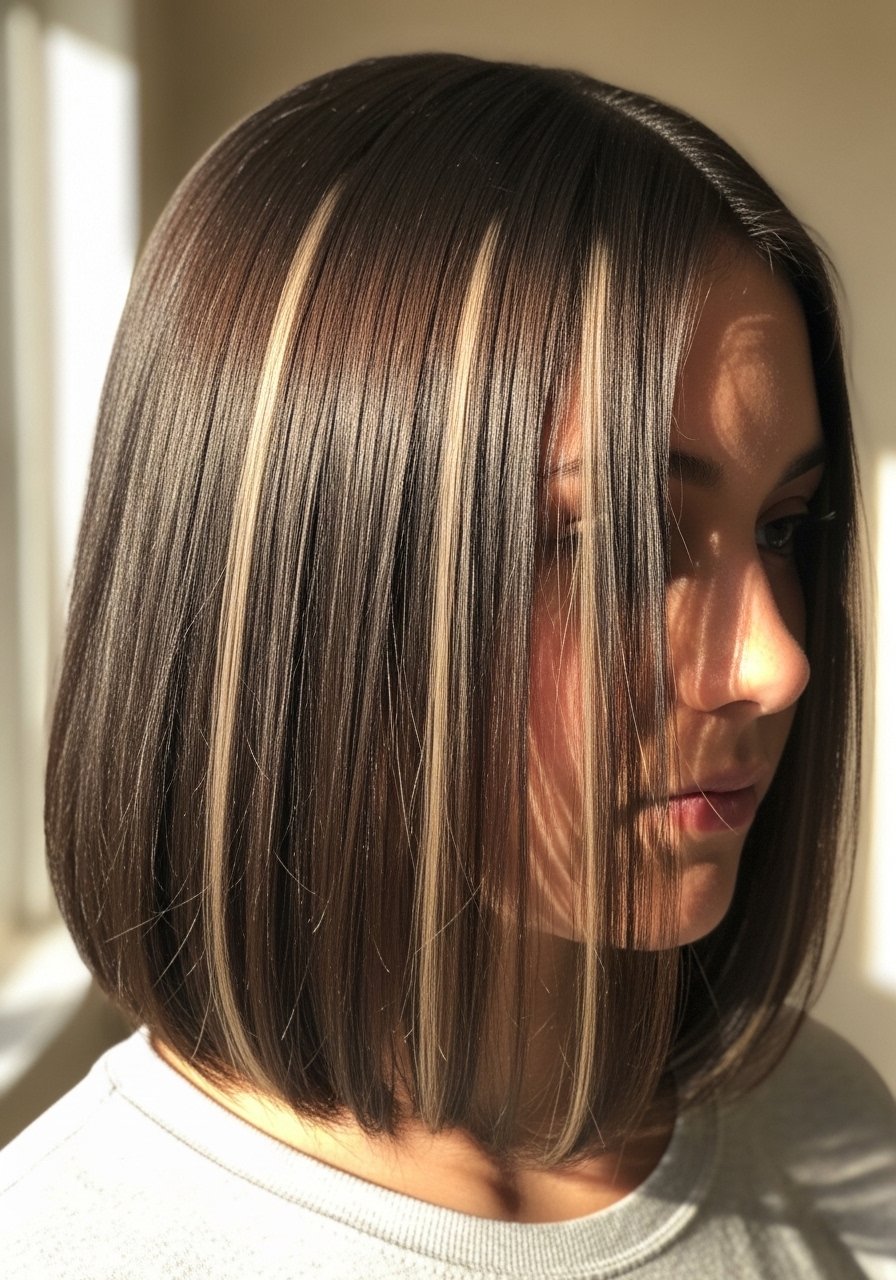
If you want brightness around your face without full-on blonding, the soft money piece does it. I ask for two thin slices, one on each side, about a half inch thick and painted to start at the temple rather than the hairline. That keeps the look blended on second day hair. For fine hair reduce the lightener by one level and process for 6 to 8 minutes, for thicker hair 10 to 12 minutes. I usually smooth Olaplex No.3 into the mid-lengths for 10 minutes before rinsing to keep the ends from feeling crunchy, and tone with a dilute gloss. DIY is possible if you can section cleanly and use a 1/8 inch tail comb. Bleaching near the face needs an allergy patch test and caution if you have sensitive skin.
Shadow Root with Warm Brown Dimension
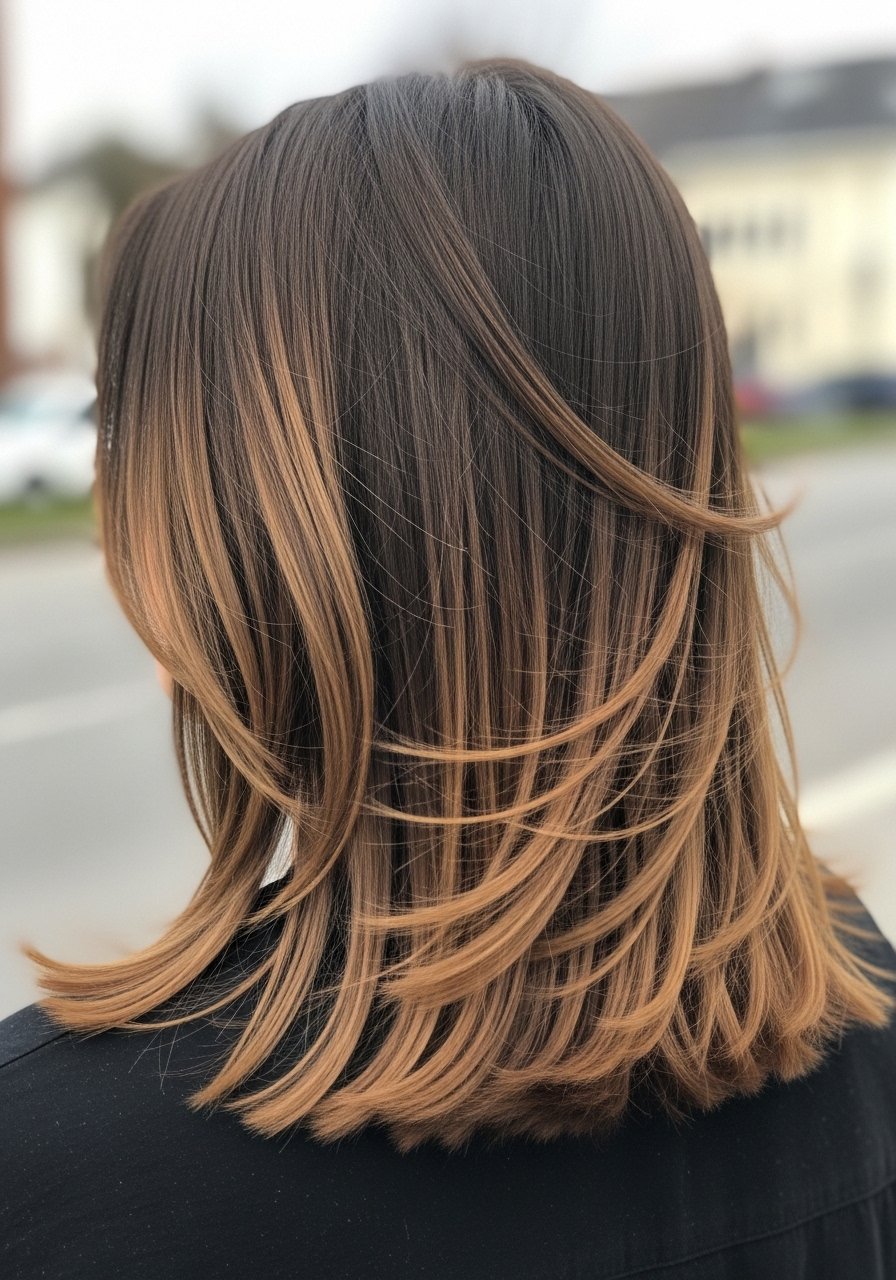
Shadow roots are how I keep dark bases without constant touch ups. Ask for a root melt where the colorist paints the root with a slightly darker shade than the mid-lengths and blends downward with vertical strokes. The result reads as natural regrowth, which solves the pain point of constant salon runs. For home maintenance, a color depositing conditioner used once every two to three washes keeps the mid-tones warm. If you try this DIY, leave your lightener at the ends only and never lift over previously bleached hair. If you end up using a flat iron, remember heat protectant before any iron over 300F and keep the iron at 330 to 360F for medium density hair.
Espresso Melt for Subtle Warmth
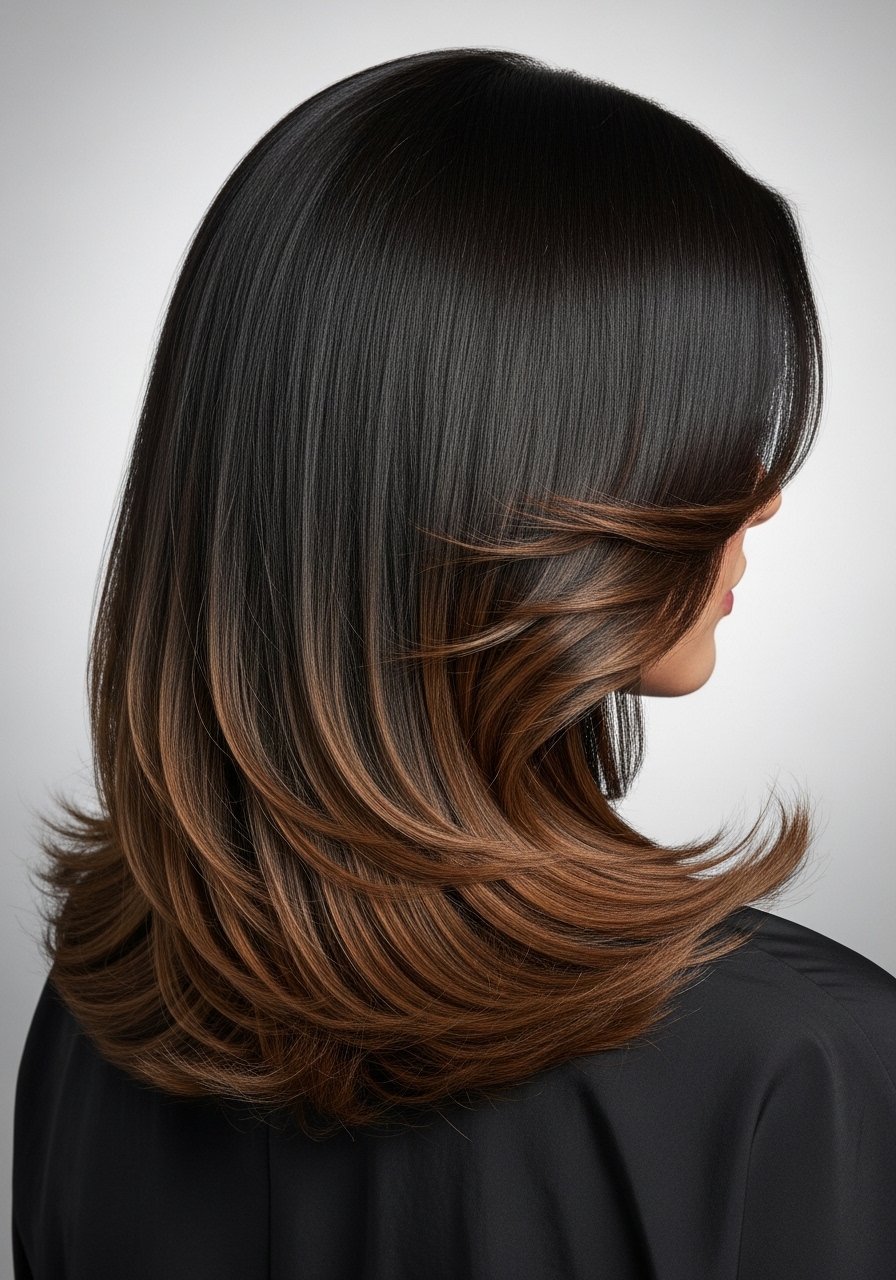
An espresso melt gives richness without dramatic highlights. The colorist lifts only the mid-lengths by one to two levels and blends warm brown tones back into dark roots. For wavy hair the melt looks especially natural because movement breaks up the line. I ask for toner to sit 3 to 5 minutes to avoid turning too warm. Once home, a sulfate-free color-safe shampoo and a weekly bond builder keep the tone clear. If you try the melt at home, test one small section first. Over-bleaching over existing color is how people end up with crunchy breakage.
Glossed Chocolate Brown Finish
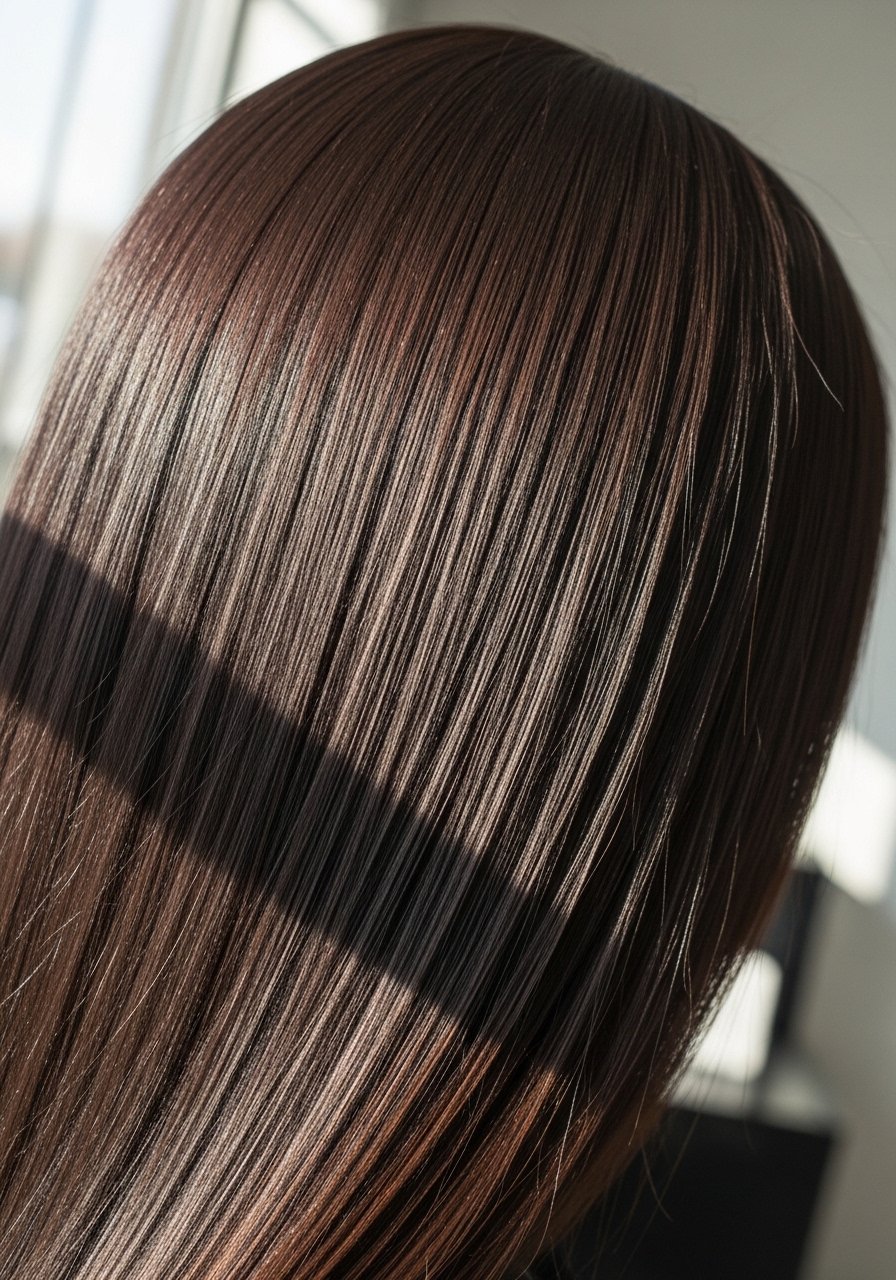
When color looks flat, a gloss fixes the issue without cutting or heavy color. A clear or tinted glaze adds reflection and smooths porosity. I usually book a salon gloss every six to eight weeks for color refresh, but if you want an at-home option try a demi-permanent gloss product applied to towel-dried hair for 10 minutes. Finish with a cold rinse and a smoothing serum, one pump for shoulder-length hair. If your hair has been lightened repeatedly, buy professional glosses from the salon or Sephora to avoid cheaper fakes online. A gloss will not fix split ends. Trim is still the only real cure.
Bronze Babylights at the Hairline
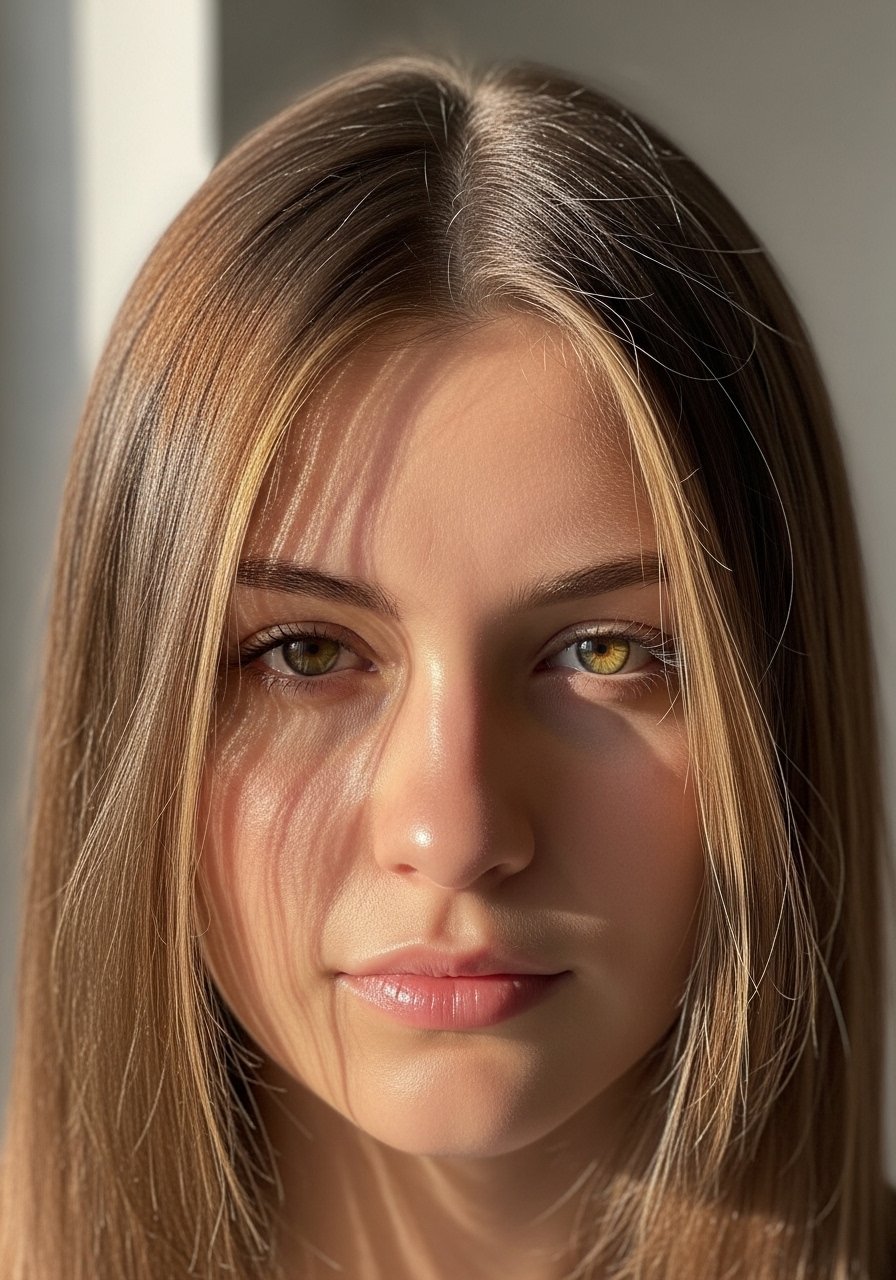
Babylights are the secret for a lived-in look that reads subtle in photos. The trick is very fine sections, about 1/8 inch wide, painted starting at the mid-length and feathered up, not backcombed. For fine hair reduce processing by half and for coarse hair add two minutes. The common mistake is taking full foils to the root, which makes the face too bright. I usually tone the babylights with a cool glaze so they read neutral, and I use a purple shampoo only once every one to two weeks if brass shows up. These are salon-heavy services, but a touch-up glaze can be done at home with a color-saving demi kit.
Low Contrast Balayage for Wavy Texture
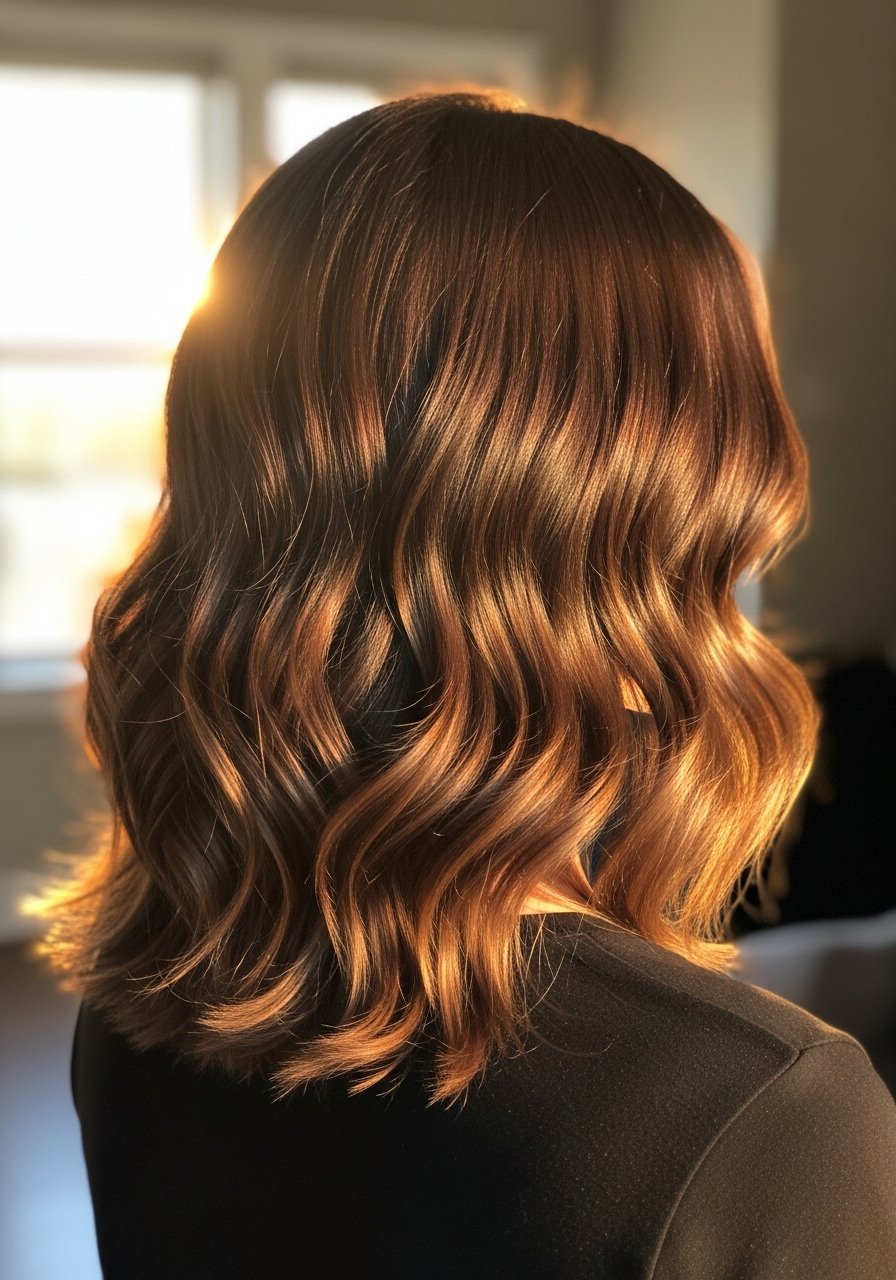
Balayage does not have to scream bright. For a subtle effect ask your stylist to start painting two inches below the crown and to use a 60 to 70 percent saturation of lightener so it lifts only a couple of levels. On 2A to 3A waves that slight lift catches light and gives dimension without upkeep. At home, refresh with a gloss and use a texture product sparingly. I like two spritzes of a light sea salt spray into damp hair before diffusing to keep the pieces separated. The mistake is covering the whole head in wide highlights, which looks cookie cutter on natural waves.
Hidden Warm Underlights for Thick Hair
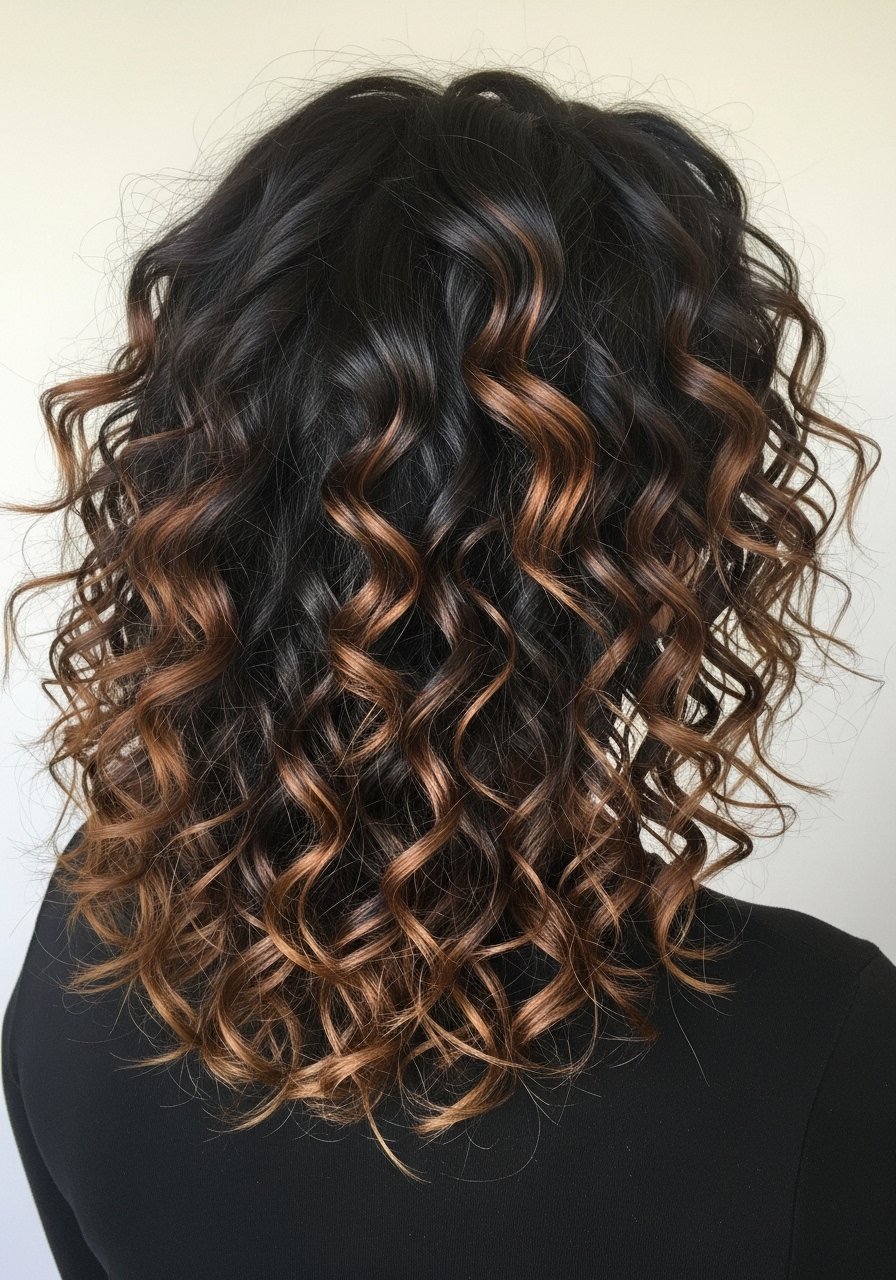
If you have thick hair and want depth without losing density, try warm underlights under the top layer. The top stays near-black while the underneath panels are warmed by one shade. The upside is low regrowth visibility. I ask for four to six thin vertical panels under the crown, spaced 1 to 1.5 inches apart. If the underlayer needs lightening, take it slowly and use a bond builder during service. Curly hair benefits from the LOC method when styling, so a leave-in then an oil then a cream gel keeps definition without crunch. Allergy patch test if you color close to the neck.
The Subtle Black and Brown Kit I Actually Reach For
Olaplex No.3 hair perfector 3.3 oz. I put this on the mid-lengths for 10 minutes once a week when I have any lightening history. Buy from the official seller on Amazon or Sephora to avoid counterfeits
Color Wow Dream Coat anti-humidity spray 2.5 oz. One quick mist before blow drying keeps subtle tones from fogging out in humidity
A silk pillowcase queen size. Hair grows about half an inch a month at most, regardless of what biotin gummies promise you. The pillowcase reduces breakage overnight
A microfiber hair towel saves a third of blow dry time and stops frizz before it starts
A boar bristle paddle brush distributes scalp oil down the length for smoother color fade
K18 peptide treatment travel size. Use after lightening sessions for 4 minutes to restore elasticity, and buy from the official K18 store on Amazon or directly from the brand
Wide tooth comb for detangling wet color treated hair without ripping out tone
Short Espresso Bob With Soft Dimension
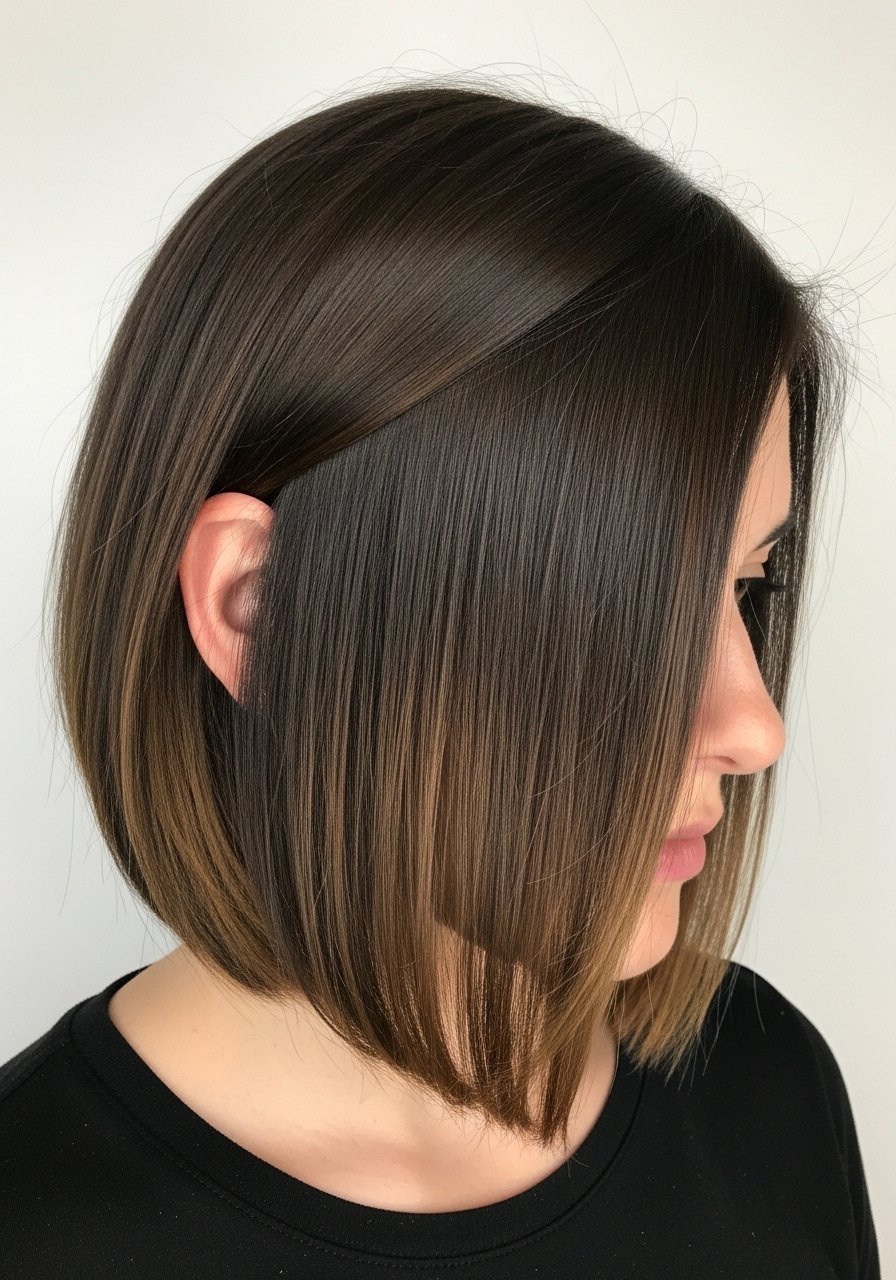
Short hair reads contrast more quickly, so go very subtle. I ask colorists to lift the ends only by one level and to feather the lightener with a narrow brush to avoid a line. On a bob, one pump of a lightweight serum smoothed through damp hair before blow drying cuts flyaways and keeps color reflective. If you use a heated round brush keep the iron at 320 to 350F for fine to medium hair. For DIY touch-ups avoid any bleach near the root. If you notice tugging or dryness after a home dye, stop and give the hair a week of weekly deep conditioning before attempting another color.
Chocolate Curtain Highlights for Soft Framing
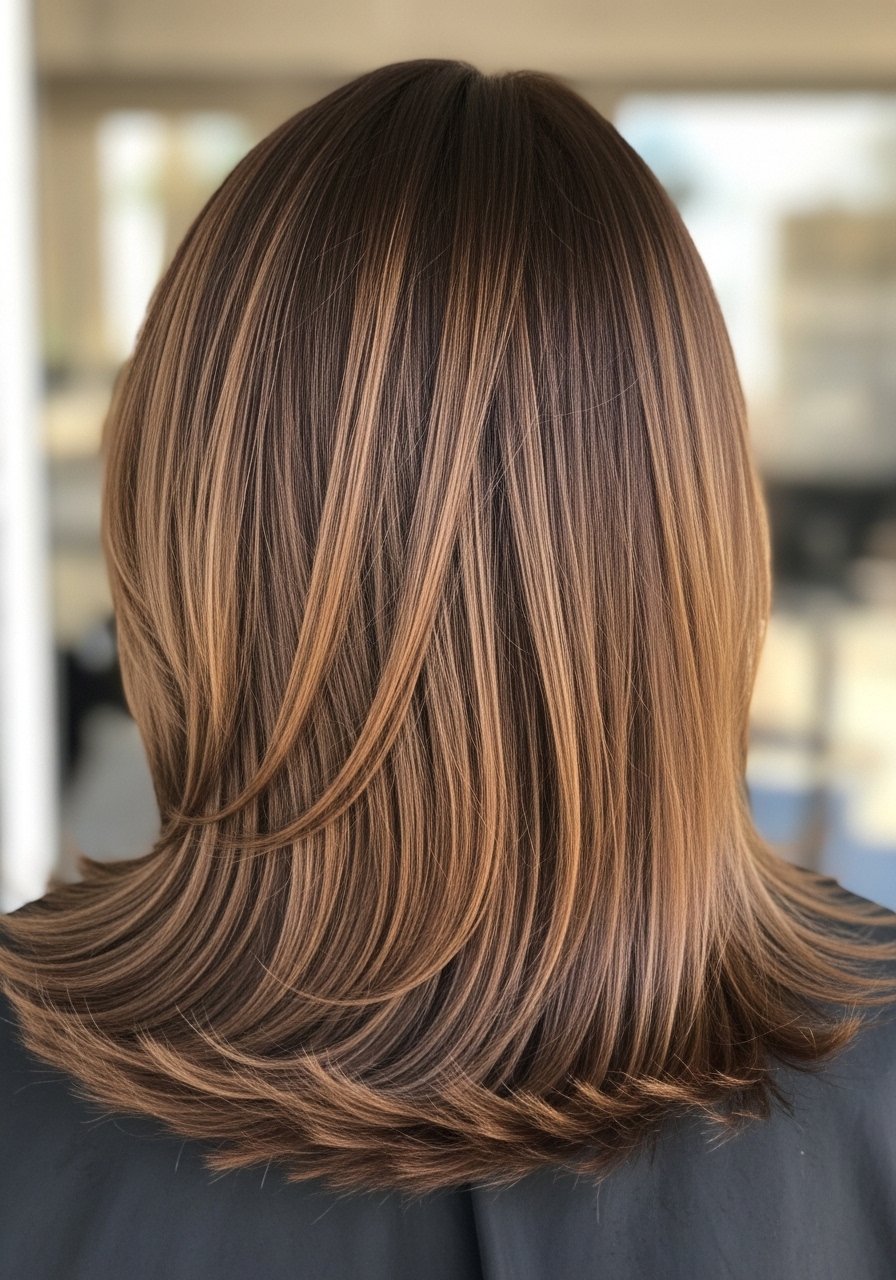
Curtain highlights around the face add light without heavy maintenance. I request two graduated panels on each side, painted with very thin slices and blended by hand so the line is feathered. For straight 1B hair this reads very natural. A frequent mistake is making the painted panels too wide, which screams "sit-up highlight." For styling, a 1-inch round brush and a dryer on medium heat does the job. If your hair is color-treated, switch to a color-safe clarifying shampoo every four to six washes to stop product buildup dulling the chocolate tones. A once-a-month demi gloss refresh will keep the effect soft and dimensional.
What I Wish Someone Had Told Me About Subtle Browns
Heat protectant goes on damp hair, not dry. The cuticle is more open and the product actually absorbs. This Color Wow heat spray works well when applied to damp hair before any hot tool
Grab a microfiber hair towel for $12. It cuts your blow dry time by a third and stops the frizz before it starts
Hair grows about half an inch a month at most, regardless of what biotin gummies promise you. If you want length retention, focus on reducing breakage with a silk pillowcase and weekly bond treatments
Drugstore shampoo is fine. Where you actually need to spend money is on the conditioner and bond builder. Olaplex No.5 bond maintenance conditioner does more for previously lightened hair than a $40 shampoo
Frequently Asked Questions
Q: How often should I touch up subtle money pieces so they do not look grown out?
A: Every eight to twelve weeks is normal. Because the slices are thin and start a little back from the hairline, you can stretch them longer than full highlights. If the panels look brassy, a quick toner or a color depositing conditioner between salon visits fixes them.
Q: Can I do a shadow root at home to save salon money?
A: You can attempt a root melt at home if you are only blending pigment, not lifting. Use a brush to paint a darker shade into the root area and feather downward with a tail comb. Never bleach the root area yourself if you are unfamiliar with sectioning and timing. If you plan to lift two or more levels, book a salon visit.
Q: My chestnut brown looks flat after one week. What am I missing?
A: Product buildup and hard water will flatten subtle color fast. Clarify once every four to six washes with a gentle clarifying shampoo and follow with a one minute gloss or color depositing conditioner. Also try a protective mist like Color Wow Dream Coat to keep the surface reflective.
Q: Will a gloss ruin my previous color if I do it at home?
A: A demi-permanent gloss will not lift existing color much. It adds shine and adjusts tone for a few weeks. The risk is uneven application if you have very porous ends. If you have multiple prior colors, get a professional glaze instead to avoid patchiness.
Q: How often should I use Olaplex No.3 on subtly colored hair?
A: Once a week is enough for maintenance when color or heat styling has stressed the hair. Apply to damp hair, comb through, leave for 10 minutes and rinse. If you see reduced elasticity after several sessions, stop and consult a colorist before continuing.
Q: Can I lighten underlayers for dimension without damaging the top layer?
A: Yes, as long as the top is left alone and the underlayer is lifted slowly. Ask for small sections under the crown and process in short bursts, checking every 3 to 5 minutes. Bond-building products during the service reduce breakage risk. If you have a history of multiple color sessions, consult a professional.