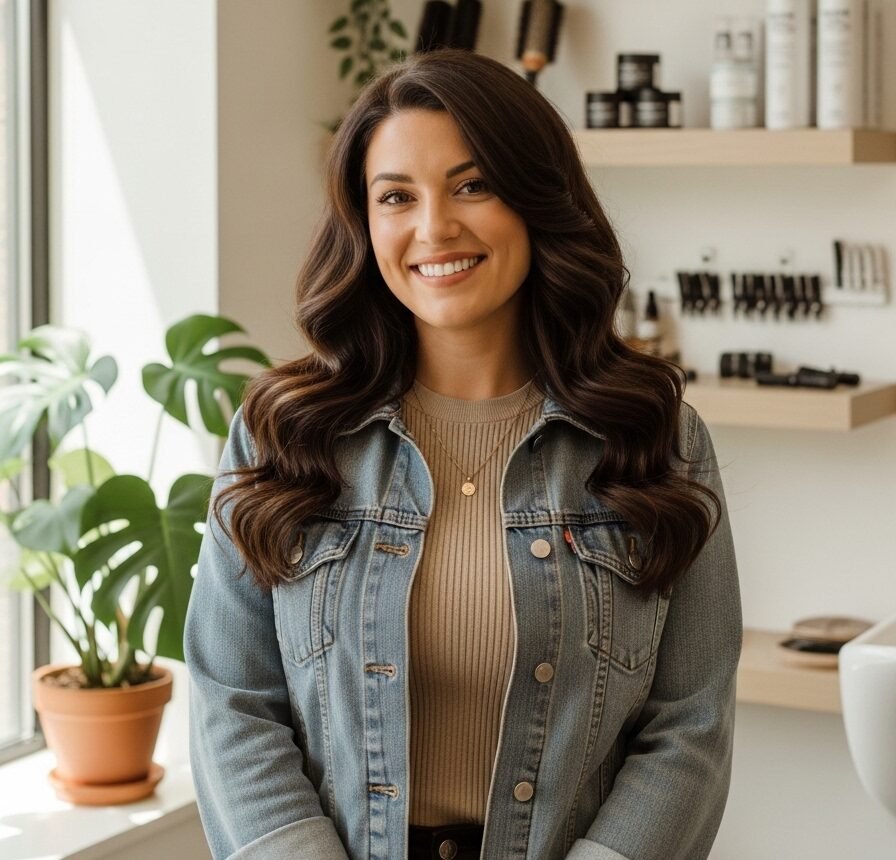
If your bangs go flat by noon and the rest of your curls look like they belong in different weather systems, you are not alone. My curls looked great on TikTok and like wet noodles by 11am. Finally figured out it was the gel-only routine. Added a leave-in cream underneath and it changed everything.
These ideas are written for women with Type 2B through 4A curls who wear bangs, from chin-length banged cuts to mid-back curls with wispy fringe. Most ideas are doable at home in 10 to 45 minutes, with a few worth a salon visit if you are making big color or structural changes. Budget ranges from drugstore picks around $8 up to splurges near $300 for tools. I note when to book a pro.
Curtain Bang Styling That Keeps Their Shape All Day
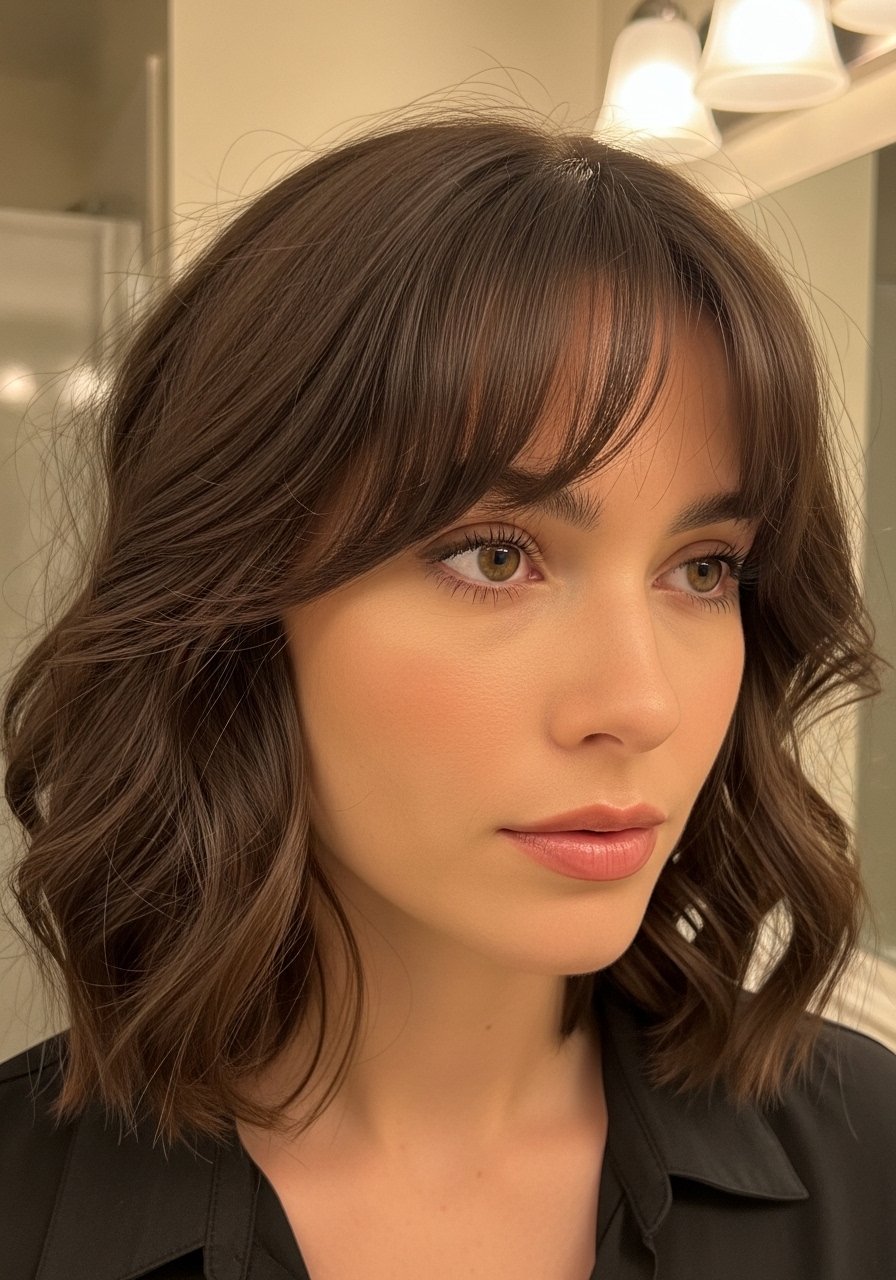
Curtain bangs and curls get along if you treat the bangs like a separate styling zone. After wash day I work a nickel-sized amount of a lightweight leave-in under damp bangs only, then two pea-sized dollops of a curl cream through the mid-lengths and ends. For the bangs I blow-dry with a small round brush on medium heat, about 300 degrees Fahrenheit on most tools, moving quickly to avoid overheating. Finish with one spritz of a light hold spray to lock the bend. This routine suits 2B to 3C curls, and takes about 10 minutes on dry days. A common mistake is layering heavy gel over damp bangs, which makes them gummy and limp. If you color your bangs, patch test for sensitivity before any chemical service.
The Pineapple Sleep Trick That Protects Bang Shape
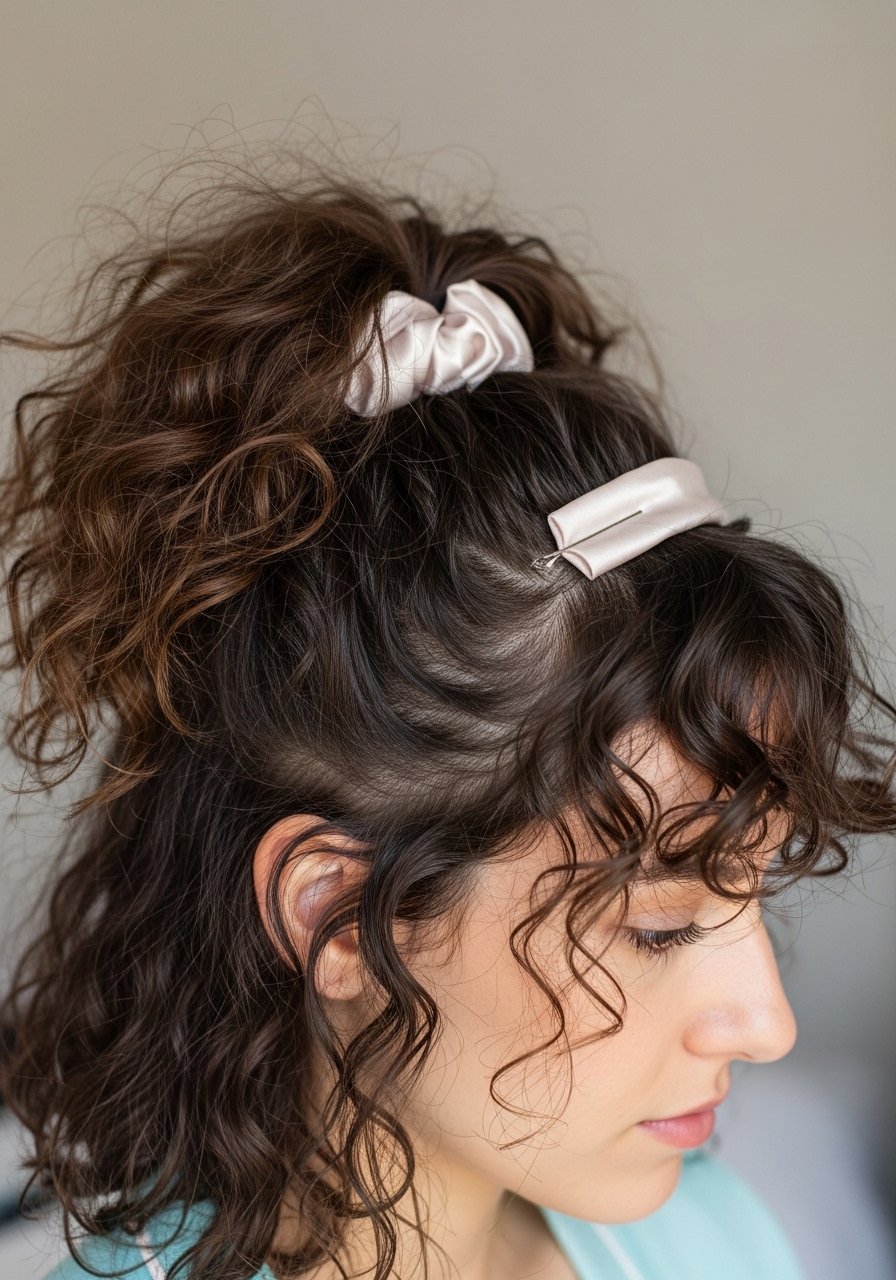
Pineappling keeps curl clumps intact while letting bangs breathe. I gather the rest of my curls into a high loose ponytail with a silk scrunchie, then pin my bangs forward with one small duckbill clip so they dry with a gentle curve. Sleep on a silk pillowcase to reduce friction. This works best for 3A to 4A textures, and cuts morning styling by half. Avoid tying the ponytail too tight or your bangs will crease in an odd place. If your bangs are short and oily, wash them more often than the rest of your hair, every other day is common. A microfiber turban can squeeze out excess water faster but do not twist bangs into it.
Diffuse with a Root-Lift Clip for Bang-Friendly Volume
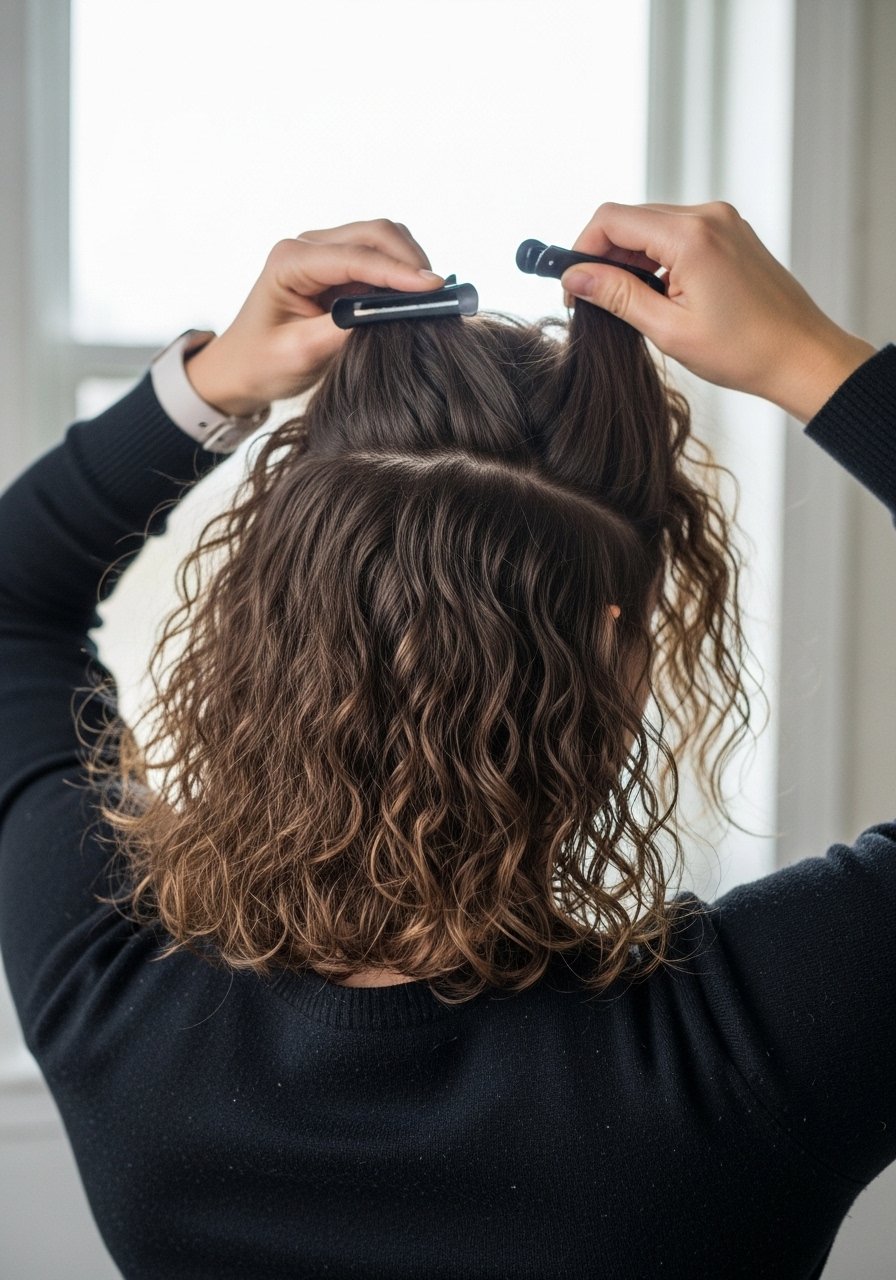
Diffusers flatten bangs unless you lift the root sections. Section bangs away with two small duckbill clips. Clip the crown up with a root-lift clip and diffuse the mid-lengths and ends on low heat, keeping the dryer 4 to 5 inches away and using a cool shot after each two-minute burst. For women with 2B to 3B hair this gives shape without frying the fringe. A common mistake is blasting bangs with high heat to speed things up. Heat protectant goes on damp hair before any hot tool over 300 degrees Fahrenheit. For a cheap root-lift you can use a sectioning clip, or splurge on a diffuser that fits your dryer if you style daily.
Quick Flat Iron Trick for Soft Bangs Without the Helmet Look
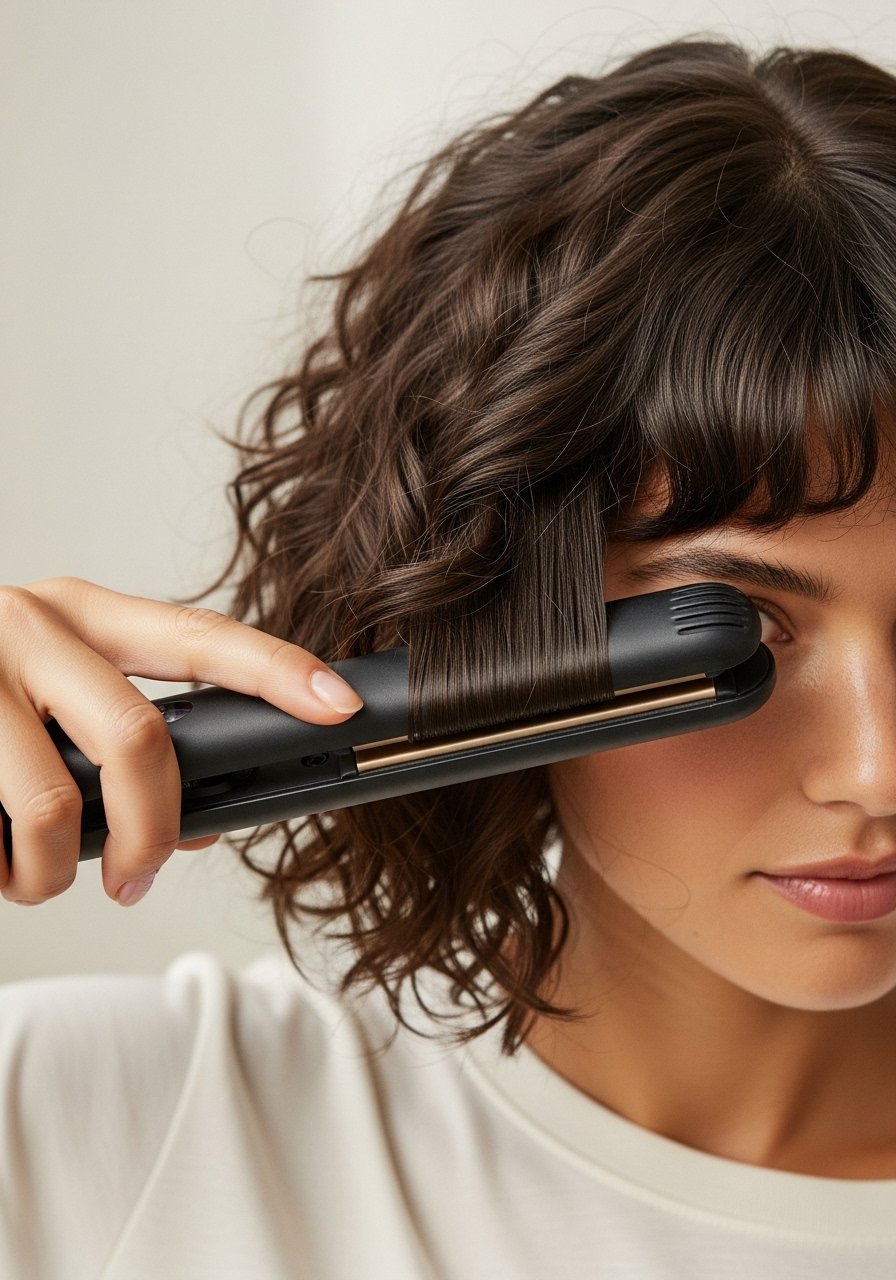
If your fringe never bends under, a 1-inch flat iron on a low setting is your friend. Work on dry bangs only, set the iron to 270 to 300 degrees Fahrenheit for fine or damaged hair, up to 330 for thick bangs. Clamp at the root, rotate the iron 45 degrees and pull through once, then cool before releasing. One light pass avoids the helmet look. This technique suits 2A through 3C bangs. Damage note, always use a heat protectant on dry hair and never pass the iron more than twice. Salon pros can teach proper tension for textured bangs, but this is solid for at-home touch-ups.
The Co-wash Hack When Your Bangs Get Greasy Fast
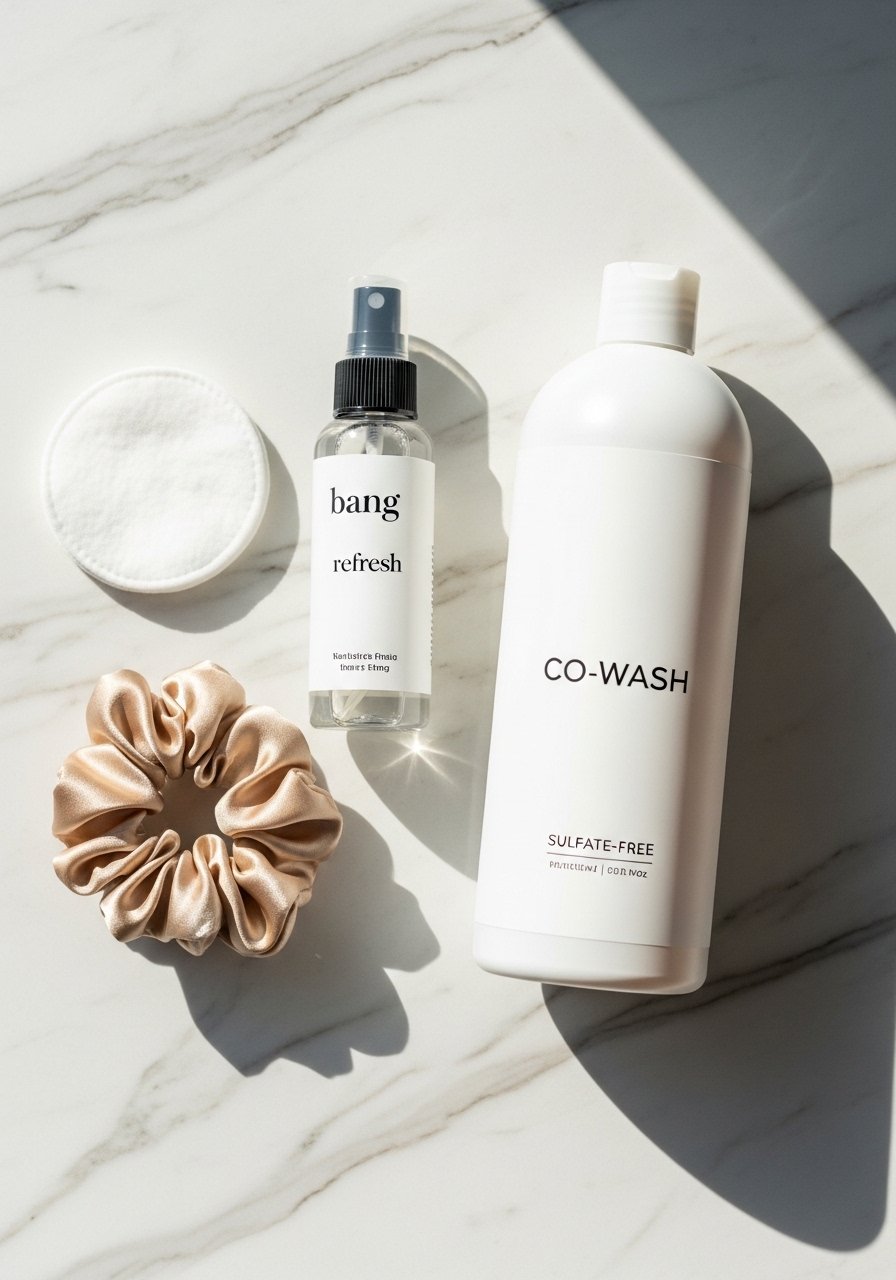
Bangs feel greasier because they sit against your forehead and take oils. Instead of full shampoo, I co-wash my bangs between full washes using a pea-sized amount of a sulfate-free cleansing conditioner massaged into the roots, then rinsed. For second-day oil I mist the bangs with diluted micellar water on a cotton pad and blot. This saves time and keeps the rest of your curls from drying out. Works great for 2B to 3C, and saves you a full wash day. Over-washing bangs is the number one mistake. If you have very oily scalp, you may still need a clarifying shampoo once a week.
Layering Products for Bangs, the Right Way
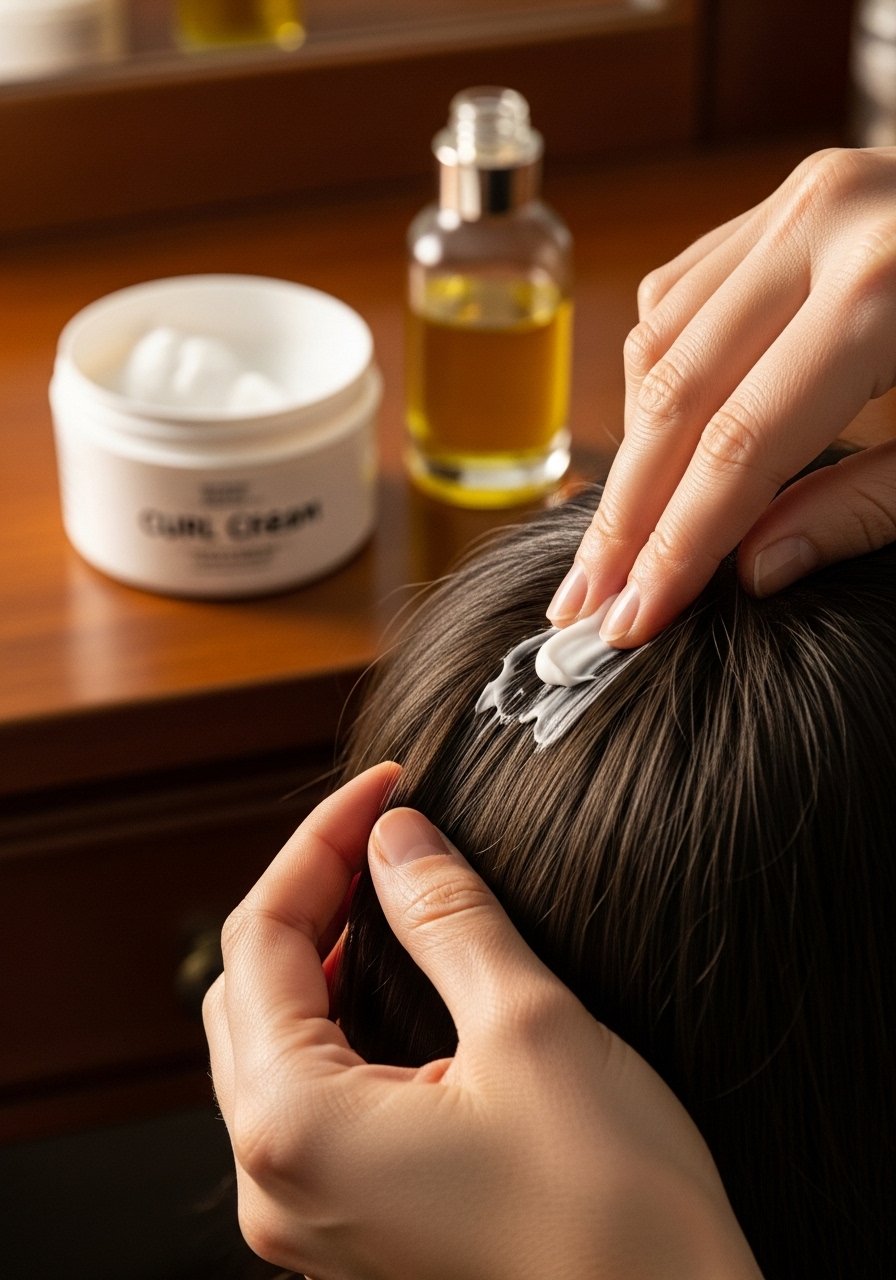
The gel-only trap wrecked my second day. My curls looked great on TikTok and like wet noodles by 11am. Finally figured out it was the gel-only routine. I switched to a thin leave-in on the bangs, a small pump of cream on mid-lengths, then a pea-sized amount of gel to the ends only. This layering keeps bangs soft and the rest of the curl clumped. For fine bangs use quarter-sized amounts. For thicker bangs add a little extra leave-in. One mistake people make is applying conditioner-level creams to the roots, which flattens the bang shape. This method fits 2B through 3C hair and takes about five minutes after towel dry.
Trim Guide for Curly Bangs You Can Do at Home
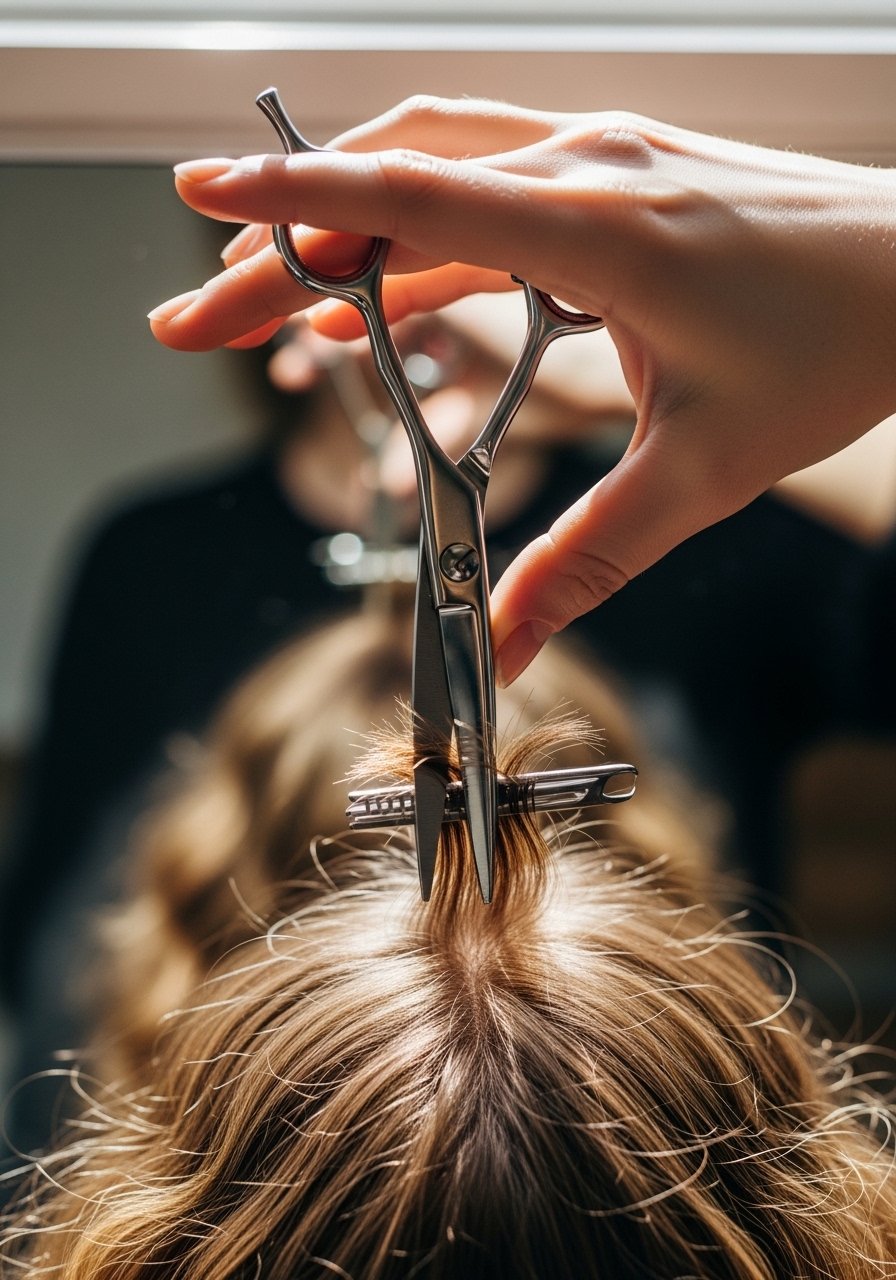
If your bangs feel uneven but you are scared of the salon, point cutting with dry hair is safer than blunt snips. Take small vertical snips into the hair, remove a quarter inch at a time, and step back often. Curly bangs shrink when dry, so trim a little less than you think. This is best for 2A to 3B textures; very coily fringes are better left to a stylist who understands shrinkage. A common DIY mistake is cutting bangs wet then marveling when they spring up three inches. If you are planning a big shape change, book a pro.
What I Actually Keep in My Curly Bang Kit
Olaplex No. 3 hair perfector in an 8oz size, used weekly for bleached or heat-stressed ends. Buy from the official store on Amazon or grab it at Sephora to avoid counterfeits.
A microfiber-hair-towel for scrunch drying and plopping. Cheap and fast drying.
A silk-pillowcase-queen size to cut morning frizz and protect bangs overnight.
Color-wow-dream-coat anti-humidity spray in 4.2oz for days when humidity turns everything fuzzy.
DevaCurl ultra defining gel or a trusted drugstore gel if you prefer budget. Use small amounts on ends only when you have bangs.
A 1-inch flat iron with accurate temperature control for bang shaping, look for ceramic plates.
A wide-tooth-comb for gentle detangling in the shower, avoid paddle brushing wet curls.
A duckbill-clip pack for sectioning bangs during styling and sleep routines.
A root-lift-clip or foam insert that pairs with your diffuser for volume at the crown.
Olaplex No. 5 Bond Maintenance Conditioner in 8oz for once-weekly moisture that helps damaged bangs lie right.
Heatless Robe-Tie Curls That Blend Bangs and Face-Frame
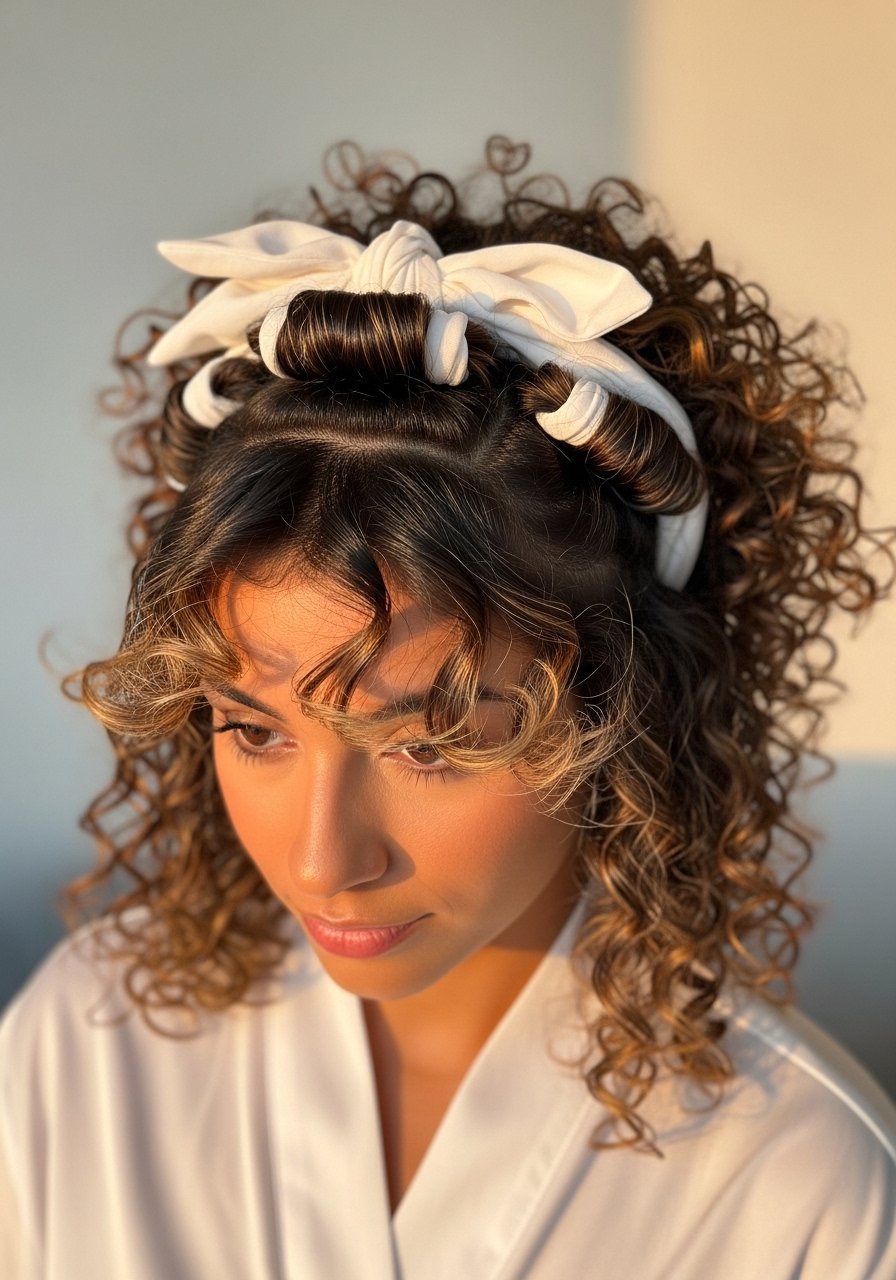
Robe-tie curls are a gentle way to get consistent bends near the face without heat. Split hair into 6 to 8 sections, wrap each around the sash across the forehead and knot at the end. Tuck bangs into the front so they dry with a soft bend. I leave it overnight; morning release gives soft, fanned curls. Best for 2C to 3C hair, and the time investment is sleeping hours rather than active styling. Avoid twisting bangs too tight or you will get a crease. Pair this method with the leave-in layering idea above for fuller second-day hair.
Quick Bang Refresh Spray for Second-Day Shine
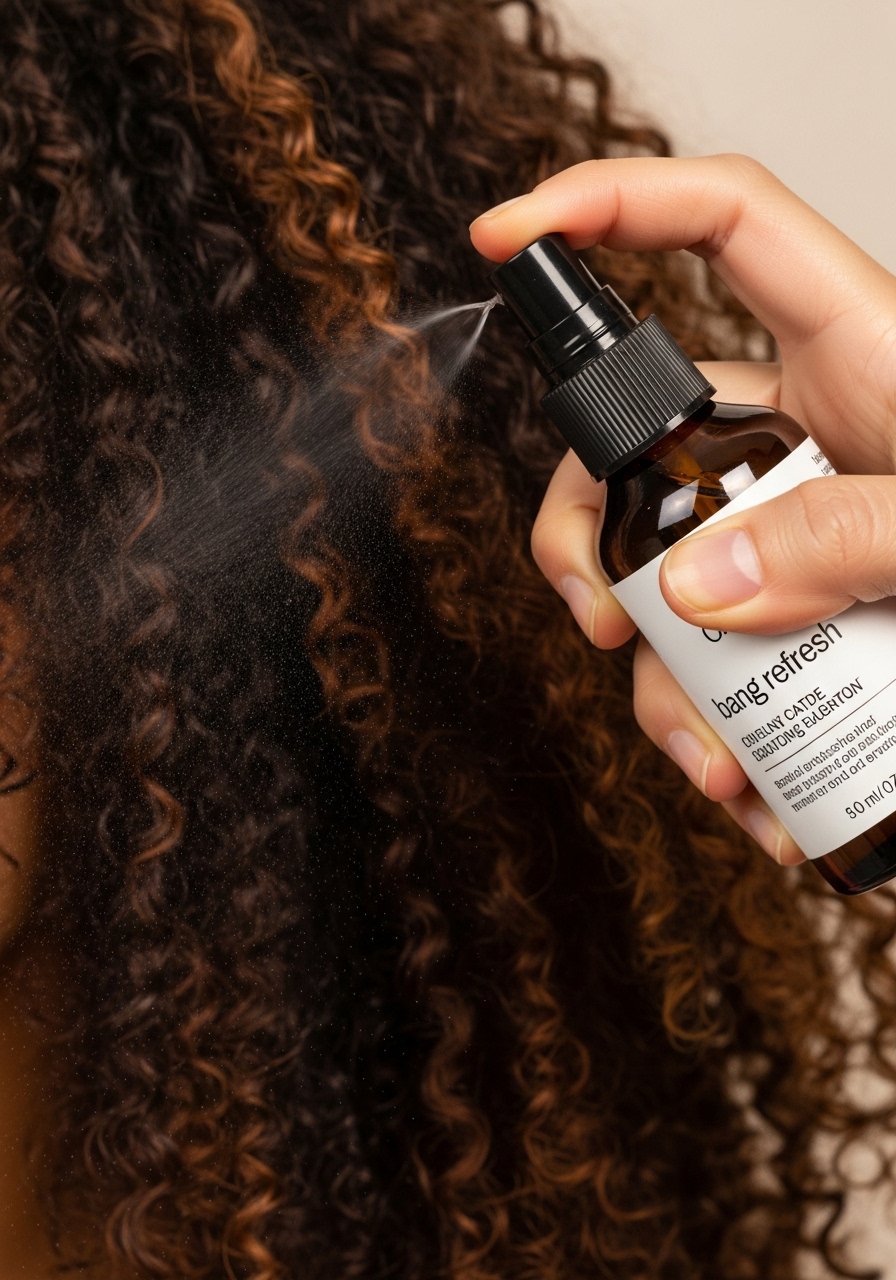
When bangs go greasy or lifeless on day two, a mini spray revives them without a full wash. Mix one part leave-in conditioner with three parts distilled water in a travel spray and add a drop of lightweight oil if your hair tolerates it. Mist lightly and scrunch or shape with your fingers. For fine bangs use a nearly clear solution to avoid weighing them down. This takes 30 seconds and works well for 2A through 3B textures. A mistake is over-saturating the roots which makes the bangs take longer to dry.
Bond Builder Maintenance When Your Bangs Were Lightened
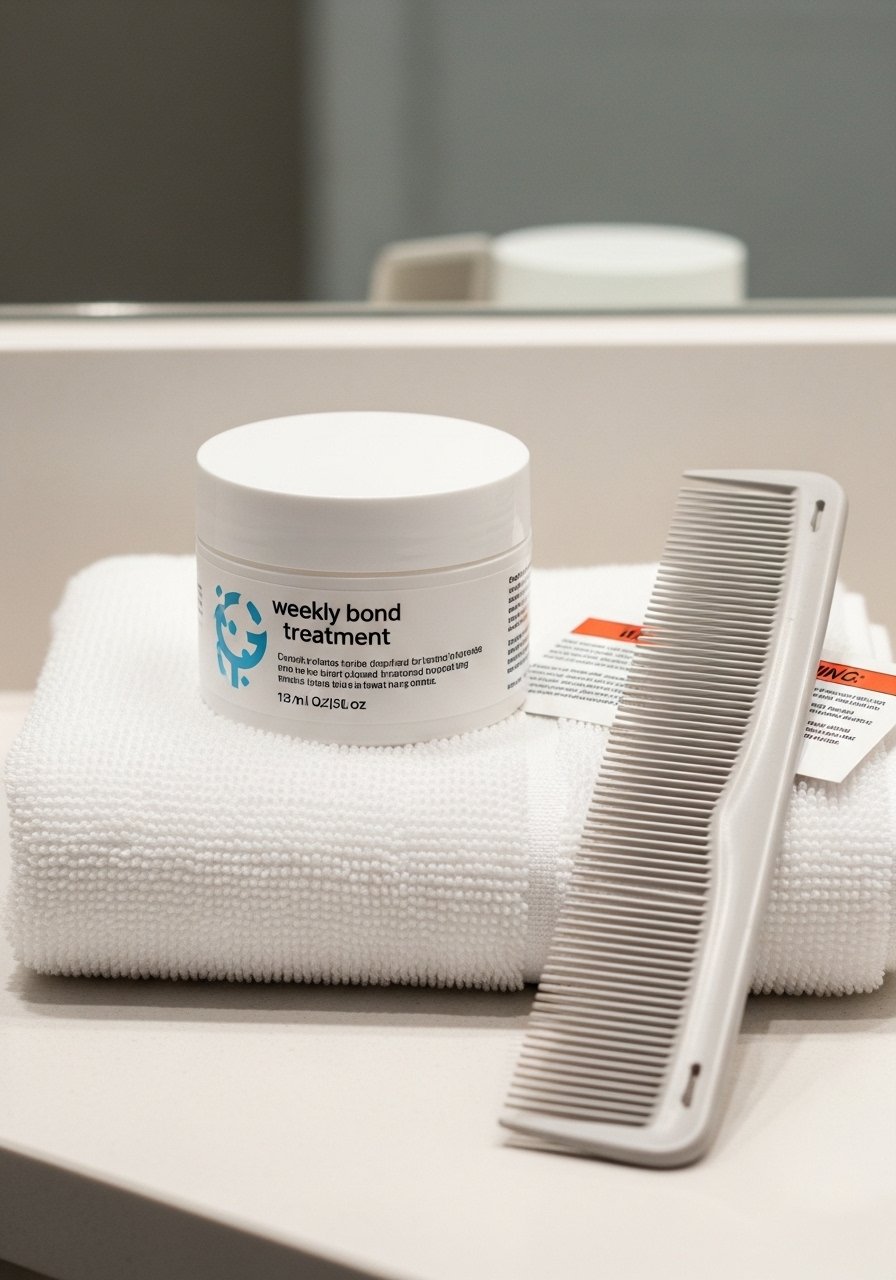
If your bangs have been lightened, they need weekly bond care. I use a bond builder on the ends and bangs once a week, leave it on for the recommended 10 minutes, then rinse. Olaplex and K18 both help, but buy from the official store on Amazon or a salon to avoid counterfeits. Avoid layering strong protein treatments more than once a week, they can stiffen fragile fringe. If you are lifting dark color over dark base, this is a salon job, not a kitchen experiment.
Stretching Techniques That Keep Bangs Visible on Shrinkage Days
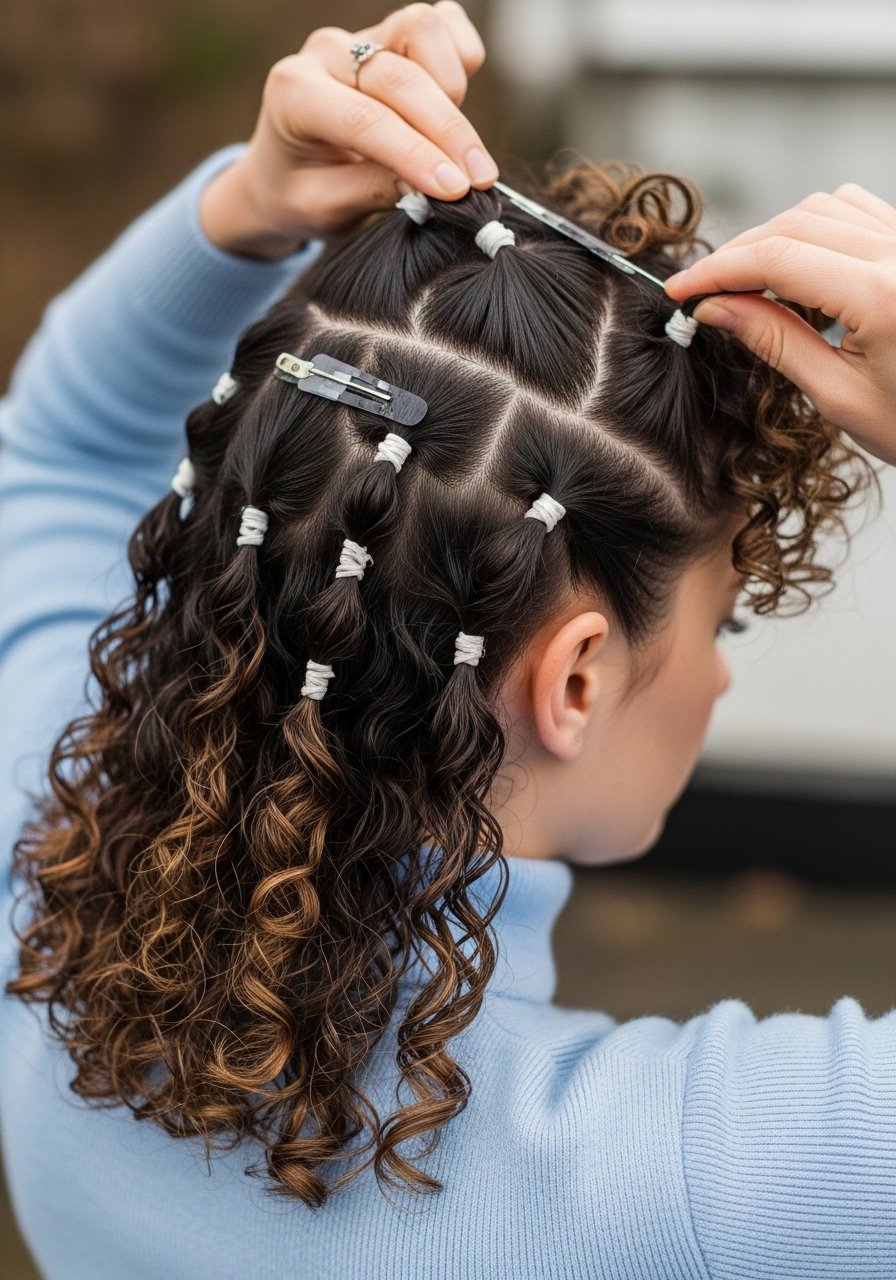
Shrinkage can hide short bangs into a fro. Banding the longer sections while leaving the bangs unbanded preserves silhouette and keeps the face framed. Use 4 to 6 bands spaced every 2 inches down the length, stretch when damp and let fully air dry or sit under low heat. This works best for 3C to 4A textures. A common error is banding the bangs too close to the hairline which creates bumps. Pair this with the root-lift diffuser approach if you want volume at the crown.
Quick Fixes When Your Bangs Split in the Middle
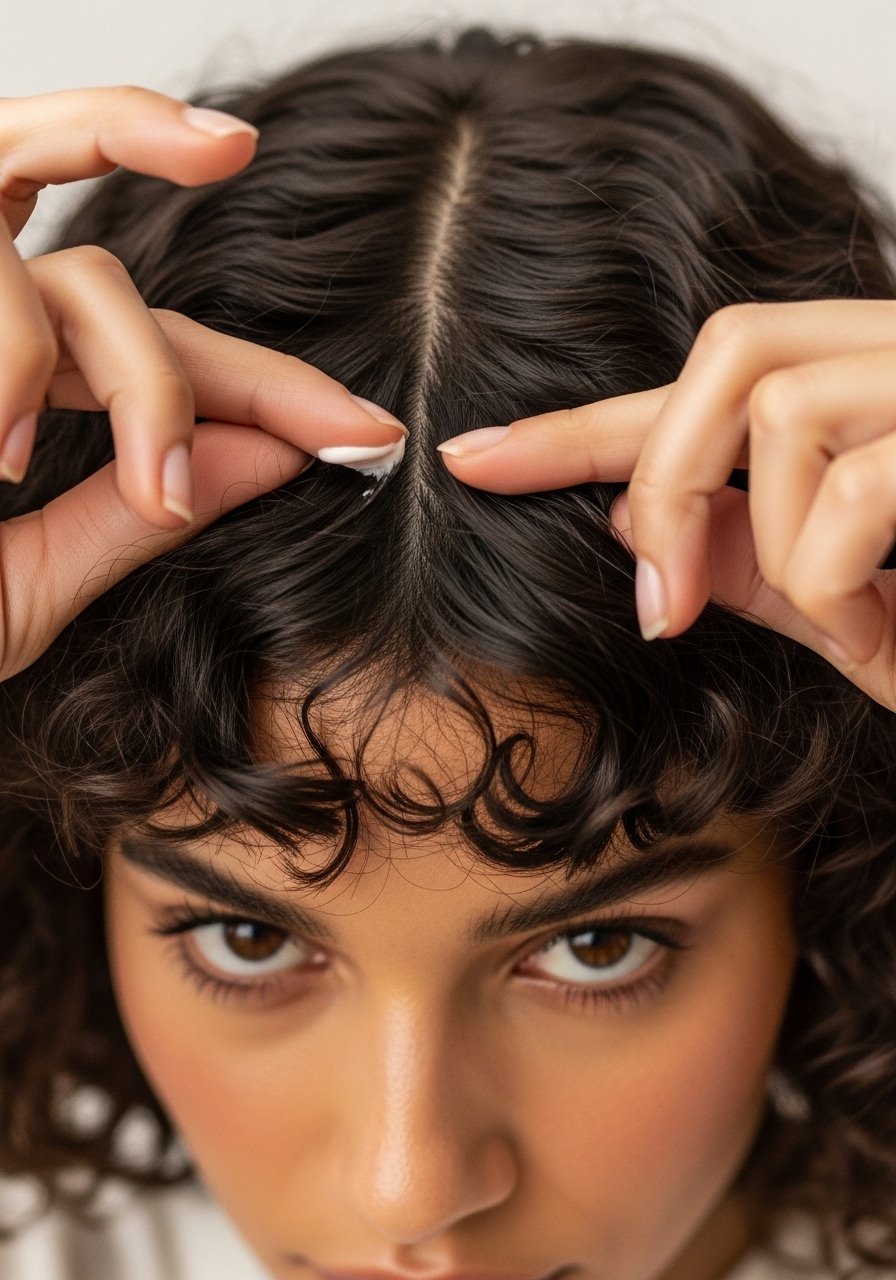
If your bangs split in the middle and refuse to close, a dab of styling paste smoothed along the root and then gently blown with a cool blast usually seals the problem. Work in a pea-sized amount and sculpt with a round brush or fingers. For heavy creams this will weigh fine bangs, so use the tiniest amount. This trick helps 2A through 3B hair in under five minutes. Avoid alcohol-heavy sprays that can dry and frizz the edges.
Bang-Friendly Deep Conditioning That Doesn’t Flatten
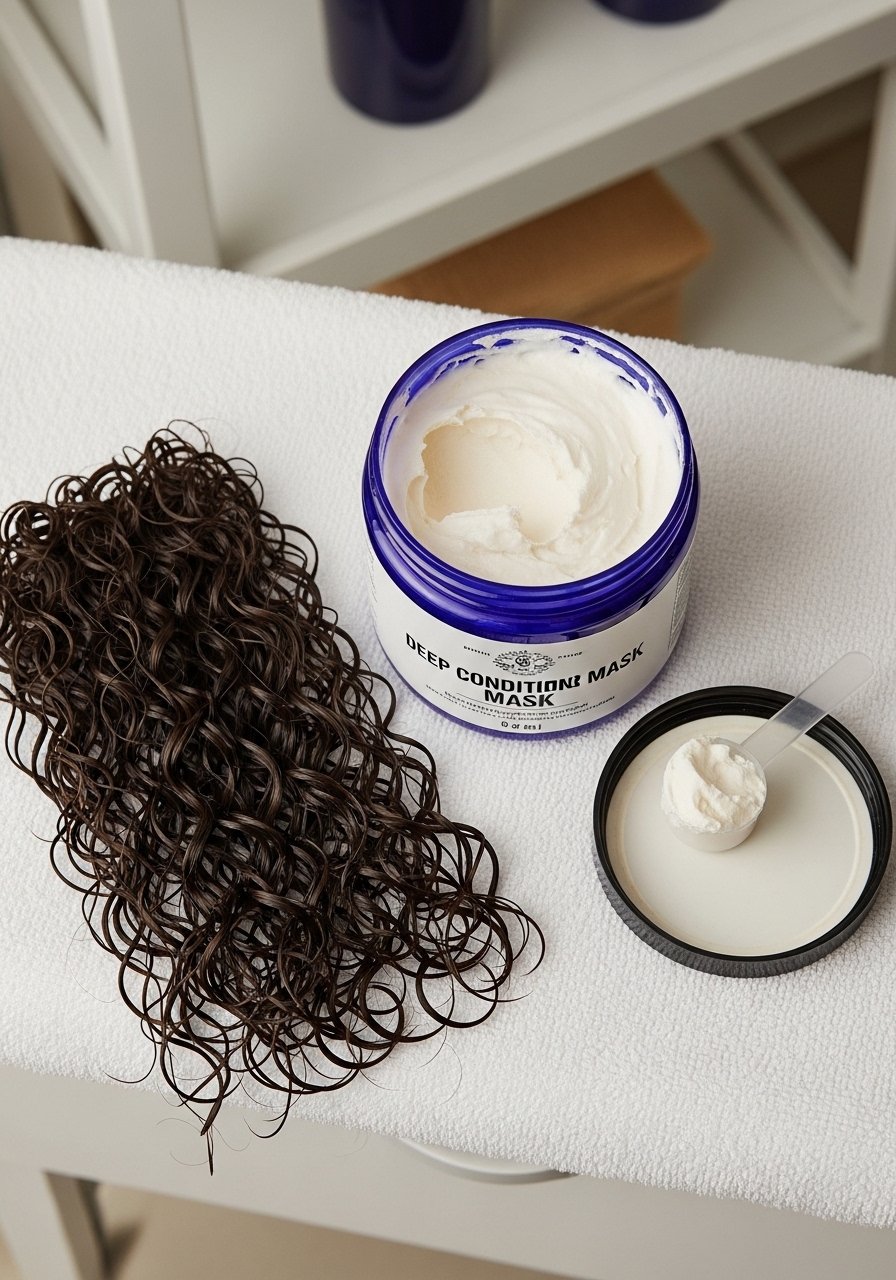
Deep conditioning bangs works if you avoid the roots. Apply mask from mid-length to ends and use a leave-in or light conditioner on the bangs only if needed. For color-treated or heat-stressed bangs, a weekly bond builder or a protein-light mask helps. A common mistake is slathering heavy masks into the hairline and ending up with flat, greasy bangs. This approach suits 2B through 3C hair. If you have scalp sensitivity, do a patch test for acidic masks.
What I Wish Someone Had Told Me About Curly Bangs
Heat protectant goes on damp hair, not dry. The cuticle is more open and the product actually absorbs. Color-wow-dream-coat anti-humidity spray is a good finish on humid days.
Grab a microfiber-hair-towel for $12. It cuts your blow dry time by a third and stops the frizz before it starts.
Hair grows about half an inch a month at most, regardless of what biotin gummies promise you. The real win is reducing breakage so you keep length, try a silk-pillowcase and weekly bond treatments.
Drugstore shampoo is fine. Where you actually need to spend money is the conditioner and bond builder. Olaplex No. 5 conditioner does more for damaged bangs than a $40 shampoo ever will.
If your bangs were lifted repeatedly, book a color correction rather than attempting another lift at home. Lifting over previous dye is the most common reason hair breaks off in the shower.
Frequently Asked Questions
Q: Can I use Olaplex No. 3 if my bangs are not damaged, or will it make them waxy?
A: Use it sparingly on bangs that are porous or heat-stressed. Olaplex No. 3 works best once a week on compromised fiber. If your bangs are simply oily, skip the weekly bond product and focus on light leave-ins and co-washing. Buy Olaplex from the brand store on Amazon or Sephora to avoid counterfeits.
Q: How often should I actually use purple shampoo on color-treated red or brassy bangs?
A: Once every 7 to 10 washes for most people. A friend asked why her hair felt like straw. She had been using purple shampoo every wash for six months. Swapped to once a week and it came back. Overuse dries the fringe fast.
Q: My bangs look great after styling but go flat by lunchtime. What is the fastest fix?
A: Root lift and dry shampoo between styling sessions. Clip the crown up during diffusing, and mist a light dry shampoo at the scalp in the morning. Also avoid heavy creams at the roots.
Q: Is it worth buying a $300 tool for styling bangs or will a $30 iron do?
A: If you style daily and have thick hair, a higher-end tool will save time and reduce repeated passes. If your bangs need occasional touch-ups, a $30 iron with accurate temperature control is fine.
Q: Can I trim my curly bangs wet at home safely?
A: No. Curly bangs spring up when dry. Point cut in dry hair and remove tiny amounts. If you want a major reshaping, see a stylist experienced with curl shrinkage.
Q: Why do my bangs smell after I sweat at the gym?
A: Sweat and product buildup trap odors at the hairline. A quick co-wash or diluted micellar water wipe of the bangs after heavy workouts clears it without drying the rest of your curls.