I did a full head of blue in my bathroom once and learned two lessons fast, one expensive and one obvious. This list is for medium to thick 2A through 3C lengths, plus a couple that work on shorter cuts with adjustments. Expect most looks to take 60 to 150 minutes in the chair or a long DIY session, budgets from under $20 for maintenance tones to a salon day that runs $200 to $400 for a full lift and color. A few options are DIY-friendly, others I recommend booking.
Deep Navy Root Melt That Grows Out Gracefully
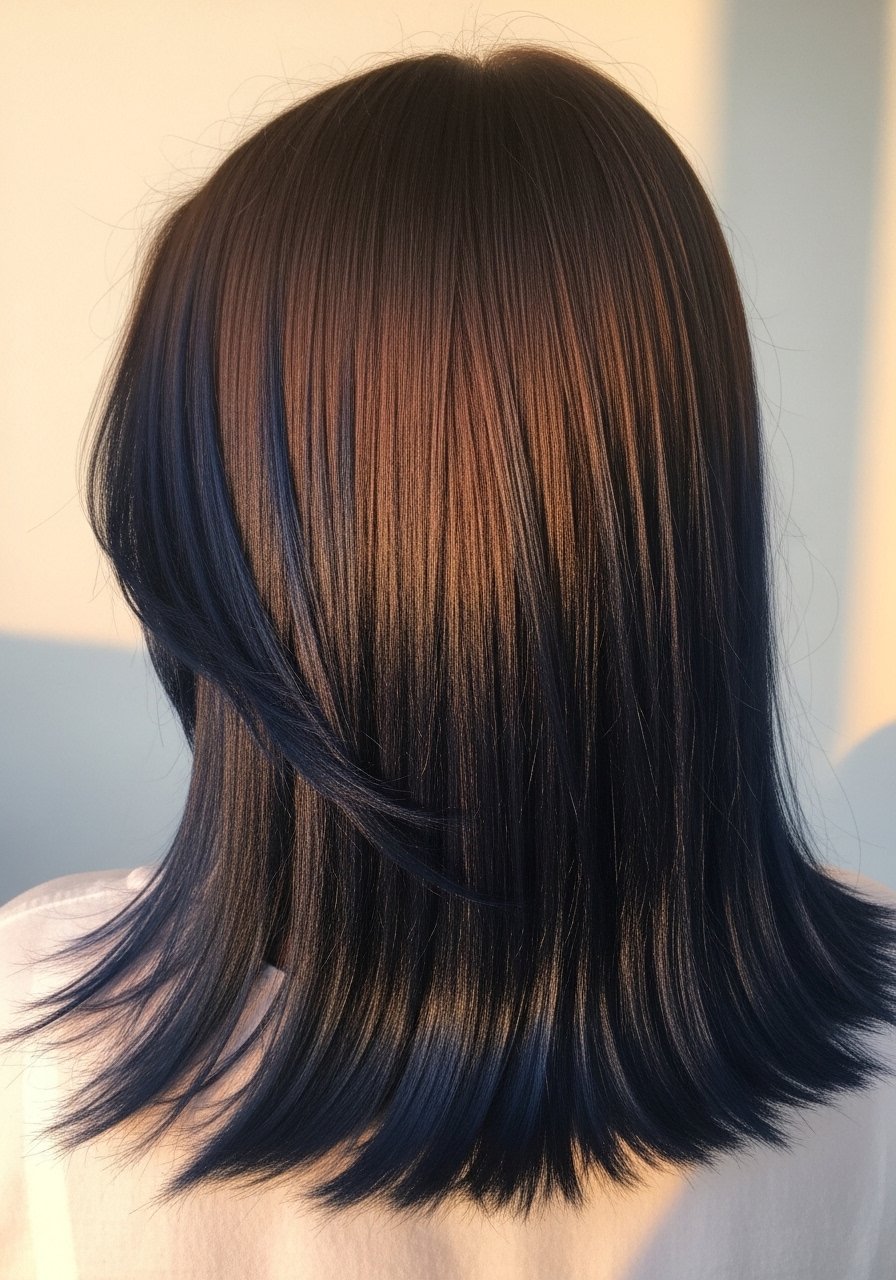
If you want blue that hides regrowth, navy root melts are forgiving. I asked my stylist for a 1:2 root-to-end blend so the regrowth line softens and the navy reads nearly black in dim light. This works great for straight to slightly wavy med-thickness hair and cuts salon touch-up frequency in half, which helps budgets. When doing this at home, lift only the ends to a level 6 to 7 with a 20-volume developer mixed 1:2 with bleach powder, and leave for no longer than 30 minutes to avoid over-processing. For color, semi-permanent navy like Arctic Fox Blue Jean layers beautifully over pre-lightened ends. Common mistake, pushing heat too hot on colored hair. If you flat iron afterward, keep the iron below 300F and always spray a protectant first. Salon pros can make the blend seamless, but a careful DIY with good sectioning and a wide-tooth comb can work.
Denim Balayage With Faded Tips
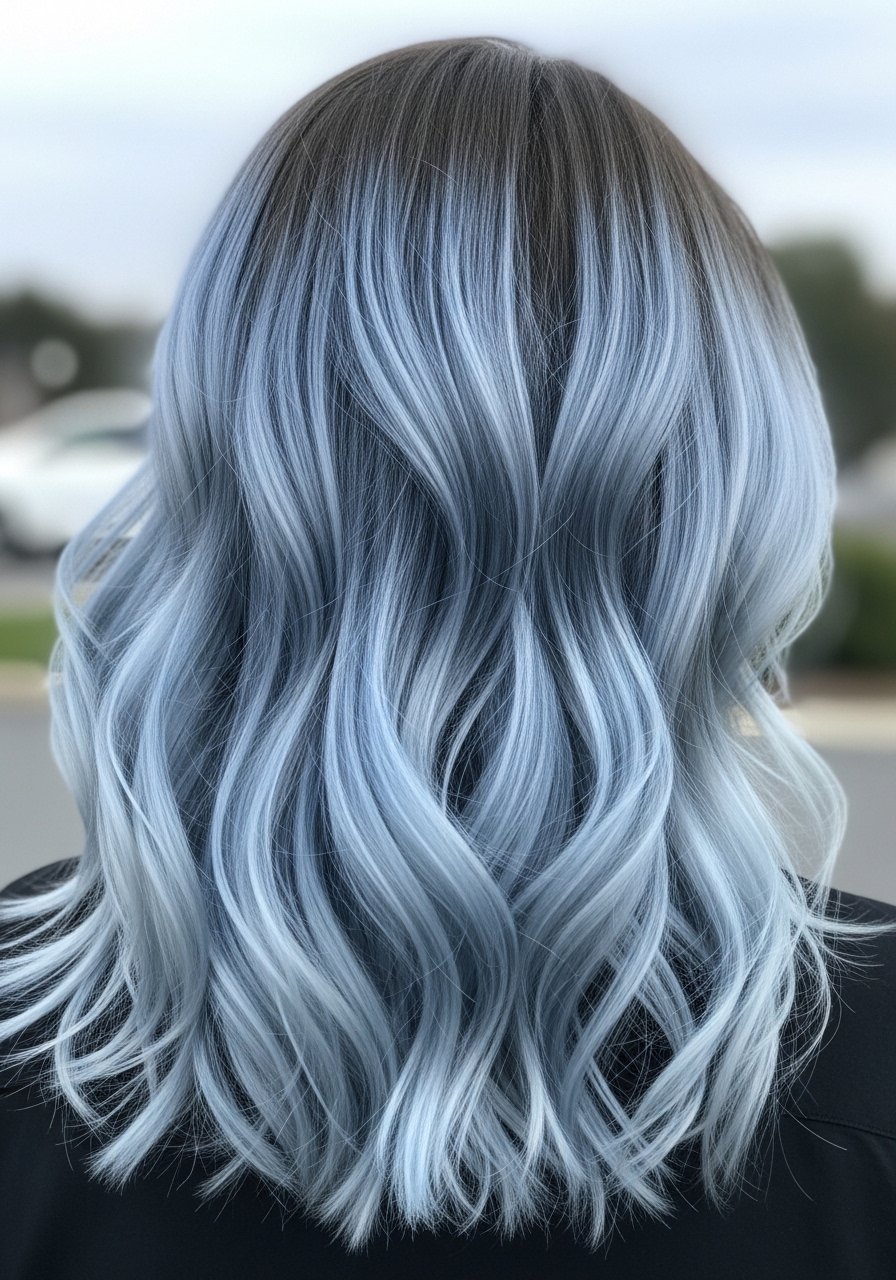
Balayage gives that lived-in denim blue, where the tips are the statement and the roots are low maintenance. This suits thick wavy hair from shoulder length to mid-back. Ask for hand-painted lightening on the bottom third and a cool toner to neutralize brass before adding blue. In practice, paint thin 1/2-inch slices, leaving some darker hair near the face to avoid a harsh line. Use a salable toner process for 10 minutes after rinsing lightener, then apply color diluted 1:1 with a clear conditioner for a sunwashed look. To keep the faded denim from going muddy, refresh with a pigmented conditioner like Overtone Blue Toning Conditioner once every two to three washes. DIY tip, do not try full-head lightening in one session if your hair has previous color. It is better to space lifts two to four weeks apart.
Pastel Baby Blue on Pre-Lightened Hair

Pastel baby blue reads delicate but it is high maintenance. You must lift to a pale yellow, ideally level 10, for the pastel to show. That makes this best for thick, healthy hair or people willing to do staged lifts. I learned the hard way that trying to push a pastel on a yellow level 7 ends in greenish tones. Use a diluted dye ratio, one part color to two parts conditioner, and process for 10 to 15 minutes. For at-home refreshes, a two-minute glaze in the shower with a color-depositing mask keeps it soft. Two mistakes I see, skipping a bond builder before lifting and using purple shampoo every wash. Do a bond treatment like Olaplex No. 3 once a week and use purple shampoo only once every seven to ten days to avoid dryness and buildup. If your hair has previous permanent color, book the lift with a salon.
Teal Ombre Over Dark Brown Hair
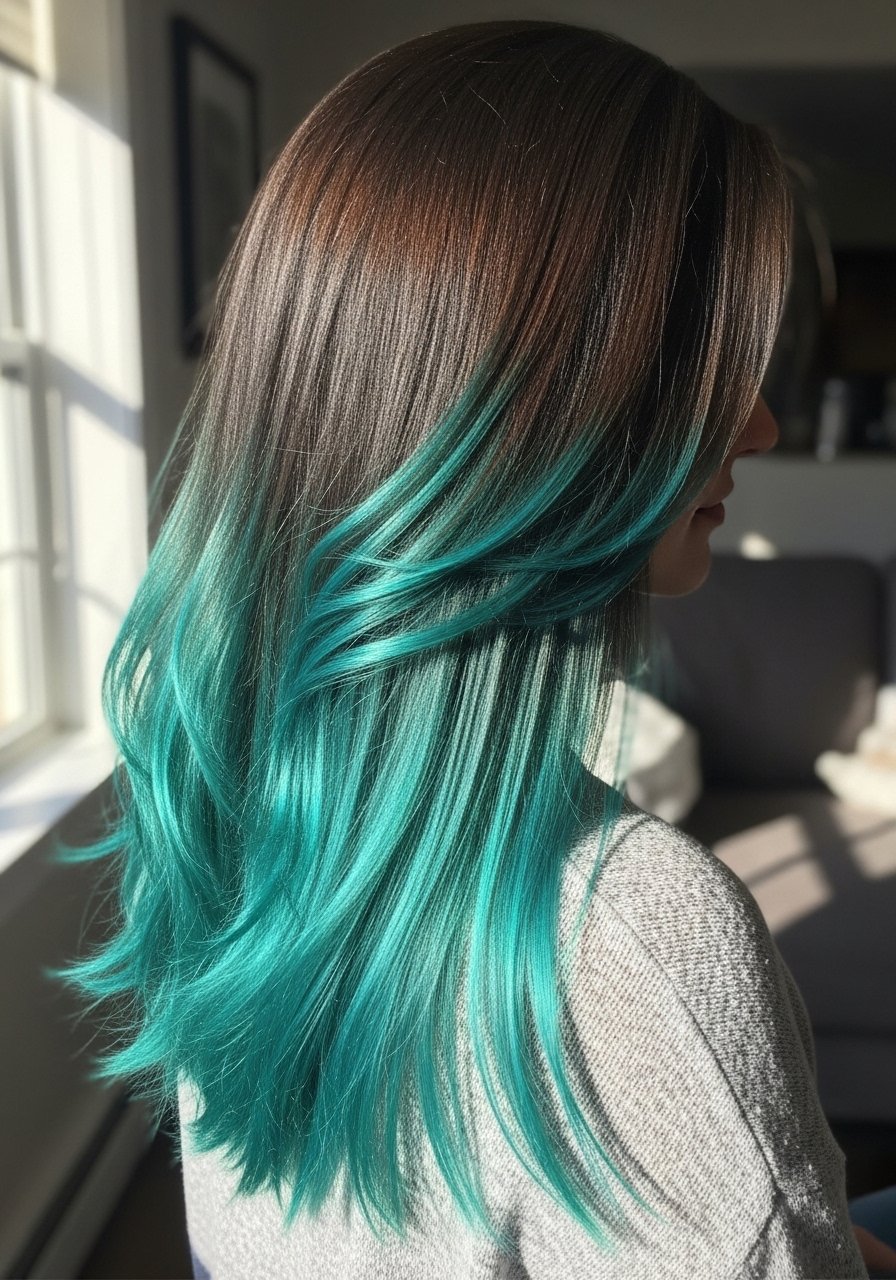
If you are brunette and want a shock of blue without full-head commitment, teal ombre is forgiving. Because the mid-shaft is already darker, you only need to lift the ends to a level 7 or 8. Paint the color so the teal starts where your hair naturally parts or where a ponytail would hide regrowth. I use a 1:1 dye to conditioner ratio for a slightly translucent finish and process for 20 minutes. For maintenance, avoid hot water and use a color-safe sulfate-free shampoo once every three to four washes. A common mistake is overlapping bleach onto previously lightened hair. Lifting over lightened hair increases breakage risk. If you do go DIY, work in 1-inch panels and rinse with cool water to lock the color. For color choices try Manic Panic After Midnight Blue for a bright teal payoff.
Peacock Blue With Green Undertones for Curly Hair
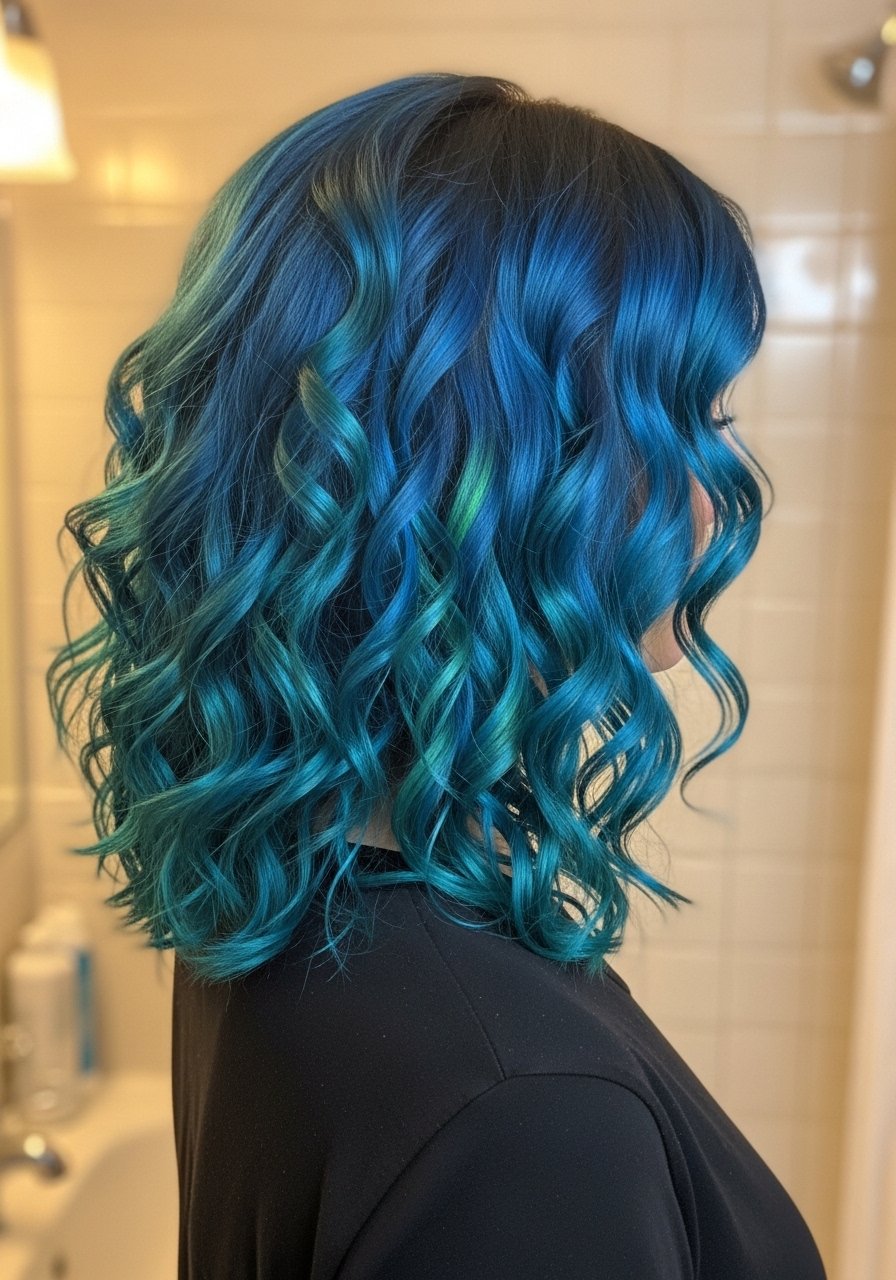
Curly hair holds color differently than straight hair. Peacock blue with green undertones plays well on coils because the dimension shows in ringlets. I mix two shades, a deep blue and a teal, applying the teal to pieces that catch light and blue to the bulk for depth. Use the LOC method after washing for styling, leave-in then oil then curl cream, to keep the curls hydrated and color from fading fast. One practical detail, section into 8 to 10 panels when applying color to ensure even saturation. Avoid heavy gels that flake and make the color look dull. For a semi-permanent option that also leaves hair conditioned, try Arctic Fox Aquamarine. If you bleach coils, expect some shrinkage changes in curl pattern and plan a bond repair regimen.
Smoky Slate Blue for Low Brass and Office-Friendly Vibes
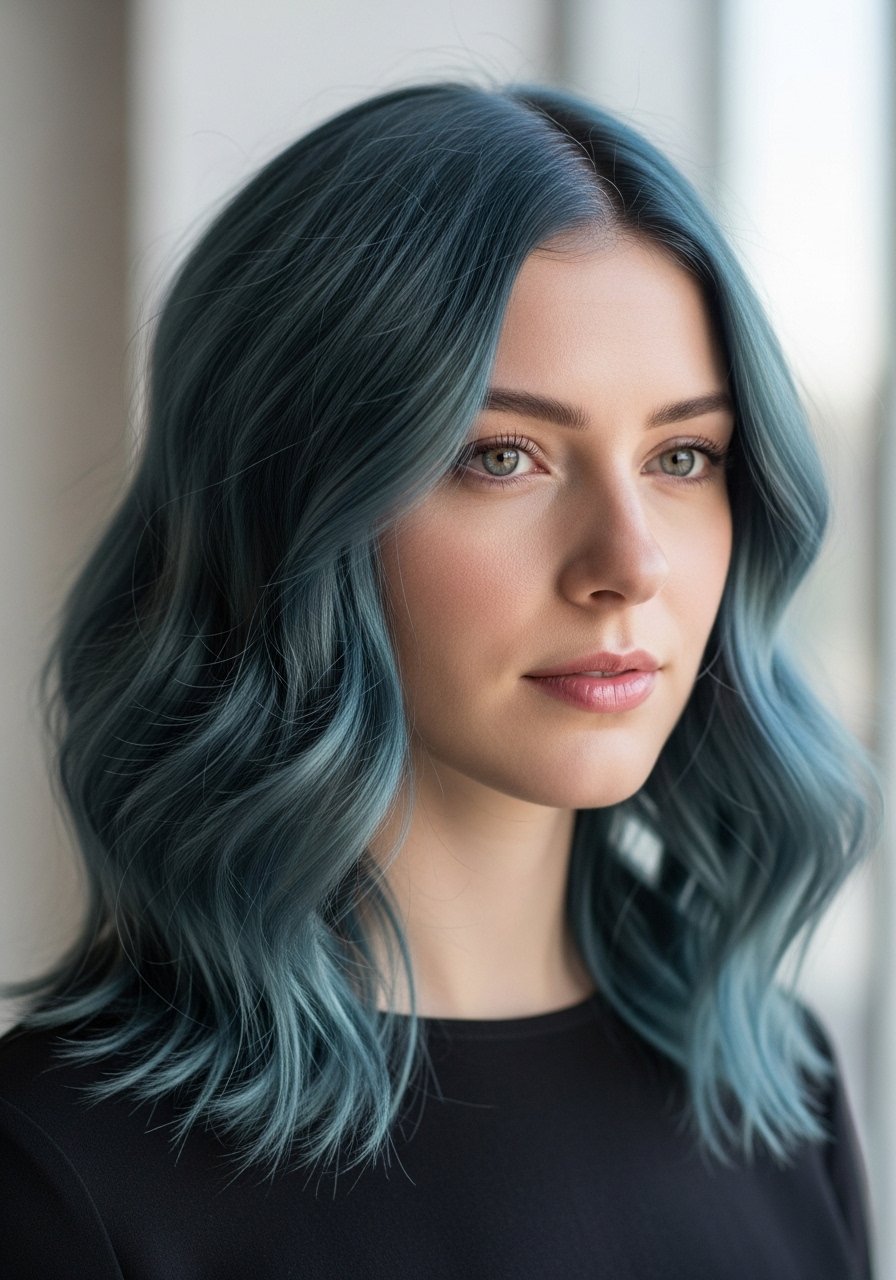
If you want blue but work in a conservative office, smoky slate blue reads muted and professional. This tone lives close to an ash blue with a gray base, so it masks brass without shouting. Lift just enough to remove warm orange, toner for 5 to 10 minutes, then apply a low-saturation blue tint. I mix one part dye to three parts clear conditioner for a subtle result that fades evenly. Use a heat protectant if you blow dry over 300F. The common mistake, choosing a high-pigment electric blue, which looks amazing in photos but becomes hard to carry. For a color-safe finishing spray try Color Wow Dream Coat anti-humidity spray when you need frizz control without altering the tone.
Electric Blue Dip-Dye for Short Cuts
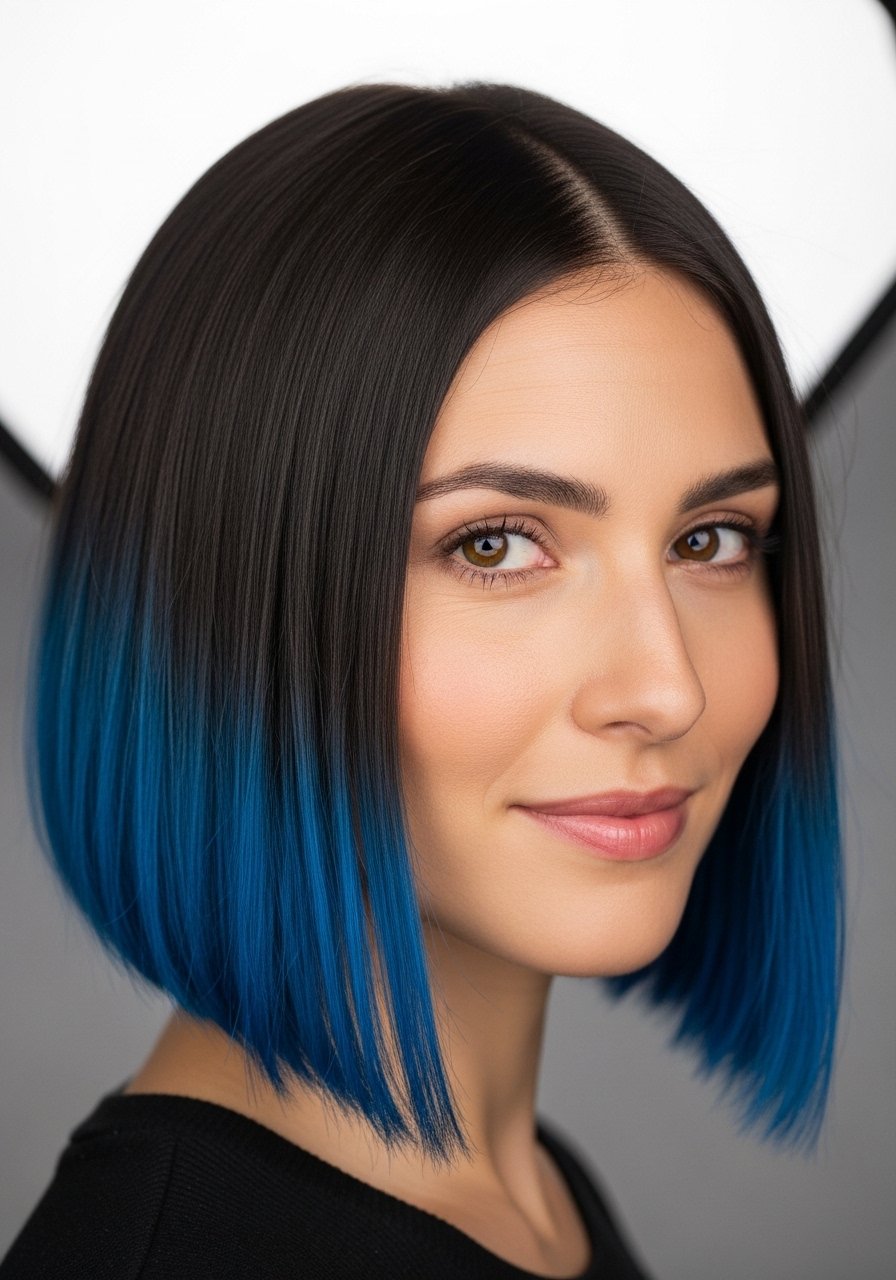
Short cuts can pull off a bold dip-dye without long-term commitment. On pixies and bobs, a strip of electric blue at the ends gives a pop without affecting roots. The trick, bleach small subsections, not the whole head, and neutralize with a quick cool-toned glaze. For application, section into 6 panels for short hair and saturate ends for 10 to 15 minutes. If you style with irons, keep the heat under 300F and use two quick spritzes of a silicone-based protectant. For bright shades that last, Manic Panic Amplified blue stains stays vibrant but will stain fabrics, so use an old towel when rinsing. This is an easy DIY weekend project and a low-cost way to try blue without a big salon bill.
Hidden Teal Peekaboo for Low-Maintenance Color

My friend got this and I copied it immediately. Hidden teal panels tuck under the top layer, so you only show color on movement or when you wear your hair up. This is perfect for people who need subtlety, like students or office workers, and for fine to medium hair it adds dimension without added volume. Section into 4 to 6 underside panels and apply color for 15 to 20 minutes. Use a color-depositing conditioner to refresh only the panels when they fade. One mistake, putting panels too close to the nape where they catch sweat and fade faster. It is a cheap salon add-on or a weekend DIY if you are comfortable with a tail comb and clips. For a low-commitment dye, try Overtone Semi-Permanent Teal Hair Mask.
Soft Periwinkle Gloss to Soften Faded Blues
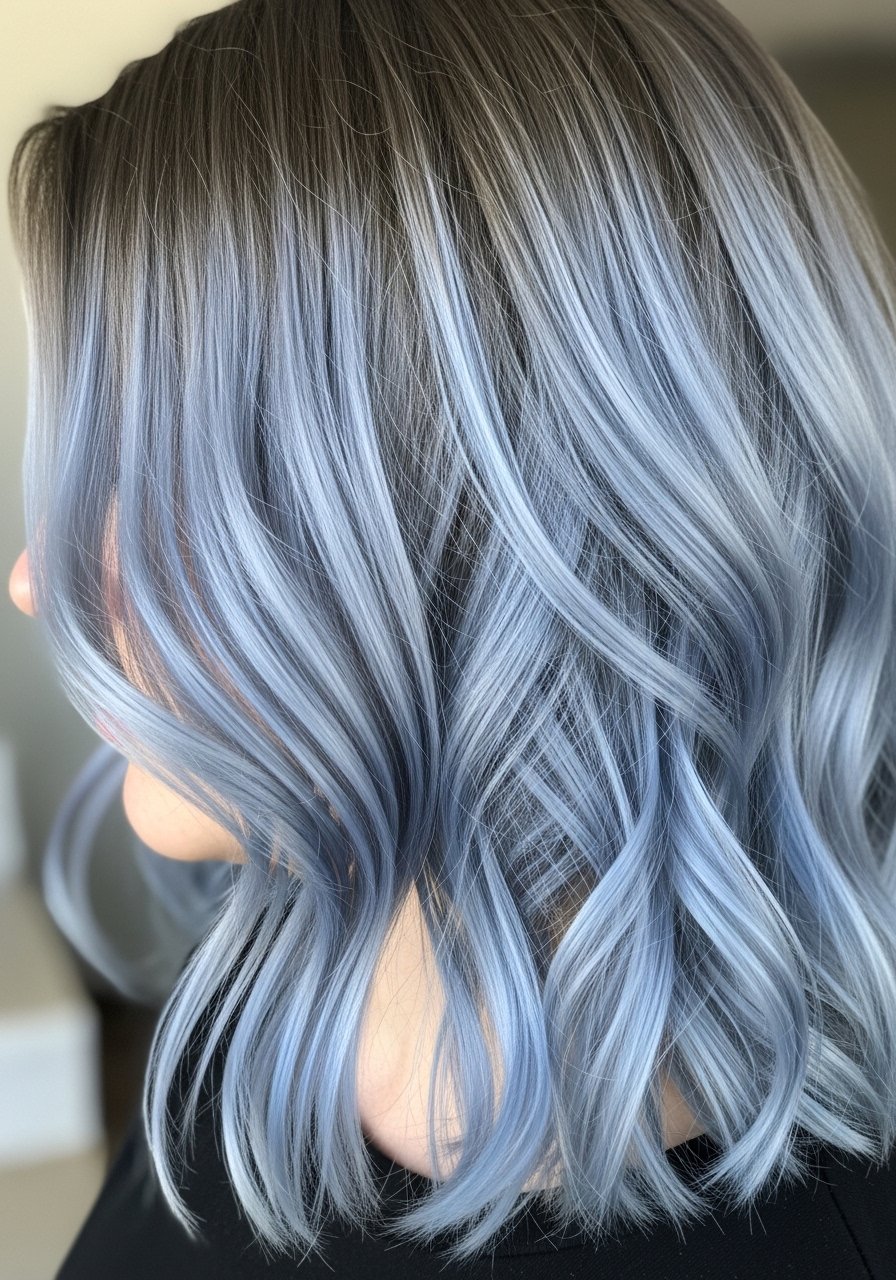
Faded blue can turn brassy or patchy, and a periwinkle gloss is the fix I lean on between full refreshes. A gloss is a deposit-only service that lasts four to six weeks and smooths cuticle appearance. For a DIY gloss, mix one pump of a clear gloss with a pea-sized amount of a periwinkle dye, apply to towel-dried hair in four panels, and process for 10 minutes. Rinse with cool water. This is quick, cheap, and avoids another full lift. One common error, over-using purple or blue shampoos which makes tones muddy. Alternate your pigment-masking washes with a gentle sulfate-free cleanser and glaze every three to four weeks. If you buy a salon glossing product online, watch for counterfeits and consider purchasing from the brand or Sephora in addition to Amazon.
My Blue Color Stash You Can Actually Buy
- Honestly, the minimal kit I keep for blue upkeep. Olaplex No. 3 hair perfector 3.3oz, buy from the official seller on Amazon or Sephora, it saved my ends after a botched lift
- For semi-permanent pigment, Arctic Fox blue jean 4oz, cruelty-free and great for layering
- For toning and refreshes, Overtone blue toning conditioner 8oz, use once every two to three washes
- For lift when you DIY, a salon 20-volume developer and 1:2 bleach powder kit from a reputable seller, follow the kit directions and do a strand test
- For bath and color-safety, sulfate-free clarifying shampoo 8oz to use once every 7 to 10 washes only
- For heat work under 300F, a silicone heat protectant spray to mist before styling
- For sleep protection, a silk pillowcase queen under $25 that cut my morning staining and friction
- For quick touch-ups, a pack of wide-tooth combs and clips sold together, great for sectioning during application
What I Wish Someone Told Me Before Going Full Blue
- Use a bond builder before heavy lifting. It adds 10 to 20 minutes at the salon but prevents the single worst breakage mistake. K18 leave-in molecular repair is worth buying from authorized sellers only
- Heat protectant belongs on damp hair. The cuticle absorbs better and the shield works. Color Wow heat protectant spray handles up to styling temperatures I use
- Grab a small jar of color-depositing conditioner for weekly top-ups. It is cheaper than salon refreshes and keeps faded blue from turning green
- If you have previous darker permanent color, do not bleach over it in one go. Book staged lifts. Lifting over dark permanent color is the most common reason hair breaks in the shower
- For curls, layer a leave-in cream before a gel, not the other way around. The LOC method works. Try a light leave-in then a curl cream and finally a gel to get hold without crunch. A lightweight leave-in cream makes the difference
Frequently Asked Questions
Q: How often will blue hair actually need a refresh?
A: Most blue tones need a touch-up every four to eight weeks. Bright electric blues fade faster with every wash. Using a pigmented conditioner once a week stretches the visual life of the color without a salon trip.
Q: Can I bleach my hair at home to go blue if I already dyed it darker?
A: Lifting bleach over previous permanent dye raises the risk of breakage. Staged lifts spaced two to four weeks apart are safer and most stylists recommend booking a correction if you want a level 9 or 10. If you try it at home, do strand tests and use a bond builder first.
Q: Will purple shampoo ruin my blue?
A: Overusing purple shampoo can mute blue and make it gray or muddy. Use purple shampoo once every seven to ten days for brass control only. For blue maintenance use a color-depositing mask instead.
Q: How do I avoid staining pillowcases and clothes?
A: Rinse thoroughly with cool water after coloring, blot with an old towel, and sleep on a silk pillowcase when the color is still fresh. Darker, more saturated blues are the worst offenders, so a silk case and wearing an old tee to bed the first night helps.
Q: Is a gloss different from a dye and when should I use it?
A: A gloss deposits color without lifting and lasts about four to six weeks. Use it when your blue looks faded but you do not want another full dye or lift. It smooths the cuticle and evens tone much faster and cheaper than a full salon session.
Q: How can I tell if my hair is low porosity before coloring?
A: Drop a clean strand into a glass of room temperature water. If it floats for four plus minutes, low porosity. Low porosity hair needs heat or steam to help products and color penetrate, so warm towels or processing under a dryer can improve results.