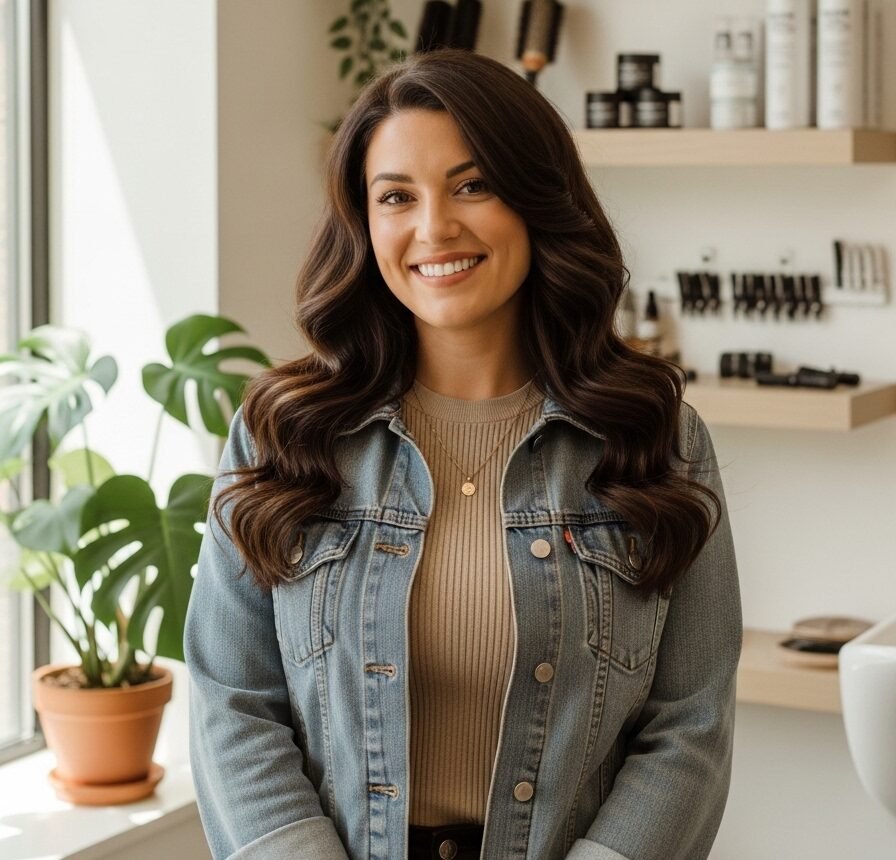
I bleached my own hair last winter in a desperate mood and paid a stylist three months later to fix the over-processed mess. That cost more than the learning curve, and Olaplex No. 3 saved what was left. These winter hair color ideas aim to give you colors that survive cold weather, low sunlight, and flaky scalp days without needing a six-hour salon marathon.
These picks mostly serve medium to thick 1B through 4A textures, with notes where fine or very coily hair needs different upkeep. Expect most looks to be doable at home if you stick to demi-permanent glosses and root shadows; anything that requires heavy lifting should be a salon visit. Budget ranges from under $30 for a gloss at home, to $250 plus for a multi-step salon correction.
Deep Chestnut With A Copper Peek
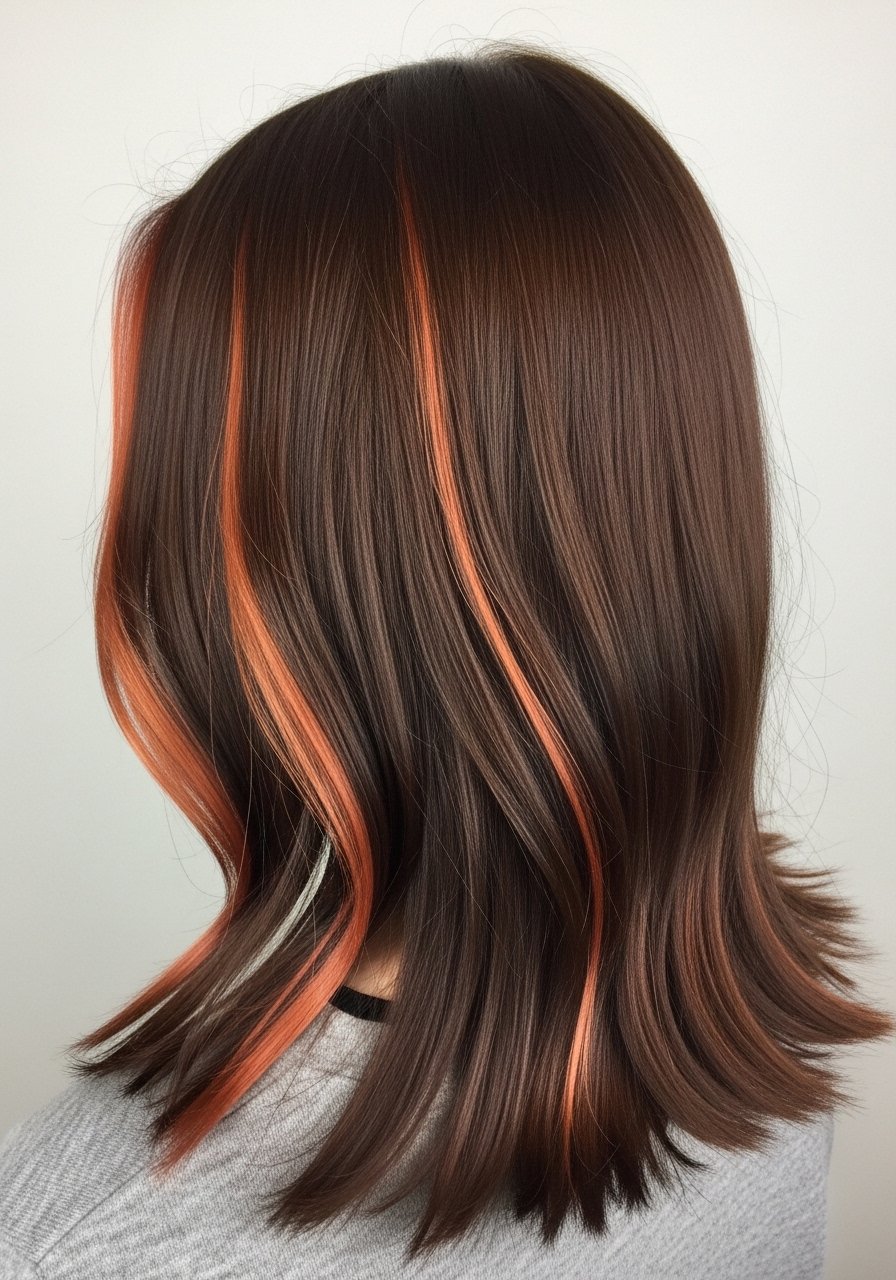
If you want warmth that reads cozy in winter but lives low-maintenance, this chestnut with a copper peek works on medium to thick hair. The trick is a single 1-inch face-framing section painted with a diluted permanent dye at 10 volume developer for 8 minutes, then rinsed and glossed. That short lift gives a pop without full-bleach trauma. Expect one salon visit or a cautious DIY if you test a patch first. One common mistake is painting too many sections, which ages the look and increases upkeep. Two pumps of a demi-permanent gloss after rinsing keeps the copper from fading for six to eight washes. Olaplex No.3 works well weekly if you lift at all, and buy from the official store on Amazon to avoid counterfeits.
Ashy Mushroom Brown Lowlight
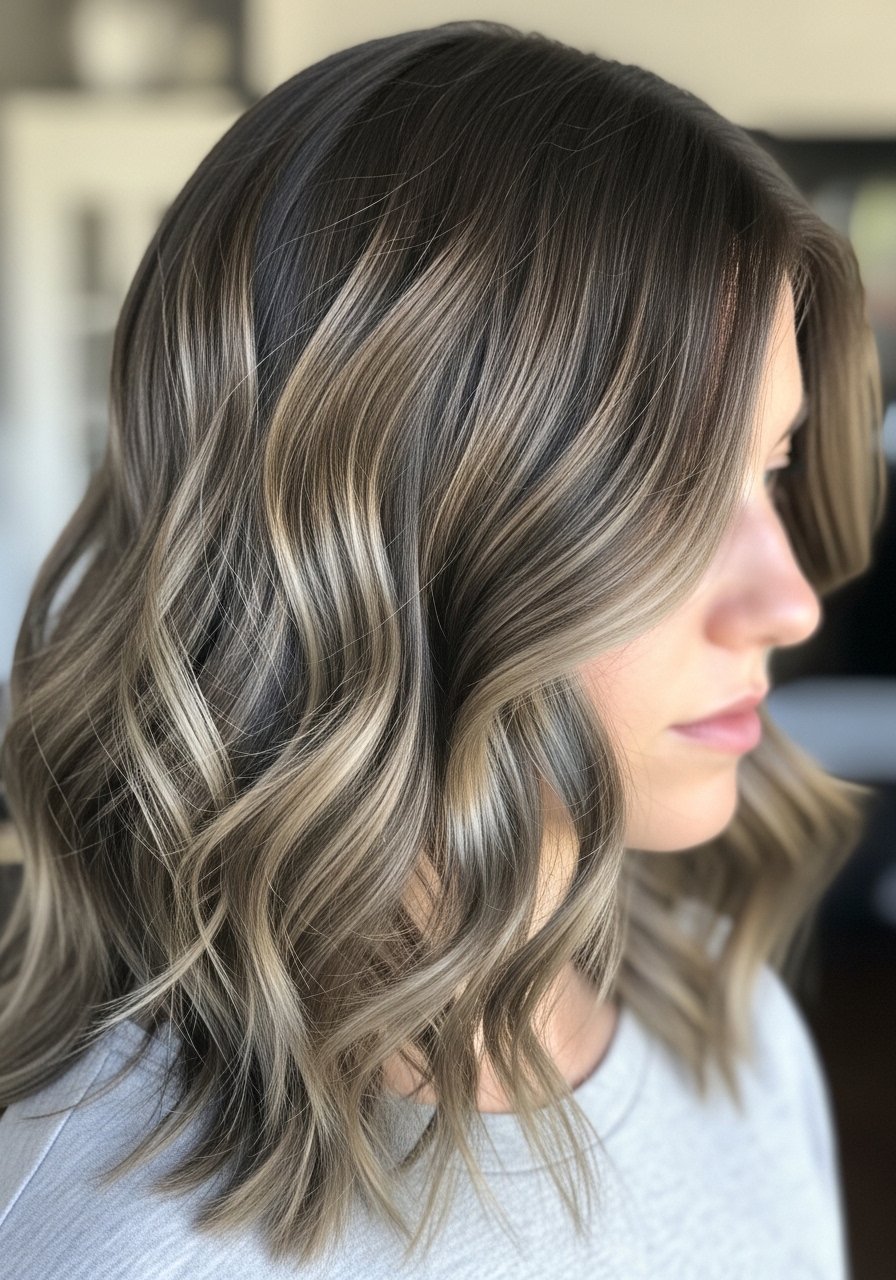
Mushroom brown reads winter-appropriate because it mutes brass and looks polished under low light. To pull it off, mix an ash brown demi at bowl-mix ratio of 1:1 with the developer your color line recommends, apply on 1-inch sections, and process for 20 minutes. Low porosity hair needs a warm towel over the head for five minutes to help penetration. The problem this solves is brass after summer highlights. Overusing purple shampoo is a common misstep, it dries hair if you do it every wash. Swap to purple once a week and use a hydrating conditioner on other days. A salon gloss every six to eight weeks keeps the ash from going flat.
Cherry Cola Balayage For Dim Light
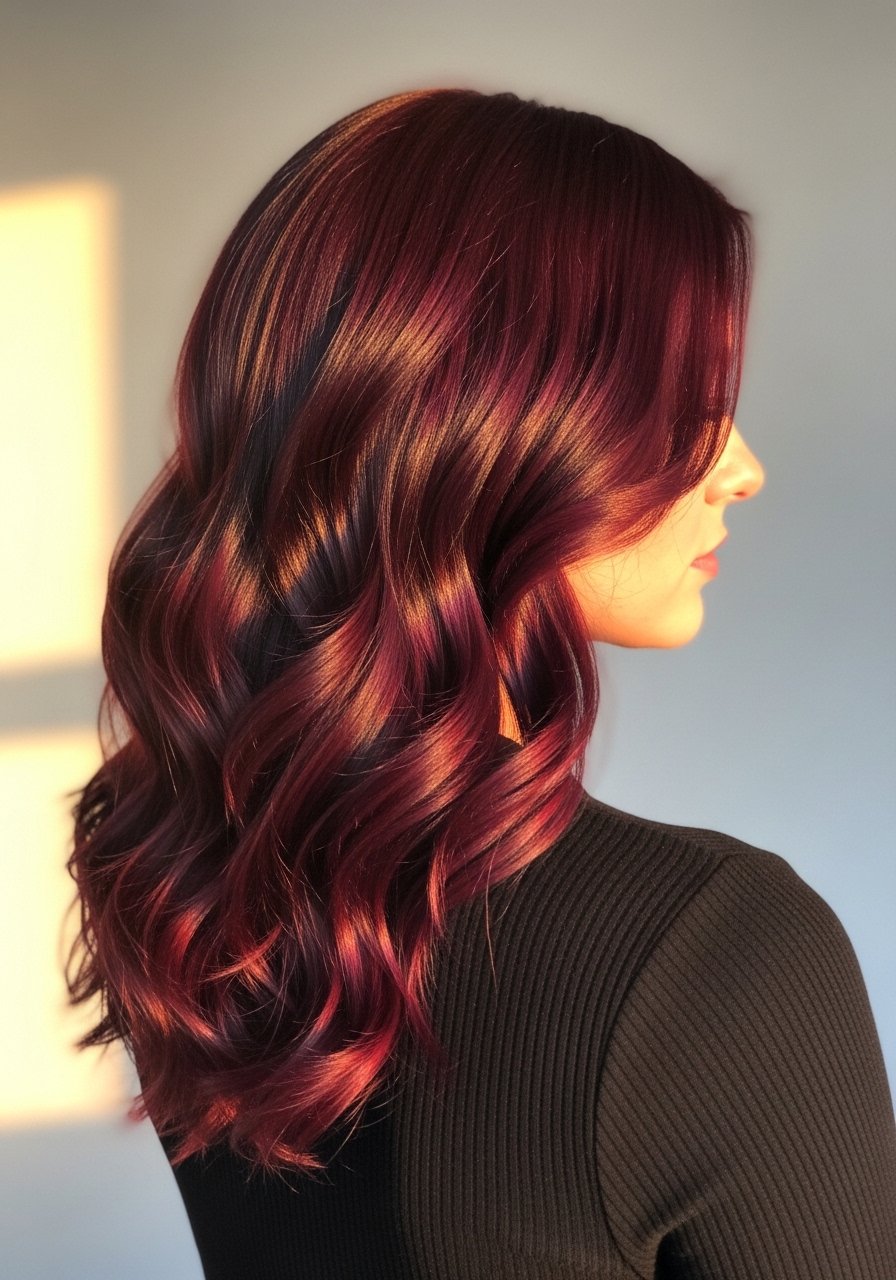
Cherry cola is a deep burgundy with cool undertones that survives winter shadows without looking flat. For curly hair from 2C to 4A, place the color on the mid-lengths in feathered strokes using a 1:2 dye to developer mix for subtle lift. The result is rich color that hides dryness. A common mistake is going too red at the root, which forces monthly touch-ups. This is one of those colors you can do as a demi at home if you do a strand test first. Use a color-safe sulfate-free shampoo and a single pump of a shine serum when damp. Color Wow Dream Coat helps with humidity if your house gets dry from the heater.
Root Shadow With Honey Melt
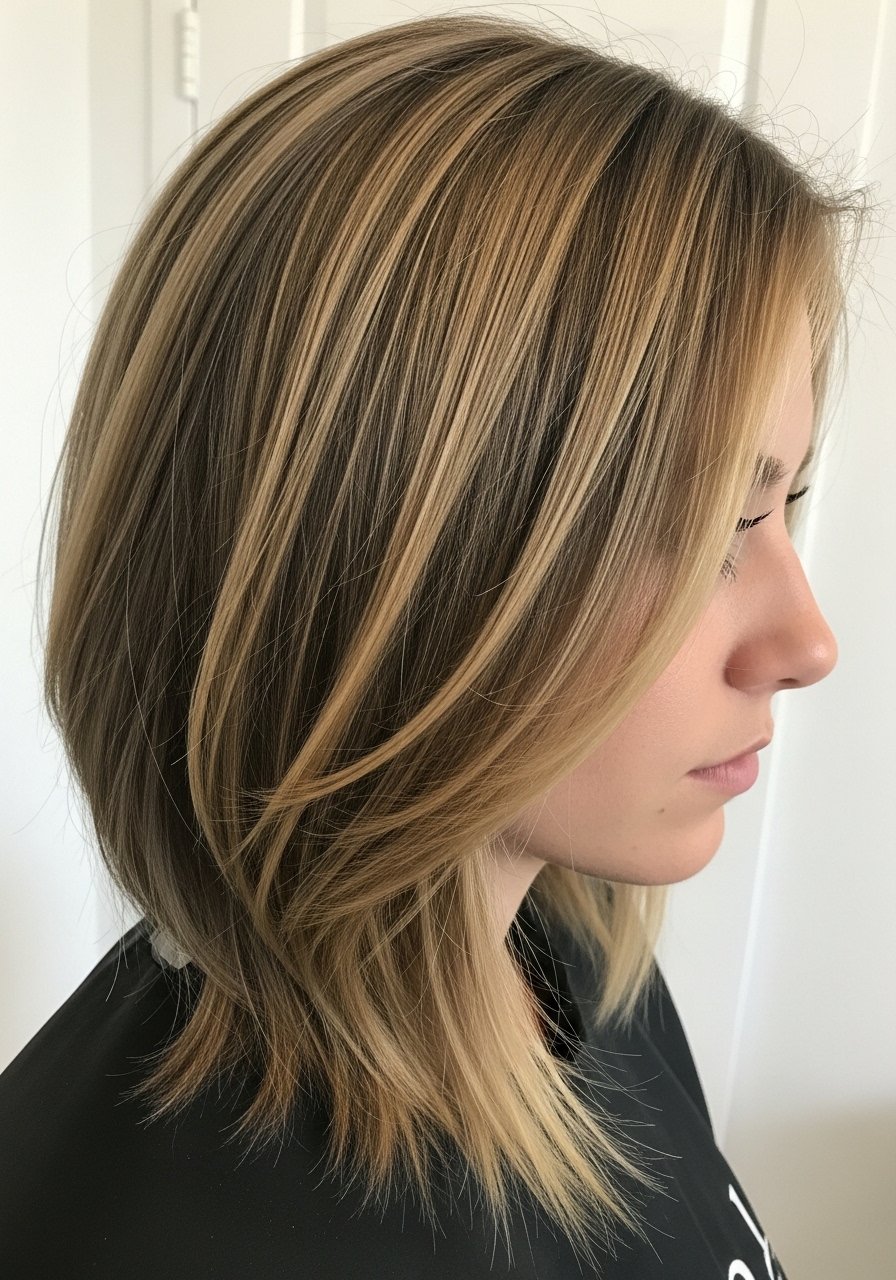
If you hate salon appointments in winter, a root shadow that blends into warm honey melt highlights is your best friend. Apply the shadow with a 1:1 demi-permanent glaze from the root to 1 inch out, then feather the honey with a balayage brush. It stretches touch-ups to 12 weeks on medium-density hair. The practical win is less regrowth contrast and fewer salon chairs. People often try to lift too aggressively at home and end up with brassy bands. If you consider lifting, remember bleach over previous color is risky and often needs a salon correction. A quick at-home gloss every four weeks keeps the melt soft.
Smoky Silver Bob For Brave Beginners
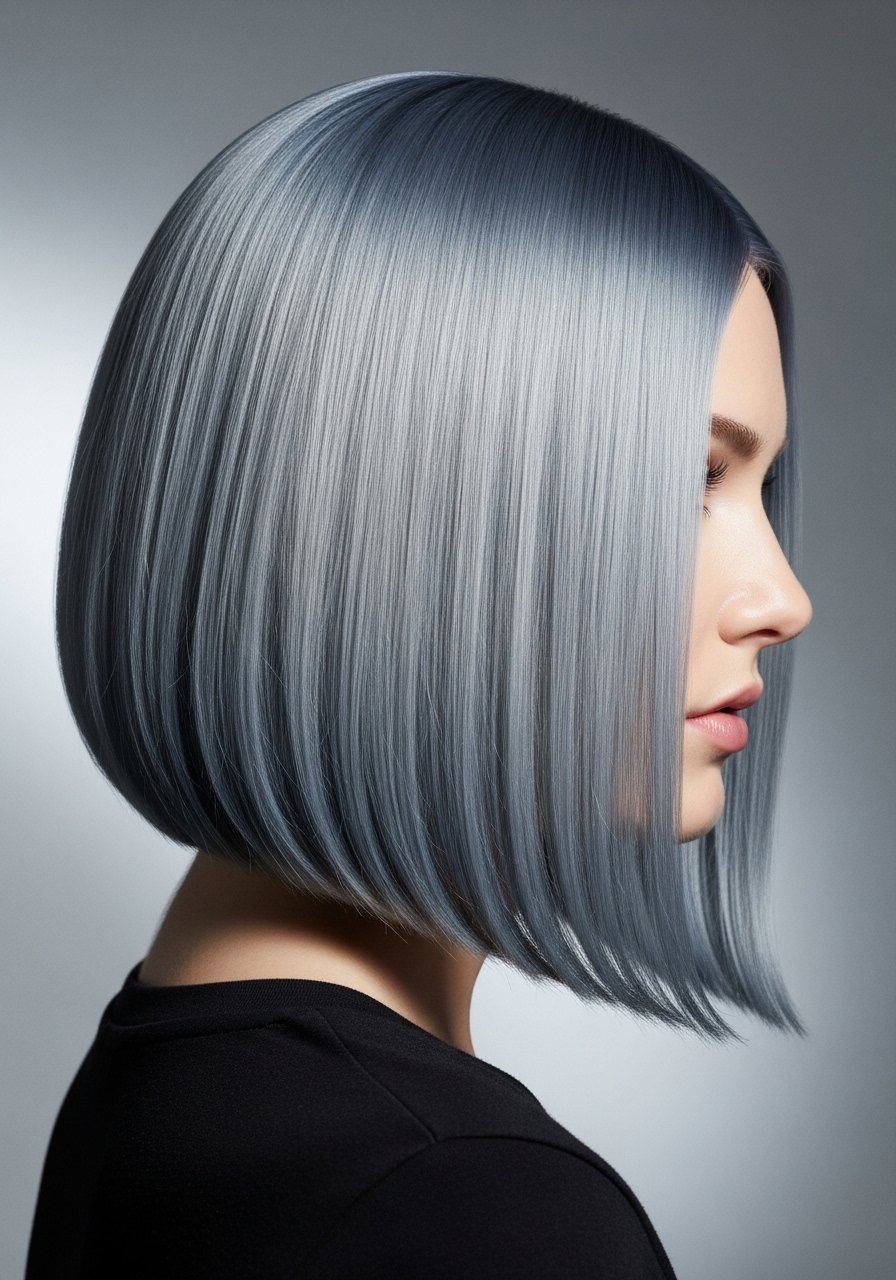
Silver hair is dramatic in winter but it requires commitment on medium to fine hair. The realistic path is two sessions, first to lift to pale yellow with careful 20 volume sections and Olaplex in the mix, then a violet-based toner at a controlled 3 to 5 minute deposit. The problem it solves is dull winter skin tones that look washed out next to dark hair. Key mistakes are skipping a bond builder and expecting the color to last through frequent washing. Use a purple toner once every 10 to 14 days and a gloss in between. If you have scalp sensitivity, do an allergy patch test and start with a demi.
Espresso Melt For Low Fuss Brunettes
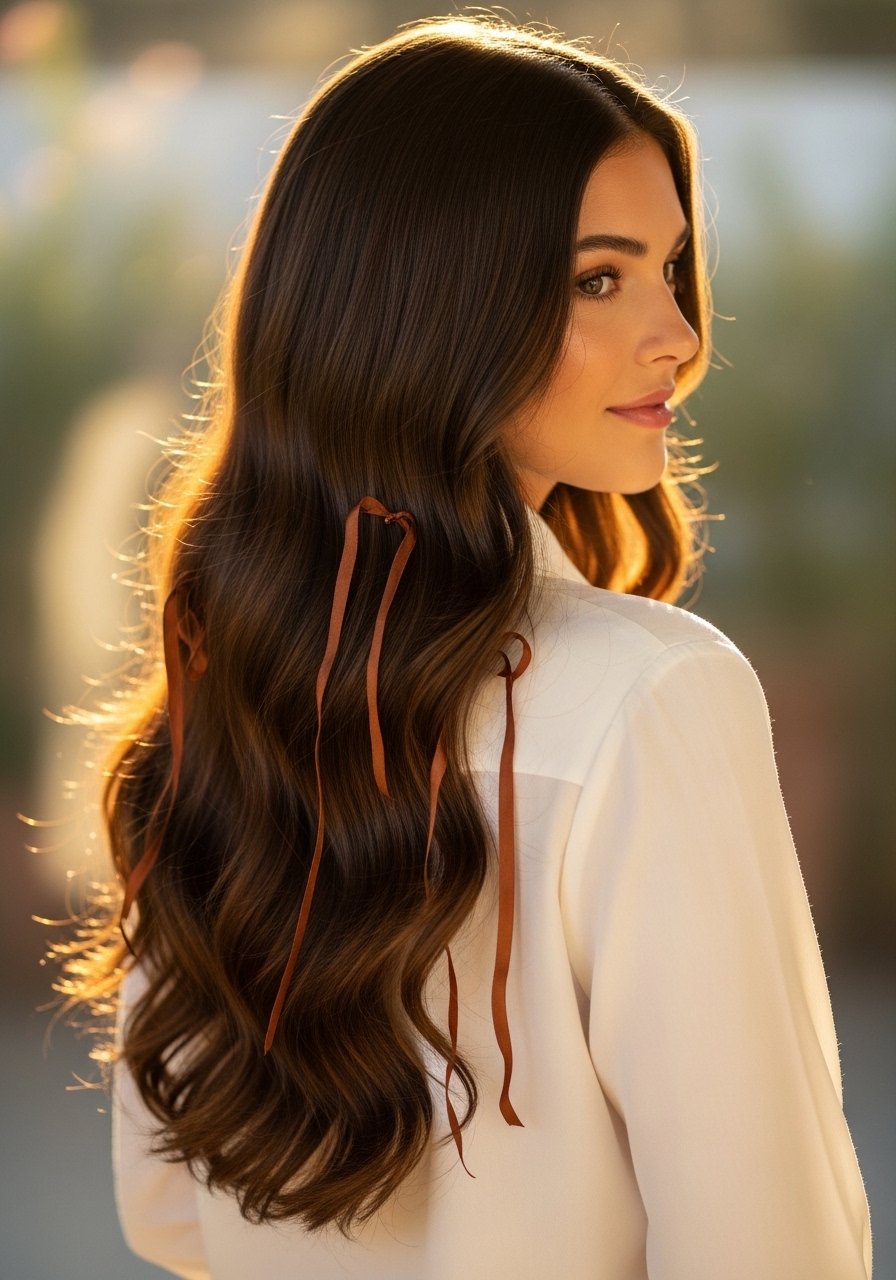
Espresso melt is for people who want depth without losing warmth. For thicker textures this look uses thin vertical slices painted with a low lift glaze at 10 volume for about 7 minutes. The result reads salon-rich but fades toward natural tones, so upkeep is two to three gloss sessions per year. Many drugstore brunettes think deep brown means zero maintenance. In reality, a weekly bond-building treatment and avoiding daily heat will keep the melt readable. Two spritzes of a leave-in before drying helps distribute oil so the color doesn't look patchy.
Frozen Blonde Gloss For Bright Winter Days
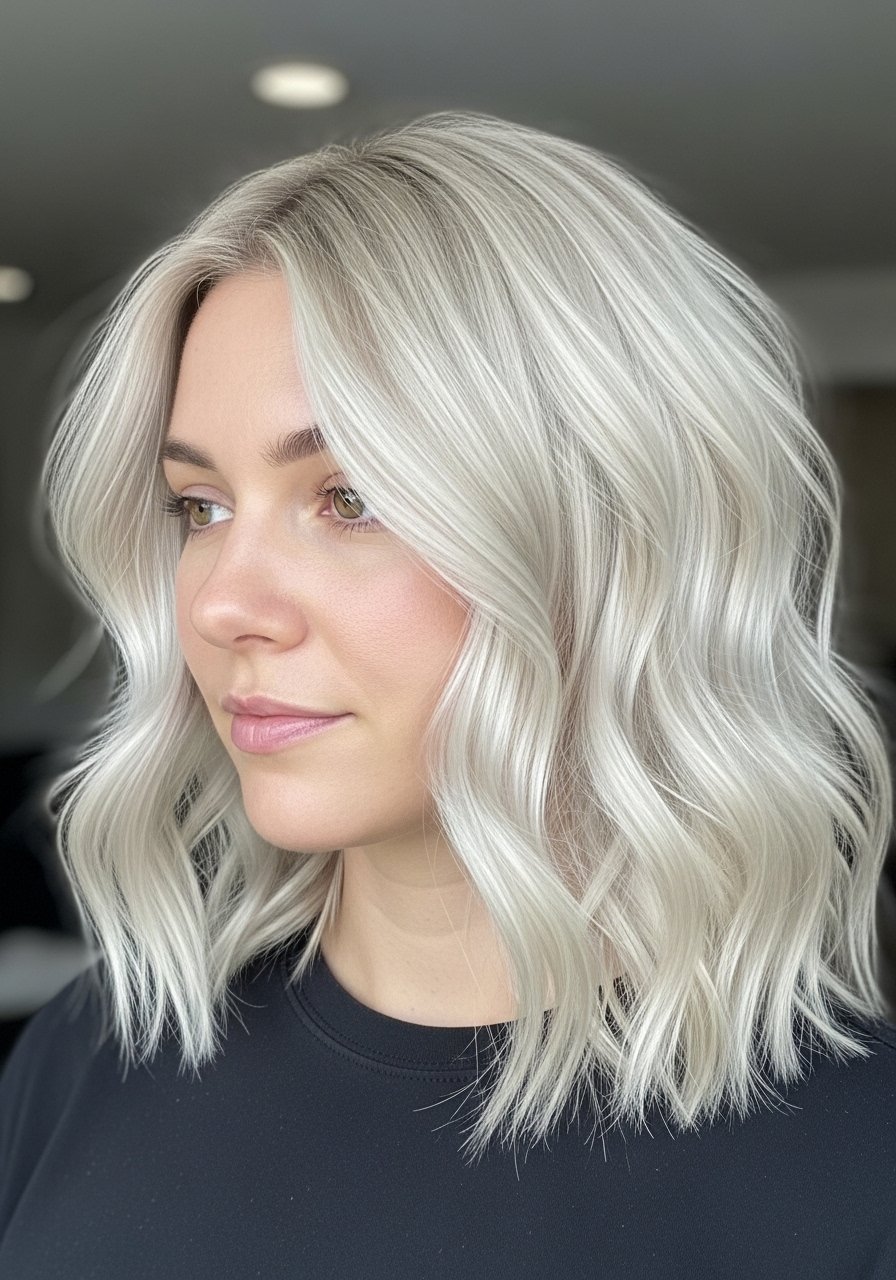
Frozen blonde is the look you book if you want bright face-framing color for holiday photos. Warning, lifting hair in winter still risks breakage if you skip the prep. If you go salon, ask for 10 volume between sessions and a strand test. For a DIY-friendly option, use a blue-violet gloss that neutralizes warmth for 10 minutes at home every four weeks. A common mistake is thinking more purple shampoo equals blonder. Most people dry hair out by overusing toning shampoos. Heat protectant goes on damp hair, not dry, and that helps your blowout hold the tone longer. Olaplex No.5 conditioner smooths cuticle appearance after a lift.
Velvet Burgundy Lob For Cooler Skin Tones
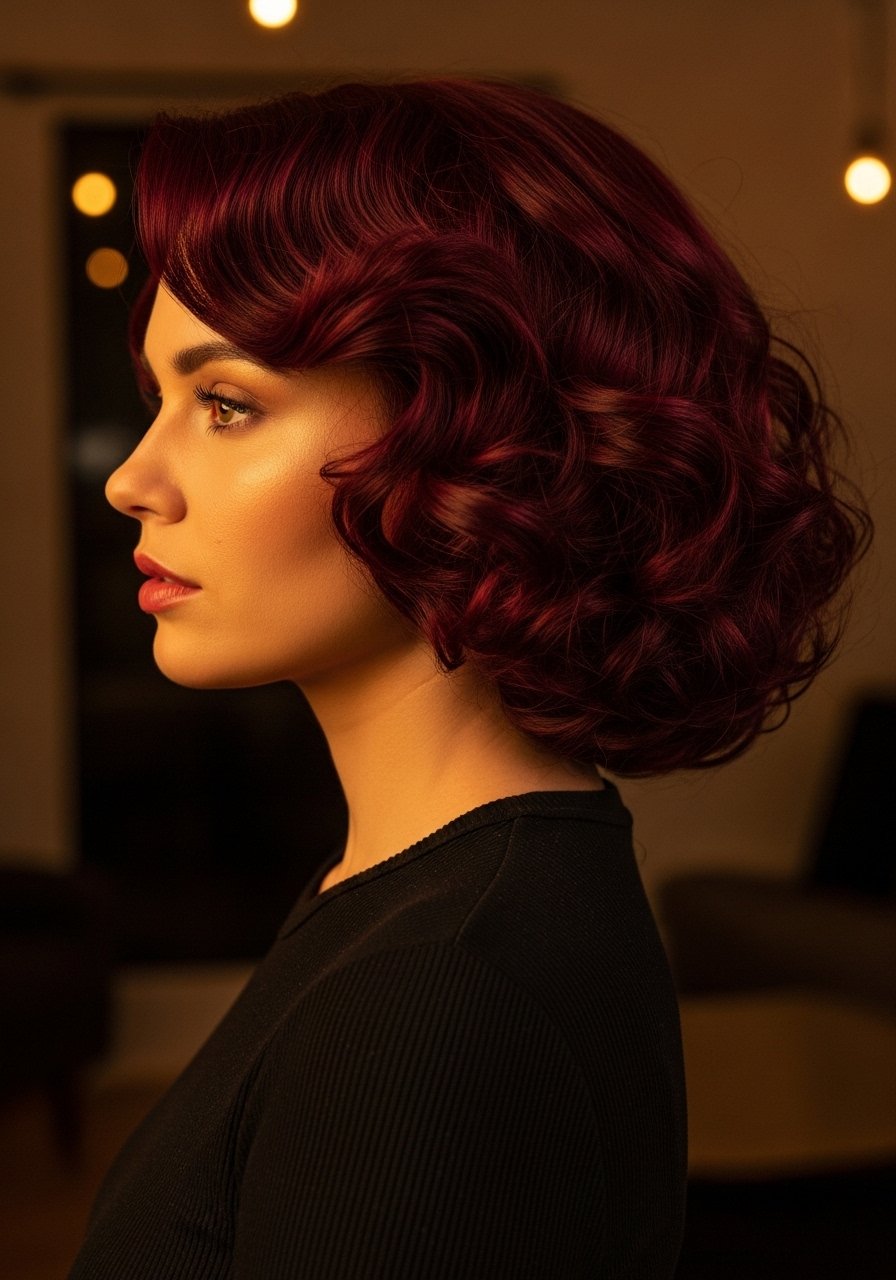
Velvet burgundy is less red and more plush, which reads cozy in winter photos. For curlier hair, apply color on dry, sectioned hair in four quadrants so the dye saturates evenly. The specific detail many articles skip is processing curls under a plastic cap with heat for seven minutes to help even color penetration. The problem it solves is patchy color on textured hair from one-size-fits-all application. Use a sulfate-free moisturizing cleanser and expect to refresh the color every eight to ten washes. If you are layering reds over previous color, do a strand test and keep developer volume low.
Cinnamon Copper Peekaboo For Face Shape Lift
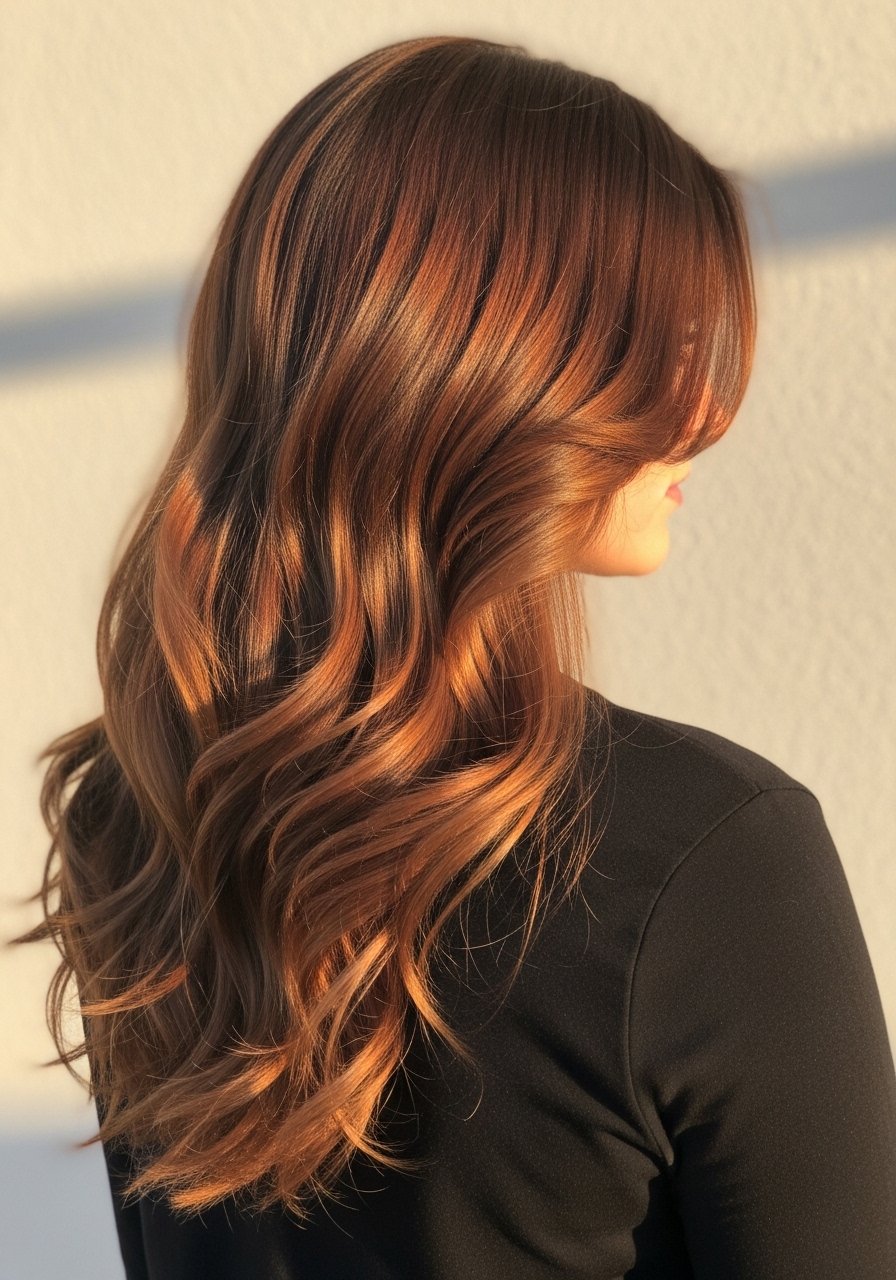
Hidden copper underlayers are a winter trick to warm the face without full-head commitment. Section the hair into four horizontal layers and paint the bottom two with a warm copper glaze for 10 minutes. The visible result is warmth that frames the face when hair moves. A mistake is painting the entire lower half, which ages the effect and forces more maintenance. This is excellent for medium to thick hair that wants a hint of copper without monthly reds. A weekly deep conditioner keeps the copper from feeling dry.
Snowy Platinum Slices For Bold Contrast
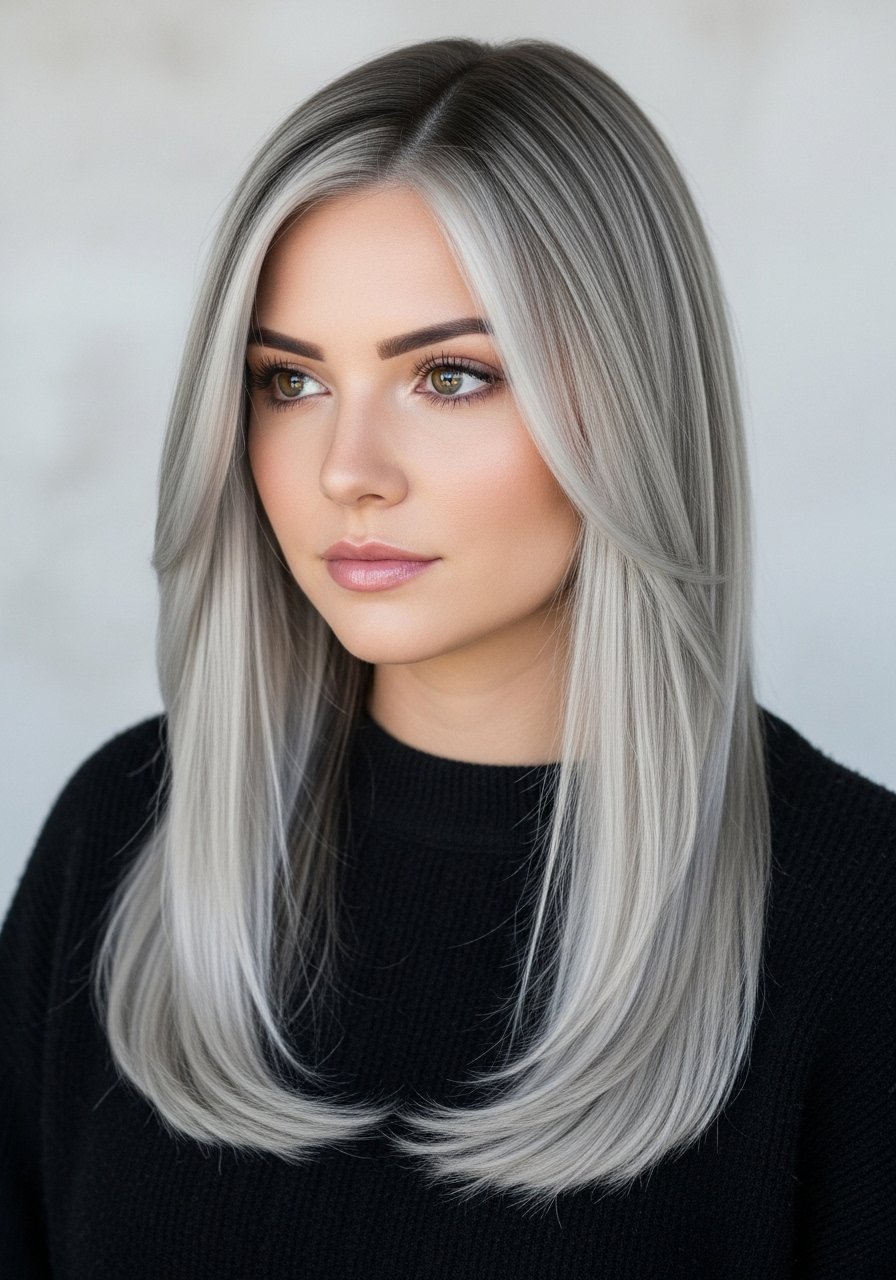
If you want edgy but controlled blonde, narrow platinum slices are the answer. Lift only thin slices to pale yellow using 20 volume with Olaplex mixed in, then tone quickly for one to two minutes. The specific detail here is work in 1/8-inch slices to avoid banding and to let the color blend into your natural root. The safety note is serious, bleach over bleach warnings apply. If your hair already has color, book a salon. At-home gloss maintenance every three weeks will stop the slices from looking brassy.
Chocolate Mahogany Gloss For Weekly Richness

Chocolate mahogany reads rich and wearable, and a demi-permanent glaze every four to six weeks keeps it that way without heavy lifting. Apply the glaze on towel-dried hair for 10 minutes after a clarifying rinse for 60 seconds only, then condition. The detail people miss is rinsing the dye in cool water to seal the color. This look helps dry winter hair look more saturated, but a common mistake is over-washing. Cut washing to every three to five days and use a co-wash if needed between shampoos.
Latte Ash Face-Framing Softness
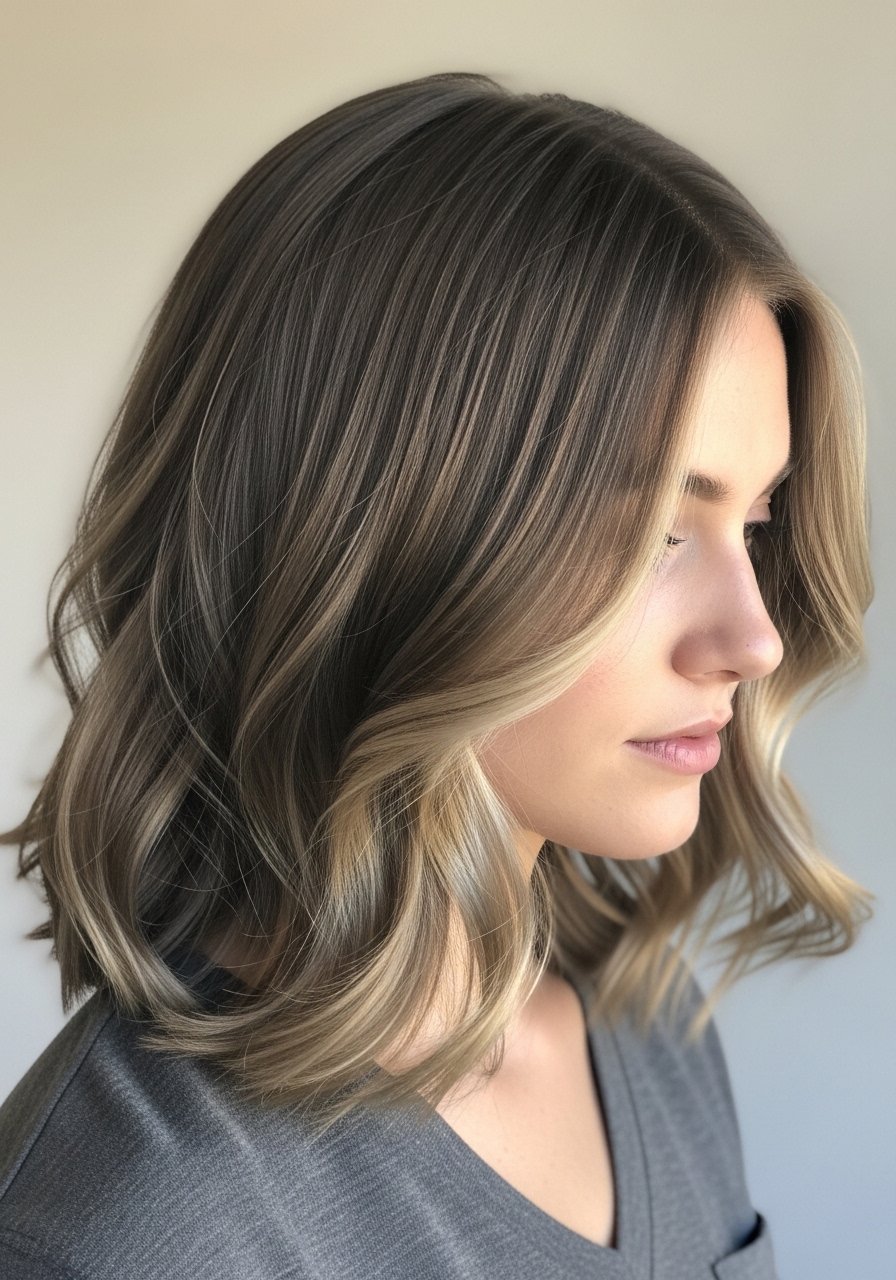
Latte ash highlights add soft brightness without high maintenance. Place highlights only around the face and crown in 1/4-inch slices, process for six to eight minutes if you use a gentle lift glaze, then tone with an ash gloss. Low porosity hair will need a warm towel for five minutes to help the product sit. The win is less regrowth shock and more flattering light on the face. A common mistake is doing full-head highlights for the same effect. If you are unsure, start with just six to eight face-framing slices.
Icy Balayage For Thick Curls
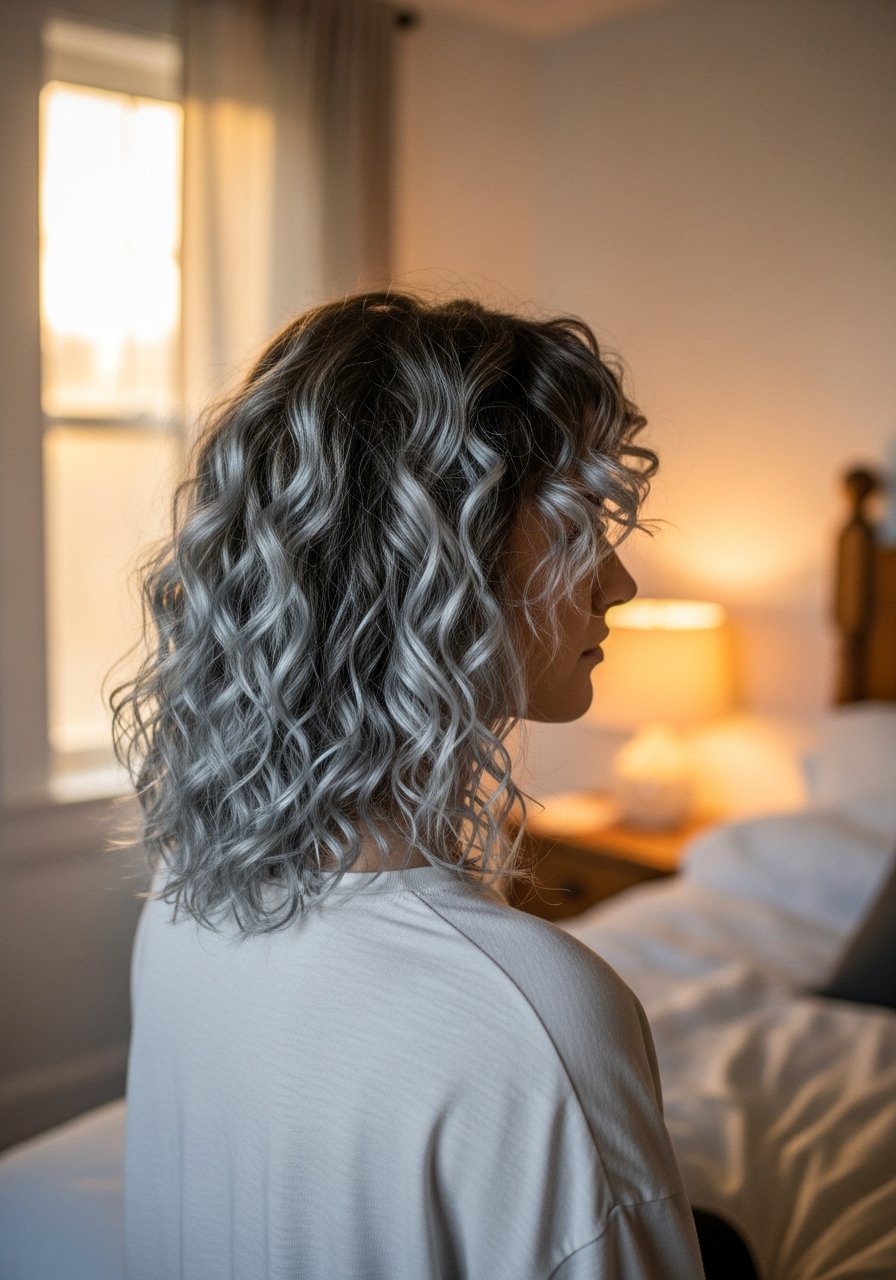
Balayage on thick curls needs painting on dry hair so you can see how the curl will sit. Use large, sweeping strokes and lift only the outermost curls to avoid inner brass. The specific technique I use is 6 sections, painting the front two in smaller slices to keep face framing soft. The problem this solves is uneven lift in the middle of dense curls. A common error is applying the same timing to all sections. Tailor lift time to strand thickness. Deep condition the third wash after lifting and use a protein-plus mask if your hair feels mushy.
Dark Brown With Caramel Babylights
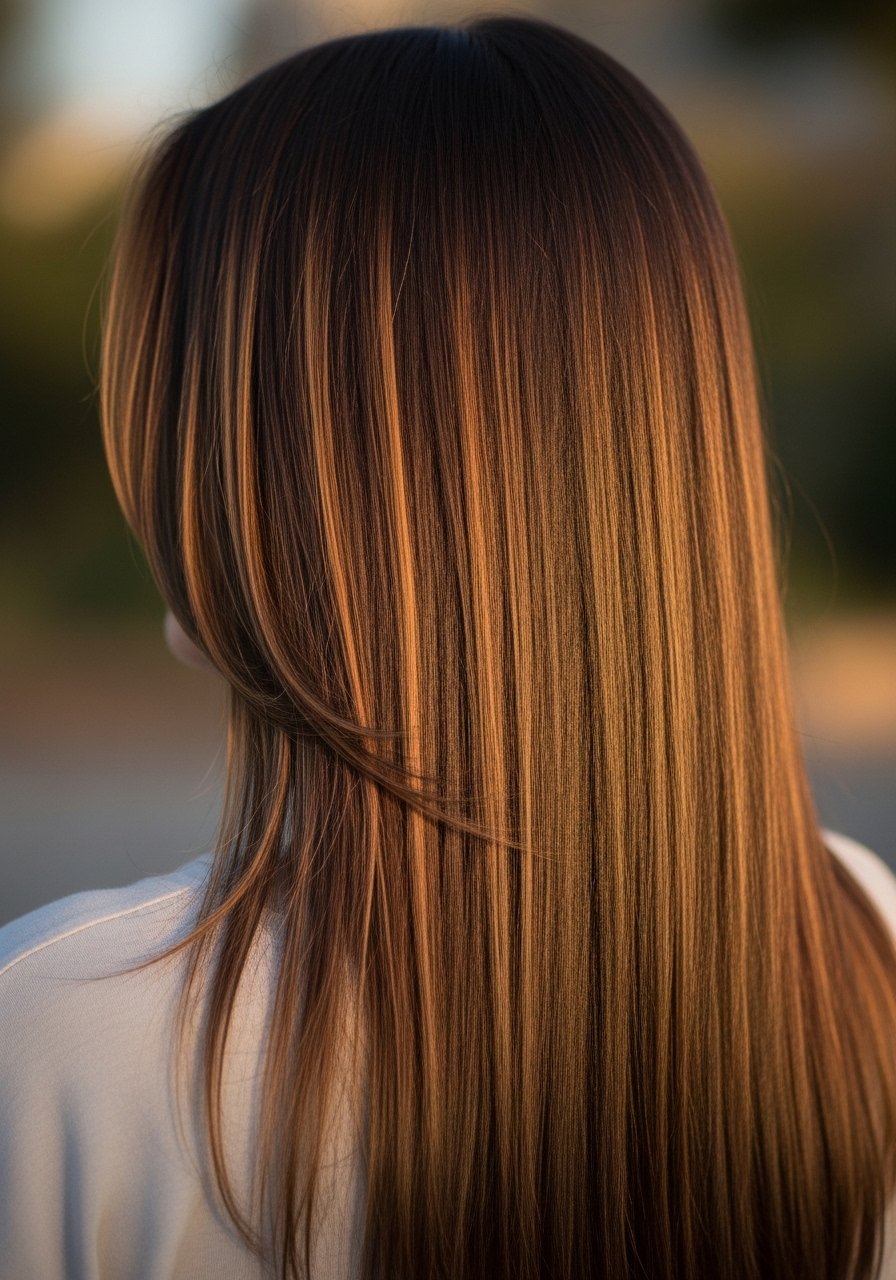
Babylights give a sun-warmed look without a lot of upkeep. For fine hair, use nine to twelve thin babylight slices processed for three to five minutes with a low-volume lift to avoid crunchy ends. The specific detail here is to rinse with your head tilted forward, which rinses highlights first and minimizes bleed into the base. This approach solves the washed-out winter complexion many brunettes complain about. Expect a salon session but minimal at-home touch-ups. Pair with a weekly bond-building treatment.
Gloss-Only Tone Refresh At Home
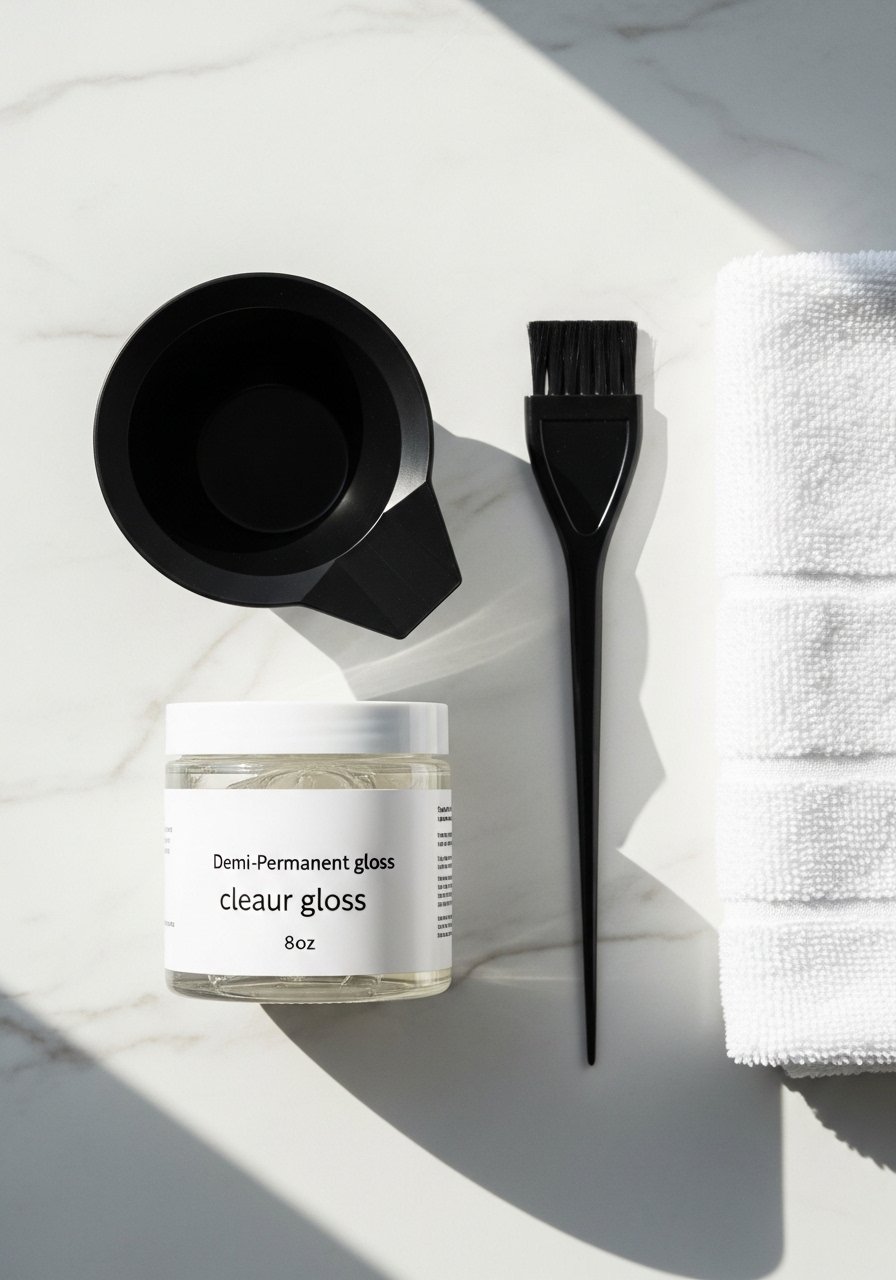
If you want seasonal refresh without lift, a gloss-only session at home will do. Use an ammonia-free demi in a 1:1 mix and apply to towel-dried hair for 10 minutes. It adds shine, seals faded pigments temporarily, and smooths porosity differences. The everyday mistake is expecting a gloss to fix breakage. Glosses smooth the appearance until the next wash. Pick a gloss that matches your tone family and do a patch test to check scalp sensitivity. I use a clear gloss for color refreshes and a tinted gloss for warmth. K18 Leave-In Molecular Repair can be layered after rinsing for added strength, and buy K18 from an authorized seller to avoid counterfeits.
What I Actually Keep On-Hand For Winter Colors
- Honestly the best $30 I spend each season, Olaplex No.3 Hair Perfector 3.3oz. Use once a week after any lift. Buy from the official Olaplex store on Amazon or Sephora to avoid counterfeits
- For conditioner, Olaplex No.5 Bond Maintenance Conditioner 8.5oz. A little goes a long way
- To protect from humidity and heater frizz, Color Wow Dream Coat 4oz — one spritz before blow dry
- For tone control, Purple Shampoo 8oz. Use once a week unless your hair needs more
- A gentle clarifying option, Sulfate-Free Clarifying Shampoo 8oz for the occasional reset
- For at-home glosses, Demi-Permanent Gloss Kit (~$20) for 10-minute touch-ups
- A heat protectant I keep near my dryer, Color Wow Pop & Lock Heat Protectant 6oz
- For sleep protection, Silk Pillowcase Queen. It cuts morning frizz noticeably
- Wide-tooth comb and a boar bristle paddle brush for distributing oils, Wide Tooth Comb, Boar Bristle Paddle Brush
- If you lift at home, Bond Builder Add-In Pack and follow brand guidance closely
How I Stretch Winter Color Appointments
- Heat protectant goes on damp hair, not dry. The cuticle is more open and the product actually absorbs. Color Wow Pop & Lock Heat Protectant 6oz is what I use before blow drying
- Grab a microfiber hair towel for $12. It cuts your blow dry time by a third and stops frizz before you add product
- Hair grows about half an inch a month at most, regardless of supplements. The thing that helps length retention is reducing breakage with a silk pillowcase and weekly bond treatments
- Drugstore shampoo is fine. Where you actually need to spend money is the conditioner and bond builder. Olaplex No.5 conditioner 8.5oz does more for damaged hair than a pricier shampoo
- If you see flaking or a burning scalp when coloring, stop. Rinse and consult a professional. Allergy patch tests are not optional for new dyes
Frequently Asked Questions
Q: How often should I actually use purple shampoo to fix brassy tones without making my hair dry?
A: Use purple shampoo once a week for color-treated hair that shows brass. Overdoing it is the number one reason hair ends up dry and chalky. On weeks you use purple, follow with a hydrating mask or a protein-balanced conditioner.
Q: Can I use Olaplex No.3 if my hair is not damaged, or will it make it worse?
A: Olaplex No.3 will not make healthy hair worse. It helps strengthen disulfide bonds that are stressed by color and heat. Use it once weekly. Buy from the official Olaplex store on Amazon or Sephora to avoid counterfeits.
Q: Can I go icy blonde at home if I already have box-dyed brown hair?
A: Bleaching over previous color is the single most common reason hair breaks off in the shower. Lifting brown to icy blonde is usually a salon job because it often requires multiple staged sessions and bond-building treatments. If you attempt at home, do a strand test and accept it may take months to get right.
Q: Most heat protectants you spray on dry hair before flat ironing barely work. They need to absorb into damp or just-dried hair to actually shield the cuticle. How should I apply mine?
A: Spray a heat protectant onto towel-dried hair, comb through one to three pumps depending on length, then let it dry until slightly tacky before using an iron. That absorption step is the difference between protection and product sitting on the surface.
Q: How do I avoid brassy regrowth when I choose warm winter colors like copper or cinnamon?
A: Start with a low-lift glaze or demi color on the mid-lengths and ends and keep the root shadowed for a softer transition. Wash less often, use a color-safe sulfate-free shampoo, and add a tinted gloss every four to six weeks to refresh tone.
Q: My scalp reacted the last time I used a salon color. Should I try at-home glosses instead?
A: If you had a significant reaction, see a dermatologist or trichologist before re-coloring. For mild irritation, patch test a demi-permanent gloss 48 hours before full application. Gloss-only options can be gentler because they deposit color without strong lift, but an allergy patch test is still important.