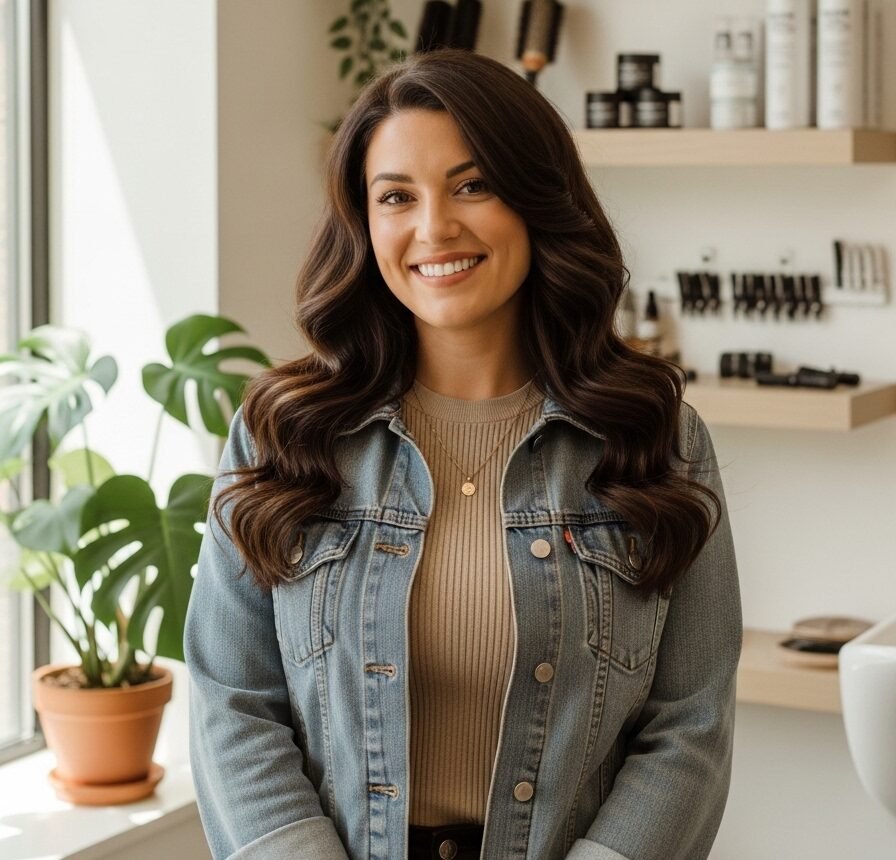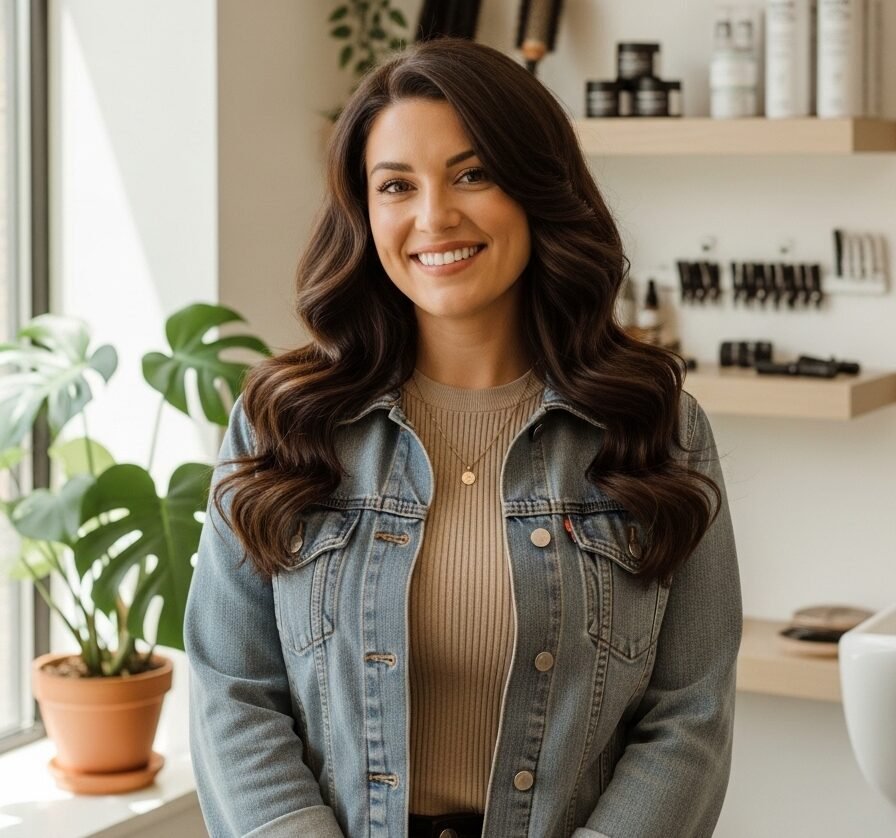
I bleached my own hair last winter trying to save $200. Three months later I paid $400 to fix it. Olaplex No. 3 saved what was left. If you want honey blonde hair on black women subtle and wearable, these ideas are the kinds of looks I actually tried on my own curls and on friends. Most of these suit 3A through 4C textures with adjustments noted, take between 30 minutes and a full salon session, and range from under $30 at home to a $200 salon gloss. Some are perfect DIY, others are salon jobs worth booking.
Money Piece Honey Blonde For Face Framing
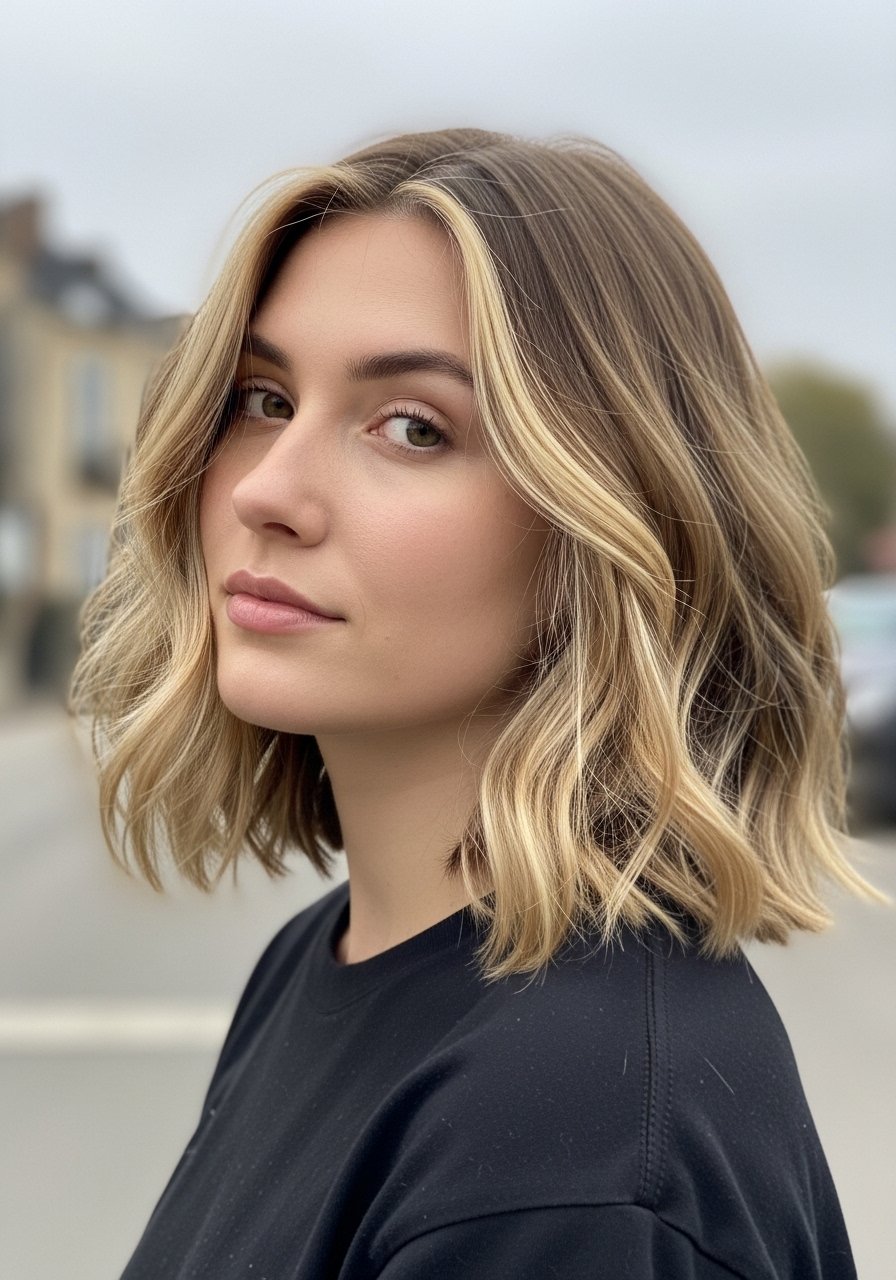
If you want brightness without full-head lift, front-lighter pieces are the easiest optical lift. On 2A to 3C hair I ask my stylist for two 1/2-inch panels at the face, lifted to a warm honey shade, with the rest of the hair left two to three levels darker. The result reads natural in photos and in daylight. At home you can touch the panels up with a demi-permanent gloss between appointments to avoid brass. One mistake is going too light in a single session. Heat protectant before any iron over 300F is nonnegotiable when those pieces are vulnerable. For weekly maintenance I use a purple shampoo no more than once a week, like Fanola No Yellow shampoo, and a weekly bond-builder treatment such as Olaplex No. 3. Buy Olaplex from the official Amazon store or grab it at Sephora to avoid counterfeits.
Shadow Root Balayage To Stretch Appointments
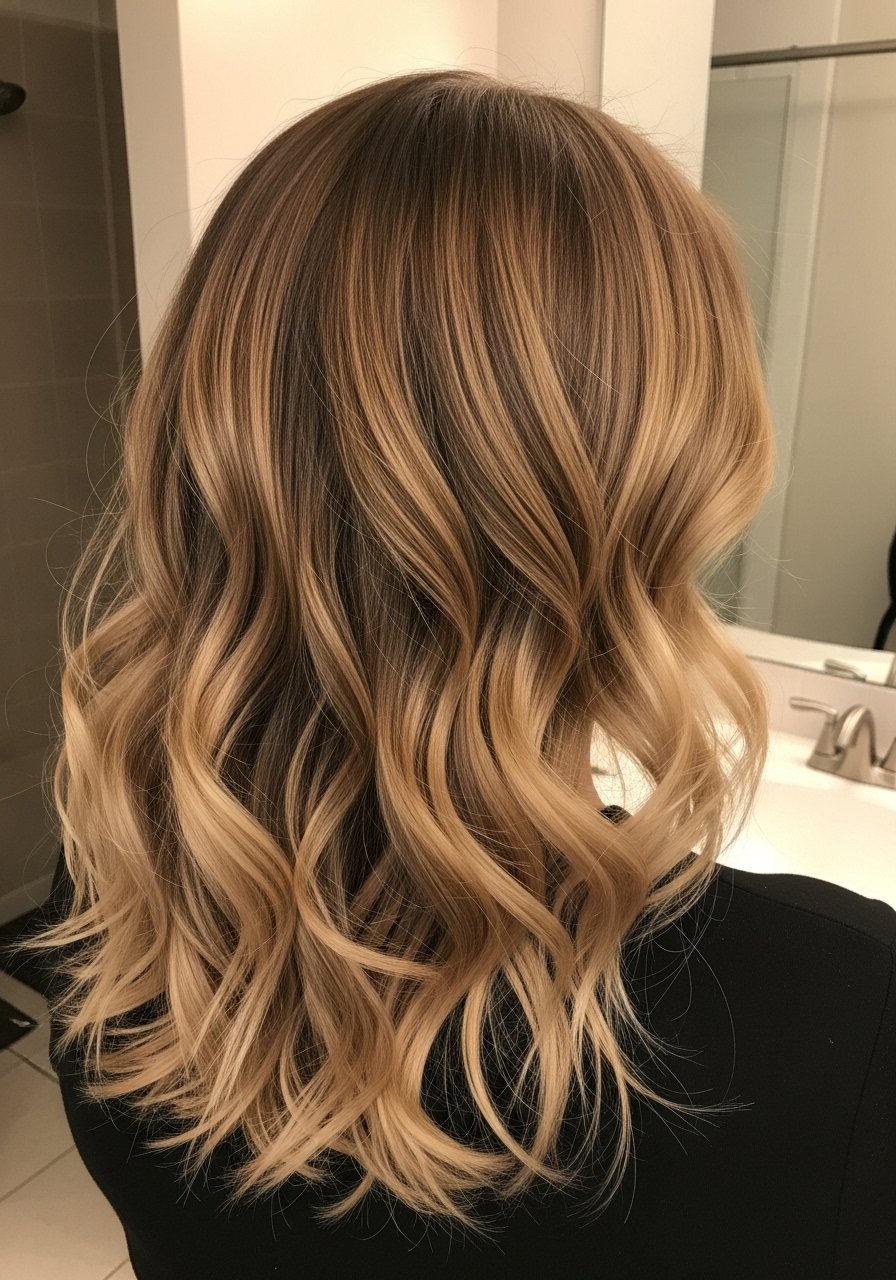
Shadow roots are the secret for subtle honey blonde that grows out discreetly. On coily hair I ask for a 1 to 1.5-inch root smudge, then hand-painted balayage pieces that stop two inches from the scalp. That spacing avoids the stark banding that kills a natural look on tight textures. Budget wise this is a mid-range salon service and you should expect touch-ups every 10 to 14 weeks. A common mistake is over-bleaching small coils in one pass. If your hair is already colored, do not bleach over bleach. Instead book staged sessions and add a weekly at-home bond treatment like K18 Peptide Mask after you air dry.
Subtle Babylights To Avoid Harsh Lines
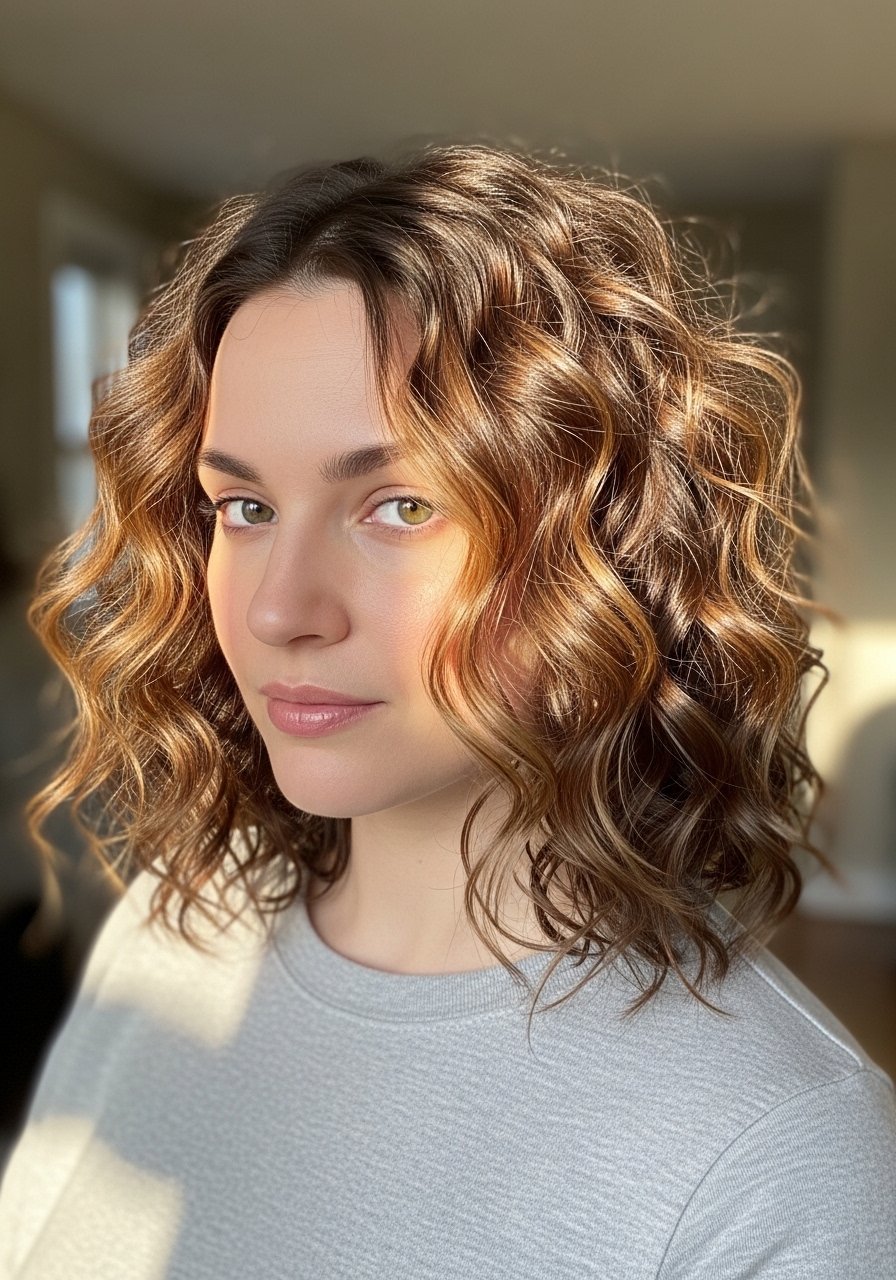
Babylights are tiny painted highlights that read soft at a distance and give dimension close-up. They work especially well on 2A through 3C textures and on denser Type 4 hair if the stylist places them where the curl clumps reveal movement. The technique takes patience and time, so expect a longer salon visit and a higher cost than box highlights. Home kits rarely replicate the precision, but you can maintain tone yourself with a gloss and a purple shampoo used sparingly. My rule is purple shampoo once every seven to ten days unless brass shows sooner. Avoid the mistake of applying too much product concentrated at the roots. I spritz diluted leave-in across damp hair and follow the LOC method when styling to keep the pieces defined.
Honey Blonde On Tight Coils Without Overprocessing
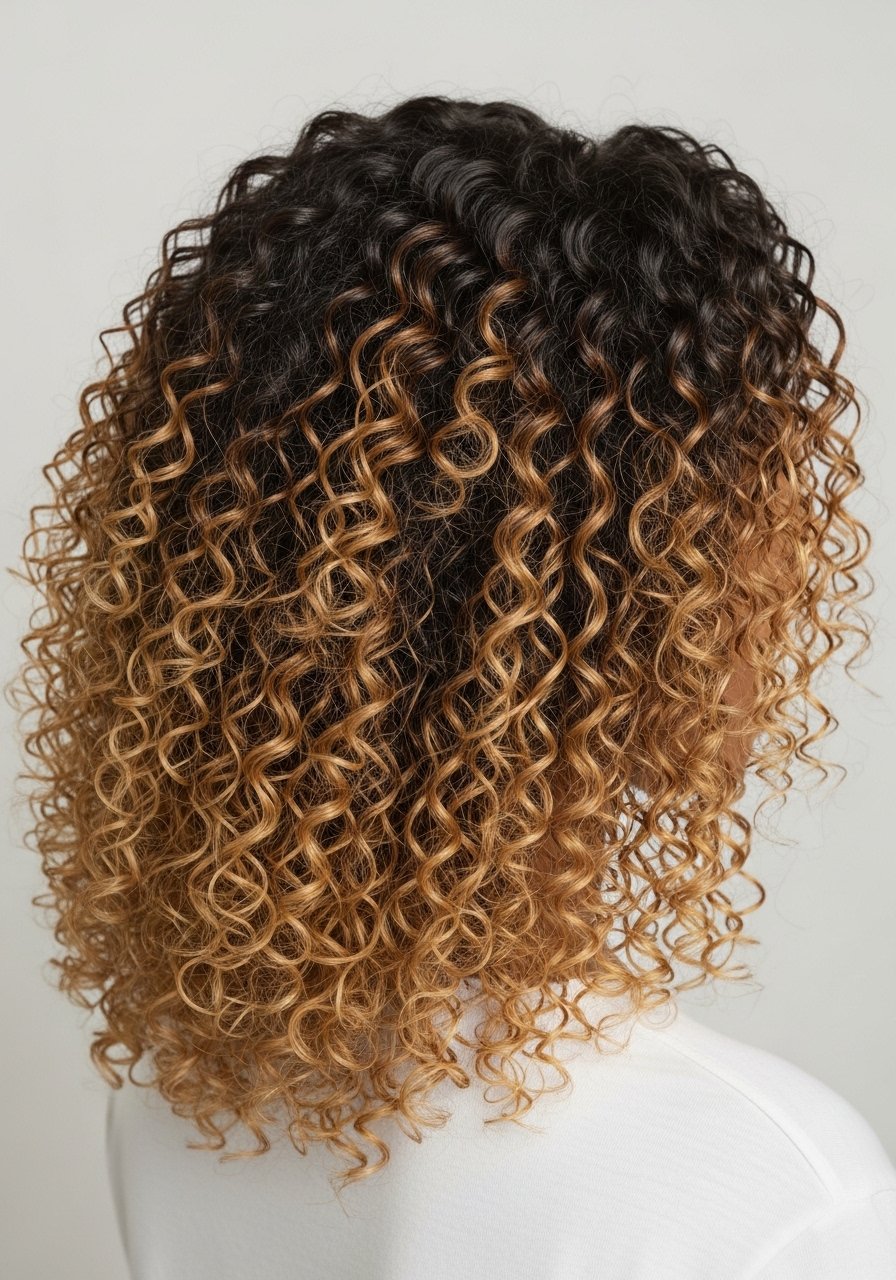
If your natural texture is 4A to 4C, you can still wear honey blonde without ending up with straw. The trick is staged lightening, three to four week Olaplex or bond-building cycles, and cutting off a small amount after each lift. One realistic detail I use is lifting just the final 3 to 4 inches in session one, then reassessing. Bond builders like Olaplex No. 3 used weekly between sessions keeps ends from fraying. A mistake I see a lot is skipping deep conditioning after color. I use a protein-plus mask every other week for two months after the first lift. If your scalp is sensitive, do a patch test before any color service.
Glossing Toner Touch-Up Instead Of Full Bleach
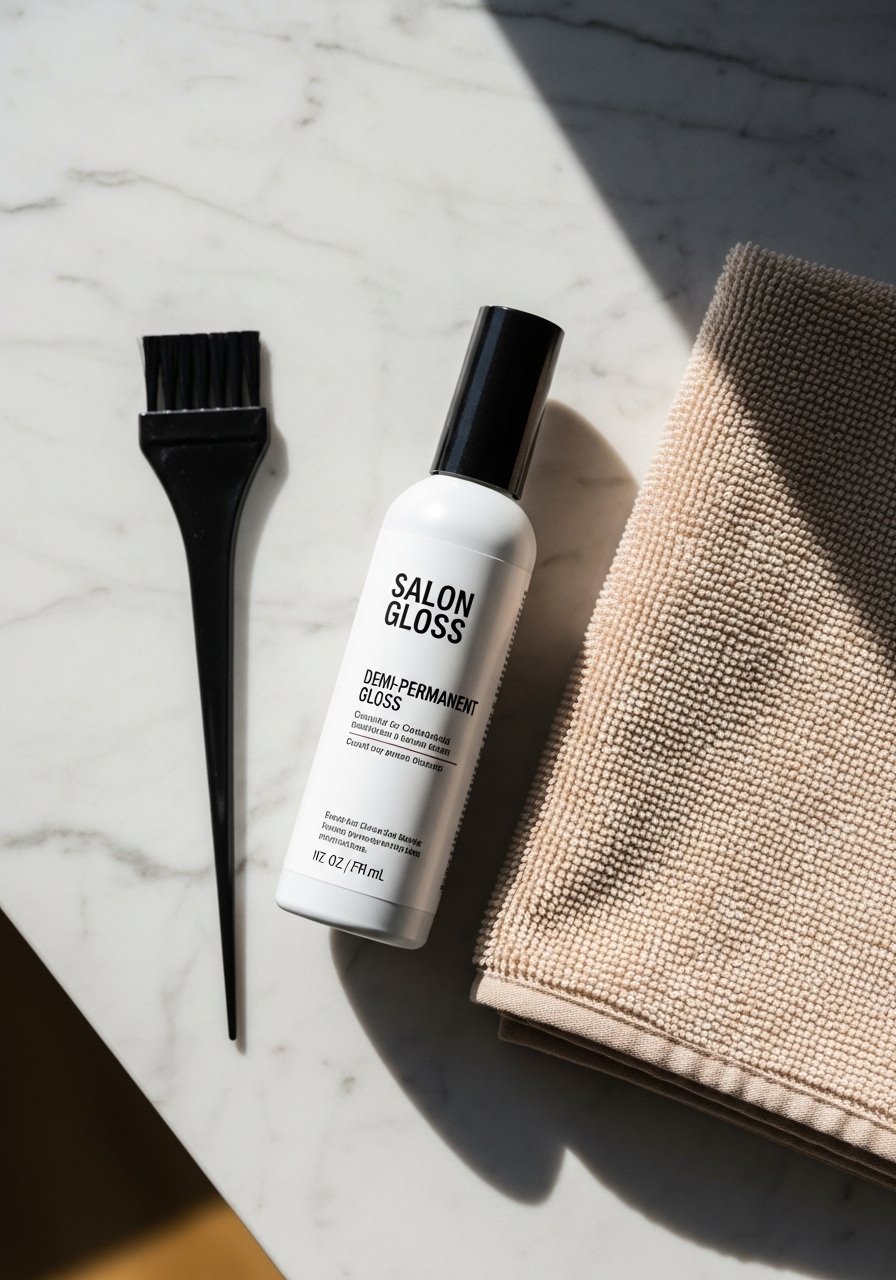
If you already have lighter ends but want to warm them without another lift, a gloss is the friendliest option. It adds sheen, corrects unwanted green or brassy tones, and deposits warm honey undertones for up to six weeks. It is cheap and fast, a true salon express service that you can also order as a demi-permanent gloss for at-home refreshes. A common mistake is using a toner meant for full bleach corrections on porous hair. Instead choose a gloss and follow the timing on the bottle, usually 10 to 20 minutes based on porosity. For at-home boosts try a gloss product and always rinse with cool water. Glosses do not lighten hair, they only tone and add shine.
Honey Blonde With Protective Styles And Wigs
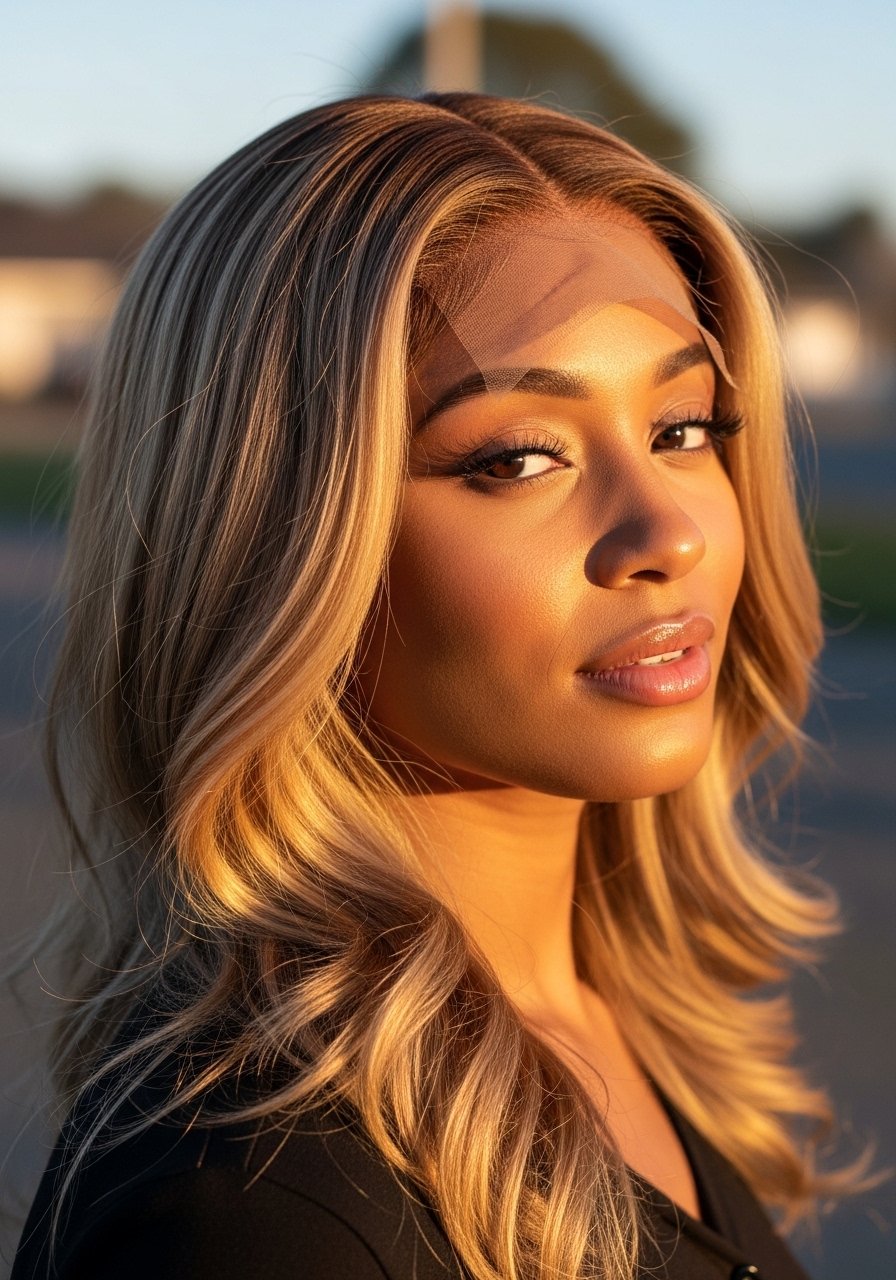
Protective styles and wigs are a practical route when you want the honey blonde look without touching your natural hair. If you use a lace front, match a small leave-out and lightly melt the edges for realism. For braids or weaves, choose pre-colored hair that has been processed professionally and buy from reputable sellers. One mistake is assuming any wig is light enough for a realistic honey tone. Bring a photo and test under natural light before buying. If you plan to wear a wig daily, swap the frontal every six months and deep condition your natural hair weekly. Spend where it matters, the cap and lace quality matter more than a fancy box.
Heatless Styling To Preserve Lightened Ends
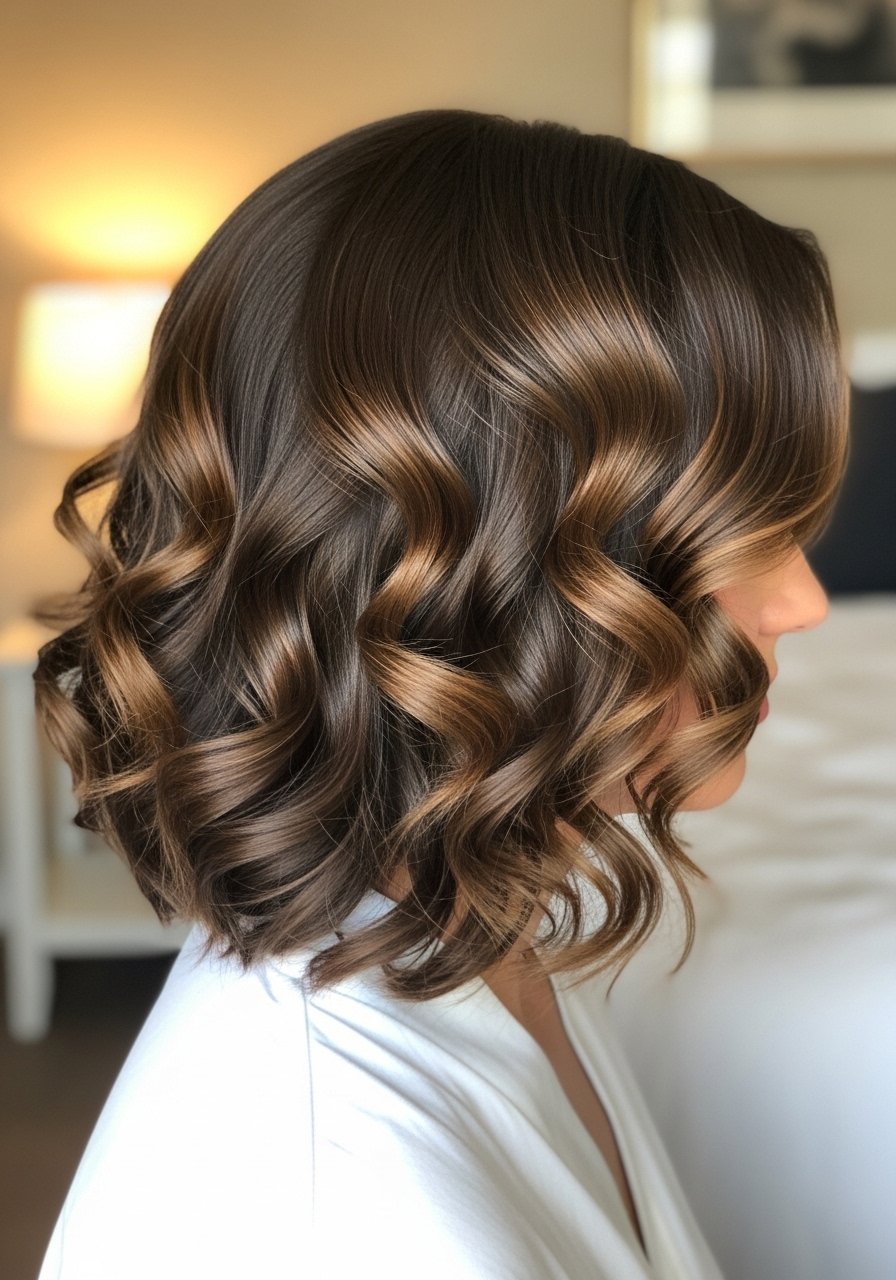
My curls looked great on TikTok and like wet noodles by 11am. Finally figured out it was the gel-only routine. Added a leave-in cream underneath and it changed everything. Heatless styles protect lightened ends from daily hot tools and keep your honey tone from drying out. For a robe tie method, section hair into six to eight equal pieces for shoulder-length hair and wrap each piece around the sash. Sleep, and in the morning separate gently. I use a small amount of cream leave-in before wrapping and a lightweight oil on ends. One detail people miss is over-tightening the tie which creates dents. If you must use heat, apply heat protectant and keep straighteners under 320F when working on lightened hair.
What I Keep On Hand To Keep Honey Blonde Soft
- Honestly the few things that actually matter for subtle honey blonde. Olaplex No. 3 hair perfector 3.3oz used weekly kept my ends from looking fried after my first lift. Buy from the official store on Amazon or Sephora to avoid counterfeits
- For toning, I use Fanola No Yellow shampoo 250ml, once a week max for most people
- A travel-size Color Wow heat protectant under $30, applied to damp hair before any hot tool
- K18 Peptide Mask 50ml for a five-to-ten minute leave-in boost between salon visits
- Microfiber hair towel under $15. It cuts dry time and stops friction at the ends
- A wide-tooth comb and a boar bristle paddle brush for smoothing product down the shaft
- A travel bottle of demi-permanent gloss for quick at-home tone refreshes between salon visits
Root Smudge Refresh Between Salon Visits
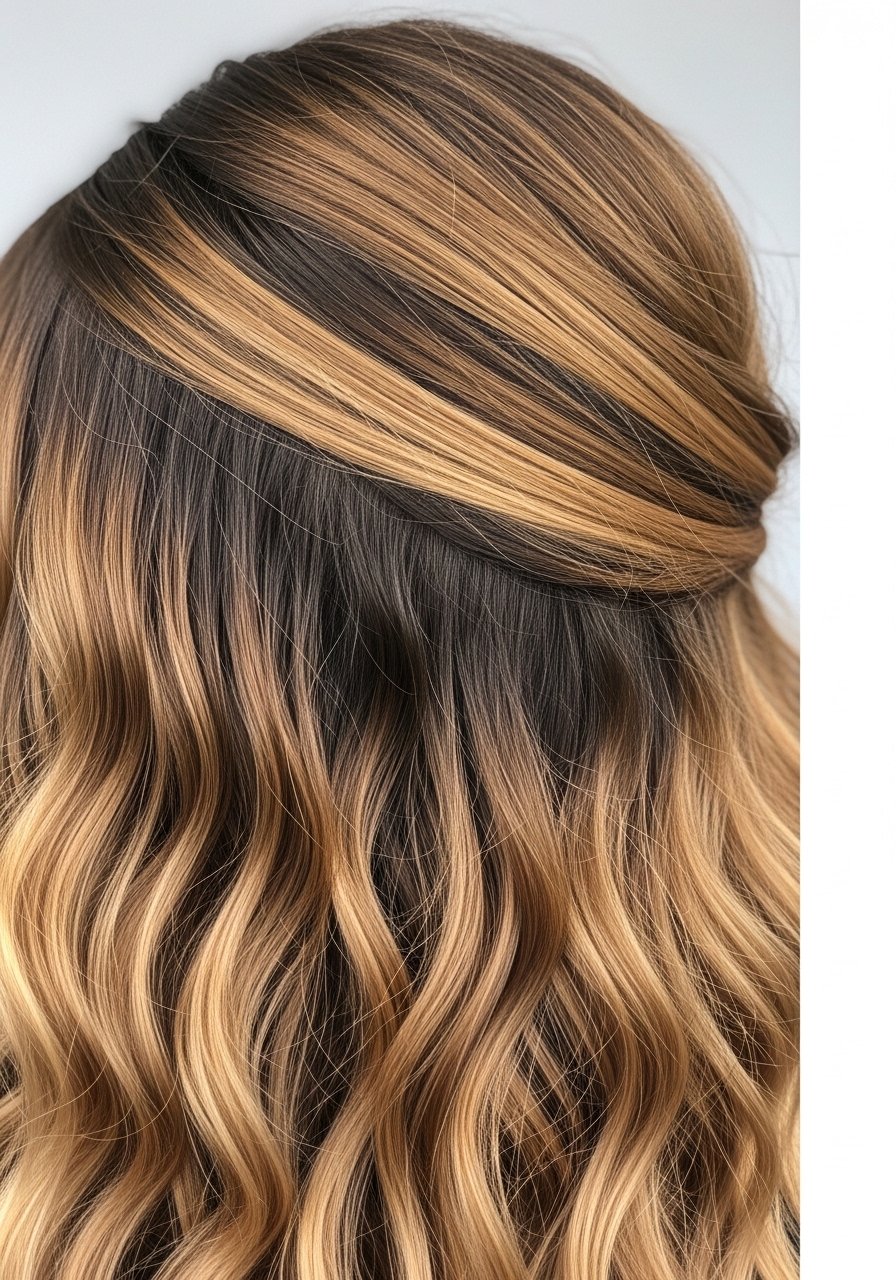
A root smudge is the most forgiving mid-cycle touch. It involves applying a low-volume glaze or semi-permanent color to the root line and blending it down one to one and a half inches so the grow-out looks intentional. For curlier hair I recommend a stylist do this because placement matters where curl clumps land. The process takes 20 to 40 minutes and costs a fraction of a full highlight. One mistake is using a permanent dye at the root which can trap brass. Instead, pick a demi-permanent shade one to two levels darker than the ends and use cool water rinses to lock it. If you are doing DIY, test a small section first.
Curly Cut That Shows Off Honey Blonde Dimension
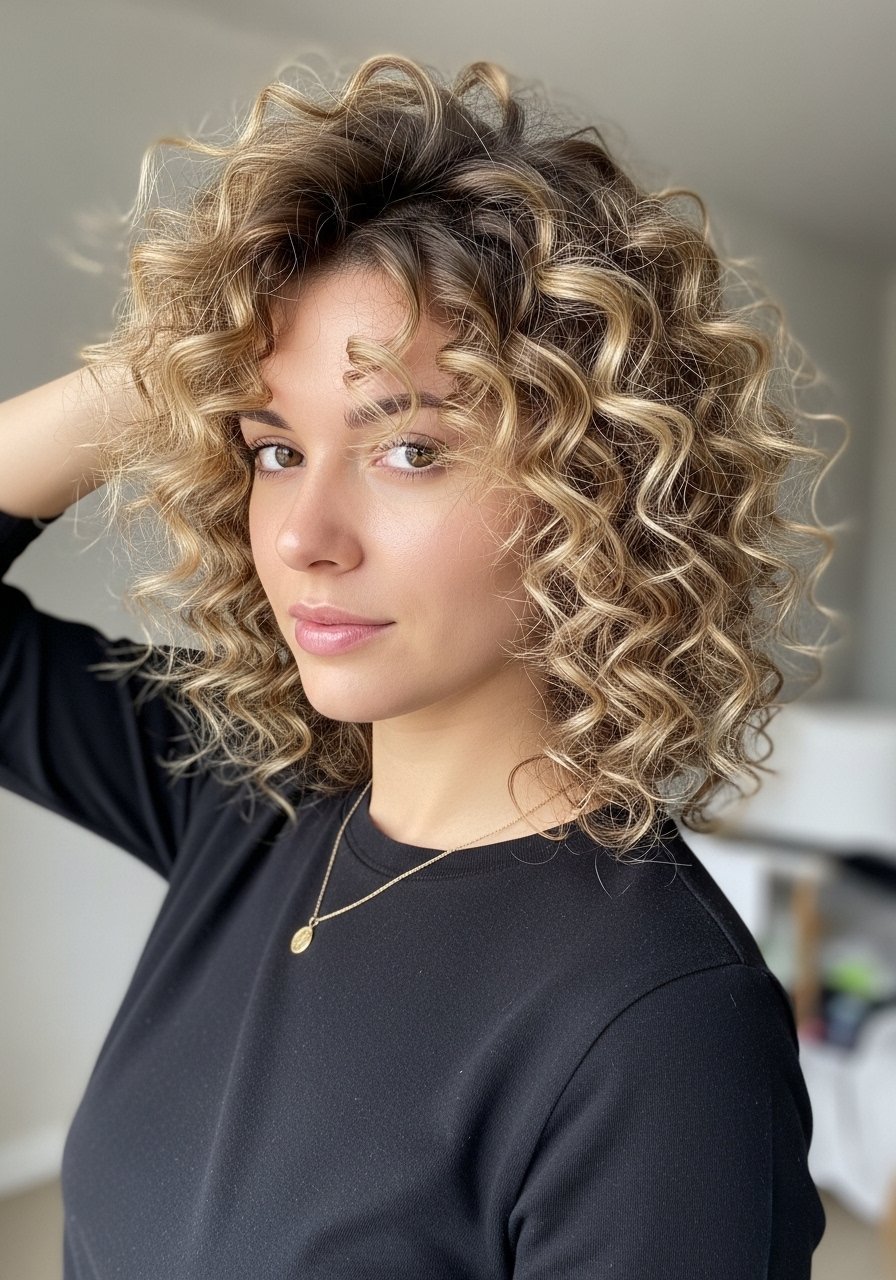
A cut that respects curl pattern makes the color look intentional. On 3B to 4A hair I favor three to four layers removed from the mid-lengths only, leaving the crown denser to keep shape. The detail many stylists skip is cutting curls dry for final balance. If you lighten mid-lengths, a trim at the same visit keeps the ends from flaring and shows off the honey tones. Expect 45 to 75 minutes for a dry cut session in addition to color time. One error people make is asking for dramatic layering on fragile, lightened ends. If your ends are fragile, do short trims over three appointments rather than one big chop.
What I Wish Someone Had Told Me Before Going Honey Blonde
- Heat protectant goes on damp hair not dry. The cuticle is more open and the product actually absorbs. Color Wow heat protectant is what I use before any hot tool
- Grab a microfiber hair towel for $12. It cuts your blow dry time by a third and keeps lightened ends from frizzing
- Hair grows about half an inch a month at most, regardless of what biotin gummies promise you. Treating the ends to reduce breakage matters more than chasing supplements
- If you are lifting over previous color, book a salon appointment. Lifting bleach over previous color is the fastest way to disaster and breakage
- Use 80/20 product placement. Concentrate richer treatments on mid-lengths and ends. The roots only need a light protector and a root-smudge glaze when necessary
Frequently Asked Questions
Q: Can I get a honey blonde that looks natural on darker skin tones?
A: Yes. Natural-looking honey blonde on darker skin is about depth and placement. Ask for warmth without going platinum, and favor face-framing pieces or babylights rather than a full lift in one session. Bring photos in natural light and ask the stylist for staged lifts if you are nervous.
Q: How often should I use purple shampoo to avoid brass without drying my hair?
A: Once every seven to ten days is a good starting point. If your hair is porous or very light, check after one wash. Overuse will make hair feel dry and slightly purple in tone.
Q: Is it safe to bleach hair that has been previously dyed darker?
A: Lifting bleach over previous color is a salon job, not a kitchen experiment. Multiple gentle sessions spaced weeks apart are safer than one aggressive lift. If you are already damaged, consult a salon and plan for bond-building between sessions.
Q: Will bond builders permanently repair damage from bleaching?
A: Bond builders strengthen and reduce breakage, they do not reverse damage history. They help hair survive future styling and look smoother between trims. For best results use them weekly and pair with trims.
Q: How do I keep honey blonde from fading fast?
A: Use cool water rinses, limit heat, apply a UV spray on sunny days, and use a color-safe sulfate-free shampoo. Gloss touch-ups every 6 to 8 weeks help, and weekly bond treatments reduce porosity which slows fading.