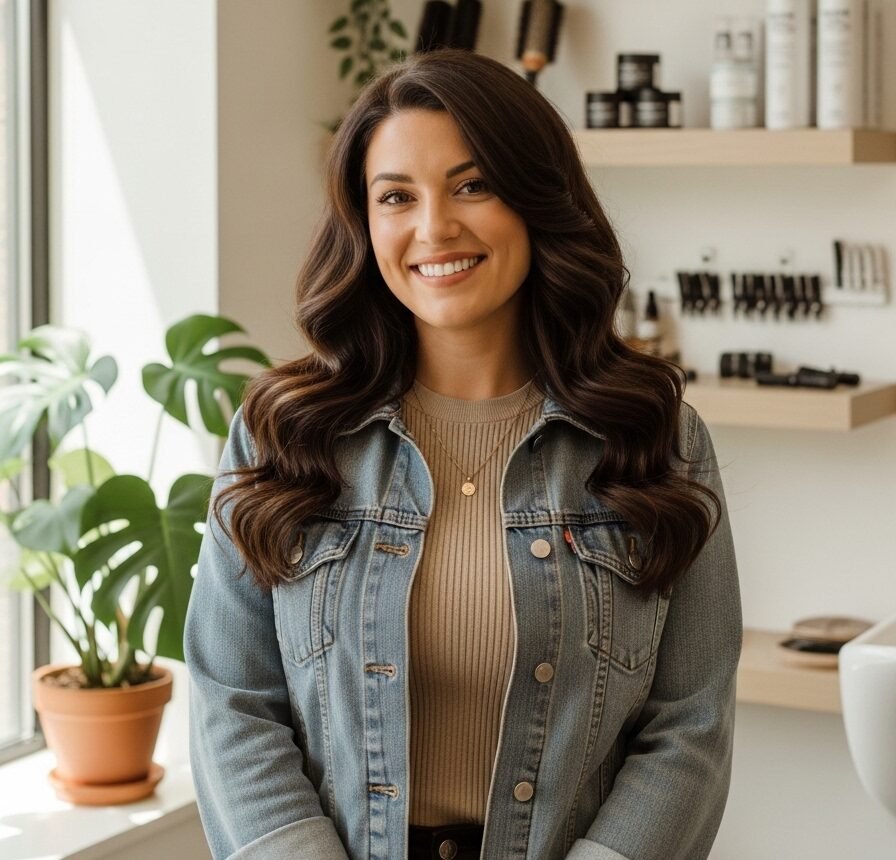
I cut my own curtain bangs once because my stylist was booked, and they looked fine until I washed them and a weird triangular gap appeared the next morning. After a few more botched trims and a real talk with my stylist, I learned the right sectioning, the small heat settings that actually work, and why a silk pillowcase matters more than expensive serums for bangs.
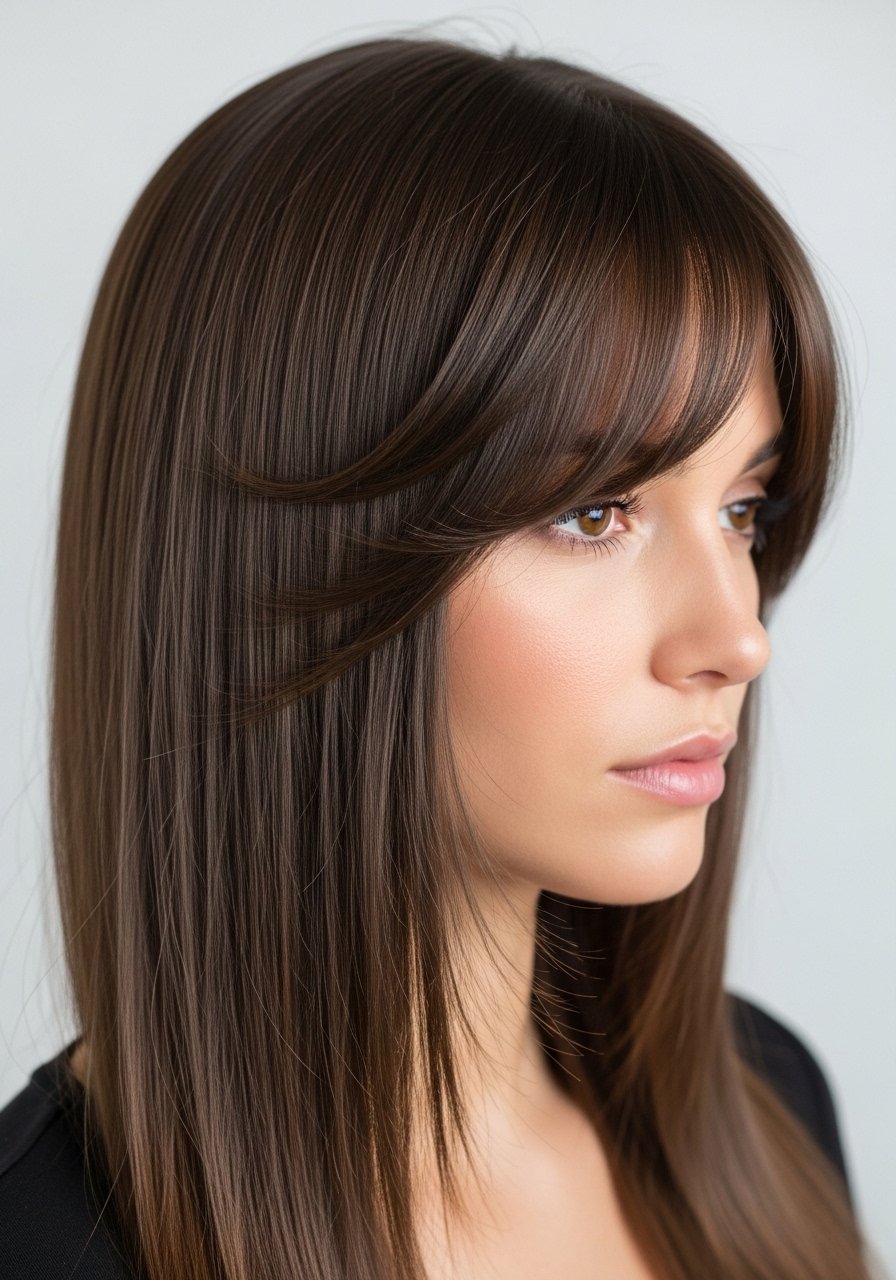
These ideas are aimed at straight hair types 1A through 1C, and those with very relaxed 2A waves who like to keep things sleek. Skill level is mostly beginner to intermediate, most looks take 10 to 30 minutes to style, and the budget ranges from under $20 for tools to one splurge flat iron. Most are DIY friendly, but the color and lightening tips belong in the salon unless you want to accept multiple sessions and risk.
Sleek Mid-Back Straight with Soft Curtain Bangs

If you want that mirror-sleek look, blow-dry with a 1.5-inch round brush in 6 to 8 sections, pointing the nozzle down the shaft to close the cuticle. Spray two light pumps of a heat protectant on damp hair so it sinks into slightly damp strands, then set your flat iron to 320F for fine hair and 350F for medium to thick hair. I run 1-inch sections through twice, one slow pass to set, one quick pass to smooth. A common mistake is blasting bangs with the highest heat, which makes them look limp the next day. Finish with a spritz of Color Wow Dream Coat anti-humidity spray if humidity is an issue.
Piecey Curtain Bangs for Fine Hair

Fine hair needs movement without weight. After drying, I point-cut tiny vertical snips into the ends of the bangs, no more than three small cuts, to avoid a choppy blunt line. Two drops of a lightweight styling milk smoothed through the mid-lengths keeps pieces separated without flattening the root, try Living Proof Perfect Hair Day 5-in-1 styling treatment but use a pea-size amount. Most people apply leave-in to towel-dried hair, then wonder why it does nothing. The trick is to rough-dry bangs into shape, then refine them at low heat. Salon vs DIY: a stylist gives the initial face-frame layers correctly, but maintenance trims are easy at home if you go slow.
Curtain Bangs That Hold on Thick Hair
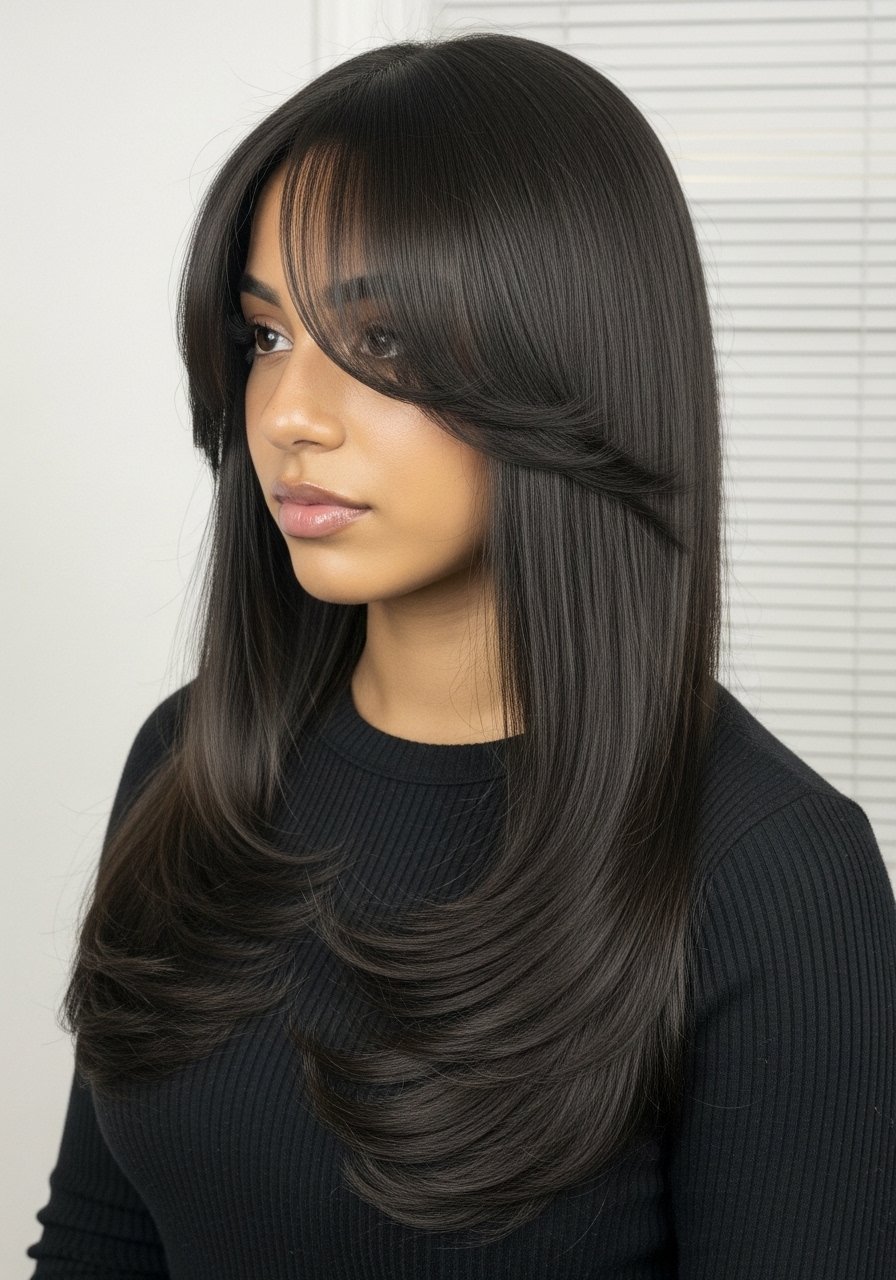
Thick hair often refuses to behave at the root. I section the bangs into three pieces, apply a small dollop of root-lift mousse at the base only, then blow-dry with a vent brush lifting at the scalp for 8 to 12 seconds per section. One mistake is using heavy oil at the roots, which flattens everything. For stubborn density, a single light shave of weight under the bangs by a pro prevents the curtain from sticking to the forehead. If you flat iron, keep the plates at 350F to 370F for thick strands and do not press more than two slow passes. If you color the roots, patch test for sensitivity and see a colorist for heavy lifts.
Heatless Bend for Straight Hair with Curtain Bangs
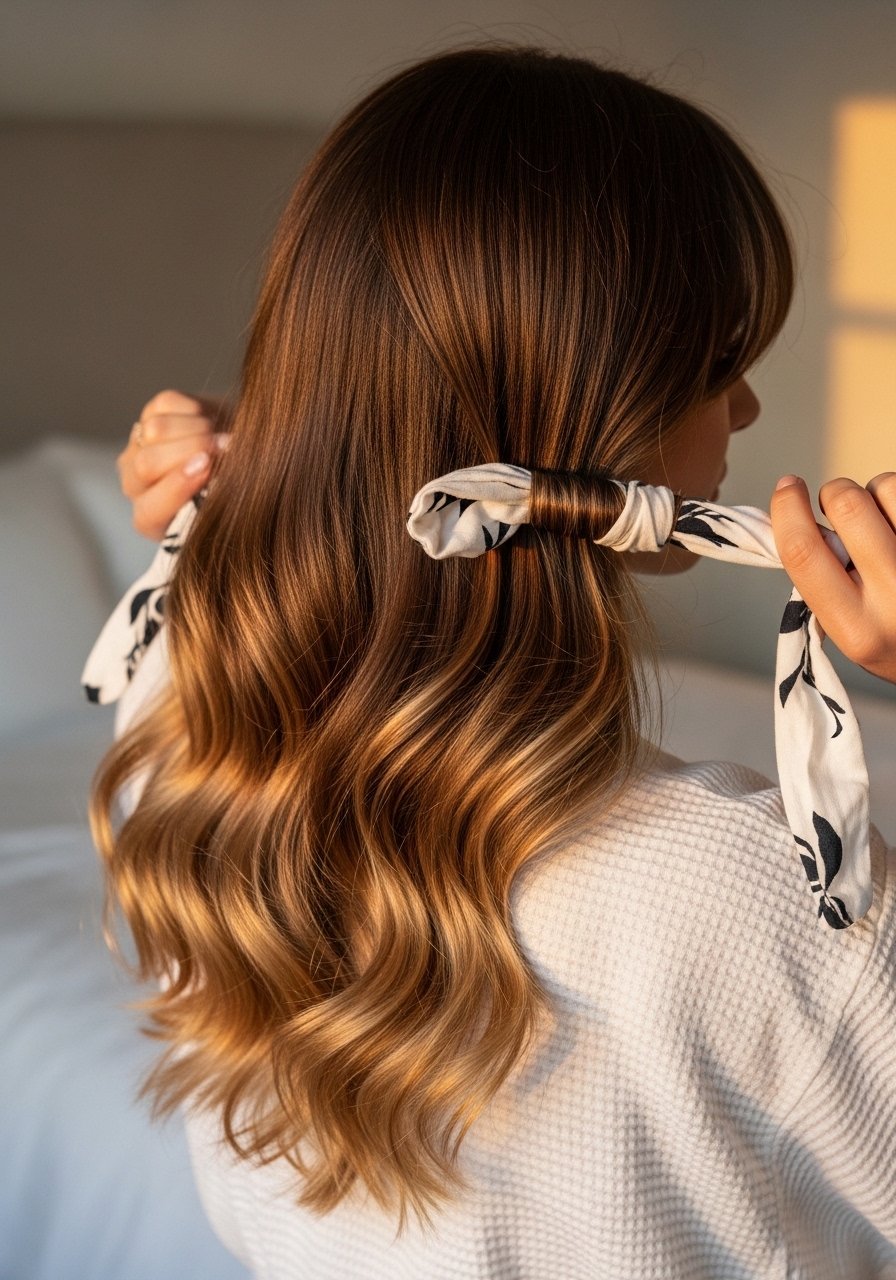
If you want a soft bend that keeps curtain bangs from sitting flat, try wrapping 1-inch sections around a robe tie across the top of your head after your hair is 80 percent dry, sleep on it, and unwrap in the morning. I do this on second-day hair and it takes 10 minutes in the morning to brush through. The benefit is texture without direct heat. A dated swap I see is replacing all styling with heavy oils; swap heavier creams for a mist or lightweight leave-in to keep the bend airy. For bang detail, finger-sweep them out and press with a warm brush for 3 to 4 seconds rather than a full flat iron pass.
Grow-Out Tricks So Curtain Bangs Don’t Look Awkward

Curtain bangs can be forgiving as they grow, if you nudge them in the right direction. Trim every 8 to 10 weeks to keep shape, or train them with a low-heat round brush and a dab of styling cream to avoid that gap. Dry shampoo at the root on day two hides excess oil and keeps separation, try Batiste dry shampoo original scent sprayed two to three inches from the roots. A mistake is trimming wet bangs too short; dry hair shows the real fall. If you want to delay a trim, opt for a face-framing layer from the salon so the bangs blend as they grow.
Night Routine to Keep Curtain Bangs Flat and Frizz-Free

I sleep on a silk pillowcase and it actually reduces the bedhead with my bangs, not an ad. Hair grows about half an inch a month at most, regardless of supplements, so protecting strands overnight is where you keep length looking intentional. A light silk-covered headband or wrapping the bangs flat with a soft clip holds them in place without kinks. Avoid heavy serums on the bangs before bed since they attract dust and make skin greasy. A 22-inch silk pillowcase under $30 is a small investment that saves styling time the next morning.
How I Trim Curtain Bangs at Home Without a Disaster
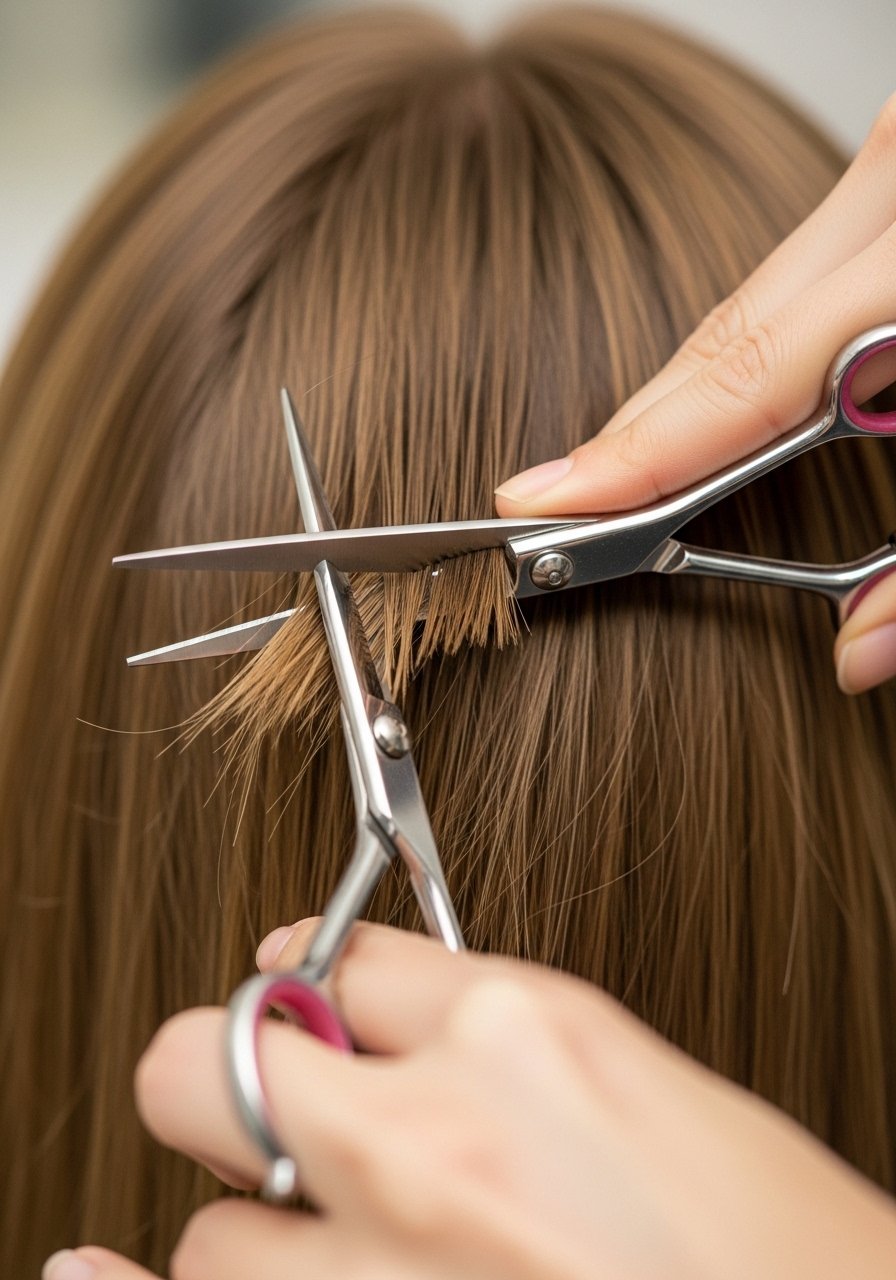
I learned the safe home trim rule: cut less than you think, always dry, and point cut vertically to soften the line. Section the bangs into three parts, secure side sections behind the ears, and start with the middle section. Make a single small snip, then comb and reassess. A common mistake is chopping while the head is tilted forward, which shortens the fall. If you are unsure, take 1/4 inch at most, then live with it for a day. For a blunt emergency, book the salon; they can remove unevenness without making the line worse.
What I Buy and Why for Long Straight Hair with Curtain Bangs
- Honestly, the one splurge I keep: Olaplex No. 3 Hair Perfector 3.3 oz, used once a week. Buy from the official Olaplex store on Amazon or Sephora to avoid counterfeits. It helped my damaged ends stop looking fried after a winter of over-styling.
- For daily frizz control, Color Wow Dream Coat anti-humidity spray keeps bangs smooth through humidity for a few days.
- A simple silk pillowcase, queen size, silk-pillowcase-queen cut my morning frizz noticeably.
- For shaping while blow-drying, a medium boar-bristle paddle brush spreads natural oil and smooths the mid-lengths, look for boar-bristle-paddle-brush.
- If you heat-style a lot, a 1-inch ceramic flat iron that can hold 320F to 370F is worth the spend, for example search 1-inch-ceramic-flat-iron. Keep an eye out for warranties.
- For two-minute touch-ups between washes, Batiste dry shampoo is the cheap fix I actually reach for.
- For color gloss refreshes at home, a semi-permanent clear gloss like dpHUE Gloss+ is fine, but go to a salon for lifting or major tone shifts.
Gloss and Color Maintenance Without Constant Salon Trips

If your curtain bangs are colored, the front pieces will show fading faster because of oils and sun exposure. Use a color-safe sulfate-free shampoo twice a week and a gloss every 6 to 8 weeks to refresh tone. If you are tempted to lighten bangs at home, do a patch test and accept that lifting over previously dyed hair is risky, book a salon for lifts. A casual swap I recommend is skipping daily clarifying shampoo and using it once every two weeks instead, overdoing it dries the hair. For a semi-permanent refresh between appointments, clear gloss or glaze keeps the cuticle smooth and reduces brass.
Money Piece Highlights That Frame Curtain Bangs Without Over-Processing
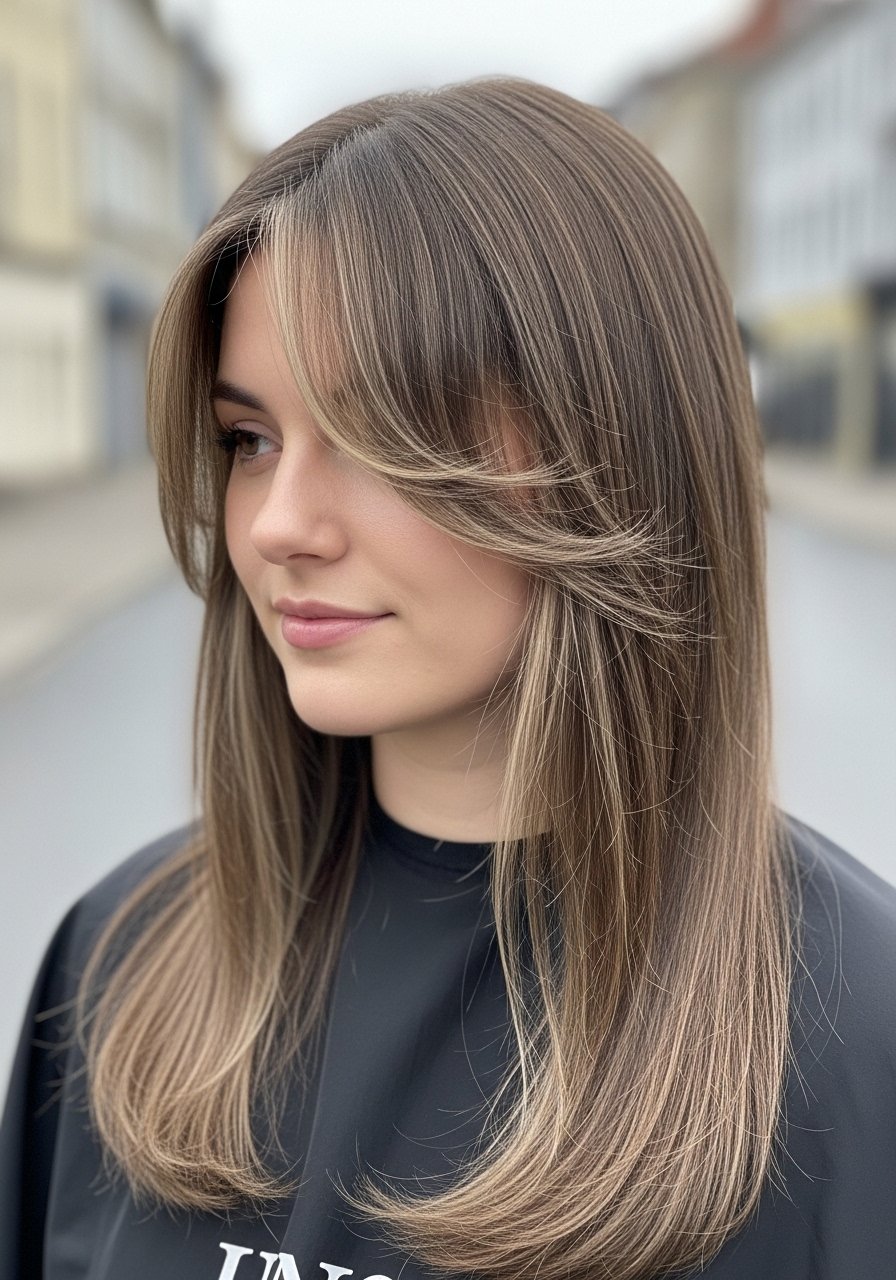
A soft money piece add around curtain bangs lifts the face without a full highlight. Have your colorist weave a thin slice in 1/8 to 1/4-inch sections around the face for subtle contrast. DIY temporary options are color-depositing sprays or clip-in pieces for a night out. If you want permanent lightening, accept multiple sessions for a natural result and do a scalp allergy patch test first. One thing salons often miss online is how much maintenance these front pieces need, expect touch-ups every 6 to 8 weeks if you want the same brightness.
Small Habits That Keep Curtain Bangs Working
- Heat protectant goes on damp hair, not dry. The cuticle is more open and the product actually absorbs. Color Wow Dream Coat anti-humidity spray is the one I keep in my styling kit for days when rain is forecast.
- Grab a silk pillowcase under $30. It cuts friction overnight and preserves the set of bangs so you spend less time styling.
- Hair grows about half an inch a month at most, regardless of supplements. The thing that helps length retention is reducing breakage, weekly bond treatments, and sleeping without tight elastics. Olaplex No. 3 Hair Perfector once a week is the routine I return to.
- For quick bang shaping, a 1-inch vent brush and a blow-dry for 6 to 8 seconds per section gives control without a flat iron, saving heat damage.
- Drugstore dry shampoo is fine for oil control. Spend money on a good thermal tool. A reliable 1-inch ceramic iron that holds consistent heat will save you time and reduce repeat passes.
Frequently Asked Questions
Q: Do curtain bangs work with long straight hair?
A: Yes. Curtain bangs naturally blend into long straight lengths and are one of the easiest bangs to grow out. They require trims every 8 to 10 weeks to keep the shape, and styling often takes under 10 minutes with a quick blow-dry or light flat-iron pass.
Q: How often should I trim curtain bangs at home?
A: If you like the exact shape, every 8 to 10 weeks is the sweet spot. For small maintenance trims you can do 1/4 inch at a time at home, always on dry hair. If you see unevenness or a jagged line, visit the salon rather than correcting aggressively yourself.
Q: Can I use Olaplex No. 3 if my hair is not damaged?
A: You can, but you might not notice much difference if your hair is healthy. It is worth using weekly if you heat-style often or color your bangs. Buy from the official Olaplex store on Amazon or Sephora to avoid counterfeits.
Q: My curtain bangs separate into a forehead gap after washing, how do I fix that?
A: Try drying them into shape with a small round brush and finishing with a light spritz of flexible hold spray. Avoid heavy waxes at the root which can flatten the curtain. If the gap persists, a small point-cut by a stylist or adding micro-layers will help them settle.
Q: Can I lighten my curtain bangs at home safely?
A: Lifting hair at the front is tempting, but lifting over previously dyed hair risks breakage. If you are only depositing tone a shade lighter, a color-depositing gloss from a trusted brand can work. For lifting, book a salon and expect multiple sessions for an even result. If you try any at-home dye, do an allergy patch test first.