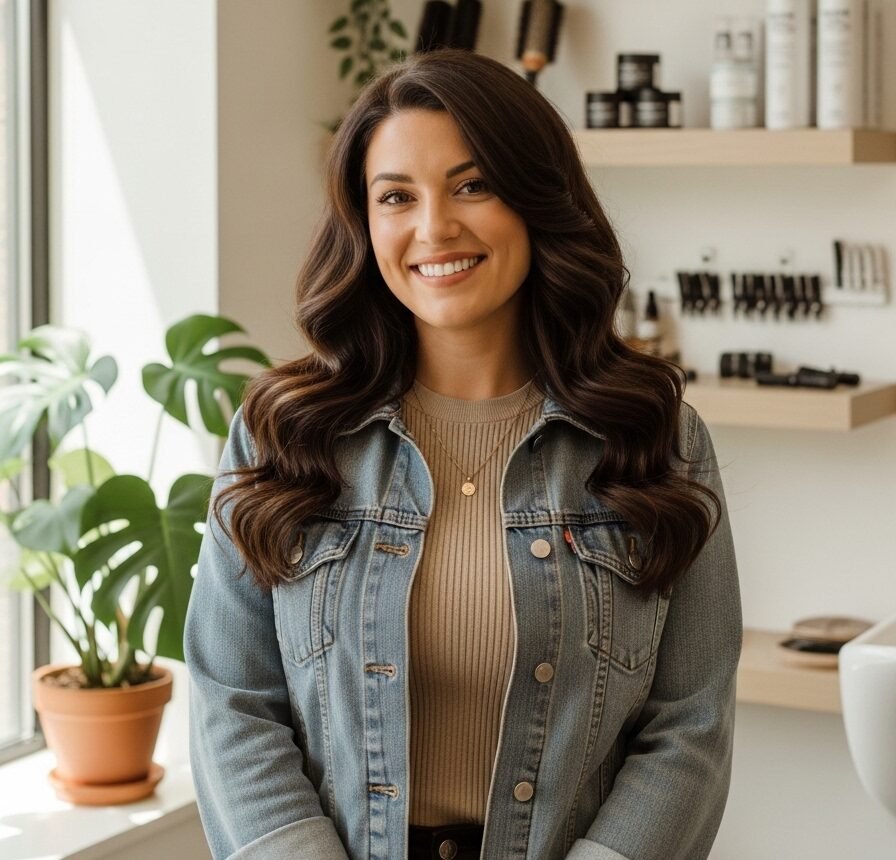
I remember sitting in a chair after my first attempt at a blunt bob and realizing I had made my jaw look boxier. After a few salon fixes and a lot of trial and error, I learned which short Japanese cuts actually soften square faces and which make the jaw too harsh. Below are styles I have tried or helped friends adapt, plus the tiny technique details that stop a good cut from going wrong.
These looks work best on straight to gently wavy hair, or hair that can take a little texturizing paste. Expect home styling of most cuts in ten to twenty minutes. Budget runs from budget trims to one splurge color visit. A few cuts are best left to a trusted stylist.
Soft A Line Bob With Wispy Ends For Square Faces
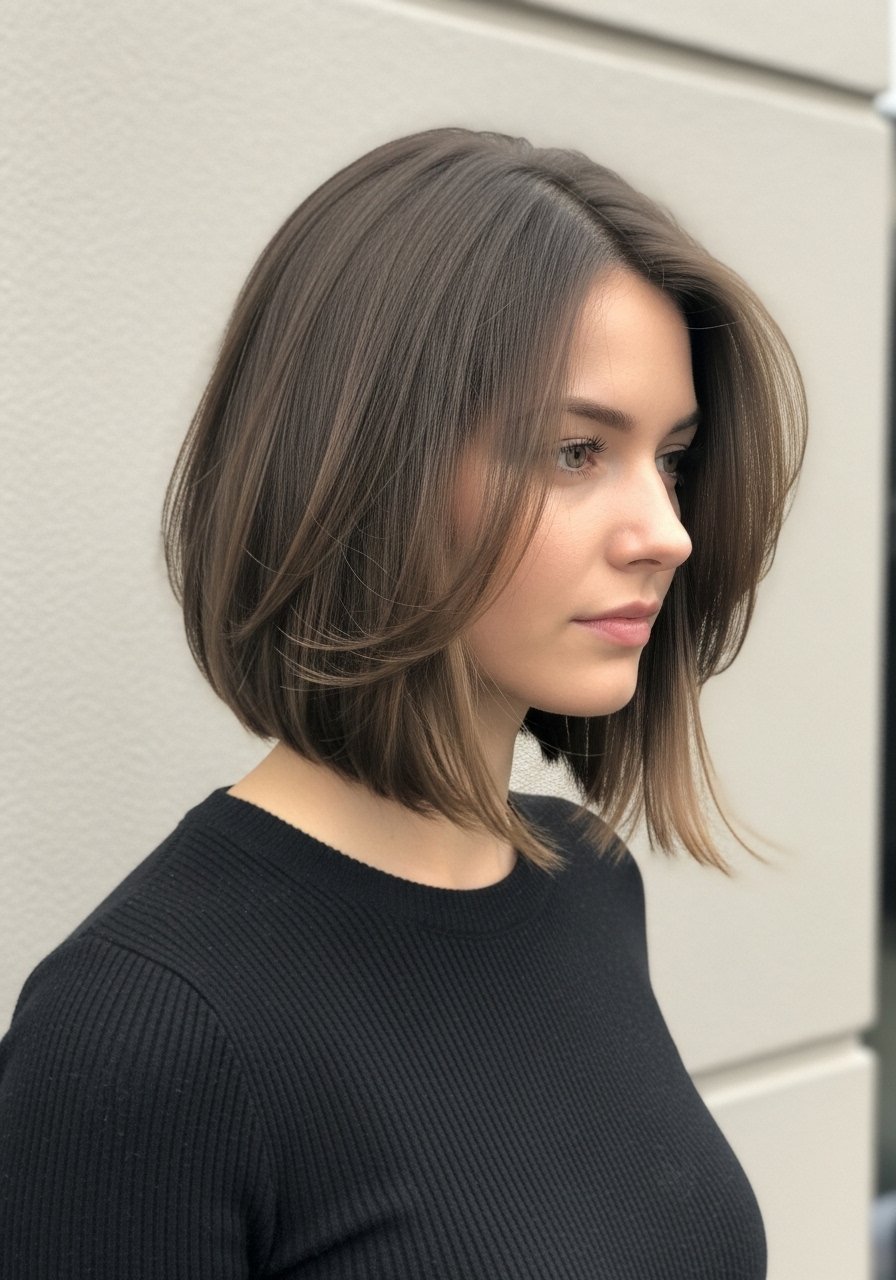
An A line bob slanted just past the jaw softens a square face by drawing the eye down and away from the cheekbones. On fine to medium straight hair, ask for a blunt perimeter with 3 to 4 thin internal point cuts to create wispy ends that break the line. At home I use two pumps of a lightweight cream, worked through mid-lengths, then a warm brush blow dry at medium heat while wrapping the ends under with a 1.5 inch round brush. A common mistake is overthinning the front, which removes the weight that balances the jaw. This is a salon cut you can maintain at home with a quick round brush blowout.
Short Layered Wolf Cut That Softens the Jaw
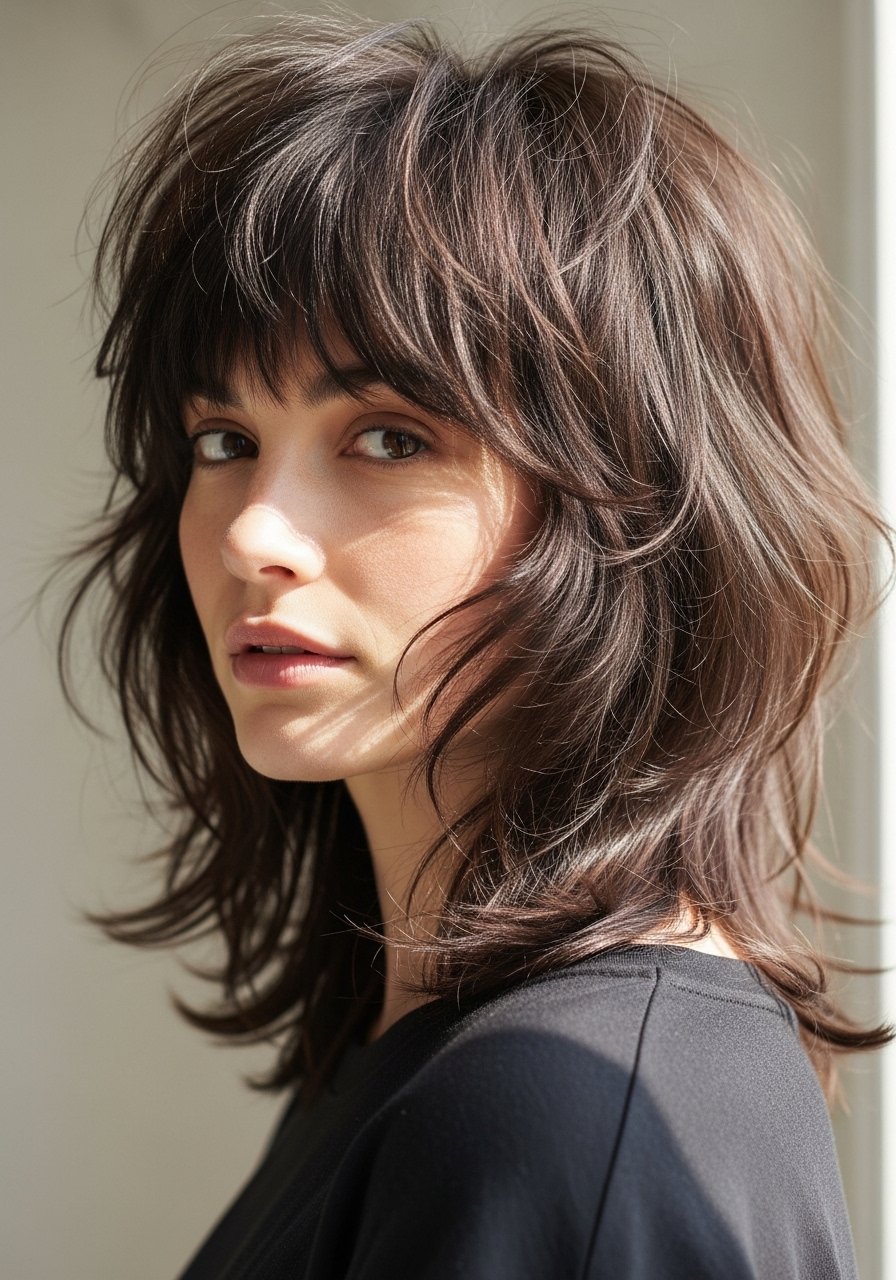
The wolf cut can be a lifesaver for square faces when the layers are carefully placed to skim the jaw. On medium to thick hair, ask for graduated layers starting three fingers below the cheekbone and leave two to three heavier front pieces to soften the angle. I like styling the top with a dime-sized pea of texturizing cream and a 350 degree flat iron on quick bends to create soft, lived-in pieces. Always use a heat protectant before any iron over 300F. A too-aggressive razor can make the cut look frizzy, so ask your stylist to point-cut gently and book a follow-up trim in six to eight weeks.
Side Swept Curtain Bangs To Soften Angles
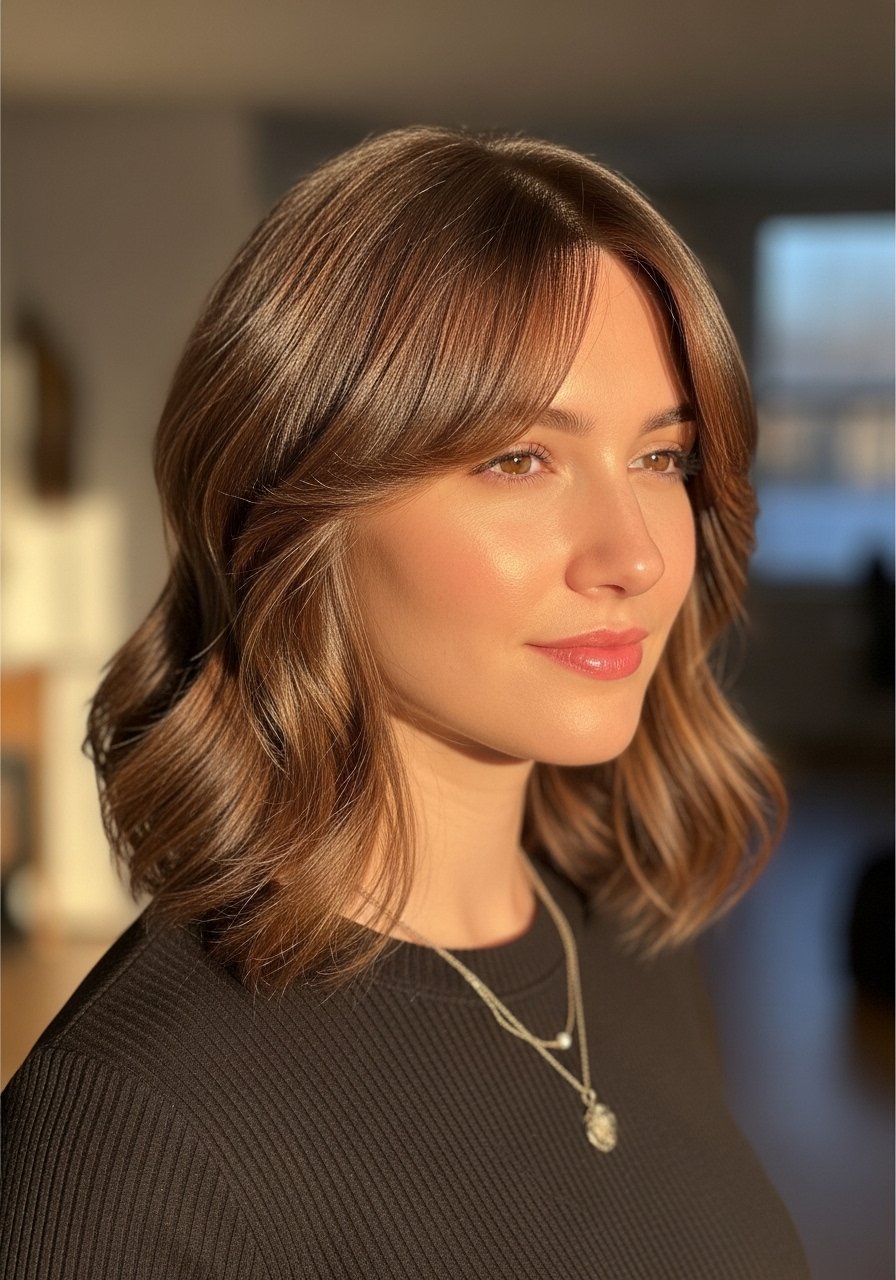
Curtain bangs that hit at the cheekbones or slightly below can shorten the forehead and blur a square jawline. They work on wavy as well as straight Japanese short cuts, but on coarse waves I suggest cutting the bangs longer wet and refining them dry. For styling, finger-dry bangs and finish with a two-spray mist of light hairspray, holding the nozzle ten inches away to avoid stiffness. A common error is cutting bangs too heavy. If you want a softer frame, request a graduated, feathered edge and plan for a trim every four to six weeks. These bangs pair nicely with the short layered wolf cut above.
Pixie With Long Textured Top For Fine Straight Hair
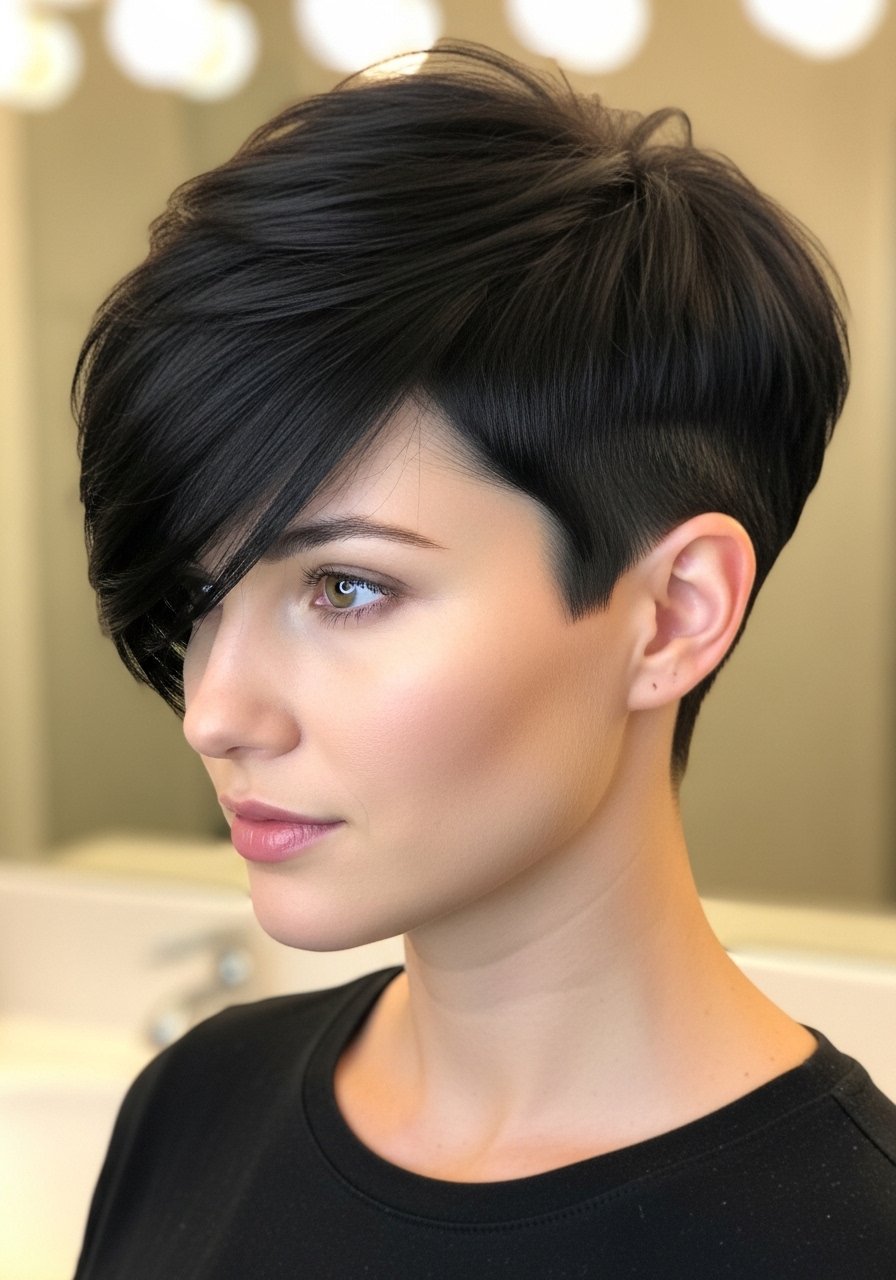
If your hair is fine and you worry about volume, a pixie with a longer textured top adds height and reduces the jaw emphasis. Ask your stylist for three to four short, soft layers on top with a number two to three clipper taper at the nape. At home, blow the top up with a small round brush and seal with a light paste roughly the size of a chickpea, working from roots to ends. Overloading paste will weigh fine hair down, so start tiny and build. This cut is low maintenance daily, but it needs monthly trims to keep the shape, which affects the real cost of upkeep.
Choppy Chin Length Cut For Wavy Hair
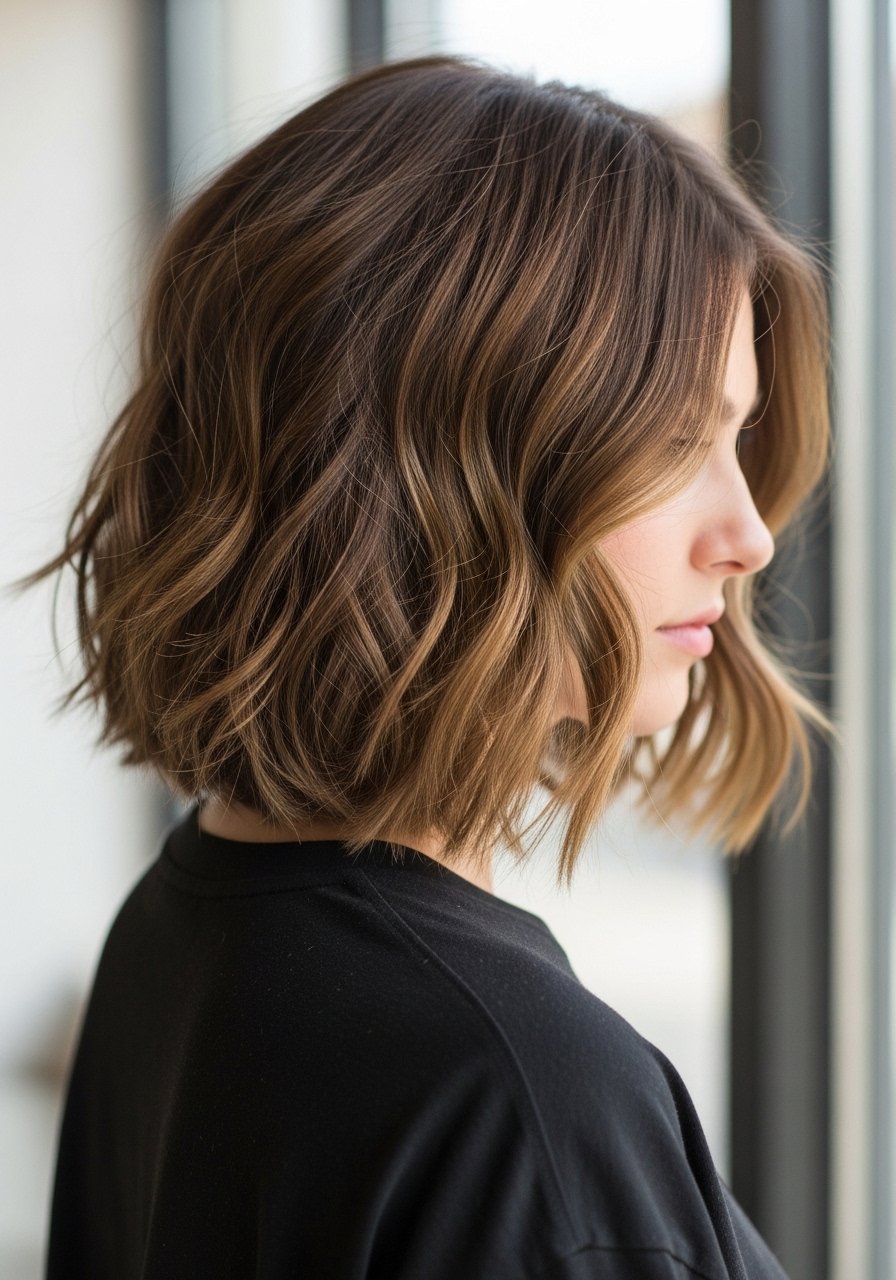
Choppy chin-length cuts play beautifully with natural waves and help avoid that triangular frizz many square-faced women complain about. I split the hair into six sections and cut into the ends at a forty-five degree angle to create staggered pieces that fall randomly around the jaw. For styling, apply a quarter-sized dollop of curl cream using the LOC method, scrunch, then diffuse on low heat. If your waves are more 2C, reduce product so the cut does not look weighed down. This is an at-home friendly style after the initial salon shaping, and it holds second-day texture really well.
Blunt Short Bob With Undertexturing For Thick Hair
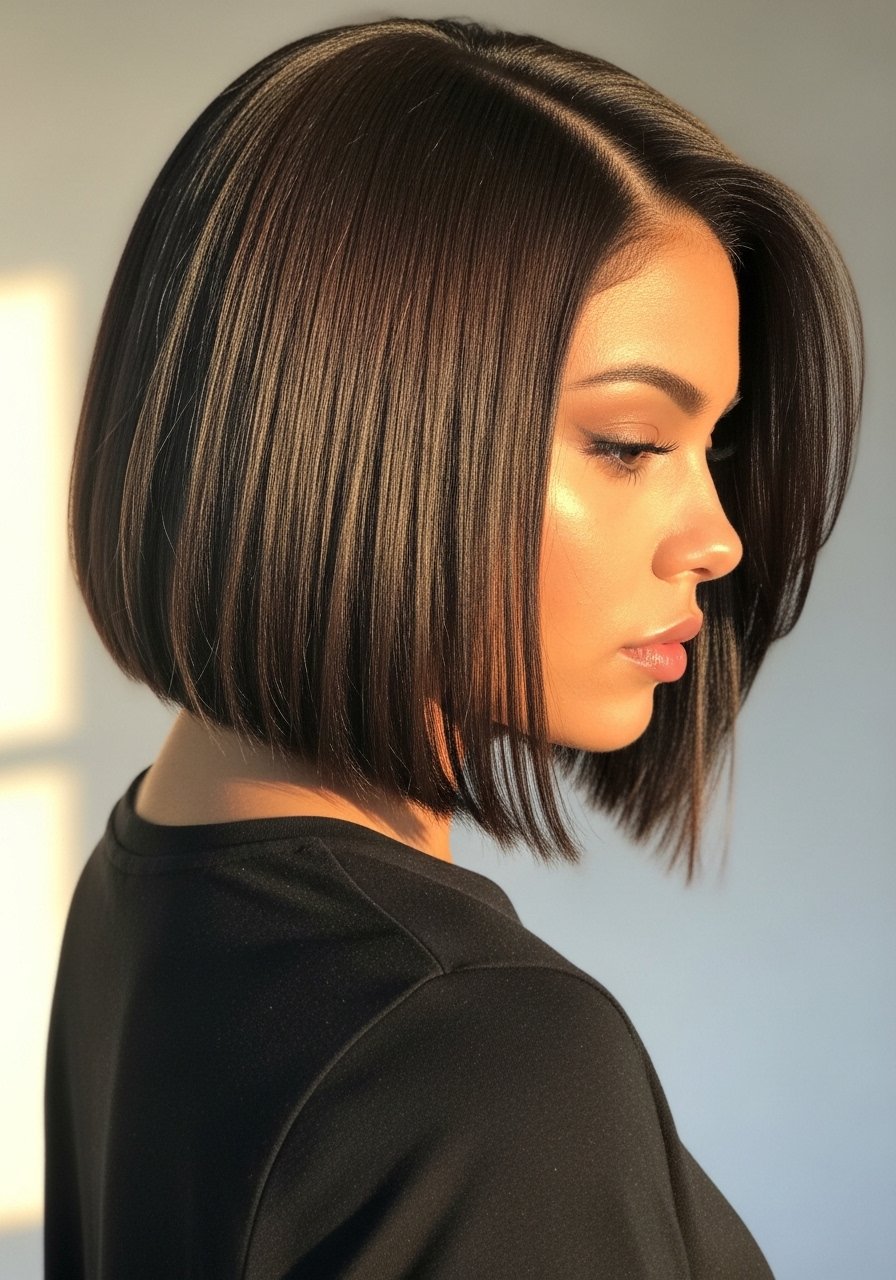
A blunt bob can look heavy on a square face unless the stylist removes bulk under the crown. On thick hair, I ask for undertexturing using wide-tooth thinning over two passes, leaving the perimeter blunt so it still frames the jaw gently. At home I finish with a ceramic flat iron at 320F for a glossy look, always after using a heat protectant before any iron over 300F. A common mistake is smoothing the entire head flat which makes the jawline more apparent. Instead, keep a little interior volume and let the ends skim the jaw.
Short Shag With Face Framing Layers For Coarse Hair
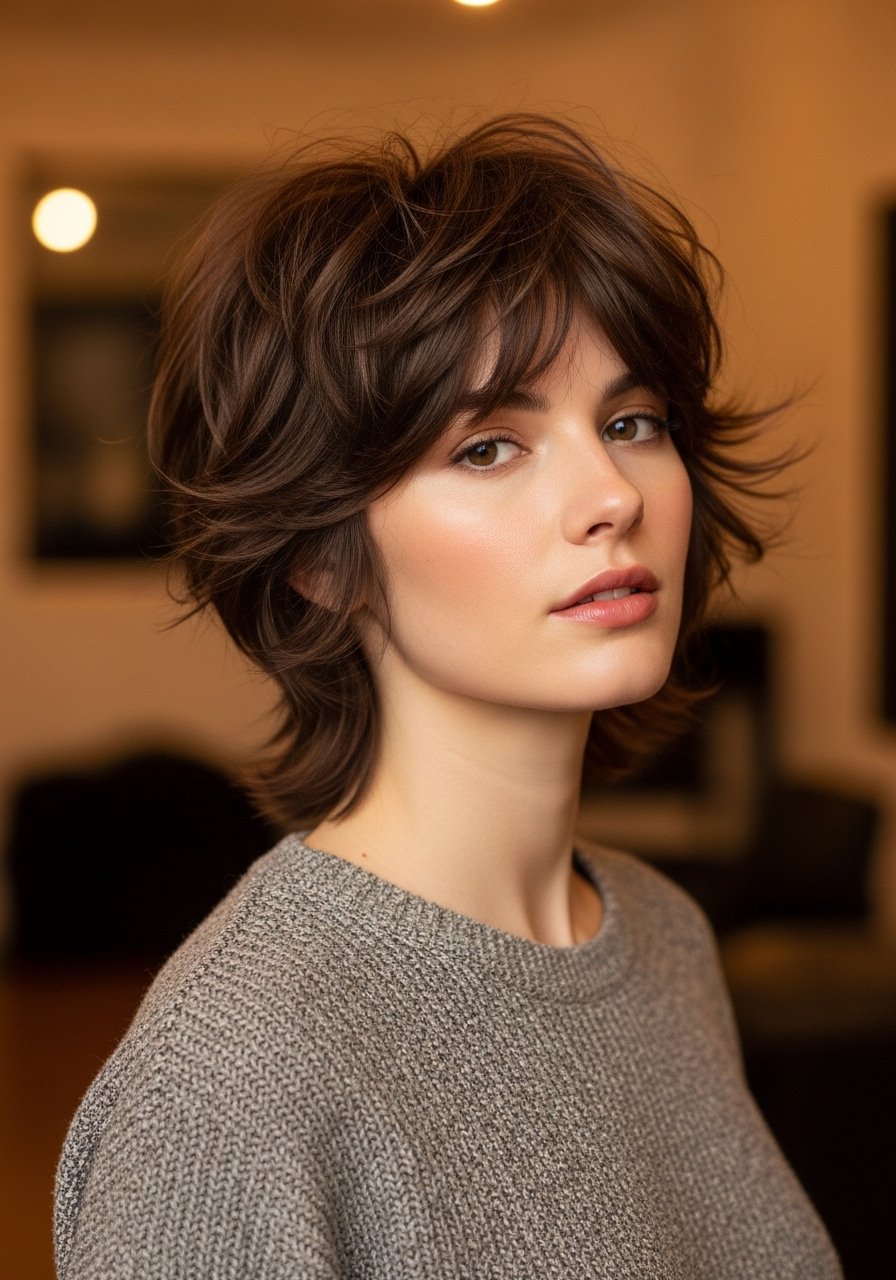
Coarse hair can be given a soft short shag that breaks up strong jawlines with textured face-framing layers. I recommend a wet cut with layer lengths staggered in three bands and a light smoothing balm applied to damp hair before drying. For maintenance, deep condition every ten days if you color, and use a weekly bond builder if you heat style regularly. A common pain point is frizz and a chunky silhouette. The solution is shaping the perimeter to two to three weight points and using a cream that tames flyaways without coating the hair.
My Short Japanese Cut Kit For Square Faces
- Honestly the one thing that changed my short styles was a reliable bond treatment. Olaplex No. 3 3.3 oz, used once a week, fixed the brittle ends after my home color disaster. Buy from the official store on Amazon or Sephora to avoid counterfeits
- For daily hold without crunch, a light styling paste under $15 is the quick fix I keep by the sink
- A compact 1.5 inch ceramic iron for bangs and end bends, 1.5 inch flat iron, under $60
- To protect shape while sleeping, a silk pillowcase standard under $25 cut the morning frizz in half for me
- For texture and separation, sea salt spray (~$12) applied sparingly on damp hair
- A medium round brush for blowouts, 1 inch round brush, good for short lengths
- For quick trims at home between salon visits, a professional trimming kit with a guard set, under $40. Use cautiously and only for nape cleanups
- If you color, a 250 ml sulfate-free color-safe shampoo, color-safe shampoo, helps avoid brassiness
- A microfiber towel to speed drying, microfiber-hair-towel reduces friction and frizz
- For stubborn cowlicks and parting control, a small dab of lightweight cream worked into roots, lightweight-root-cream
Micro Bangs With Soft Fade To Avoid Heavy Forehead

Micro bangs can cut the forehead and change face proportions dramatically. For square faces I soften the line by requesting a soft fade at the temples so the bangs do not sit like a shelf above the jaw. I tell my stylist to cut the length one quarter inch longer than I think, because micro bangs look shorter when dry. Styling is quick, just a tiny dab of cream on the bangs and a hair dryer on low while shaping with fingers. Beware of cutting them too blunt or too short on the first cut. If you color your bangs, do a patch test for scalp sensitivity before the appointment.
Asymmetrical Bob To Distract From Strong Jawline

An asymmetrical bob shifts attention away from the jaw and towards a longer diagonal line. On straight to lightly wavy hair, keep the longer side falling just below the jaw and the shorter side grazing the jaw. I often request a single vertical 1.25 inch section at the fringe be texturized lightly to avoid a harsh line. At home, a five to eight second bend with a 1 inch iron at 320F on the long side creates a gentle curve without overcooking the strand. Most stylists recommend this as a salon cut for the initial shape, then you can maintain at home.
Layered Pixie Bob For Thin Hair That Adds Bounce
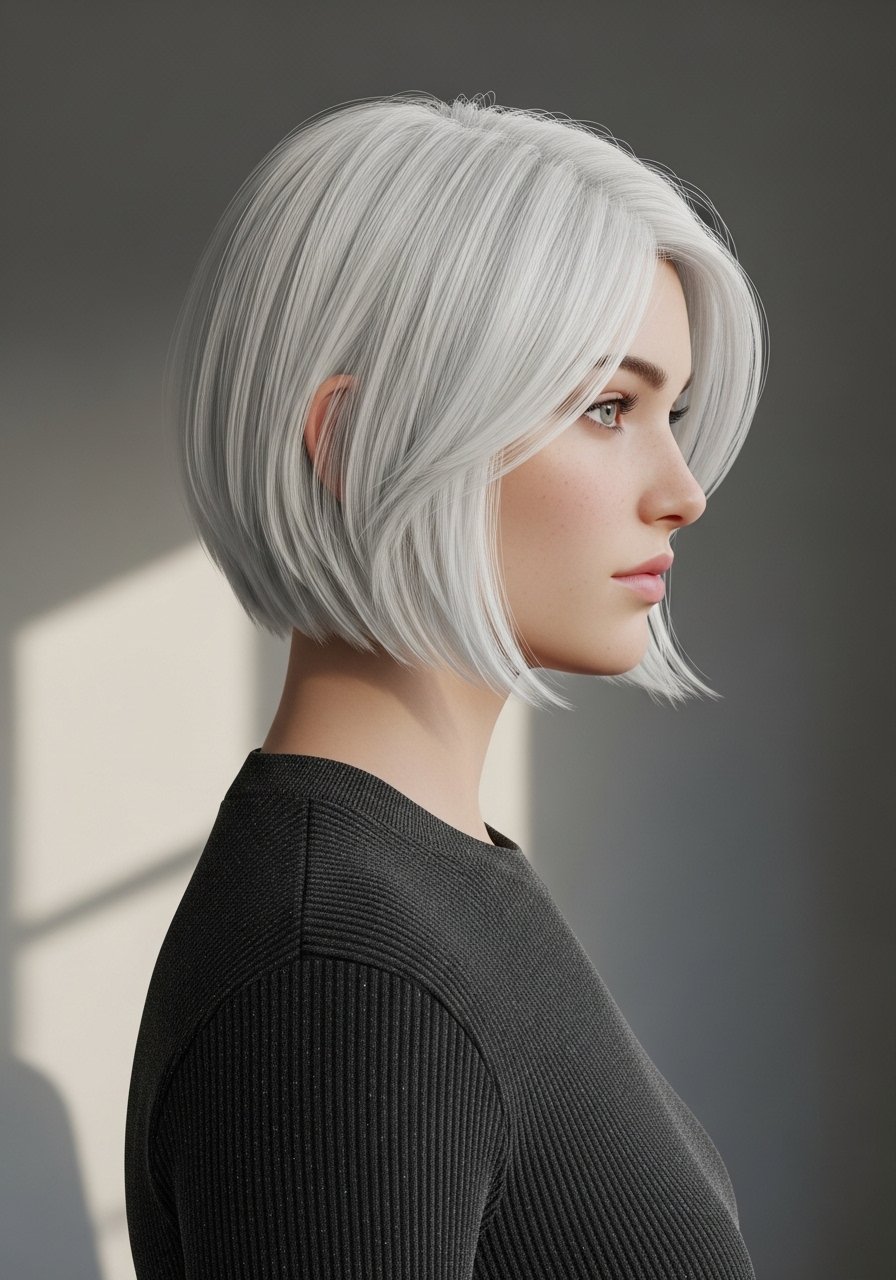
Thin hair can look fuller in a layered pixie bob when the layers are stacked and the perimeter has a tiny bit of blunt weight. My stylist carved in three short internal layers at the crown and left the front slightly longer for movement. At home I root-blow with a round brush for eight to ten seconds per section and finish with a light volumizing spray at the roots. A mistake people make is using heavy oils that flatten thin hair. Stick to spray mousses or powders and refresh with two sprays at the root on day two.
Textured Crop With Razor Finish For Natural Movement
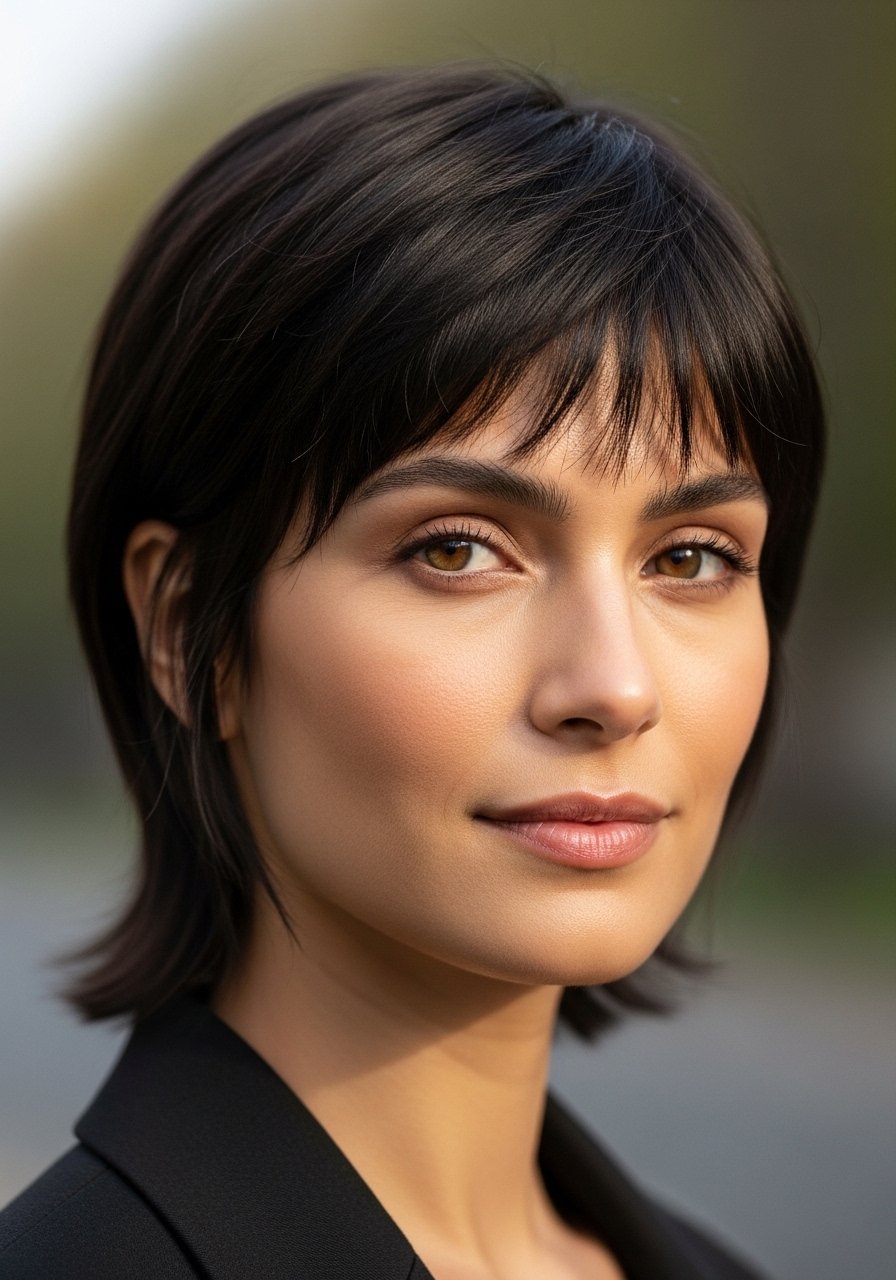
A textured crop with a razor finish gives a relaxed, lived-in look while softening angular faces. Ask the stylist to keep the top 1.5 to 2 inches and the sides tapered, then finish the ends with a single razor pass to avoid frayed tips. I use a tiny amount of sea salt spray on damp hair and scrunch, then a quick warm blast from the dryer. Be careful with razors on brittle hair, they catch. If your hair is damaged, opt for point cutting instead. This cut is fast to style and hides growth well, which saves frequent salon visits.
Slightly Curled Ends For A Gentle Lift On Square Faces
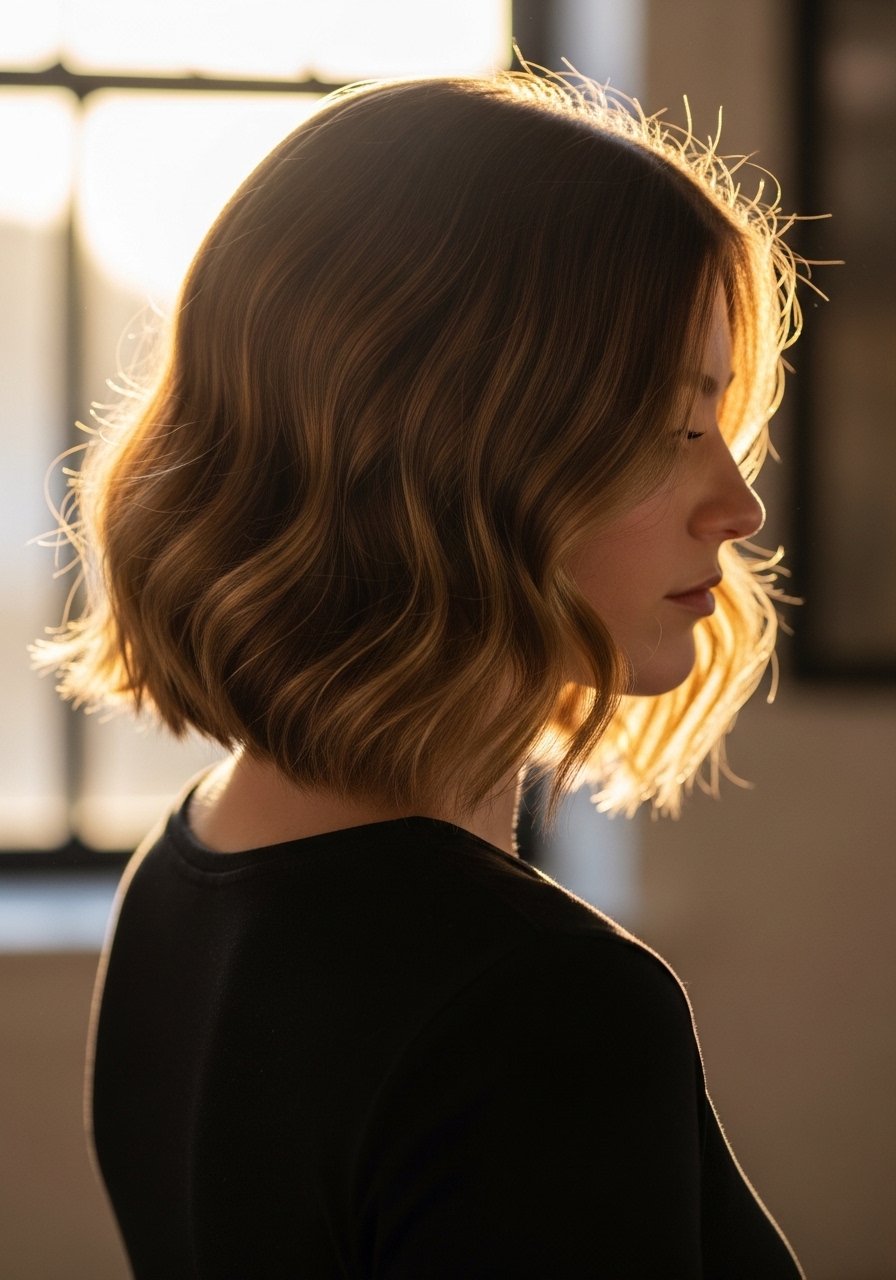
A small inward curl at the ends gives the jaw a soft halo rather than a boxy edge. Use a 1.25 inch iron at 320F, clamp the last one inch, and roll inward for three to five seconds. Remember heat protectant before any iron over 300F. On coarse hair I reduce the time to two seconds and use a low humidity ceramic iron to avoid damage. A common mistake is curling the entire length which shortens the visual line. Keep the curl confined to the ends and brush gently for a polished look that still reads natural.
Subtle Money Piece Highlights Around The Face
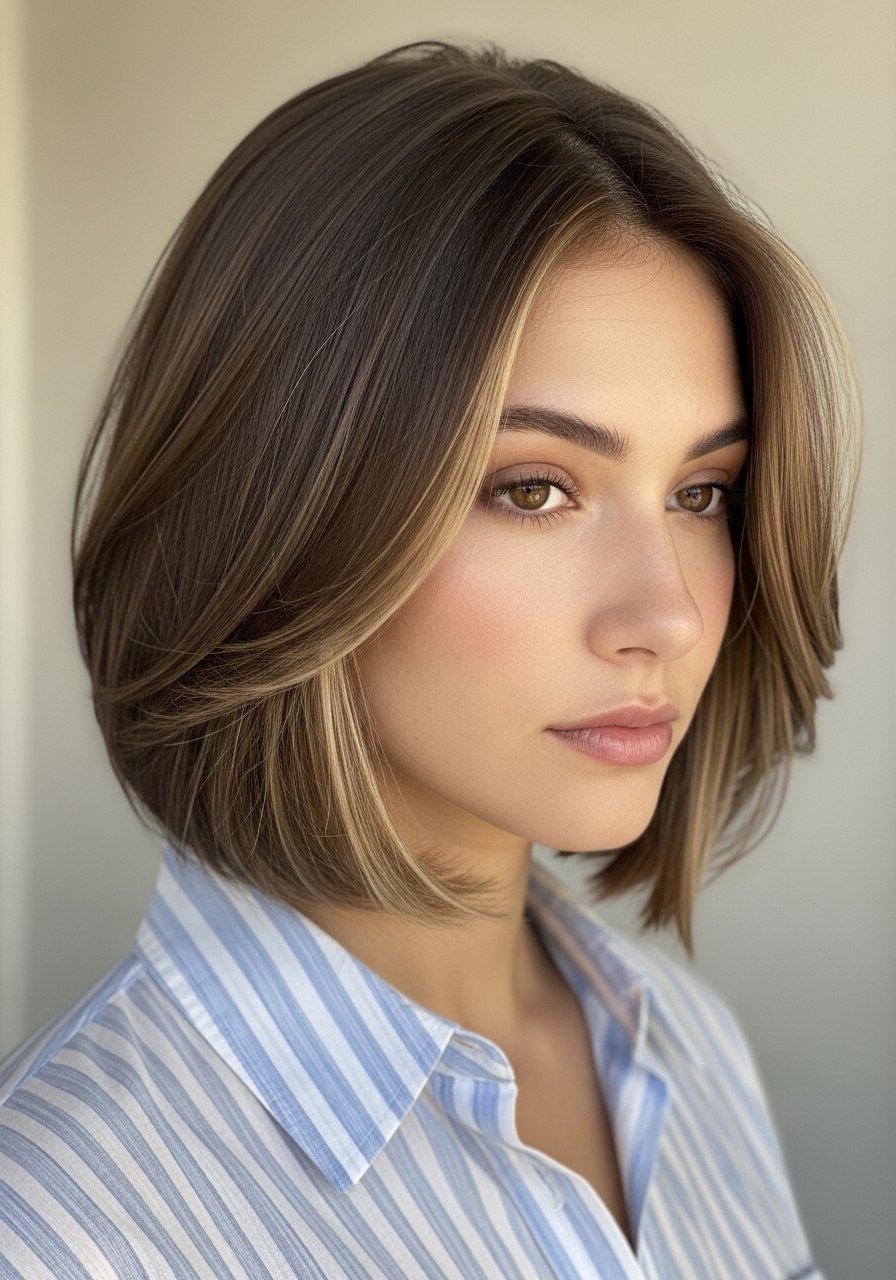
Face-framing highlights, often called a money piece, can brighten a square face without full-head color. For short cuts keep the highlighted slices narrow, two to three thin sections on either side, and use a 10 to 15 minute gloss if you want a low-lift change. If you are lifting color, do an allergy patch test first and avoid lifting over recent dye without a salon consult. A mild purple shampoo once every seven to ten washes helps prevent brass on warmer tones. This look is a salon job for the first application, then easy to touch up at home.
Heatless Waves Using Robe Tie For Second Day Hold
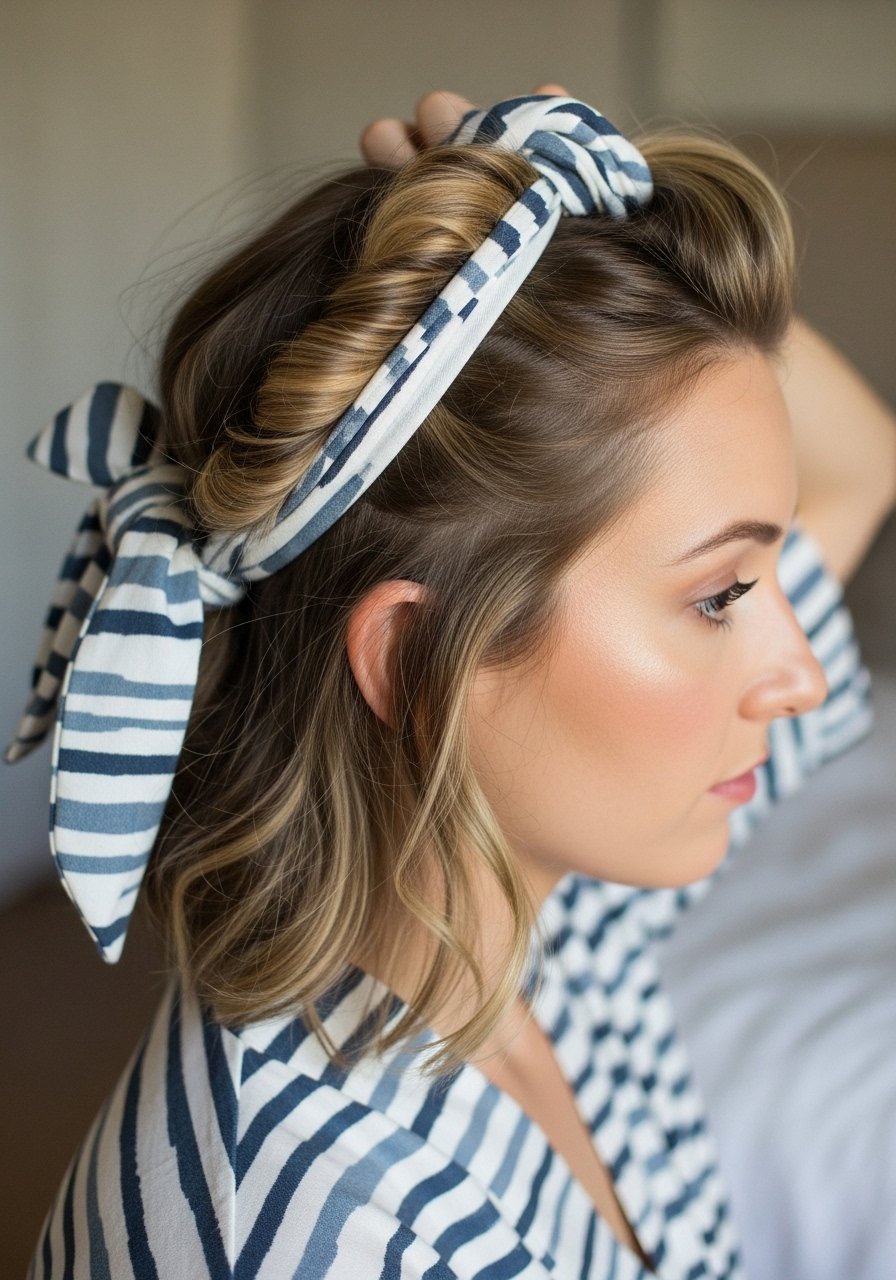
For days when I want soft movement without heat, the robe tie method gives consistent bends. Divide slightly damp hair into six sections, wrap each around a fabric sash laid across the crown, and pin the ends. Sleep on it and unroll in the morning, then scrunch with a pea-sized amount of lightweight cream. This technique saves damage and keeps short styles looking intentionally messy on day two. Many people over-saturate with product before wrapping, which weights the hair. Use light product only and blot excess with a microfiber towel first.
Tousled Wet Look Using Gel And Lightweight Cream
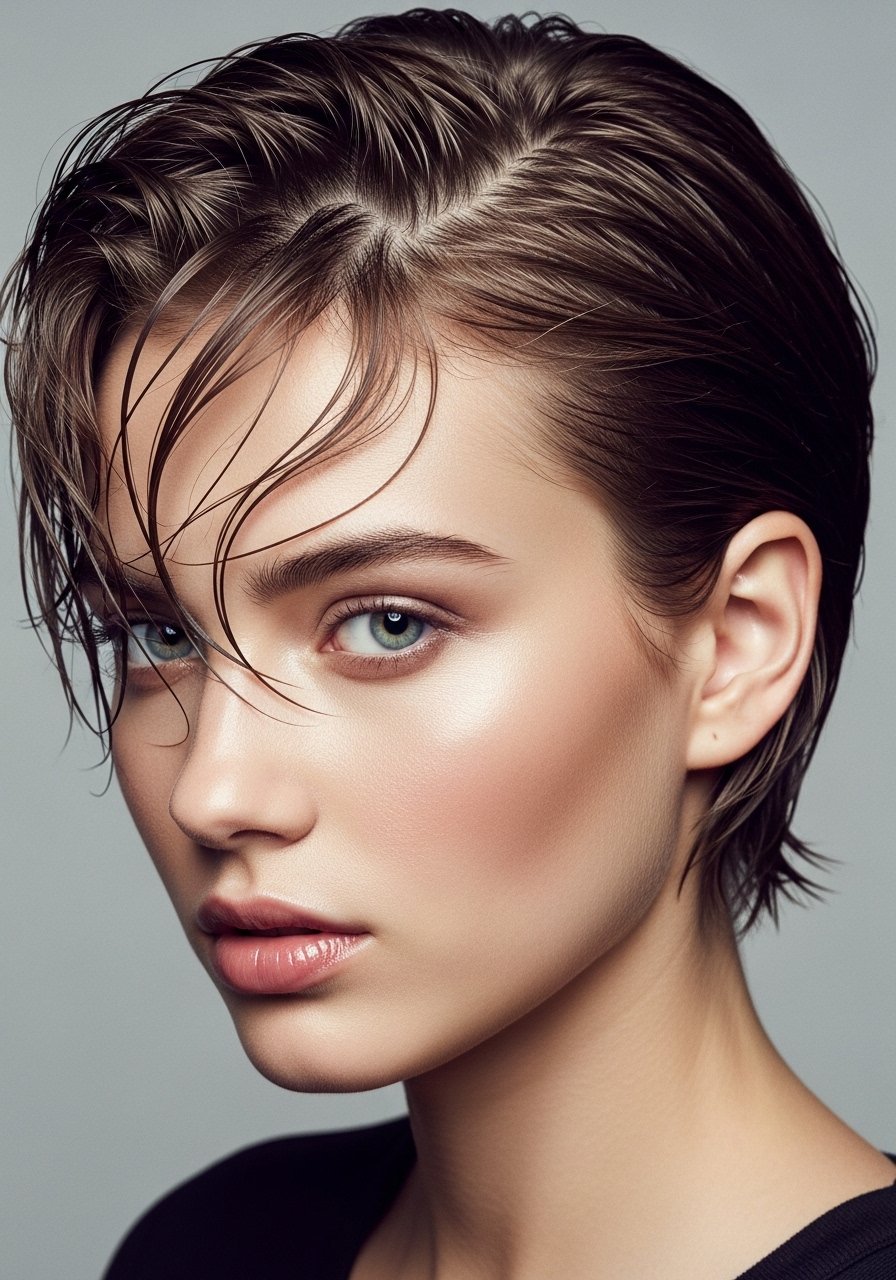
The wet look works surprisingly well on short Japanese cuts when you balance hold and softness. Mix a coin-sized amount of lightweight cream with a fingertip of medium gel and distribute through damp hair, then finger-shape pieces as you let it air dry or diffuse on low. Too much gel creates a helmet. If you want separation, finish with a quick pinch of wax on the ends. This method holds a cut in place without heat and lasts into day two if you sleep on a silk pillowcase.
What I Wish Someone Had Told Me Before Cutting Short For A Square Face
- Heat protectants need time to absorb. Most heat protectants you spray on dry hair before flat ironing barely work. They need to absorb into damp or just-dried hair to actually shield the cuticle. Try misting on damp hair, combing through, then drying a bit before any iron work. Color Wow heat protectant is one I keep on hand
- Hair grows about half an inch a month at most, regardless of what biotin gummies promise you. Trims every six to eight weeks keep short shapes tidy without major chop shock
- Use a microfiber towel for short cuts. It cuts blow dry time and controls the frizz that ruins a freshly cut shape. Microfiber-hair-towel under $15 works fine
- If you color, avoid bleach over previous dark dye at home. That is a salon job. If you must DIY, accept multiple sessions and a patch test for sensitivity. Olaplex No. 3 is good for holding the ends together between sessions
- For face-framing effects, tell your stylist how often you will maintain the cut. Short edges need attention and the real cost is trims, not the initial cut
Frequently Asked Questions
Q: How often should I trim a short Japanese bob to keep it flattering for a square face?
A: Every six to eight weeks is the sweet spot. Short shapes lose their intended lines fast. If you have a busy schedule, aim for eight weeks and do minor at-home cleanups only at the nape. Regular trims keep the style tidy and avoid accidental boxy growth.
Q: Can I get a wolf cut if my hair is very fine, or will it look stringy?
A: You can, but the cut must be adapted. Ask the stylist to keep more weight in the perimeter and use point cutting rather than heavy razoring. A longer top layer and short layers underneath create movement without looking thin. Styling with a light paste keeps pieces separated.
Q: What is the safest way to add a money piece without damaging short hair?
A: Have a salon do fine foils or face-framing painting and use a low-volume developer. Do an allergy patch test first. If you touch up at home, use a gloss rather than lift with bleach over previously colored hair. Follow with a weekly bond treatment and a color-safe shampoo.
Q: My bangs always grow out unevenly between salon visits. Is there a quick at-home fix?
A: Yes. Work with dry hair and a small pair of barber scissors, trimming tiny vertical snips rather than a straight cut. Trim a millimeter or two at a time and stop often to check. If you are nervous, book a bang trim with your stylist between major cuts.
Q: Are there tools I should not use on short Japanese cuts?
A: Heavy brushes and overly large heated barrels flatten short cuts. Use a small round brush for shaping and a 1 to 1.25 inch iron for end bends. Always add heat protectant on damp hair, and keep irons below 350F for most textures.
Q: I want to go lighter but I am worried about breakage. What are realistic expectations?
A: Lightening short hair often requires multiple sessions. Bleach over previous color risks breakage. If you must lift, plan for staged appointments, weekly bond treatments, and trims to remove damaged ends. If in doubt, consult a salon and avoid kitchen bleaching experiments.