I tried every quick fix trend last year and ended up with fried ends from too much heat and one gloss that faded in two weeks. These 13 ideas are things I actually do on my hair, or fixed for friends who sent me frantic texts after a salon visit went sideways.
They mostly serve wavy 2A through curly 3B textures and medium density straight hair with notes where thicker or tighter curls need tweaks. Most takes are 5 to 25 minutes, budget runs from under $15 for a tool to a single splurge around $200, and only a couple of items are true salon-only services.
Heatless Robe Tie Curls That Hold Morning to Night
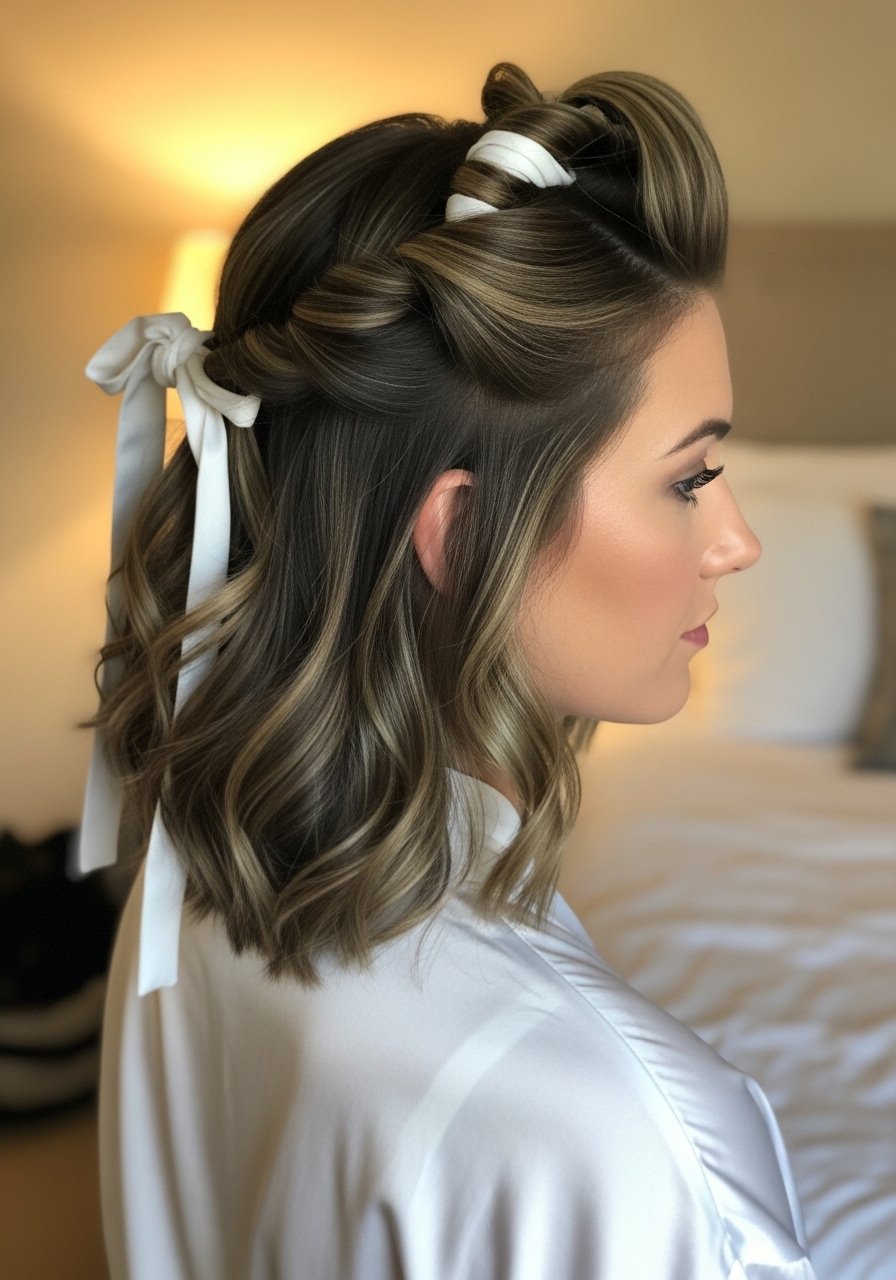
If you hate blow drying, this one saves time and reduces damage. Split damp hair into six sections, lightly spritz a curl refresher, and wrap each around a robe sash, knotting it flat across the head. Sleep on it and unroll in the morning, then finger-separate with a teaspoon of oil in your palms. It works best on 2A to 3B textures, and for thicker hair use eight sections instead of six. Avoid starting with soaking wet hair or your waves will set unevenly. If you want a product, a small spritz of sea salt spray gives grit without crusting.
The Bond Building Sunday That Actually Helps Split Ends Look Better
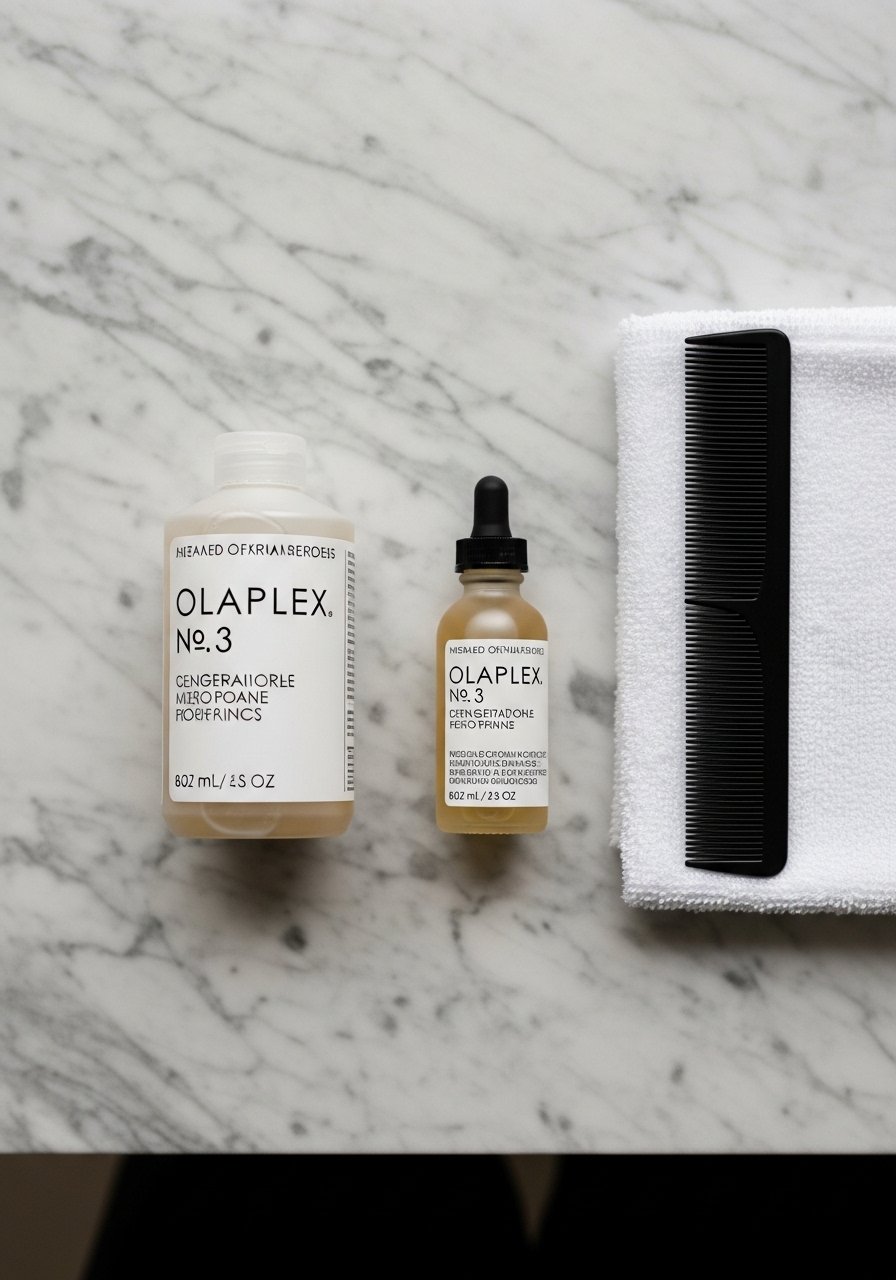
My ends used to look fried until I committed to one in-shower bond builder a week, and one take-home product midweek. For my medium density, color-treated hair, Olaplex No. 3 once a week for 10 minutes fixed the fuzzy look after three applications. Use 1 to 2 pumps for shoulder-length hair, work it through damp mid-lengths to ends, and rinse. Watch for counterfeits, buy from the official Olaplex store on Amazon or pick it up at Sephora. This routine helps smooth the appearance of damage, it does not put the actual cut hair back together, so trims every 8 to 12 weeks are still needed.
Curtain Bangs for Round Faces That Avoid the Forehead Gap

Curtain bangs are my fallback when I want change without commitment. For round faces ask for slightly longer pieces, about two fingers below the brow at the center, and feathered ends to avoid a gap that shows too much forehead. If you cut at home, use small vertical snips and always cut dry in small amounts, not big chunks. They suit shoulder-length to long hair best. Time to trim at home is five minutes once every three to four weeks, but a stylist shaping them every three months keeps the face frame flattering.
Money Piece Highlights You Can Touch Up Yourself
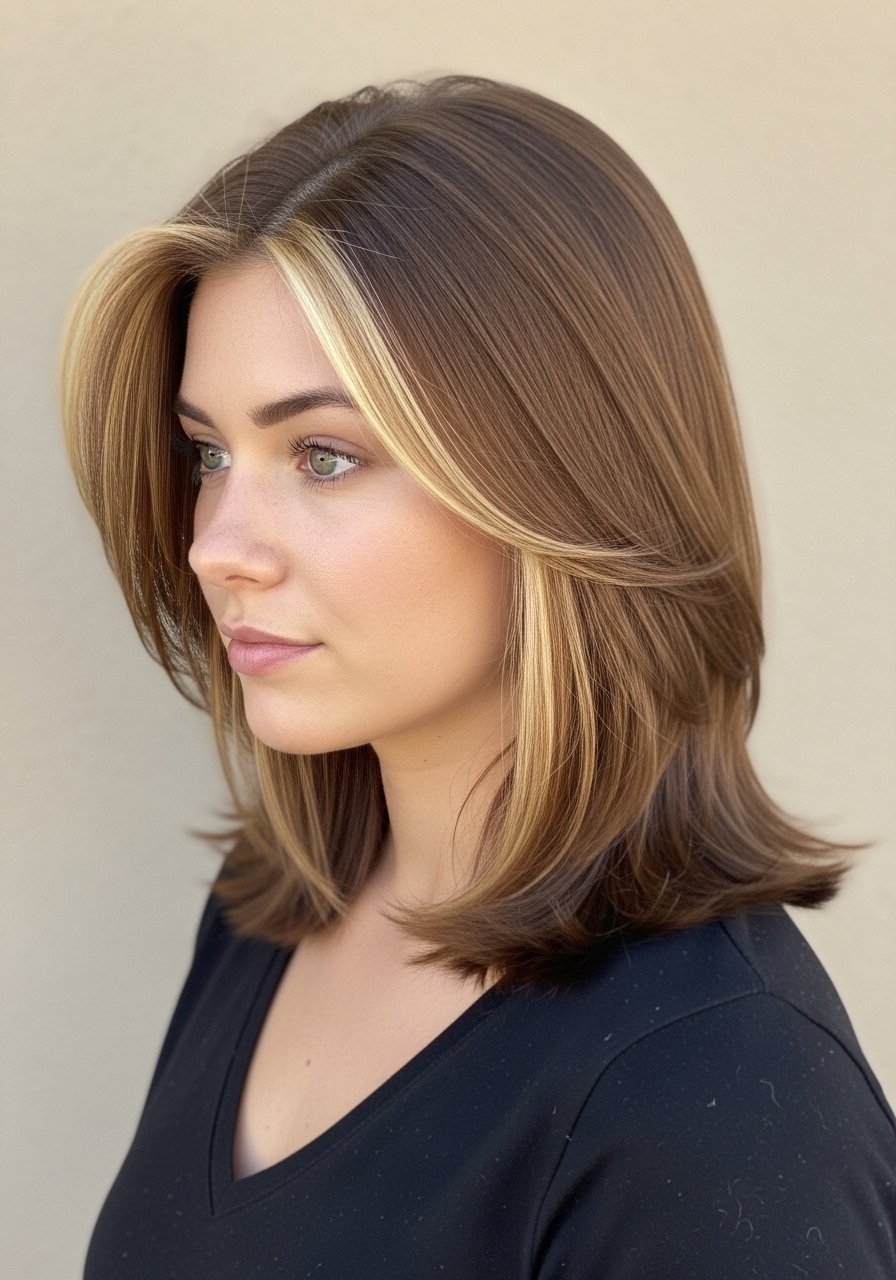
If your color grows out fast, do face-framing money pieces with a demi-permanent toner you can refresh at home. I pre-lighten only the front 1-inch sections with a low-volume lift, rinse at 10 minutes for pre-colored hair, then tone with a deposit-only gloss that lasts four to six weeks. Works best on 1B through 2C hair that just needs brightness at the face. Common mistake is going too wide with the highlight, which looks dated. If you are unsure about lifting, book a salon session, then maintain the pieces yourself.
The 4-Step Wash Day for Type 4C That Cuts Time in Half
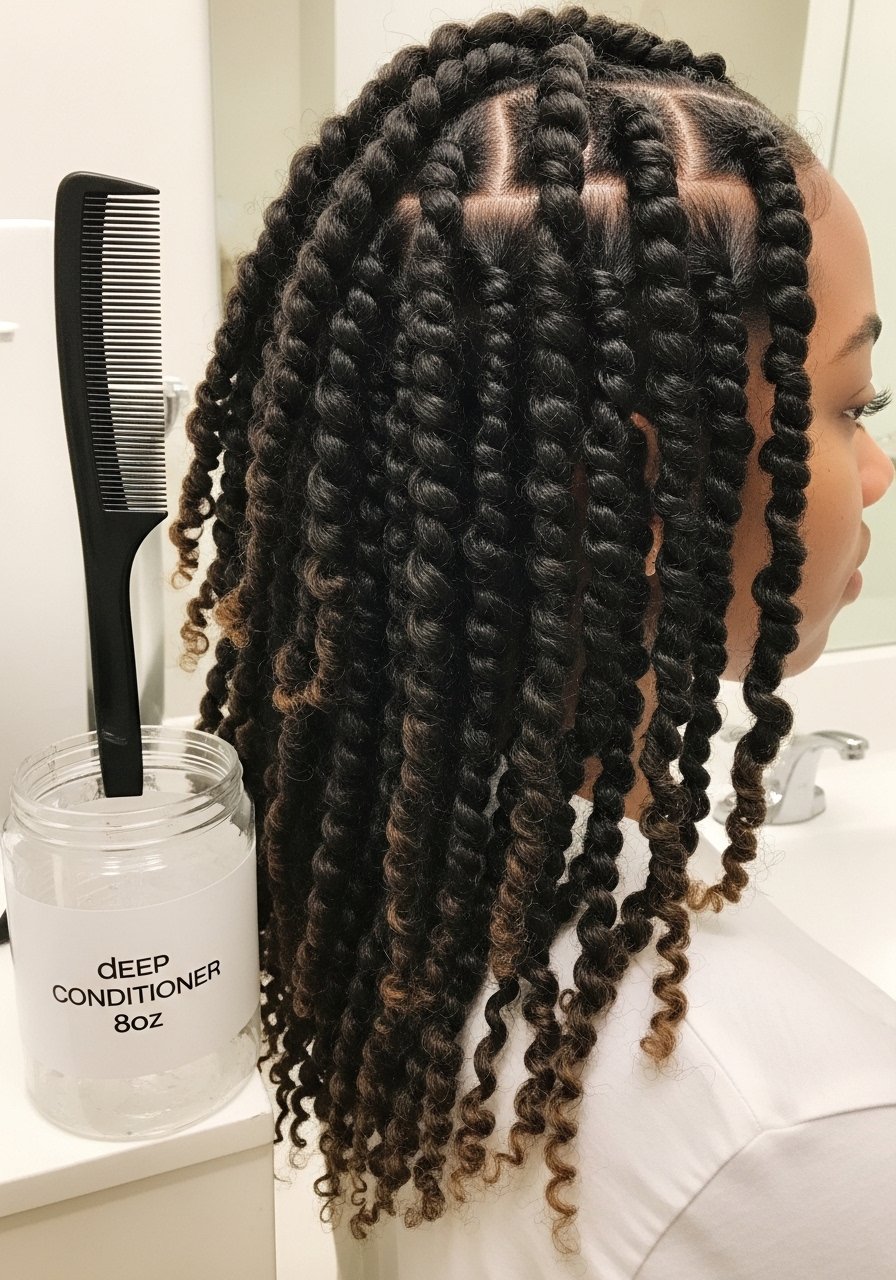
Wash day for tight coils does not need to be eight hours long. My friend with 4C hair reduced time by co-washing with a sulfate-free cleanser, finger-detangling in four large sections, applying a rich deep conditioner and leaving it under a warm towel for 15 minutes, then stretching with banding while air drying. The result keeps definition without a ton of manipulation. Use a pea-sized amount of leave-in per section and seal with a cream. Avoid brushing dry coils, it causes breakage. If you see scaliness or intense itch, check for scalp sensitivity and consider a gentler acidic treatment from a pro.
Glass Hair Finish Without Booking a Gloss
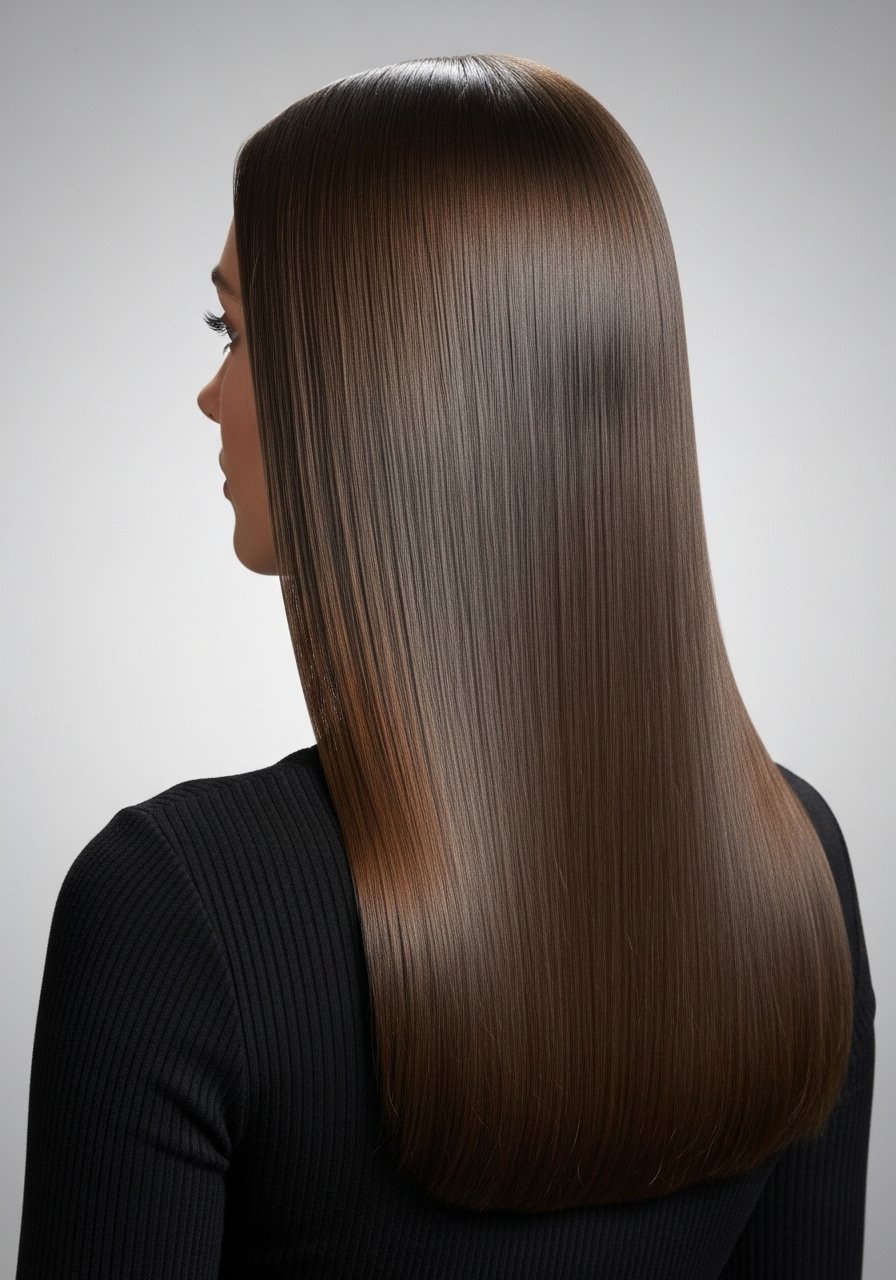
You do not always need a salon gloss to get glass-like shine. After a light blowout use a tiny drop of finishing oil down the lengths, then mist a humidity-blocking spray before stepping outside. For fine hair use one drop; for thicker hair use two to three. Heat protectant goes on damp hair before any iron over 300F, so always add that step if you flat iron for shine. A little finish product goes a long way. The mistake is layering heavy oils that sit on top and attract dust, which makes hair look dull after a day.
Wolf Cut for Fine Hair That Actually Adds Movement

A wolf cut gives fine hair a lived-in texture without adding weight. Ask for shorter top layers and longer underlayers so you keep length while getting movement. For very fine hair tell your stylist to use point cutting not heavy thinning. Styling is quick, just two pumps of a texture paste worked into roots and mid-lengths and a 5-second blast with a medium round brush to shape. At-home DIY trims for shaping are okay, but avoid removing more than a quarter inch from the long layers if you want to keep the style.
What I Actually Keep in My Low-Fuss Color-and-Style Kit
- Honestly the one splurge I keep is Olaplex No. 3 hair perfector 3.3oz. Used once a week it smooths the appearance of damage and I buy from the official store to avoid fakes
- For daily texture I reach for a light sea salt spray under $15 that separates waves without crunchy residue
- A microfiber hair towel cuts my drying time by a third and reduces frizz after washing
- Color-safe sulfate-free shampoo 8oz and a rich deep conditioner 8oz for once-a-week moisture
- A wide-tooth detangling comb for 4C and curly textures to detangle gently
- Anti-humidity finishing spray for glassy looks that last three to four days
- A boar bristle paddle brush for distributing scalp oil and smoothing lengths
- Clarifying shampoo 8oz to use every four to six washes if product build-up makes waves limp
- A pair of hair-cutting shears for small trims at home, used carefully and only for light dusting
Root Smudging to Stretch Appointments and Hide Line of Demarcation
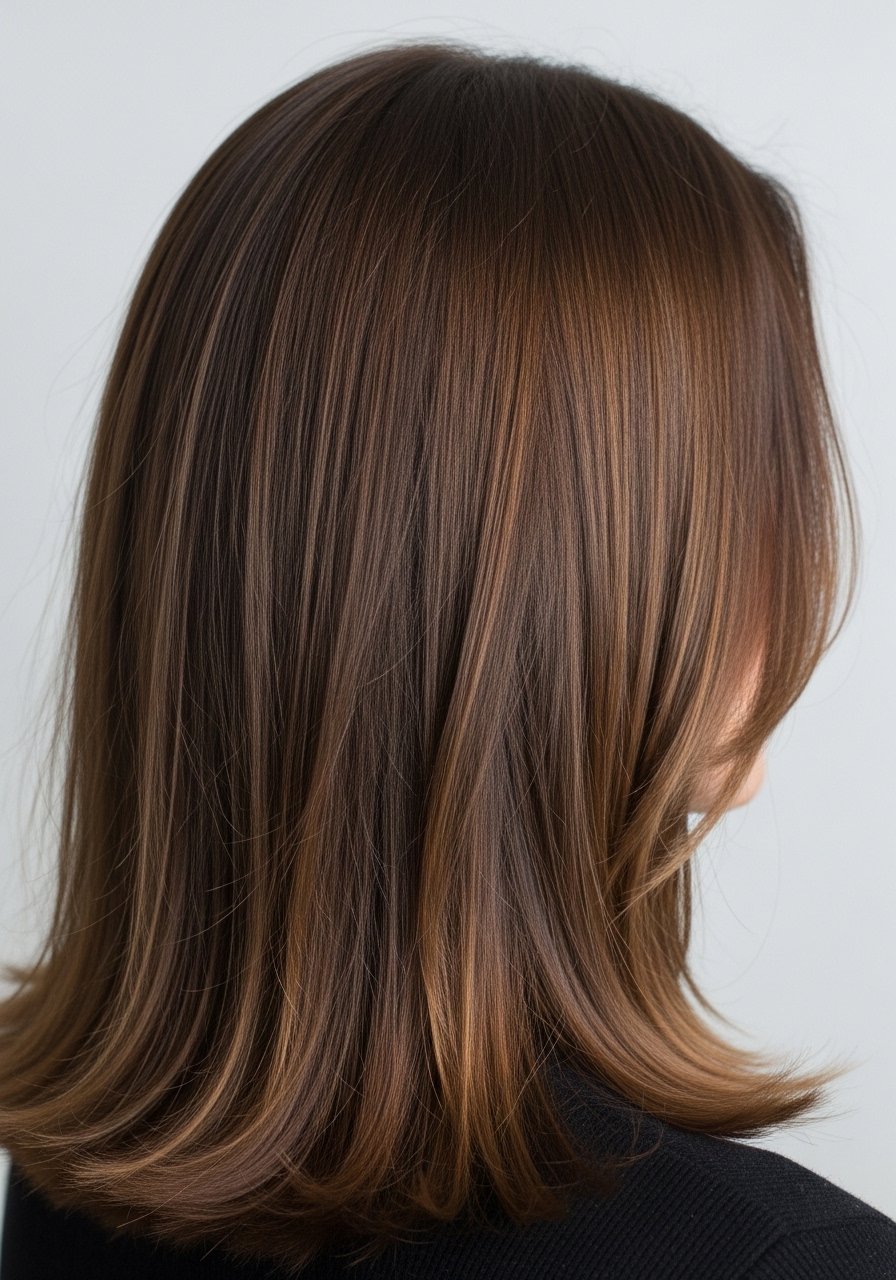
Root smudging is a low-maintenance color trick that blends grown-out roots into the mid-lengths so you can go longer between salon visits. A color-safe glaze applied only to the root line with a soft brush for 2 to 5 minutes keeps things natural. It works on medium to thick hair that wants dimension without contrast. The common mistake is making the smudge too harsh. If you are unsure, a stylist can show you the placement in one session and then you can refresh the glaze yourself every six weeks.
Low-Heat Beachy Waves That Respect the 300F Rule

I stopped cranking irons to max after frying a section of my ends. For soft beachy waves set the iron to 300F or below and wrap 1-inch sections for 6 to 8 seconds. If you must go hotter, heat protectant belongs on damp hair before you blow-dry. For fine hair use a 1-inch barrel, for thick hair use a 1.25-inch barrel and work in smaller sections. The result lasts longer if you finish with a light salt spray and a blast of cool air. Never leave a hot tool sitting on a clamp against the hair for more than a second or you will get a dent.
Micro-Trims at Home That Won't Ruin Your Cut
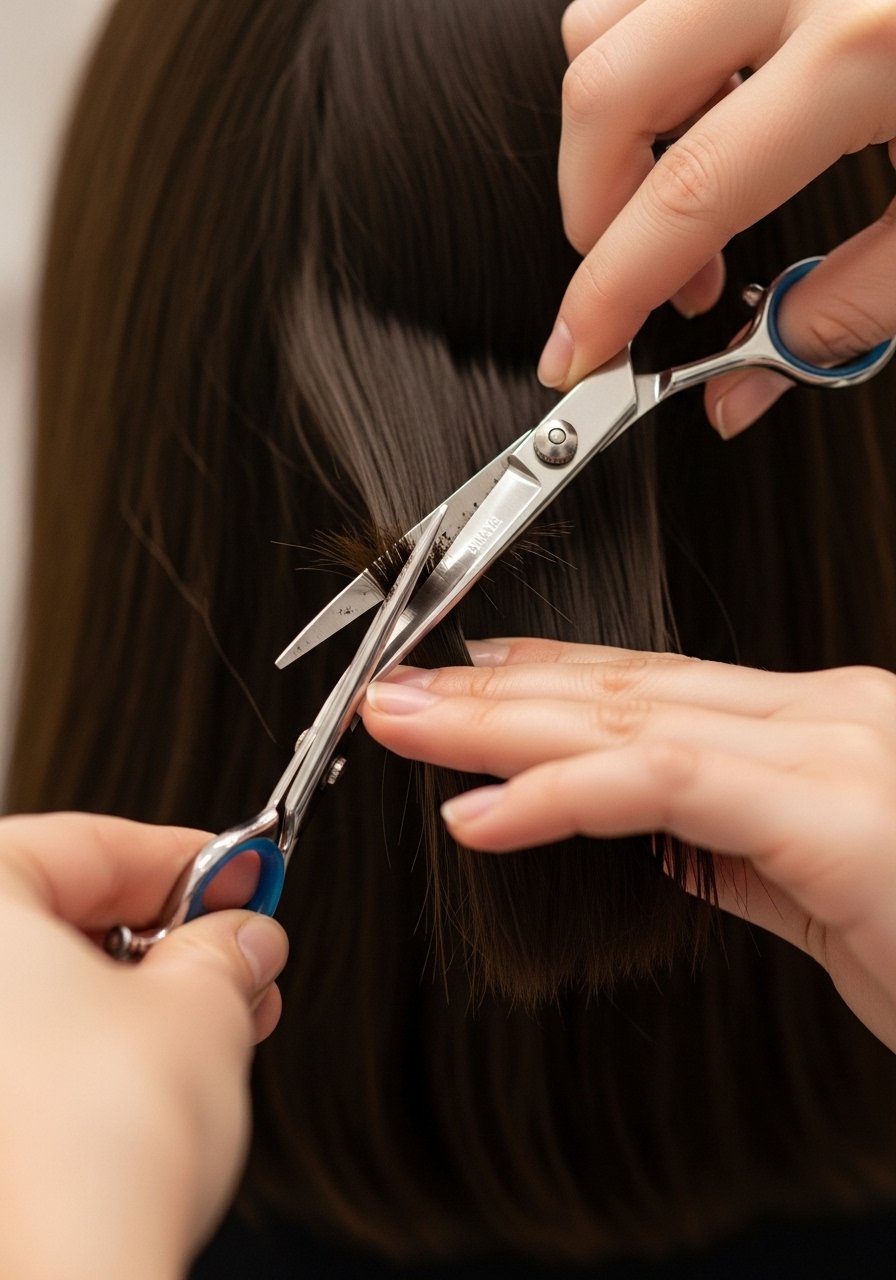
If your stylist is booked and your split ends are screaming, a tiny dusting at home can bridge the gap. Only cut a quarter inch at most from dry hair and work with sharp shears, not household scissors. Section into small 1/2-inch horizontal parts and trim with vertical point cutting to avoid a blunt uneven line. For bangs and face framing, always cut less than you think you need. If you have chemically lightened hair remember that removing too much at once compromises length retention and some fixes need a salon visit.
Root-to-Ends Leave-In Layering That Makes Curls Hold Longer
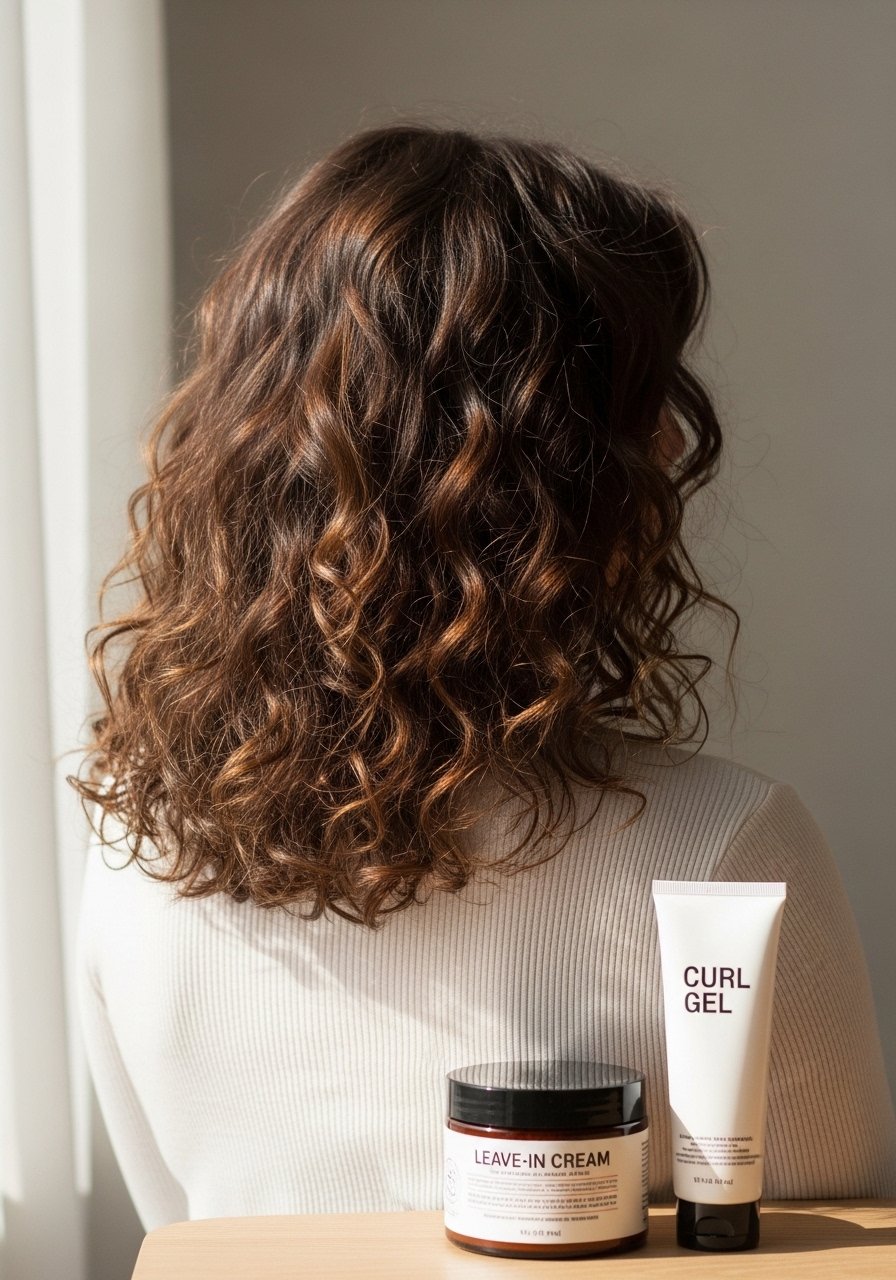
My curls went from flat by lunchtime to lasting because I started layering. On damp hair use a small pump of leave-in cream applied root to ends, then a dime of curl cream on mid-lengths, and finish with a light gel on the outer layer for hold. This is the LOC idea applied simply. Use less product than you think. Too much leave-in makes curls heavy and undefined. For 3A to 3C this routine saves touch-ups and reduces crunch, because you can scrunch and diffuse without losing shape.
Glossy Rinse Alternatives That Stretch the Color Between Salon Visits
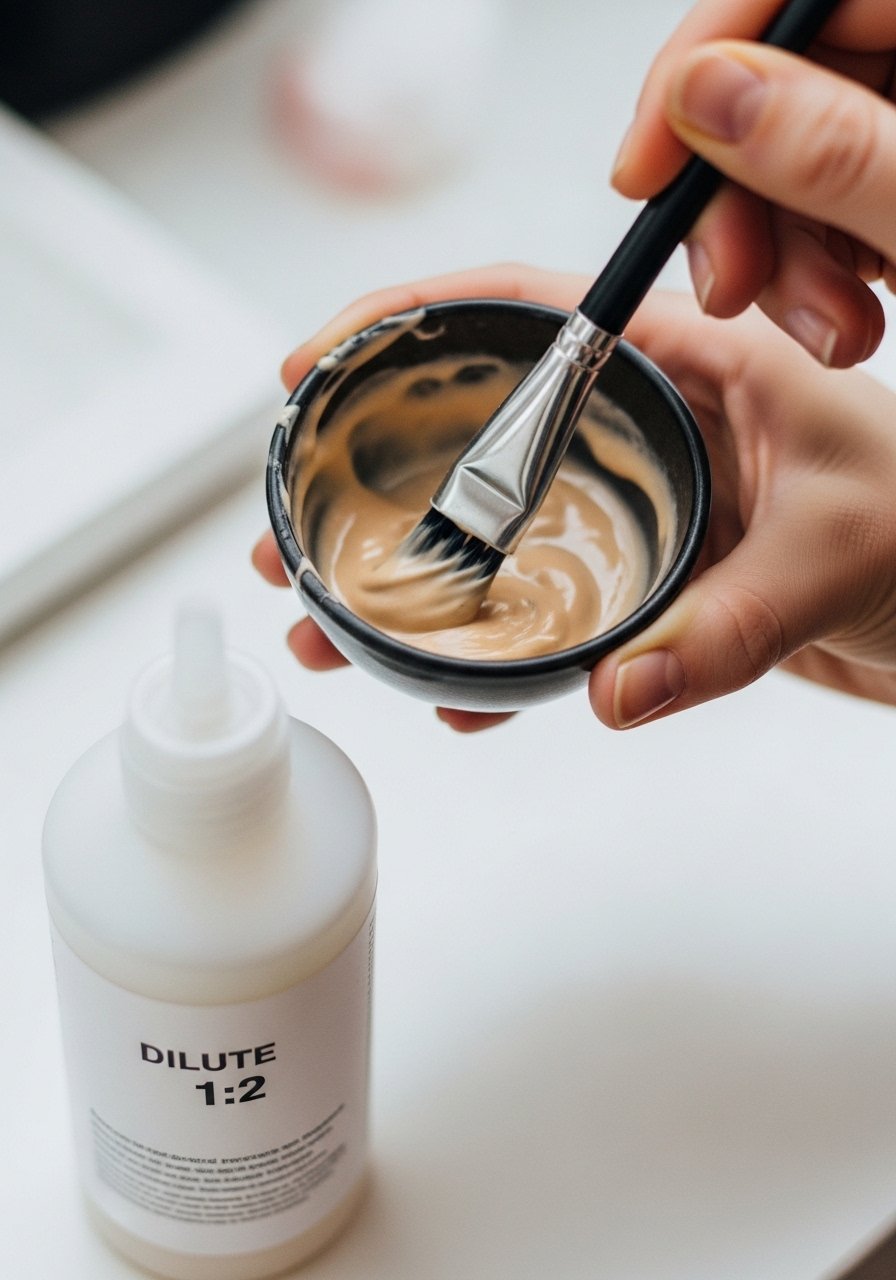
Salon glosses are great but expensive to maintain. A demi-permanent rinse at home diluted 1 part color to 2 parts conditioner refreshes tone and lasts about four weeks. Use an allergy patch if you have scalp sensitivity. Apply from mid-lengths to ends for five to ten minutes, rinse, and the color looks refreshed without heavy lift. Purple toners should be used once a week at most on porous bleached hair, because overuse dries strands. If you have a lot of previous color or high lift needed, see a colorist instead of attempting full correction at home.
Quick Claw Clip Updo for Second-Day Volume
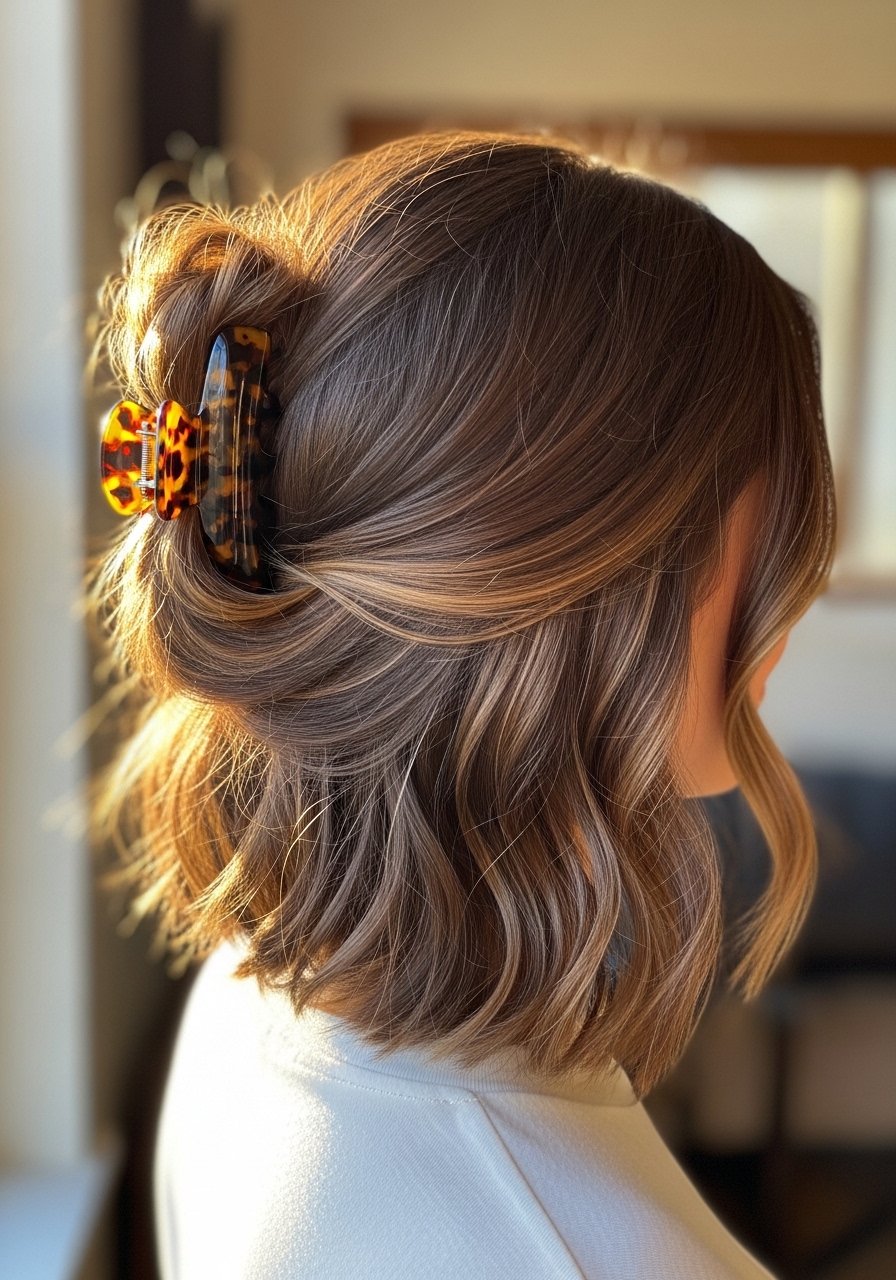
Clip styles are back because they are fast and kind to hair. For second-day hair, gather in a low twist, then open and tug a medium claw clip into place. Pull a few face-framing pieces out to soften. Works for 1B through 3A textures and for thicker hair use two clips if needed. Avoid metal clips that snag damaged ends. If you notice breakage at the crown from repeated tight clips, switch to a softer claw and alternate styles.
What I Wish Someone Told Me Before Trying These Trends
- Heat protectant goes on damp hair, not dry. The cuticle is more open and the product actually absorbs. Color Wow thermal protectant spray is lightweight and plays well under tools
- Grab a microfiber hair towel for $12. It cuts your blow dry time by a third and stops the frizz before it starts
- Hair grows about half an inch a month at most, regardless of supplements. The thing that helps length retention is reducing breakage with a silk pillowcase queen and weekly bond treatments
- Drugstore shampoo is fine. Spend where it counts, on conditioner and a bond builder. Olaplex No. 5 conditioner 8.5oz does more for damaged hair than an expensive shampoo
- If you try bleaching over a darker dye, do not rush it. Lifting over color is a salon job, and attempting it at home often leads to breakage
Frequently Asked Questions
Q: Can I use Olaplex No. 3 if my hair is only a little dry, or will it make my hair heavy?
A: Use very small amounts for hair that is only slightly dry. For shoulder-length, 1 to 2 pumps spread mid-length to ends once a week. It smooths appearance and adds slip for detangling, it does not weigh hair down if you rinse properly.
Q: How often should I use purple shampoo without drying my hair out?
A: Once a week is usually enough for most people with brassy tones. If your hair is porous from bleaching, reduce to once every two weeks and always follow with a rich conditioner to avoid a dry, straw-like texture.
Q: Is it safe to do a root smudge at home if I have dark hair and want lighter ends?
A: Root smudging itself is low lift and safe for at-home maintenance if you are only blending. If you need significant lightening or color correction, that must be done at a salon to avoid uneven lift and breakage.
Q: My curls go flat by midday when I use only gel, what am I doing wrong?
A: Gel-only can produce cast but it often lacks the moisture layer your curls need. Try the leave-in then cream then gel layering approach on damp hair. That extra cream layer prevents the gel from making curls crunchy and collapsing.
Q: Can I bleach over previously dyed dark hair at home safely?
A: Lifting bleach over previous dark dye is the most common cause of breakage. This is a salon-level correction. If you attempt anything at home you risk severe breakage and uneven tones.
Q: Is the Dyson Airwrap worth the cost compared with cheaper tools?
A: The Dyson is lighter, quieter, and faster with thick hair, which for daily stylers can be worth the price. If you style twice a week, a mid-range tool can do the job for less. Consider your hair thickness and frequency before splurging.