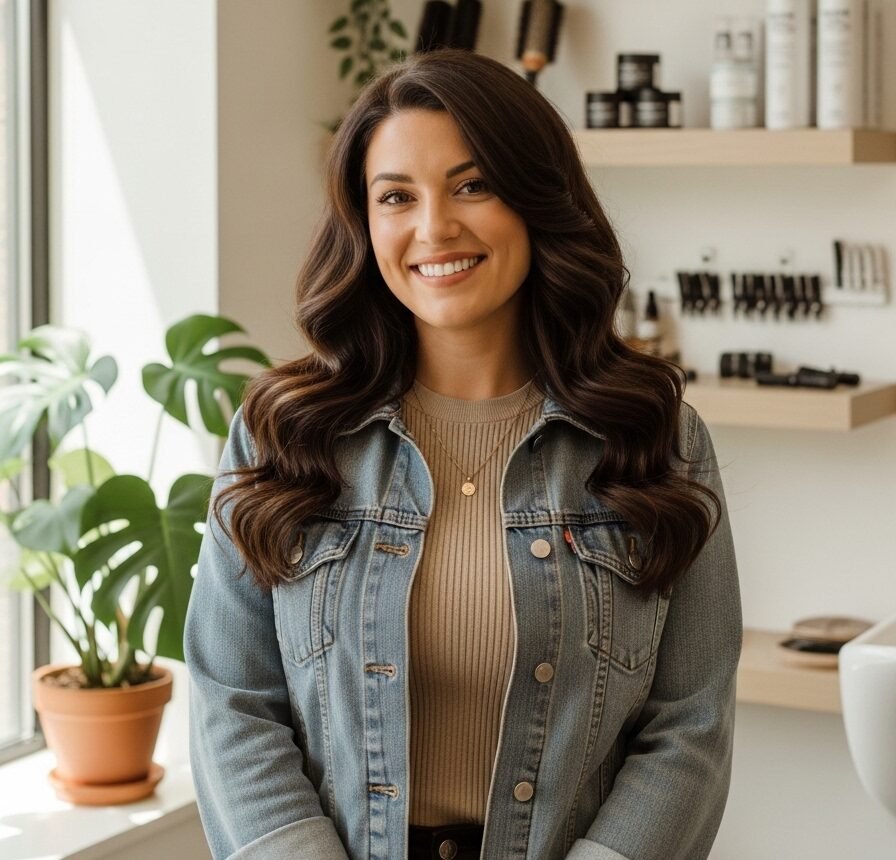
If your medium-length hair looks great right after the salon and then makes your face feel wider by day three, this is for you. I talk to people who want hair that softens cheeks and creates vertical lines, not weight at the sides. These looks work best on shoulder to collarbone lengths, for fine to medium density 2A through 3C textures, and a couple are tweakable for thicker hair. Most styles take 10 to 30 minutes to style at home. Budget ranges from under $20 for simple products to a tool splurge around $200. A few cuts are worth a pro appointment, the rest I do myself.
Long Face-Framing Layers That Slim the Cheeks
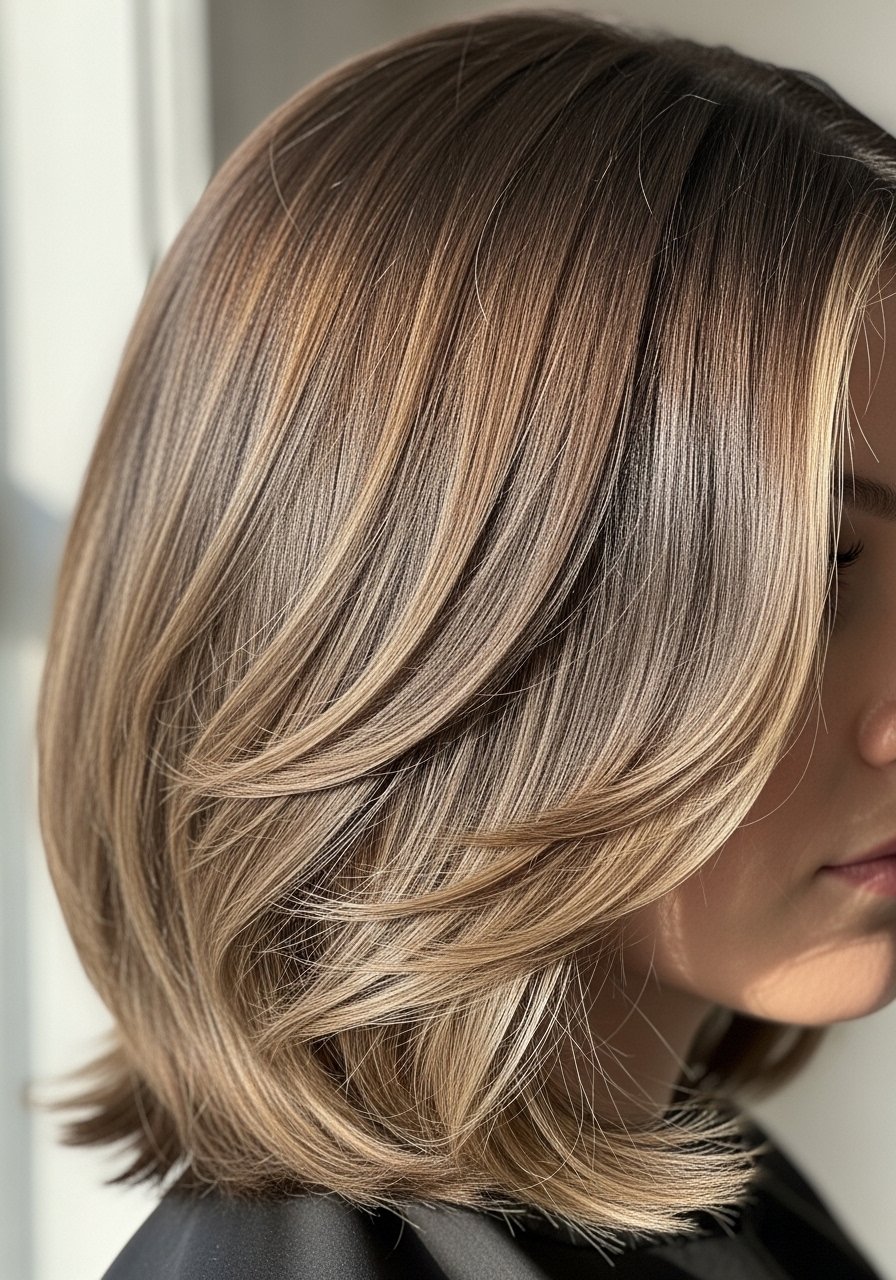
The secret here is vertical movement, not volume at the sides. Ask your stylist for long layers that start at or below the chin and for face-framing pieces that are slightly longer than classic bangs. On medium 2A to 3B hair, I keep the ends blunt enough to anchor the cheek area while adding internal layers for movement. To style, use a 1-inch barrel curling iron at 320 degrees for fine hair and 350 degrees for medium hair, wrap 1-inch sections away from the face for two seconds, then finger-comb. Two light spritzes of Color Wow Dream Coat anti-humidity spray before blow-drying keeps the shape for days. Common mistake, piling product at the ends which makes the face look heavier. This cut is a salon job to get the initial shaping, but trims you can DIY with care.
Curtain Bangs Adapted Without the Forehead Gap
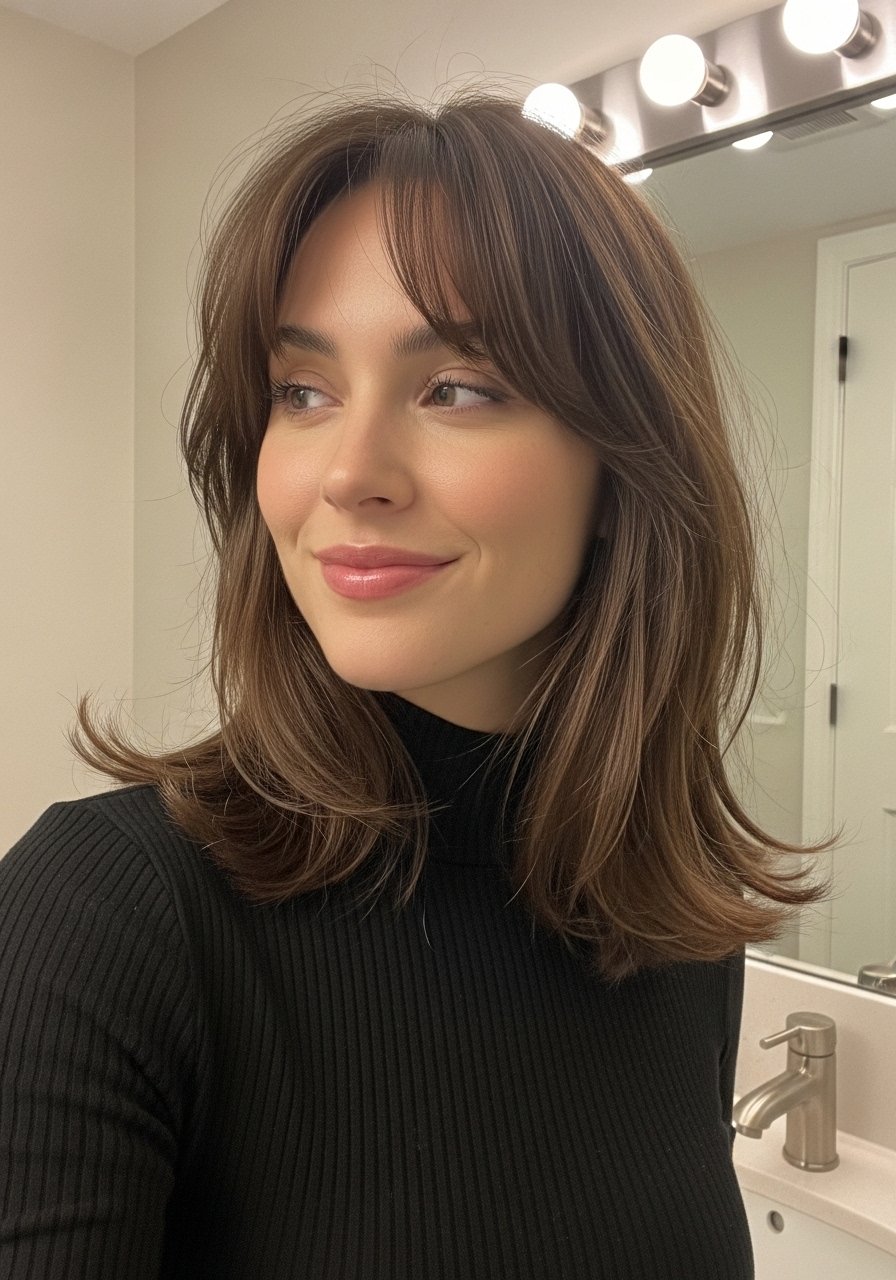
Curtain bangs can slim a round face if they start slightly longer and meet the cheekbones. Have them cut to part naturally down the middle with a 2-inch vertical section at the front. I style them with a round brush, blow-drying from roots to ends at medium heat and finishing with the brush on the inside at 300 degrees for a second to set. If you try to blunt-cut them too short they create a forehead gap that emphasizes roundness. They work on straight to wavy hair, and on curly hair they need more length so they can shrink without exposing the forehead. If you color the bangs, do an allergy patch test first. For at-home upkeep, trim 3 to 4 weeks in between salon visits and avoid heavy waxes that stick them flat.
A Shoulder-Length Lob With Soft Graduated Ends
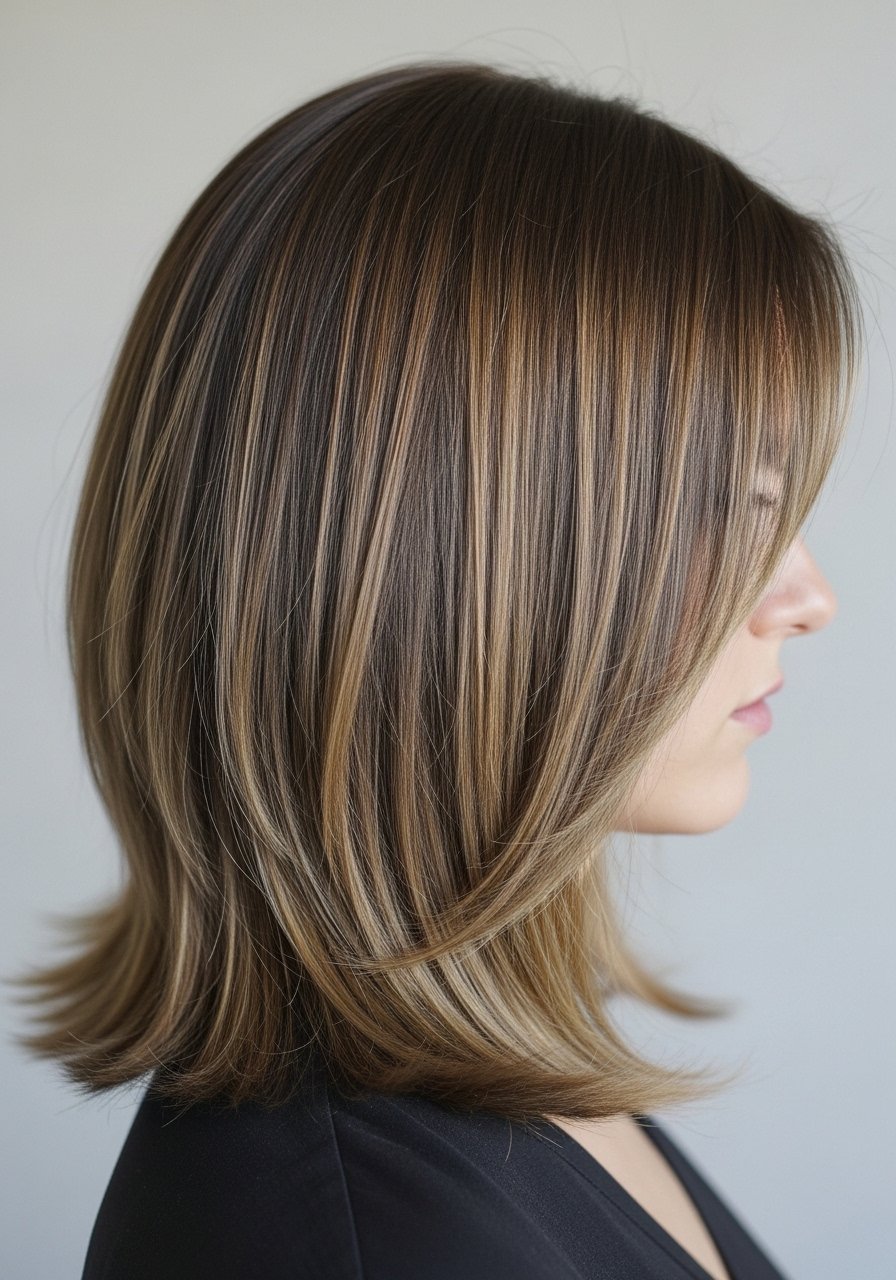
A lob that angles subtly forward gives the illusion of length along the jawline. Ask for a soft graduation rather than an aggressive A-line, which can feel dated. On fine to medium density straight hair, blow-dry with a medium round brush and finish with a flat iron on 320 degrees, gliding each 1-inch section once. Put product where it matters, roughly 80 percent at mid-lengths and ends, 20 percent at the roots. A pea-sized amount of lightweight oil on the ends after styling keeps things from frizzing. Salon shaping is recommended the first time, but after that three to four month trims and a weekly at-home smoothing mask do the job.
Deep Side Part With an Asymmetrical Lob
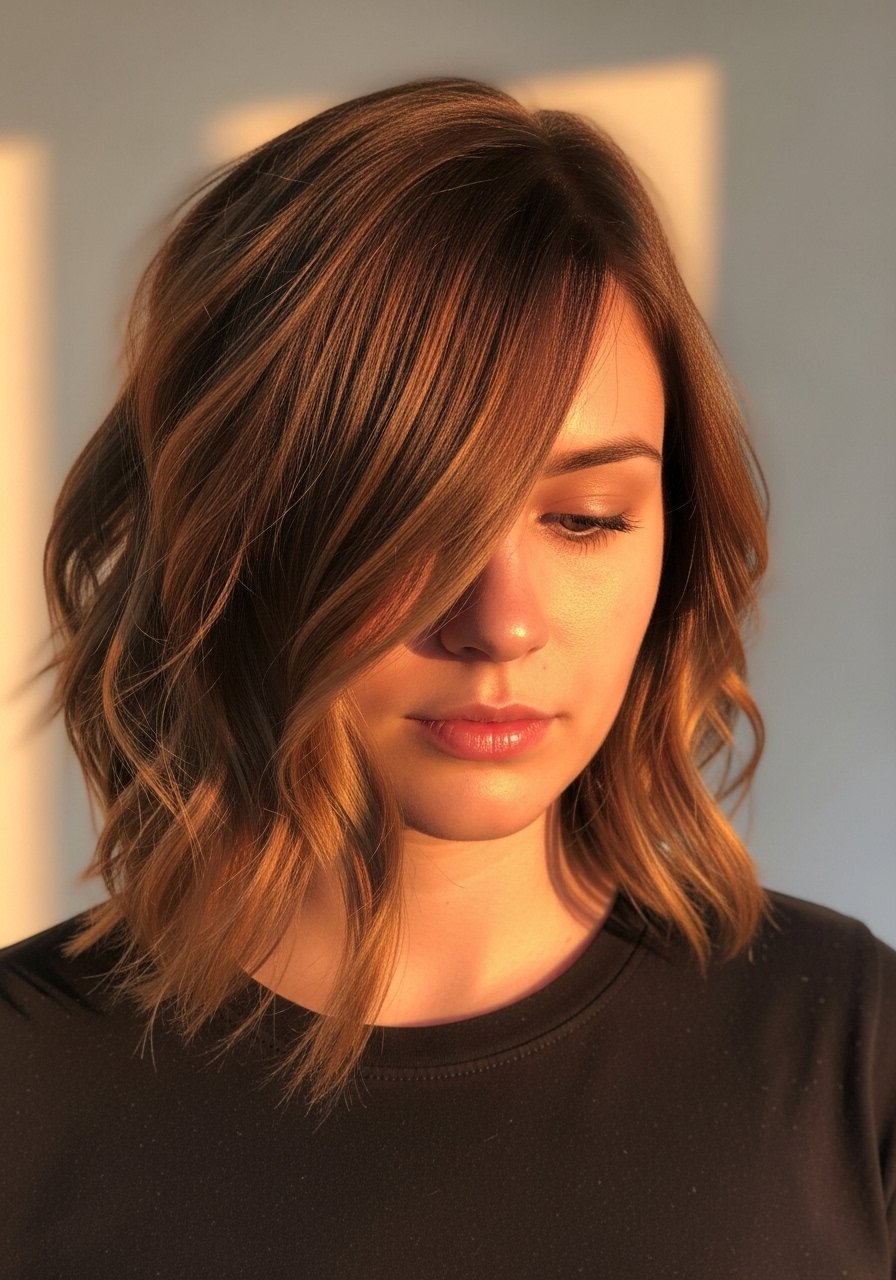
A deep side part is an easy optical trick to create vertical lines for round faces. For medium waves, part on the heavy side and sweep hair across the forehead. If you use a round brush while blow-drying, aim the nozzle down the hair shaft to smooth without adding side volume. I use an 80/20 product placement here, two spritzes of sea salt spray at the roots and a golf-ball-sized amount of curl cream at mid-lengths to define the wave without puffing the sides. Common mistake is back-combing at the temples which widens the silhouette. This is a quick at-home change with no cut required, but a subtle trim to keep the front weight precise helps maintenance.
Blunt Bob With Soft Interior Layers
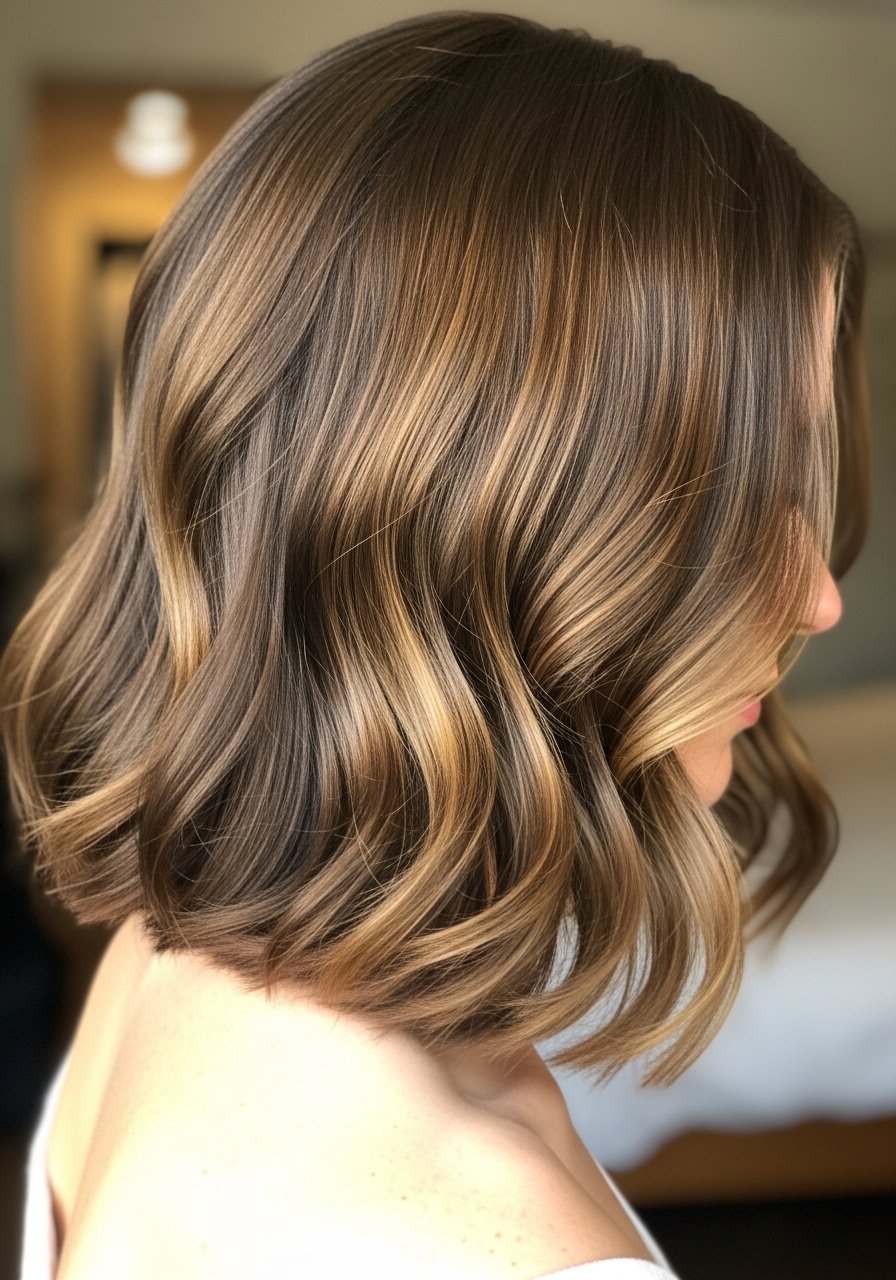
A blunt line that hits at the jaw or just below can sharpen a round face if you drop interior layers that move without adding bulk. Interior texturizing lets the ends sit closer to the face so the silhouette looks longer. For styling, blow-dry using a paddle brush then run a flat iron at 320 degrees through 1-inch sections, bending the plate inward at the ends to create a subtle curl under. If you have thick hair, ask for two internal layers rather than chopping length. A common mistake is thinning too much at the ends which makes hair stick out and actually widen the face. This cut is worth doing with a pro initially. For home touch-ups, use a smoothing conditioner once a week.
Wolf Cut With Longer Face-Framing Pieces
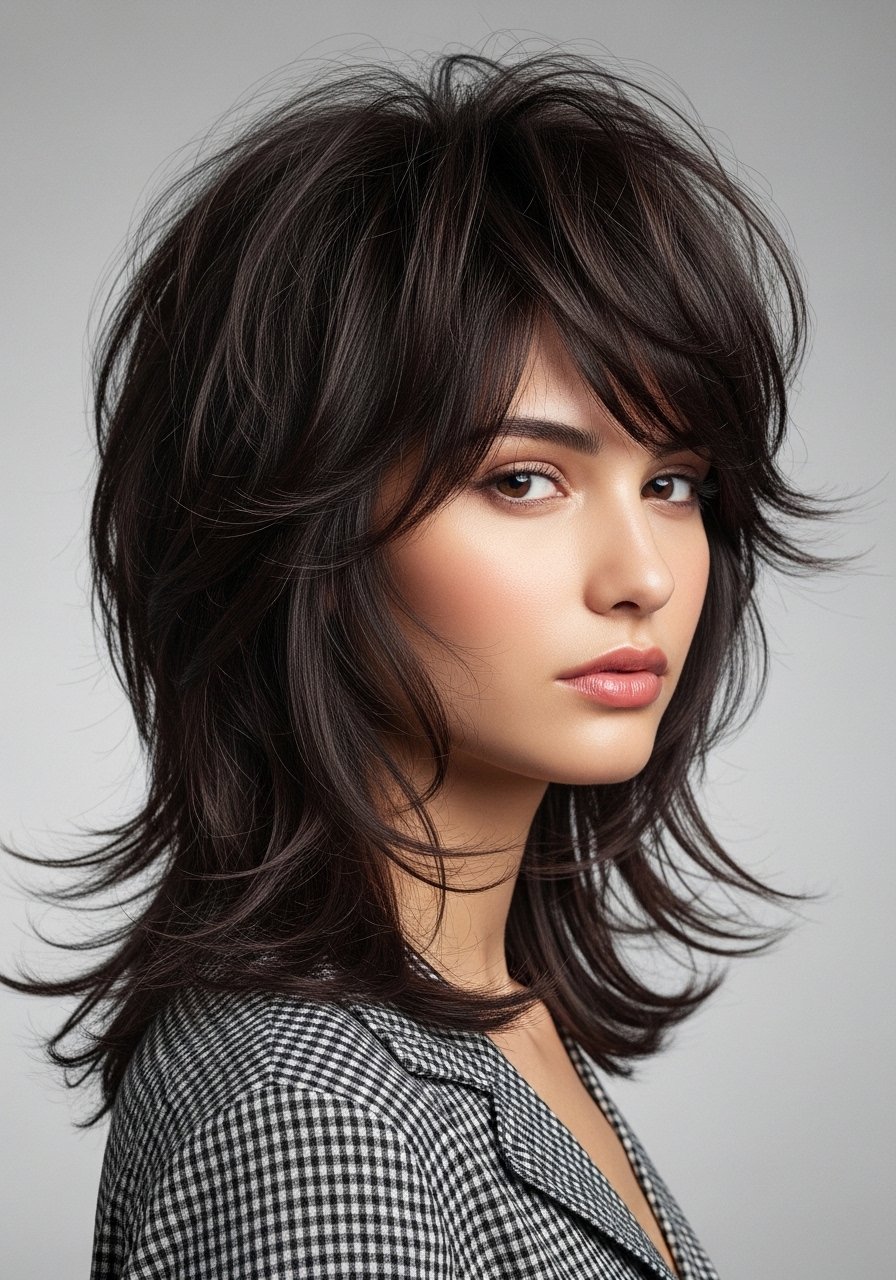
The wolf cut can work on round faces if you lengthen the front framing pieces and avoid too much volume at the cheeks. Ask for longer face-framing layers and lighter weight in the crown only, not at the sides. On textured, medium-density hair, scrunch in a nickel-sized amount of mousse into damp hair and diffuse on low, using the LOC method starting with a light leave-in, then oil, then cream. A common mistake is piling thick waxes into the crown which adds width. This is a cut I usually book at the salon because the layering needs to be precise. If you try it at home, start with small 1/4-inch point cuts and test on a hidden section first.
Soft Waves With Root Lift for Vertical Balance
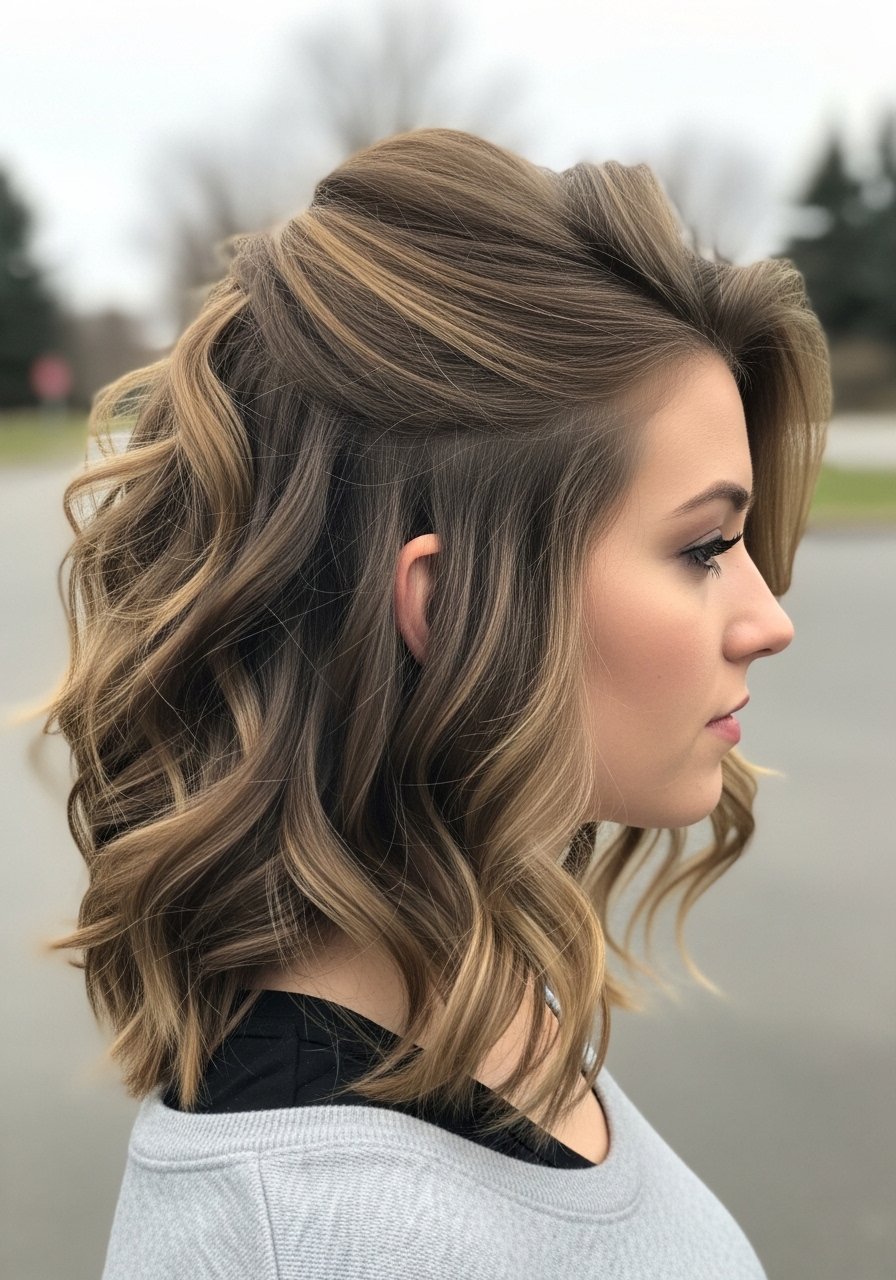
If your round face needs height, build it at the crown, not at the temples. I rough-dry with my head flipped for 60 seconds, then pin the crown in two 1-inch vertical sections to cool for two minutes to lock lift. For setting, use a 1-inch curling iron at 340 degrees on medium density hair and curl small 1/2-inch pieces away from the face. Finish with a lightweight root-lift spray, applied five inches from the roots so you do not stiffen the hair at the scalp. The mistake I see most is overdoing product at the sides, which creates more horizontal mass. These styling steps take about 15 minutes and work well for 2B to 3C textures.
Sleek Middle Part With Under-Styled Ends
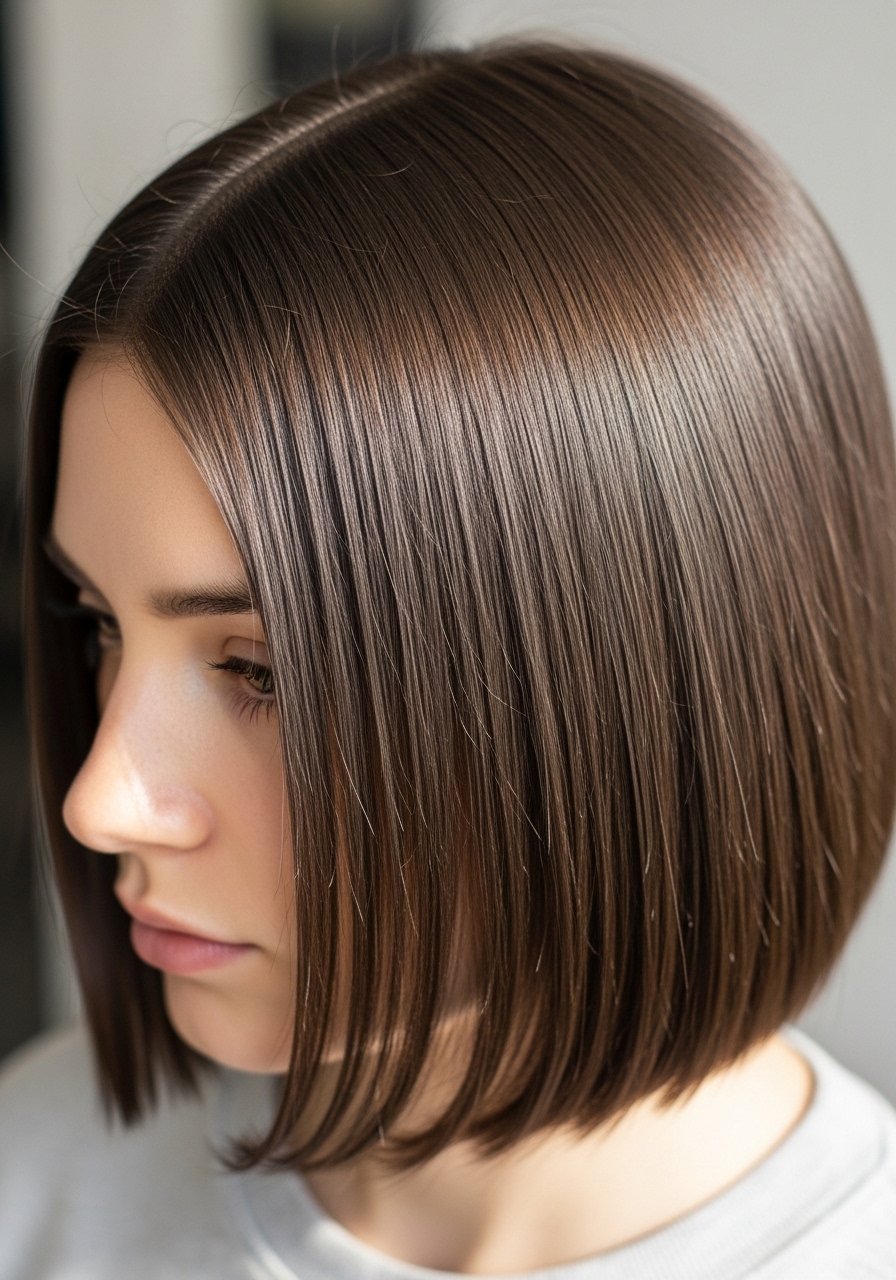
A clean middle part can elongate a round face when paired with ends that tuck under toward the jawline. Use heat protectant on damp hair before any iron over 300 degrees. I apply two pumps of heat protectant, blow-dry smooth, then use a flat iron at 320 degrees on 1-inch sections, bending the iron gently at the ends. Avoid too much shine serum at the roots. For fine hair, keep the part slightly off-center until you are comfortable with the look, because a perfect center can emphasize roundness if your hair is very thin. This is doable at home, but initial precision parting is a salon skill some people prefer to learn in a cut appointment.
Money Piece Highlights To Create Vertical Light
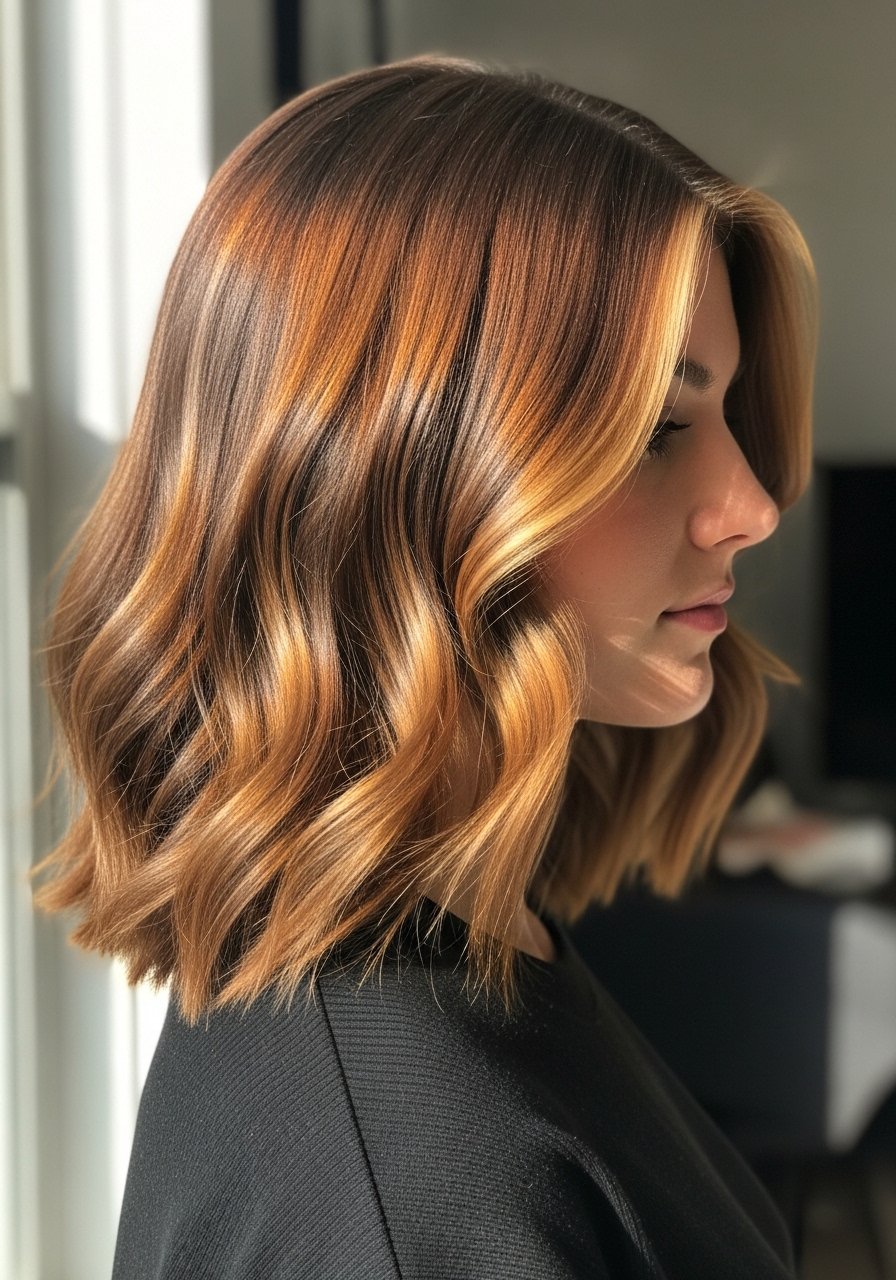
Face-framing money pieces, placed vertically, draw the eye down rather than out. If you do them yourself, use a bleach cream only on a thin 1/2-inch vertical slice and check lift every five minutes to avoid overprocessing. Bleaching over existing dark dye is risky, and lifting on previously colored hair can cause breakage, so consider a professional for dramatic lifts. For low-commitment brightness, try a semi-permanent dye two levels lighter. A common mistake is lightening too much at the temple which creates contrast that widens the face. Use a gloss after color to cancel brass, and buy premium items from the official store on Amazon or at Sephora to avoid counterfeits.
Low Knot With Face-Framing Tendrils
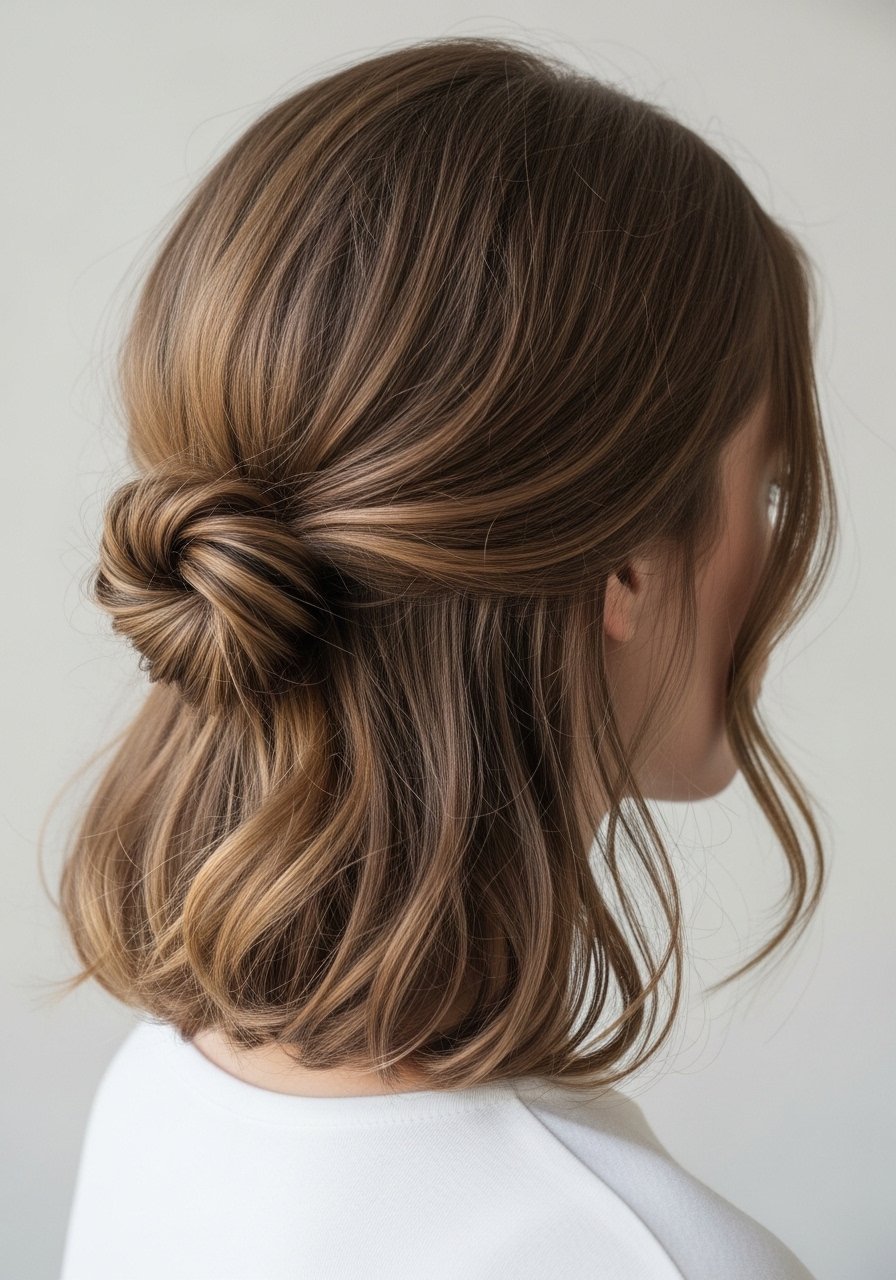
A low knot or low bun sits near the nape and keeps width low. Pull hair loosely, secure with a claw or elastic, and tug a quarter-inch at the crown for lift. Pull two face-framing tendrils, then run a curling iron at 320 degrees through each tendril for one second to shape. If you have layered hair, tuck shorter bits behind the ear so they do not stick out. This style takes five minutes and works on most textures, but avoid heavy wax near the face or the tendrils will stick and narrow your framing. Use a silk scrunchie or claw clip to prevent dents and breakage.
What I Actually Keep In My Medium-Hair Kit
Olaplex No. 3 hair perfector 3.3 oz. I use this once a week when my ends start to feel rough. Buy from the official Olaplex store on Amazon or at Sephora to avoid counterfeits.
Color Wow Dream Coat anti-humidity spray. Two spritzes before blow-drying keeps waves separated and frizz down.
Satin pillowcase queen size. Cuts morning frizz for $15.
1-inch ceramic curling iron. Pick one with adjustable temperature so you can use 320 to 350 degrees safely.
Microfiber hair towel wrap. Cuts dry time and stops the frizz halo.
Boar bristle paddle brush. Distributes oil and smooths ends without weighing the roots.
Lightweight root-lift spray. I apply it sparingly at the crown for vertical balance.
Small claw clips, pack of 6. Cheap and useful for quick sections and low knots.
What I Wish Someone Had Told Me About Medium Cuts
- Heat protectant goes on damp hair, not dry. The cuticle is more open and the product actually absorbs. A lightweight heat protectant spray is all you need before irons.
- Grab a microfiber hair towel for $12. It cuts your blow dry time by a third and stops the frizz before it starts. This is Format B, link-first.
- Hair grows about half an inch a month at most, regardless of supplements. The thing that helps length retention is reducing breakage with a silk pillowcase and weekly bond treatments. This is Format C, insight-first.
- Swap gel-only for layering a leave-in cream underneath. I switched to that on my curlier friends and second-day texture improved massively. Use a light curl cream under gel for hold without crunch. This is Format D, contrast-first.
Frequently Asked Questions
Q: Can I use Olaplex No. 3 if my hair is not damaged, or will it make it worse?
A: You can use Olaplex No. 3 on hair that is not visibly damaged, it will not harm it, but it works best if you have chemical or heat damage. If you buy on Amazon, get it from the official Olaplex store or Sephora to avoid counterfeits. Use once a week and rinse thoroughly.
Q: How often should I actually use purple shampoo to fix brassy tones without drying my hair?
A: Once a week is the sweet spot for most people with highlighted mid-browns to blonde. If your hair gets dry, cut back to every other week and follow with a hydrating mask. Overuse for more than a few months can leave hair feeling brittle.
Q: My curls fall flat by lunch. Is flipping my head and rough-drying the only fix?
A: Not the only fix. Try plopping for 20 minutes on a microfiber towel, then diffuse on low while holding the roots up. Also, layering a leave-in cream under a light gel prevents the wet-noodle effect by 11am. Two spritzes of root-lift at the crown before diffusing helps too.
Q: What temperature should I use for curling irons on medium thickness hair?
A: For medium density hair, 340 to 360 degrees is usually enough. Fine hair respond to 320 degrees, thick hair often needs 380 degrees. Always apply heat protectant if you plan to go over 300 degrees.
Q: Can I DIY money pieces at home without breaking my hair?
A: You can do subtle, small money pieces at home using a demi or semi-permanent color one to two levels lighter. Avoid full bleach slices unless you are experienced. Lifting over darker or previously dyed hair is a salon job because it often requires staged sessions to avoid breakage.
Q: How do I keep medium cuts from looking wider over time?
A: Watch where weight sits. If you notice width at the cheeks, ask your stylist to lower internal layers or add longer face-framing pieces. At home, avoid heavy oils at the sides and use root lift at the crown. Regular three to four week micro-trims keep the silhouette tidy.