I bleached my own hair in September because I wanted honey blonde for fall. Two weeks later my curl pattern felt off and my ends were paper thin. After three salon fixes, weekly Olaplex and dialing back heat, my color settled into something I actually wear. These nine looks and routines are what worked for me and my friends, for real life not just filtered photos.
These ideas are written for 3A through 4C textures, shoulder length to mid-back. Some looks are quick DIY and cheap, others need a salon session and budgeting for correct lifts. Time ranges from a 10-minute gloss to a full color day. If you plan to lighten from dark brown or previously dyed hair, expect multiple appointments or a longer at-home timeline.
Money Piece Face-Framing Honey Blonde
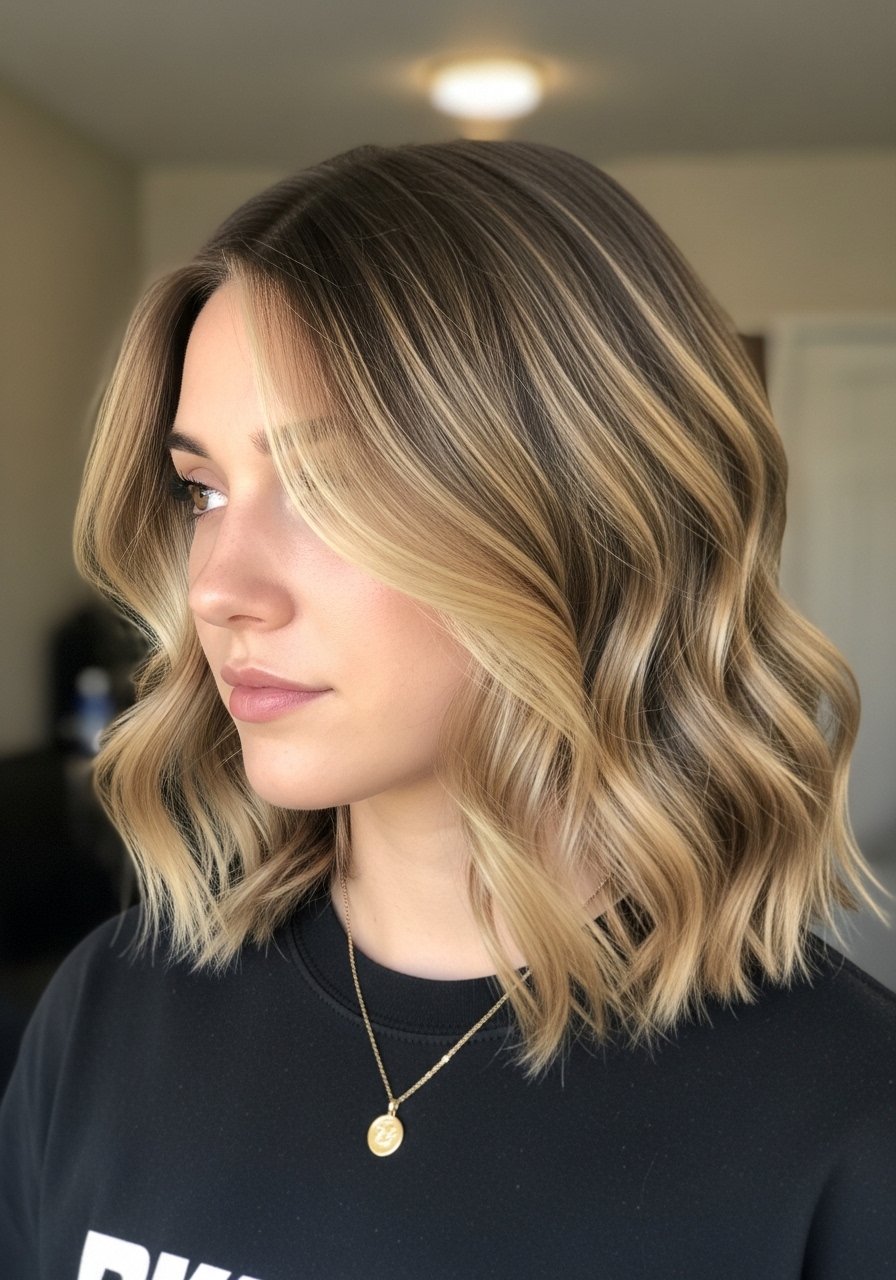
Cutting a few sections at the front and lifting them two to three levels creates that soft money piece pop without committing the whole head. This suits 2A through 3C waves and medium-density curls best because the face frame reads even when hair is stretched. At the salon ask for a root-smudge or do a DIY with 10 to 20 foils, 20-volume developer for 20 to 30 minutes depending on starting pigment. Once toned, I keep these bright for six to eight weeks with a once-a-week purple shampoo wash and a weekly bond treatment like Olaplex No. 3 Hair Perfector. Common mistake, lifting those front pieces too hot and burning the curl pattern. If you are bleaching over previous color, this should be a salon job, not a kitchen experiment.
Honey Blonde Balayage With Root Shadow
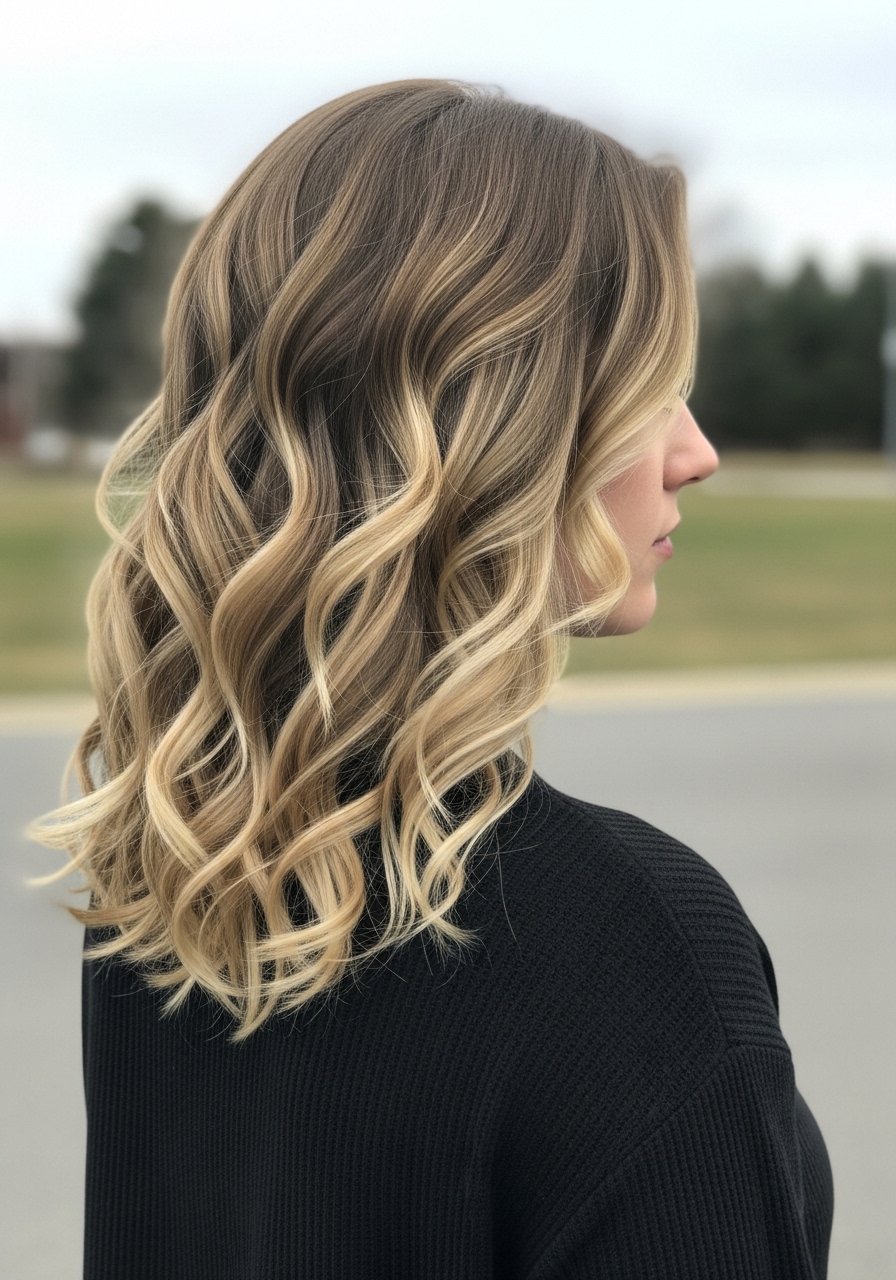
Balayage plus a root shadow is my default if I want dimension with lower upkeep. It works well for 3B to 4A textures because the natural curl depth hides the painterly placements. Ask for sections the width of a nickel at the hairline and a quarter in the mid-lengths, painted more sparsely toward the ends. A salon gloss every 8 to 10 weeks keeps the tone warm without brass. At home, cut back on purple shampoo to once every 7 to 10 days to avoid drying the hair, and use a leave-in cream under your styling gel following an LOC method to preserve moisture. Mistakes I see, overlapping bleach on previous lifts. If you must DIY, work with small sections and test a strand first.
Soft Honey Blonde On 4C Coils
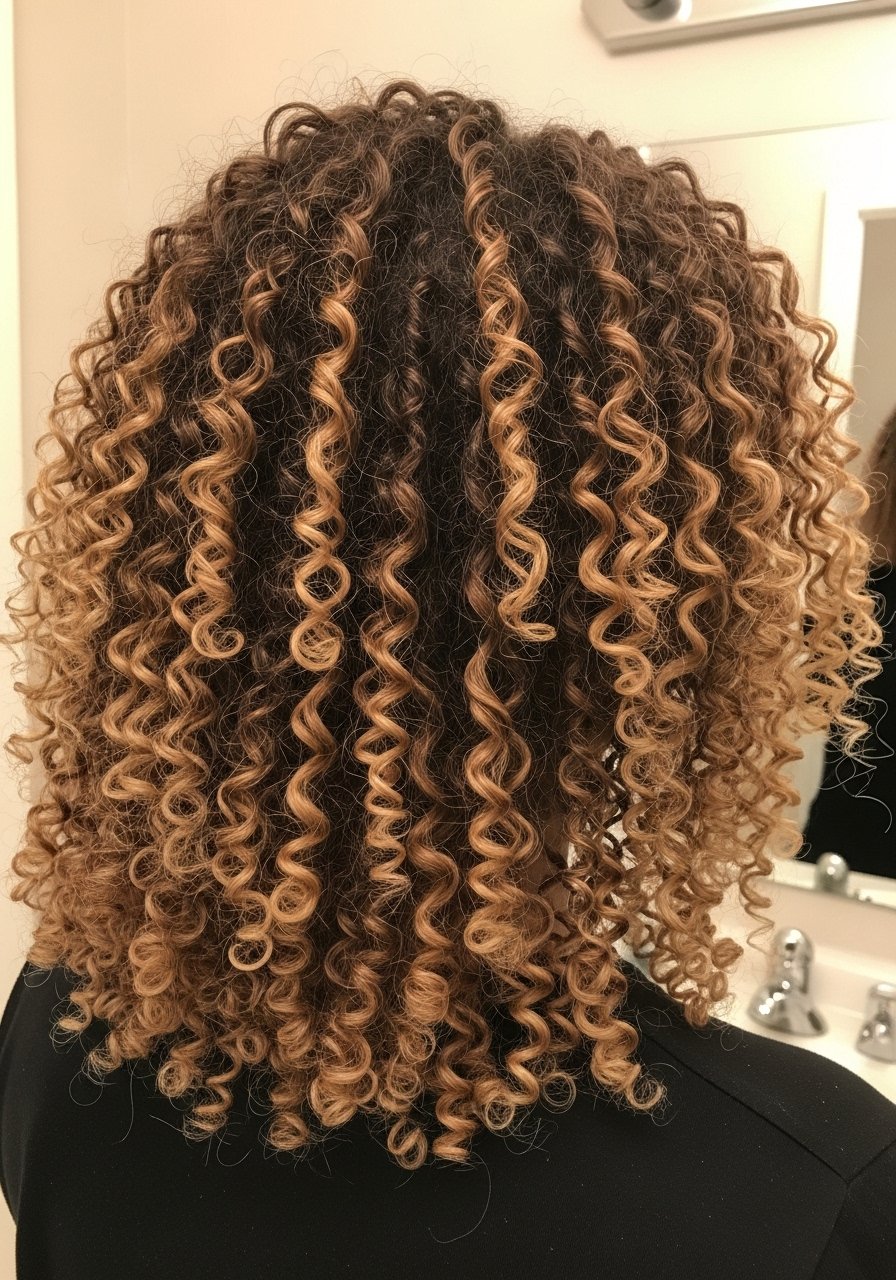
For tight coils, honey blonde looks best when focused on the mid-lengths and ends rather than all-over. I advise a staged lift across two sessions spaced six to eight weeks apart to protect the curl integrity. Use low-porosity-safe techniques like applying heat with a warm towel and processing with 20-volume developer for shorter windows, not 30-volume. After color, weekly Olaplex No. 3 or a protein balancing mask helps maintain elasticity. In styling, the LOC method works great here, leave-in cream first, then oil, then cream-based gel. Common problem, over-washing with clarifying shampoo. Limit clarifying to once every two weeks for color-treated coils to avoid fading and dryness.
Honey Blonde Tips On Shoulder-Length Locs
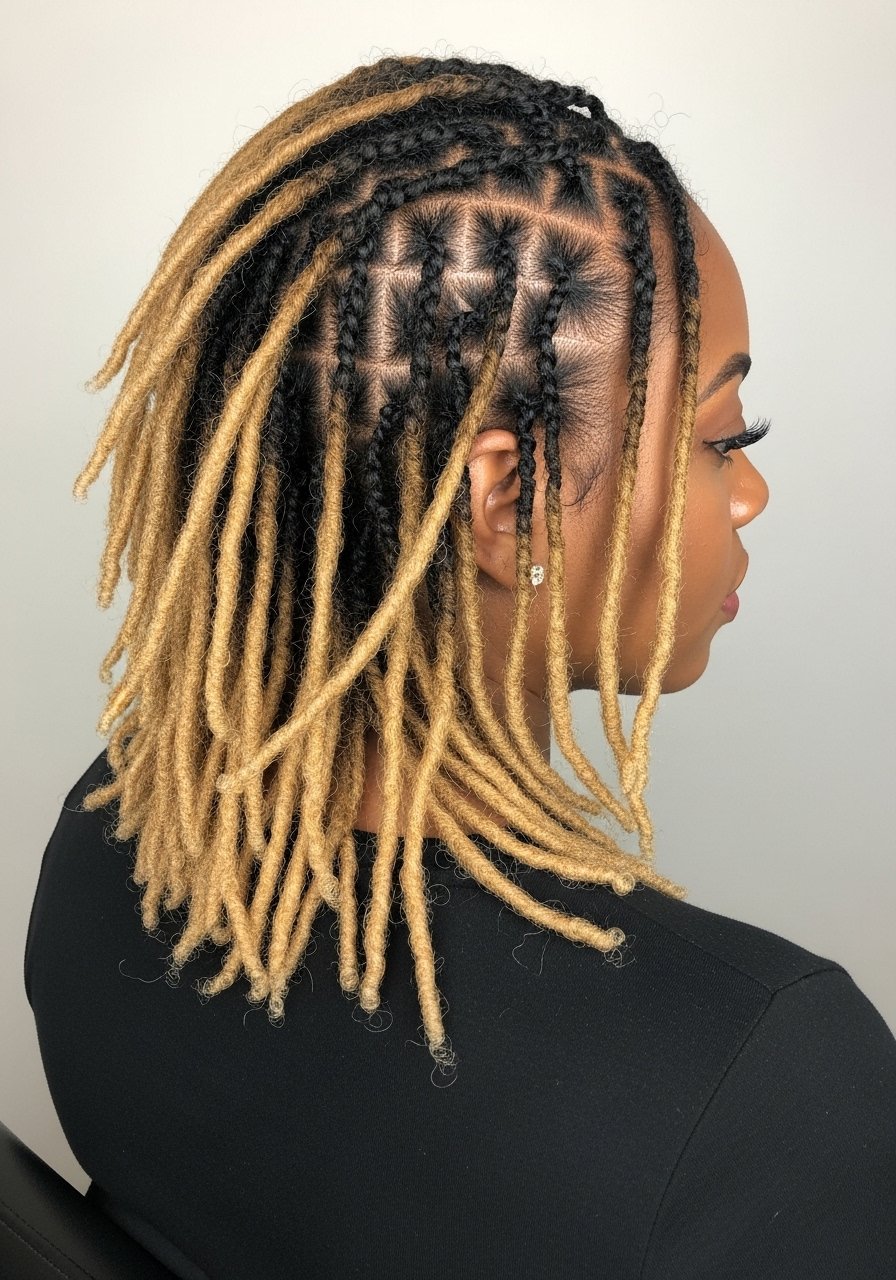
Coloring locs requires patience. I have had friends lift only the tips for a sunkissed effect, which cuts processing time and damage risk. For locs with medium porosity, apply bleach paste on the ends in two passes, 20-volume first pass, then spot-check in 10 to 15 minute increments. Rinse thoroughly and neutralize with a cool water rinse. Seal color with a demi-gloss at the salon or use a color-depositing conditioner at home every three to five washes. A common mistake is soaking loc roots in bleach, which weakens the base. If you have sensitive scalp, patch-test toner and avoid scalp-touch bleaching. Keep a hydrating oil nearby to smooth the cuticle between sessions.
Low-Commitment Honey Blonde Gloss Treatment
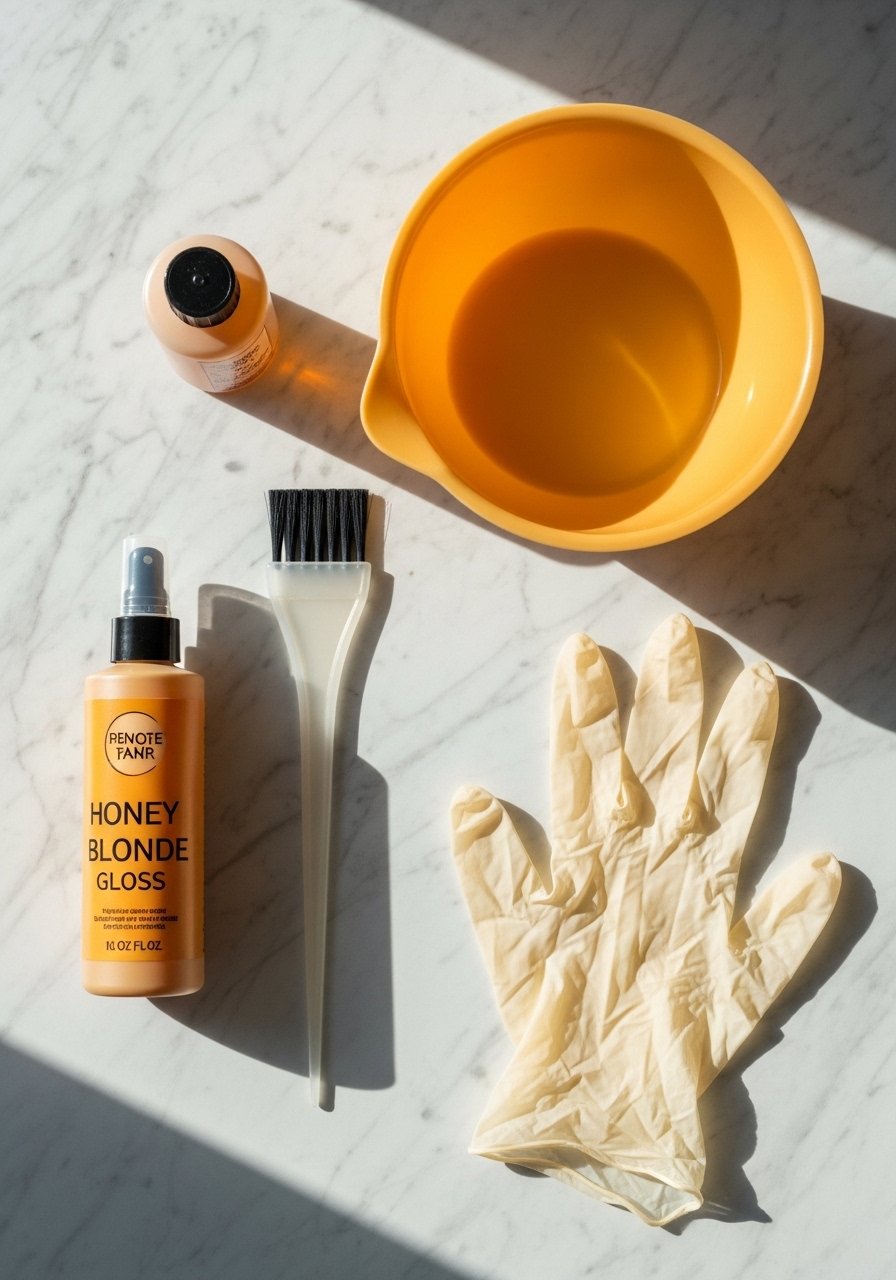
If you are not ready for bleach, a gloss is the fastest way to warm up natural color for fall. A salon gloss lasts four to six weeks and adds tone while smoothing the cuticle. At home you can use a demi-permanent gloss once every three to four weeks. I mix about 1 to 1.5 ounces of gloss with 1.5 percent developer and process for 10 to 15 minutes. This is low cost and low risk, and it fixes brassiness without lifting. Watch the timing, too long and you risk a warmer tone than intended. Glosses do not lighten hair, they only deposit tone, so they are safe over previously colored hair when used as directed.
Bronze To Honey Blend For Warm Fall Skin Tones
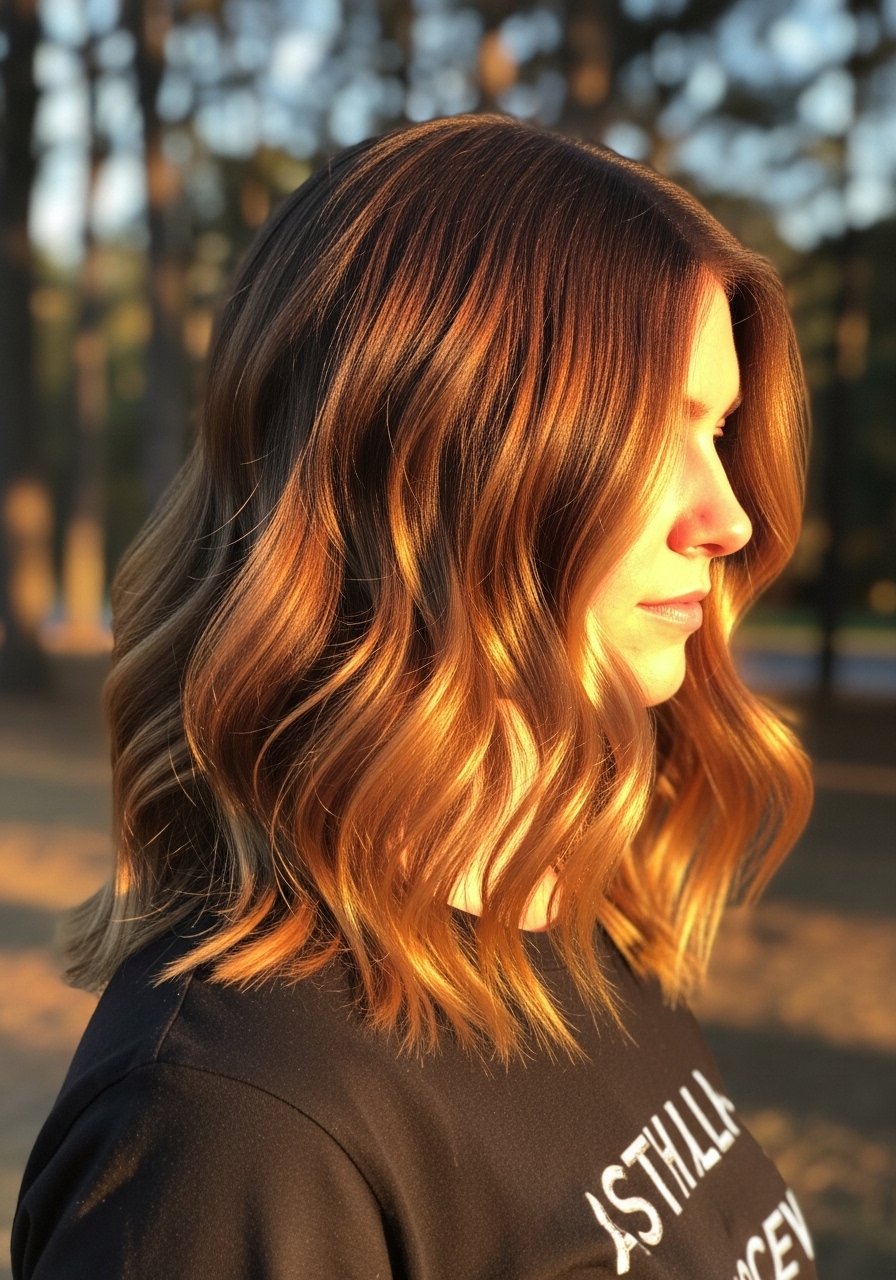
If your skin tone reads warm, a bronze-to-honey melt can look very natural during fall. I usually ask my colorist for a bronze base with hand-painted honey highlights toward the mid-lengths. For at-home attempts start with a subtle glaze or a 10-volume tint to warm mid-lengths, then add thin honey brightness on outer layers to catch light. This approach reduces maintenance and keeps darker roots for depth. A common oversight is using a too-cool toner that fights the warmth you want. Use a heat protectant before any iron above 300F and keep hot tools on a medium setting around 325F for most textured hair.
DIY At-Home Toner Routine To Avoid Brassiness
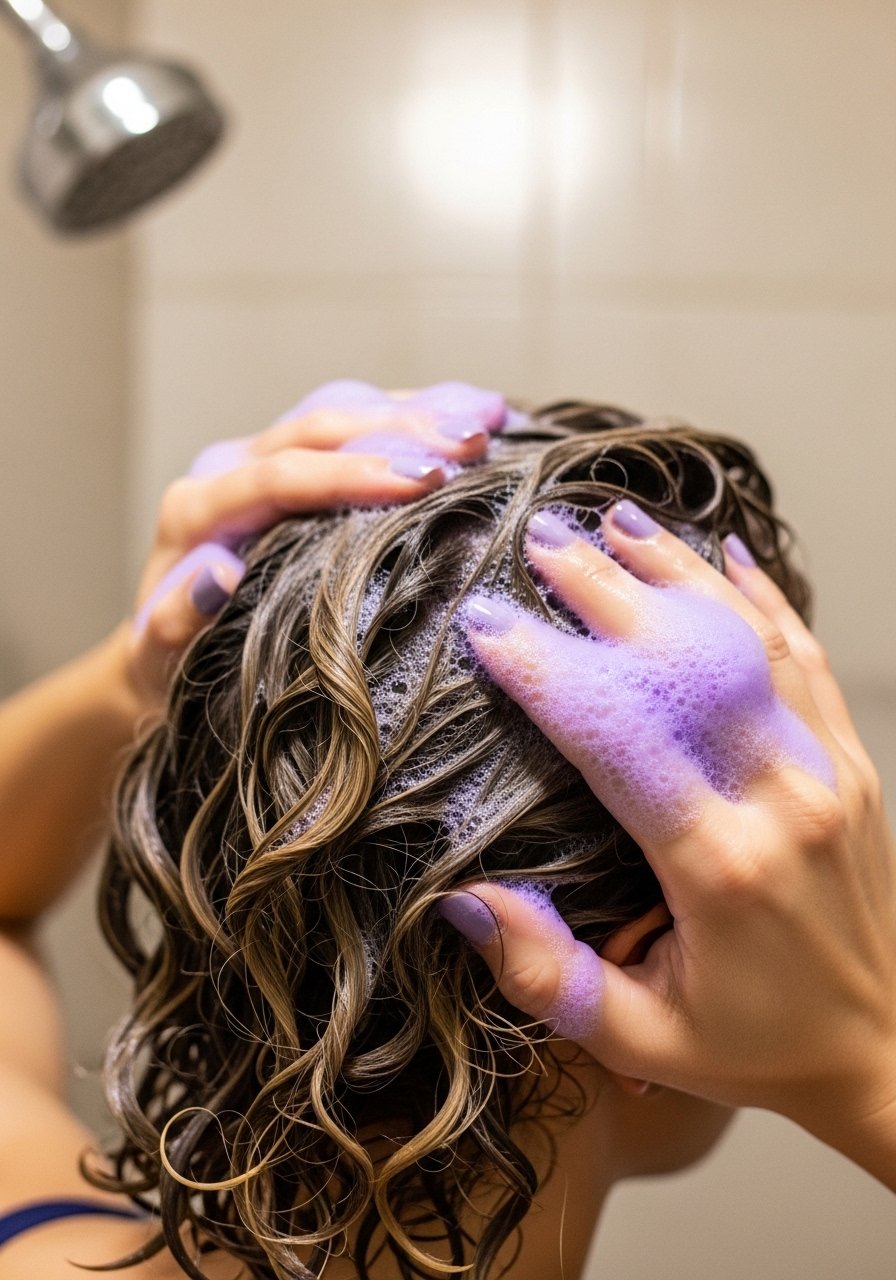
When I first went honey blonde I overused purple shampoo and my hair felt brittle. The sweet spot for purple shampoos is once every 7 to 10 days, not every wash. Use a small amount, 1 to 2 tablespoons, massage into mid-lengths and ends only, leave for three to five minutes, then rinse. Follow with a rich conditioner and a weekly bond builder. If your hair leans warm faster, a quick at-home toner using a diluted purple mask can be done every three washes. Avoid leaving purple products on more than the recommended time, they will dry your hair out and can tint porous ends purple. For sensitive scalps patch-test products first.
What I Actually Keep In My Honey Blonde Kit
- Honestly the one I buy the most, Olaplex No. 3 Hair Perfector, used once a week. Buy from the official Olaplex store on Amazon or Sephora to avoid counterfeits
- For color-safe daily cleansing, Olaplex No. 4 Bond Maintenance Shampoo, 250ml pairs with No. 5 conditioner
- For brass control, Fanola No Yellow Shampoo 10.1oz. Use once every 7 to 10 days, not every wash
- For heat protection, Color Wow Pop and Lock Heat Protectant 6oz, apply to damp hair before any tool over 300F
- For styling and definition, a microfiber hair towel and a wide-tooth detangling comb save breakage
- For overnight care, a silk pillowcase queen size. It cut my morning frizz noticeably
- For glossing at home, a demi-permanent gloss kit for touch-ups between salon visits
- For bond building in the salon or at home, Briogeo Don't Despair, Repair! Deep Conditioning Mask 8oz. Use weekly for porous color-treated hair
- For diffusing curls, a universal diffuser attachment that fits your dryer
Honey Blonde With Curly Shag And Curtain Bangs
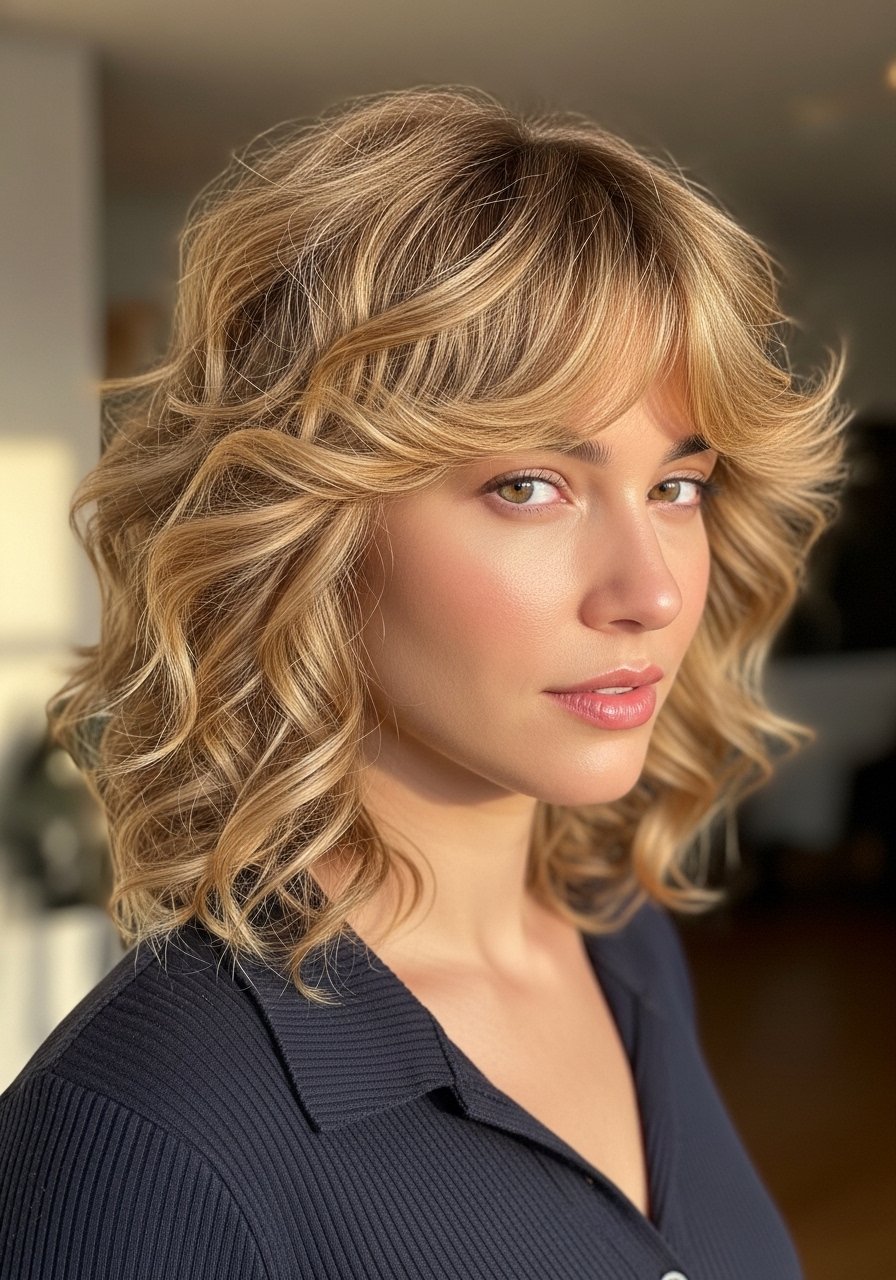
A shag cut with curtain bangs frames the face and keeps volume, which I like for fall styling. For curls, ask for shorter layers that hit at the nape and longer face-framing pieces. If you want honey in the bangs, keep those pieces slightly lighter than the rest but avoid saturating the roots to prevent banding. Trim curtain bangs every six to eight weeks to maintain shape. Styling trick, apply a dime-size of curl cream to wet hair, then two light spritzes of anti-humidity spray before diffusing. If you plan to bleach bangs, patch-test and consider a salon appointment, because bangs can show banding more than other sections.
Heat Styling Routine For Honey Blonde Color
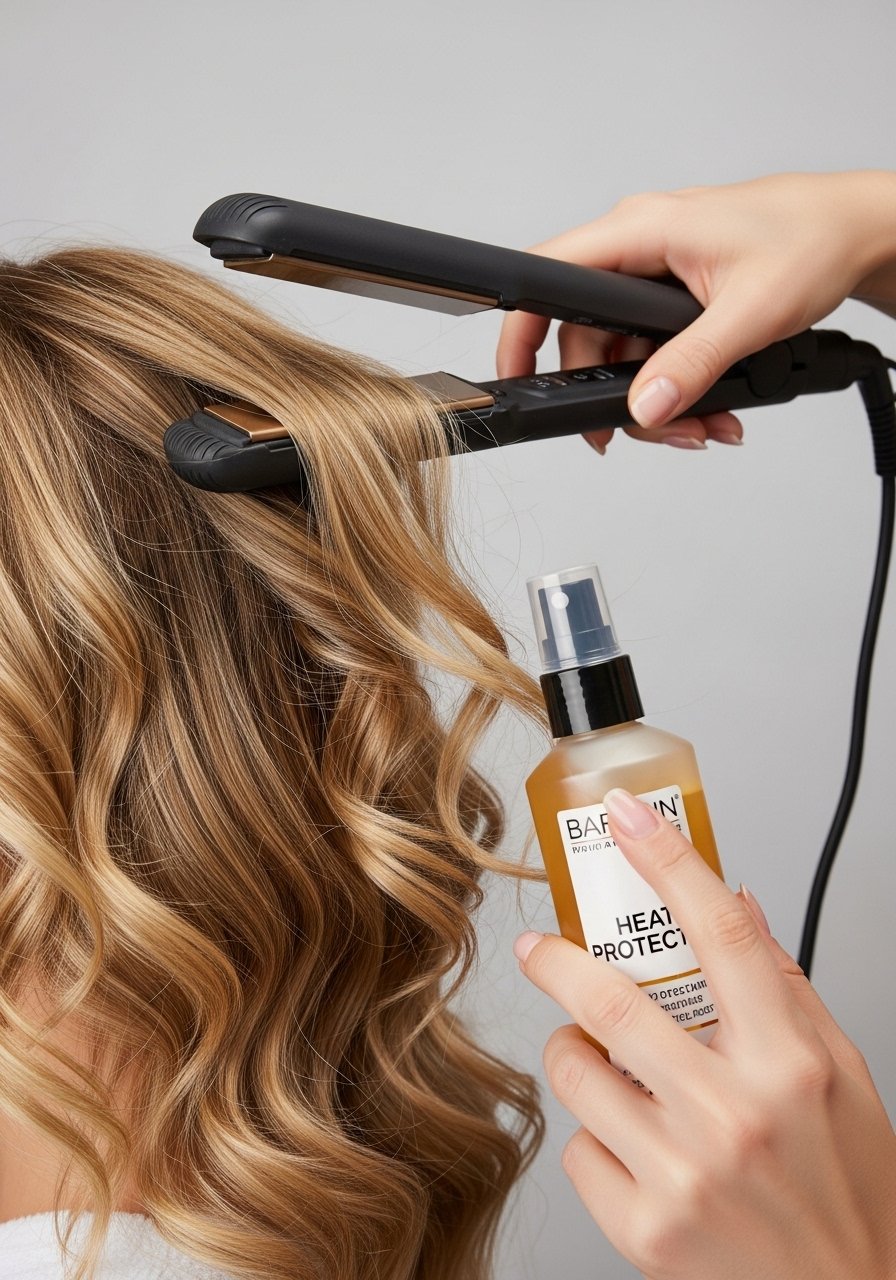
I limit heat styling on honey blonde hair to protect color and elasticity. Always apply a heat protectant to damp hair, not dry, so it absorbs and forms a barrier. For flat ironing curls I set the iron between 300F and 350F depending on texture, 325F is a good starting point for many curl types. Work in thin 1-inch sections, one smooth pass per section, then cool the section before releasing. Overdoing passes leads to faded blonde and weaker ends. If you use daily heat, cut back to three times a week and add a protein-plus deep mask every 10 to 14 days to keep structure intact.
What I Wish Someone Told Me Before Going Honey Blonde This Fall
- Heat protectant goes on damp hair, not dry. Apply evenly, then blow-dry or air-dry. Color Wow Pop and Lock Heat Protectant is one I keep in rotation
- Buy Olaplex and K18 from the brand store on Amazon or at Sephora to avoid counterfeits. A fake bond builder is not worth the risk
- Stretch purple shampoo frequency to once every 7 to 10 days. Overuse dries ends and can mute dimension
- Hair growth averages about half an inch a month. The trick is length retention, which comes from reducing breakage with a silk pillowcase queen size and weekly bond treatments
- If you bleach over previous color, book a correction or accept multiple sessions. Lifting over dye is the main reason hair breaks in the shower
Frequently Asked Questions
Q: Can I go honey blonde in one session from dark brown?
A: Rarely in a single safe session. Lifting dark brown to honey blonde often takes multiple sessions spaced weeks apart to preserve elasticity. If you are tempted to speed it up, expect breakage or the need for a correction. Talk to a colorist about staged lifts and bond builders.
Q: How often should I use a bond builder like Olaplex No. 3?
A: Once a week is my sweet spot. Use it after shampooing on damp hair for 10 to 30 minutes depending on instructions, then rinse and condition. If hair is more damaged, a second application two weeks later helps, but do not overdo deep treatments.
Q: Will purple shampoo ruin honey blonde tones on warm highlights?
A: It can if used too often or left on too long. For honey tones use purple shampoo on the mid-lengths and ends only, leave for three to five minutes, and limit to once every 7 to 10 days. If your highlights are subtle, a purple mask diluted with conditioner every three washes is safer.
Q: Is a root shadow necessary with honey blonde?
A: Not necessary but helpful. Root shadows reduce visible regrowth and extend salon time. They also make the color look more natural on textured hair where depth sells the dimension. For low-maintenance people this is a good salon conversation.
Q: Can I tone honey blonde at home safely?
A: Yes, with care. Use demi-permanent toners or color-depositing conditioners and follow timing exactly. Do a strand test and patch test for allergies. If you need a big correction, opt for a salon visit instead.
Q: How do I protect my scalp when bleaching?
A: Use barrier creams where recommended, avoid overlapping bleach on previously lightened sections, and test a small area first. If you have a sensitive scalp or chemical history, consult a professional. If irritation or burning occurs, rinse immediately and seek professional advice.