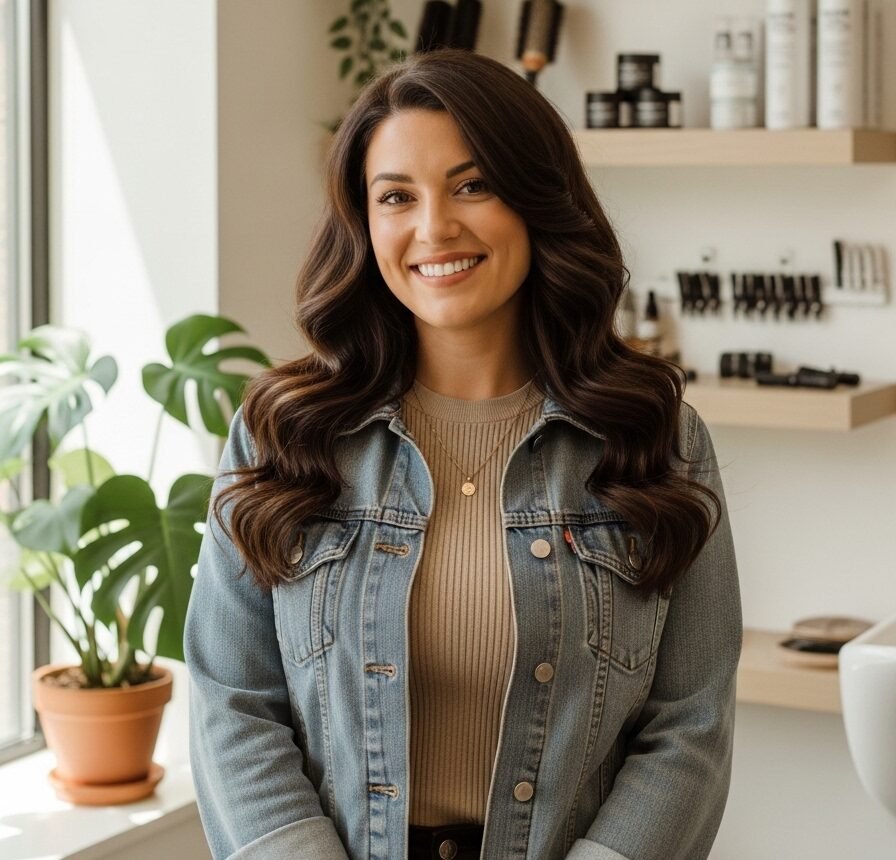
I tried getting mushroom brown on my natural dark hair last year and paid a salon to fix the banding I created after an at-home lift went too warm. The lesson was simple, painful, and useful. Here is what really works when you want that cool, ashy mushroom look on dark hair without turning orange or brittle.
These ideas fit dark brown to black base colors with fine to medium straight or wavy hair, plus notes for curlier and coarser textures. Most of these looks take 30 minutes to two hours, budgets run from under $30 to a salon gloss worth $120, and a few are best left to pros.
Mushroom Balayage Melt On Dark Brown Hair
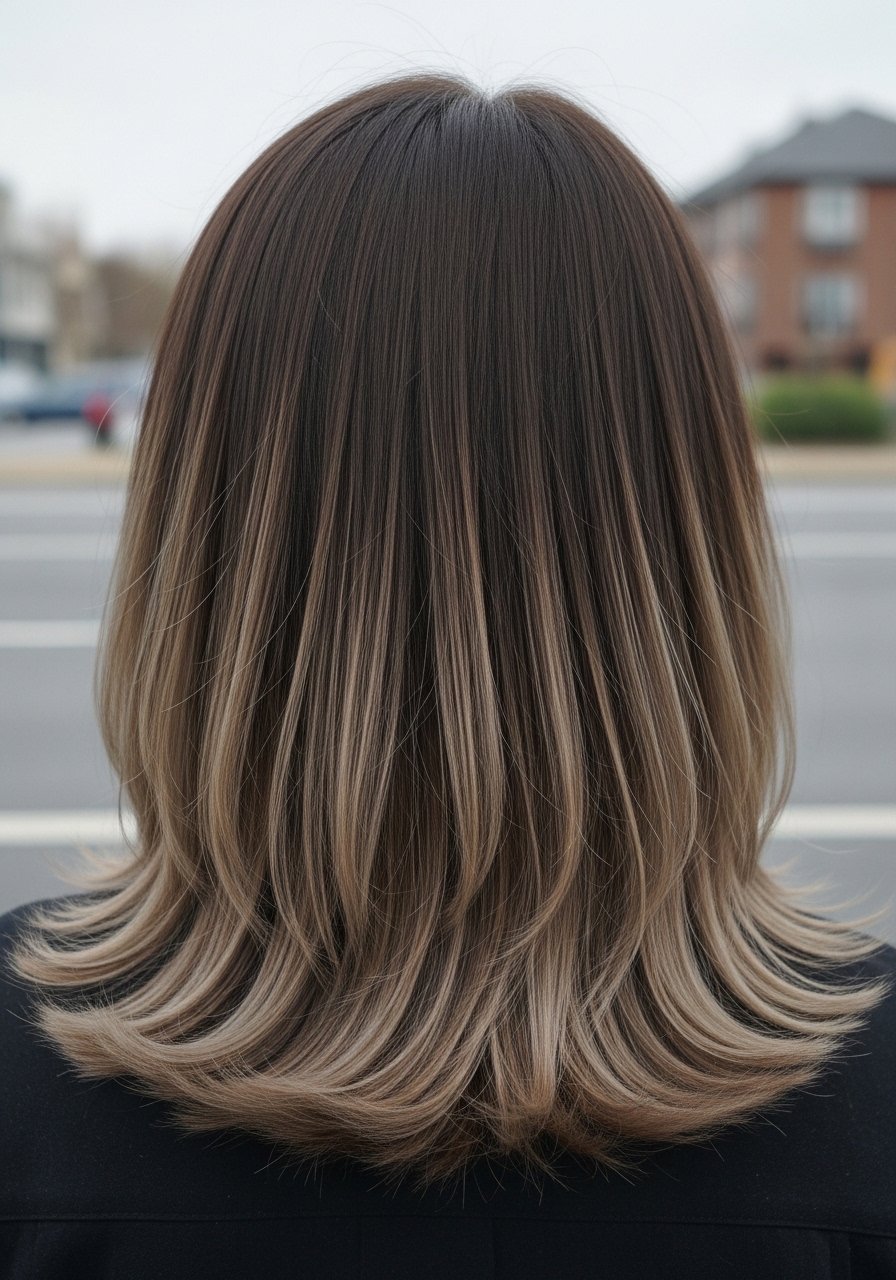
A balayage melt is my go-to when the goal is mushroom tones without a harsh line. On dark hair you paint thin 1/4 inch slices and feather the lightener upward for five to seven minutes of processing at the hairline, then check every 5 minutes. For fine hair use 10 volume cream developer to avoid over lift. If your hair is medium porosity and you want a stronger ash, a quick 5 minute toner with a demi-permanent ash gloss will neutralize warmth. I usually follow the service with Olaplex No. 3 at home one to two times a week to keep the ends from feeling brittle. Warning, lifting dark brown to warm stages can show orange quickly. If you are unsure, book a salon consult, not a kitchen experiment.
Soft Ash Mushroom Gloss For Greying Hair
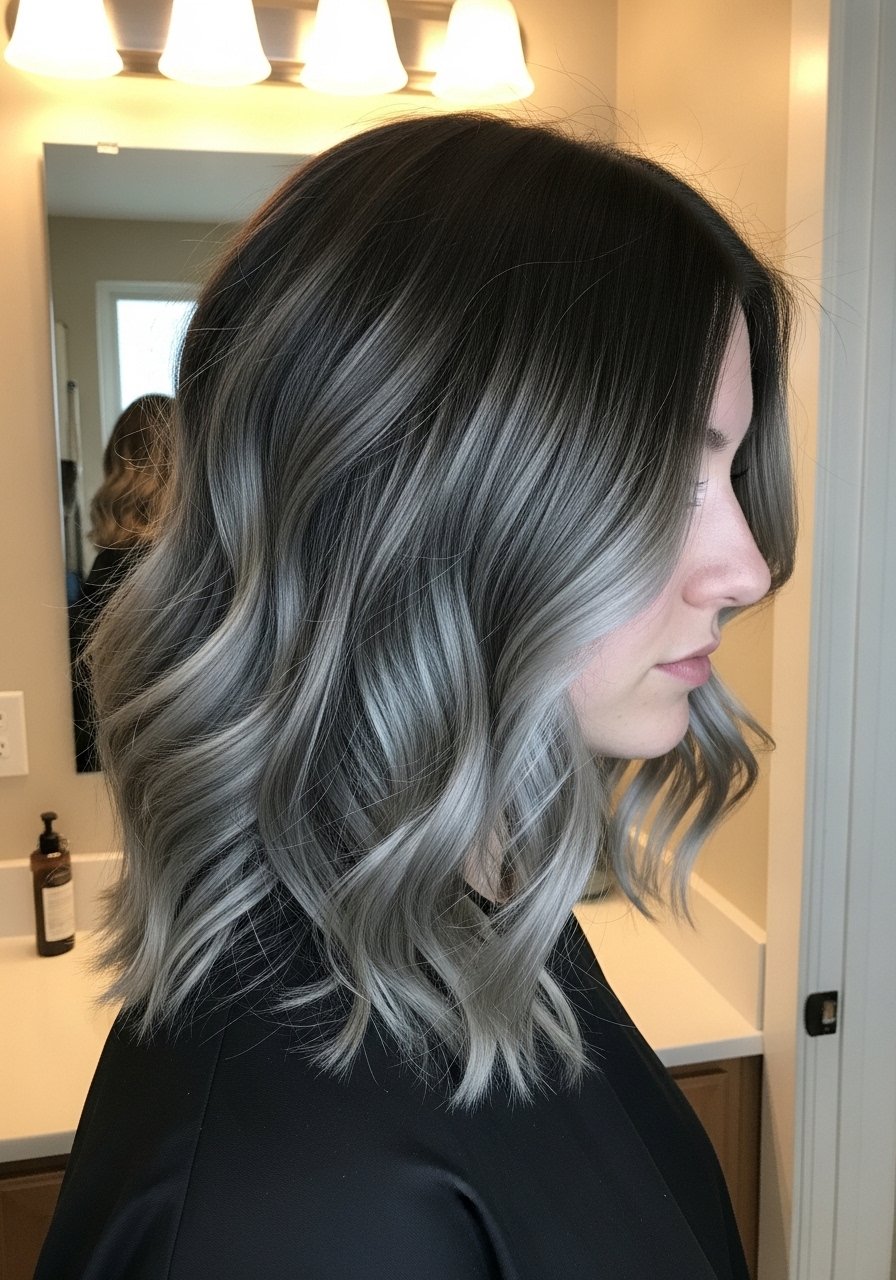
If you are living with greys and a dark base, a demi-permanent ash gloss is the fastest way to get mushroom tones without heavy lift. Glosses sit on the cuticle and last six to eight washes when you use a sulfate-free shampoo. For coarse or low-porosity hair warm the gloss with a five minute cap to help penetration. A common mistake is leaving a blue-ash gloss on too long and ending up muddy. Start with three to five minutes. Buy gloss brands from the official store on Amazon or grab them at Sephora or Ulta to avoid counterfeits. A weekly deep conditioner keeps the shine even after multiple glosses.
Money Piece Mushroom Face Frames On Dark Hair
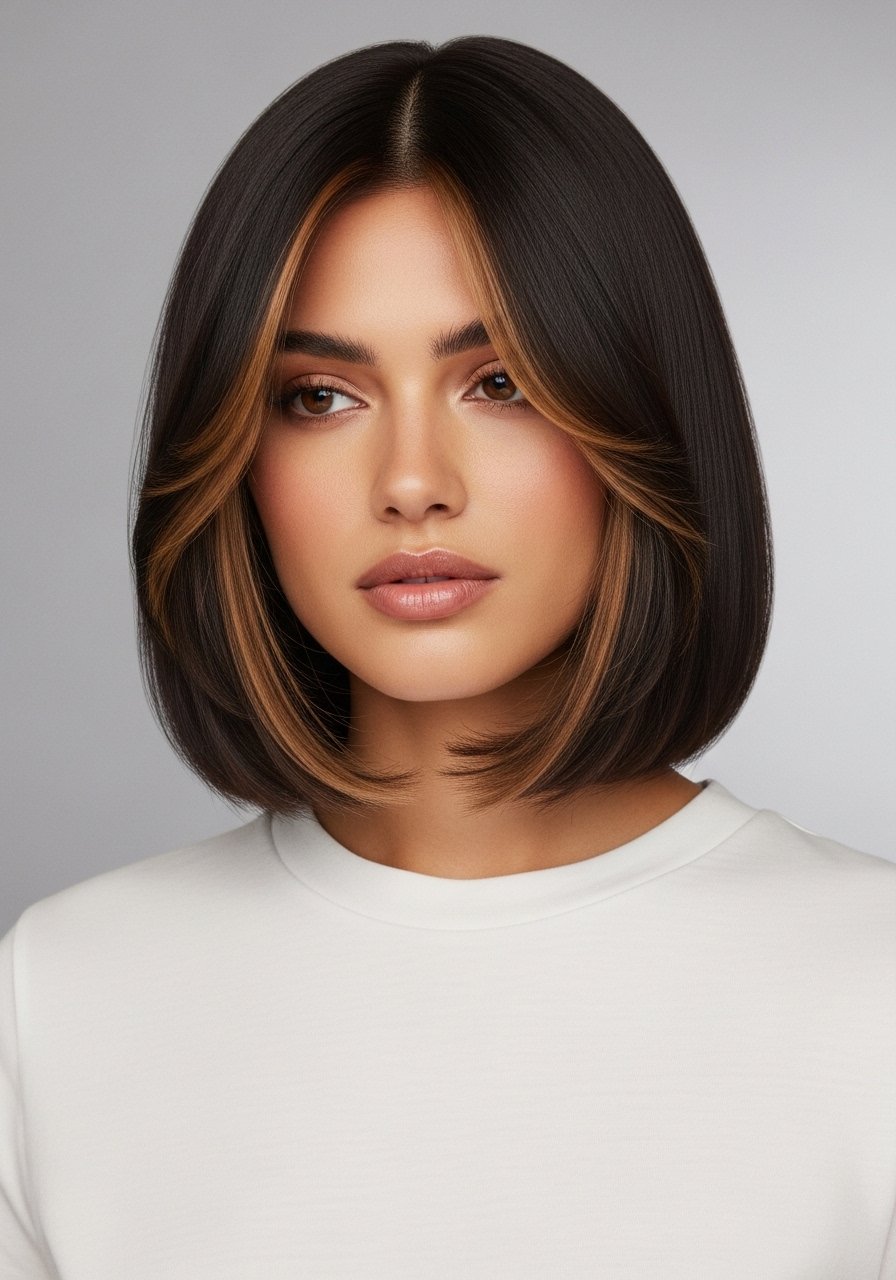
Money pieces bring the mushroom tone forward without doing the whole head. I section two one-inch pieces on either side of the face, pre-lighten until just warm then tone ash for 3 to 6 minutes. This works great on fine to medium straight or wavy hair and gives the face a frame that reads cooler in photos. The mistake people make is pre-lightening too aggressively. On dark hair aim for a warm level 7, then neutralize. For upkeep I hit those pieces with a purple toning mask every two washes if brassiness appears. If you want a softer look, blend the edges with a baby light technique.
Mushroom Shades For Curly Dark Hair
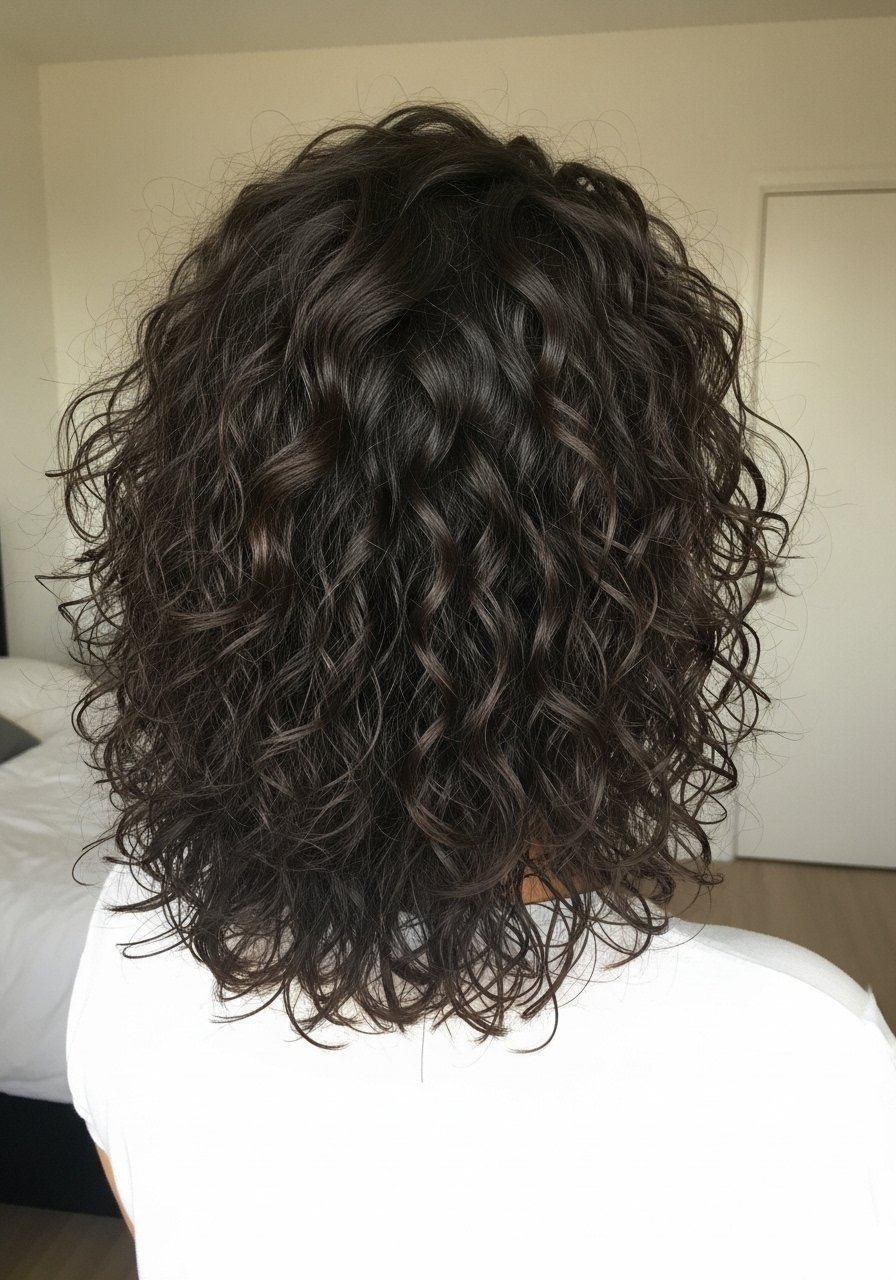
Curly hair needs lifts that respect curl pattern. I separate curls into small subsections, place foil only on the midshaft, and avoid heavy saturation at the root to keep shrinkage predictable. Low-porosity curls do better with a warm cap for ten minutes so the lightener can work. The result is dimension without drying the curl clump. Avoid the "all-over bleach" approach. If your natural curl is fragile, use a bond-building additive in the bleach and follow every color session with a protein-light, moisture-rich mask. For curly textures, a demi-gloss is often the best final step to keep definition and stop frizz.
Root Shadow Mushroom To Hide Regrowth
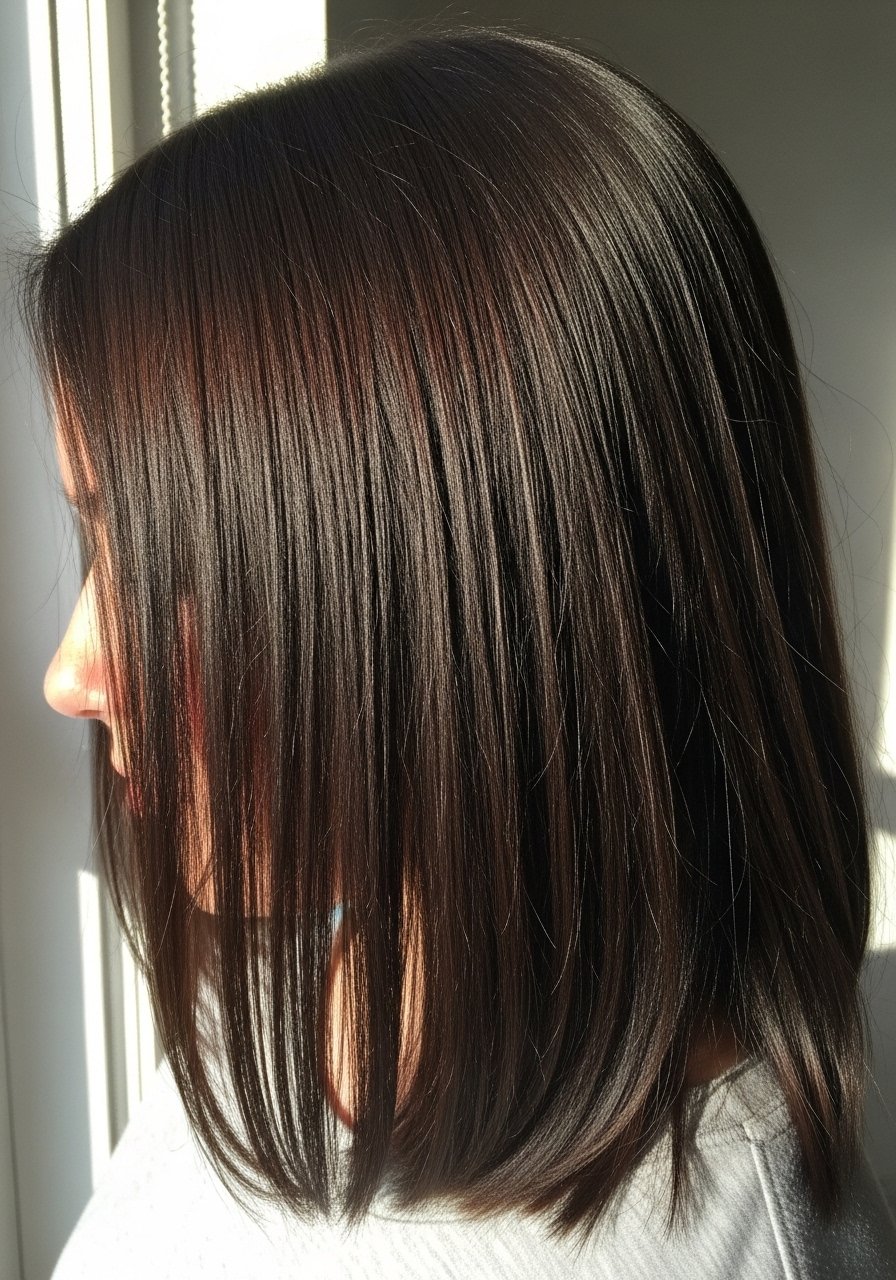
Root shadows are lifesavers when your dark roots come back fast. You apply a root color one to two shades darker than the mid-lengths and gently feather it down two inches. It reduces the appearance of a stark line and makes mushroom color feel lived-in. The DIY trap is matching the wrong undertone. If your base has warm undertones pick a neutral or slightly cool root shade. This is cheap and saves salon trips. Expect touch-ups every eight to twelve weeks. If your hair has been lightened repeatedly, consult a stylist before adding permanent root color over lifted hair.
At-Home Toner Kit For Mushroom Results
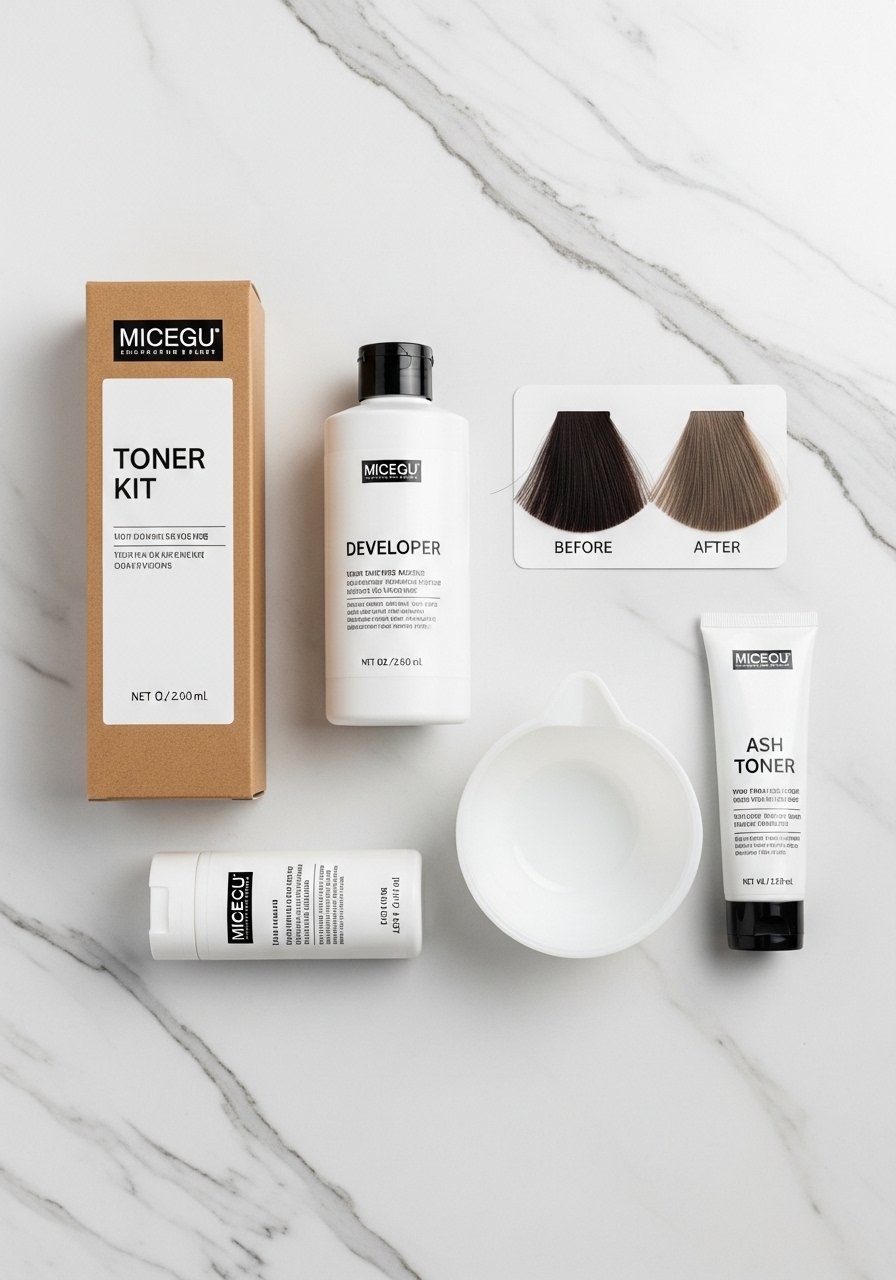
If you are comfortable with DIY and your base is dark brown, pick a demi-permanent ash toner and a 10 volume developer. Mix a 1:2 ratio of toner to developer for demi services and do a strand test for 10 minutes. Keep an eye on warmth. A frequent mistake is leaving toner on too long thinking darker equals longer. Toner can go from ash to muddy if overprocessed. Use a patch test for allergy. If you have previously used box dyes, lifting over them can be risky. When in doubt, book a professional toner refresh, especially on textured or high-porosity hair.
Mushroom Balayage For Coarse High Porosity Hair
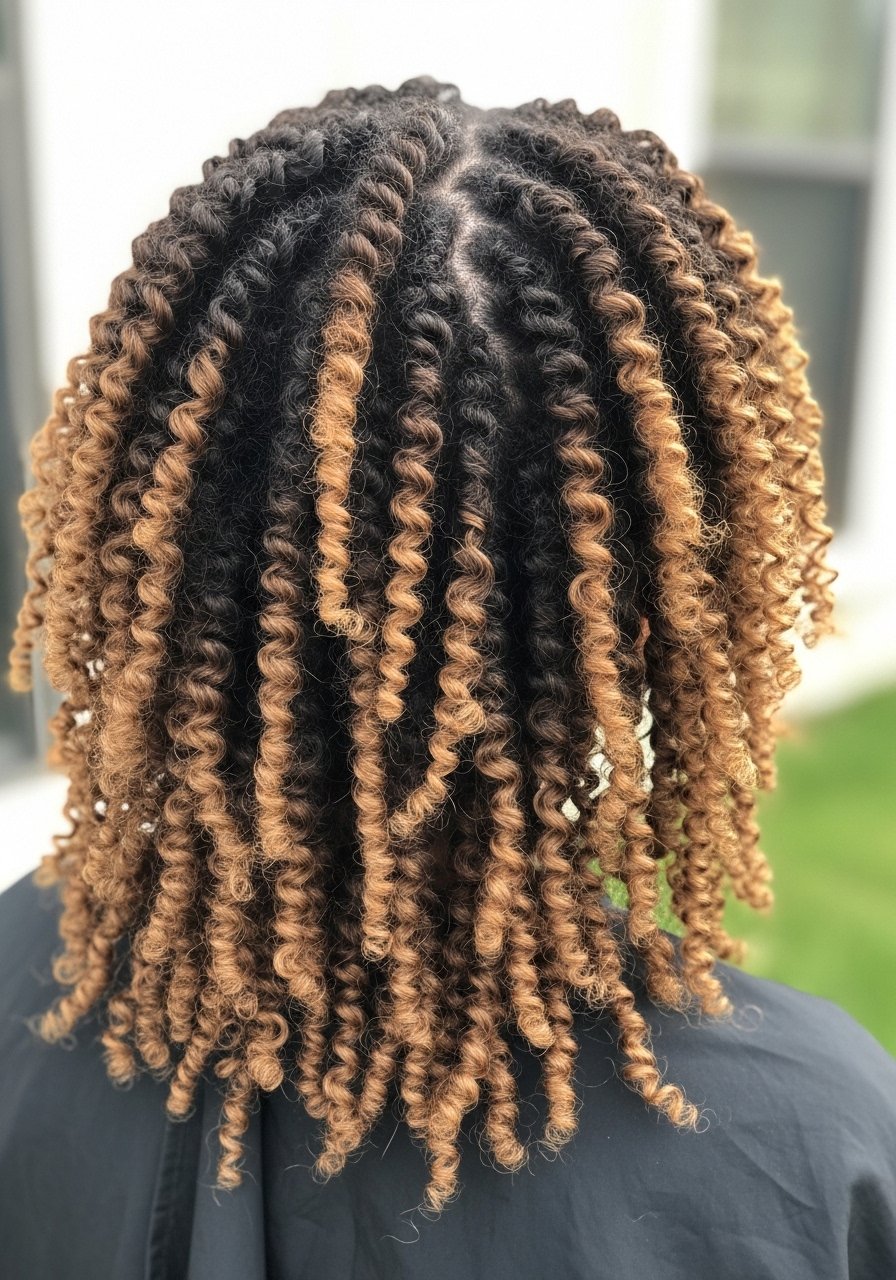
High-porosity coarse hair eats color and loses pigment faster. For mushroom tones on this texture I work in shorter processing windows and use portions of low-volume developer to avoid over-porosity. Bond builders in the lightener mix help, and I always apply a pre-shampoo oil treatment 15 minutes before color to protect the cuticle. Expect quicker fading and plan for touch-up tones every four to six weeks. The real fix for longevity is gentle cleansing and weekly protein-lite treatments. If you see breakage after lifting, stop and consult a professional. Bleach over bleach is risky and often causes irreversible breakage.
Quick Gloss Refresh For Mushroom Tones
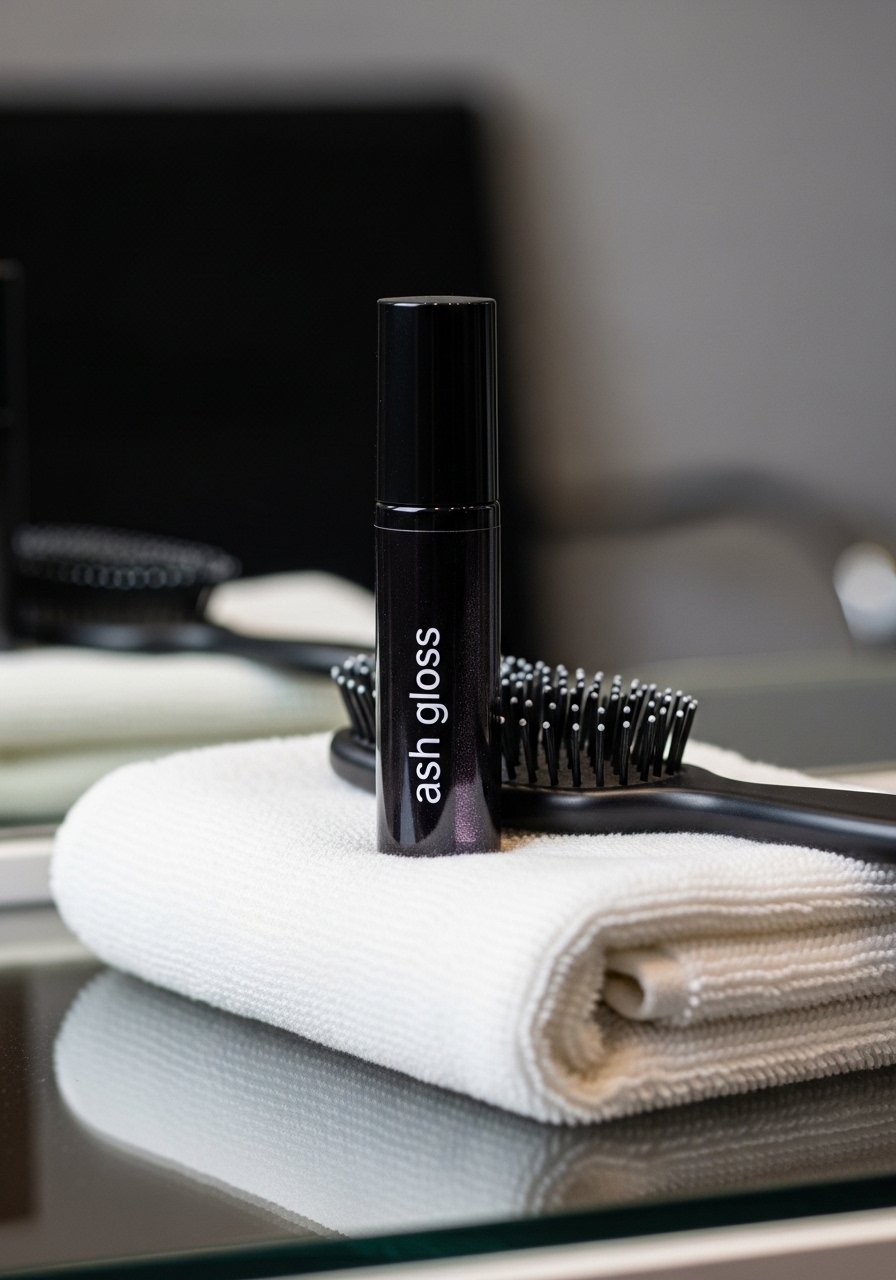
A salon gloss or at-home demi gloss will refresh mushroom tone in 20 minutes. I reserve a gloss when my color is two to three weeks old and just starting to go warm. Use a clear or ash-toned demi and process for five to ten minutes on low porosity hair, fifteen minutes on coarse hair. The gloss saves time and keeps the ends from looking dull between bleach sessions. If you used a blue toner last time, swap to a neutral ash gloss to avoid a blue cast. Buy glosses from the brand's official Amazon store or from Ulta to avoid counterfeits.
Preventing Muddy Mushroom On Dark Hair
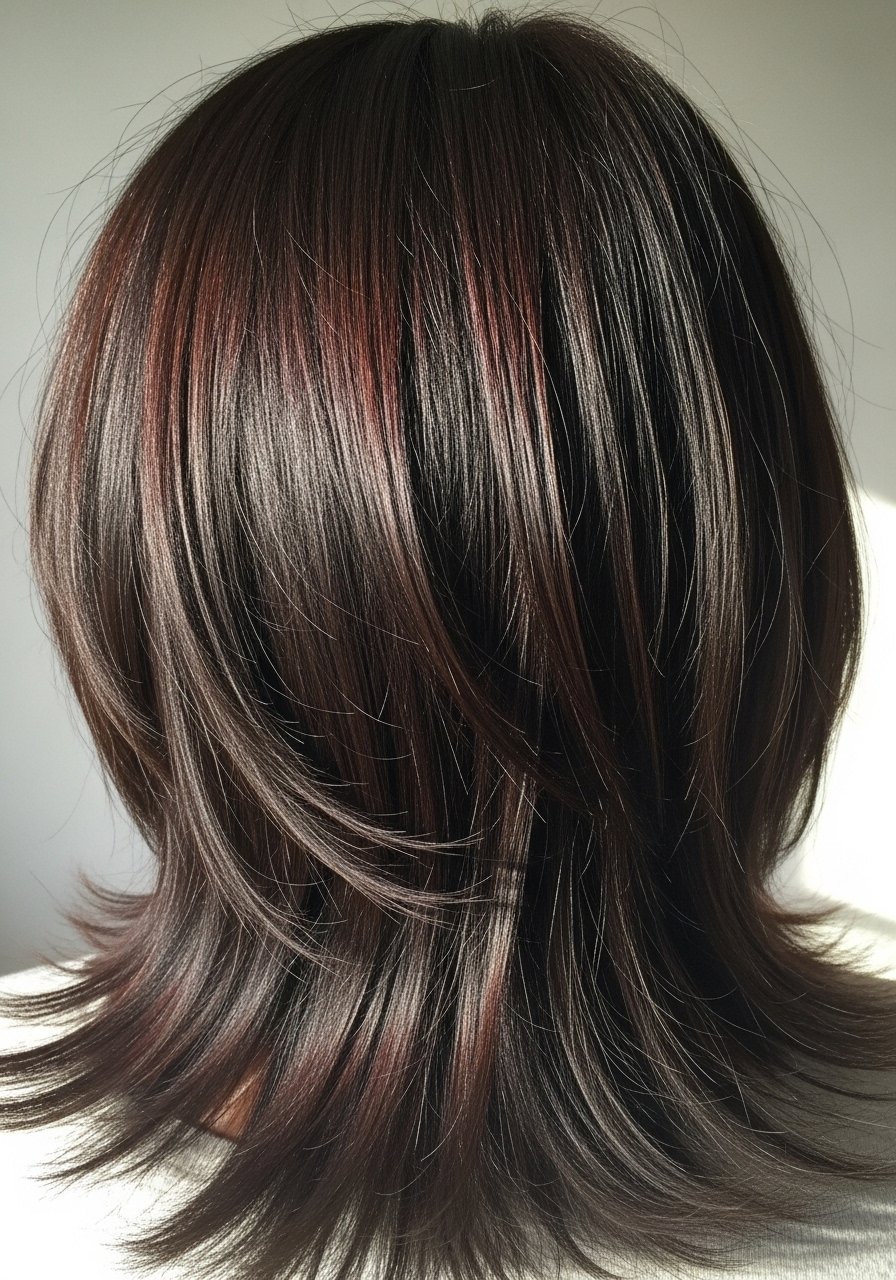
Muddy mushroom happens when someone puts too much blue or green toner on a warm undertone. The fix is simple. Lift to the correct warm level first. Then use a neutralizing ash with low blue content and check in three to five minutes. If your hair has orange undertones, use a violet-based toner rather than a blue-heavy formula. One trick I use is micro-toning small slices rather than applying toner across the whole head. That keeps dimension and avoids the one-flat-tone look. If you ever end up muddy, a clarifying wash followed by a corrective gloss from a pro is the safest undo.
Mushroom Hair With Minimal Maintenance
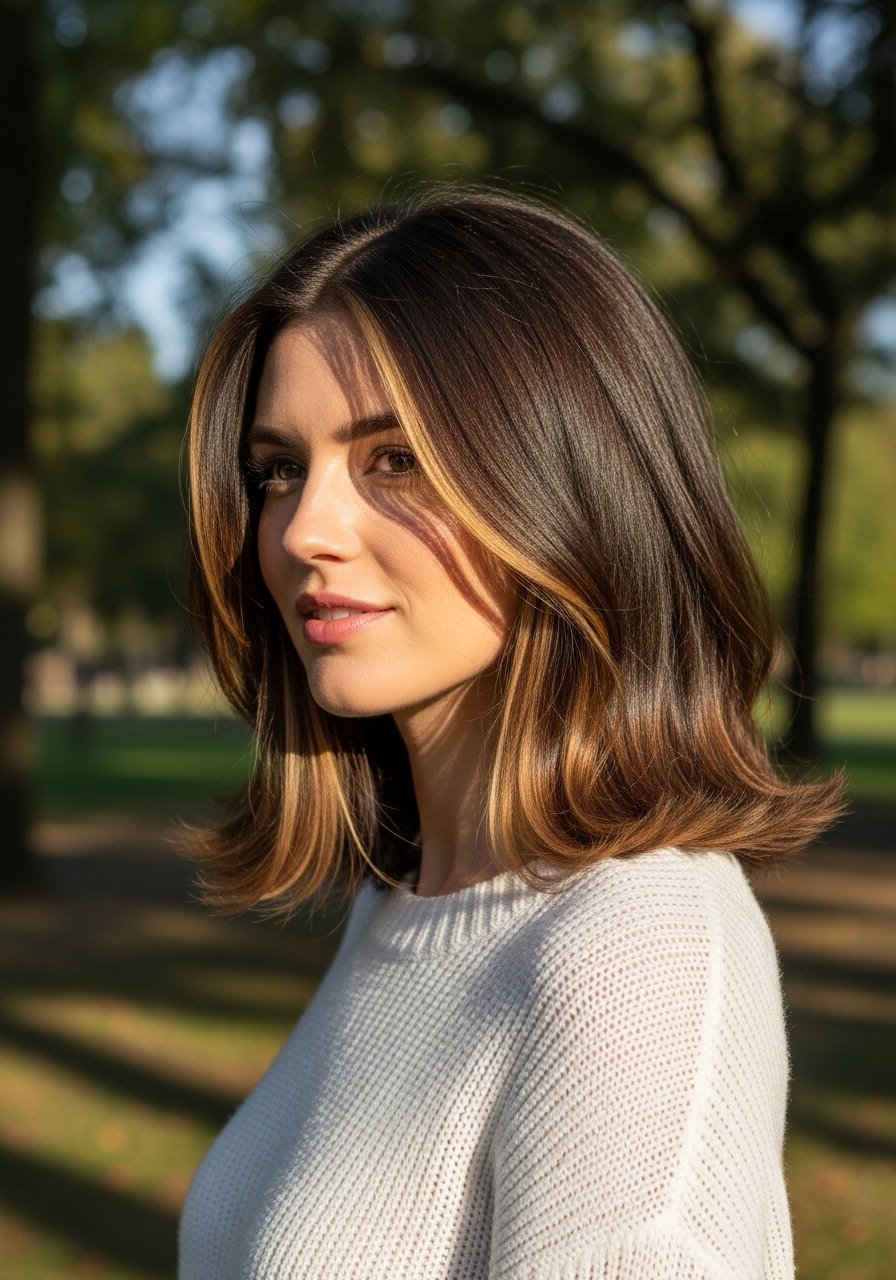
Want the look without weekly upkeep? Ask for a low-contrast mushroom palette and stronger root shadow at the salon. That approach stretches appointments to ten to twelve weeks. At home use a color-safe sulfate-free shampoo and skip purple shampoo unless brass shows up. A common frustration is fading by week two. The way to avoid that is less saturation at the ends during lift and a gloss finish. If you prefer DIY, a demi gloss every four to six weeks with a gentle shampoo in between will keep things muted and natural.
Heat Styling Mushroom Tone Without Brassy Glow
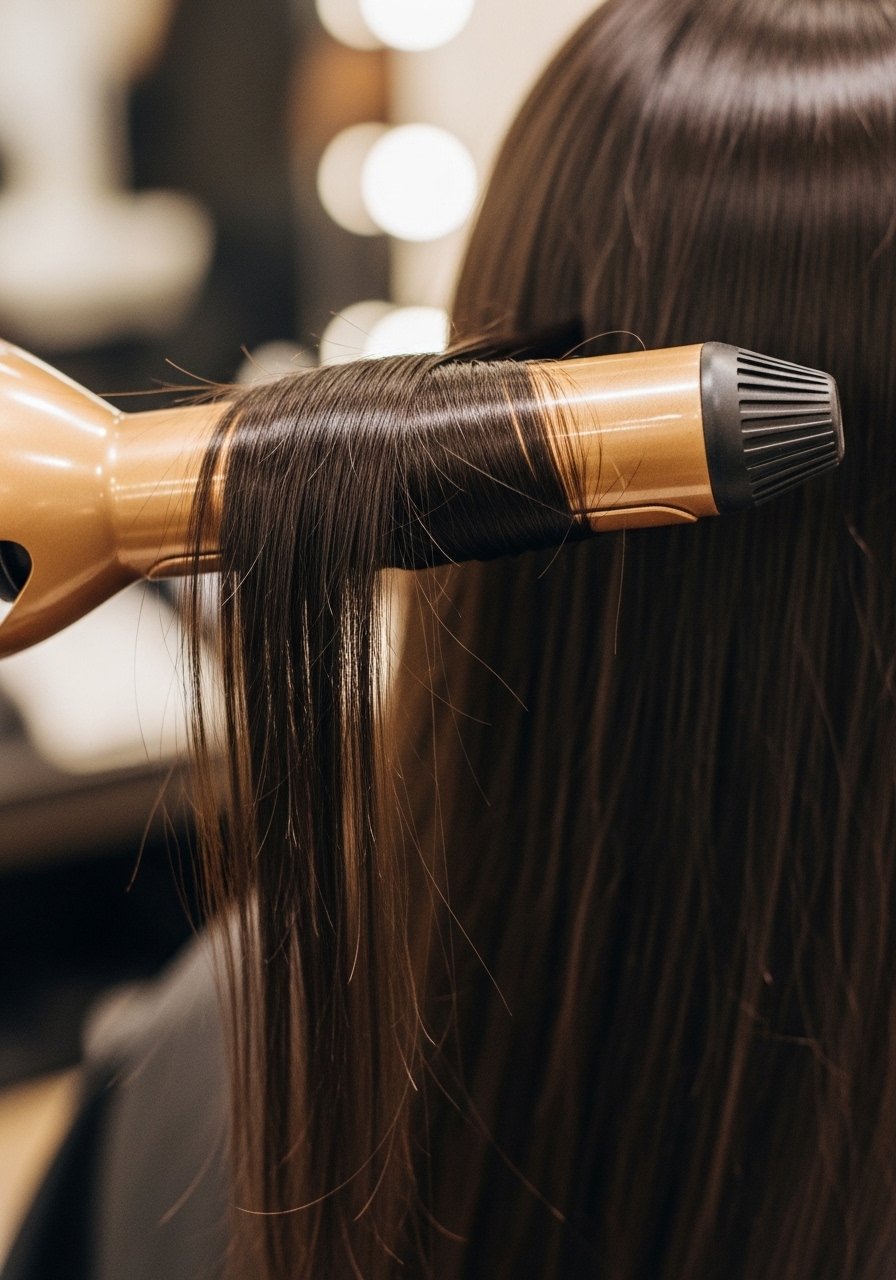
If you heat style mushroom-toned hair, always use heat protectant before the iron. Most heat protectants you spray on dry hair before flat ironing barely work. They need to absorb into damp or just-dried hair to actually shield the cuticle. Aim for irons at 320 to 350 degrees Fahrenheit on color-treated dark hair. Too hot and the cuticle opens, which can speed fading. A quick spritz of an anti-humidity finish after styling locks the look. If you see color shift to warm after one hot blowout, reduce temperature and use a bond-building mist before heat.
Repair Plan After a Bad Mushroom Attempt
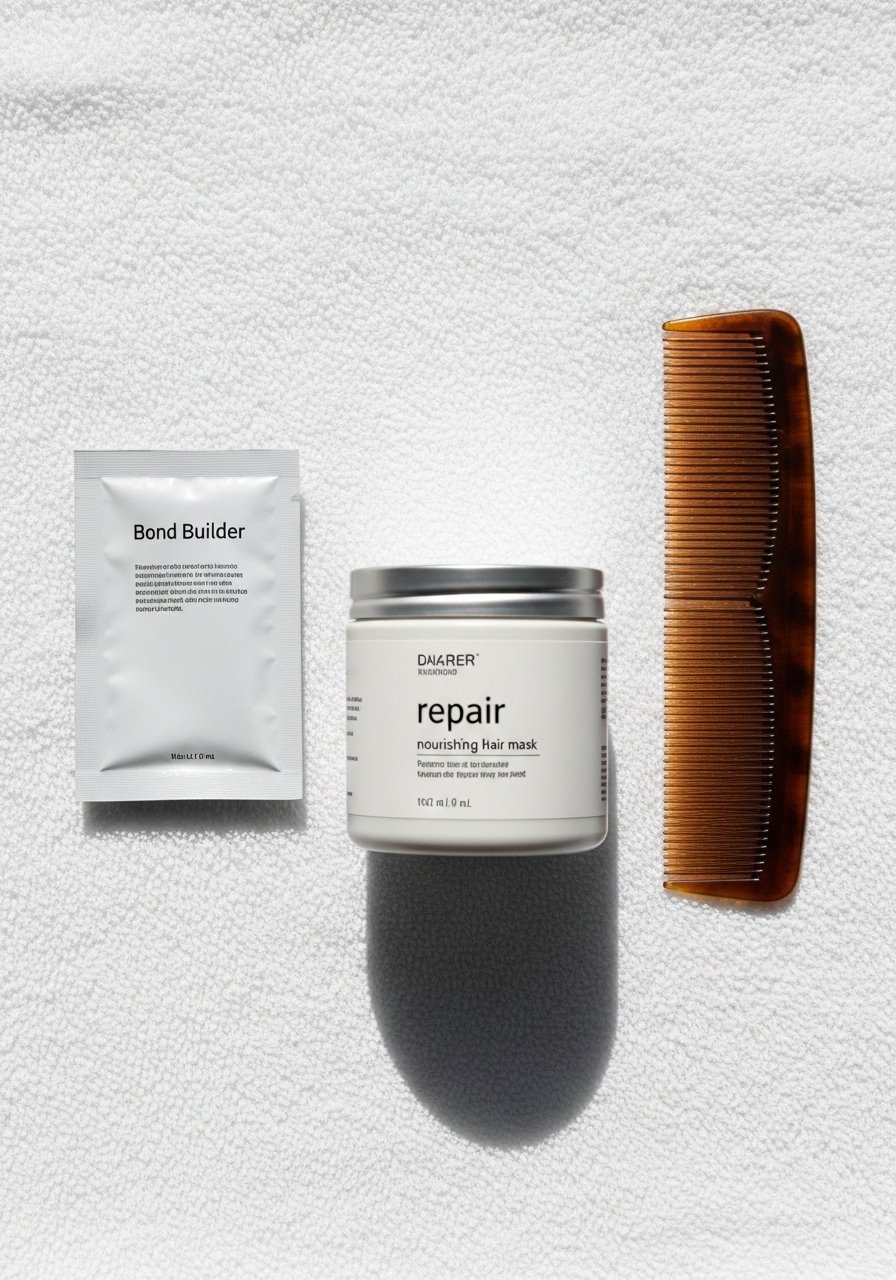
If a DIY went too warm or overprocessed, stop any further lightening. The quickest recovery is weekly bond builder treatments for three to six weeks and a trim to remove the worst ends. Bond builders do not undo damage history, but they do temporarily strengthen compromised fibers. Expect to pay for a corrective gloss or a low-light service at a salon if the color is patchy. Avoid protein overload and follow with moisture masks. If you are experiencing breakage at the root level or scalp irritation, see a professional colorist or a trichologist.
Mushroom Tone With Highlights Versus Full Color
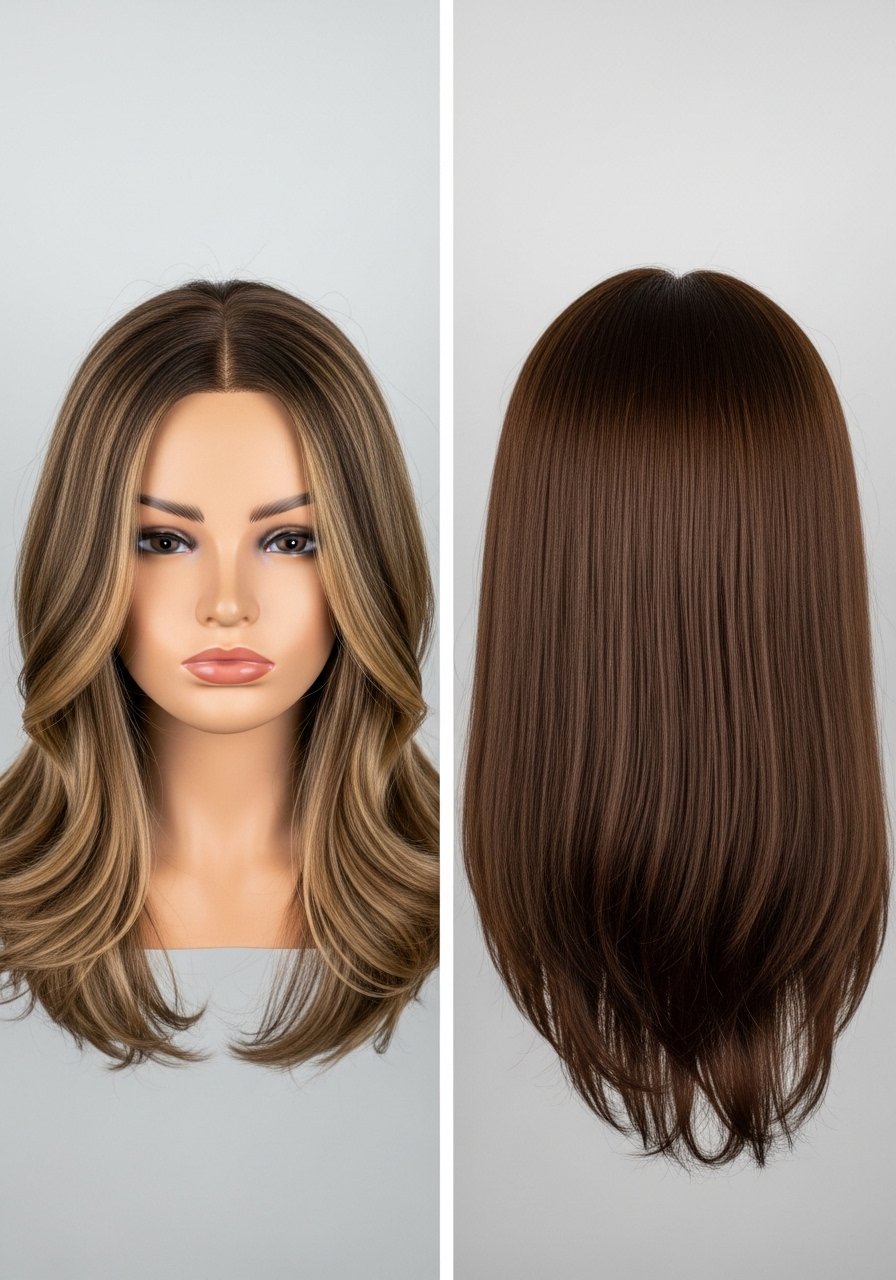
Highlights let you add mushroom tones in a dimensional way while keeping most of the natural dark base. Full color gives a more uniform mushroom brown but requires more maintenance. If you have fine hair and want the look, go with strategic face frames and balayage so you do not thin your ends visually. For thicker hair, an all-over demi might look richer. The trade-off is upkeep. Highlights hide regrowth better. Pair either choice with a gloss every four to six weeks to maintain coolness.
Stretching Mushroom Color Between Appointments
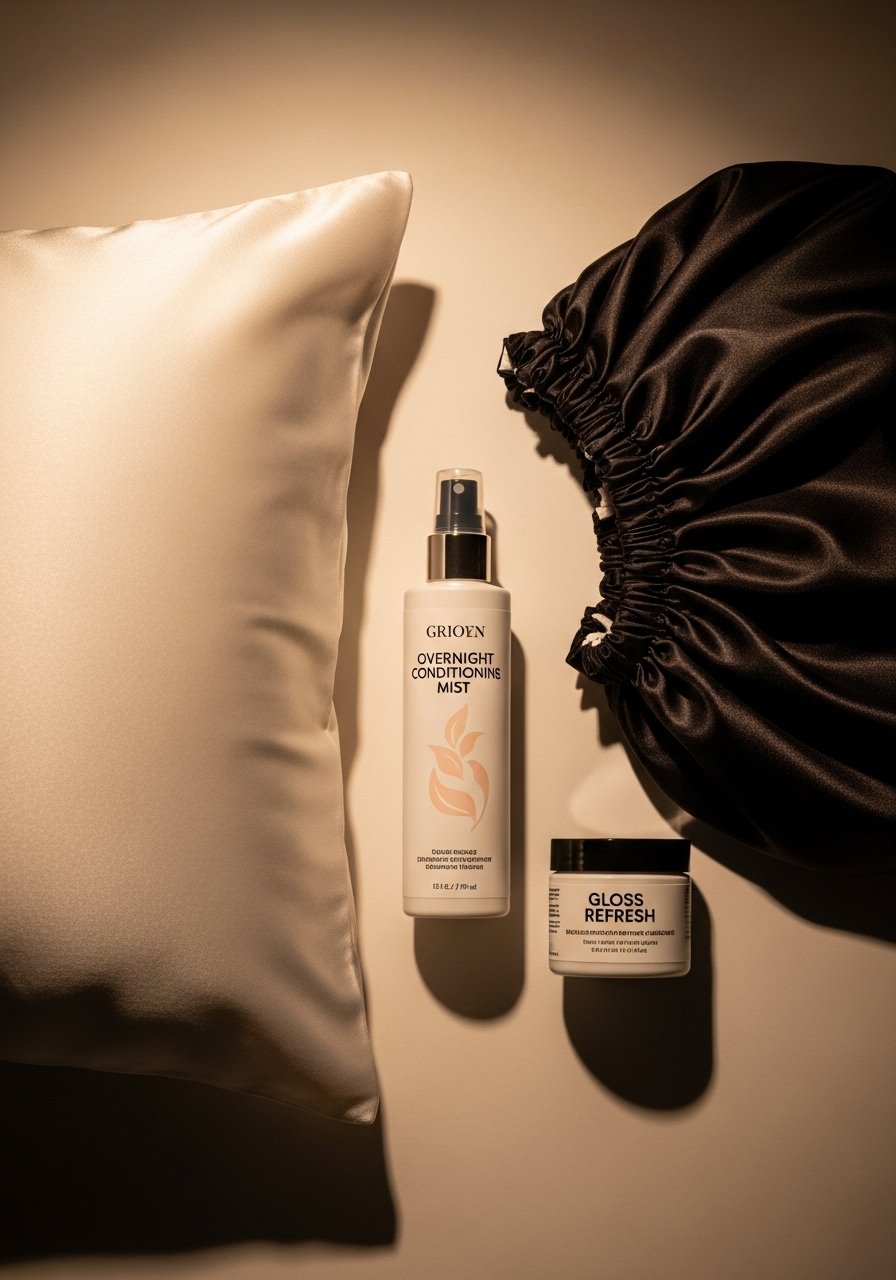
To keep mushroom tones without weekly salon trips, sleep on a silk pillowcase and use a color-depositing conditioner once every two to three washes. Hair grows about half an inch a month at most, regardless of what biotin gummies promise you. The real retention trick is reducing friction and using a gentle, sulfate-free wash. I top up tone with a color-depositing mask diluted with conditioner for five minutes when brass shows. This approach buys you an extra two to three weeks between gloss appointments.
Quick Fixes Stylists Use For Mushroom Mishaps
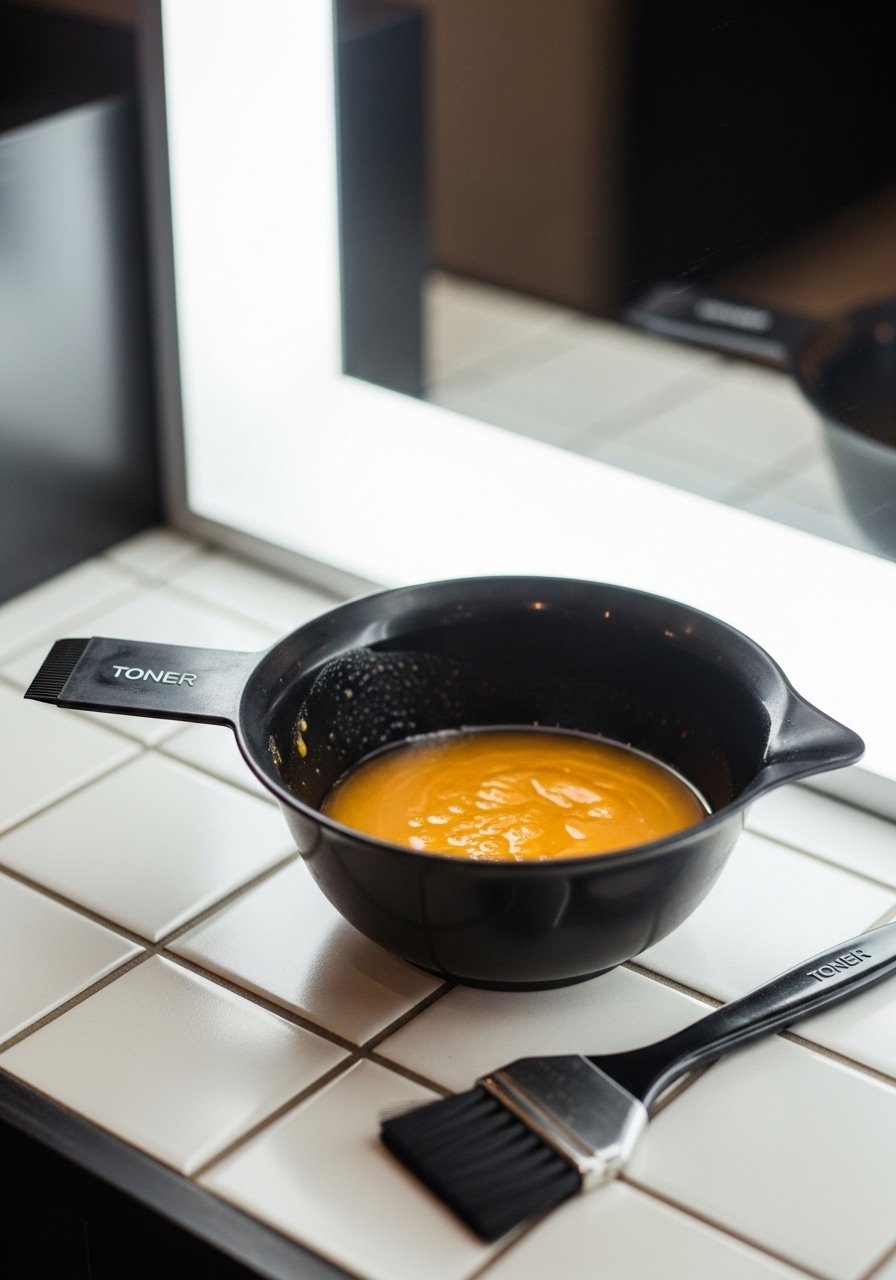
When a mushroom attempt goes too warm, salon pros often do a clarifying wash, then a low-volume ash toner in small sections. If the hair is porous, they use a half-mix of gloss and bond builder to avoid absorbing too much pigment. A mistake I see at home is trying to fix warmth with straight blue toner. That makes the hair look green or muddy. If you are at the salon, ask for a corrective glaze rather than heavy oxidation. For at-home fixes, a purple toning mask applied for 3 to 5 minutes can help, but test a small section first.
What I Actually Keep For Mushroom Color Maintenance
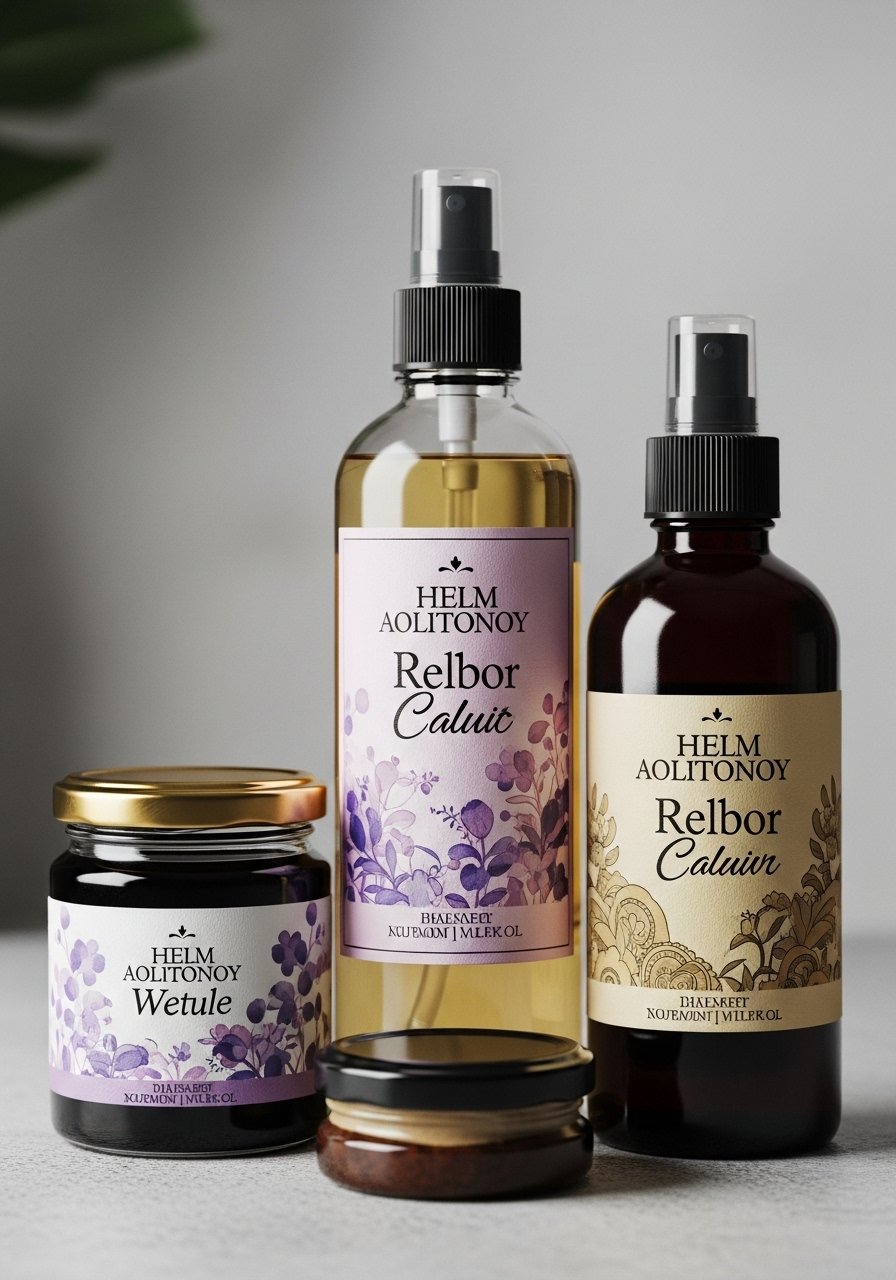
Now that I have the mushroom look on my dark hair, these are the things I reach for. Sulfate-free color shampoo 8oz for every wash day, a purple toning mask 6.8oz once every two washes, Olaplex No. 3 weekly when I notice dryness, and a satin pillowcase to keep the gloss. I buy Olaplex from the brand store on Amazon or Sephora to avoid counterfeits. The small investments stop faded, brassy looking color and make the salon gloss last longer.
What I Actually Keep In My Mushroom Color Kit
- Honestly I keep the staples small and reachable. Olaplex No. 3 hair perfector for weekly bond care, a sulfate-free clarifying shampoo 8oz for one wash before toner, and a purple toning mask 6.8oz to fight brass every other wash.
- For tools I keep a 20-volume developer 32oz for small DIY blitzes, a plastic mixing bowl and brush set, and a wide-tooth comb for detangling wet color-treated hair.
- For styling a small bottle of heat protectant spray 6oz goes on damp hair. Buy high-end glosses from the brand or Ulta to avoid counterfeits.
- I add a silk pillowcase queen and a deep repair mask 8oz for weekly maintenance.
What I Wish Someone Had Told Me Before Trying Mushroom On Dark Hair
- Heat protectant goes on damp hair, not dry. The cuticle is more open and the product actually absorbs. A reliable heat protectant spray 6oz makes a real difference.
- If you want an ashy result, start with the right lift level and use a neutral ash toner. Using too much blue makes hair look muddy.
- Hair grows about half an inch a month at most, regardless of what biotin gummies promise you. The best way to keep length is reduce breakage with regular trims and weekly bond treatments like Olaplex No. 3.
- For curly or coarse hair, ask for shorter processing times and a gloss finish. Bond builders in the lightener mix are helpful but not magic.
Frequently Asked Questions
Q: Can I get mushroom hair color on natural black hair without going orange?
A: Yes, but it requires controlled lift. You need staged lightening or very strategic face-framing and balayage slices. Lifting too quickly with high volume developer is the main reason dark hair goes orange. If you are unsure, do a strand test or book a consult.
Q: How often should I use purple shampoo on mushroom tones?
A: Once a week is plenty for most people. Overuse can dry hair and make it feel straw-like. If your color is very cool already, skip purple shampoo and use a diluted purple mask only where brass appears.
Q: Is it safe to bleach over previous box dye to create a mushroom look at home?
A: Lifting bleach over a previous box dye is risky and commonly causes breakage. This is best handled by a salon pro who can assess condition and plan staged sessions. If you try at home, expect multiple sessions and prioritize conditioning between lifts.
Q: Will bond builders fix split ends after I messed up a DIY mushroom?
A: Bond builders help temporarily by strengthening fibers, but they do not truly repair split ends. A trim is the only real fix for splits. Bond treatments make hair feel smoother until your next cut.
Q: How do I avoid muddy ash tones after toning?
A: Check your underlying warm level before applying blue-heavy toners. If you see orange, use a violet toner first. Process for short windows, then rinse and evaluate. Micro-toning small sections prevents an all-over muddy cast.
Q: Can I use Olaplex No. 3 every week on color-treated mushroom hair?
A: Yes, using Olaplex No. 3 once a week is a common approach for maintaining integrity after lightening. Buy Olaplex from the official Amazon store or from Sephora to avoid counterfeits.
Q: My mushroom highlights fade fast. Should I switch to demi-permanent color only?
A: Demi glosses do fade but they mute brass and sit nicely on the cuticle. If highlights are fading fast, check your shampoo, hot tools heat, and sun exposure first. A gloss refresh every four to six weeks often gives better perceived longevity than starting over with permanent color.