I tried blue hair color with highlights at home the summer I thought I could save a ton. The blue washed out unevenly, my pillowcase turned indigo, and I paid a salon to patch it three months later. After that I learned which bleeding blues are beginner-friendly, which highlights need a pro, and how to actually keep color vivid without redoing the whole head every six weeks.
These ideas work best on medium density waves to thick curly hair, and a few are tailored for fine hair and short lengths. Expect most looks to take 1.5 to 3 hours in a single session, with one or two costing more if you need a lift to pale blonde first. Budget ranges from $20 for maintenance products to $200 plus for a salon gloss or correction. A few can be DIY but anything that needs heavy lift over previous color is a salon job.
Cobalt Base With Silver Peekaboo Highlights
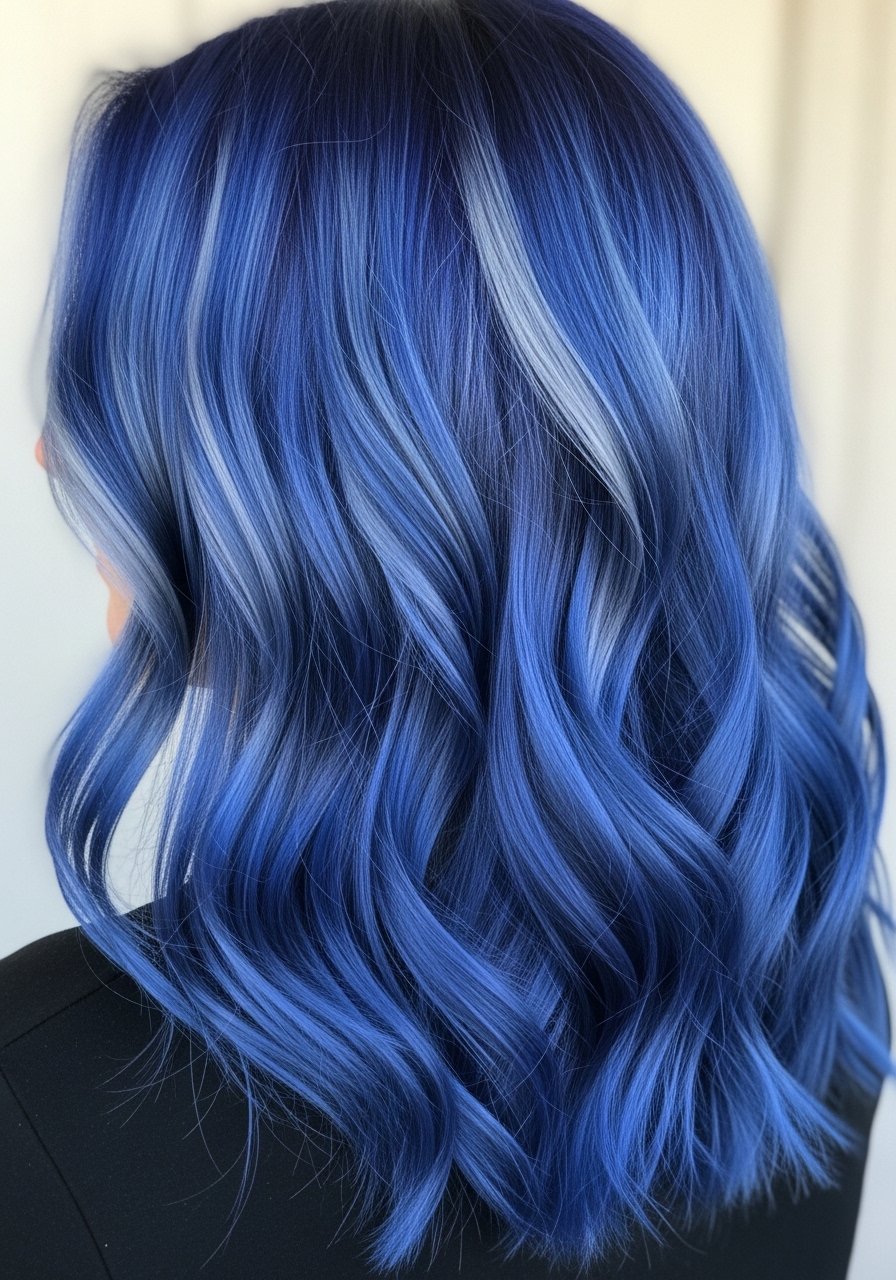
A deep cobalt base makes blue feel wearable because it hides banding and uneven fade. I lift only the underlayers to a pale yellow before applying a silver toner on narrow sections, then apply the cobalt over everything. For lift on virgin or previously darker hair I use 20-volume developer and check every 7 to 10 minutes until I hit a pale-yellow stage. One common mistake is over-bleaching the surface hair then wondering why the mid-lengths look greenish. Use a purple toner if you see green tones. If your hair is fine, keep sections at 1⁄2 inch, not smaller. I use Olaplex No. 3 once a week after a light bleach to keep the mid-lengths resilient, and buy from the official seller on Amazon to avoid fakes.
Teal Face-Framing Highlights For Short Cuts

If you have a short cut, a teal face frame gives the most payoff for least damage. I take two thin 1⁄4-inch sections at the front, pre-lighten just those pieces to a pale yellow, then apply a semi-permanent teal for 10 to 20 minutes depending on brand directions. The result reads bright without doing the whole head. Budget is low, about $20 to $40 for product. A frequent mistake is leaving the developer on the thin face pieces too long and frying them. Do an allergy patch test and avoid 30-volume on small baby lights. For touch-ups I refresh with a color-depositing conditioner like Overtone Blue-To-Teal Conditioner every 5 to 10 washes.
Pastel Sky Balayage On Wavy Hair
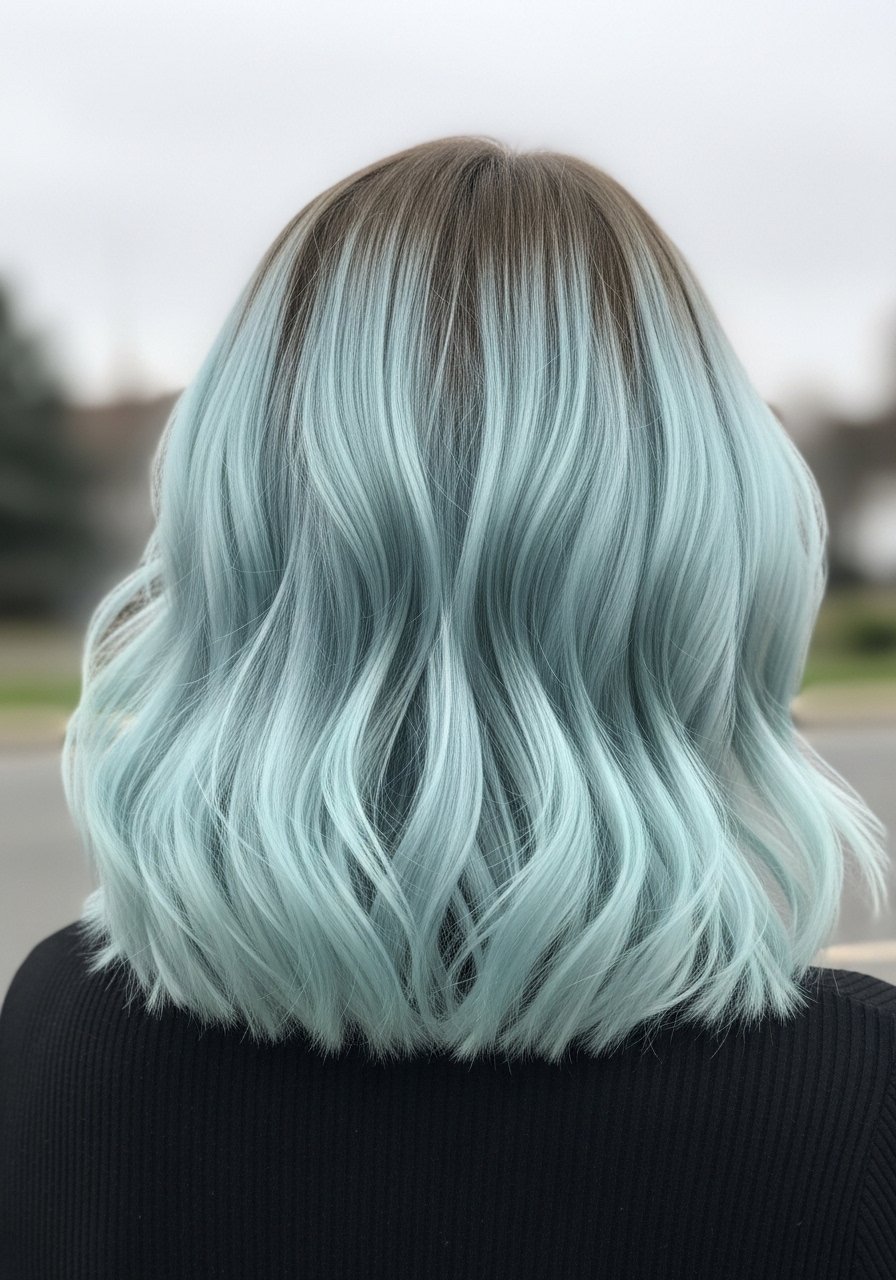
Pastel blue balayage needs the hair to be a very pale blonde to avoid muddy green. I do this in two sessions if hair is dark. In the salon I paint wide slices, leave a 1-inch soft shadow at the root and lift the ends to level 9 or 10. For DIY, do one-coat balayage using 20-volume and check lift every 8 minutes. A lot of people wash immediately after pigment and then complain it faded overnight. Instead rinse with cool water and use a sulfate-free, color-safe shampoo. A finishing gloss helps seal tones. For styling, low heat helps preserve pigments, use a flat iron at 320F for fine hair and always apply a heat protectant like Color Wow Dream Coat when you go over 300F.
Navy Root Shadow With Icy Tips
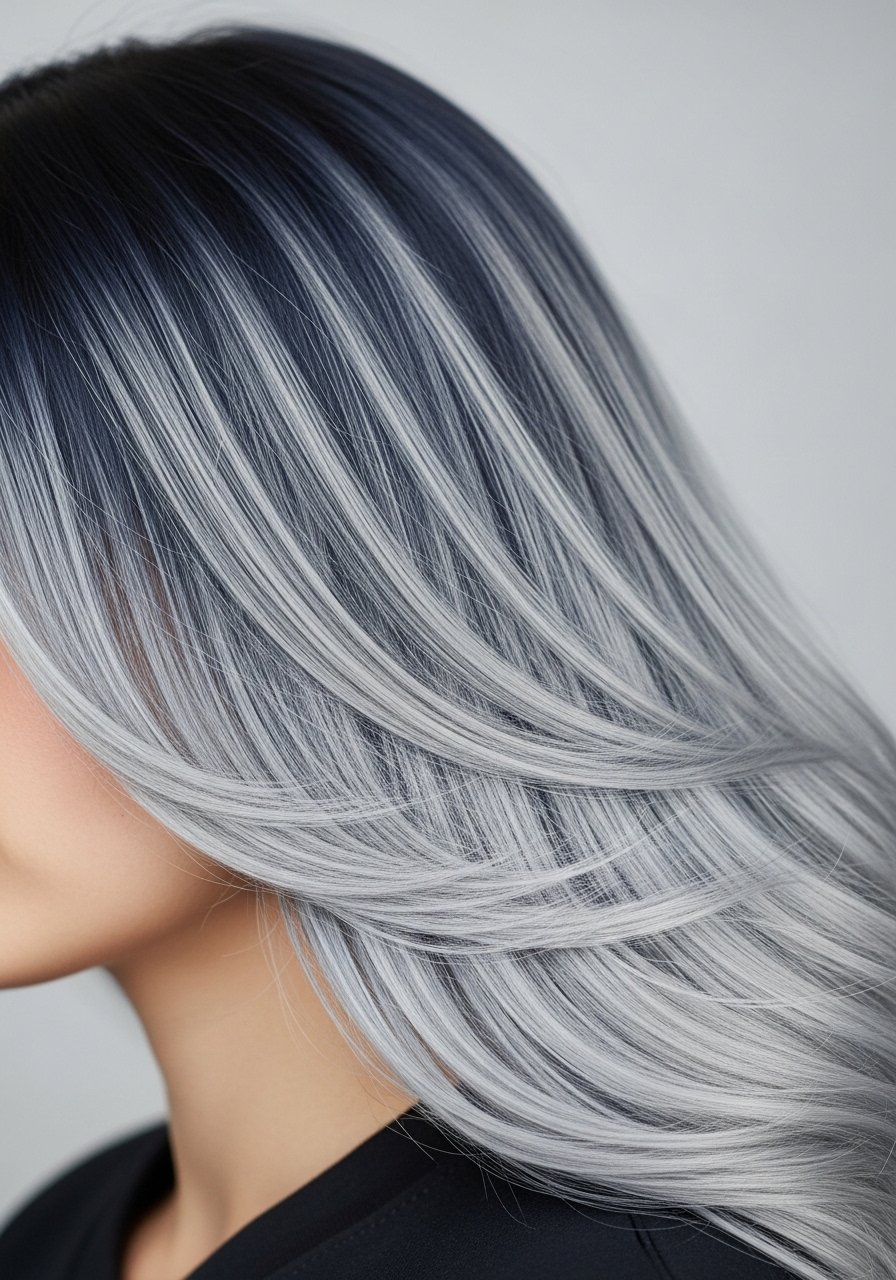
Root shadowing keeps regrowth low maintenance. I apply a navy shade about 1 to 2 inches from the root and feather it with a color brush downwards before depositing icy silver on the ends. The root shadow masks the 4- to 6-week regrowth line so you can stretch salon visits. Common mistake is making the root too stark. Use a brush with 15 to 20 strokes to diffuse the line. If your ends have been previously bleached, treat them with a weekly bond builder to avoid breakage during toning. Buy any Olaplex or K18 from authorized sellers to avoid counterfeits.
Mermaid Teal Lowlights For Curly Hair
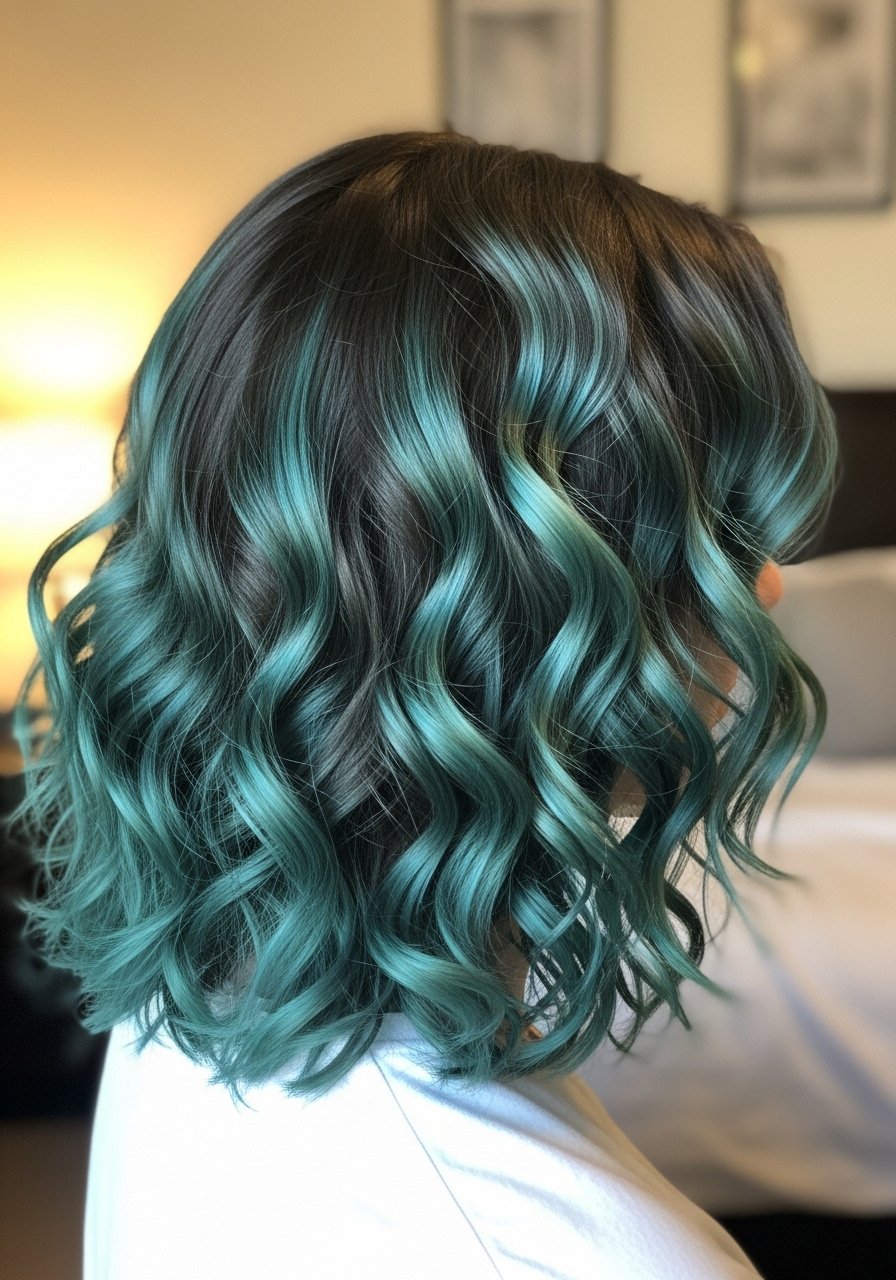
Curly hair hides dimension beautifully. I place teal lowlights in vertical panels under the top layer so the color peeks when curls move. For 3B to 4A curls, I dilute semi-permanent color with a clear conditioner at a 1:1 ratio to avoid heavy saturation that stiffens curls. Most people apply leave-in to towel-dried hair, then wonder why it does nothing. Instead, apply a leave-in on damp hair, then layer a curl cream and a light gel. For leave-in and gel layering, I use SheaMoisture Curl Enhancing Smoothie under a light gel to keep curls springy without stiffness. Heat is not needed. For safety, do an allergy patch test and avoid direct scalp application on sensitive scalps.
Color-Depositing Shampoo Routine To Keep Blue Fresh
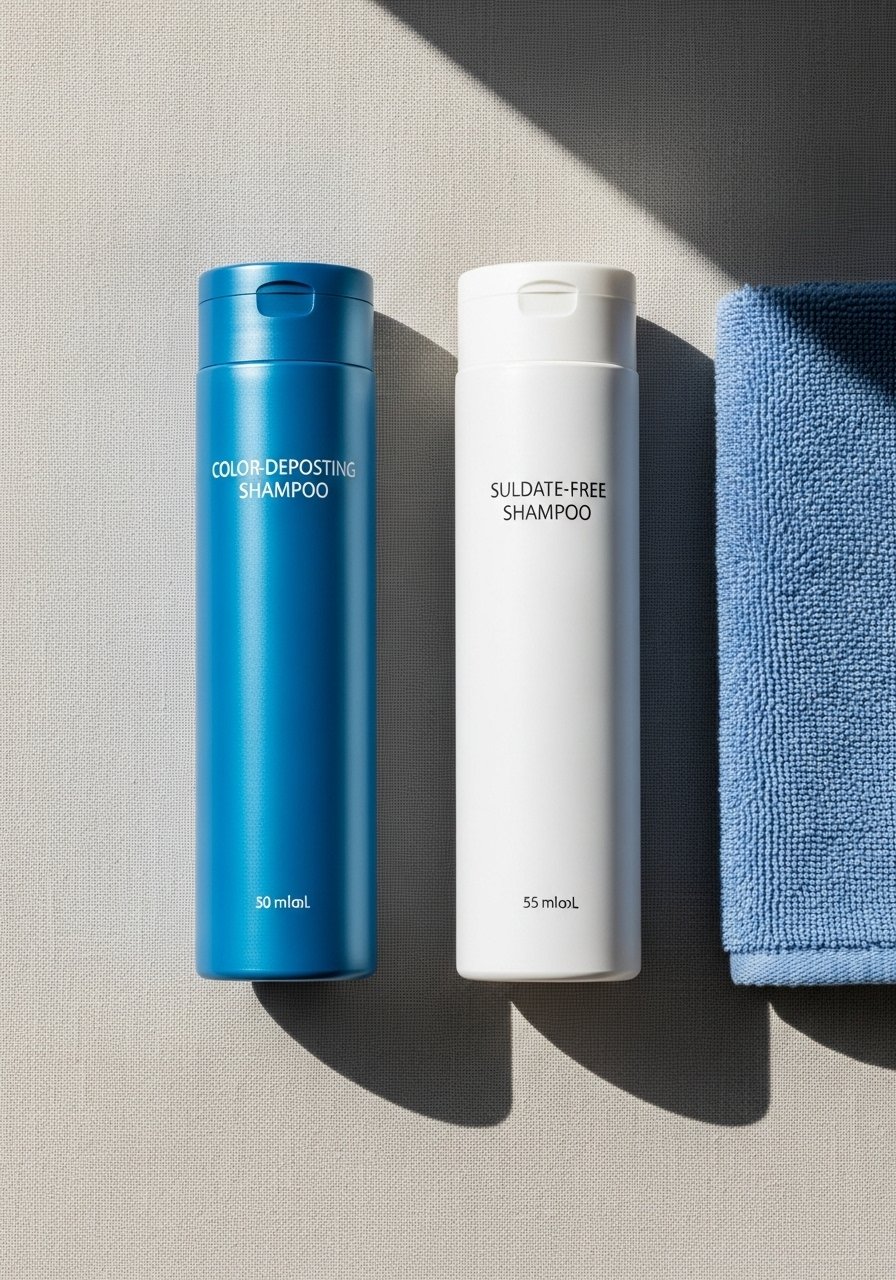
Fading is the biggest gripe with blue color. A simple maintenance routine is: wash with cold water, use color-depositing shampoo once every 1 to 2 washes depending on fade, and clarify monthly. I use a color-depositing shampoo for a 3- to 5-minute soak every other wash and a gentle sulfate-free shampoo on alternating days. Overdoing depositors makes hair feel heavy, so start at one treatment a week and adjust. A mistake is daily depositors thinking more equals longer color. It will layer up and look muddy. For the depositors, try oVertone Blue For Brown Hair or its conditioner line.
Fine Hair Periwinkle Baby Lights
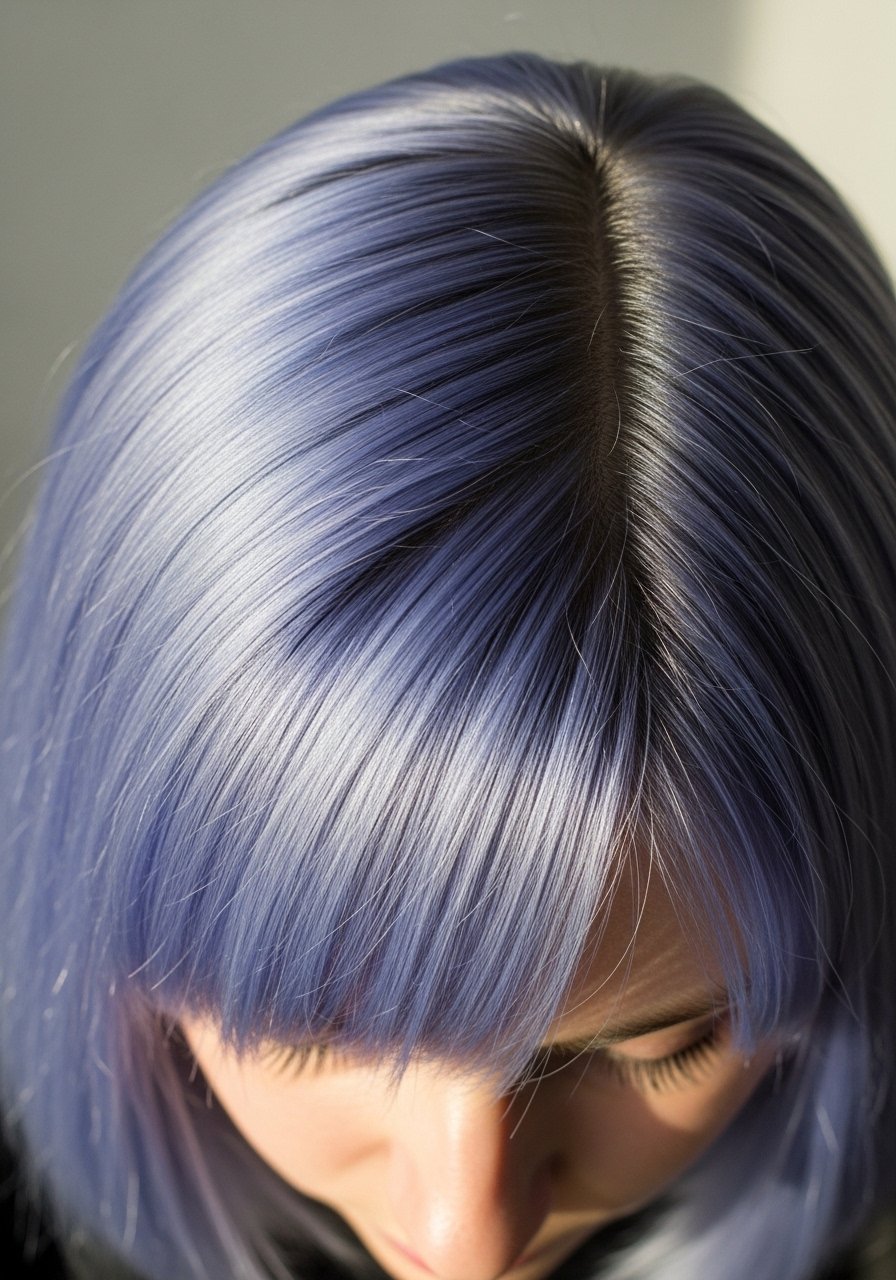
Fine hair cannot handle dense foiling. Baby lights spaced slightly wider give the illusion of thicker hair and avoid breakage from excessive lightening. I do 20 to 30 foils for shoulder-length fine hair and lift to a pale yellow only. Use a low-volume developer, 10 to 20 volume depending on starting level, and avoid 30-volume unless professionally monitored. Many people try to pack more foils to get even tone and then end up with straw-like ends. Keep a weekly bond maintenance and trim the ends every 8 to 10 weeks. For bond maintenance between salon visits, K18 Molecular Repair Mask is one I rotate in. Buy K18 or Olaplex from authorized sellers to be safe.
The Blue-Highlight Kit I Actually Keep On My Shelf
- Olaplex No. 3 Hair Perfector, 3.3 oz. Worth using weekly after any lightening. Buy from the official seller on Amazon or grab it at Sephora to avoid counterfeits
- Overtone Blue-To-Teal Conditioner, 8 oz. Good for quick refreshes between salon visits
- Color Wow Dream Coat Anti-Humidity Spray, travel size. One spritz before blow-drying helps lock color and smooth cuticle
- K18 Molecular Repair Mask, single use pack. Use after heavy lifts to restore elasticity
- Microfiber Hair Towel, 1 pack. Cuts drying time and reduces color rub off on fabric
- Sulfate-Free Clarifying Shampoo 8oz. Use monthly to remove product build up before a refresh
- Silk Pillowcase Queen Size. Stops overnight rubbing and saves color
- Boar Bristle Paddle Brush. Helps distribute natural oils without roughing up toners
Cobalt Ombre With a Clear Gloss Finish
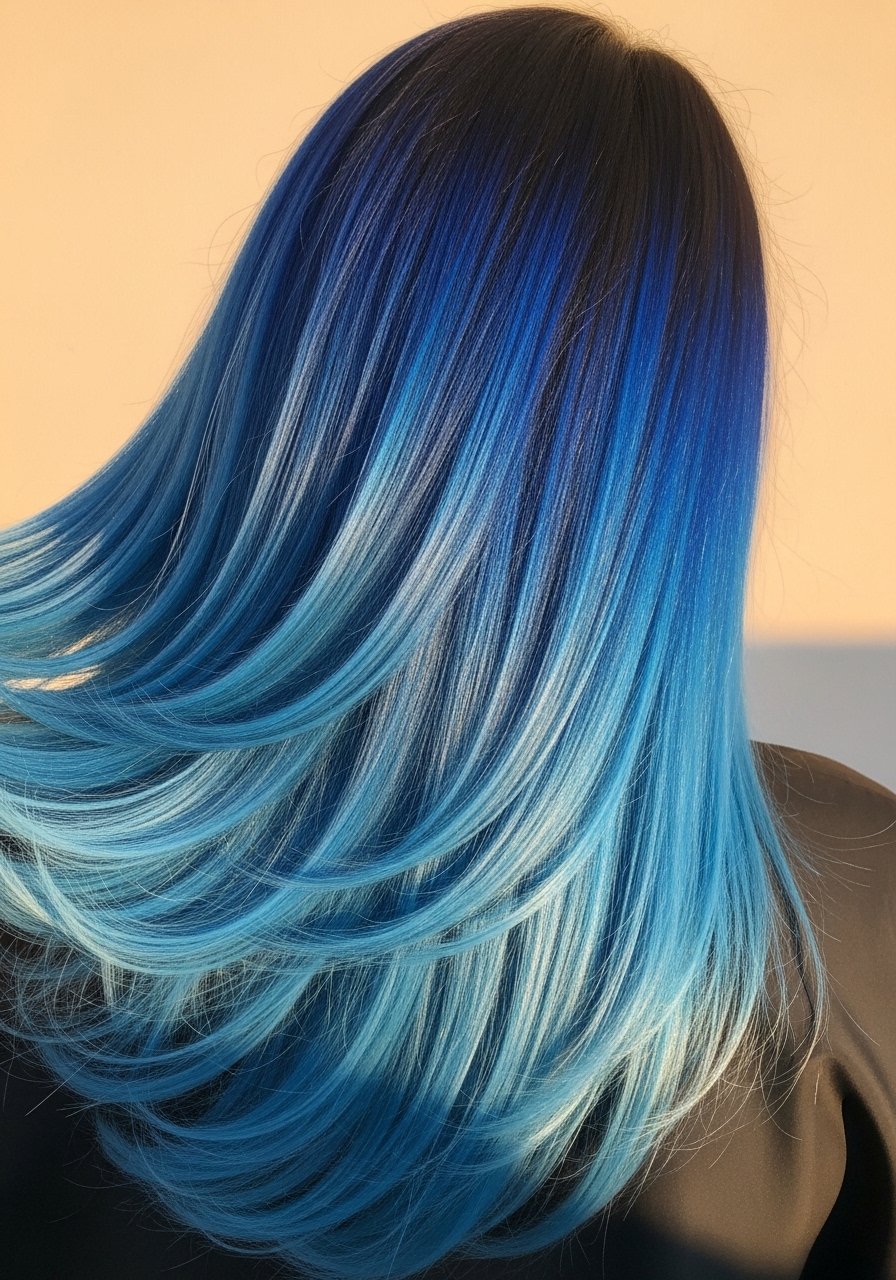
A clear gloss is the final step I rarely skip after toning blues and silvers. It seals the cuticle and smooths light-reflecting pigments so the color reads richer. Salon glosses last 2 to 4 weeks depending on your wash frequency. For DIY, a demi-permanent gloss applied for 10 to 15 minutes works. The mistake is skipping a gloss after toner and then wondering why the color looks flat on photos. If you heat-style after glossing, wait until the hair is fully dry and use heat protectant. For a glossy finish at home try Redken Shades EQ Gloss or grab a salon gloss service.
Hidden Teal Underlights For Low-Maintenance Color
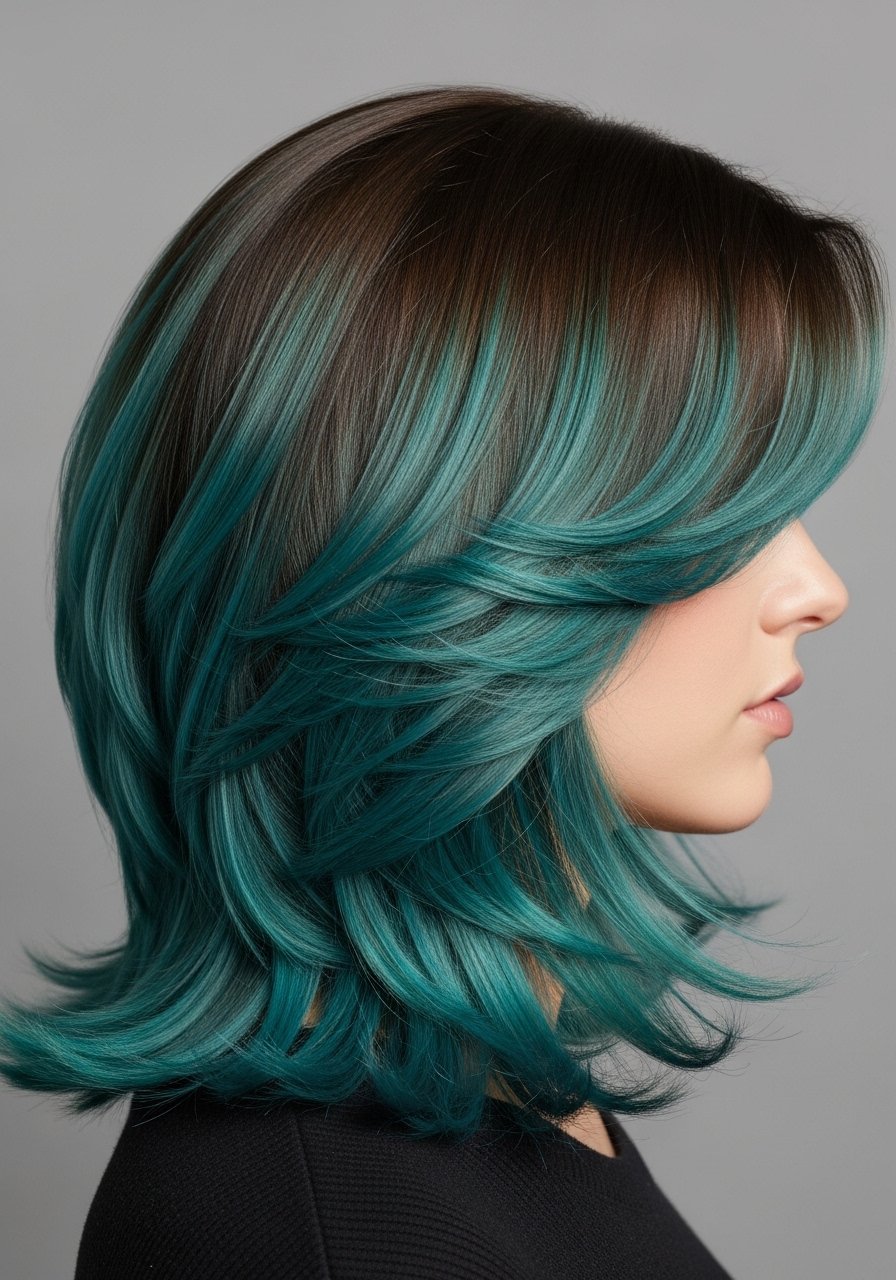
Underlights are the easiest to maintain because the color is protected from shampooing and sun. I place them on the underside panels of the head in horizontal slices about 1⁄2 to 1 inch tall. You can pre-light these small sections faster and with less risk. The trick is to keep the top layer darker so regrowth looks natural. This setup is great for anyone who wants color but not weekly upkeep. For at-home touch-ups use a small applicator brush and a semi-permanent dye. If you sleep on light pillowcases, protect them or you will get transfer the first week.
How I Stop Blue From Fading Into A Washing Machine Shade
- Heat protectant goes on damp hair, not dry. The cuticle is more open and the product actually absorbs. Color Wow Heat Protectant is one I reach for when I plan to flat iron
- Grab a microfiber hair towel for $12. It cuts your blow dry time by a third and stops the frizz before it starts. Faster drying equals less pigment loss
- Hair grows about half an inch a month at most, regardless of what biotin gummies promise you. Trim smart and plan color around the growth you will actually get
- Use a color-depositing conditioner once every one to two washes. Start with a shorter leave time. You can always build intensity. oVertone Deposit-Only Conditioner is easy to control
- If you bleach over previously dyed hair, do not DIY. Lifting over old color is the single most common cause of breakage and patchy lifts. Book a pro or accept staged sessions
Frequently Asked Questions
Q: How often should I use a color-depositing shampoo to keep blue vibrant?
A: Start with once a week and adjust based on fade. If your blue fades quickly after the first wash, move to every other wash. Too much deposit can make tones look murky, so test a small amount first.
Q: Can I bleach my hair at home if it was dyed darker before?
A: Lifting bleach over previous color is risky. This is the single most common reason hair breaks off in the shower. If you are trying to go much lighter than your current dyed shade, book a color correction or expect multiple sessions over months.
Q: Will Olaplex or K18 make my over-processed ends new again?
A: Bond builders strengthen and smooth the hair, but they do not undo past damage. They improve elasticity and make styling safer while you grow out and trim. Use them weekly after bleaching and buy from an authorized seller on Amazon or a retailer to avoid counterfeits.
Q: How often should I tone blue or silver highlights?
A: Toning frequency depends on water and washing. For silver or icy tips, a quick toner or purple shampoo every 2 to 4 weeks keeps brass down. For intense blues a demi-gloss every 3 to 6 weeks refreshes vibrancy.
Q: What heat setting should I use on colored hair?
A: Keep irons under 350F for fine hair and 350F to 375F for coarse hair, and always apply heat protectant to damp or just-dried hair before any iron over 300F. This limits color fade and cuticle lifting.
Q: My pillowcases stained after I colored blue. How do I stop that?
A: Rinse until the water runs clear after coloring, wait 48 to 72 hours before the first wash, and sleep on a silk or dark pillowcase for the first week. Also wear an old towel for the first night if you are sleeping on light bedding.