I bleached my own hair in my kitchen last January and watched a chunk break off in the shower three days later. Here is what I learned about getting purple peekaboo pieces that look intentional, not like a color band or a surprise that fades in week one. I kept the ideas practical, with maintenance notes and which pieces you can actually do at home without wrecking your hair.
These looks are aimed at people with medium to thick straight, wavy, and curly textures, shoulder length to mid-back. Most of the ideas take 10 to 60 minutes at home once the panels are lifted, though a few need a salon visit. Budget ranges from a $10 temporary spray up to $150 for a salon gloss. If you are lifting hair, book a pro or accept multiple sessions and I recommend a bond builder.
Purple Money Piece Framing A Straight Lob
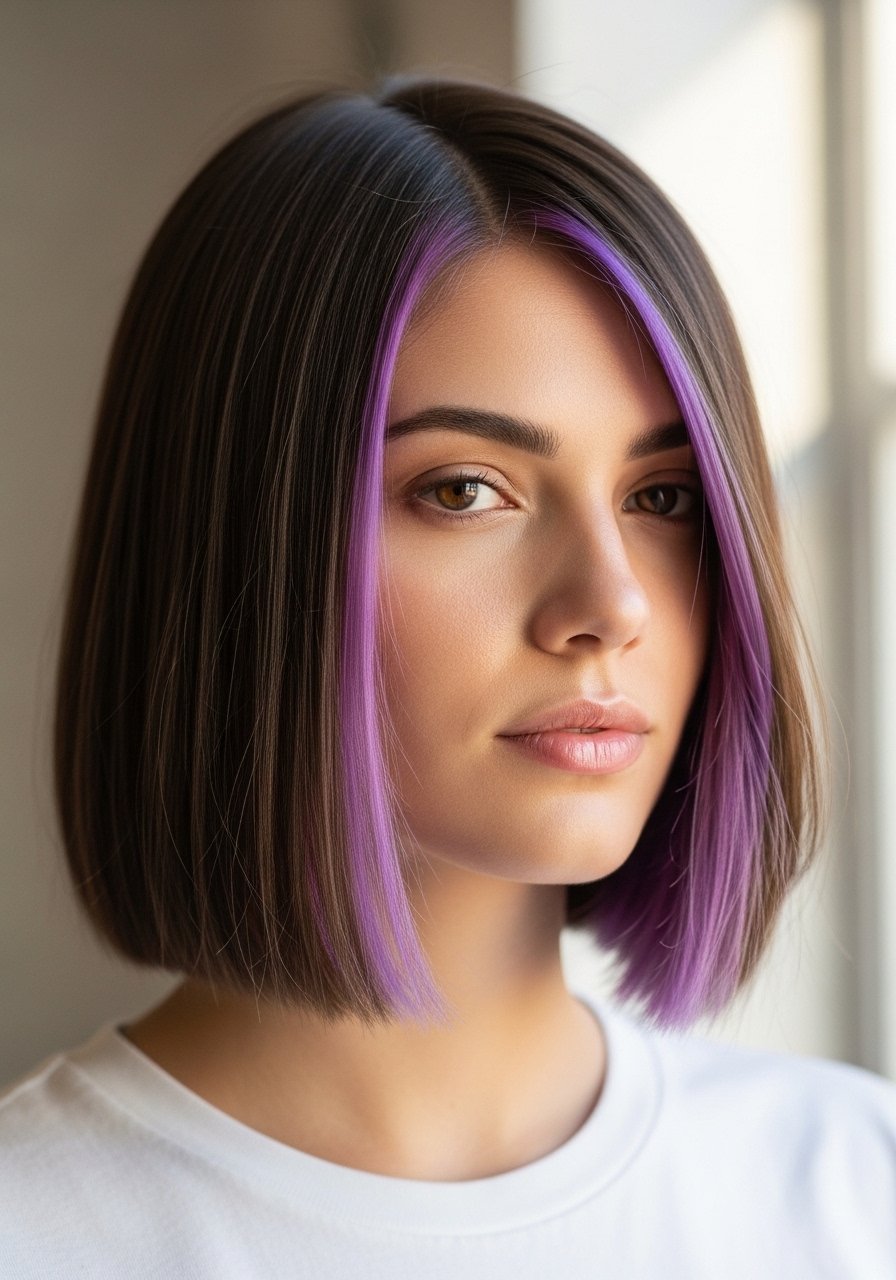
If you want the purple to read as fashion-forward but still wearable, a single face-framing money piece is the safest route. On a straight lob it pops without needing full-head bleaching. For medium brown hair you will likely need a salon lift to pale yellow before depositing a violet shade. The result is a framed face flash that brightens skin tone and plays up a middle or deep side part. A common mistake is taking too wide a slice, which looks choppy as it grows out. I ask my stylist for a 1/2 inch section at the hairline and to feather the edges. If you try this at home, do a patch test and plan for touch ups every 6 to 8 weeks. Two spritzes of a colored conditioner like Overtone purple conditioner help the tone last between salon visits.
Hidden Underlights For Low-Maintenance Color

Underlights sit beneath the top layers so you only see purple when you move or tie your hair up. This is perfect if you work in conservative offices or want low-maintenance vibrancy. The lift needed is less obvious because you do not touch the root surface, so you can space salon appointments out farther. One trap is using a semi-perm purple that is too sheer on dark hair. Pick a direct dye meant for deposit, or pre-lighten the small panels to a warm yellow. In my experience, sectioning the panels into three horizontal slices per ear gives a softer edge than one thick block. For quick at-home refreshes, a few pumps of Manic Panic Amplified Purple on damp underlayers works for one to three washes.
Soft Pastel Lilac Peekaboo On Shoulder-Length Waves
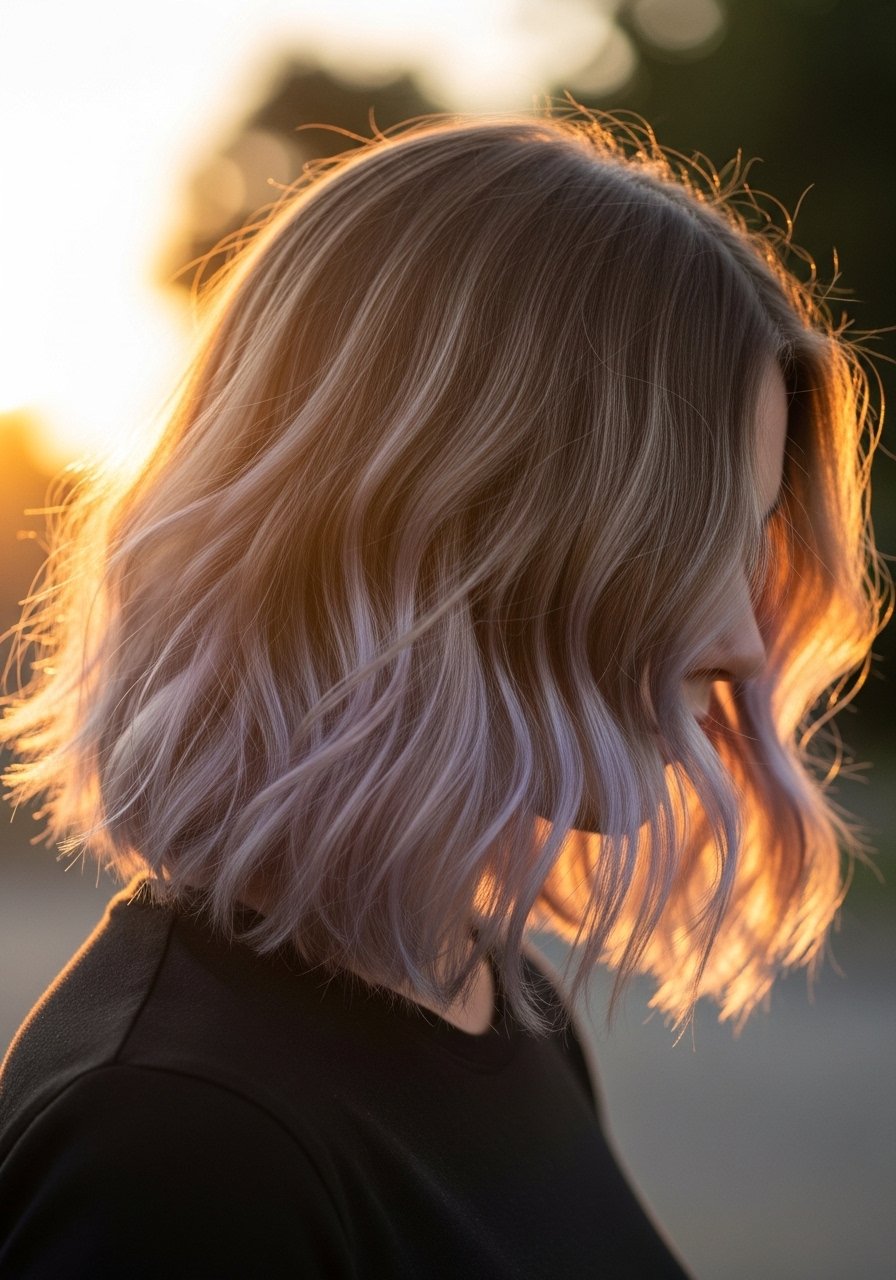
Pastel lilac reads delicate, but it is the most maintenance-heavy option because it needs a very light base. The honest truth is you usually have to lift to a pale yellow for pastel to show, which can take two sessions if your hair was dark. A realistic at-home route is a toned-down lavender using a semi-permanent dye after a targeted lift on small panels. I mix purple deposit with a clear conditioner to stretch pigment and get that soft fade without neon. One specific trick that helped me was pulling eight thin sections inside the panel before applying color, so the fade is more lived-in. Damage note, bleaching over previous color is risky, book a salon if you are unsure. For at-home toning, try Punky Colour Lavender and use sparingly.
Deep Violet Peekaboo For Curly Hair That Pops
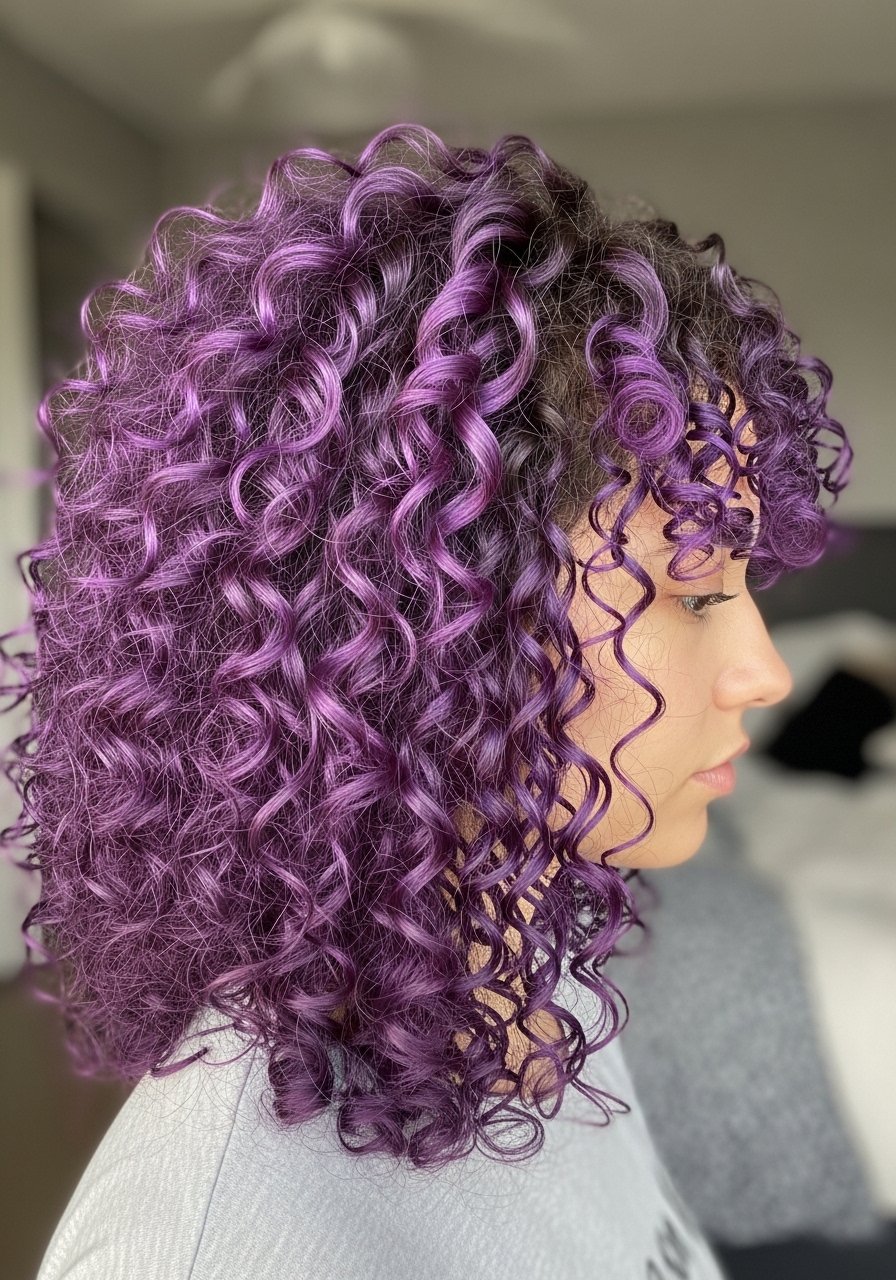
Curls show color differently because the strand twists, so a narrow violet panel can read as multiple flashes through the curl. I like two to three thin vertical panels on Type 3 curls, which break up the color and avoid a solid block that looks dated. Use the LOC method for styling here, leave-in then oil then cream, to protect color-treated curls from frizz. A common mistake is saturating freshly colored curls with heavy creams and losing the vibrancy. I wait 48 hours after color before deep conditioning heavy products. For heat styling, remember heat protectant before any iron over 300F. A weekly bond treatment like Olaplex No. 3 hair perfector usually held my curls together during the first harsh month after lightening. Buy from the official store on Amazon or Sephora to avoid counterfeits.
Smoky Root Shadow With Purple Peekaboo Panels
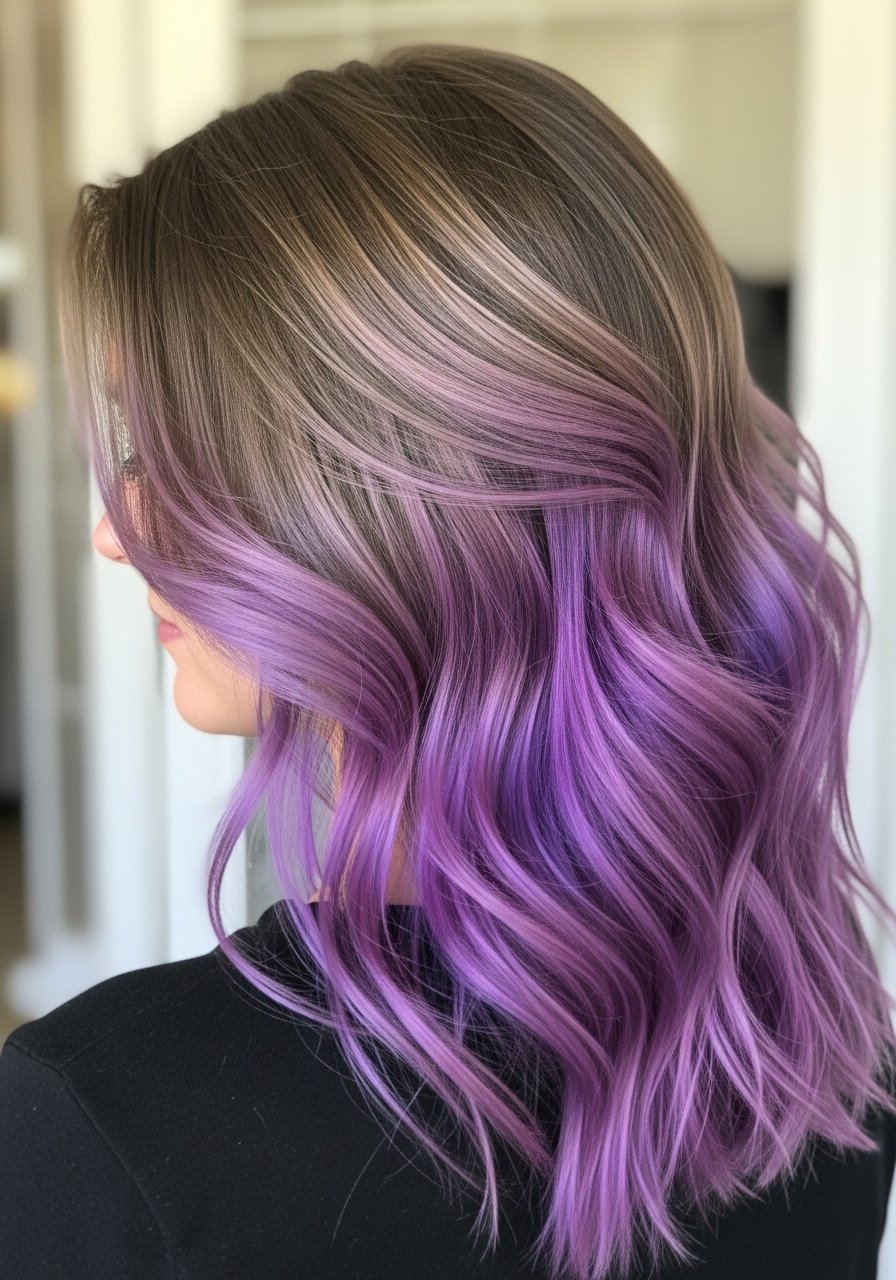
If you hate obvious regrowth lines, a root shadow keeps your color friendlier to long stretches between appointments. Darken the root to a soft shadow and place purple panels mid-length to ends. It reduces the look of banding and lowers salon frequency. The technique that saves time is booking two small panels per side and asking the colorist to smudge the root into the panel, which takes 10 to 15 extra minutes. Salon note, a shadow root is best done professionally the first time to avoid muddy tones. If you try at home, mix a demi-perm color no more than one level darker than your natural root and do a strand test.
Chunky Purple Panels For Short Bobs And Pixies
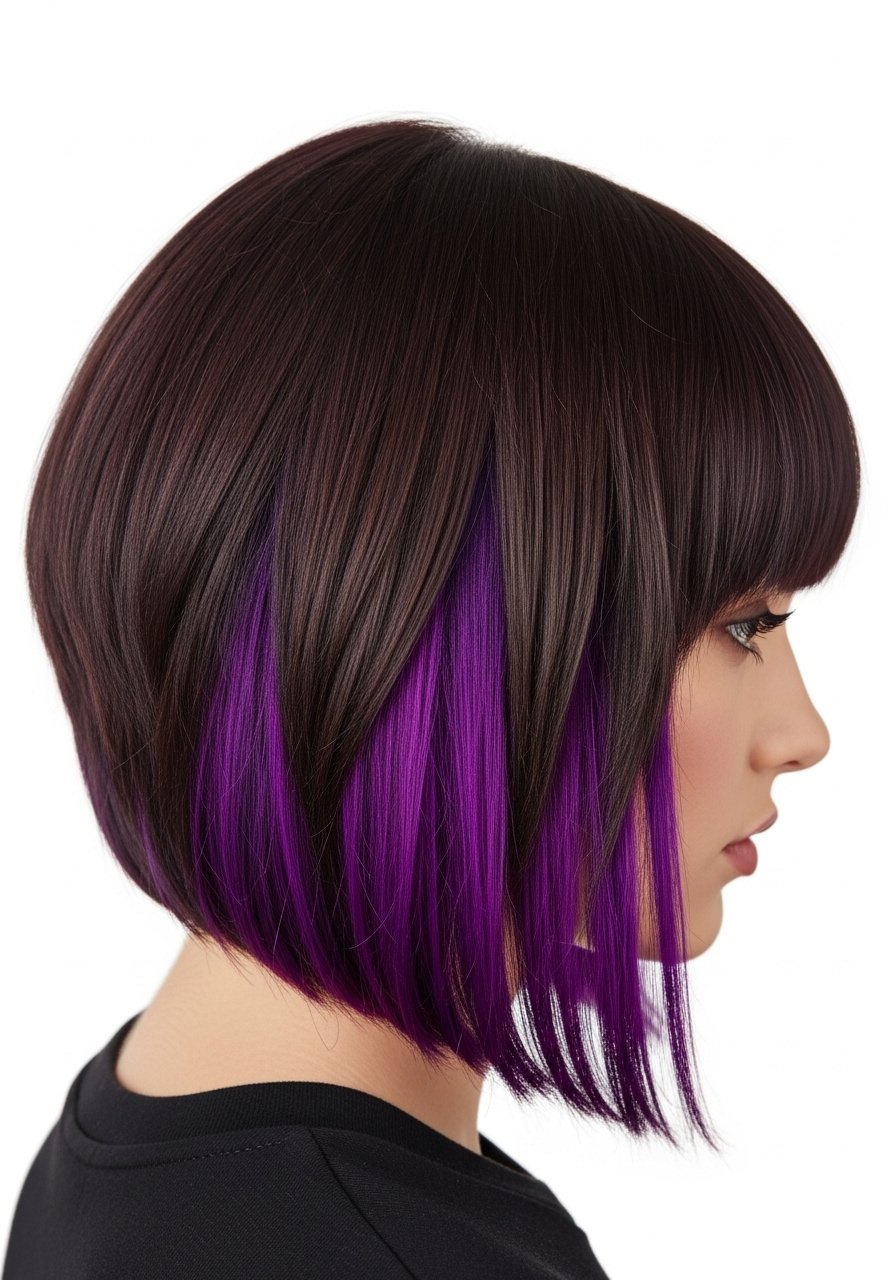
Short hair makes peekaboo dramatic because less hair hides more color. Chunky panels on a bob or pixie frame the face and give an edgy look with minimal upkeep. My rule for short styles is keep panels at 1/2 to 1 inch wide so they read like a deliberate stripe, not a dye mistake. A frequent DIY error is over-processing the whole head when only small sections needed lift. If you have a pixie, nape panels will show every time you bend your head, so plan touch-up frequency accordingly. For a temporary route try a color-depositing mask or a one-wash spray. Temptu Color Spray in purple is a fast event fix.
Ombre Purple Melt For Long Hair That Moves
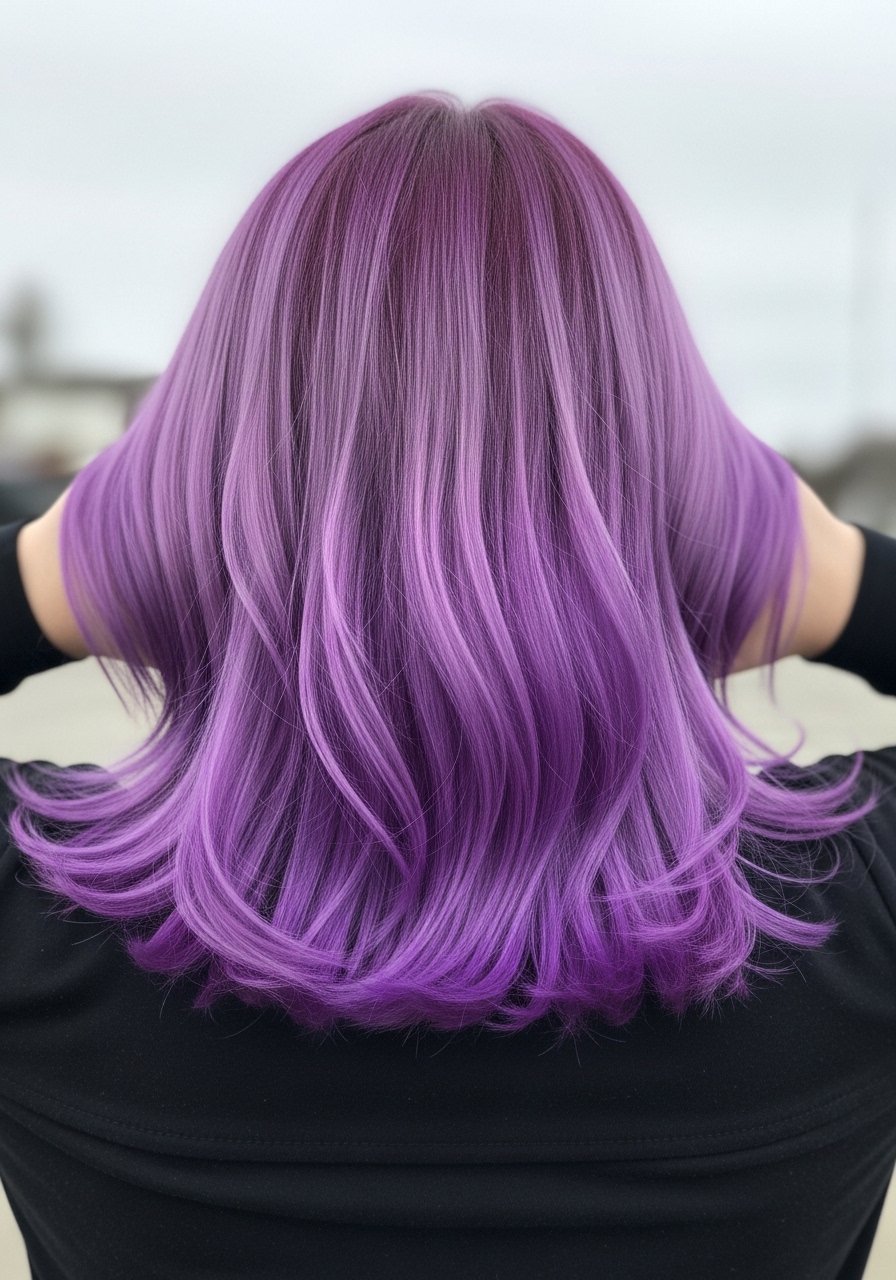
An ombre melt is forgiving as it grows out because the color starts mid-shaft. On long hair split panels into smaller vertical ribbons, then feather the dye outward for a soft gradient. I usually section into six panels horizontally and paint each with a slightly different mix to avoid a hard line. This takes more time at the salon but it pays off in a natural fade. Home attempts can work if you stick to semi-perms and avoid overlapping previously lightened hair too aggressively. Safety note, lift only the lengths and avoid the scalp to reduce sensitivity. Keep a colored conditioner on hand to refresh the ends every other wash.
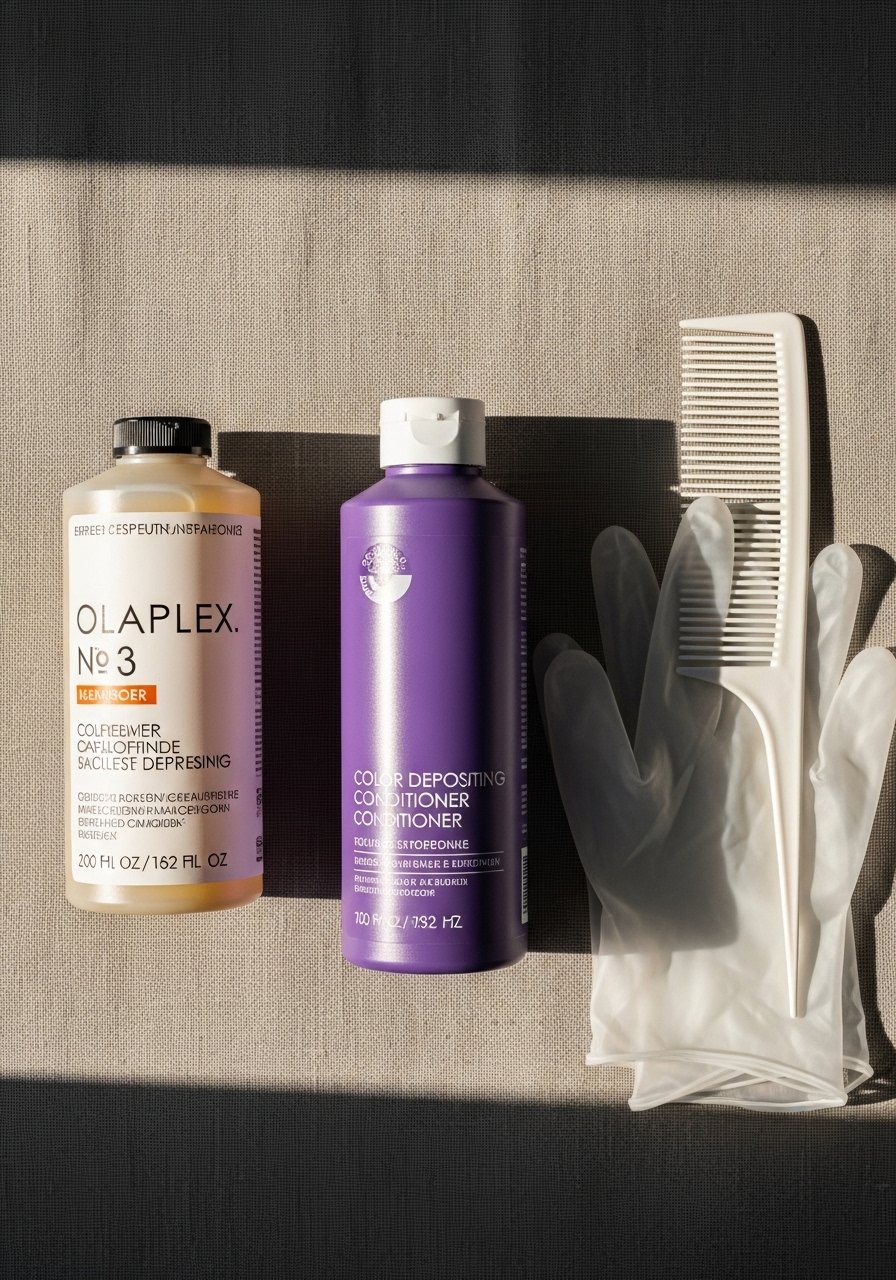
The Purple Peekaboo Kit I Actually Recommend
*
- Olaplex No. 3 hair perfector 3.3 oz, buy from official store on Amazon or Sephora to avoid counterfeits. Worth using weekly after any lift
- A purple color-depositing conditioner 8 oz, for in-shower refreshes between dye sessions
- A 20-volume developer 8 oz for small panel lifts, only if you know what you are doing
- A high-quality pair of nitrile gloves box of 100, because stained hands are a mood killer
- A color brush and mixing bowl set for neat at-home application
- A silk pillowcase queen size to cut morning frizz and protect color overnight
- A microfiber hair towel to cut drying time and reduce color transfer
- Fanola No Yellow purple shampoo 1L, use once a week only to avoid drying effects
- A bond-building conditioner like Olaplex No. 5 8.5 oz, to be used after any lift session
Lavender Smudge For Blending Gray Or Brass
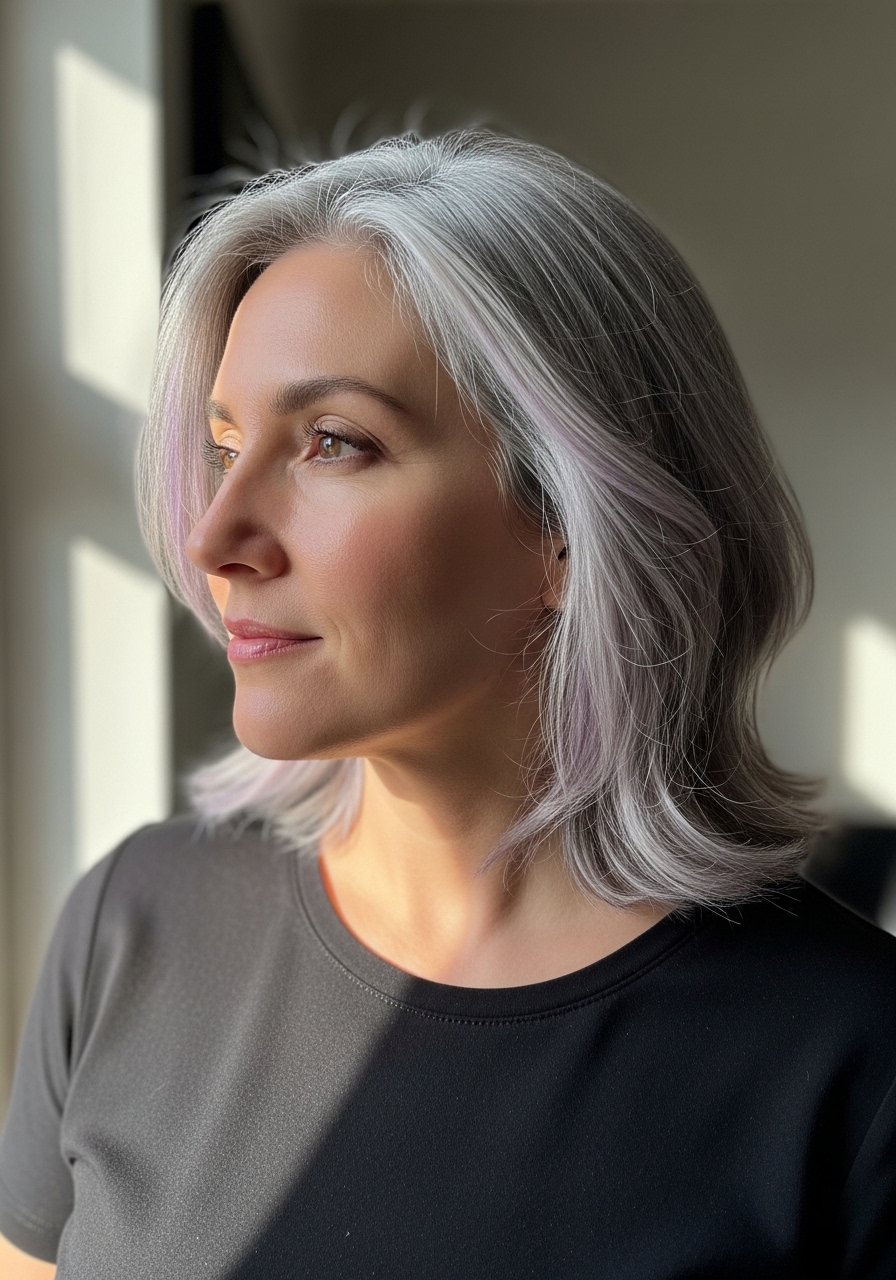
If you are blending gray or want to soften brass, a lavender smudge can be the trick. It is less about full coverage and more about neutralizing warmth. The safest application is a demi-permanent toner applied to small slices near the front and temples. A mistake I see is treating it like regular color and saturating the scalp area, which can irritate sensitive skin. Patch test for scalp sensitivity before a full application. For at-home toning, dilute a purple toner with a clear conditioner to 25 percent strength and apply for five minutes, checking results often. That diluting trick keeps you from overshooting the purple.
Magenta-To-Purple Gradient For Braids And Protective Styles
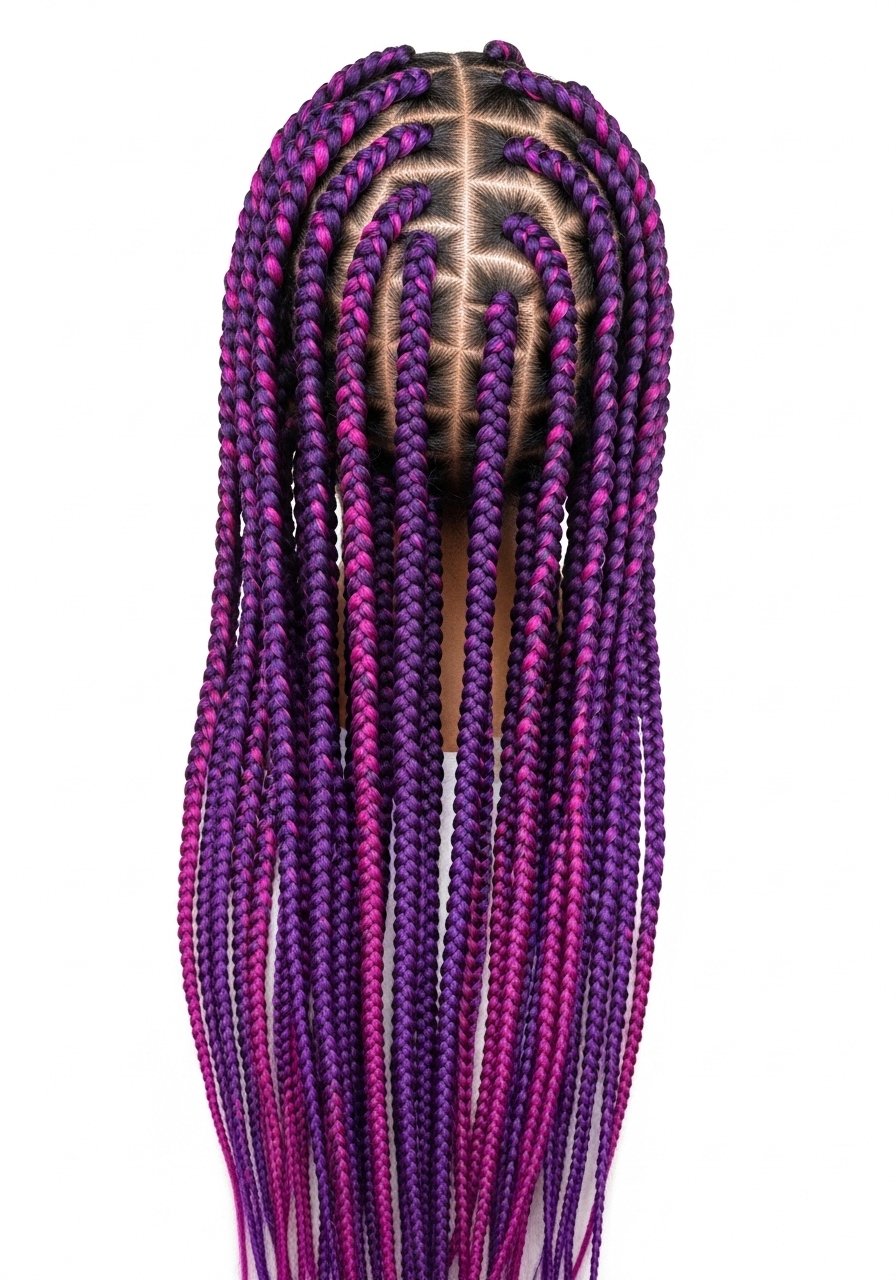
Protective styles let you show peekaboo color without daily heat. When adding purple into braids, use pre-dyed human hair extensions or dye the underlayers before braiding. Be mindful of tension. Tight braiding plus chemically lightened hair equals breakage. I ask braiders to keep the first row loose and to avoid placing the color directly at the scalp. For a gradient effect, pre-dye three bundles with slightly different violet tones so the braid reads as a blend. The downside is you cannot easily refresh the pigment mid-style, so plan to redo the braids every 6 to 8 weeks.
Toner, Purple Shampoo, And How Often To Use Them
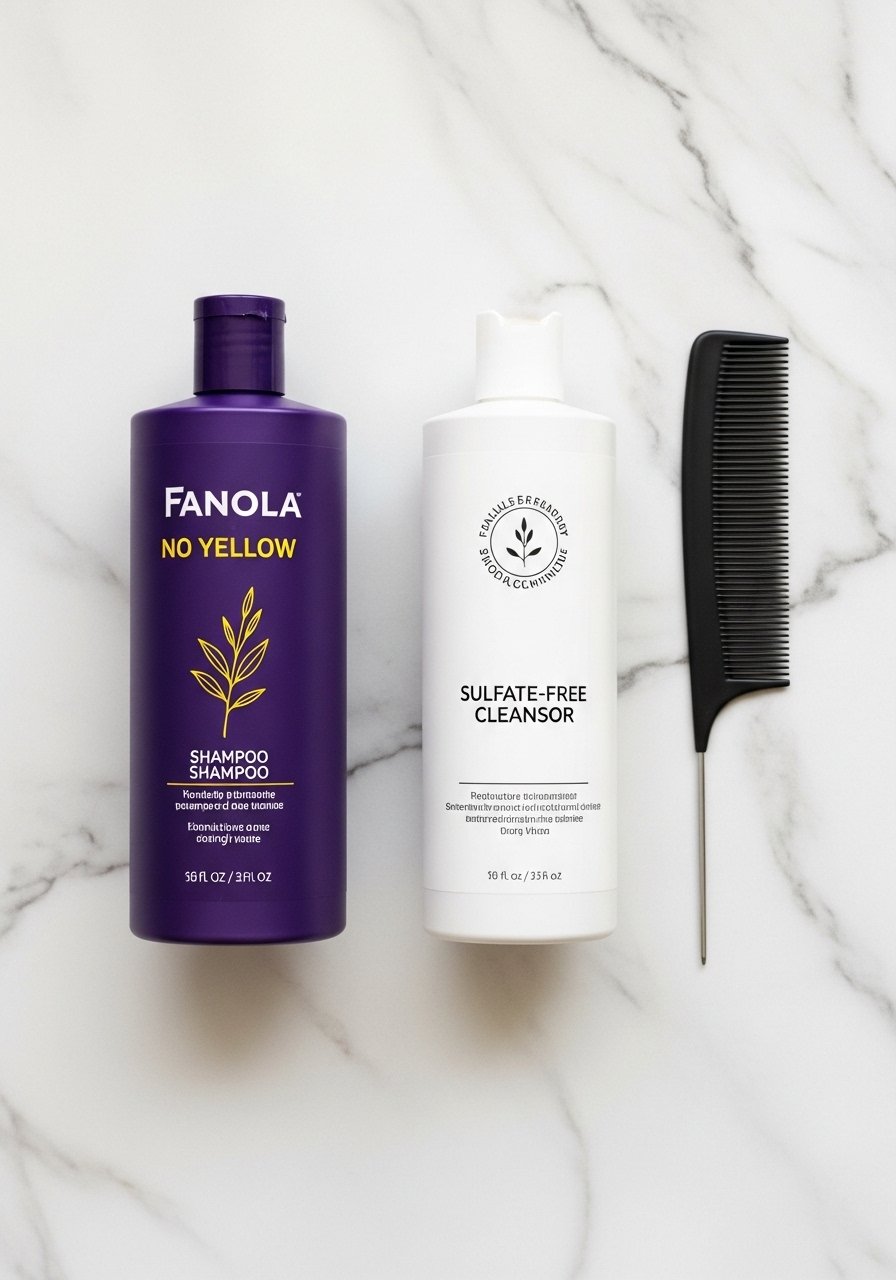
A friend asked why her hair felt like straw. She had been using purple shampoo every wash for six months. Swapped to once a week and it came back. Purple shampoo is powerful and dries some hair types out if used too often. For most purple peekaboo pieces use purple shampoo once weekly, and a color-depositing conditioner the next wash. If your panels are lightened, a toner in-salon every six to eight weeks keeps brass at bay. For at-home toning try a product with low alkaline levels and follow the timing on the bottle exactly. Overuse is the single fastest way to end up with a gray-violet residue instead of the vivid purple you wanted.
Temporary Color Sprays And Chalks For Events
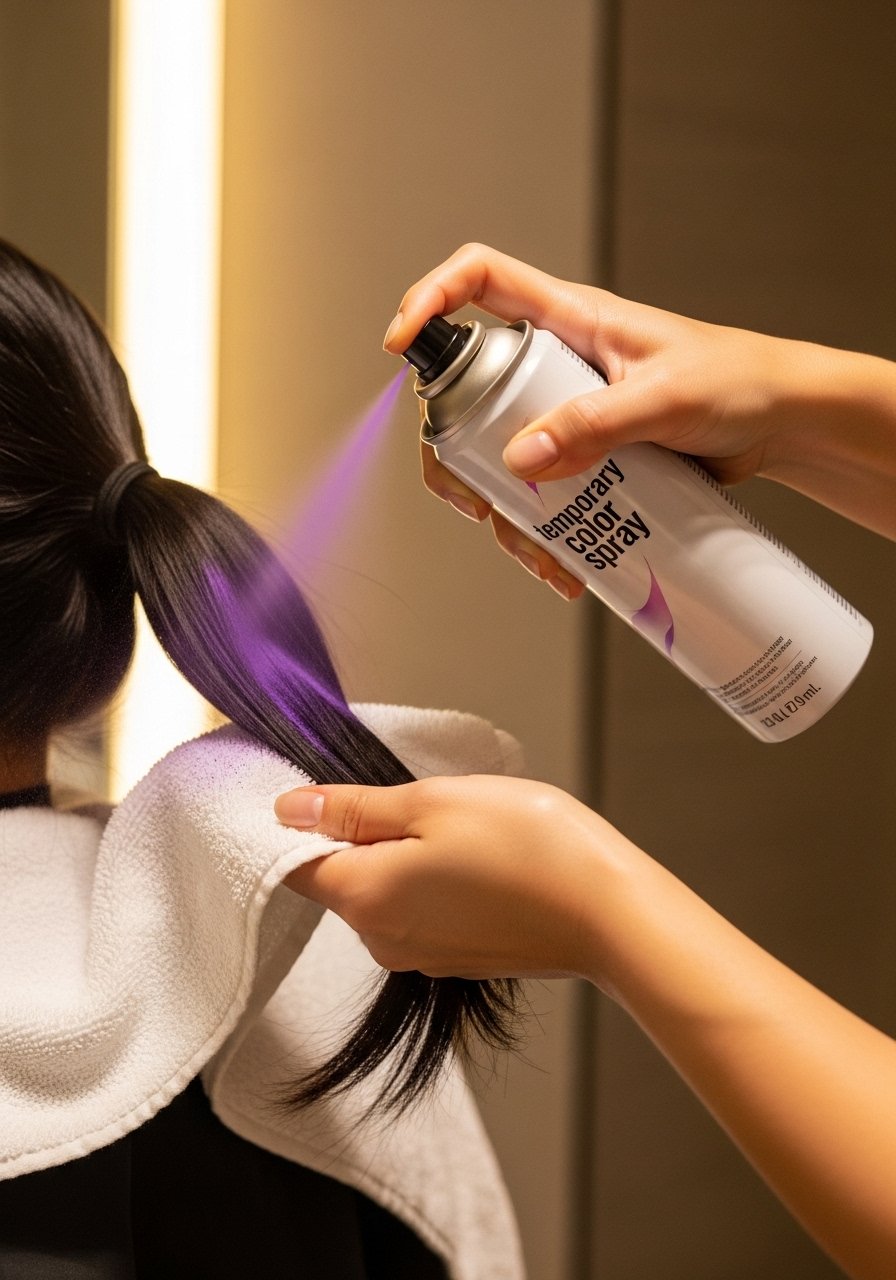
If you want color for a weekend or festival, temporary sprays and chalks are lifesavers. They wash out in one shampoo and require zero lifting. They also let you test a shade before committing. The downside is transfer on pillows and clothes, so use a silk pillowcase and avoid rubbing. I sprayed a peekaboo panel for a wedding and it gave me the exact pop without scheduling a salon. For best results apply to dry hair, use a heat tool at a low setting to seal the color slightly, and shampoo as soon as you are done with the look.
Purple Gloss Finish For Tone Boosts Between Dyes
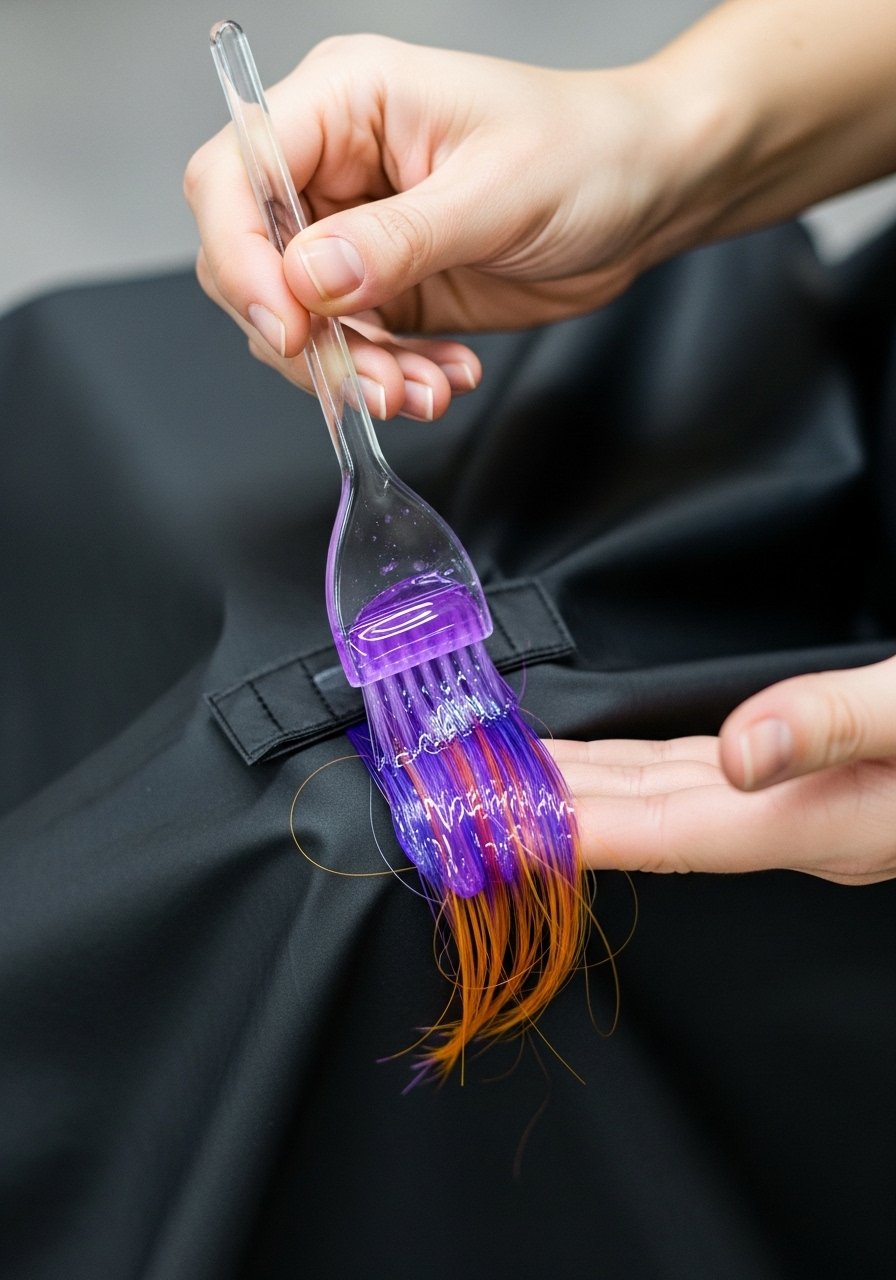
If your panels are losing their sparkle but you do not want a full dye day, book a purple gloss. Glosses sit on the cuticle and refresh tone without much lift. They last four to six weeks and make faded purple read freshly dyed. Salon glosses are subtle, so if you want a saturated color you will need a deposit-only dye instead. A common misstep is trying to gloss hair that is still brassy without pre-toning. The gloss will pick up the warm pigments and look muddy. Glosses are worth the cost if you want low-commitment color upkeep.
Bond Builder Routine If You Plan To Go Bright
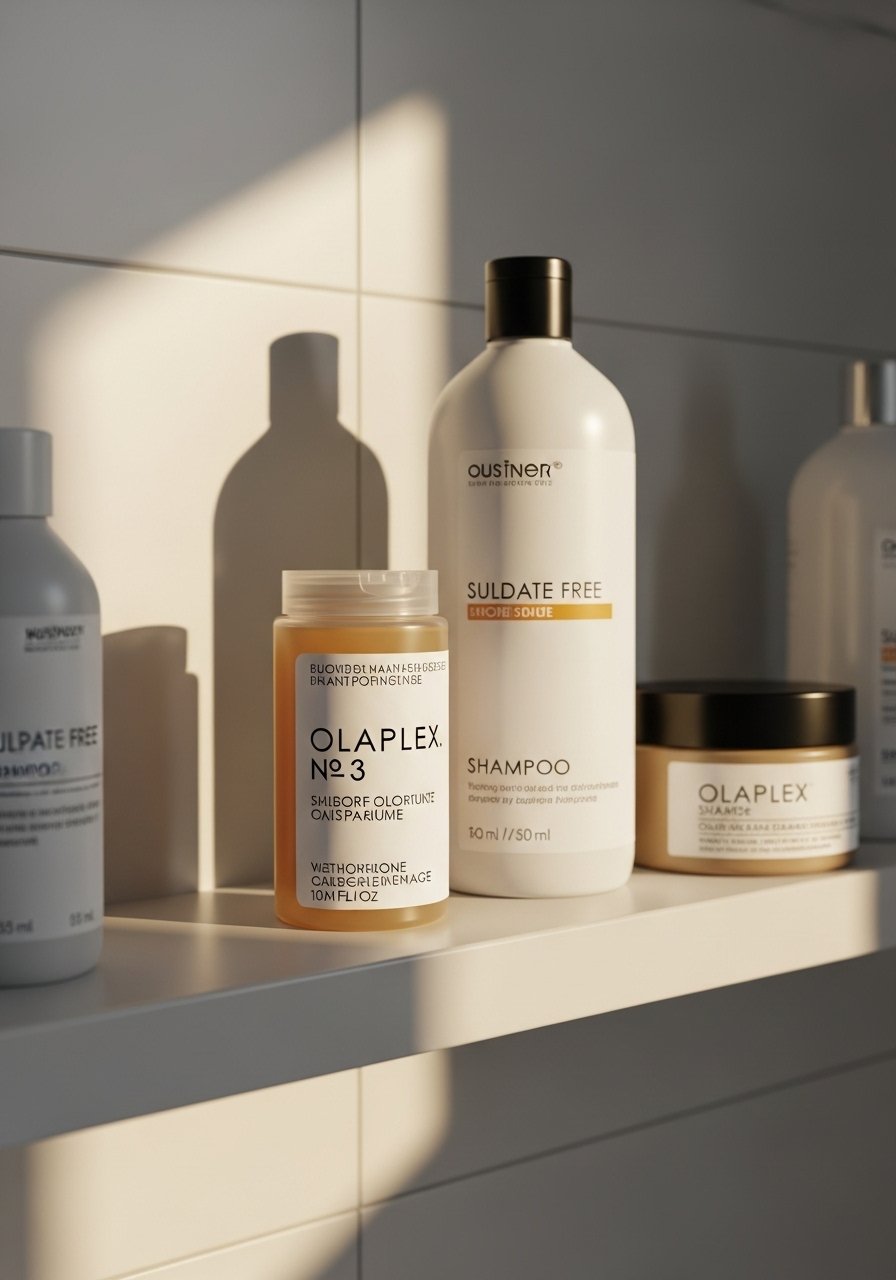
If you are planning any lift for purple peekaboo pieces, a bond-building routine saved what was left of my ends. Hair grows about half an inch a month at most, regardless of what biotin gummies promise you. Weekly use of a bond builder after lightening, plus a mid-weight conditioner on the lengths, keeps colored panels from feeling gummy or breaking. I use Olaplex No. 3 once a week, then follow with a conditioner like Olaplex No. 5 on wash days. Also avoid heat for 72 hours after a major lift and always use a heat protectant before any iron over 300F. If your hair was previously colored dark, do not bleach over it at home. Book a color correction or expect multiple sessions.
How I Keep Purple Peekaboo Looking Good Between Appointments
- Heat protectant goes on damp hair, not dry. Most heat protectants you spray on dry hair before flat ironing barely work. They need to absorb into damp or just-dried hair to actually shield the cuticle. Color Wow heat protectant is light and absorbs quickly
- Grab a microfiber hair towel for $12. It cuts your blow dry time by a third and stops the frizz before it starts
- Hair grows about half an inch a month at most, regardless of what biotin gummies promise you. Plan color appointments around visible regrowth, not the calendar
- Buy a small tube of purple color-depositing conditioner to refresh panels in the shower. A little goes a long way, apply for three minutes and rinse
- If you are lifting panels at home, do a strand test and never overlap bleach onto previously lightened hair. If you see excessive porosity or breakage, stop and call a salon
Frequently Asked Questions
Q: How often should I use purple shampoo on peekaboo panels?
A: Once a week for most people. A friend asked why her hair felt like straw. She had been using purple shampoo every wash for six months. Swapped to once a week and it came back. If your panels are extremely light, you can alternate a purple wash with a hydrating mask the next wash.
Q: Can I do purple peekaboo on dark hair at home?
A: You can, but it usually requires a lift to at least a warm yellow for brighter purples. Lifting dark hair is where mistakes happen. If you have one or two small panels and feel confident, a targeted lift with 20-volume developer on the lengths can work. If you are unsure or have previously colored hair, book a salon appointment.
Q: Will semi-permanent purple stain my pillow or clothes?
A: Some transfer can happen, especially while the dye sets the first 48 hours. Use a silk pillowcase and sleep with a loose braid or clip the colored panels away from the face. Temporary sprays and chalks will transfer more but wash out in one shampoo.
Q: How long does a purple gloss last on peekaboo panels?
A: Typically four to six weeks depending on your wash frequency and shampoo type. Glosses sit on the cuticle so they fade evenly. If your hair is brassy before you gloss, the tone can look muddy, so pre-toning is sometimes necessary.
Q: Can I bleach panels over previously dyed hair safely?
A: This is the single most common reason hair breaks off in the shower. Lifting bleach over previous color is a salon job, not a kitchen experiment. If you are committed to going lighter, book a color correction or accept it will take multiple sessions over months.
Q: What temporary product works best for a one-night purple flash?
A: A temporary color spray is the easiest and least damaging option. Apply to dry hair, dust off excess, and seal briefly with a low heat tool if you want longevity that evening. Shampoo removes it the next wash.