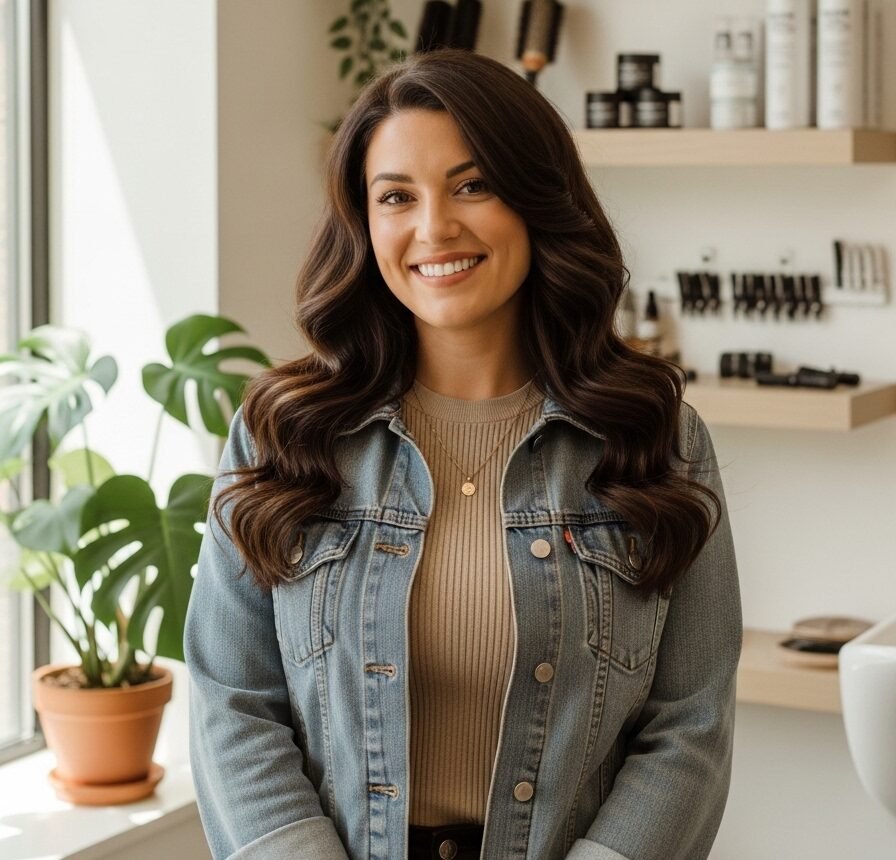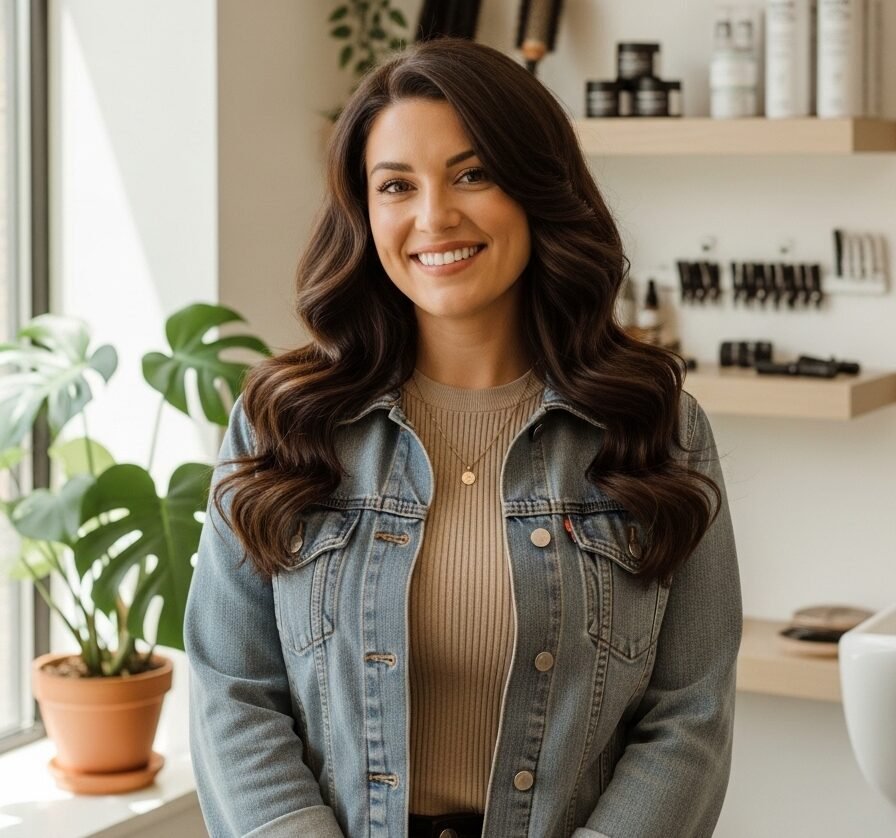
If your curls go flat by noon or your balayage ends up looking stripy on darker hair, I get it. I spent two salons and one at-home bleaching disaster learning how to make curly balayage hair for brunettes look seamless and last without frying every strand. These ideas are for 2B through 4A curl patterns, shoulder length to long, with options for tight coils and looser ringlets. Expect mostly at-home styling and maintenance under $50, with a few salon-level steps worth booking.
Brunette Curly Balayage With Soft Face-Framing Lights
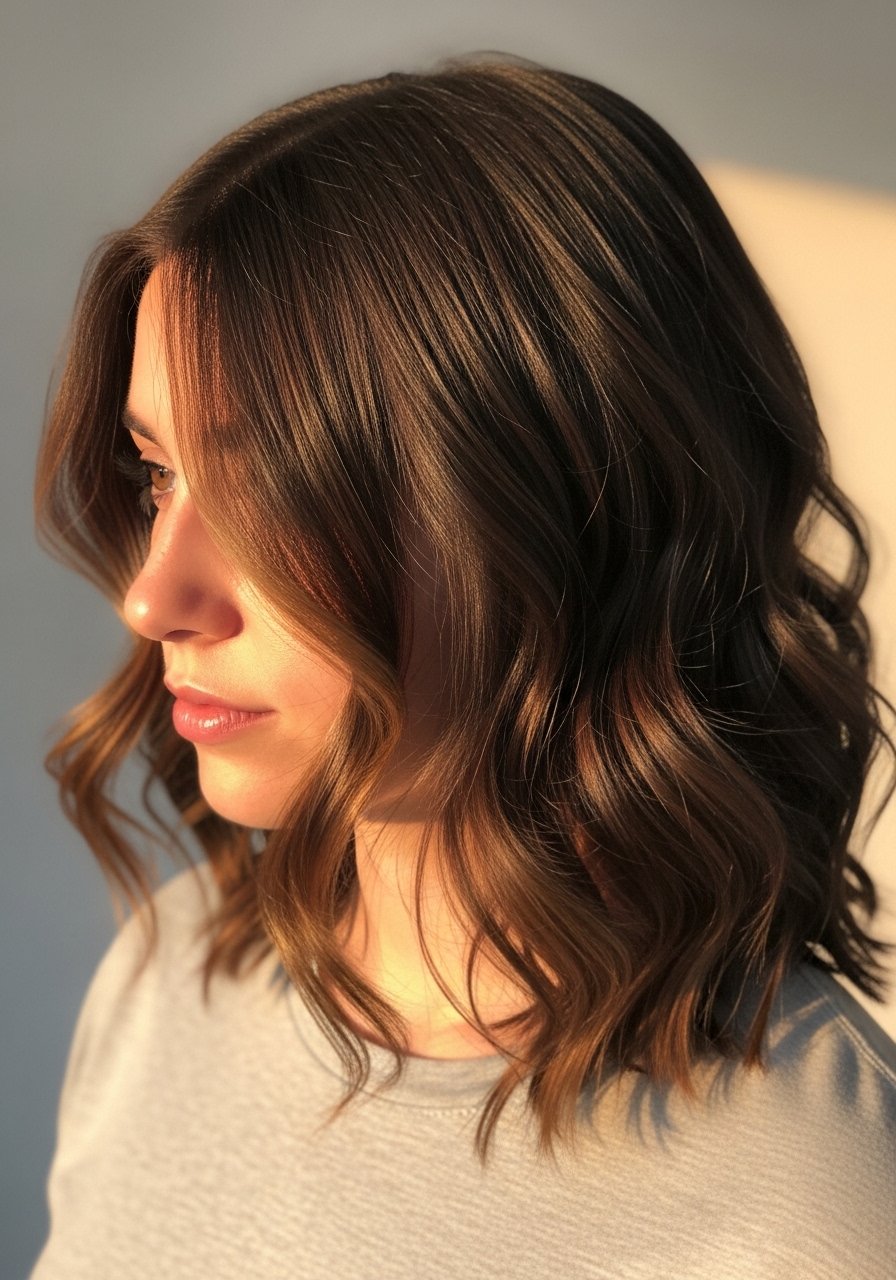
What makes this work is where the lightener is placed, not how pale it goes. For curly balayage hair for brunettes I section the hair into eight panels and place baby-weave highlights only at the front and outer sections, keeping the internals darker so the curl shape still reads. On 3A to loose 3B curls this takes about 45 minutes with a low-volume developer and foil tip application so you avoid halo banding. A common mistake is foiling too close to the root, which creates obvious regrowth lines. If you try this at home, do an allergy patch test and give yourself at least two sessions a month apart rather than one aggressive lift. Salon pros can do a color melt for one-visit brightness but expect higher cost.
Delicate Sombre Melt For Loose Curl Patterns
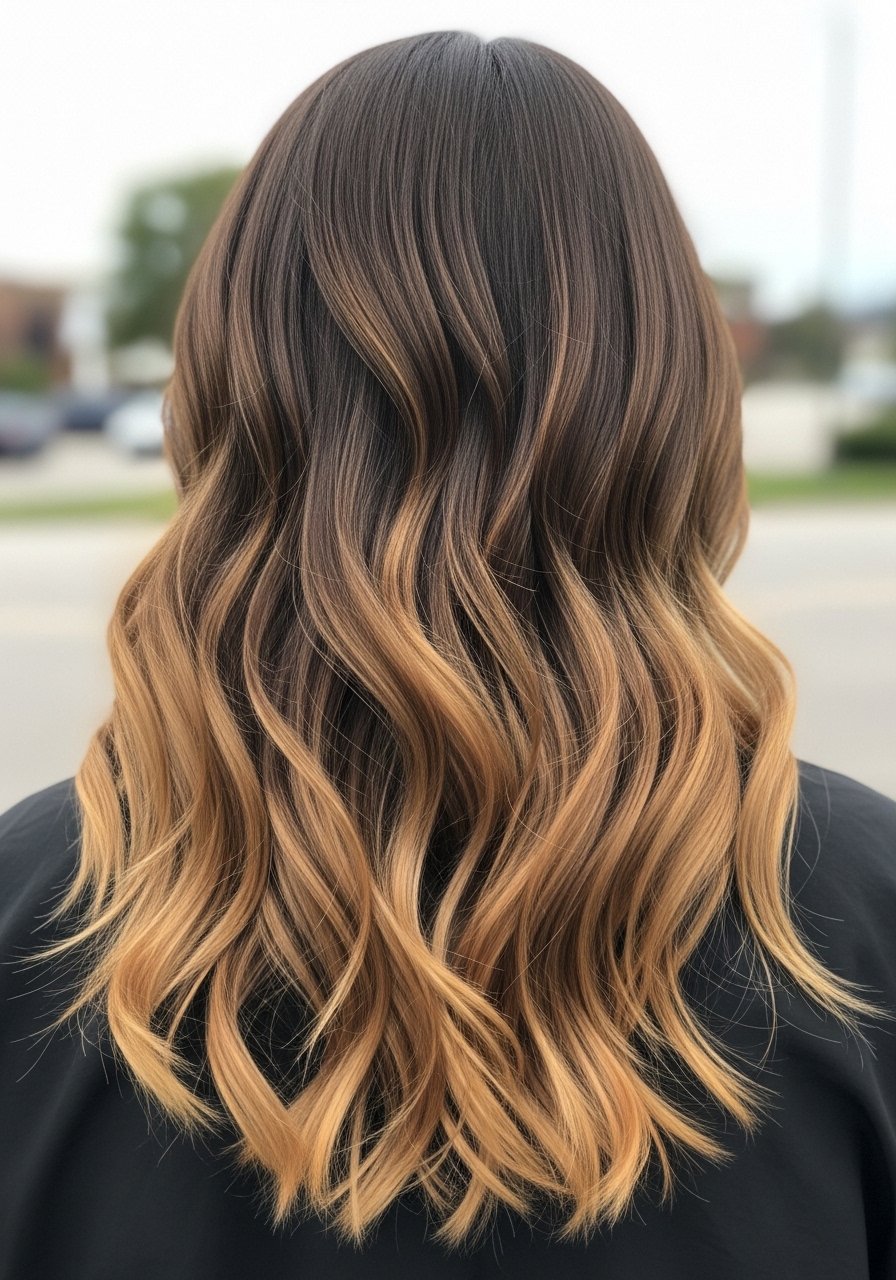
If your waves are on the finer side a heavyweight lighten-and-tone will look weighted and limp by the second day. The sombre melt brightens ends only, using a 5 to 10 percent dilution of lightener and leaving at most 10 to 15 minutes on each section, so you keep curl bounce. For 2B to 3A hair this saves you both volume and time at the mirror. The problem this solves is brassy ends that age quickly on brunettes. Tone with a demi gloss in-salon or try a clear gloss home kit between visits to keep the warmth even. Remember not to overuse purple shampoo. Once a week fixes brass without drying the hair out.
Chunky Balayage For Thick 3A–3C Hair
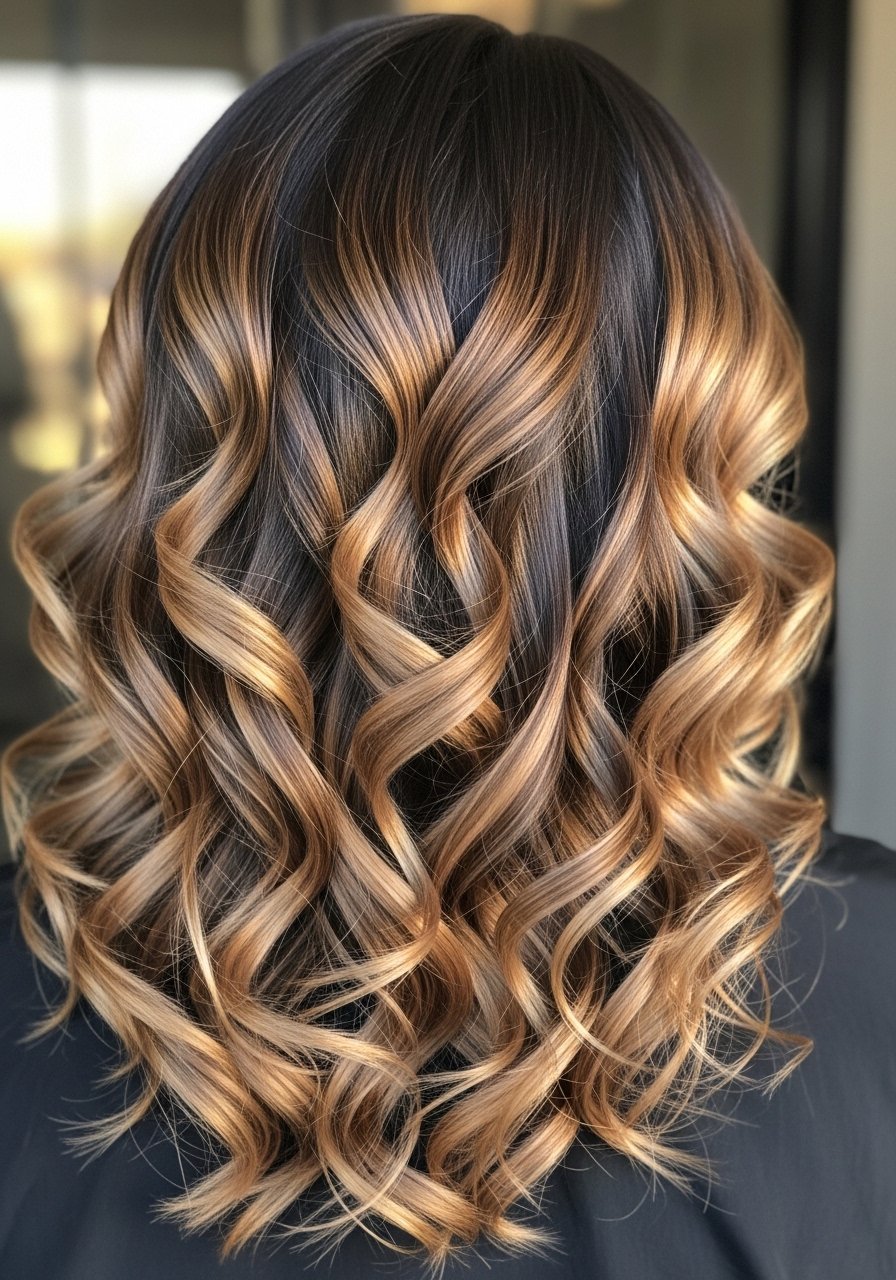
Chunky pieces read beautifully on dense curls because they give the eye places to land and reduce the “uniform blob” effect. On thicker 3A to 3C hair, I leave pieces about the width of a pencil and stagger them across the mid-lengths, not the scalp area. This method cuts processing time to about 40 minutes and reduces overall lightener exposure. People often try to foil every single ringlet and end up with dryness. Instead use a bond booster during the service if you can, and follow with an at-home weekly bond treatment. If you do the chunky look at home, section into a loose grid and use a demi or glaze rather than heavy bleach for a softer lift.
Fine Hair Balayage That Keeps Bounce
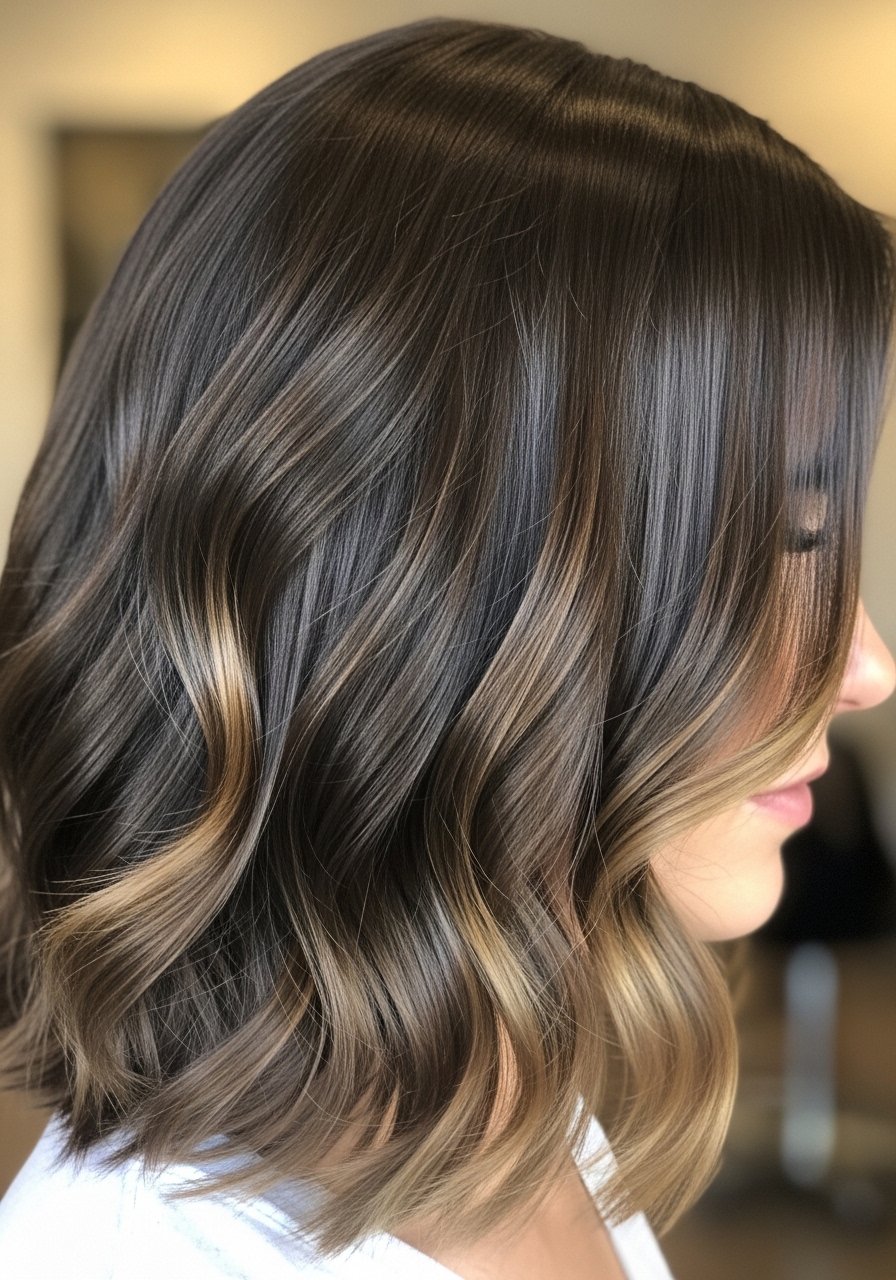
Fine curls tend to lose shape if you lighten too close to the scalp. For fine 2B to 3A hair keep the balayage at the mid-lengths and ends and keep the root shadow at least 1 inch to preserve density. A thin glaze after the lift gives the illusion of thickness. On the product side, two light pumps of a silicone-light styling cream while hair is damp before air-drying keeps definition without weighing hair down. The mistake I see is piling on heavy oils on fine hair after color, which flattens curls by day two. Salon glosses can help, but you can mimic the sheen at home with a one to two minute cold rinse and a small amount of lightweight serum on the ends.
Money Piece Framing Without Overprocessing
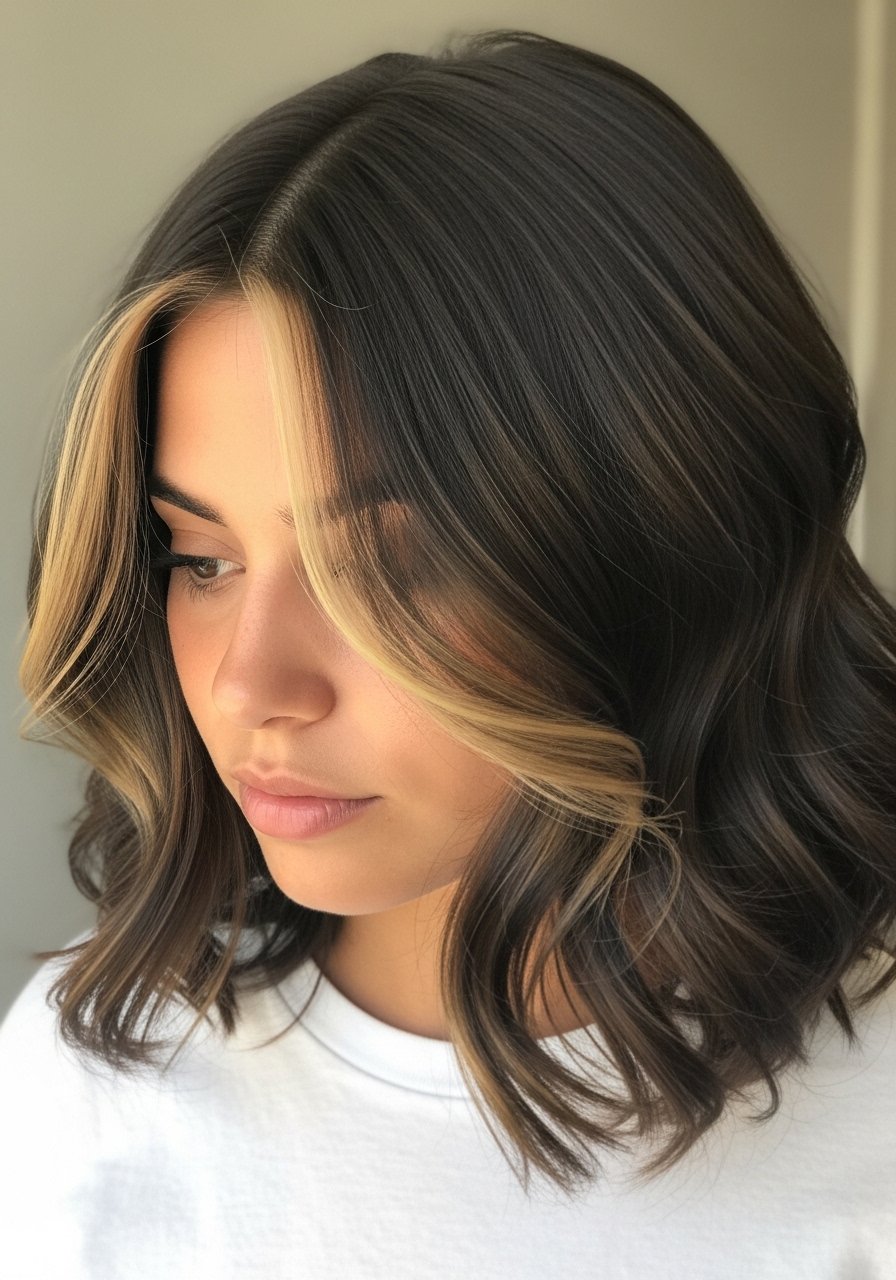
A money piece can make curly balayage hair for brunettes feel intentional, but it is also where people over-bleach. I ask for one to two slices per side, each no wider than a thumb, and ask the colorist to feather the color back into the hair so the grow-out looks blended. If you try this at home, use a lower-volume developer and check every five minutes. One big mistake is lifting the money piece to the same level as the ends, which looks dated very quickly. If you have dark brown hair and are nervous about brass, plan a toning gloss after 10 to 14 days and then once every six to eight weeks.
Heatless Rope Twist Curls For Color Protection
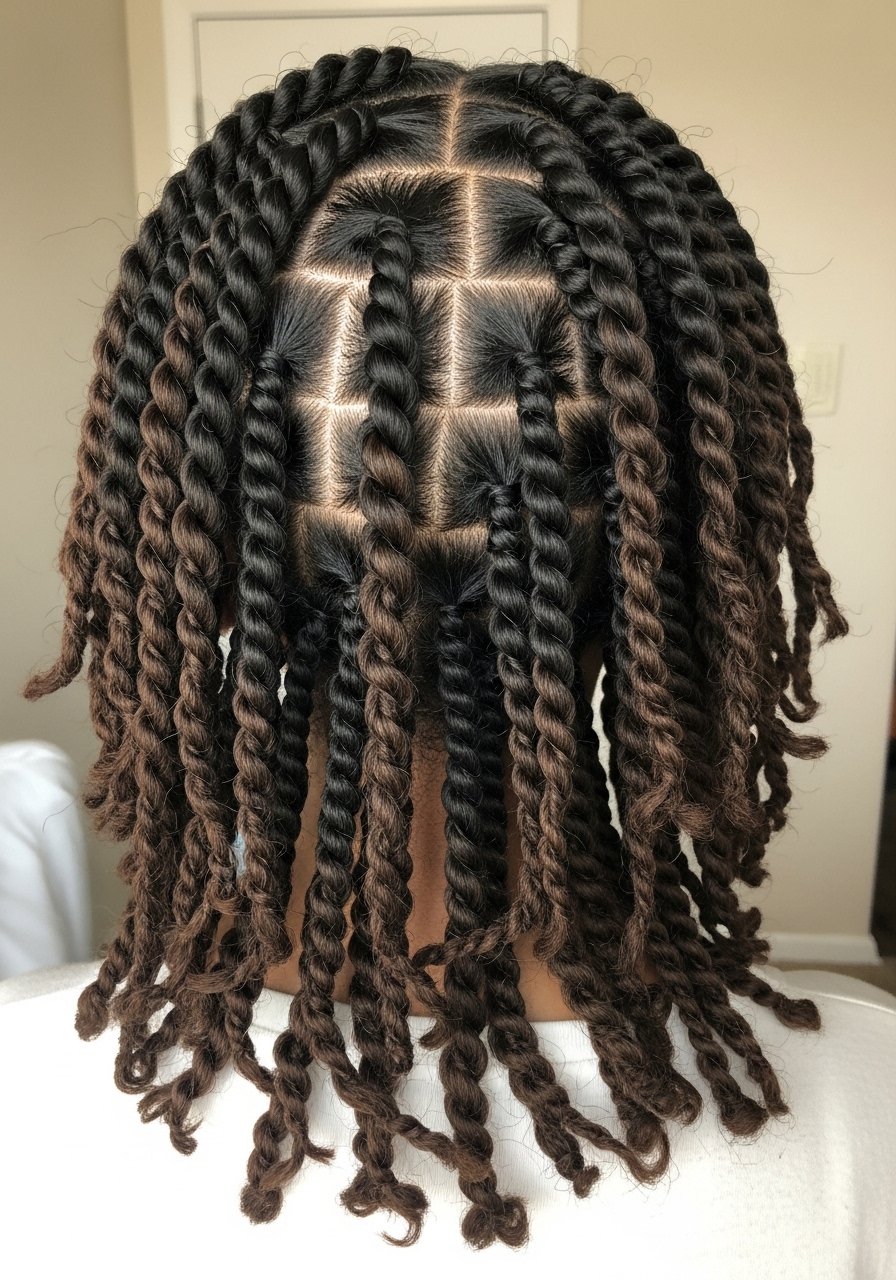
My curls looked great on TikTok and like wet noodles by 11am until I stopped relying on gel-only routines. The rope twist method preserves the balayage tone because you avoid heat and you get defined second-day curls. After a light leave-in and the LOC method, twist into 8 to 12 ropes depending on thickness. Sleep on a silk pillowcase or a silk bonnet and unravel in the morning, separating with a wide-tooth comb. The result is refreshed curls, less color fade, and no heat stress. For allergy-sensitive scalps patch-test any new product, and do not twist hair while soaking wet to prevent mildew between strands.
Quick Gloss Refresh To Boost Tone Between Salon Visits
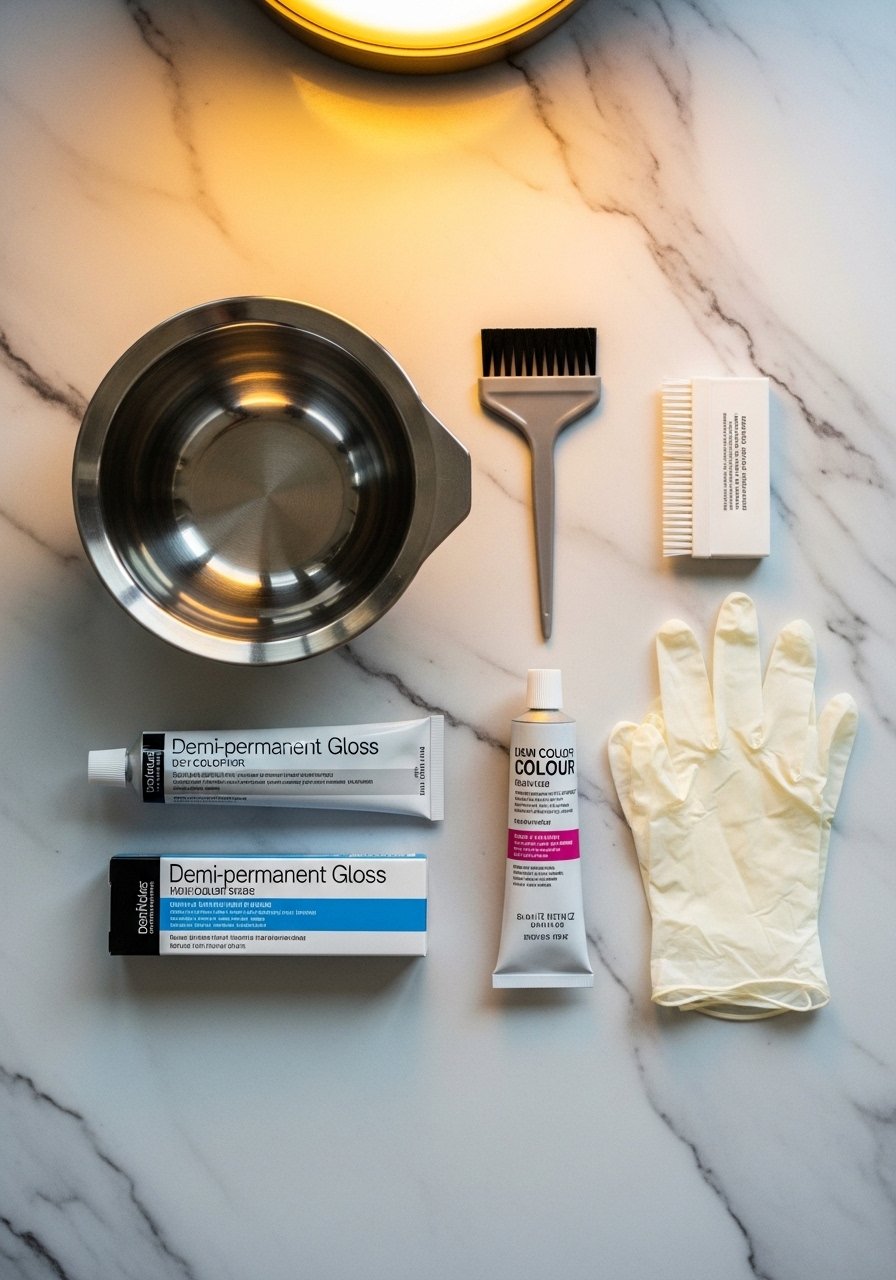
If your balayage goes brassy three weeks after your appointment a quick demi-permanent gloss saves you a salon trip. I mix the gloss into even, quarter-sized sections and apply from mid-length to ends, leaving it on for 10 minutes for a soft tone refresh. The result is even color and a smoother cuticle without additional lift. A common error is leaving it on too long which can over-deposit on previously lightened ends. This is an easy salon service, but you can do it at home with a clear or tinted gloss kit. If you buy gloss online, buy from an authorized seller to avoid fakes and follow the patch test instructions.
The Small Kit That Keeps Curly Balayage Fresh
- Honestly the three things I keep on my bathroom counter: a sulfate-free clarifying shampoo for monthly reset, a weekly bond perfector, and a lightweight leave-in cream. Olaplex No. 3 hair perfector is what I use once a week to stop split ends from getting worse, but buy from the official store on Amazon or Sephora to avoid counterfeits
- For daily styling and frizz control a microfiber towel cuts dry time. Microfiber hair towel (~$12) shortens diffusing time and tames halo frizz
- For tonal maintenance try a gentle gloss or a color-depositing conditioner in a 8 to 10 ounce size that matches your shade, used every 6 to 8 washes. Color-depositing conditioner for brunettes
- A wide-tooth comb for detangling wet curls, about 10 to 12 teeth per inch works best. Wide-tooth detangling comb (~$8)
- If you diffuse, use a low-heat setting and a bowl-style diffuser. Universal diffuser attachment for hair dryers and keep heat under 300F. Heat protectant goes on first
- For overnight protection, a silk pillowcase in queen size reduces friction. Silk pillowcase queen under $30 is worth it if you want less morning frizz
Root Shadow Blending To Stretch Color Appointments
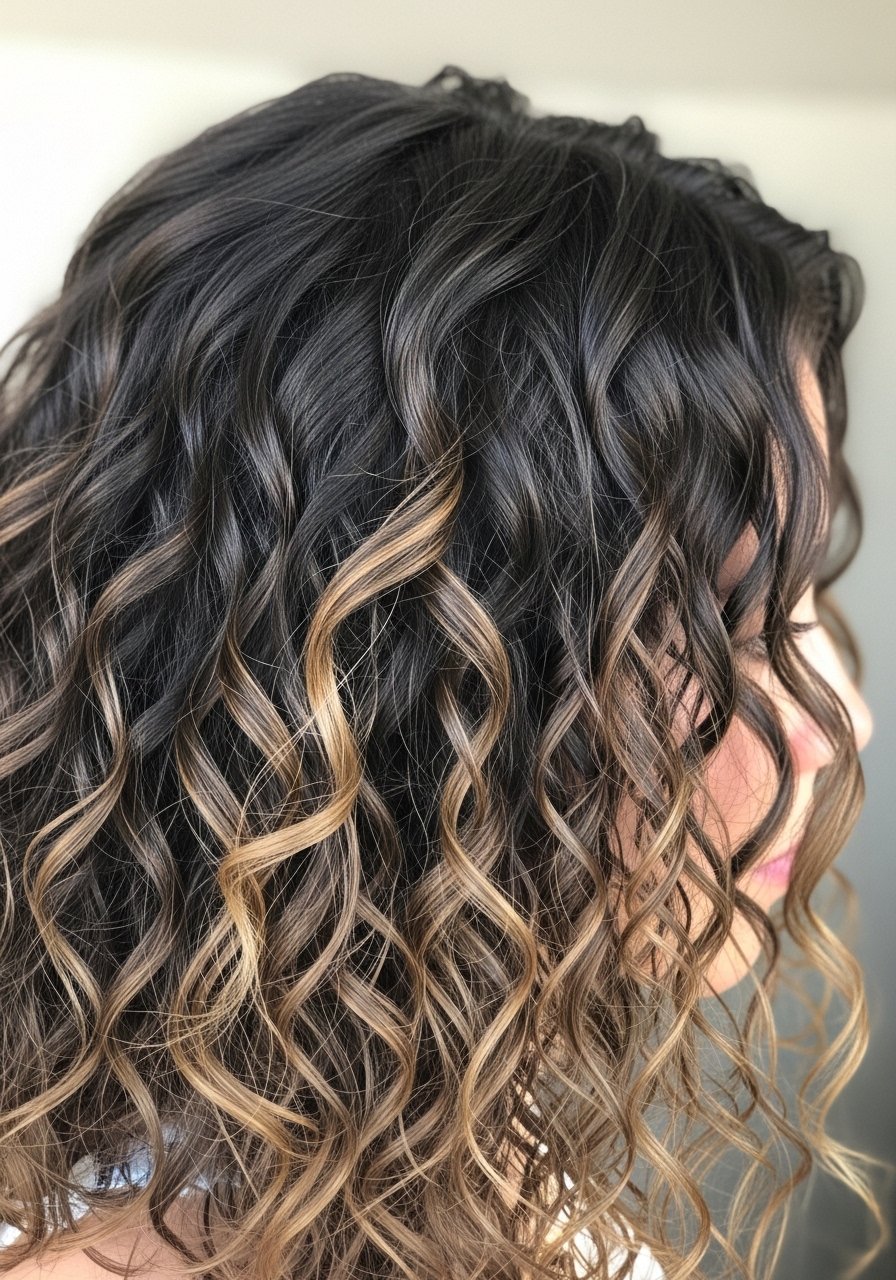
Root shadows are the secret if you want to push the time between salon visits. By keeping the root a shade or two darker and feathering the color into the lighter sections you hide regrowth lines and give brunettes a more lived-in look. On tighter curl patterns I ask for a 1 inch shadow band and softer diffusion to prevent banding where curls shrink differently. The main mistake is matching the root too closely to the highlighted ends, which loses dimension. If you are maintaining this at home do a patch-tone with a demi gloss and use a clarifying shampoo no more than once every three weeks to prevent stripping the shadow.
At-Home Touch-Up For Subtle Lifts
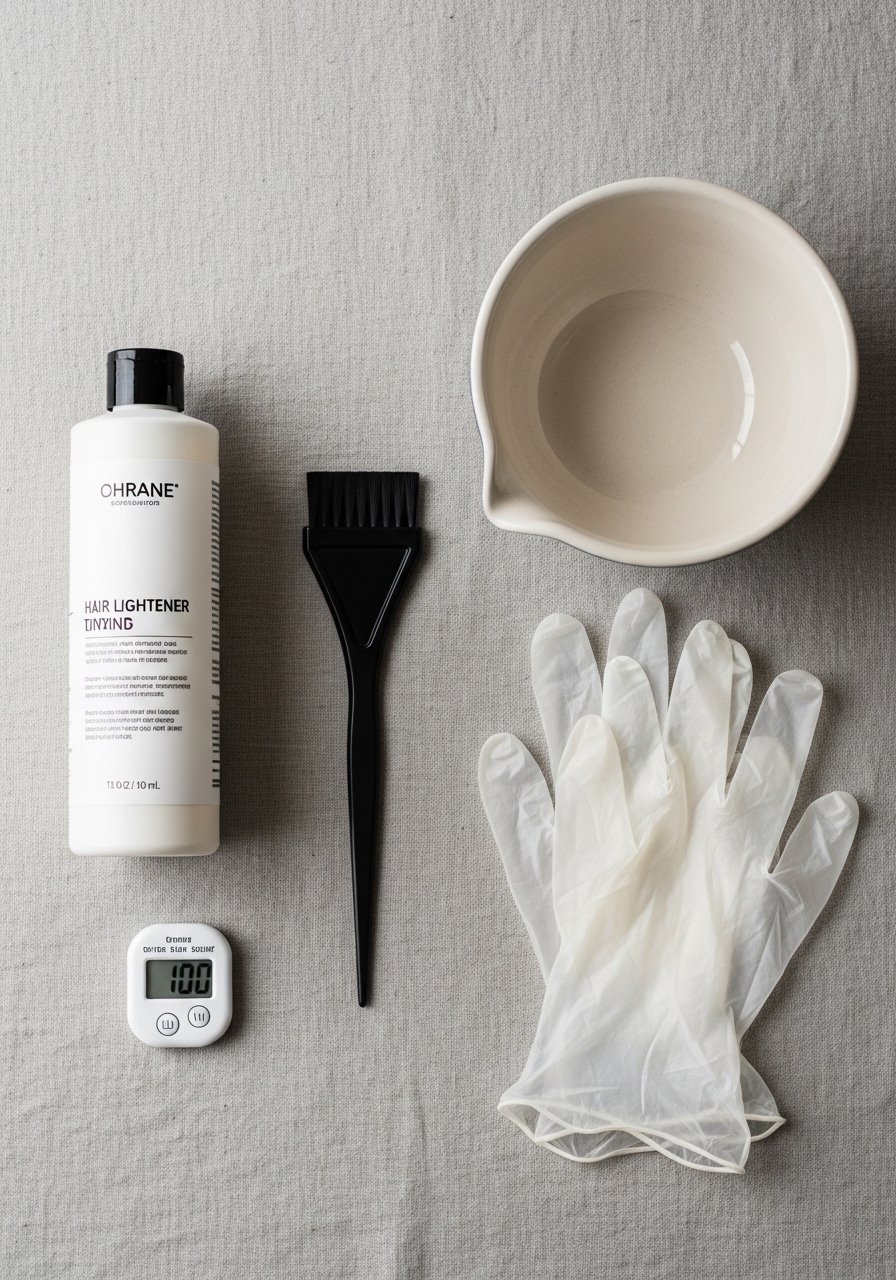
If you need one or two subtle lifts between salon visits, a low-volume touch-up on the ends can work. Section hair into four to six panels, apply a very thin veil of lightener to the ends only, and check every five minutes. For brunettes aiming for a warm caramel result, stop early and follow with a toning gloss. The danger is lifting over previously lightened hair without a bond treatment. Never bleach over bleach at home. If you have previous color history, book a professional or accept multiple gentle sessions rather than one full lift.
Deep Bond Repair Routine Post-Balayage
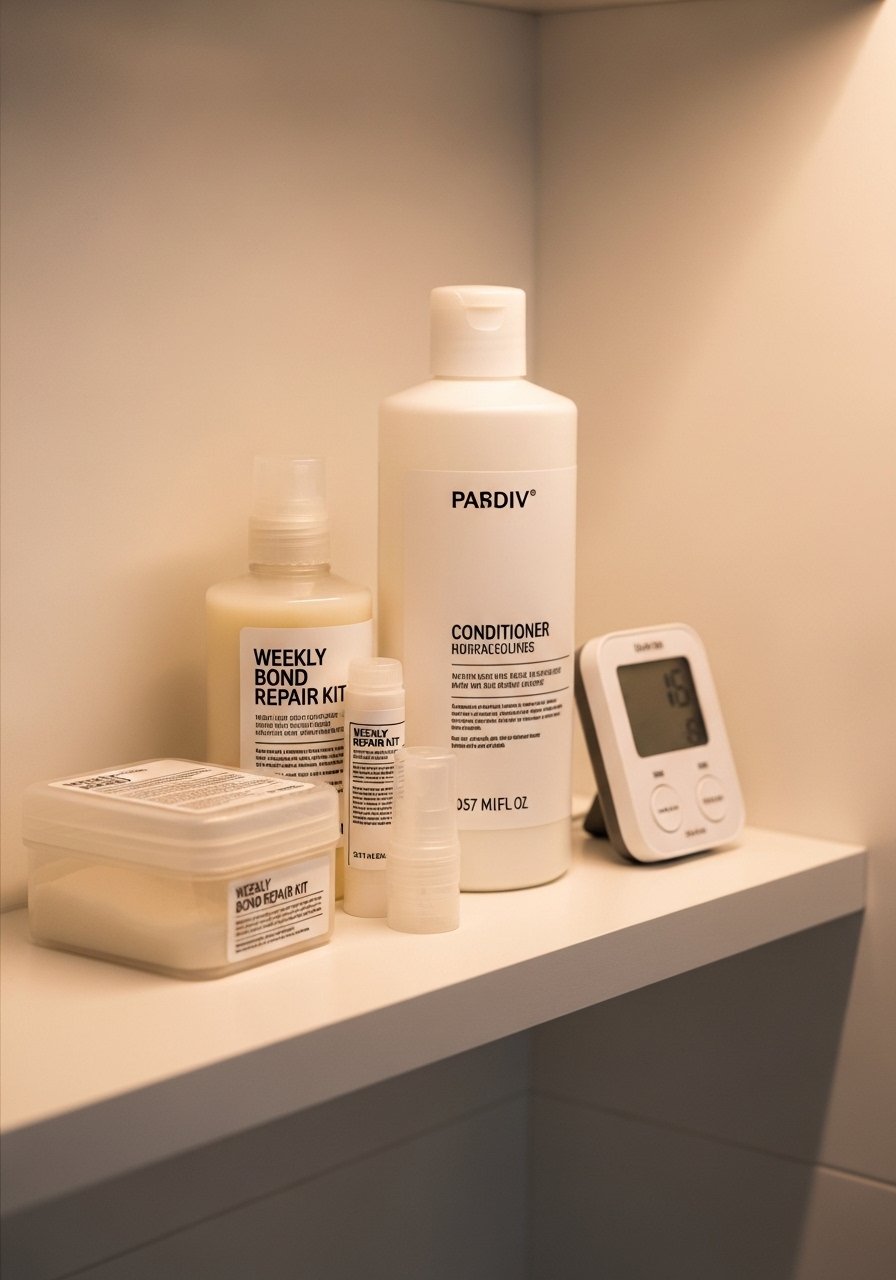
Bleach plus curl texture equals a higher risk of breakage if you skip repair. After a balayage service I do a weekly bond-building treatment for three weeks, then every other week after. Apply the bond product to towel-damp hair, leave on for the recommended time, then follow with a rich conditioner. One detail many miss is rinsing thoroughly but without rough rubbing, I smooth the conditioner down in four passes per side for even distribution. Bond builders help but they do not undo past damage. Trim the ends every 10 to 12 weeks to keep hair from splitting up the shaft.
Second-Day Refresh Routine For Brunette Curls
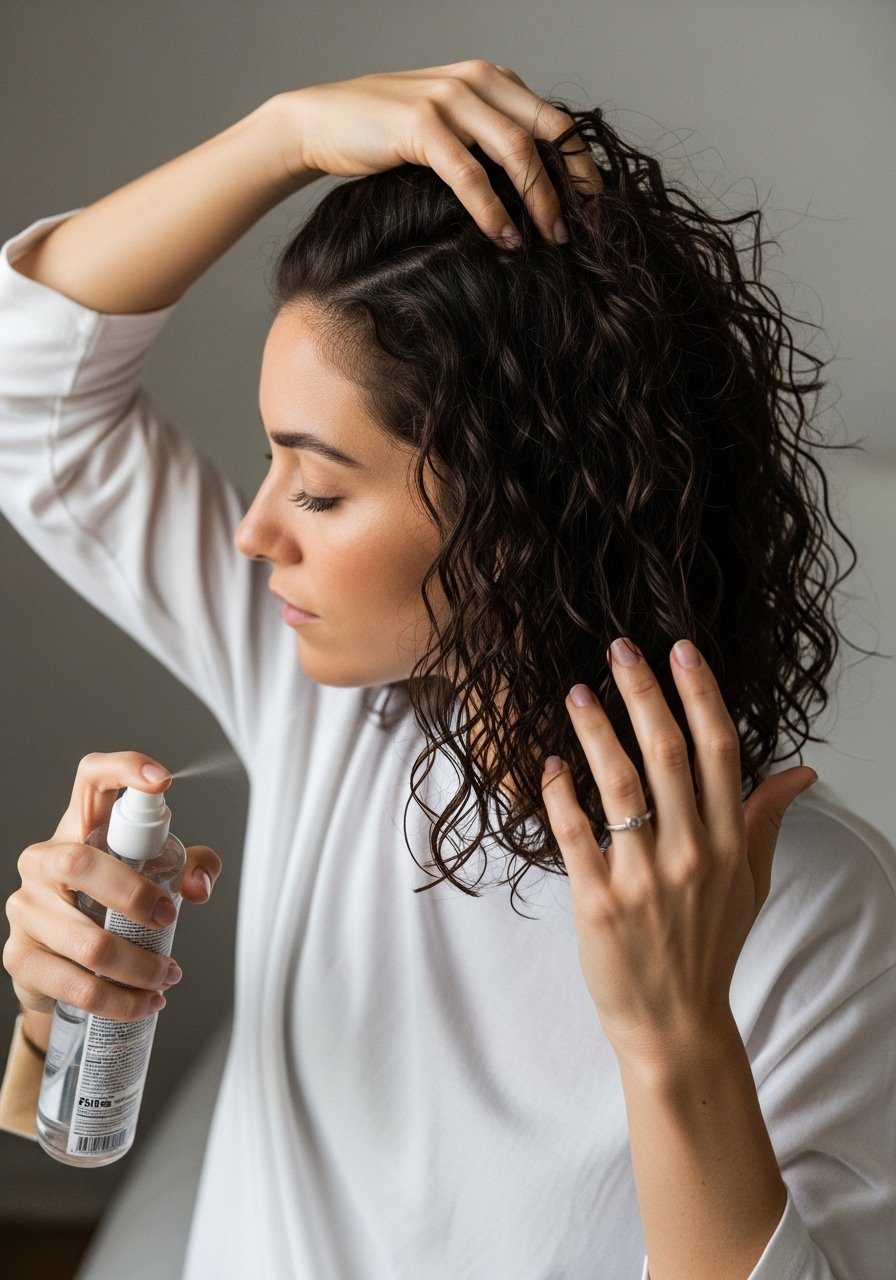
Most of us do not have time to wash and style every day. My second-day routine is light: spritz a water and leave-in mix, apply two pea-sized dots of cream to mid-lengths, then scrunch and diffuse on cool for 60 to 90 seconds just to reactivate product. Hair grows about half an inch a month at most, regardless of what biotin gummies promise you, so stretch out styles with care rather than over-washing. A common mistake is dousing second-day curls in oil, which attracts dust and makes color look dull. If you use a bit of styling gel, layer it under a cream next time you wash. That swap from gel-only to cream-first saved my hair from crunchy mornings.
What I Wish My Colorist Told Me About Curly Balayage
- Heat protectant goes on damp hair, not dry. Most heat protectants you spray on dry hair before flat ironing barely work. They need to absorb into damp or just-dried hair to actually shield the cuticle. Heat protectant spray
- If you have high porosity from previous processing, warm with a hot towel for five minutes after applying leave-in to help products penetrate. Microfiber hair towel works here
- Swap weekly purple shampoo for targeted spot treatments on very brassy panels. Using purple shampoo every wash dries out brown hair. Try a toned leave-in in the problem area instead. Purple shampoo for brunettes
- Trim only the ends you see splitting, not a wholesale chop. Bond builders strengthen, but trimming is the only fix for split ends. Olaplex No. 5 conditioner pairs well after salon treatments
- For color safety, never lift more than one level over previous permanent dye at home. If in doubt, book a correction appointment
Frequently Asked Questions
Q: How often should I touch up my balayage on curly brunette hair?
A: For most brunettes with curls, every four to six months is fine for maintenance balayage. If you have a money piece or very light ends you may want a gloss or toner every 6 to 8 weeks. Stretch appointments with root shadows and targeted glosses rather than full rebleaches.
Q: Can I use Olaplex No. 3 on colored but not visibly damaged hair?
A: Yes, using a bond perfector once a week on color-treated hair is safe and can reduce breakage. Buy from the official seller on Amazon or Sephora to avoid counterfeits and follow the package time. It smooths the appearance of damage temporarily but does not permanently reverse past breakage.
Q: How often should I use purple shampoo on a brunette balayage?
A: Once a week is usually enough. Using purple shampoo every wash can dry out lighter ends. If brassiness shows in one area only, try a spot-tone or a color-depositing conditioner instead of full-head use.
Q: Is it okay to blow-dry my balayage curls every day?
A: Daily heat will accelerate color fade and raise breakage risk. If you must dry, use a diffuser on low heat and a heat protectant applied to damp hair. Avoid any iron over 300F without a protectant and keep sessions short.
Q: Can I lift my own dark brown hair to a light balayage in one session?
A: Lifting dark brown hair to very light in one session often causes severe damage. Lifting over previous color is especially risky. Book a color correction or accept multiple gentle sessions over months to preserve curl integrity.
Q: What is the difference between a leave-in and a curl cream, and do I need both?
A: A leave-in primes hair, detangles, and adds light moisture. A curl cream defines and often contains hold. Using both in layers, applied with the LOC method, gives better lasting definition than gel-only routines. Try a small amount of leave-in, followed by a pea-sized amount of cream, then finish with a light gel if you want hold.