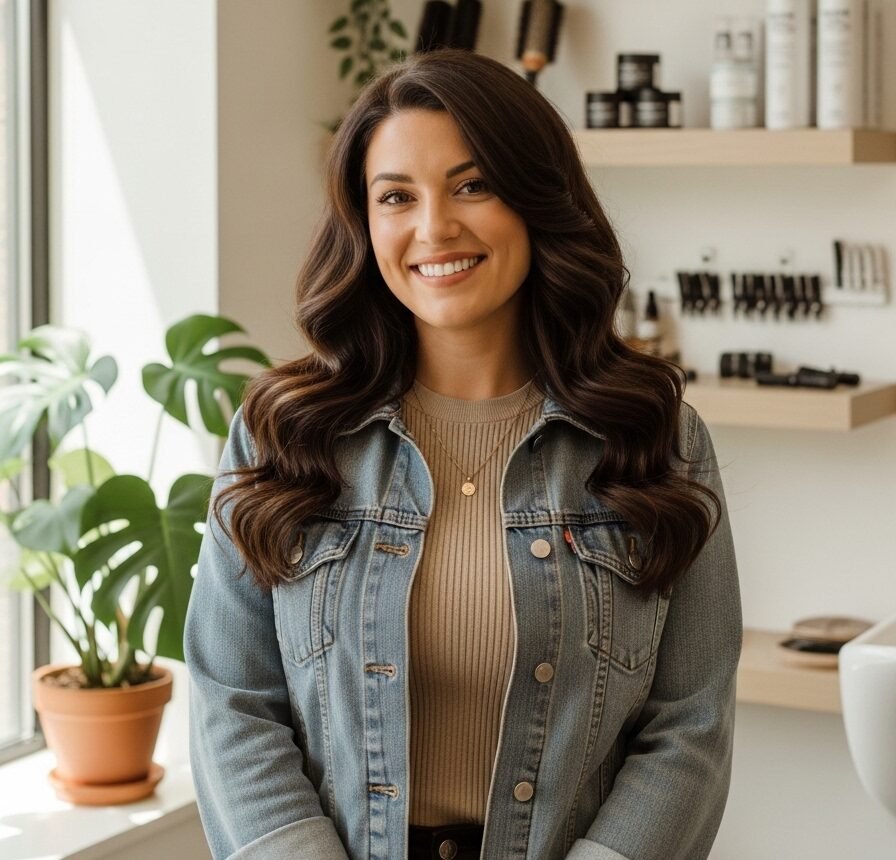
I once paid a stylist $300 for caramel highlights that looked patchy under office lights, so I learned to ask for placement and tone specifically. These 15 looks and routines are what actually work for light brown hair with highlights caramel, based on fixing my own mistakes and helping friends get salon results without paying for corrections. Most ideas fit fine to medium 2A through 3B textures, a few notes for curly 3A-4A or coarse thick hair are called out. Skill level ranges from DIY touch-ups to salon services, budgets from under $20 to a tool splurge.
Face-Framing Caramel Money Piece For Round Faces
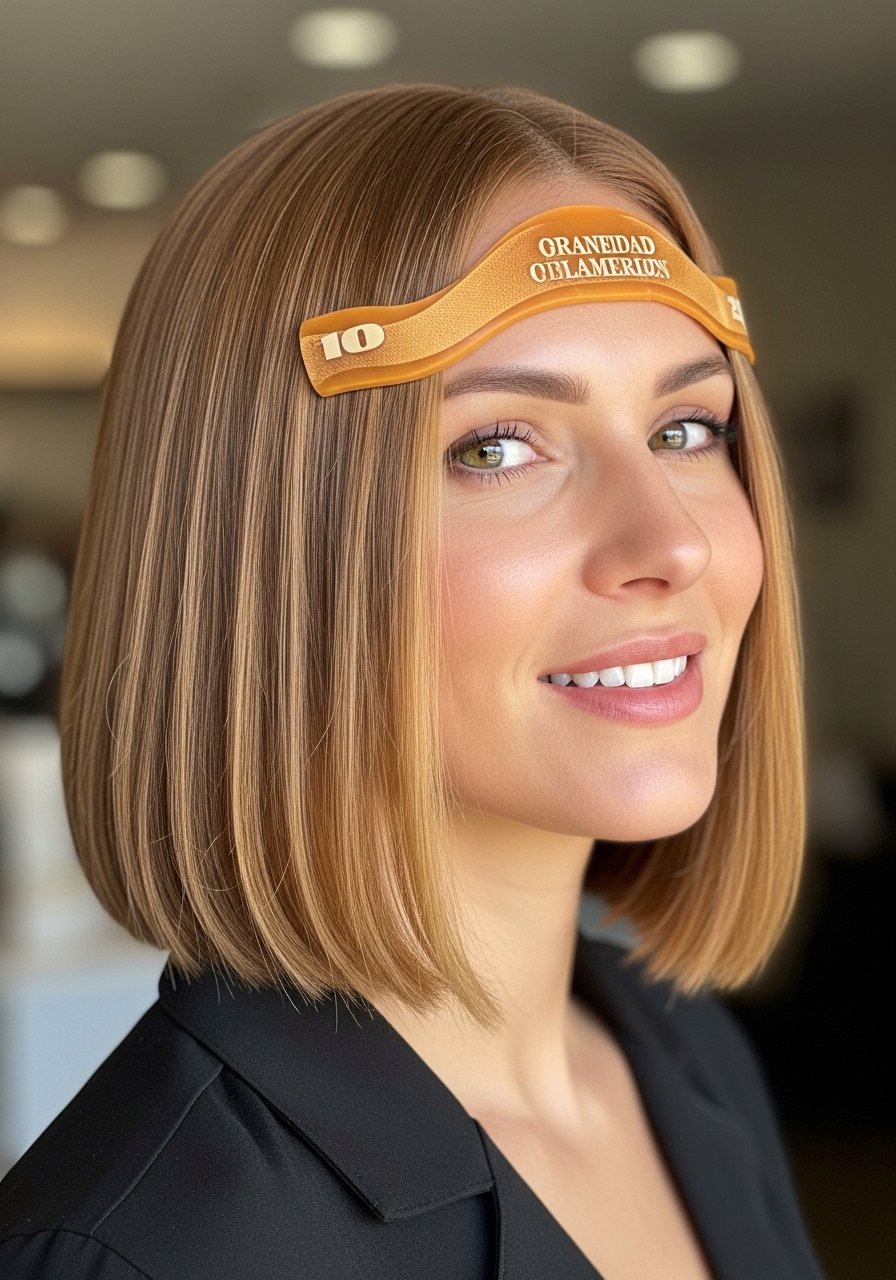
If your face looks wider at the cheeks, a narrow face-framing money piece, about 1/4 inch to 1/2 inch wide, pulls the eye inward. I tell stylists to weave the highlight just at the hairline so it sits like a natural frame, not a chunk. This suits fine to medium straight and wavy hair, shoulder length to long. Expect a 45 to 90 minute salon appointment, or a touch-up gloss at home for $20. Most people over-foil the section making it look too boxy, which is the mistake that killed my first highlight. If you try at home, do an allergy patch test on the inner elbow and use a 10 volume developer only for subtle lift. A weekly bond treatment helps the front stay soft.
Subtle Balayage For Medium Waves That Adds Depth

Balayage is my go-to when I want depth without obvious grow-out lines. For medium 2A to 2C waves, ask for baby-light painting, roughly five to seven thin painted slices per side, each pulled about three to four inches. That spacing gives movement without looking streaky. Expect a salon color that lasts months, with a $60 to $150 price depending on your area. If you are doing it at home, limit lift and use a demi-gloss afterward. A common mistake is asking for "all-over lightening" and ending up with brassy lines. Always request the colorist tone the highlights with a cool caramel gloss, and bring a photo of the exact melt you want.
Rooted Light Brown With Caramel Babylights On Long Hair
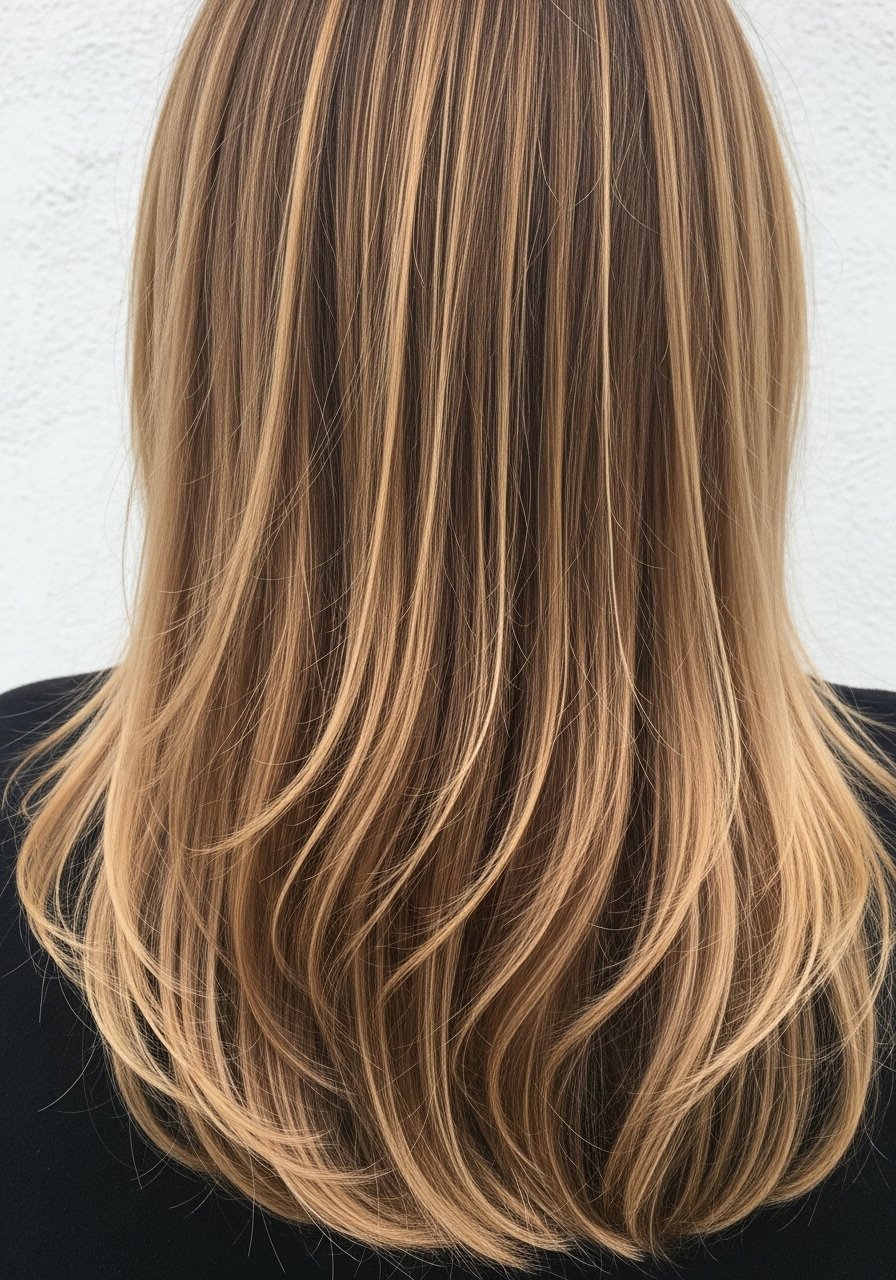
Babylights are tiny, fine highlights that read natural on long hair. On thick or long hair they take longer, plan two hours at the salon. I like five to eight babylights across the face and more scattered through the crown, painted with a 5 to 10 minute developer application for soft lift. For finer hair they add dimension without weight. Don’t wash the hair for 48 hours after a gloss to help the demi-permanent tone adhere. If you try at home, be conservative with section width and remember you cannot safely lift more than one level in a single short application without risking damage.
Chunky Caramel Lowlights To Break Up Brassy Mid-Length Hair
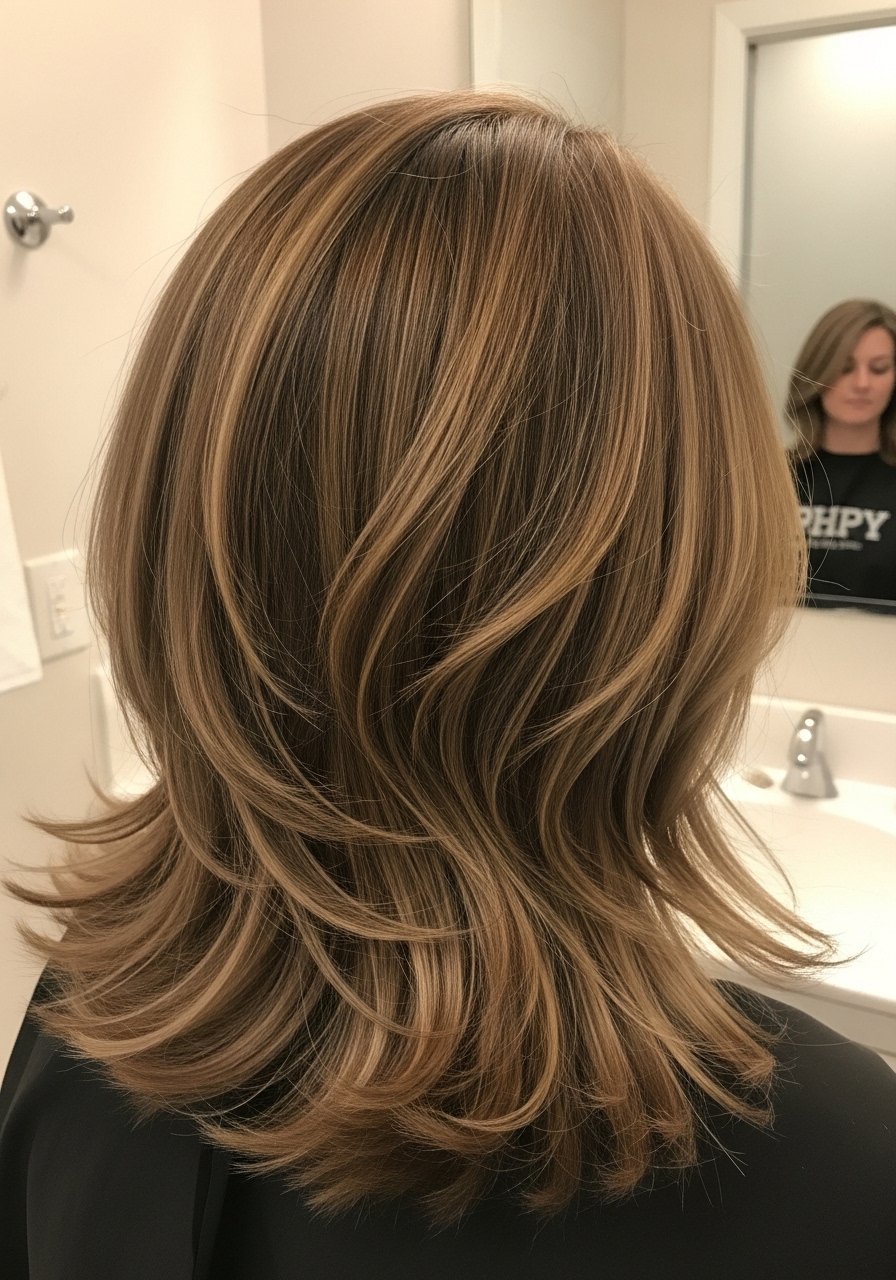
If your highlights look brassy quickly, adding chunky lowlights in a warmer caramel tone can mask brass while keeping contrast. This technique suits thick, coarse hair particularly well. Ask for three to five thicker slices across the crown and sides, painted instead of foil-wrapped so they blend softer. Budget is salon-priced but cheaper than a full correction. People often overdo size in photos, which makes the look dated. I recommend asking for “painterly” placement and a warm caramel glaze afterwards. If you color at home, use a demi-permanent brown with a touch of gold tone, and avoid overlapping bleach onto previously lightened strands.
At-Home Gloss Routine That Keeps Caramel Fresh For Weeks
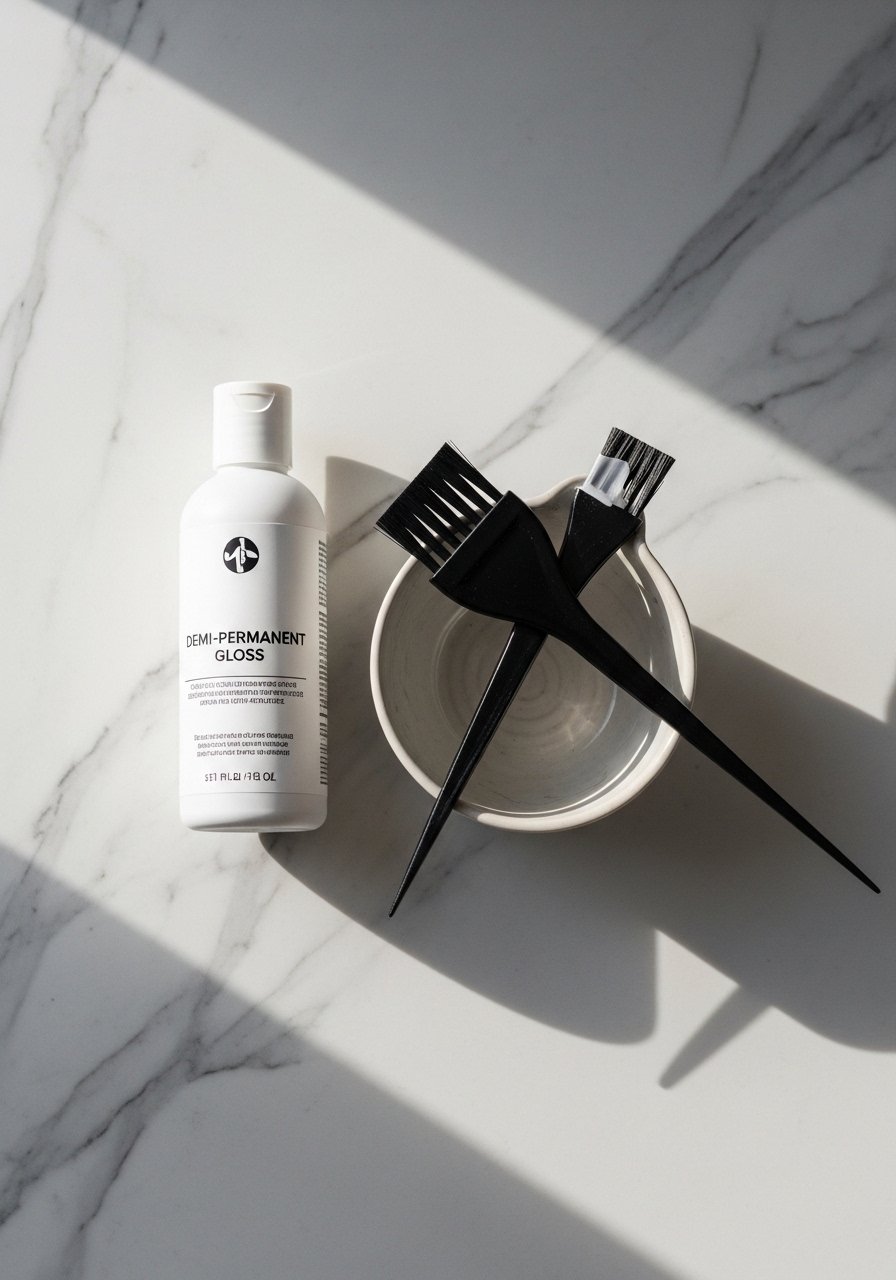
A salon gloss every four weeks keeps caramel highlights warm and reflective. For an at-home option, a demi-gloss with warm golden reflect applied to towel-dried hair for eight to fifteen minutes gives a similar effect for about three to four weeks. I put a tiny dime-sized amount of a leave-in before applying gloss so ends are protected. Buy gloss from an authorized seller to avoid fakes. Weekly use of a bond builder makes the gloss sit better on the hair shaft. Avoid leaving gloss on longer than instructed, and always do an allergy patch test before the first use.
Heat Styling Routine For Caramel Ribbon Ends On Straight Hair
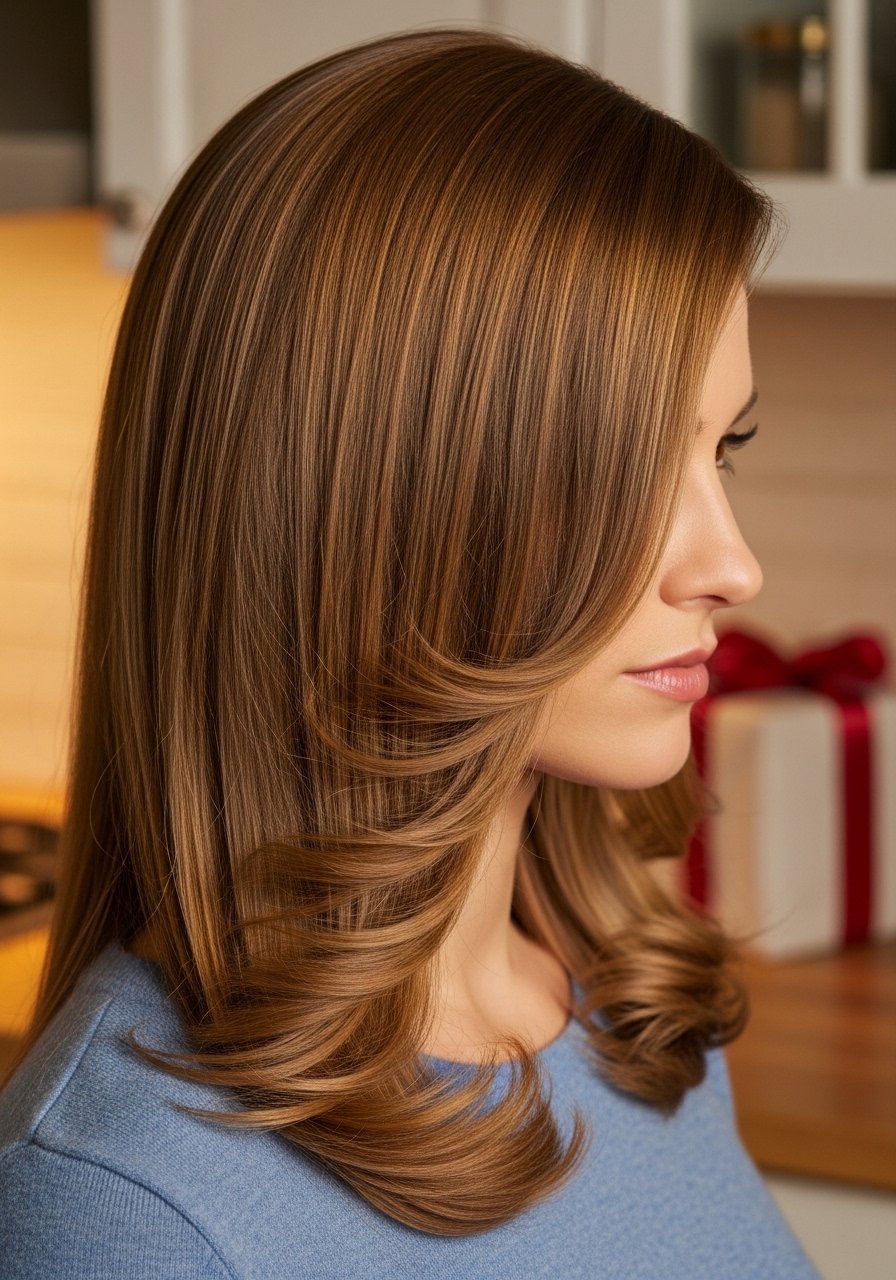
For straight hair with caramel ribbons through the ends, the trick is a low heat flat iron pass and a single curled ribbon at 340F. Heat protectant must be applied to damp hair first so it absorbs, then dry fully on low. Set your iron to 340F for fine to medium hair, 370F for thicker hair, no higher. Overcooking at 410F is what fries highlights. I use two quick 1-inch passes on small sections and finish with an anti-humidity spray for shine. A common mistake is using product only on the ends, when you actually need coverage from mid-length to ends for an even finish.
Air-Dried Waves With Salt Spray For Shoulder-Length Hair
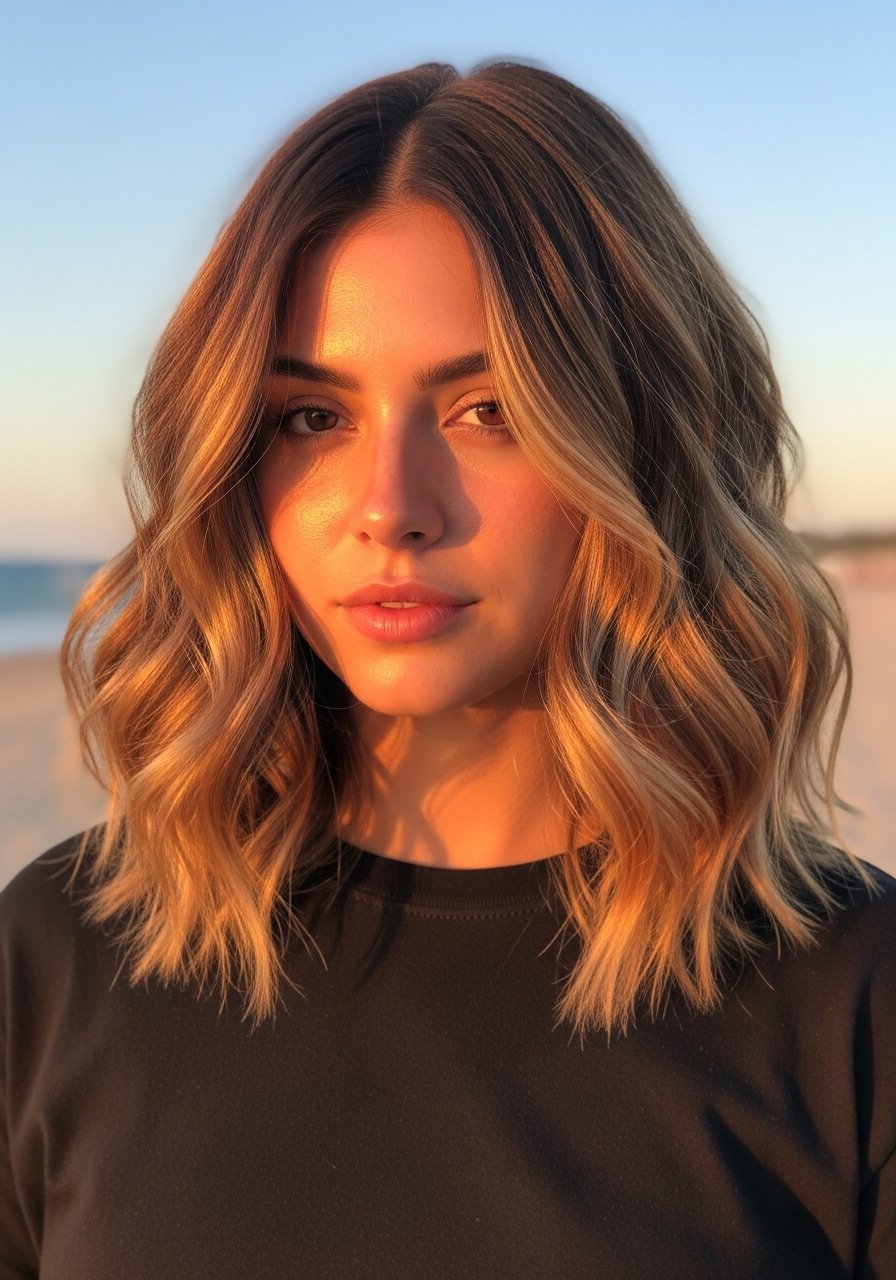
My lazy styling days use a salt spray and a little cream to define air-dried waves. For 2A to 3A hair, spritz two or three short bursts of salt spray into damp hair, rake in a nickel-sized amount of cream, then scrunch and either plop for 20 minutes or let air-dry. The caramel highlights give natural contrast when the hair dries this way. Over-spraying salt makes hair crunchy, which was my early mistake. If your waves fall flat, try a quick 20-second blast with a diffuser on low to set shape. Salt sprays under $15 on Amazon work fine, and a silk pillowcase helps the style last overnight.
Honey Caramel Ombre For Short Bobs
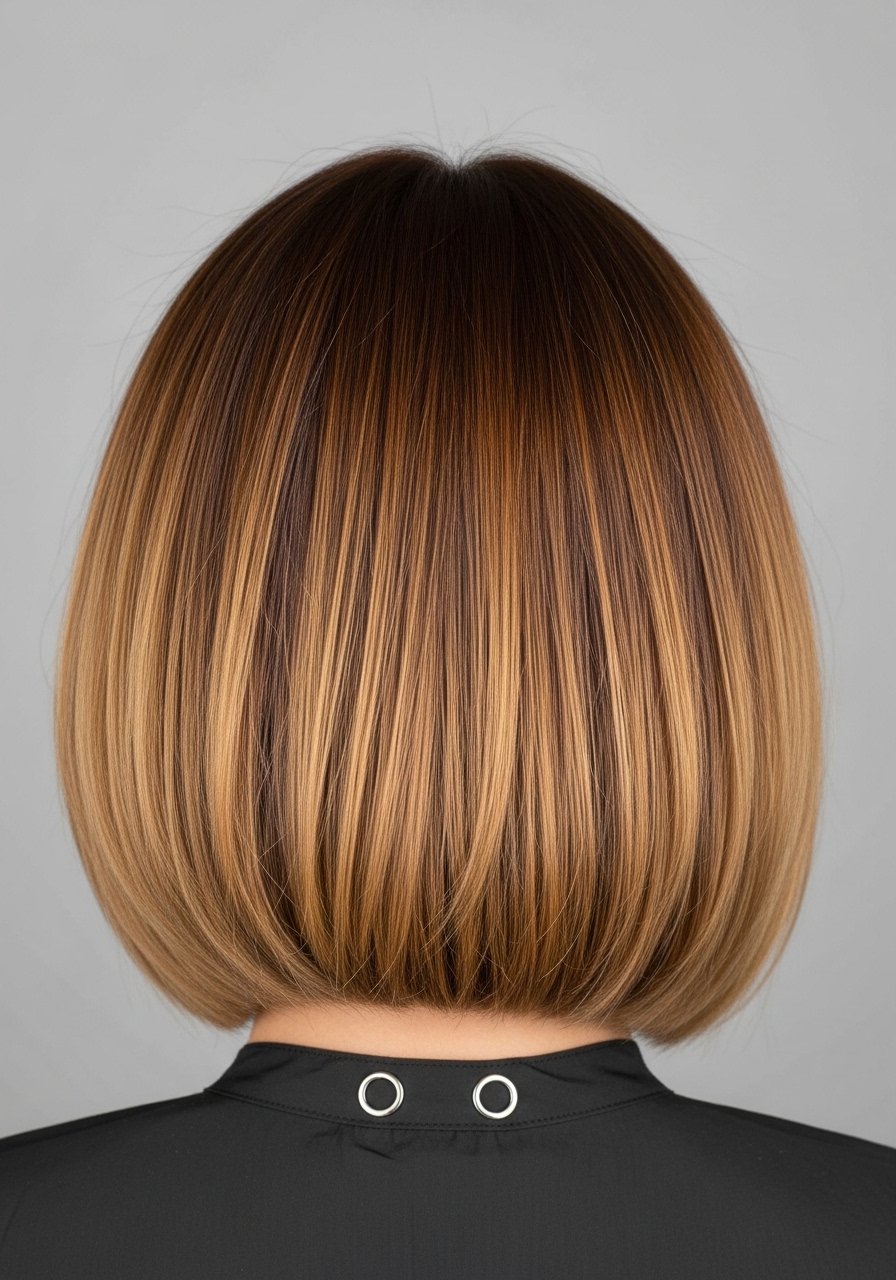
Short bobs get depth from an ombre that starts mid-length and melts into honey caramel at the tips. This works best on fine to medium density hair that wants movement without daily styling. Ask the colorist to feather the transition with a paddle brush while rinsing, it avoids banding. Time in the salon is about 90 minutes. At home, maintenance is low, a gloss every six weeks keeps the fade rich. If you try a DIY, avoid lifting right up to the root to keep regrowth soft. Use a bond builder if you are lifting more than a level.
Painted Caramel For Tight Curls, 3A to 4A
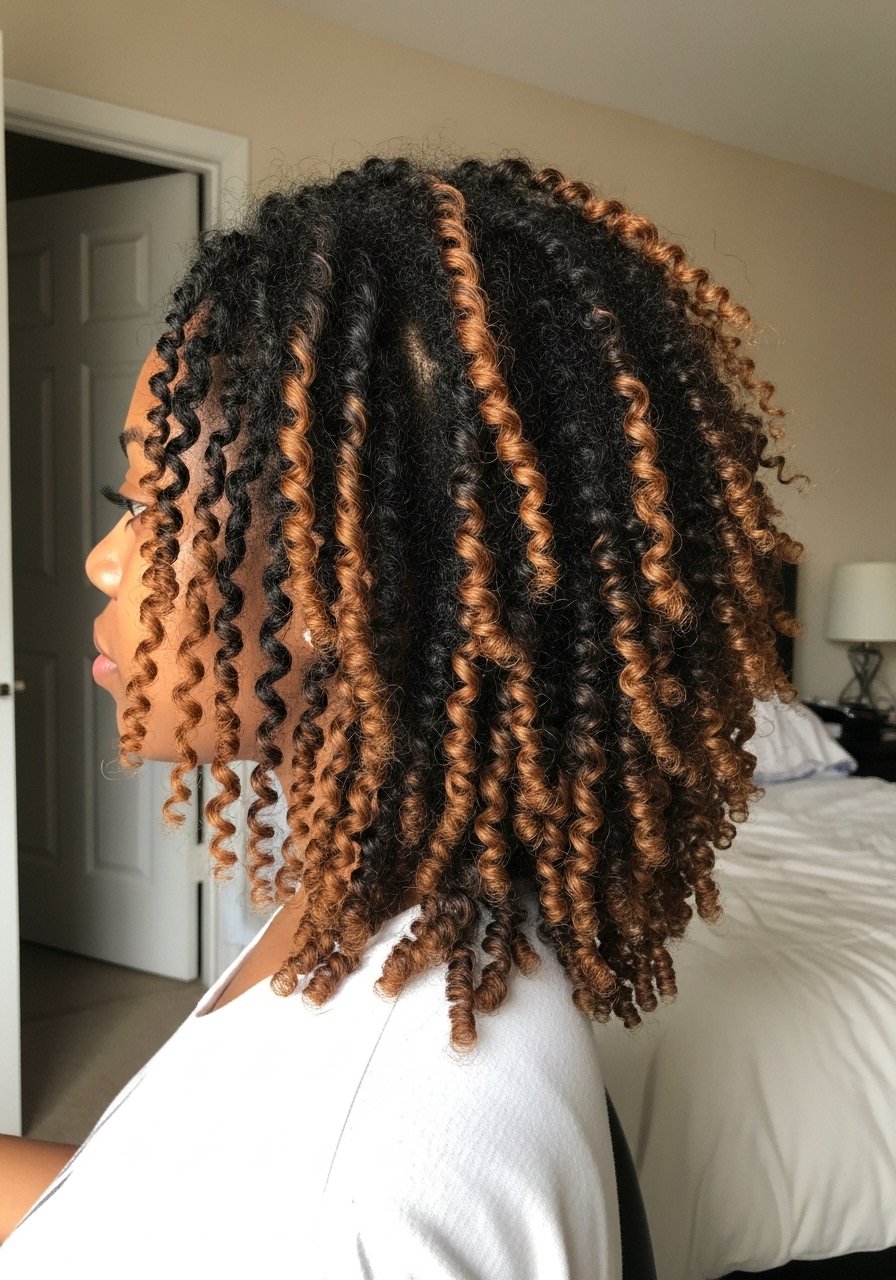
Curly hair needs painted highlights placed on outer layers, not the scalp, so the highlights show without weighing curls down. For 3A to 4A, I ask for four to six painted slices that follow curl clumps. The stylist should use a low-volume developer and monitor lift every five minutes to avoid breakage. People with tight coils often get over-foiled, which flattens pattern. I space sessions three months apart and use a deep conditioner the day after color to lock in moisture. If you color at home, apply color to stretched, detangled sections for even placement.
Babylight Touch-Up Tricks To Stretch Appointments
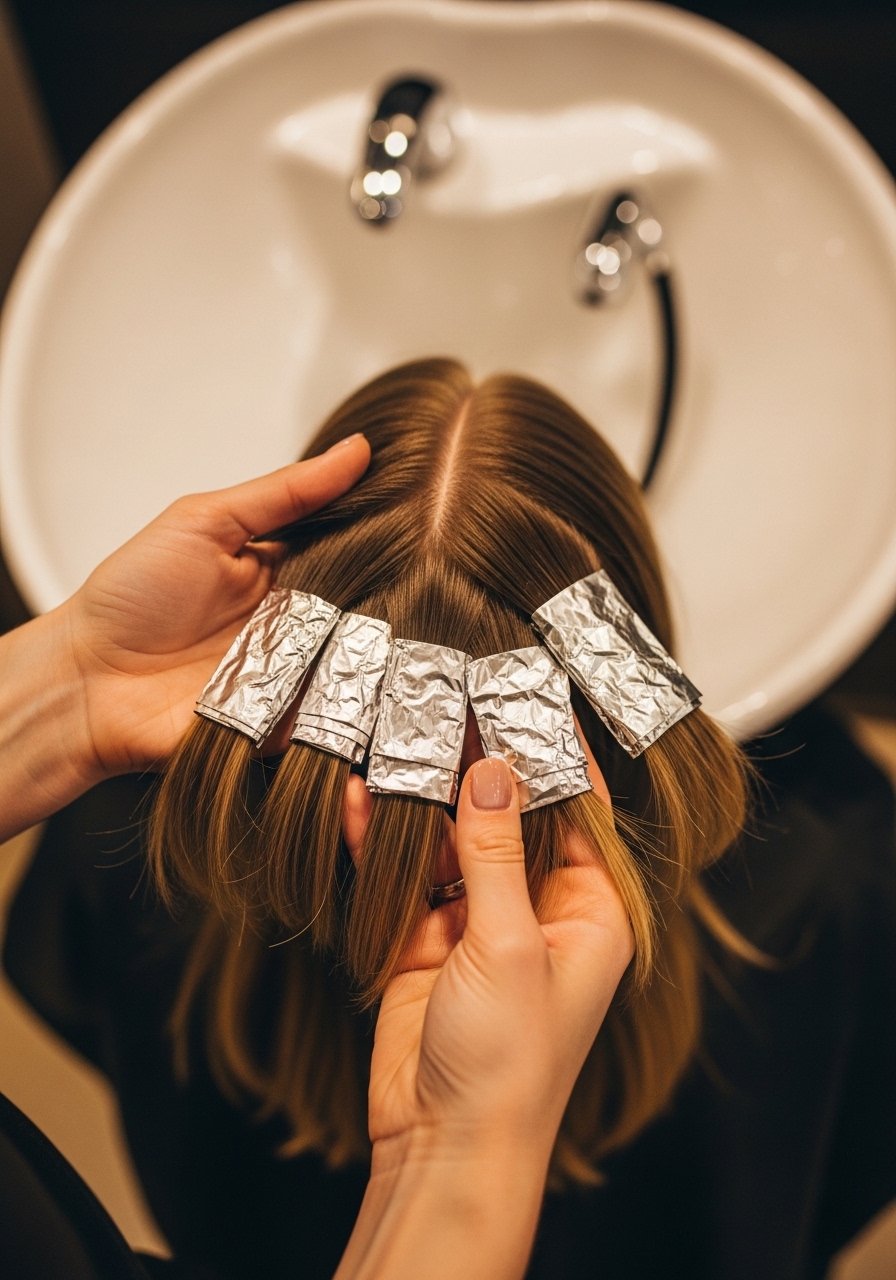
When money is tight, stretching appointments with spot babylights around the face and top crown keeps everything fresh. I usually ask for four to six touch-up slices done every ten to twelve weeks, which is less than a full highlight. The common mistake is touching up everything, which leads to banding. Use a purple shampoo once every seven to ten days if you see warm tones creep in, not every wash. For DIY touch-ups, pick a demi-permanent gloss to avoid lifting previously lightened hair. If you must bleach, book a professional, because lifting over dyed hair is risky.
Quick Money Piece Touch-Up You Can Do At Home
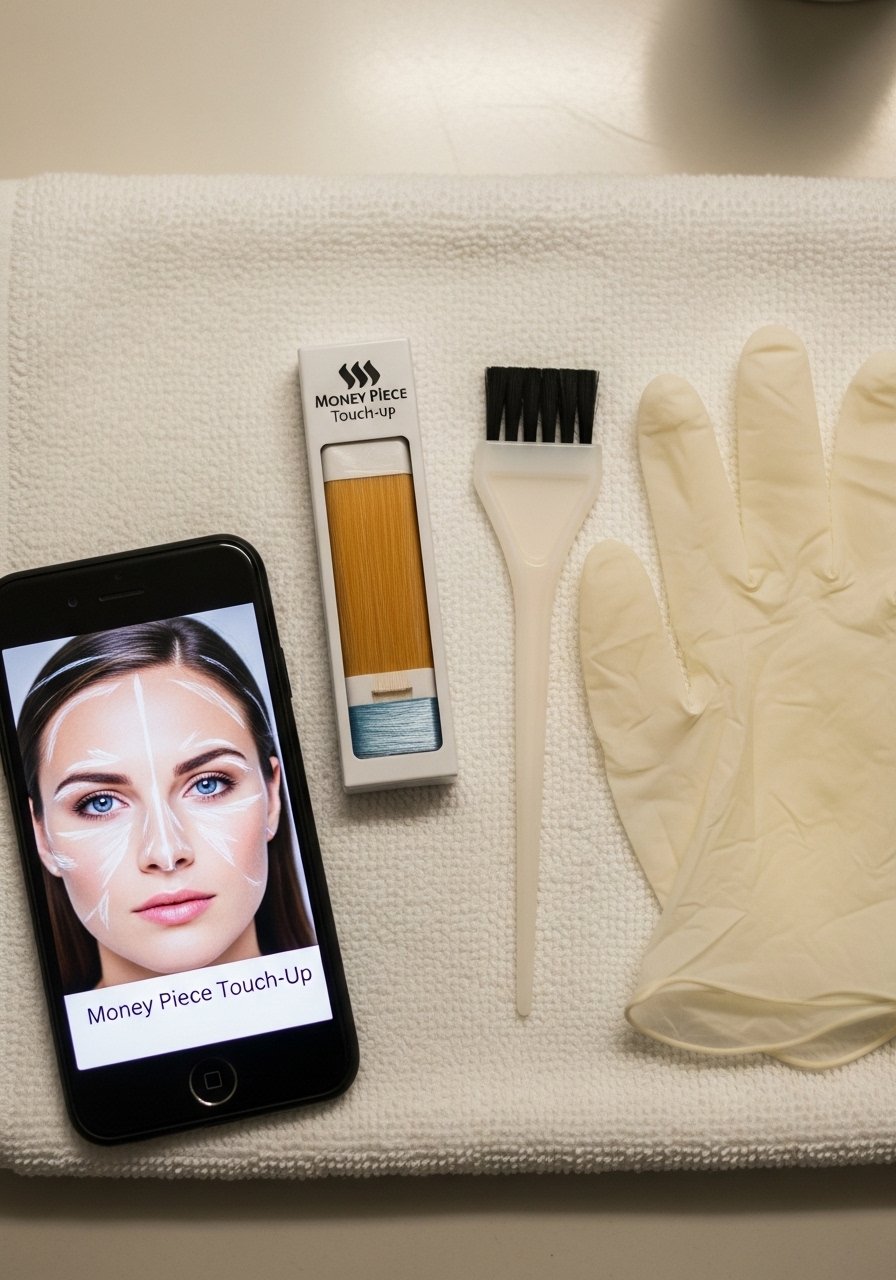
If your money piece shows a visible root line and you want a one-day fix before an event, a demi-permanent at-home gloss in a warm caramel tone can blend the line in 10 to 20 minutes. Use a small 1/4 inch sectioning and wipe any skin immediately. I keep a small demi-gloss on hand for this scenario. Over-application and leaving product on too long are common mistakes that create an obvious stripe. Always follow instructions, and if your hair has been lightened repeatedly, skip DIY and see a professional to avoid breakage.
Weekend Bond Builder Protocol For Processed Highlights
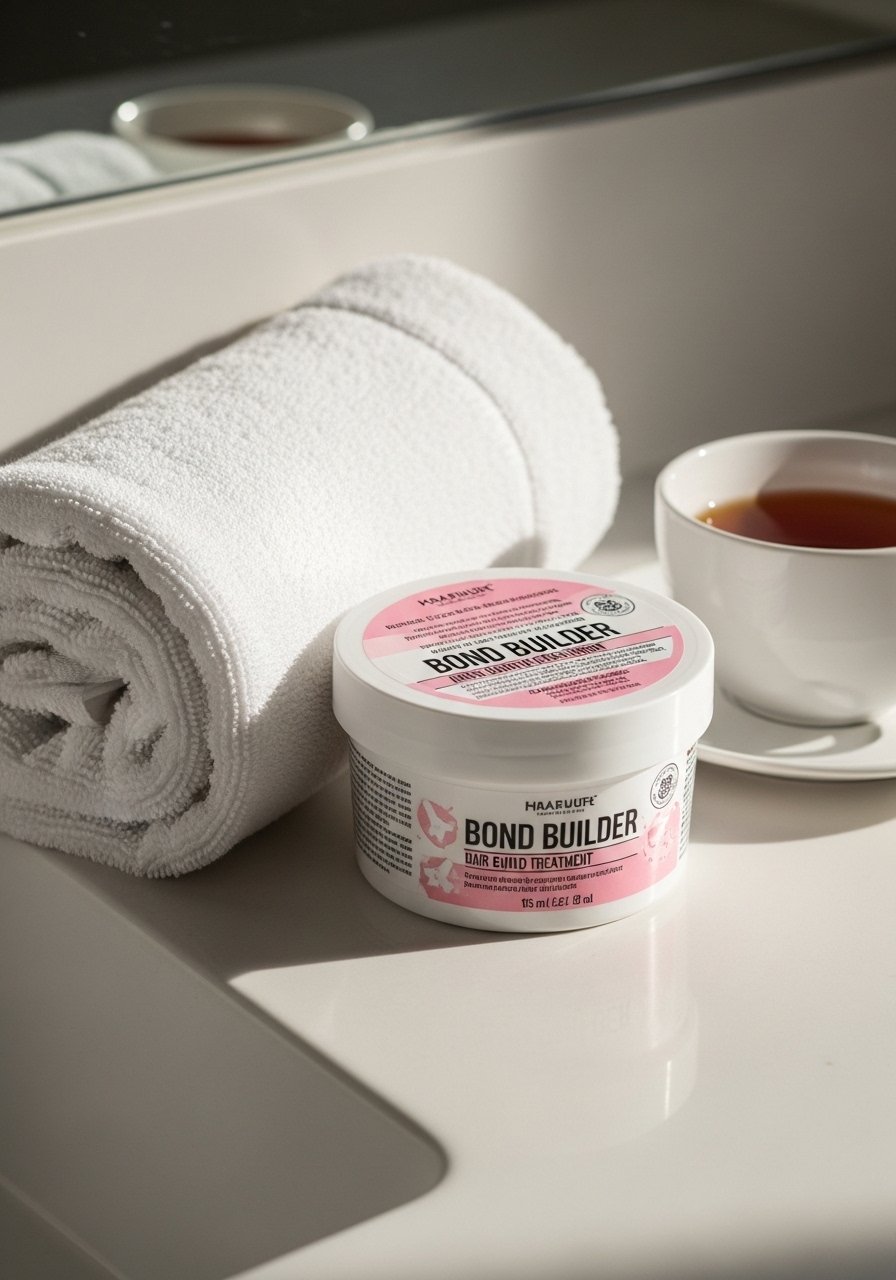
After any lightening, I run a three-step weekend bond builder protocol: Olaplex No.3 or a K18 equivalent once a week for three weeks, then a deep conditioning mask the following day. For fragile highlighted hair this routine cuts breakage noticeably. If you overuse weekly, hair can feel heavy, so stop if you notice limpness. Also, buy these products from reputable sellers to avoid counterfeits. For heavy damage from repeated lifting, most stylists will say multiple salon sessions with bonding services are safer than one big lift at home.
Glossed Blowout That Keeps Caramel From Going Brassy
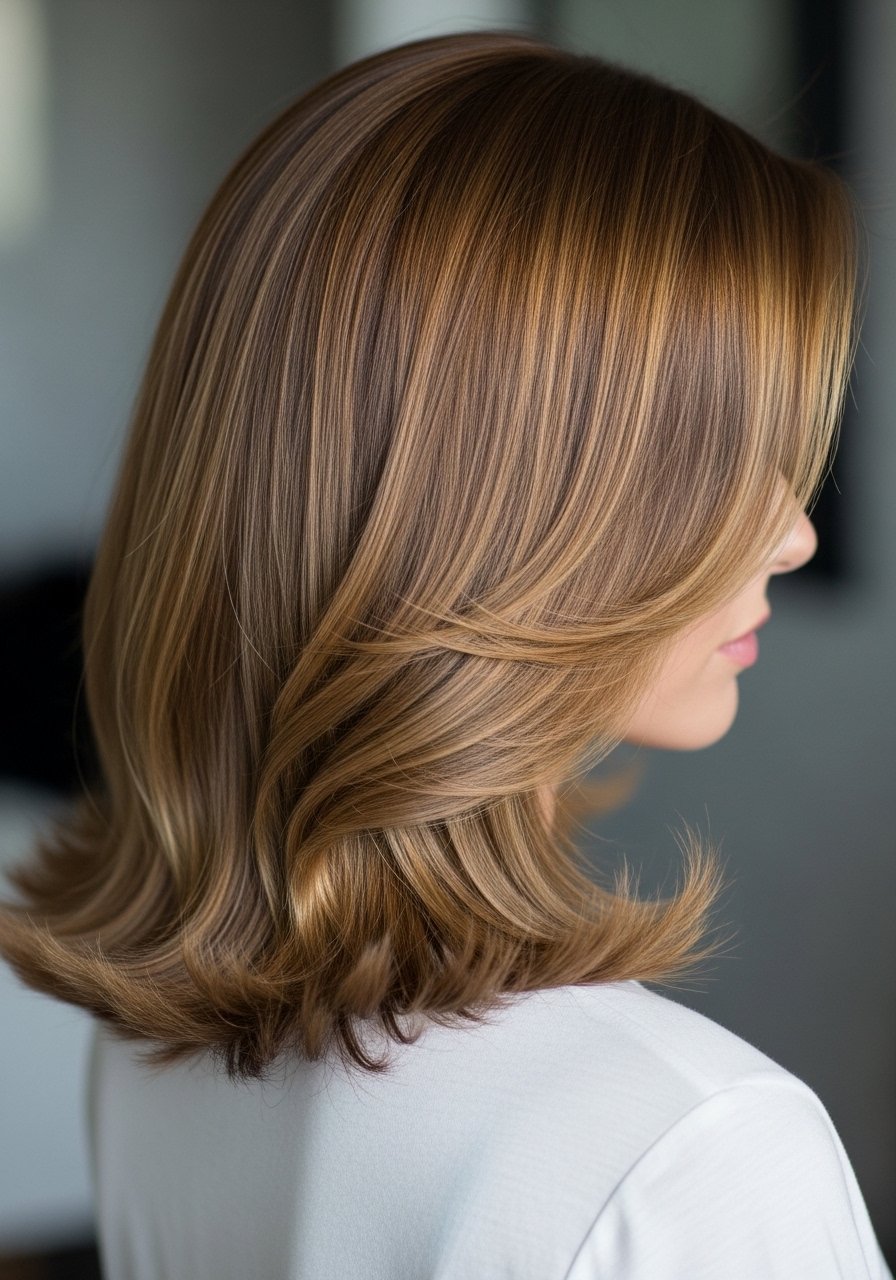
A glossed blowout at the end of a color appointment seals tone and helps caramel highlights stay warm. Blow dry with a medium round brush, blast with cool air for 30 seconds per section to lock the cuticle, then apply a lightweight shine spray sparingly. If you skip the cool shot, the blow-dry will frizz faster. I use a hydrating gloss product the colorist leaves in for ten minutes. At home, use a heat protectant before any iron over 300F to avoid frying highlights. For long-lasting results, limit washing to two to three times a week.
Sleep Methods That Preserve Caramel Highlights Overnight
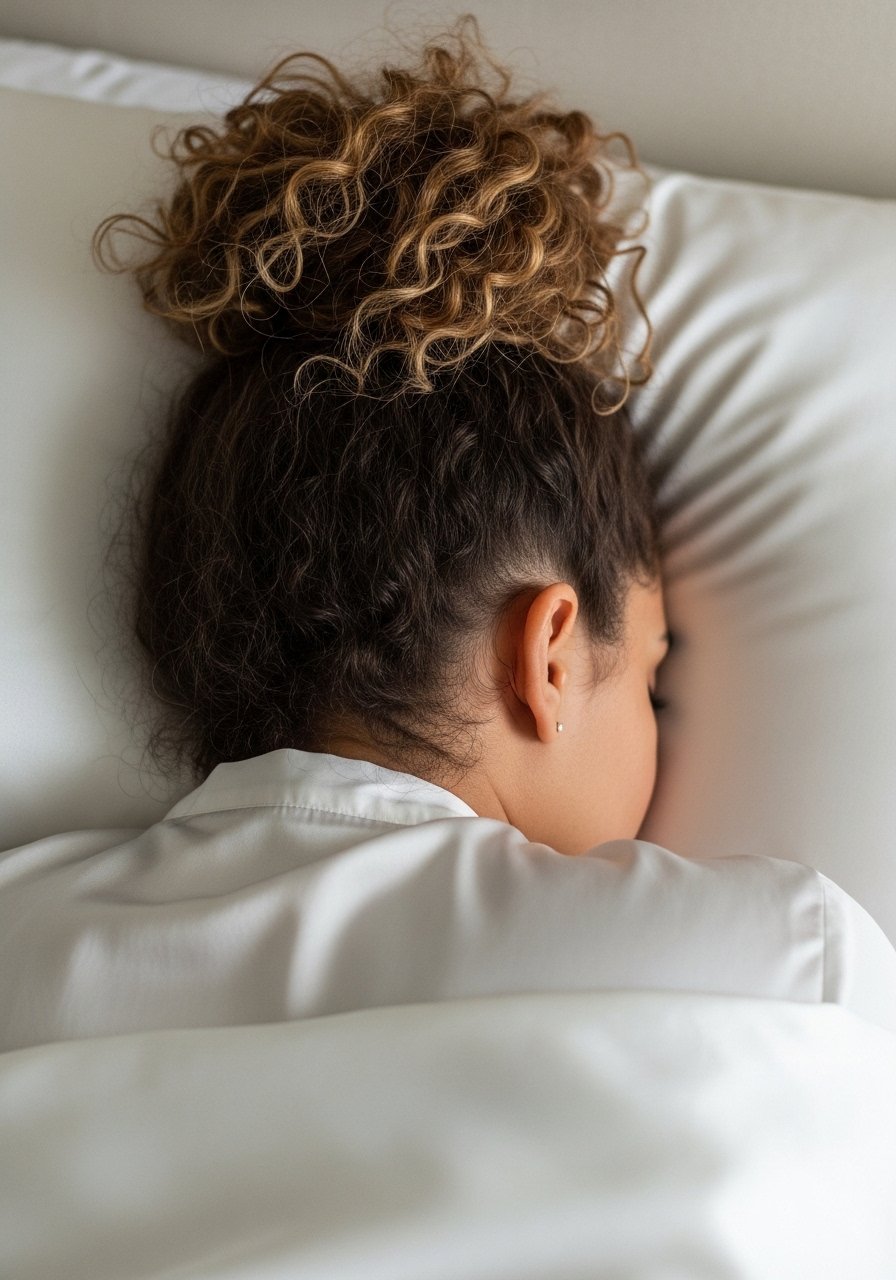
How you sleep affects color appearance, especially with highlights. For waves and curls, gather hair into a loose pineapple or a silk-covered bun at the crown so colorant oils and styling products stay distributed. For straight hair, a silk pillowcase prevents friction that dulls highlights. I swapped cotton pillowcases for silk and noticed my highlights reflected more light by morning. Over-tight packing into a ponytail creates dents, so make sure the elastic is loose and hair sits on top, not pulled tight against the scalp.
Short-Term Color Camouflage For Brass And Fading
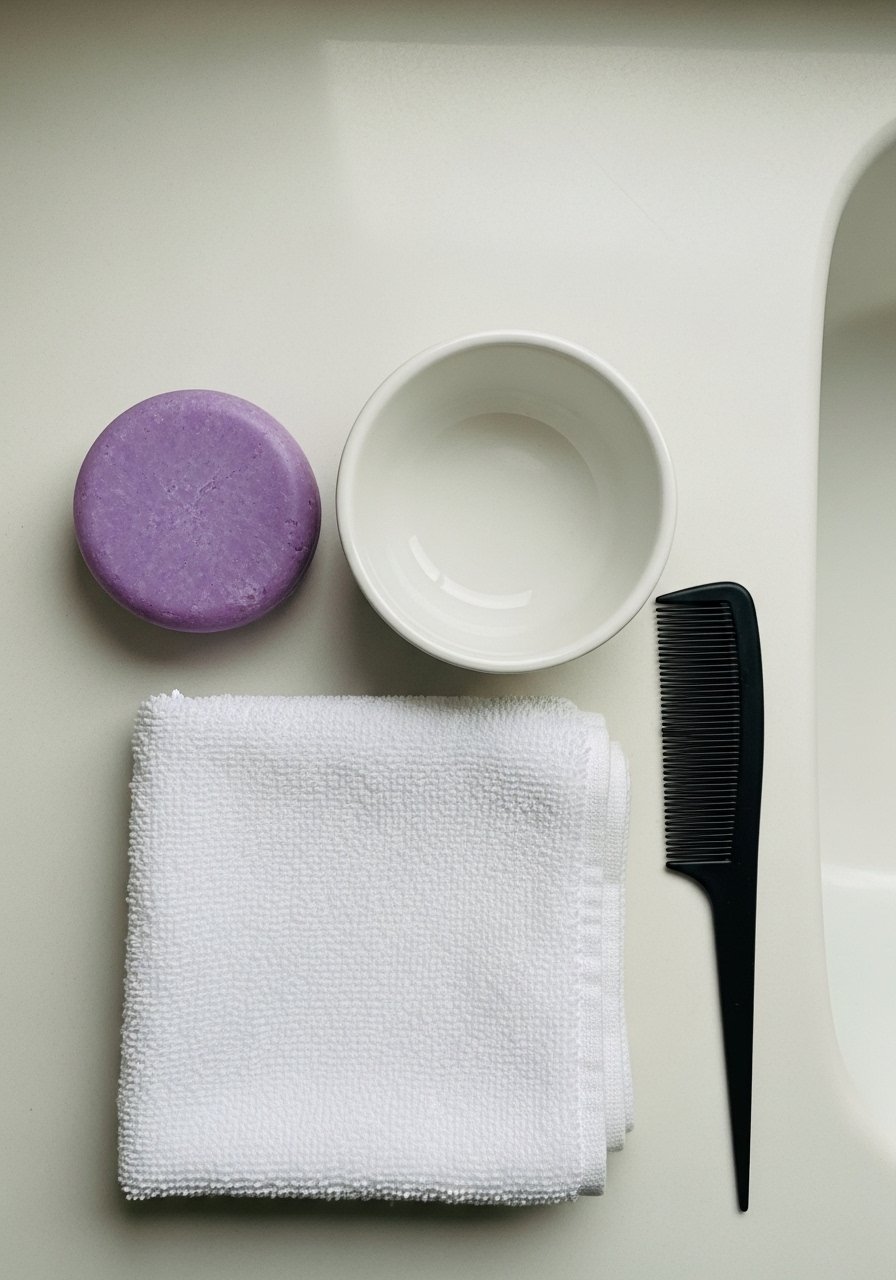
Purple shampoo used properly is the cheapest fix for brass between glosses. For light brown hair with highlights caramel, use purple shampoo no more than once a week, and follow with a hydrating conditioner. Overuse of purple shampoo is what turns my friend splotchy lavender after a month of heavy use. Start with a 60 second rinse and adjust only if brassy tones persist. For quick camouflage before an event, a color-depositing gloss rinse in a warm caramel shade evens tone without lifting. Always rinse thoroughly and do a strand test if you have previously used heavy toners.
Root Blending Techniques For Grown-Out Light Brown Bases
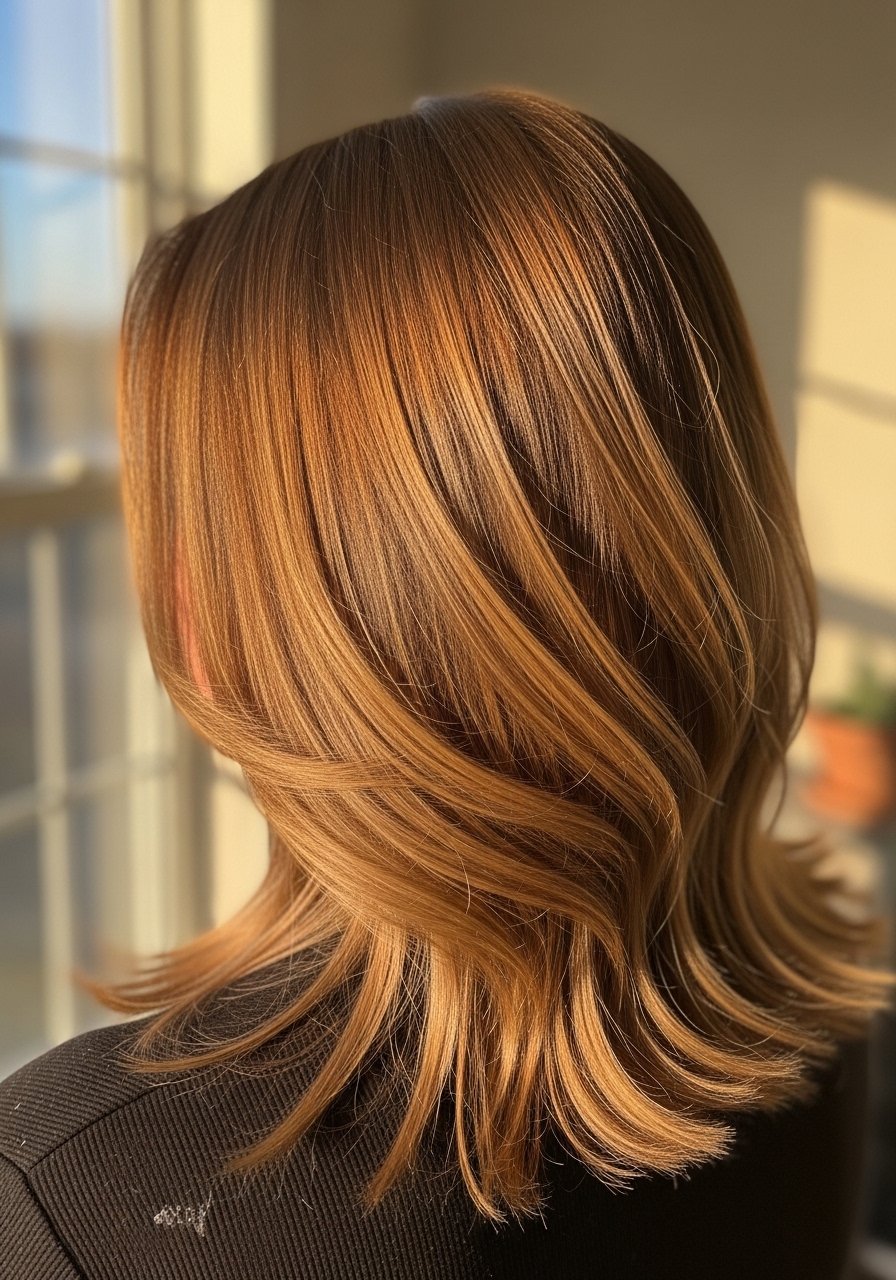
If you hate stark root lines, ask for a root shadow, where the colorist paints a slightly darker warm brown into the root area and blends it into the caramel ends. This is ideal for 1B to 2C textures and cuts the look of regrowth for eight to twelve weeks. A common DIY error is using a box dye too dark, which makes blending impossible. Root shadowing is a salon job for best results, but a demi-permanent color can bridge the gap. Avoid overlapping bleach onto shadowed areas to prevent breakage.
The Dry-Down Technique For Seeing True Caramel Tone
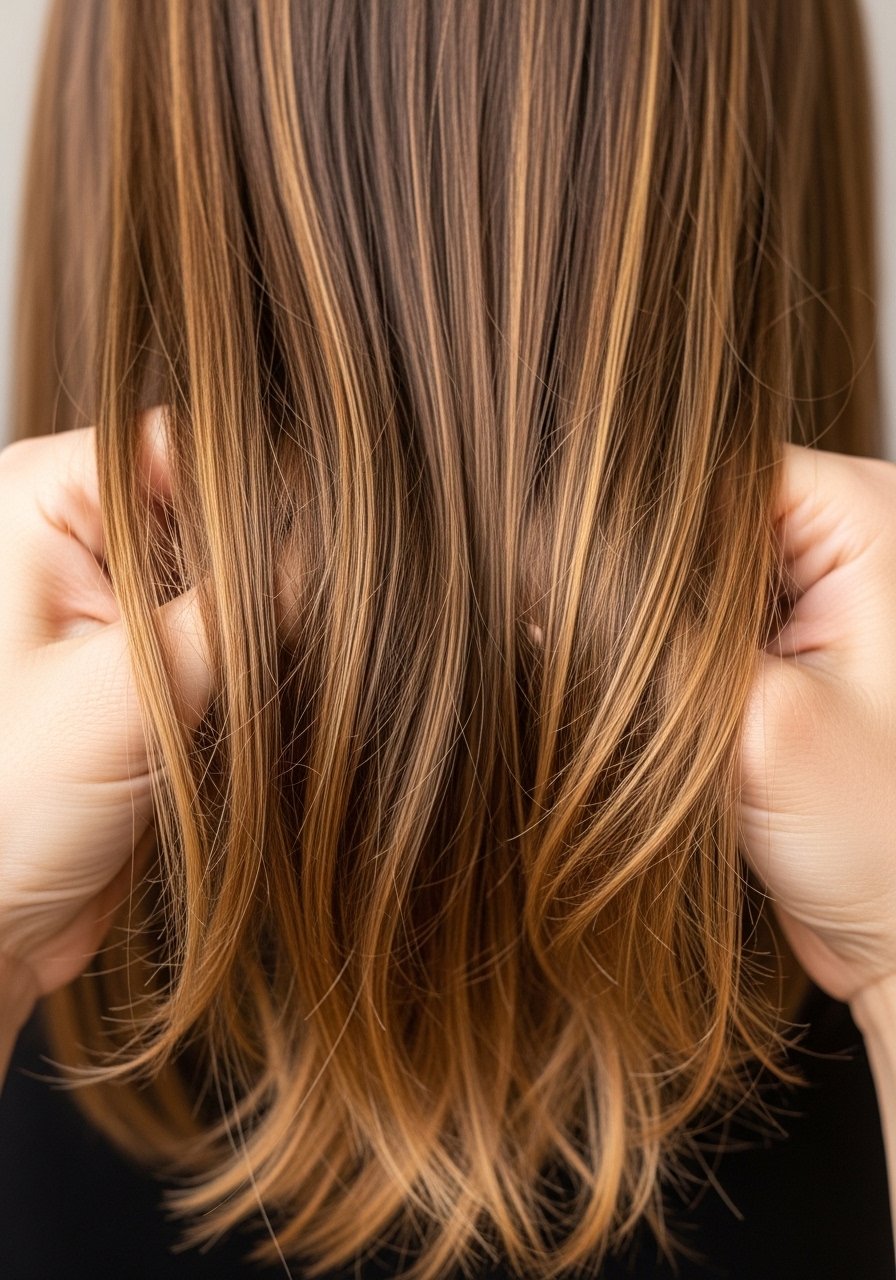
Colors read differently when hair is wet. I always dry a small section to see the true caramel reflection before deciding if I need more warmth or cool tone. On average, a glossed caramel will look 20 to 30 percent deeper when dry. If you tone a patch while it is still damp you can over-correct and end up with an ashy look. Dry-down checks save money and time. Use a cool-setting blow dry or air-dry a test strand for five to ten minutes before the final tone is applied.
What I Buy To Keep Caramel Highlights Looking Fresh
- Honestly the splurge I keep buying, Olaplex No.3 hair perfector 3.3 oz, used once a week after color, saved my ends after a botched lift, buy from the official seller or Sephora to avoid counterfeits
- For toner maintenance, a demi-gloss at home like dpHUE Gloss+ 8 fl oz, a quick 10 to 15 minute rinse keeps brass away between salon visits
- Color-safe sulfate-free shampoo 8oz, a gentle cleanse that removes build up without stripping tone, under $20 or grab at Target
- Microfiber hair towel under $15. Cuts dry time and reduces frizz the day after color
- Silk pillowcase queen size protects color and reduces morning friction
- Wide tooth comb for detangling wet highlighted hair without breakage
- Heat protectant spray for damp hair, always apply before any iron over 300F
- Purple shampoo bar for occasional use, follow instructions to avoid over-toning
- Boar bristle paddle brush distributes scalp oil and smooths highlight contrast
- Bond-building treatment tub like K18 single-use treatments, buy from an authorized seller or the brand site to be safe
How I Keep Caramel Highlights From Going Brassy
- Heat protectant goes on damp hair, not dry. The cuticle is more open and the product actually absorbs. Grab a hybrid heat protectant that works under blow drying and ironing
- Use a silk pillowcase. It reduces friction and I noticed color looked shinier by morning after two weeks of use. Try this silk option under $30
- Do a weekly bond-builder when you are doing lightening sessions repeatedly. It is not magic, but it reduces breakage enough to keep highlights intact. Olaplex No.3 is what I keep on hand
- Limit purple shampoo to once a week. Overuse is how I once ended up with a lavender tint. Use a gentle purple shampoo and follow with a rich conditioner
- Book a gloss every four to six weeks if you want the tone stable. If budget is tight, a demi-gloss at home stretches appointments for the next three to four weeks. Buy from an authorized seller to avoid fakes
Frequently Asked Questions
Q: Can I lighten just the ends at home without damaging my hair?
A: You can, but be conservative. Lifting ends only is safer than full-head bleach. Use a low-volume developer, work on dry hair, and apply a bond builder before and after. If your hair has previous color, see a professional because overlapping bleach can cause breakage.
Q: How often should I use purple shampoo on caramel highlights?
A: Once every seven to ten days is a good starting point. If you notice brass after one use, cut back and use a gloss instead. Overuse is the single most common reason for a faint purple tint showing up unexpectedly.
Q: Is a gloss worth the salon price compared to at-home demi options?
A: A salon gloss lasts a bit longer and is mixed to match your base precisely. At-home demi-glosses work well for maintenance and cost a fraction. If you had a color correction recently, book the salon gloss the first time, then maintain at home.
Q: Can I bleach over previous dye to get lighter caramel highlights?
A: Lifting over previous color is risky and often causes breakage. This is a salon procedure. Expect multiple sessions spaced several weeks apart rather than attempting a single at-home bleach session.
Q: Will bond builders truly fix damaged highlighted hair?
A: They strengthen the hair structure temporarily and reduce breakage, but they do not reverse past damage. Bond treatments help you keep color in and stop new breakage, which is how growth looks better over time.
Q: My money piece looks obvious under phone flash, what happened?
A: Phone flash emphasizes contrast. Ask the colorist for thinner slices and a warm gloss to blend the money piece. In the future, tell them you want a "soft face frame" and show a reference photo shot in flash so placement is refined.