
I dyed my own hair black and white in the living room one winter and learned two things fast. One, toner is not optional if you want white instead of yellow. Two, there are ways to make this look live outside of a single photo. Below are ideas I actually tried, fixes I learned the hard way, and the products that made them work without wrecking everything.
These looks skew toward shoulder to mid-back lengths and work best on hair that can be lightened to a pale blonde first. Expect a mix of at-home options and salon services. Skill ranges from easy touch ups to advanced color lifts. Budget runs from under $30 for a toner kit to splurges around $200 for pro-level bond building and salon correction.
Split-Down-the-Middle Black And White Hair
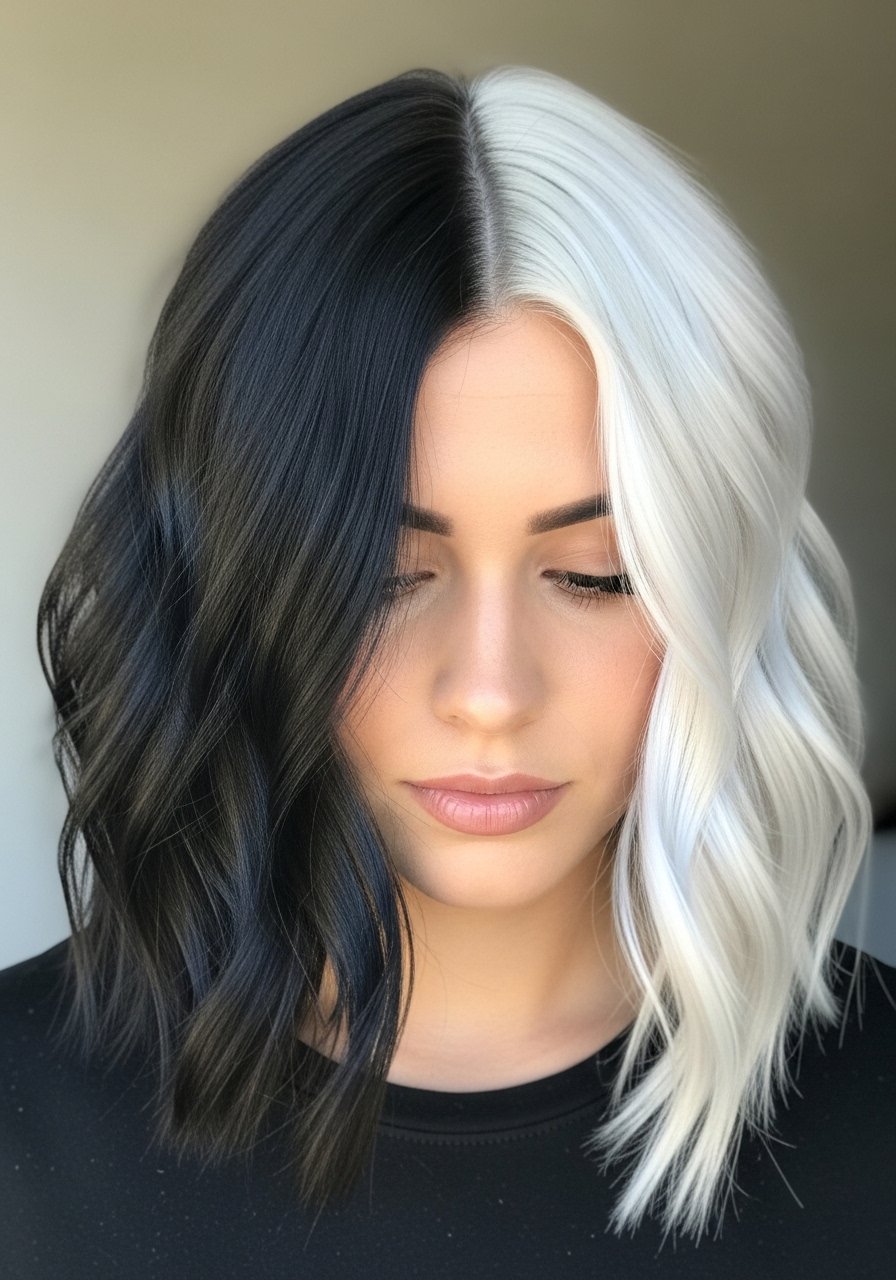
I tried the full split dye after regretting a sloppy gradient. The thing that makes this look read intentional instead of like two colors glued together is a clean center part and matched sheen on both sides. For the white side you must lift to a pale yellow and then tone. Two rounds of careful lightening separated by Olaplex No.0 and No.3 treatments will keep the hair intact, not paper thin. I used two-inch subsections when bleaching, not huge slabs, so the developer lifts evenly. A common mistake is lifting too fast to save time, which yields patchy yellow. Salon correction is safer if your base is dark brown or previously colored. If you try at home, use a 20 volume developer for the second lift and rinse when hair reaches a pale straw, then apply a violet toner for 10 to 15 minutes.
Money Piece Face-Framing White Highlights With Black Base
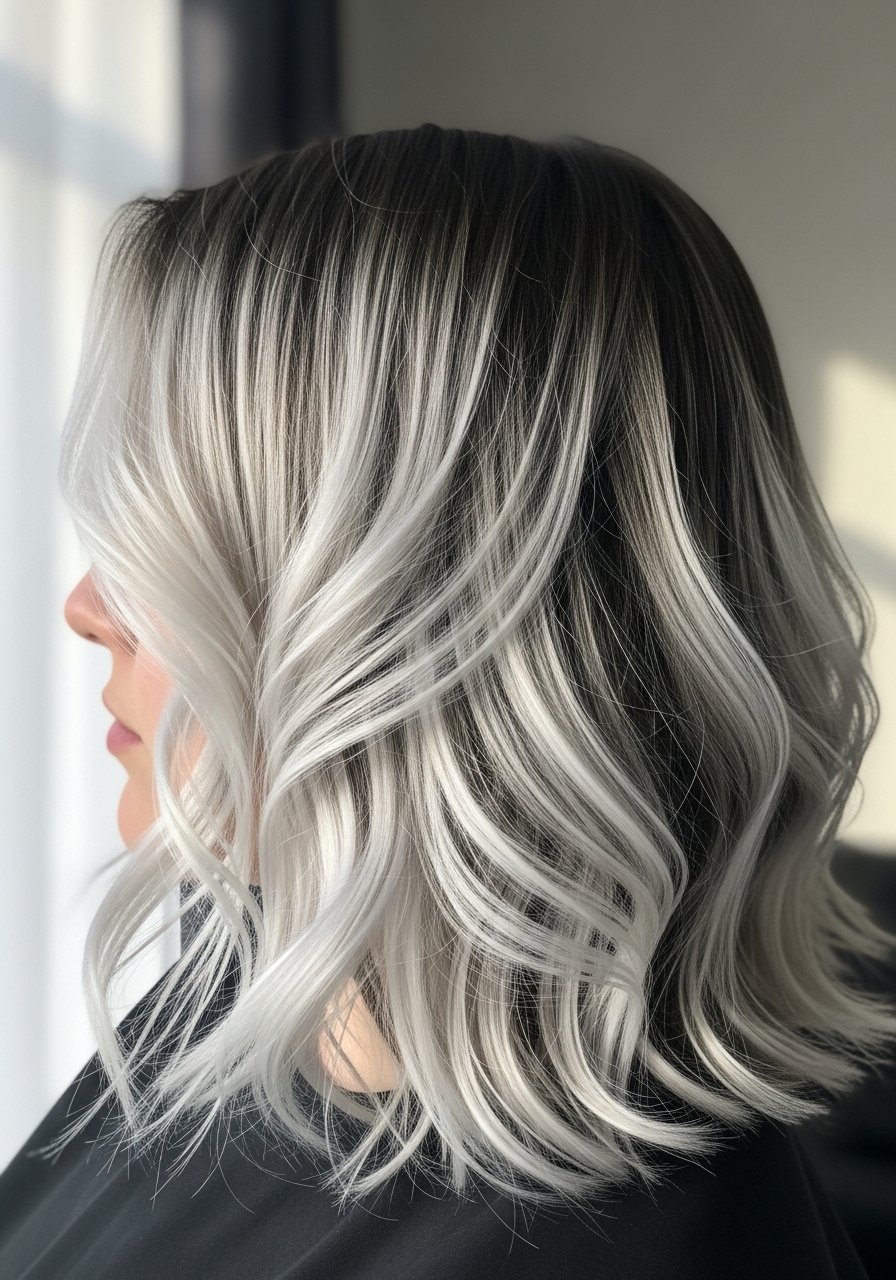
If you want contrast without committing to full bleach, the money piece gives maximum impact for minimal maintenance. I had this done as an add-on at the salon and touched it up myself with a 10 to 20 minute mini-foil when root regrowth hit two inches. Best for oval and heart faces and fine to medium textures that can hold the bright tone. The trick is using very thin foils, about 1/4 inch wide, and toning only the face-framing pieces with a cooler purple toner so they stay bright against the black. People overuse purple shampoo and end up with brittle hair. Use a purple shampoo once every 7 to 14 days for bright pieces and a weekly bond builder like Olaplex No.3 hair perfector to keep them from fuzzing. If your scalp is sensitive, patch test the toner.
Salt And Pepper Blend For Grown-Out Color
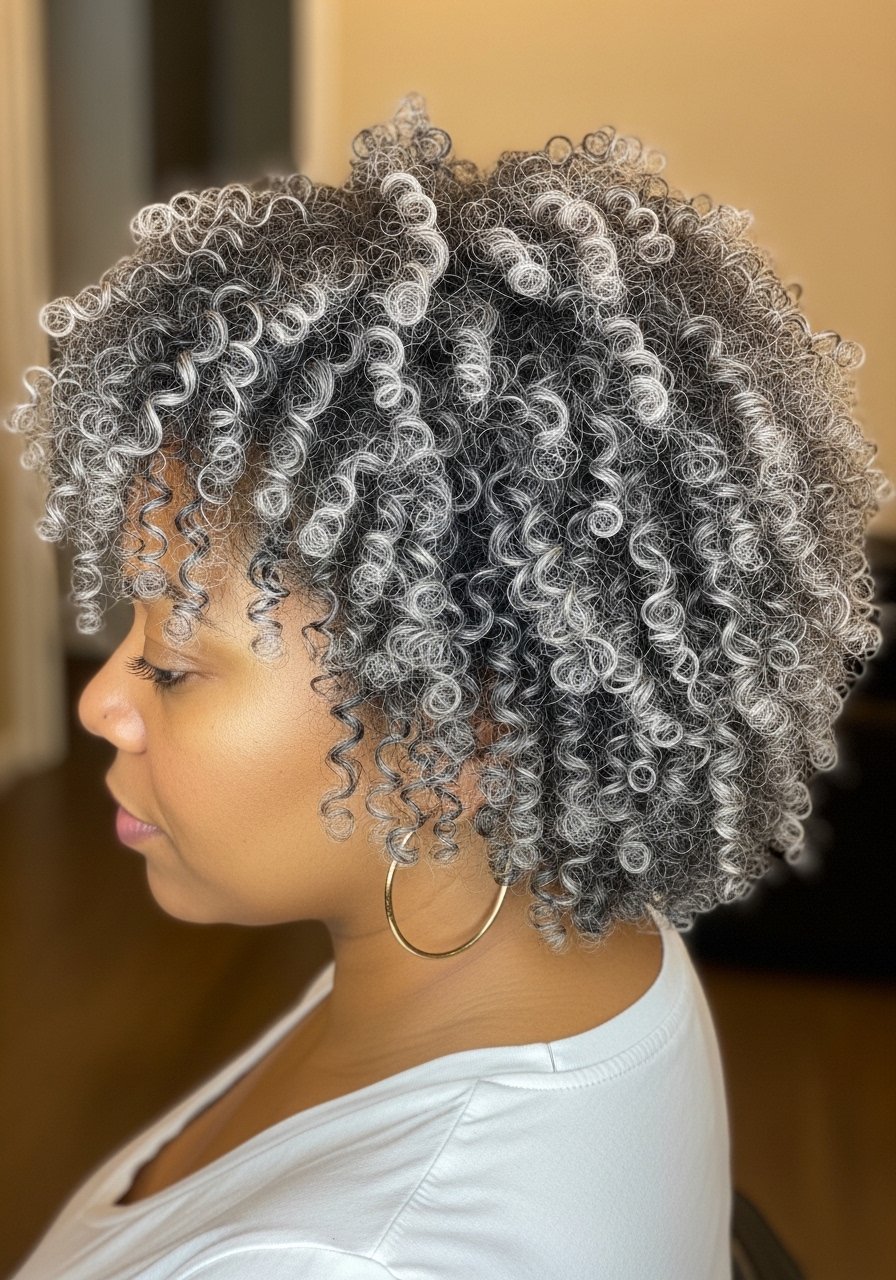
This is the look I reached for when I could not commit to daily upkeep. Instead of stark black and white, a blended salt and pepper gives the impression of natural silver without constant touch ups. It works surprisingly well on coily and curly hair because the texture hides regrowth lines. The process is a slow melt using a low-lift balayage on 1/2-inch sections, and gentle toning with a demi-permanent shade so you do not need a full bleach bath at every appointment. A real-life detail most articles skip is that I had my stylist apply toner in four horizontal sections rather than pocketing it, which avoided banding on my tight curls. Cost is mid-range when done at a salon and low when touched up every three months at home.
Graphic Peekaboo Panels Under Black
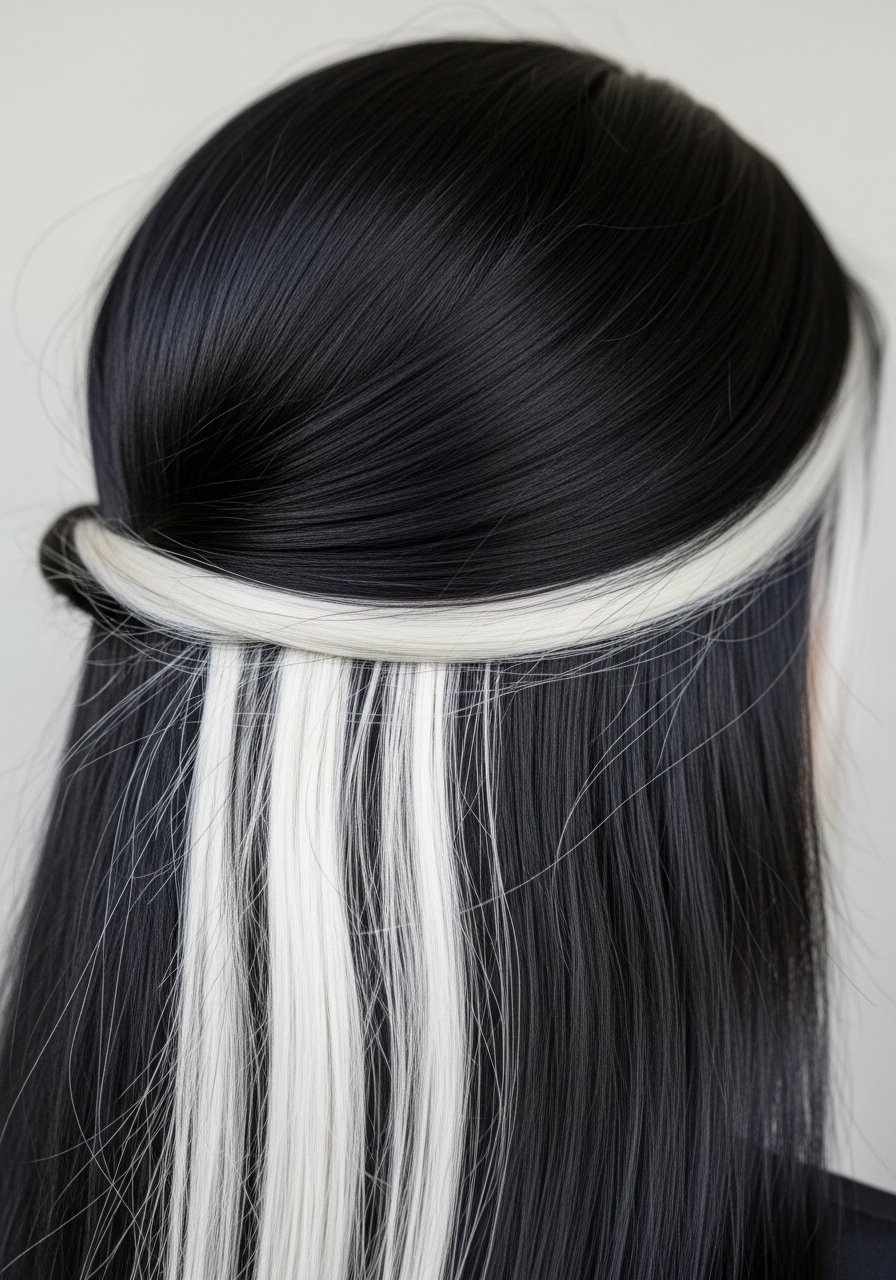
I love hidden panels because you get a dramatic reveal without daily maintenance. The peekaboo panels are placed under the top layers and painted in horizontal bars about 2 to 3 inches tall. This is great for straight to wavy hair. It takes about 45 minutes extra in the salon compared with a single-process color and saves you money long term since roots are hidden. A common DIY fail is using too wide sections and ending up with chunky stripes. Keep pieces narrow, and if you are lightening dark hair, pre-bond with a professional bond builder or do Olaplex steps at home to reduce breakage. Styling tip, the contrast reads best when the hidden white is toned to neutral rather than warm.
High-Contrast Bob With White Fringe
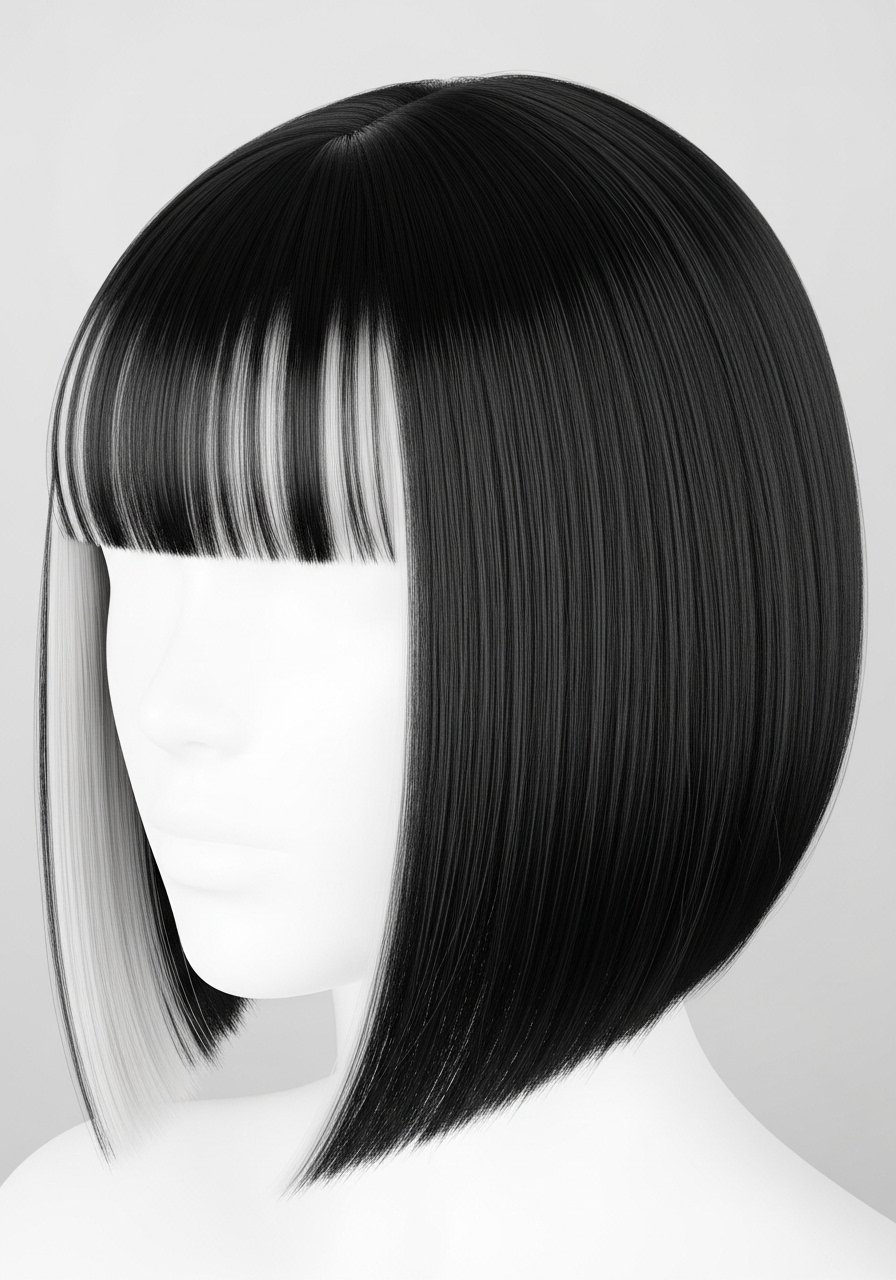
Short hair screams intentional or it looks sloppy. I got a white fringe on a black bob and the cut sold the color. Because the fringe is high impact, I kept it at 1 to 1.5 inches in width and requested foil-lightening only in that band to protect the rest of the hair. The upkeep is about every 4 to 6 weeks for the fringe, and the rest of the bob can go 8 to 12 weeks between color sessions. Heat styling at 300F or lower keeps the cut looking sharp, and heat protectant must be applied to damp hair before any iron over 300F. If you are doing this yourself, use micro foils and work in 1/8-inch slices for consistent lift. Mistake to avoid, do not over-tone the fringe or it can look gray and flat against the black.
White Ombre Melt On Black Hair
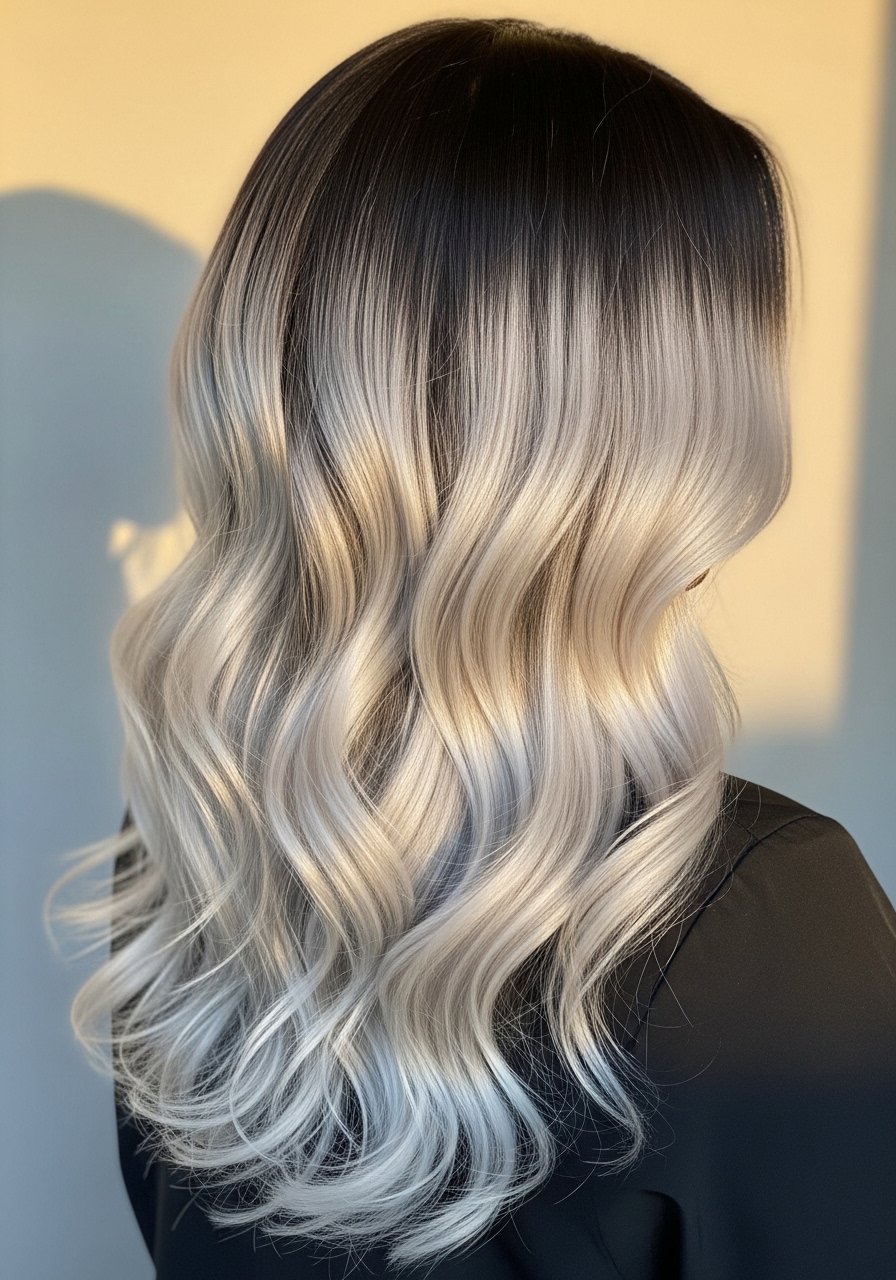
The ombre melt is my favorite when I want soft regrowth and minimal salon visits. Start with the black at the root, then paint bleach downward with a 30 to 40 percent gradient, leaving a few inches unbleached to let the dark and light marry. I ask for feathered backcombing where the two meet. The one detail people miss is processing the lower half until it hits a pale straw, not necessarily white. Then toner and a silver gloss finish will give the white look without over-processing the mid-lengths. For maintenance, use a purple shampoo once a week and a leave-in cream under a light oil to avoid dryness. If you must lift over previously colored dark hair, make it a multi-session plan.
White-Rooted Black Ends For Low Upkeep
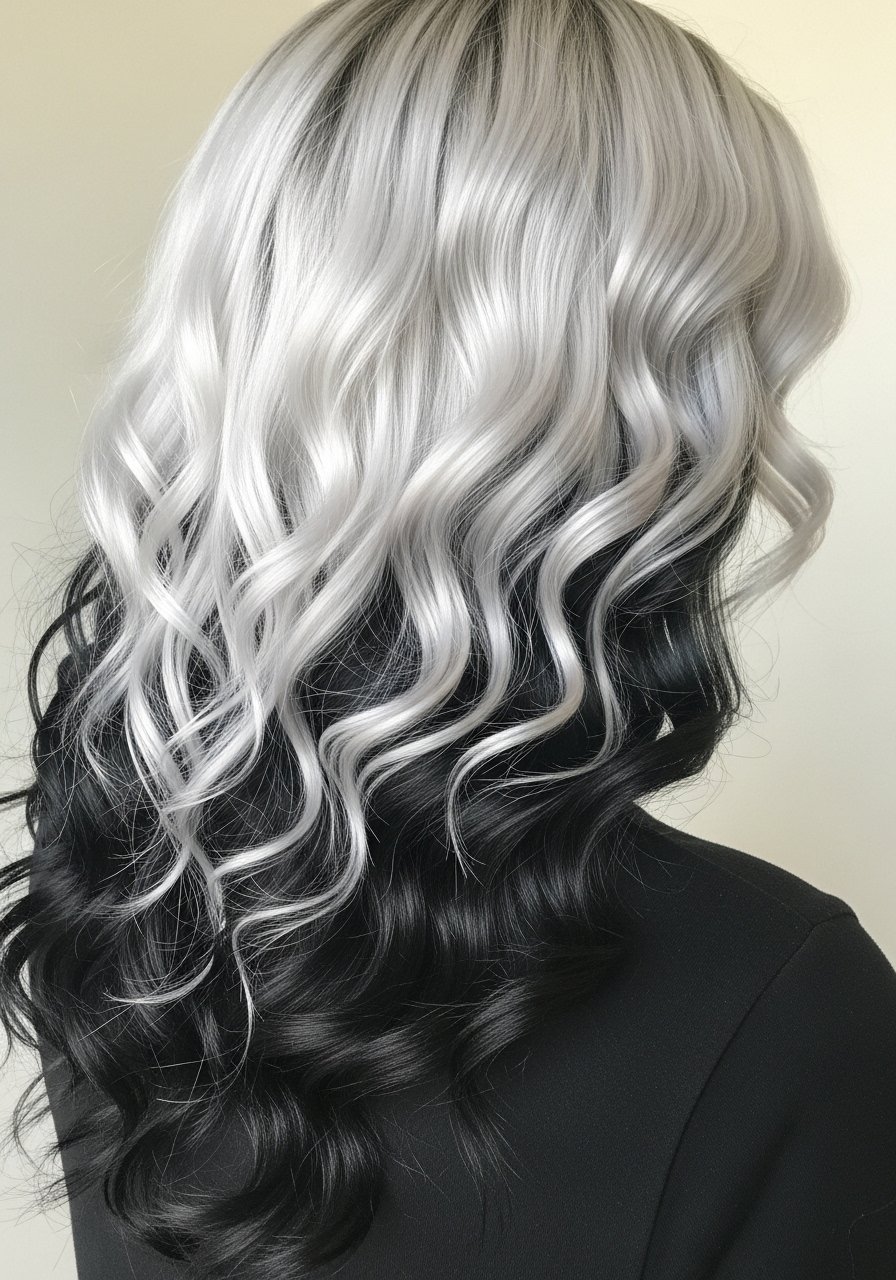
This is the lazy person’s high-contrast. White roots that melt into dark ends means you only touch roots, and the long black ends skip repeated bleach. It works well on curly and wavy textures where regrowth is less obvious. The trick is keeping the root zone light enough without overlapping onto the mid-lengths. I use eight to ten 1-inch vertical foils for even lift in the root area and cap the lift at pale yellow. Over-bleaching near the mid-lengths ruins elasticity. Bond builders before and after can save you salon bills later. If you have previously relaxed or chemically treated hair, go to a salon for a consult because lifting over processed hair risks breakage.
What I Keep in My Black And White Color Kit
Olaplex No.3 hair perfector 3.3 oz. Worth the weekly dose after any lift. Buy from the official Olaplex store on Amazon or Sephora to avoid counterfeits.
Fanola No Yellow purple shampoo 250 ml. Use once every 7 to 14 days on white areas only. Overuse dries hair out.
Wella Color Charm T18 toner kit for neutralizing yellow tones after bleaching. Follow timing guidelines and patch test.
Bond builder at-home system K18 peptide treatment 50 ml. Use after toner for elasticity. If you want salon-grade Olaplex steps, book a professional.
Microfiber hair towel cuts drying time and controls frizz. Cheap and worth it.
Wide-tooth comb set for detangling wet bleached hair in gentle sections.
Professional sectioning clips make precise foiling and painting possible.
Heat protectant spray that works on damp hair apply on damp hair before any iron over 300F. Most heat protectants need to absorb to work.
Silk pillowcase queen size preserves white tones and reduces friction while you sleep.
Tint brush and mixing bowl set for accurate at-home touch ups and small money piece work.
Bleach-Backed Underlights For Edgy Style
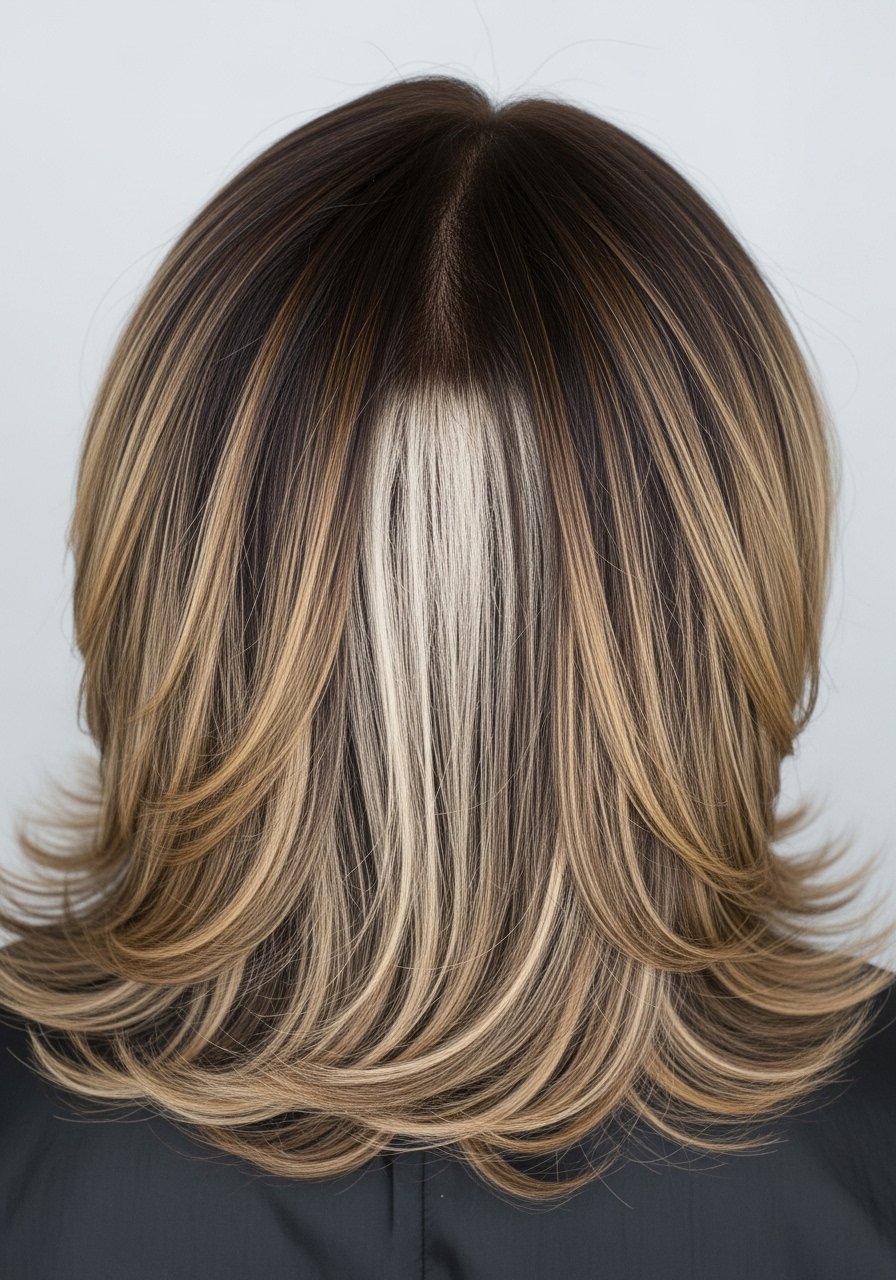
Underlights let you keep the black exterior while showing white flashes when you move. I section the head into four triangles and paint each with 1/2-inch slices for consistent lift. It takes about 30 to 40 extra minutes depending on density. For fine hair, reduce developer strength to avoid over-processing. The big mistake is painting through existing dark dye without a strand test. Always test a small hidden section first. At-home sellers often skip this step and the result is muddy. If your scalp tingles beyond normal processing, stop and rinse. These panels pair perfectly with the peekaboo panels I mentioned earlier.
Silver Lived-In Shadow Root With White Ends
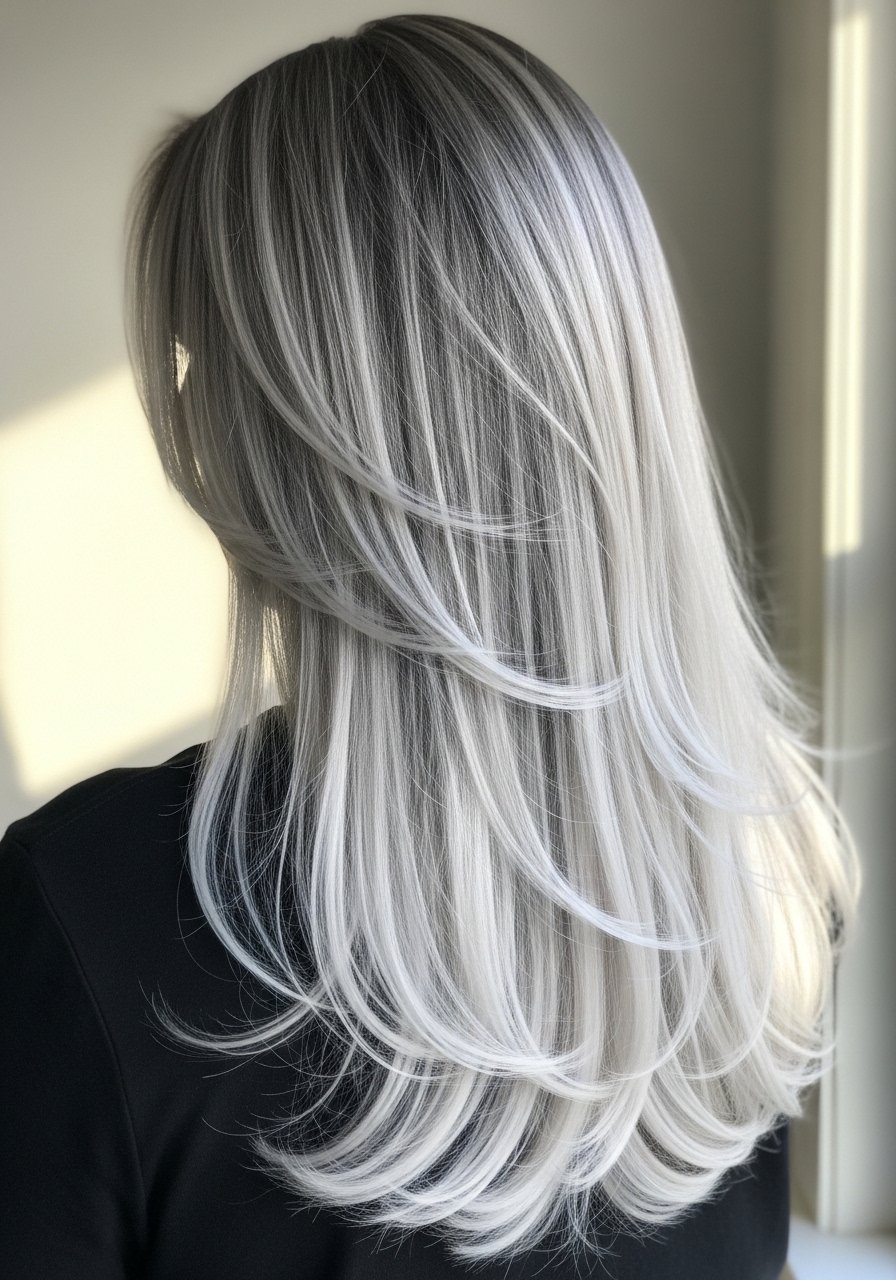
If you like white but not stark contrast at the scalp, try a silver shadow root that graduates into bright ends. I asked for a 2 to 3 inch shadow at the root that was feathered with a paddle brush. The painterly technique gives you four to six weeks before a touch up. A little practical detail, I had my stylist apply a demi-gloss on the ends to keep them reflective, then used a clear silicone serum sparingly to avoid product build up. Use purple shampoo only on the ends and a clarifying shampoo on the scalp no more than once every two weeks to avoid drying the root area.
Short Wolf Cut With White Highlights For Texture
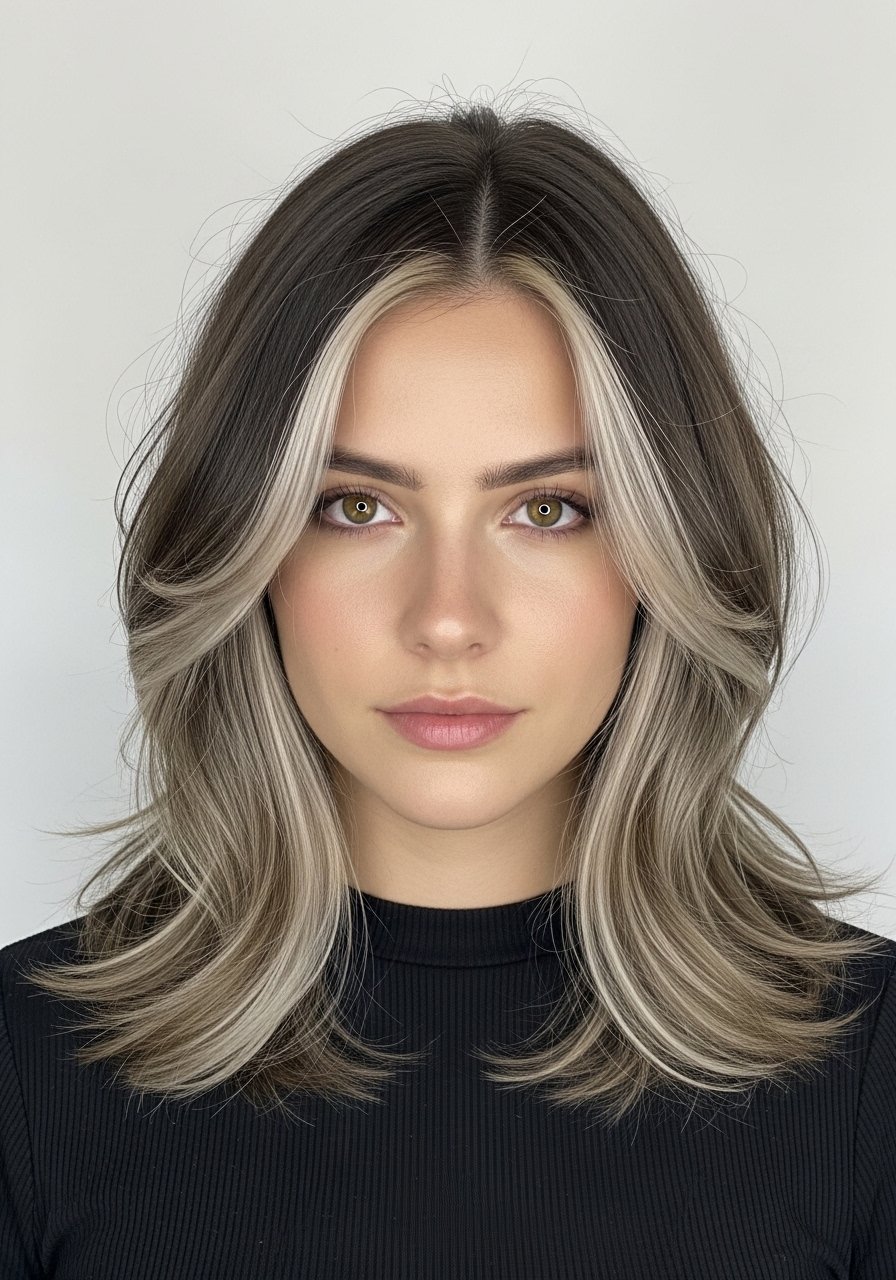
A wolf cut adds movement so the contrast between black and white feels modern instead of harsh. Short choppy layers around the crown let the white highlights bounce. I had my stylist use slicing shears to avoid a blunt line where light meets dark. If you are going shorter, plan for a maintenance schedule of every 6 to 8 weeks for the cut and every 8 to 12 weeks for the color. Warning, if you are cutting in the same session you bleach, give the hair a minute to settle and do bond treatments between the services if possible.
White Curtain Bangs Over Black Lengths
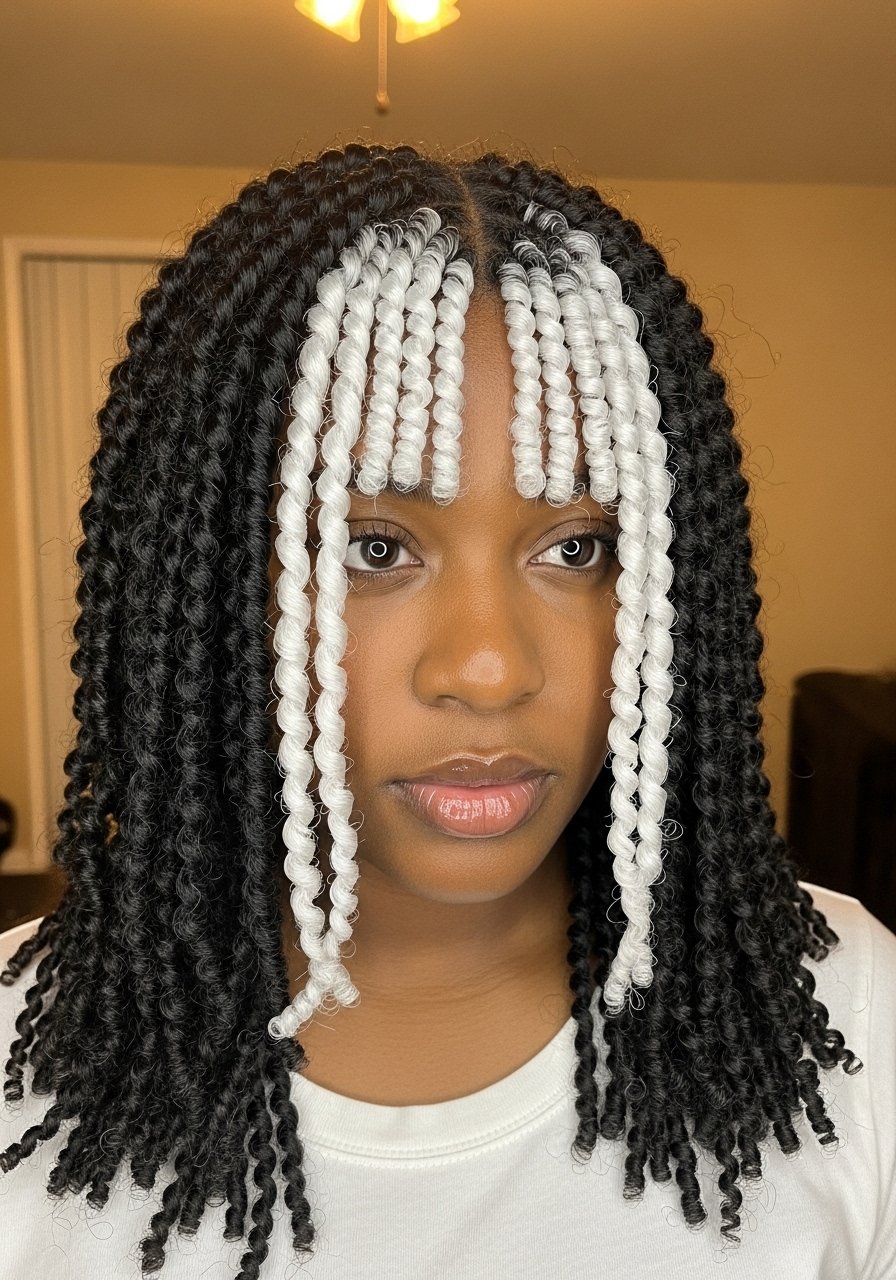
Curtain bangs are forgiving with regrowth, which is why I keep coming back to them. A white curtain bang creates immediate face brightness against black lengths. For curls, have your stylist cut the bangs dry to account for shrinkage and apply toner after the cut so you can see the final shape. One mistake I made was toning the bangs too cool, which looked dusty by day three. Tone conservatively and refresh every 6 to 8 weeks. If your skin is sensitive to high-acid toners, patch test first.
How I Screwed Up and What To Do Instead
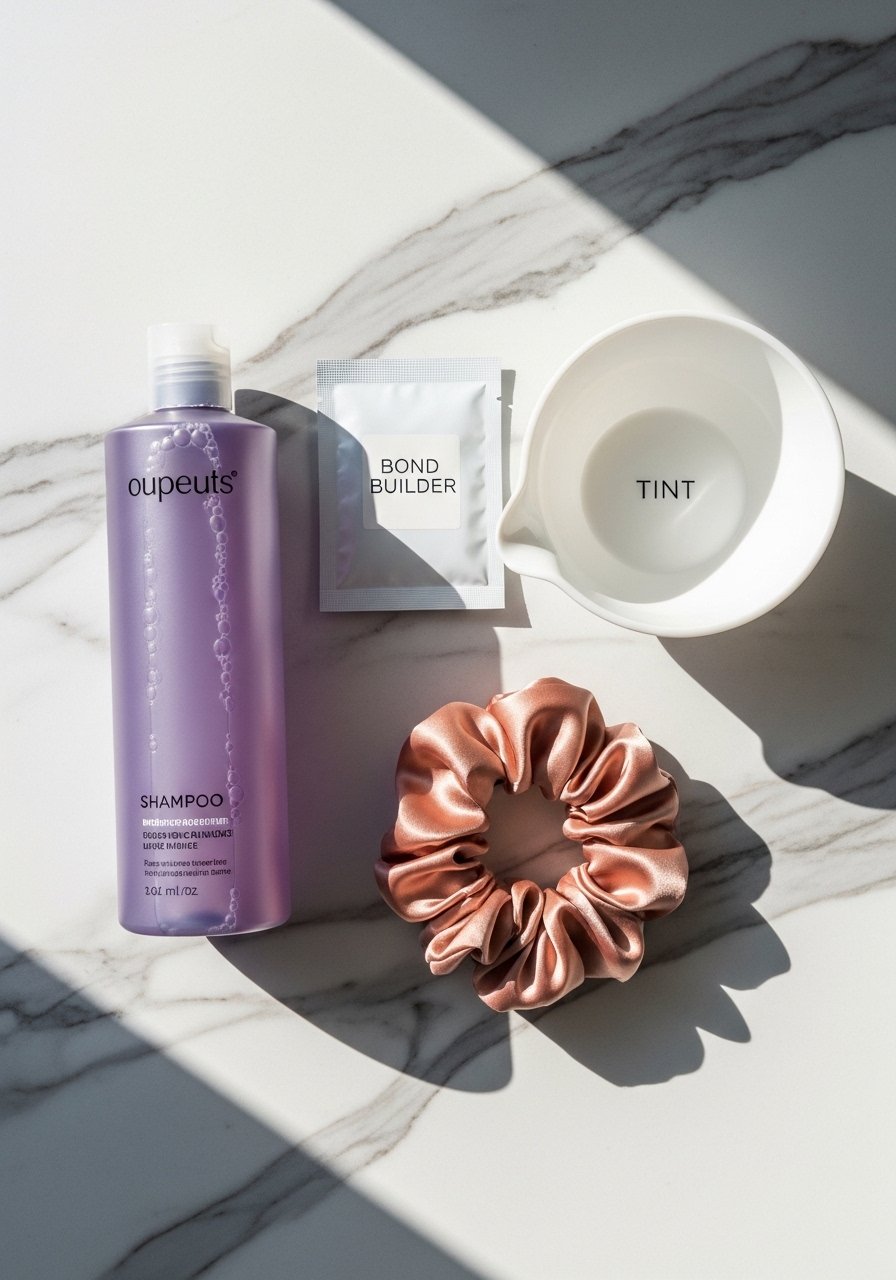
I once left a purple shampoo on my white pieces for 20 minutes thinking more time equals whiter. Ended up with a lavender halo that took two clarifying washes to fade. The easy fix is timing and dilution, not overtime. Another error was skipping a bond builder between lifts. It saved money upfront and cost me in breakage later. When someone asks about frequency of purple shampoo, my answer is use it sparingly, about once a week or once every two weeks for bright areas. Hair grows about half an inch a month at most, so plan touch ups around realistic growth and not wishful thinking.
What I Wish I Knew Before Going Black And White
- Heat protectant goes on damp hair, not dry. This Color Wow heat protectant absorbs better and actually shields the cuticle.
- Stop rinsing toner with extremely hot water. Warm is fine. Hot will reopen the cuticle and pull out color faster.
- If you lift over previous dye, book a salon consult. Lifting over color is the single most common reason hair breaks off in the shower.
- Use a silk pillowcase to reduce friction and dryness at the ends. Silk pillowcase queen size is cheap insurance.
- Layer product placement, not product quantity. The 80/20 product placement rule means use a smaller amount concentrated where you need it most, like mid-lengths and ends.
Frequently Asked Questions
Q: How often should I use purple shampoo on white pieces?
A: Once every 7 to 14 days for targeted white areas is usually enough. Overdoing it dries hair out and can make white tones dull. If pieces look ashy, a 5 to 10 minute mini-toner session is safer than long purple shampoo soaks.
Q: Can I bleach my hair from dark brown to white at home in one session?
A: No. Lifting dark brown to white in one session risks severe breakage. This is the single most common reason hair breaks off in the shower. Make a multi-session plan with bond-building steps or see a salon for staged lifts.
Q: Will Olaplex or K18 undo damage from bleaching?
A: Bond builders help restore elasticity and reduce breakage, but they do not erase past damage. They improve manageability and strength when used between and after services. Buy Olaplex from the official store on Amazon or Sephora to avoid counterfeits.
Q: My black ends look dull next to the white. How do I keep contrast glossy?
A: A demi-gloss on the black sections after coloring adds depth without lifting. Finish styling with a light silicone serum applied sparingly to the ends for shine. Avoid heavy oils near the white pieces where product build up can attract brass.
Q: How do I avoid a harsh line when going from black to white?
A: Feather the transition using backcombing or a soft balayage paint with 1/4 to 1/2 inch strokes. Painting in small strokes prevents banding and creates a more natural melt.
Q: Can I keep black and white hair with curly textures?
A: Absolutely. Curly and coily types hide regrowth well, and techniques like blended balayage and space underlights work beautifully. If your hair is chemically treated, consult a stylist before lifting to avoid breakage.