If your medium-length hair sits in the same awkward place and looks like it has no shape by day two, you are not alone. I have paid for a few cuts that grew out into a triangle and fixed them at home with a few clear rules. These ideas are aimed at straight to wavy 1A through 3A hair and a handful that work if you have looser curls or thicker density, too. Most of these take under an hour to style once you learn the technique. Budget ranges from $0 for a careful at-home trim to a $150 splurge at the salon for a precision lob.
Blunt Lob For Fine Straight Hair
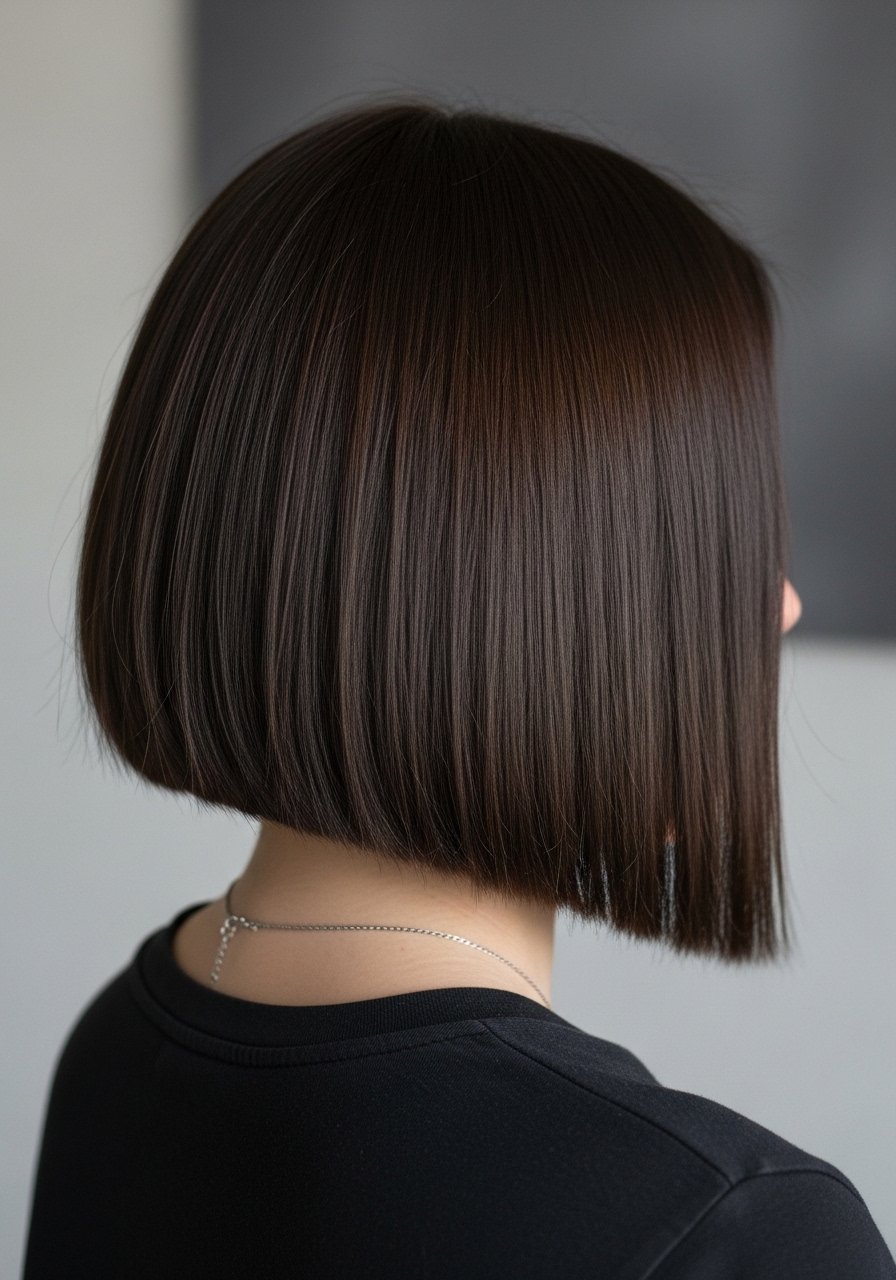
If your fine hair collapses at the roots, weight is your friend. A blunt lob sits right at or just below the collarbone and gives the appearance of thicker ends without heavy layering that removes bulk. It works best on 1A to 1B hair, and the cut needs a clean shears finish to avoid feathering. Salon cost varies, expect a one-time $60 to $150 depending on where you live, and the upkeep is a tidy trim every 8 to 10 weeks. I smooth mine with a dime-sized amount of smoothing cream, then flat iron at 320F for the last pass to set the edge. If you try this at home, use a barbers comb and cut in small horizontal sections, one quarter inch at a time. Over-thinning the ends is the most common mistake people make, which ruins the blunt line.
Soft Layered Lob For Wavy Hair
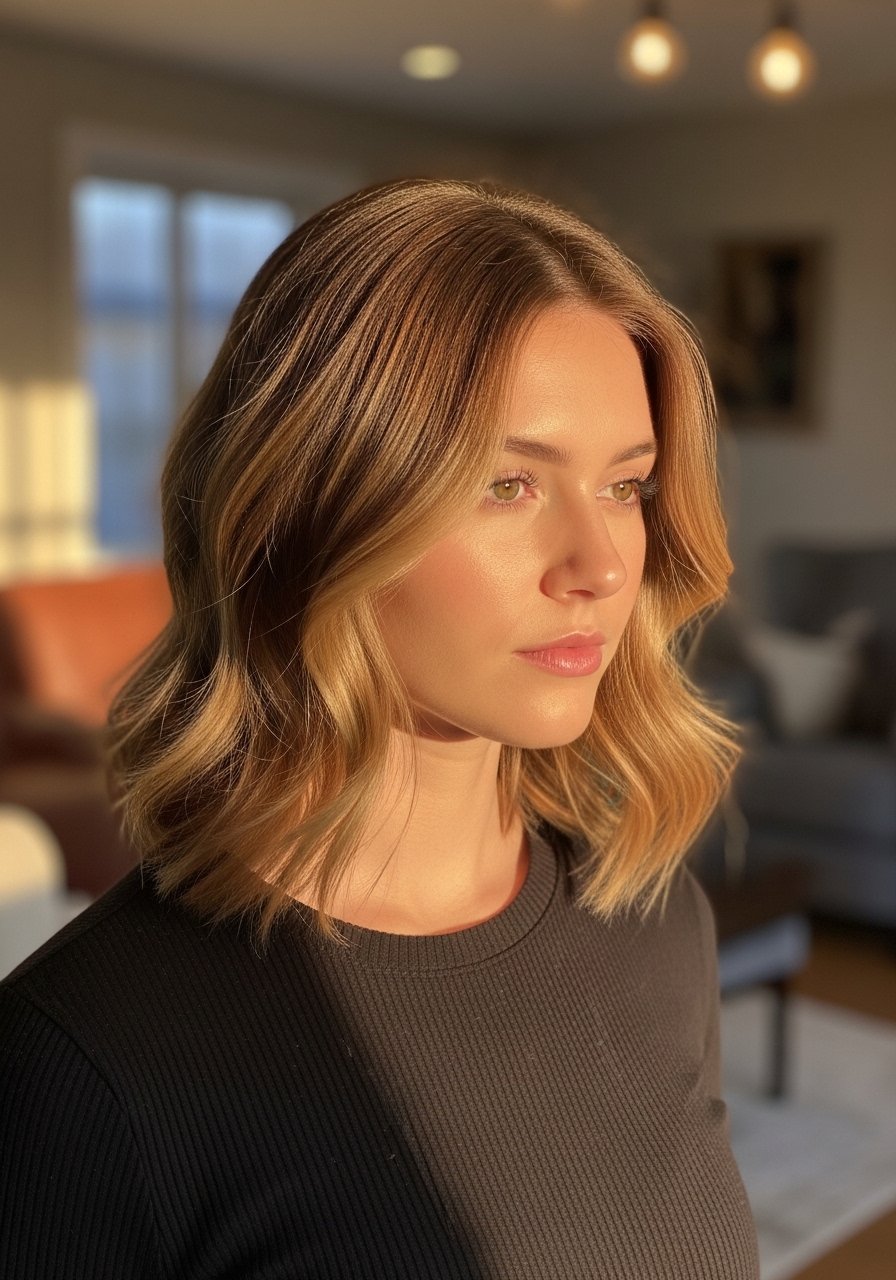
My second haircut was this gentle layered lob and it made waves behave instead of turning into a triangle. Start the layers at the chin for shoulder-skimming hair so the wave pattern can stack, not break. Works for 2A to 2C hair and medium density. At home, twist damp sections into two-inch sections and diffuse on low for 12 to 15 minutes per side to coax the shape. I usually add two spritzes of salt spray through the mid-lengths for separation, then a light cream on the ends. A common mistake is asking for "lots of layers" without specifying face-framing versus internal layers. Tell your stylist you want movement, not volume removal near the crown. If you color the ends, remember to use a bond builder like Olaplex No. 3 hair perfector once a week to avoid that dry, wiry feel.
Shaggy Wolf Cut For Thick Hair
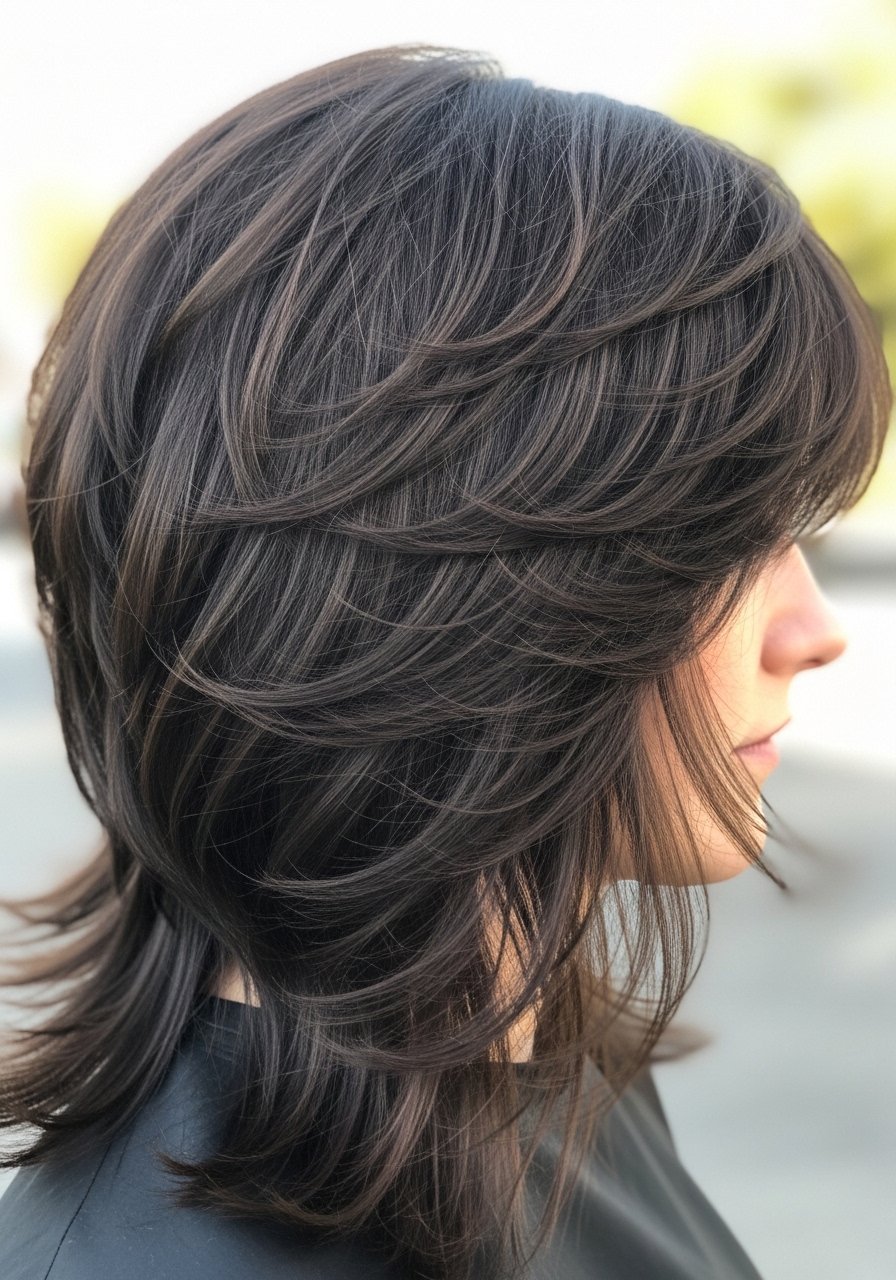
If your thick hair gets heavy and lifeless, a modern wolf cut gives shape and breathes life into it. This cut is a hybrid of shag and lob with shorter top layers and long underlayers, best for medium to thick density and 2A through 3B textures. Expect a little DIY styling time the first few weeks while you learn how the layers settle. Keep the top layers between one and three inches shorter than the bottom, and ask for point cutting rather than heavy razoring to avoid split-looking ends. In styling, a three to five pump of lightweight mousse worked through wetted roots and a 20-second blast with a diffuser on low is usually enough. Avoid over-texturizing at the salon, that is the mistake that leaves choppy, uneven regrowth.
Curly Shoulder Cut That Saves Wash Day
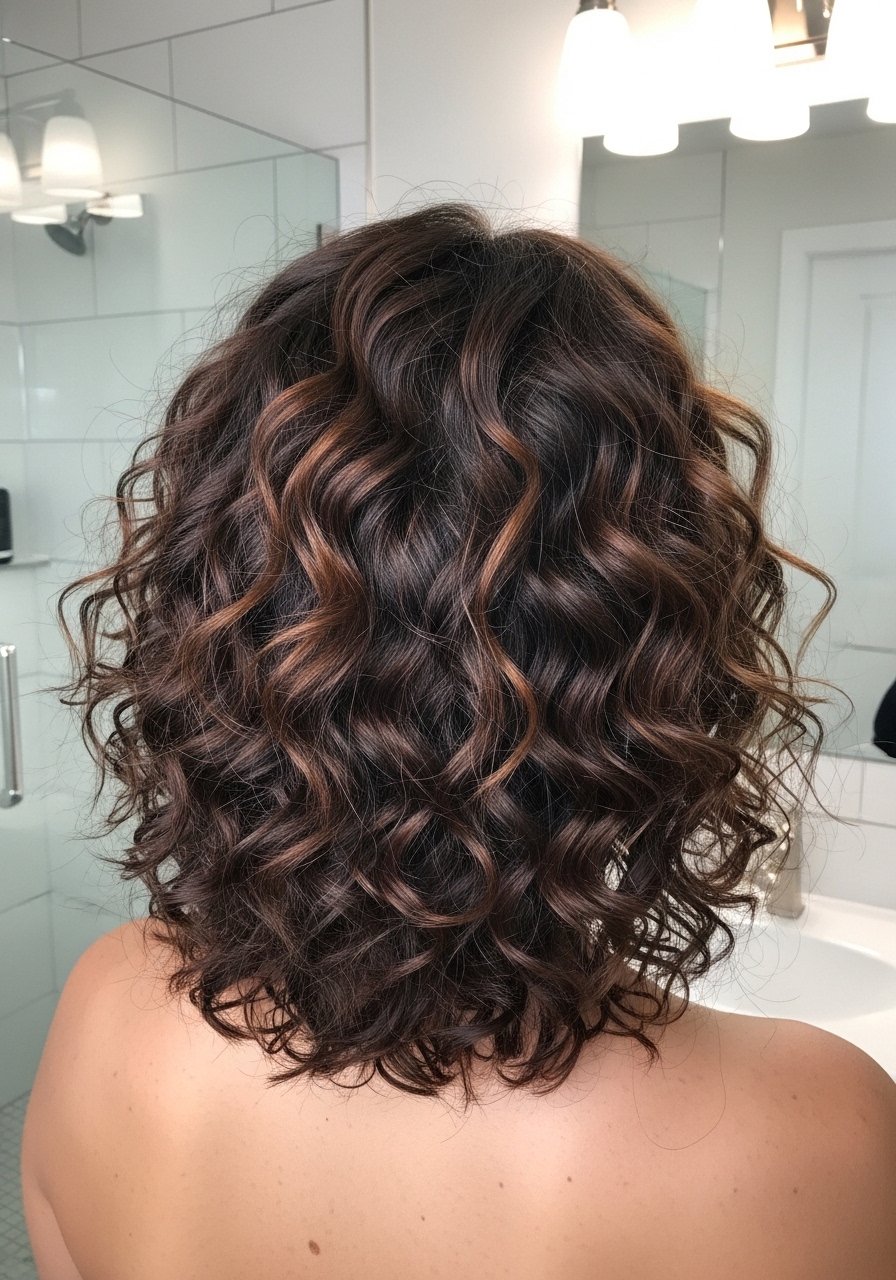
Curls at medium length need shape to avoid the soggy cone look by mid-day. This cut uses long internal layers carved with vertical sectioning, about 10 to 12 sections around the head when dry, to take weight where it clumps. It is perfect for 3A to 3C curls and medium to high density. I ask stylists to cut dry, curl by curl, because dry cutting reveals natural fall. On wash day, the LOC method helps: apply a leave-in, then an oil, then a cream. A pea-sized amount of curl cream per two-inch section is usually enough for shoulder-length hair. Most people apply too much product, which flattens, or too little, which gives frizz. For damage, use a once-weekly bond treatment like k18-peptide-treatment and avoid flat-ironing curls without a heat protectant before any iron over 300F.
Curtain Bangs With A Lob For Round Faces

Curtain bangs paired with a lob balance round faces by creating vertical lines without hiding the forehead. They are cut longer at the sides and shorter in the middle, typically landing around cheekbone length for a medium face. Best for straight to wavy 1B through 2C hair. The key is to blunt the inner edges slightly and let the ends feather. Styling is simple, two passes with a medium-barrel round brush at 300F, and a swipe of light balm to tame frizz. Common errors are bangs cut too short or too heavy. If you are DIY trimming, take off no more than one quarter inch at a time and check in natural light. Curtain bangs are lower maintenance than full bangs but expect a trim every six to eight weeks.
Money Piece Highlights On A Medium Lob

Money pieces are a front-highlight technique that brightens the face without full-head maintenance. They work for most hair types, especially wavy and straight 1B through 3A hair, and are perfect when you want the lightening effect without a full color commitment. A small foil or painting of a one to two-inch front section on each side is all it takes. If you do them at home, do a strand test and be conservative with time—lift in 5 to 10 minute intervals. For upkeep, a purple shampoo once every two washes helps if you are lifting brass on blonde tones. Avoid overlapping bleach on previously lightened hair, and if you spot breakage or extreme dryness book a professional correction. To protect color, I use a leave-in with UV protection and Color Wow Dream Coat anti-humidity spray before blow drying.
Textured Blunt Cut To Add The Illusion Of Density
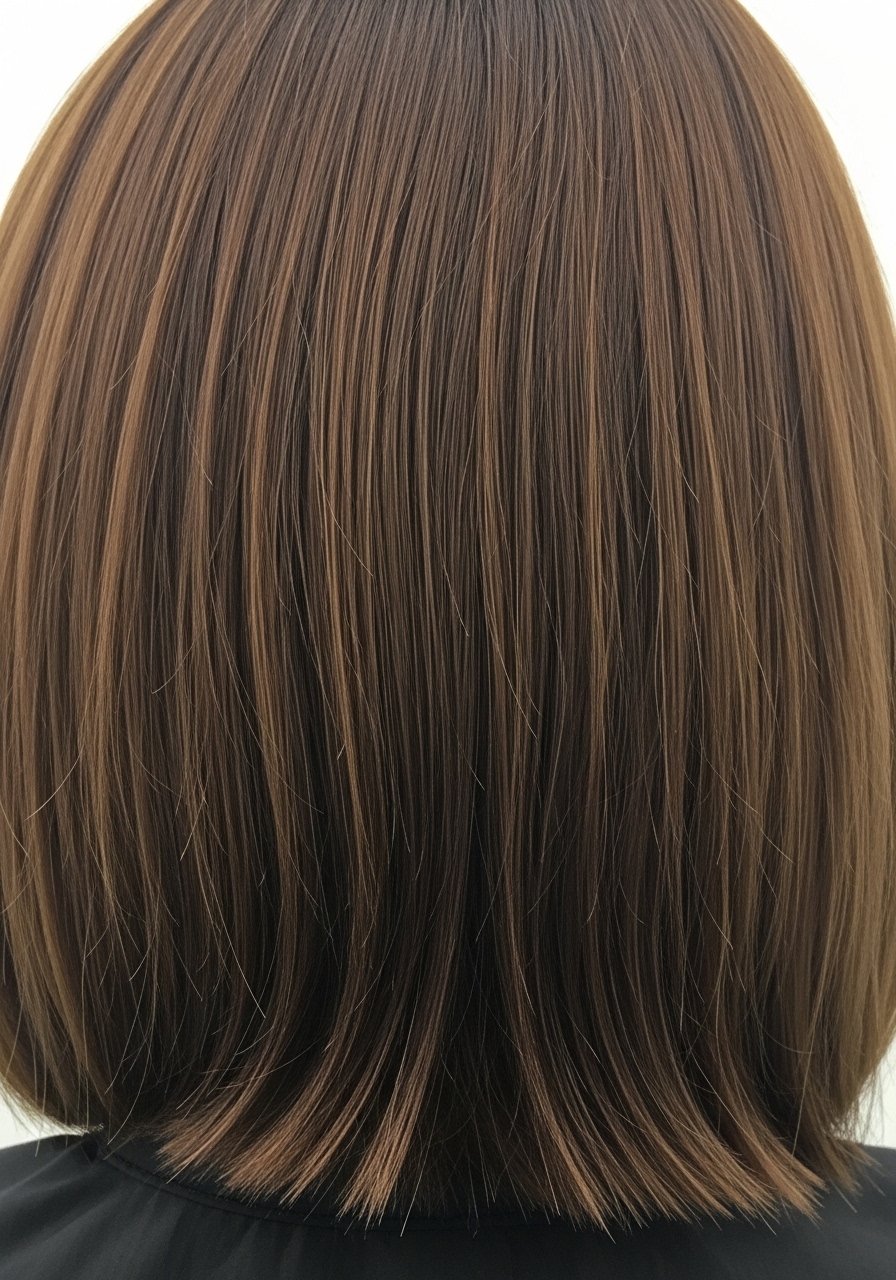
If you want the fullness of a blunt cut but need movement, take the line blunt and add micro-texture only at the last quarter inch. It reads as density from a distance and avoids the heavy, helmet look. This suits fine to medium hair and is quick to style. I ask for precise, single-length cutting and then two to four vertical point cuts max to soften the silhouette. When styling, a low-heat round brush pass or a quick 10-second flat iron glide on 320F seals the ends. Many people over-texturize and end up with choppy, uneven outlines. This approach keeps the visual weight while letting hair sway naturally.
A-Line Bob To Slim A Round Face
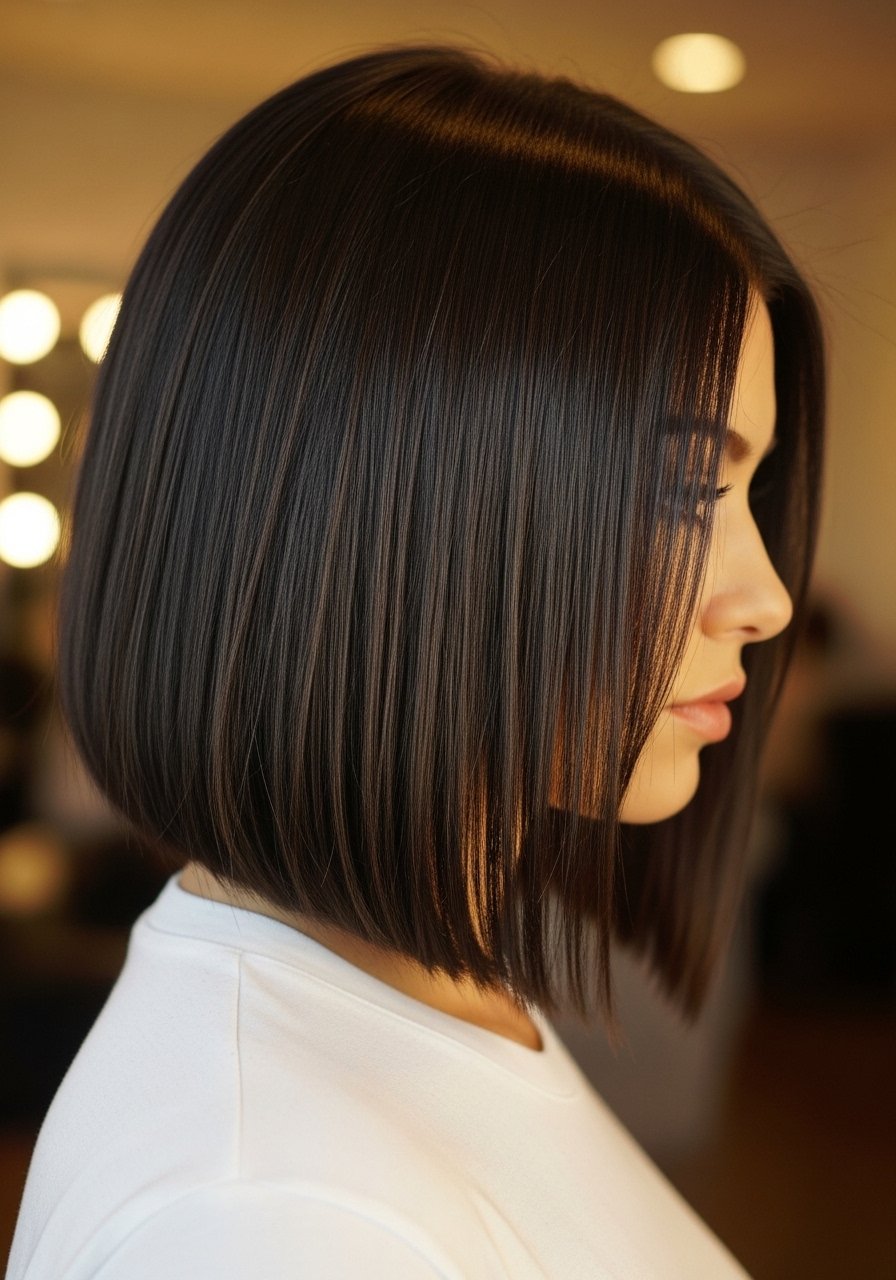
An A-line bob creates a subtle angle that visually lengthens a round face. The back is cropped and the front panels are longer, usually a one to two-inch graduation. It is an easy way to get shape without dramatic maintenance. It suits straight to wavy 1A through 2B hair and medium density. For styling, brush through damp hair and blow dry forward then back for body, or smooth with a 1-inch iron at 320F for a sleek finish. The most common misfire is a too-steep angle that makes the back look like a bowl. Ask for a soft graduation, not a hard step.
Micro-Bangs With A Shoulder-Length Bob
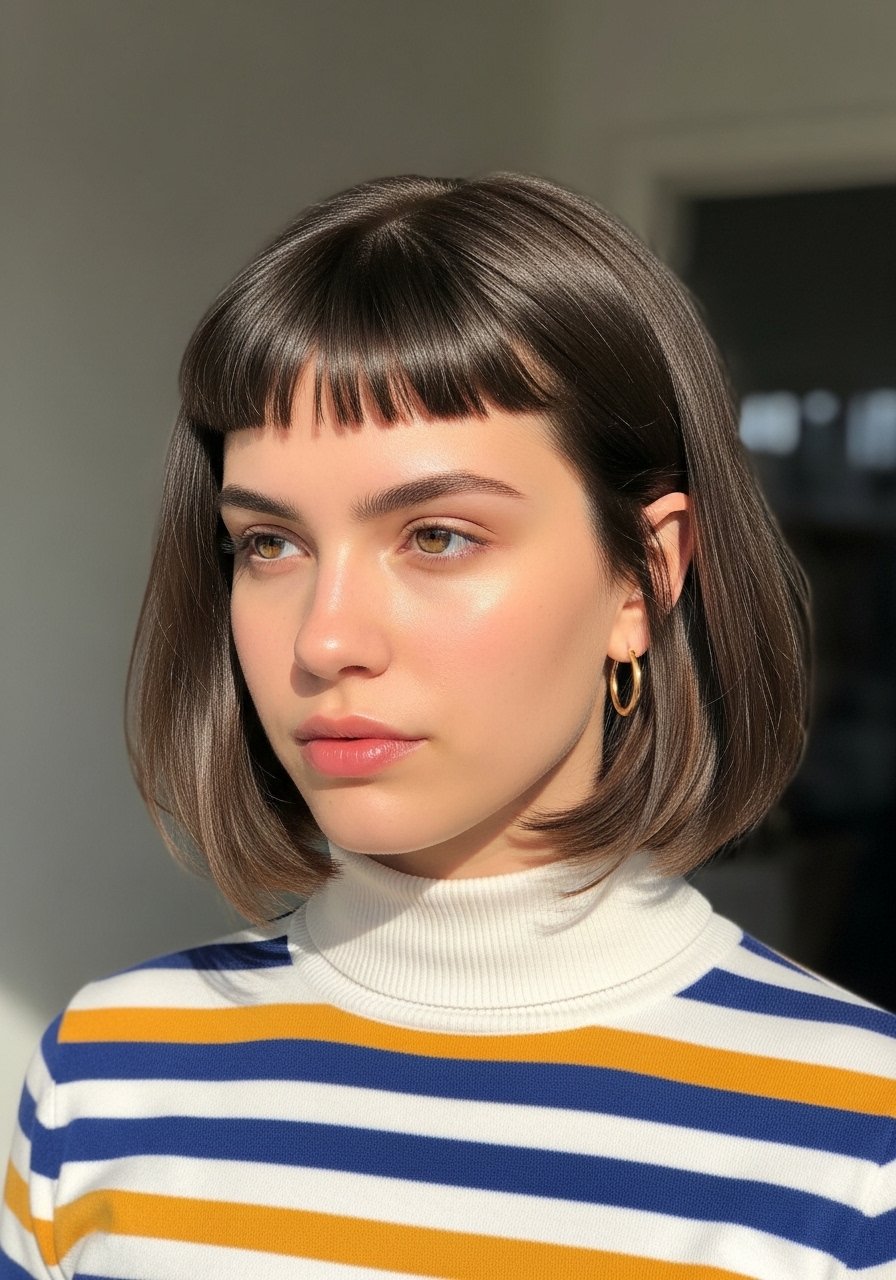
Micro-bangs add edge to a medium length cut without overwhelming the face. They work best on straight to slightly wavy hair and on people willing to trim every four to six weeks. Cut them blunt or with tiny point cuts for softness. When styling, I blow dry bangs with a small round brush and finish with a pea-sized amount of styling paste to keep them in place. The biggest mistake is cutting them too heavy, which makes them hard to grow out. If you are color-treated, avoid putting heavy heat on short, fragile bangs without a bond treatment first.
Razor-Sliced Beach Shag For Choppy Movement
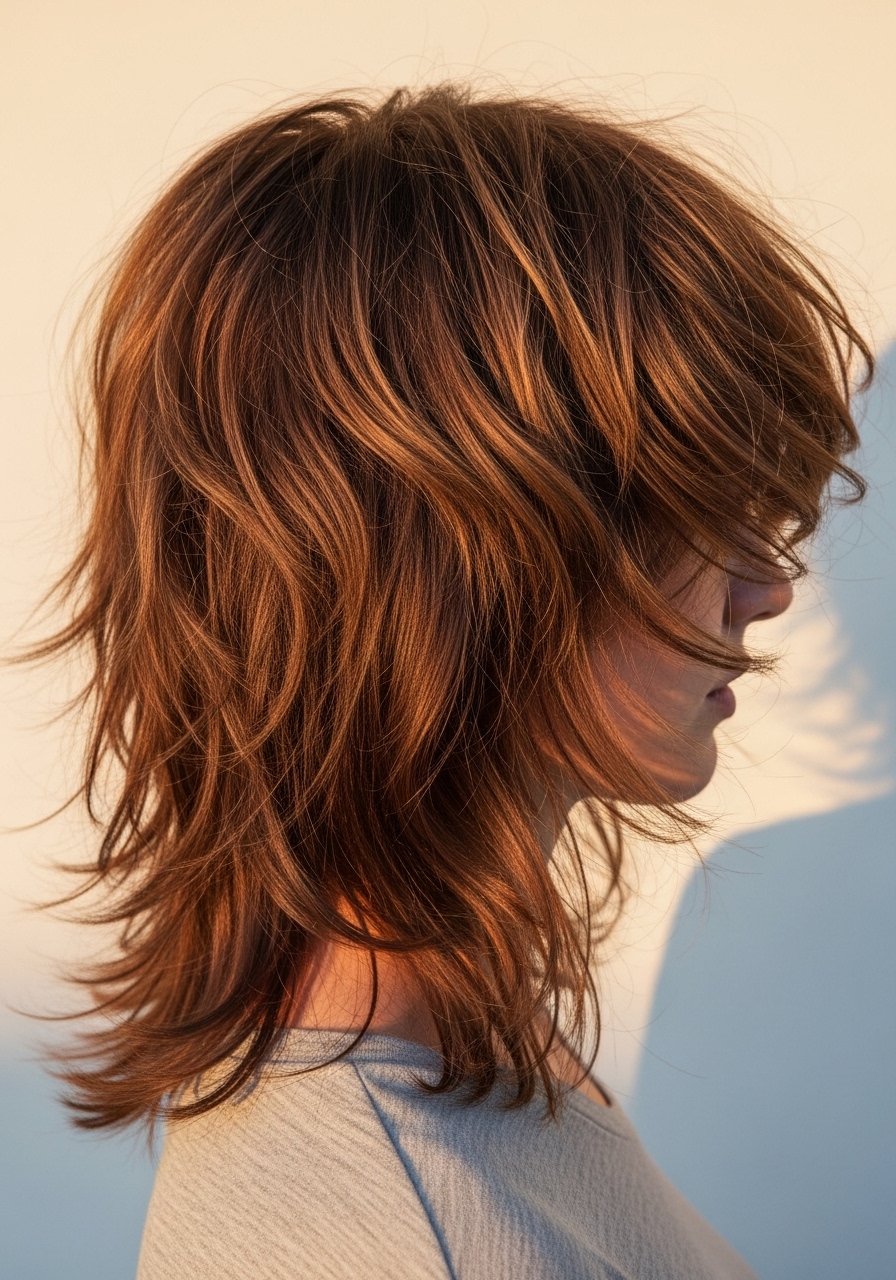
Beach shags are all about pieces, not a uniform length. A razor-slice at the ends creates feathering and movement, best for 2A through 3B hair and medium to thick density. If you choose a razor, ask for light, controlled slicing rather than deep cuts, and book a stylist who knows how to blend the top layers. For at-home styling, scrunch a quarter-sized dollop of sea salt cream into damp hair and diffuse for about 12 to 18 minutes depending on thickness. Over-razoring leads to split-feeling ends, so plan to refresh every nine to twelve weeks. Pair this with the bond maintenance routine above if your hair is color-treated.
One-Length Lob With Weight For Thick Hair
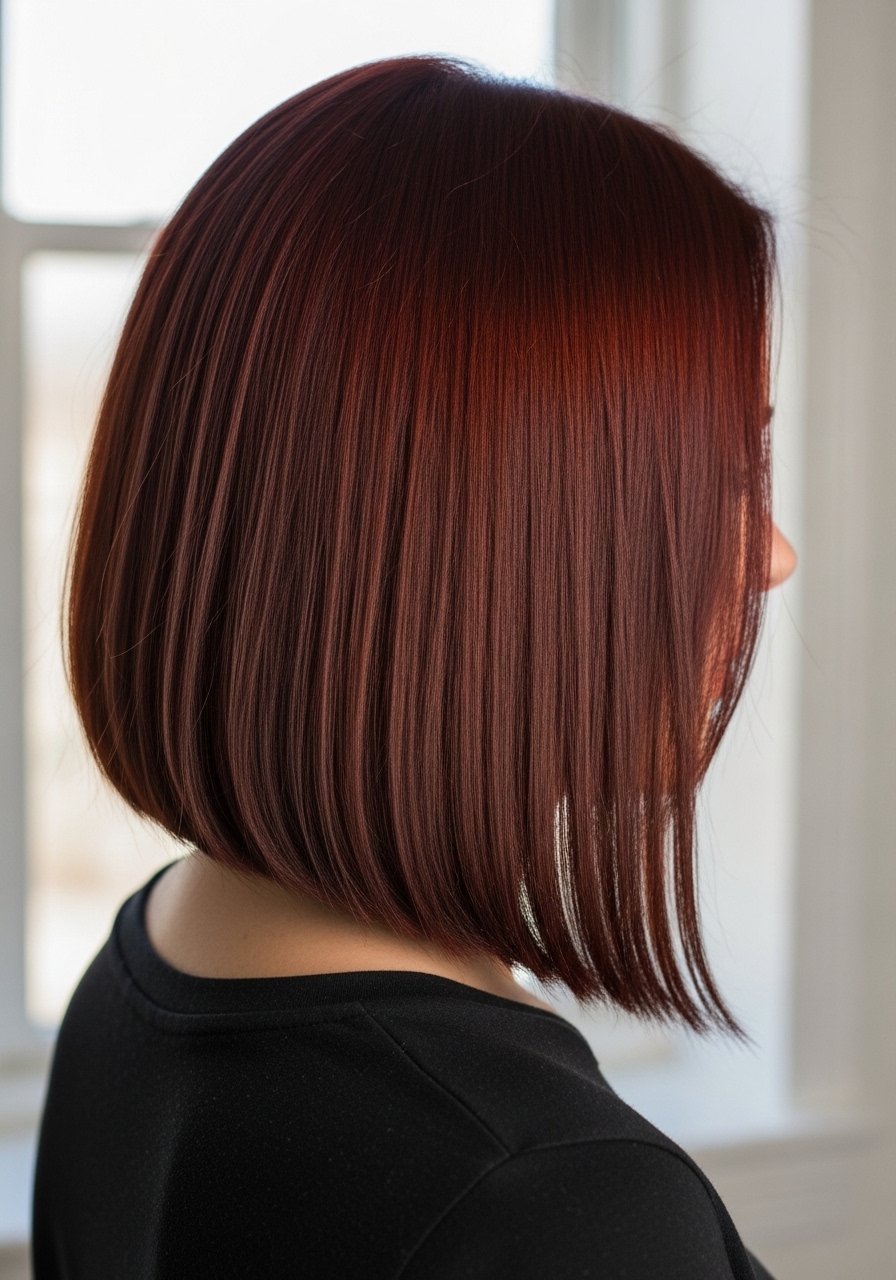
If you have thick, coarse hair and want control, a one-length lob gives structure and reduces daily styling decisions. Keeping the ends one length means less unpredictable layering, and the weight pulls curls or waves down for a calmer silhouette. It works for 2A through 3B textures at higher densities. This cut benefits from a heavier conditioner rinse out and a once-weekly deep treatment. I usually use Olaplex No. 5 bond maintenance conditioner in the shower then finish with a light heat protectant before any iron over 300F. Do not be tempted to thin too aggressively, it makes thick hair springy and harder to manage.
What I Actually Pack For Medium-Length Cuts
- I always tell a client or friend to bring a photo. It saves guessing and you will leave with what you expect
- For maintenance and styling: Olaplex No. 3 hair perfector, Olaplex No. 5 bond maintenance conditioner, and a heat protectant
- For texture: Color Wow Dream Coat anti-humidity spray (~$28), or a $12 sea salt cream from the drugstore if you prefer
- Brushes and tools: a medium ceramic round brush, a boar bristle paddle brush for smoothing, and a 1-inch iron for finishing
- For curly cuts: a microfiber hair towel and a wide-tooth detangling comb, both under $20
- For color or bond work: k18-peptide-treatment is the quick weekly pick. Buy Olaplex and K18 from the official store on Amazon or Sephora to avoid counterfeits
- Splurge if you style daily, otherwise thrift that money for regular trims: a good stylist is worth the investment
What I Wish Someone Had Told Me Before Getting a Medium Cut
- Heat protectant goes on damp or just-dried hair, not soaking wet, and always before any iron over 300F. Color Wow Pop Lock heat protectant is one I reach for when I plan to use a flat iron.
- Grab a microfiber hair towel for $12. It cuts blow dry time and reduces frizz early in the styling process.
- Hair grows about half an inch a month at most, regardless of supplements. Reducing breakage is how you keep length, so use a silk pillowcase and weekly bond treatments like Olaplex No. 3 hair perfector.
- If you have low porosity hair, warm product application helps. Put a warm towel over your conditioner for five minutes once a week to help penetration.
- Drugstore shampoos are fine. Spend where it counts, on conditioner and a bond builder for color-treated or heat-styled hair.
Frequently Asked Questions
Q: Can I keep a blunt lob if my hair is slightly wavy?
A: Yes, but expect to smooth or embrace the texture. A blunt lob on 2A hair will look fuller, but you may need a 320F flat iron pass or a smoothing cream on humid days.
Q: How often should I trim curtain bangs to keep them from looking shaggy?
A: Every six to eight weeks if you want a clean shape. If you like a lived-in look, you can stretch to 10 weeks but expect some awkward grow-out.
Q: Are money pieces high maintenance?
A: Not if you keep the front sections small. They are lower maintenance than full highlights. Use a purple shampoo once every two washes only if you notice brassiness. Overusing purple shampoo dries hair.
Q: Is a wolf cut suitable for fine hair?
A: It can be, but the layering needs to be very gentle. On fine hair the haircut should prioritize point cutting and avoid heavy razoring, otherwise the style looks hollow.
Q: Can I razor-slice a shag at home safely?
A: I do not recommend razors at home unless you know proper angle and pressure. It is easy to over-razor and leave pieces that look fried. Book a stylist for the first pass, then learn simple trims to keep it tidy.
Q: How do I know if my hair needs Olaplex No. 3 or a salon bond treatment?
A: Olaplex No. 3 is good for weekly at-home maintenance to strengthen and reduce breakage. If you have severe damage, a salon bond treatment may be necessary and worth the professional assessment.