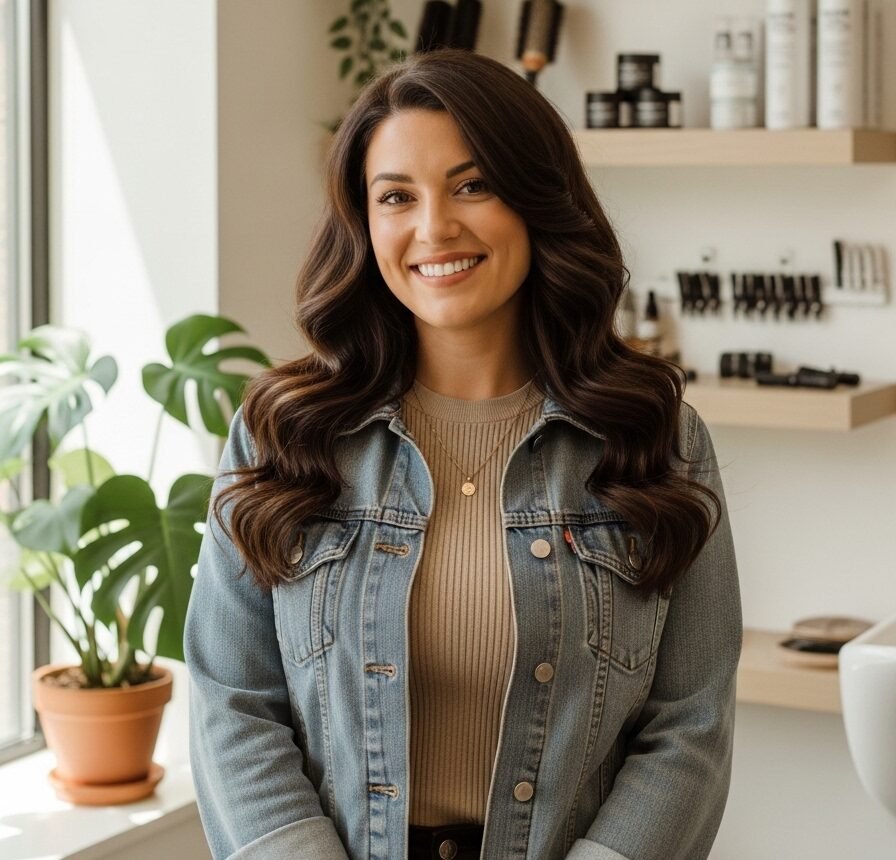
I started hiding my gray with box dye and a lot of regret. After a few salon fixes and one color correction that cost more than my rent deposit, I learned how to soften regrowth so it looks intentional, not patched. These techniques work if you have fine straight hair or thick 3B curls. Most are doable at home in under an hour, a few are worth a salon visit, and the budget runs from $8 root sprays to a $40 gloss.
These ideas mostly serve fine to medium 2A through 3B hair, shoulder length or longer, with notes for thicker textures. Skill level ranges from beginner touch-ups to salon techniques. Budget is mostly under $50, with one splurge option. Most can be done at home, a few like a full balayage are better in salon hands.
Soft Shadow Root To Soften The Grow-Out Line
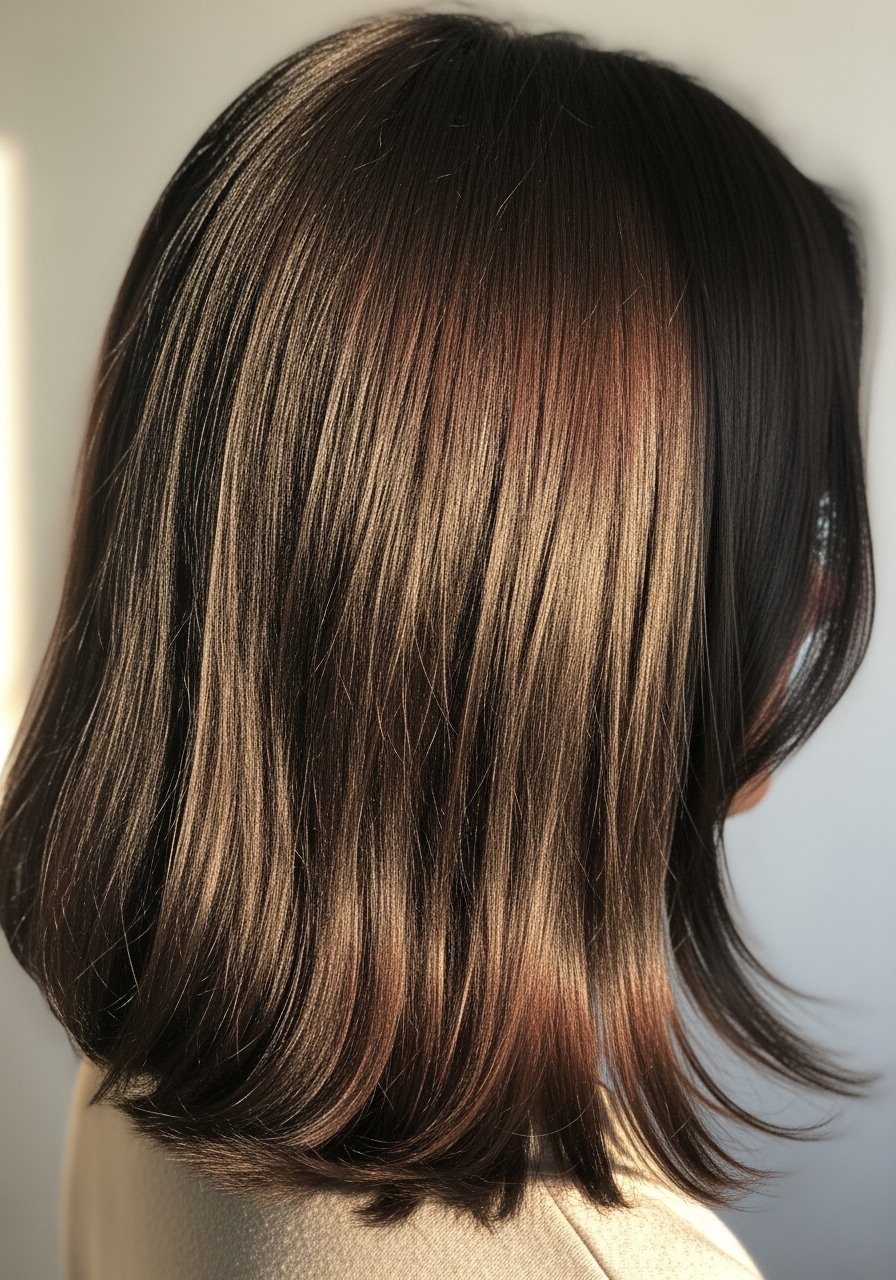
If your gray shows as a harsh line, a shadow root is the easiest way to blur it. The stylist I trusted pulled a 1/2-inch darker band at the root with a demi color, then feathered it downward in 1/4-inch slices so there are no hard edges. It works on straight, wavy, and most curly textures, and costs less than a full color redo. For a DIY fade, use a root smudging product like Clairol Natural Instincts and work quickly. Allergy patch test first. If you plan to lift later, warn your colorist because lifting over smudged color can look muddy.
Lowlight Band Placement To Break Up Silver
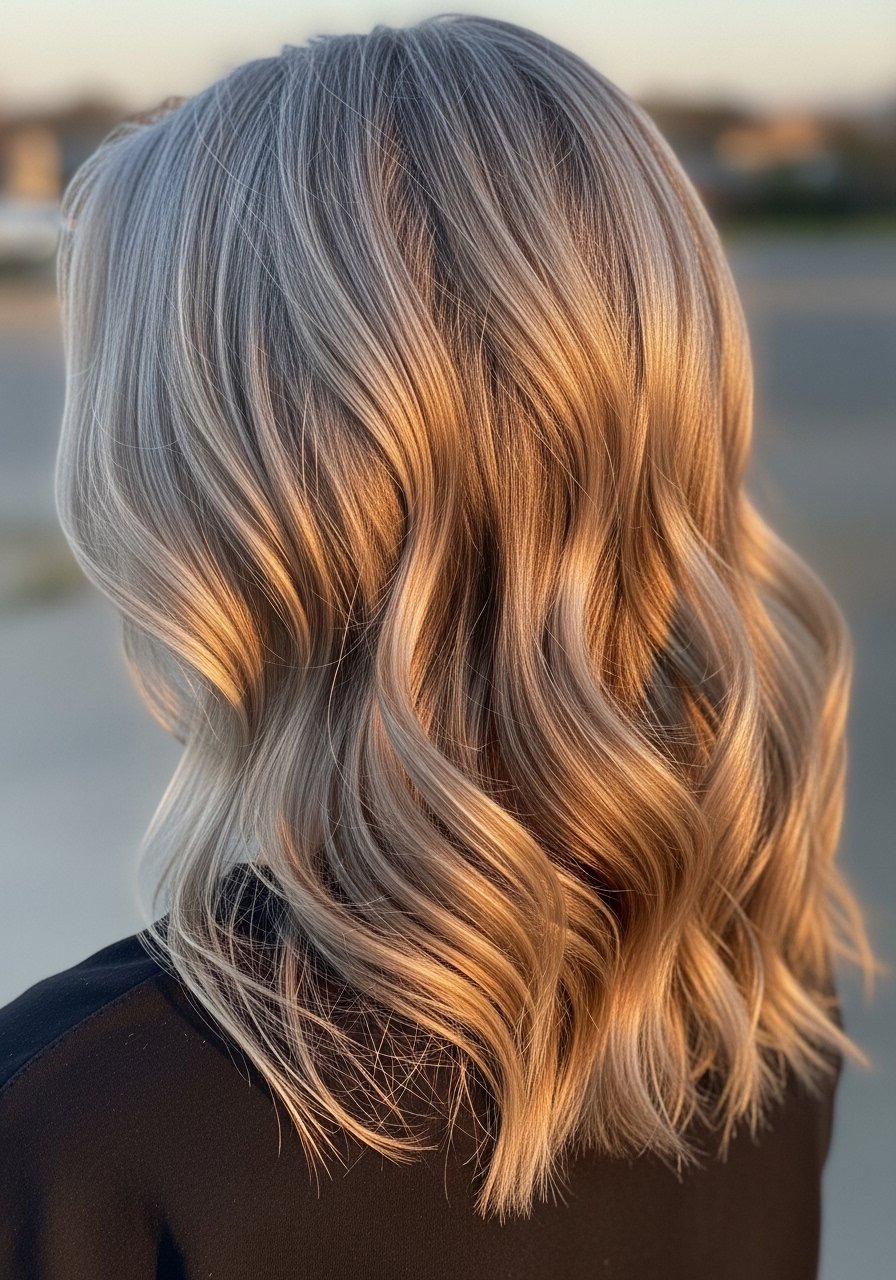
Lowlights are not about covering gray. They break up wide silver patches so the eye reads more dimension. Ask for narrow 1/8- to 1/4-inch slices placed unevenly through the mid-lengths and ends, especially where silver clusters form. On curly and coily hair, spacing matters more because the curl will bring contrast forward. Salon sessions can be done in 60 to 90 minutes. If you try this at home, a demi-permanent lowlight is gentler and fades evenly. Overprocessing can cause breakage, so avoid double-processing the same strand in one appointment.
Color-Depositing Conditioner For Slow, Even Fade
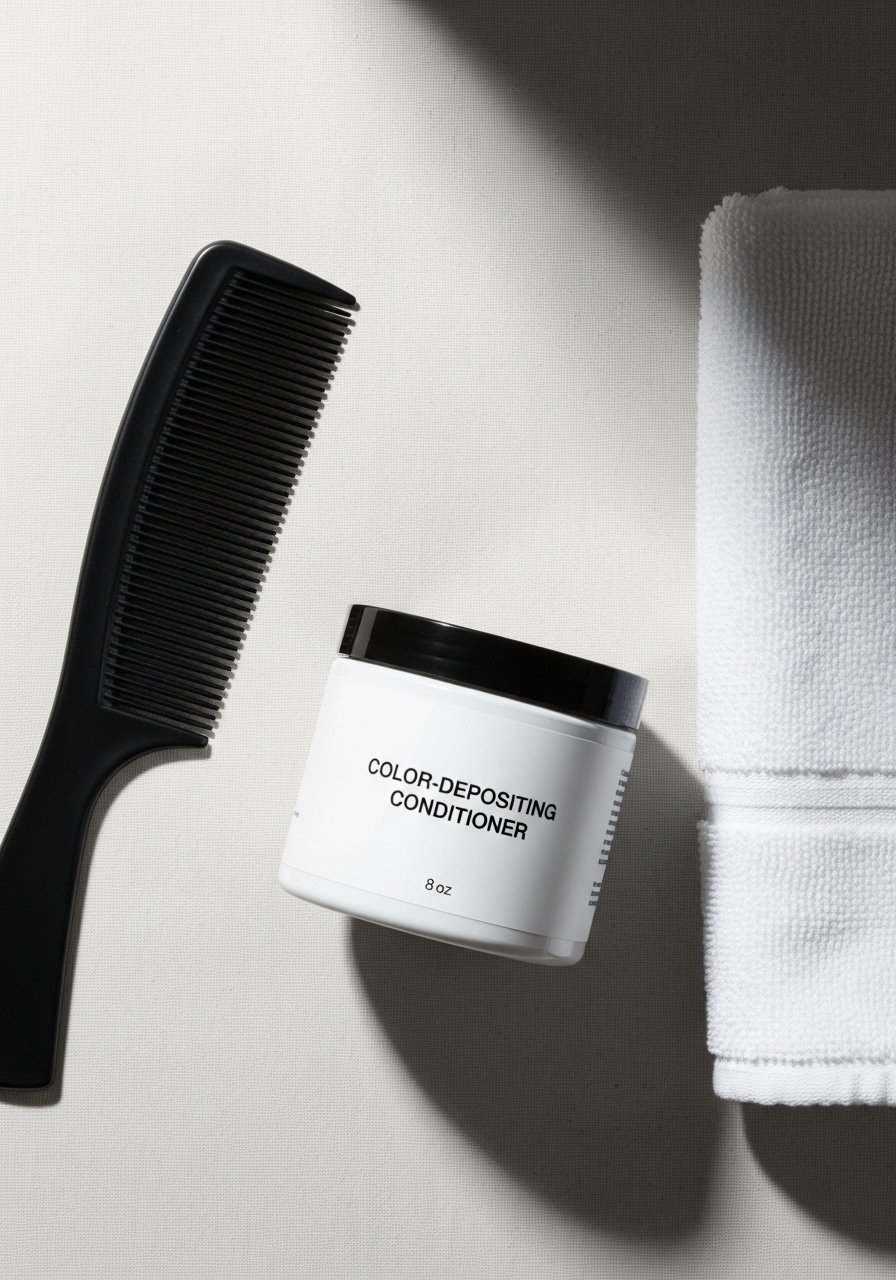
If you hate weekly root touch-ups, a color-depositing conditioner is the lazy compromise. I use a pea-size amount through the mid-lengths and a tiny dab at the root once every two to three washes to maintain tone without the strip-club-bright roots box dye gives. It suits wavy to curly hair best because the product sits in the coil and releases pigment slowly. For lighter grays, choose a pastel-toned conditioner to avoid brass. Overuse makes hair feel heavy, so start with less than you think and increase if needed.
Money Piece Face-Framing Highlights For Gentle Contrast
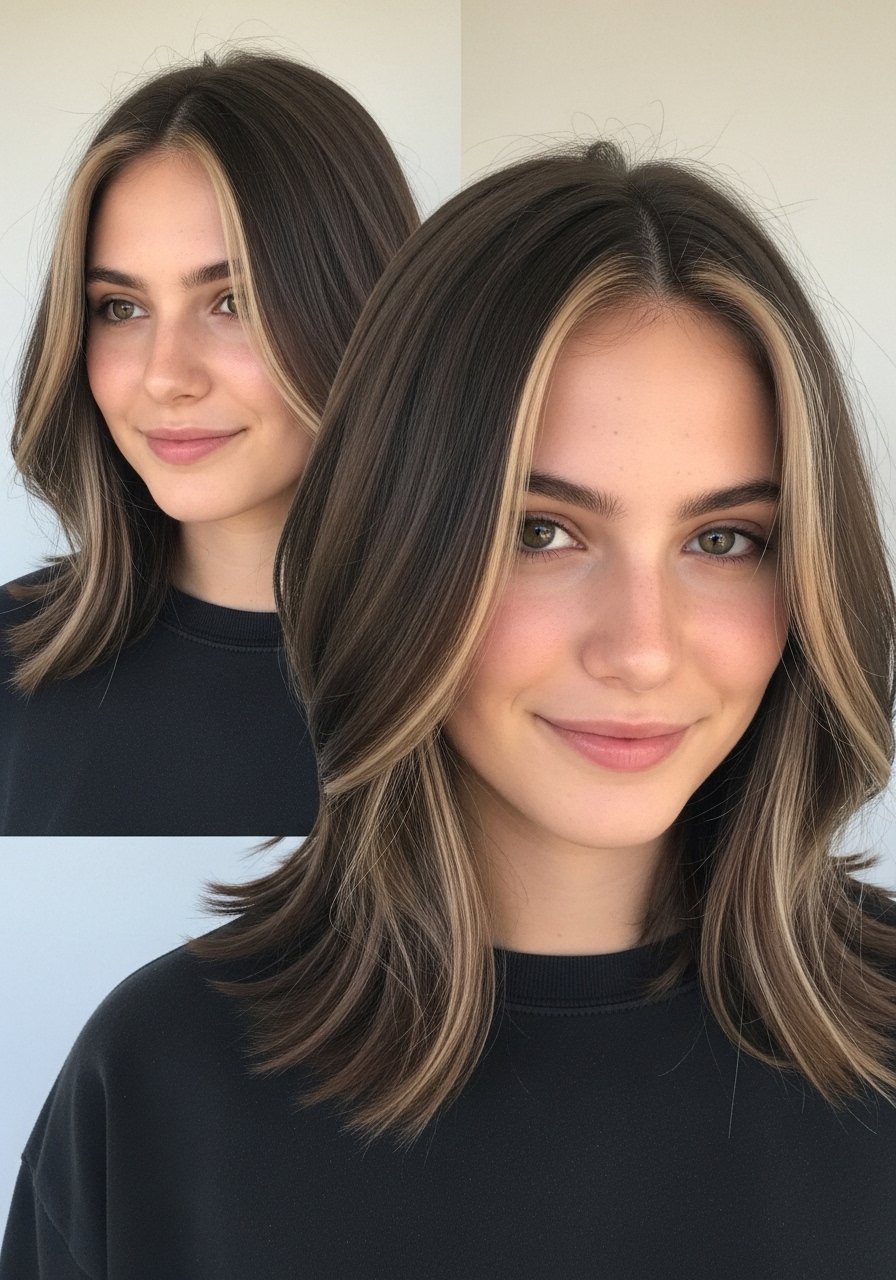
A few brightened strands around the face draw attention away from an all-over gray band. For fine hair, keep the slices thin so they lift in 10 to 12 minutes. For thicker hair, two to three thicker slices per side are enough. This is a salon-friendly DIY if you are comfortable with foils. The result looks intentional and lasts through grow out, because the rest of the hair is unchanged. Common mistake, go too heavy up front, then you have a halo of obvious highlights. Ask for a natural, sun-kissed brightness, not full-on foil panels.
Demi-Permanent Gloss To Tone And Seal

A demi gloss is the fastest way to dial back cold or brassy tones in gray hair and add surface shine without long-term commitment. Leave it on for 10 minutes if you want subtle tone, 20 minutes for more coverage. It suits color-treated and natural grays alike. I book a gloss every 6 to 8 weeks or do one at home with a demi kit. Glosses do not lift hair, so if your gray is darker than your base, you will not get coverage. Also, buy Olaplex and K18 from the official store on Amazon or Sephora to avoid counterfeits.
Root Touch-Up Spray For Instant Events
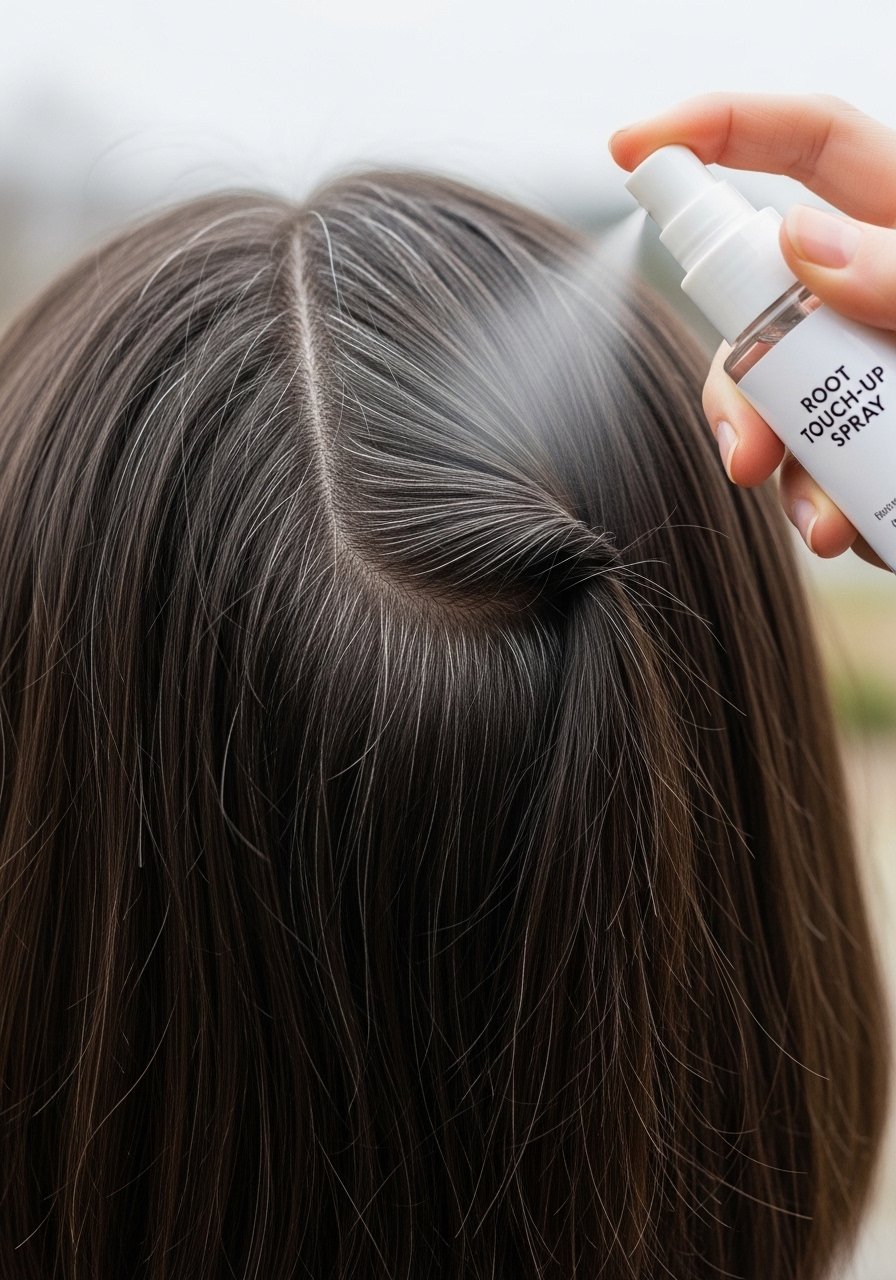
When you need a same-day fix for photos or a meeting, a root spray saves the day. Spray through the part line and blend with a spoolie. I carry L'Oreal Paris Magic Root Cover Up in my bag for last-minute touch-ups. It washes out with shampoo so it is safe for a quick solution. Mistakes include over-spraying and getting product on the scalp. If your scalp is sensitive, patch test first. This is temporary and cheap, not a replacement for color.
Babylights Around The Hairline For Softening
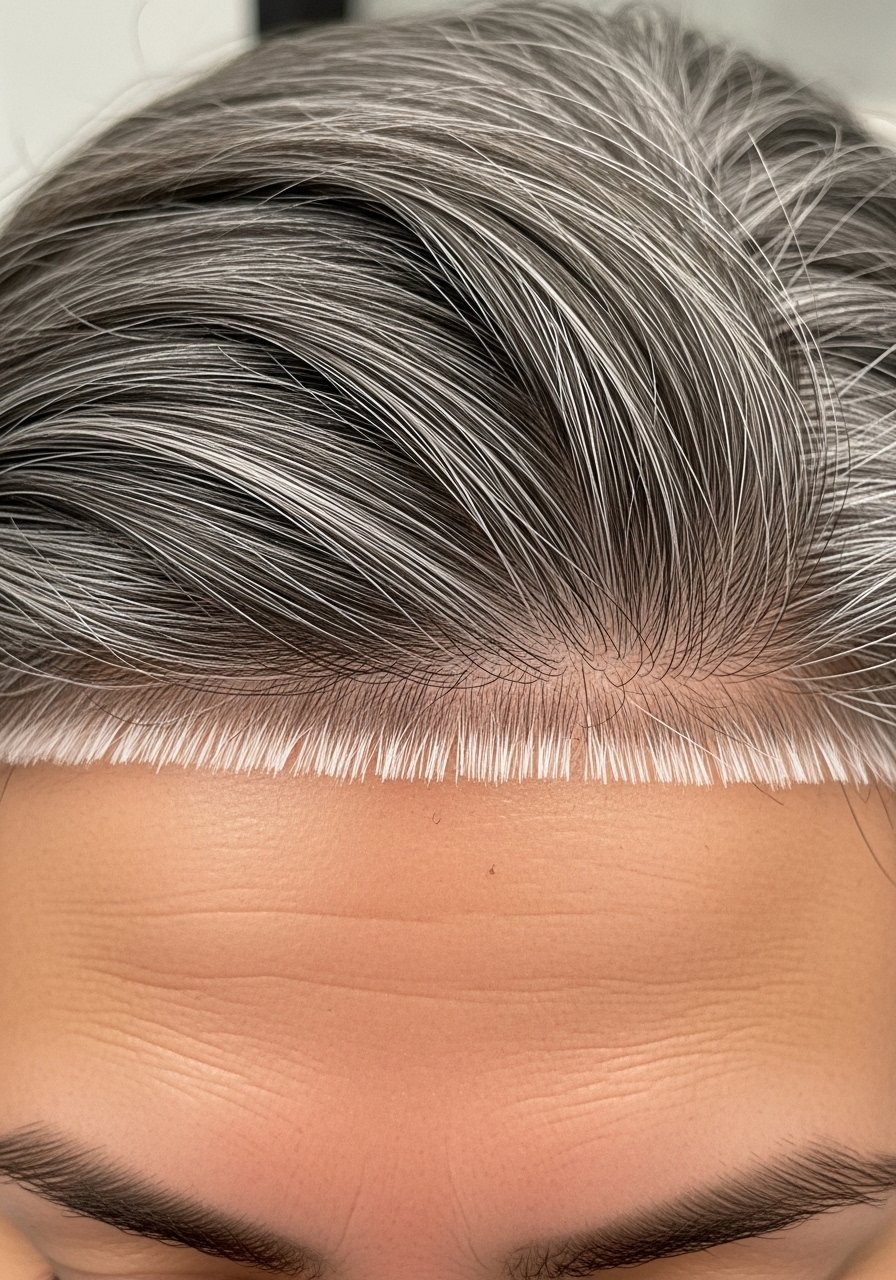
Babylights are thin, finely painted highlights placed close to the face to create a soft transition from gray to color. The technique uses 1/16- to 1/8-inch subsections and takes patience, usually 45 to 75 minutes. They are the best option if your gray is concentrated at the hairline. For fine hair, ask the colorist to avoid full saturation and to back-comb lightly so the lights read softer. At-home attempts often look stripy because people take slices that are too thick. This is a salon treatment for most people unless you are very experienced.
My Gray-Blending Kit I Actually Reach For
A short list of the items I find myself repurchasing, not a full stockpile.
- Honestly the best $30 I spend in any year, Olaplex No. 3 Hair Perfector 3.3oz used once a week fixed brittle ends after a kitchen-bleach disaster. Buy from the official seller on Amazon or Sephora to avoid counterfeits
- For quick roots, L'Oreal Paris Magic Root Cover Up in the shade that matches your part
- A small tube demi-gloss for toning at home, Clairol Professional Conditioner Gloss 8oz works for quick refreshes
- For texture that blurs regrowth, Sea salt spray under $15
- A spoolie and small travel brush kit, mini-brush-set
- Color-depositing conditioner in a shade close to your base, color-deposit-conditioner
- Root blending powder for event touch-ups, root-touchup-powder
- A silk pillowcase for less morning frizz, silk-pillowcase-queen under $30
- Wide-tooth comb for applying conditioners and glosses, wide-tooth-comb
Blend With A Toner Gloss At The Sink
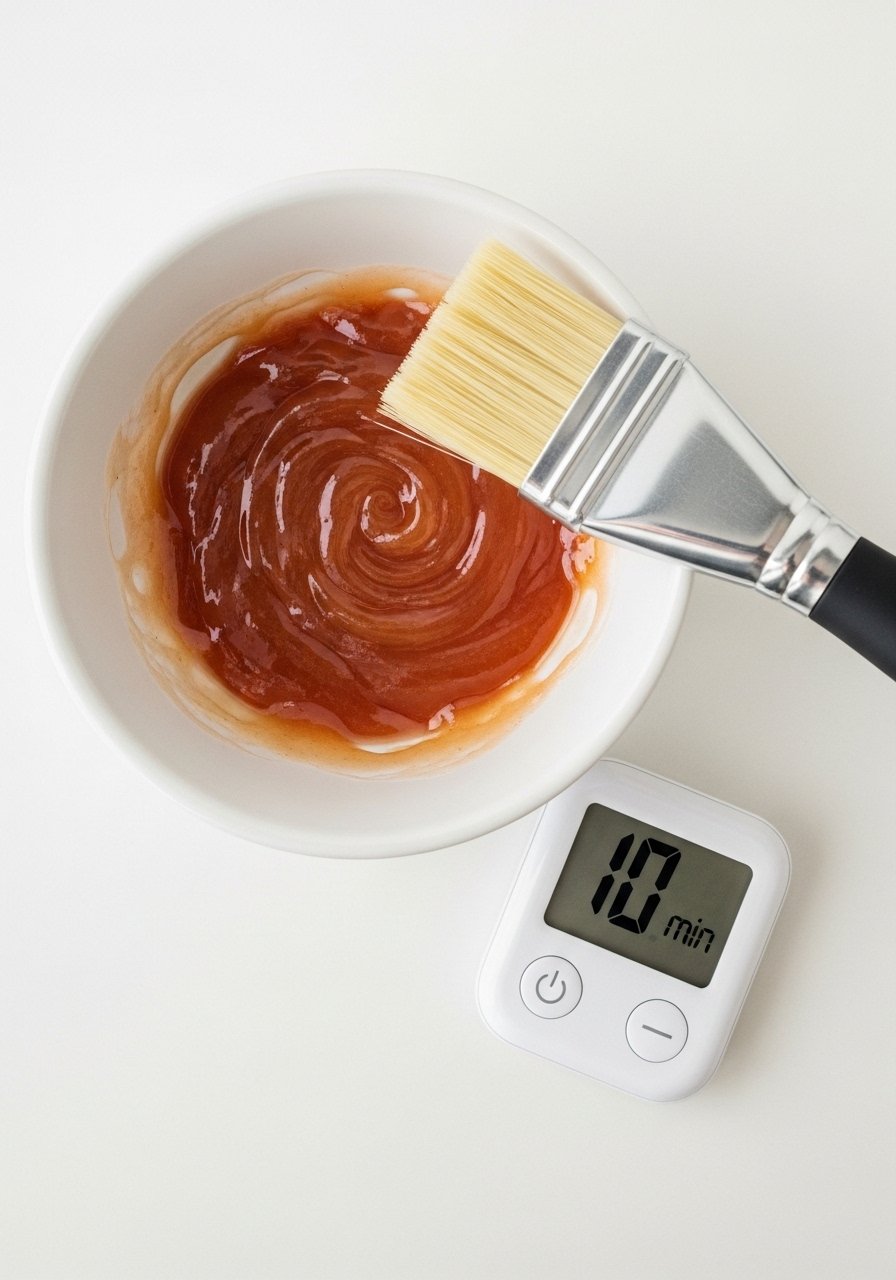
If your gray has started to look brassy, a toner gloss at the sink can neutralize unwanted warmth without a full color session. Mix the gloss and developer as the kit instructs and test on one small back strand for 5 to 10 minutes to see how your hair takes the tone. The rule is, gentler and shorter equals more natural fade. A common error is leaving toner on too long which leads to over-darkening. Always rinse thoroughly and follow with a bond builder if your hair is fragile.
Balayage Placement To Make Gray Look Intentional
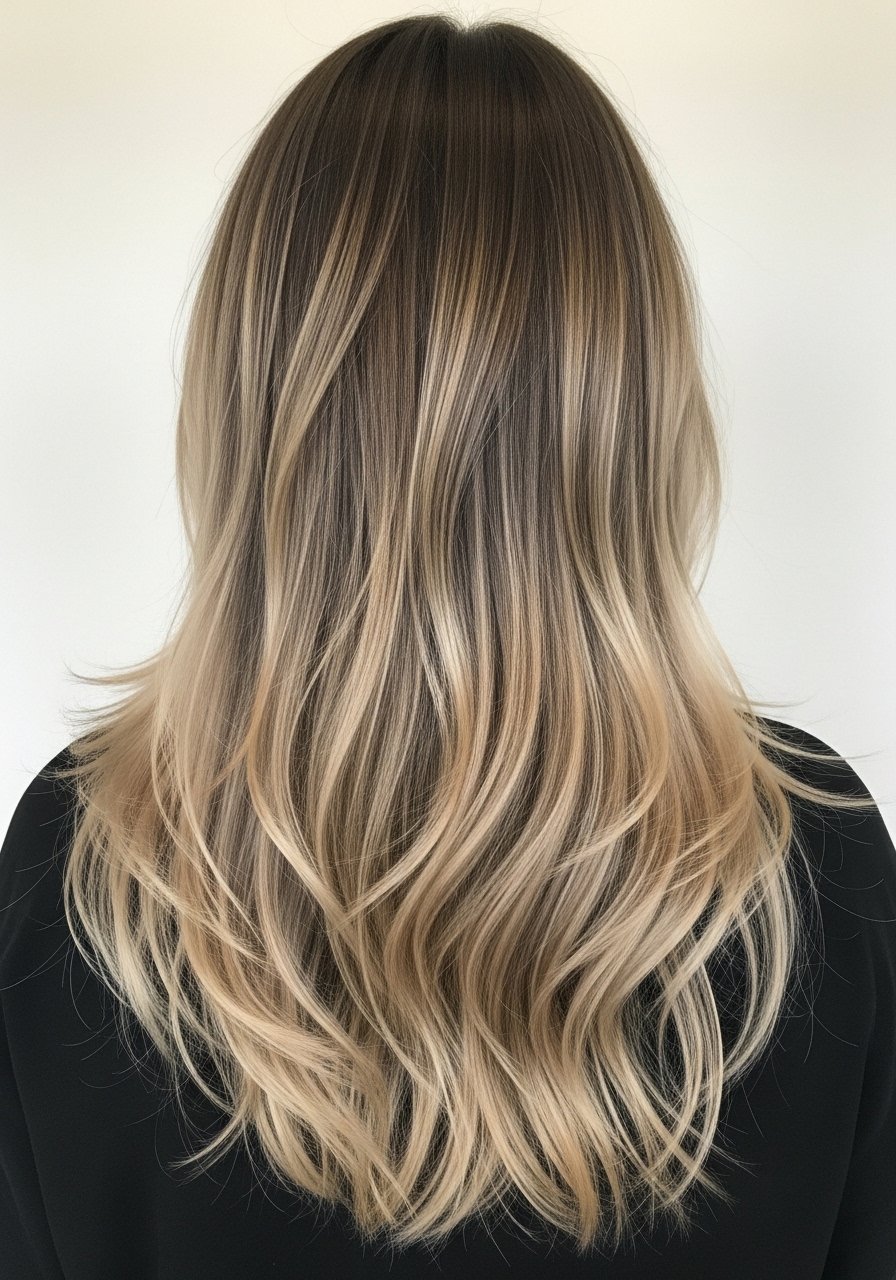
Balayage is grow-out friendly, because the painted highlights start away from the root and let gray blend with dimension. Placement is everything. Ask for face-framing and mid-length brightness instead of full-head saturation. This reduces salon visits to every four to six months. On tighter curl patterns, ask for color in larger sections because too many thin paints can make the curl pattern look uneven. If you try a salon balayage after years of box dye, expect two sessions to reach the best result.
Salt-And-Pepper Texture Spray To Blur Lines
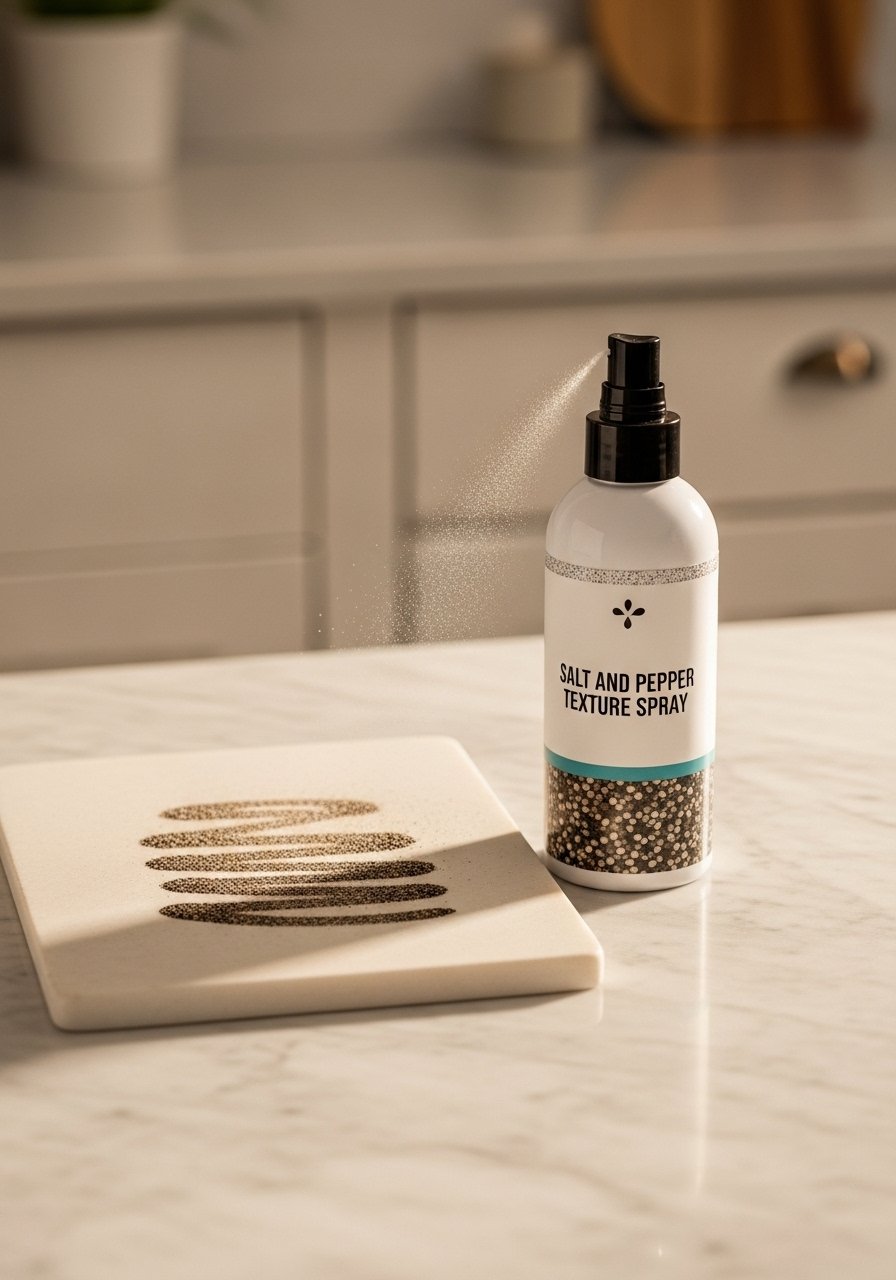
A salt spray with matte texture makes the eye read contrast differently. Spray at the roots and scrunch for wavy and curly hair. For straight hair, spray at the part and use a round brush to lift at the roots with a blow dryer on medium heat. Avoid over-drying hair with too much product. I learned the hard way that spray plus daily heat equals sandpaper ends. Use a moisturizing leave-in on damp hair first, then the texture spray on dry hair.
Heat Styling With Root Lift To Distract Contrast
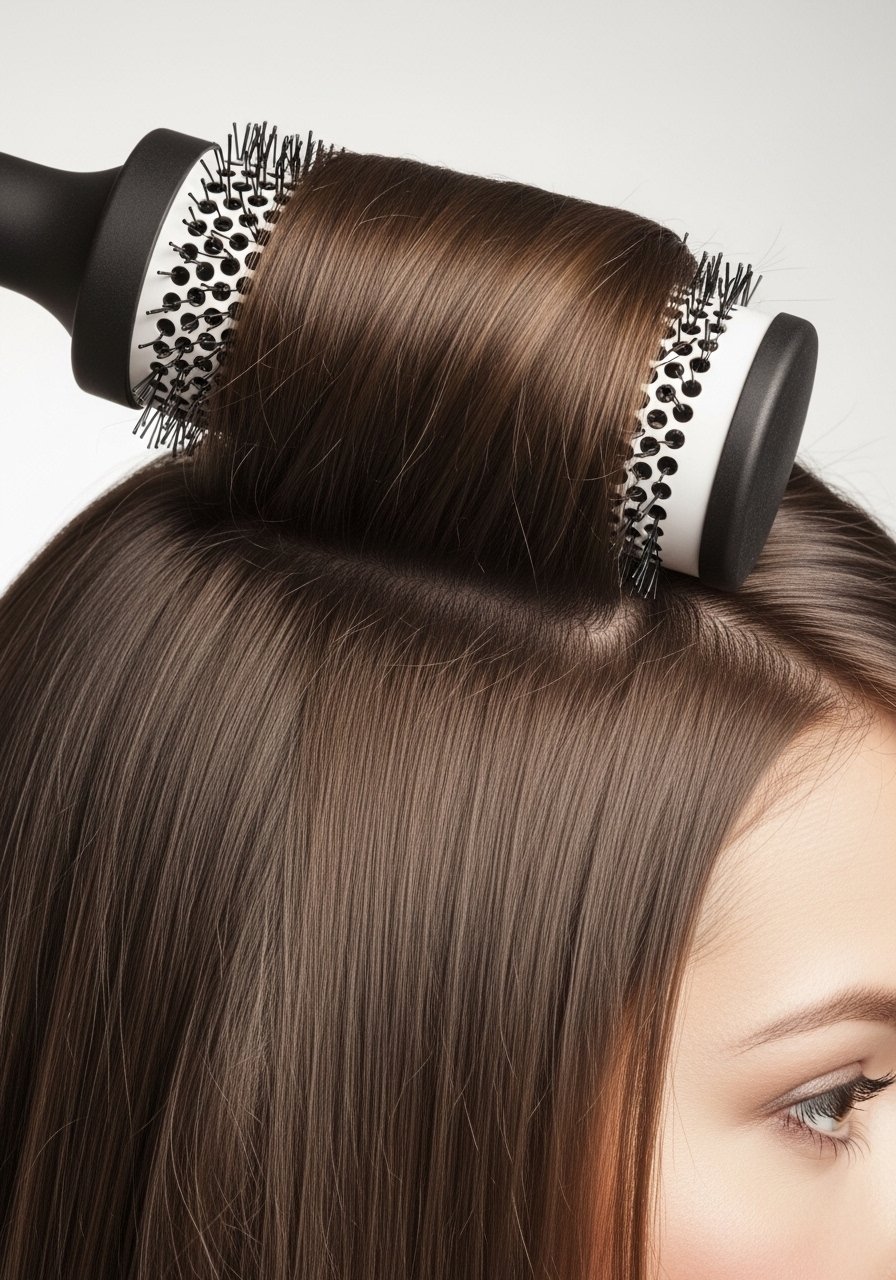
A good root lift redirects attention away from the regrowth line. Use a round brush and your dryer on medium heat at about 180 to 220F for most hair. For very fine hair keep it lower. Heat protectant must go on before any iron over 300F, and on damp hair before blow-drying. The 80/20 product placement rule applies here, meaning place most styling product at the roots where you want lift, not the ends where you want movement. Over-brushing can cause breakage so be gentle.
Micro-Lowlights For Curly And Coily Textures
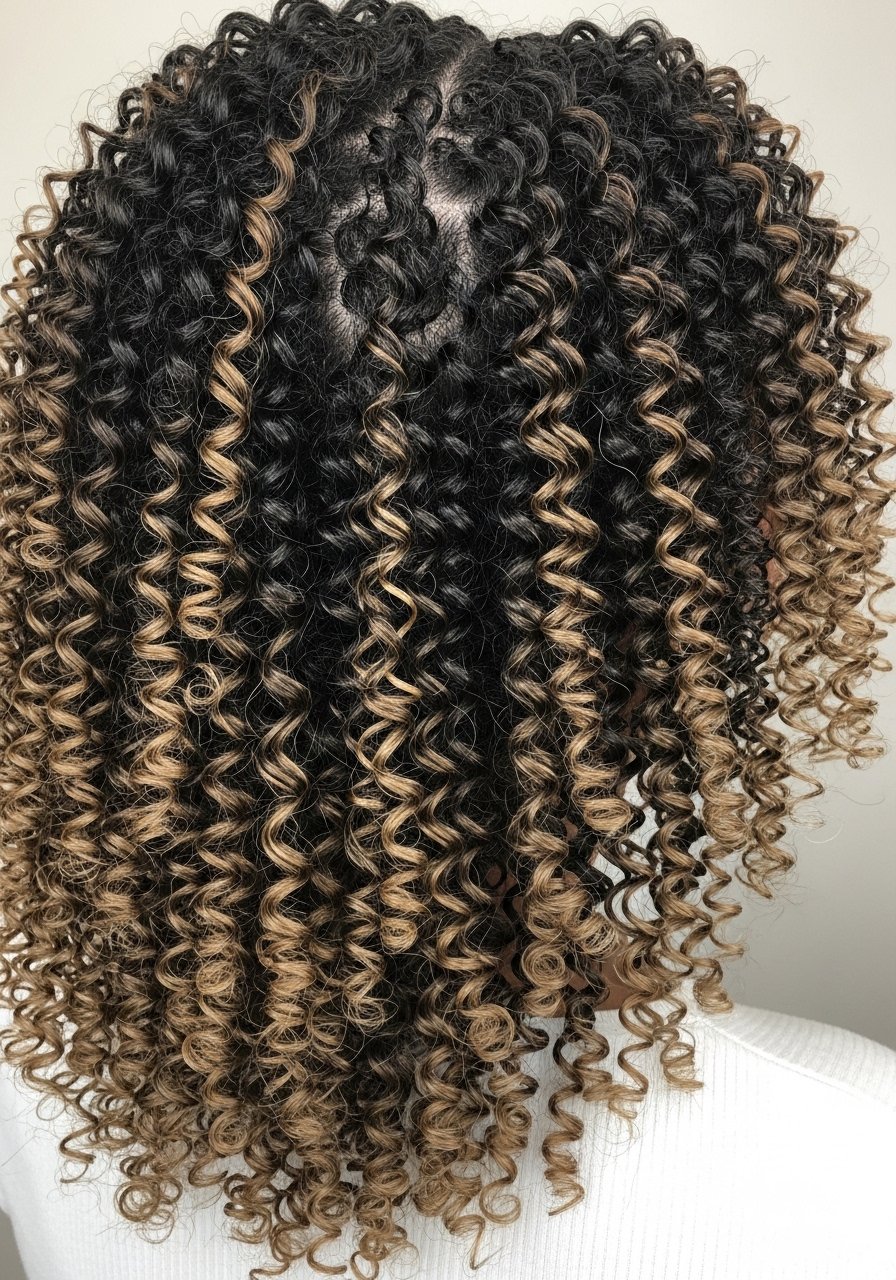
Curly and coily hair can show gray in clumps. Micro-lowlights are thin darker strands placed inside the curl pattern to create visual depth and break up wide silver areas. Take 1/8-inch subsections and place lowlights in the middle of the strand so they peek through the curl. This is a salon technique. At-home attempts risk banding because curl shrinkage hides placement. Damage note, avoid overlapping bleach and lowlight sessions on the same strand.
Temporary Color Powders For Quick Coverage
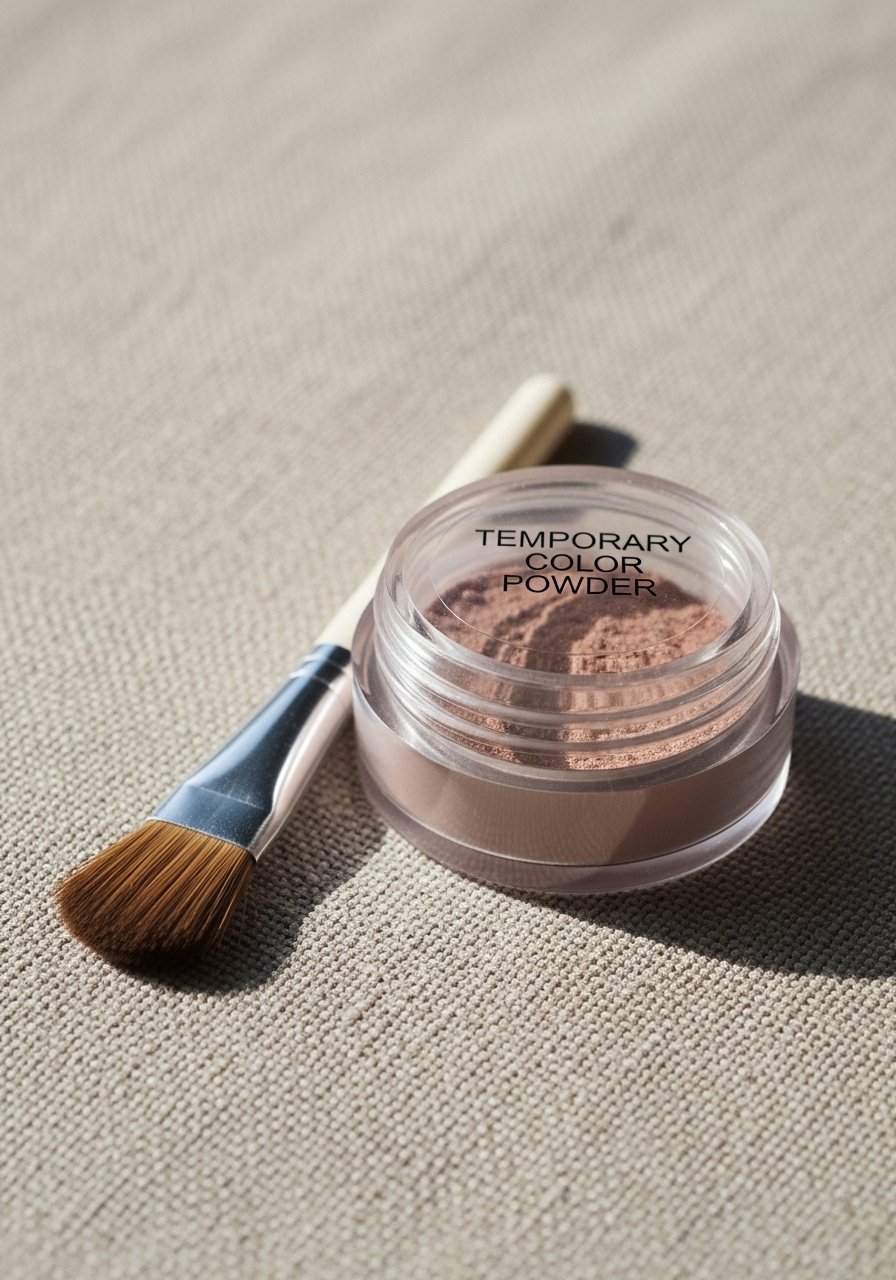
Color powders are a dry, powdery option to dust over part lines for same-day coverage. They are great for events and sweatproof for a few hours. Sweep lightly and blend with a spoolie. Unlike sprays they do not wet the scalp. The trade-off is they can rub off on clothing if you overapply. Use a matching shade and brush off any excess. For workdays, I prefer powder because it looks less painted than some sprays.
Coordinate Cut With Color For Better Blend
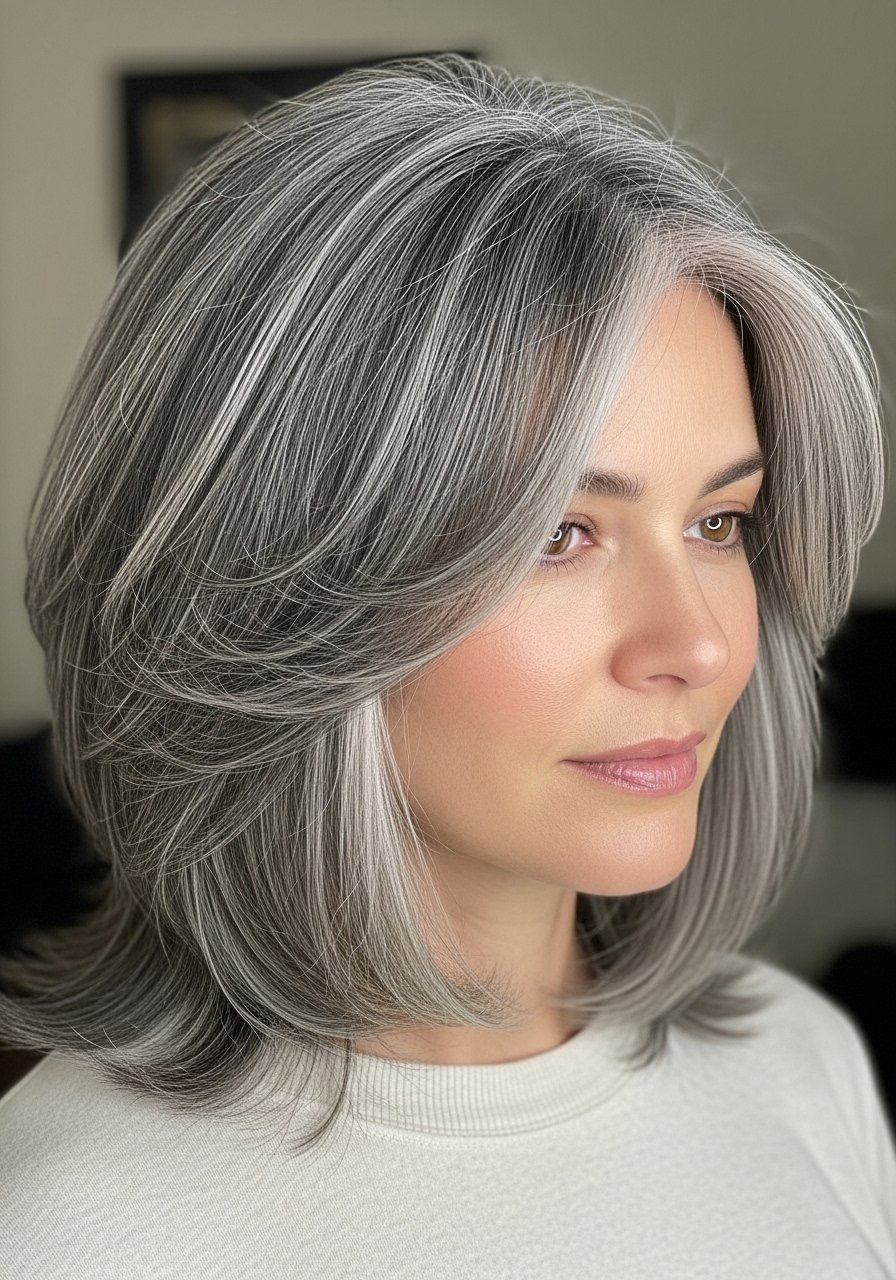
Sometimes the cut does half the job. A face-framing cut with layers breaks up a distinct regrowth line by changing how hair falls. If your gray sits mainly at the top, add light layers around the crown so strands fall differently and soften contrast. For very fine hair, avoid too many layers or you will increase visibility of regrowth. This is a low-cost salon visit compared with frequent color touch-ups and helps second-day hair look fresher.
Temporary Color Balms For Hairline Precision
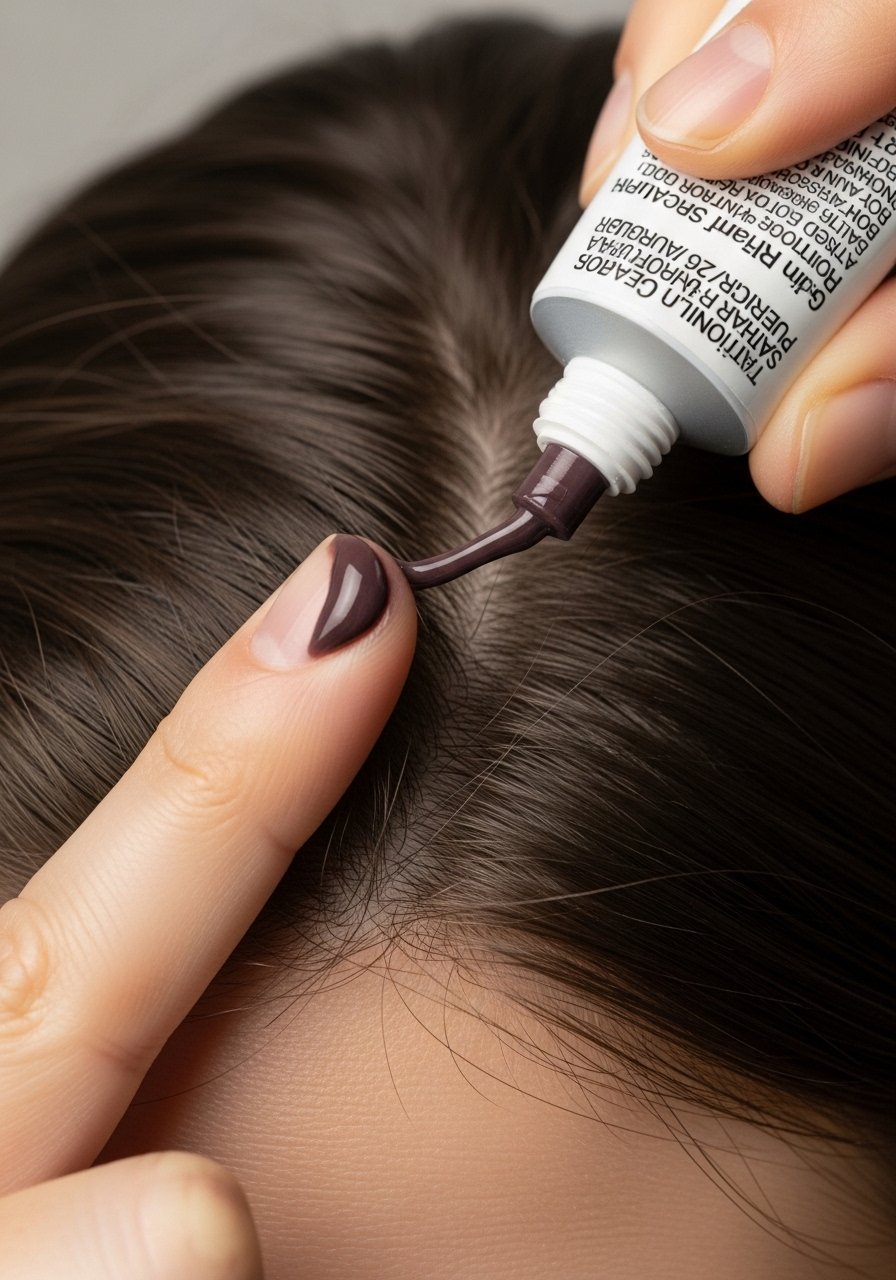
Tinted hair balms are thicker than sprays and let you paint tiny areas like the part or temples with precision. Dab on sparingly and blend with the pad of your finger. They are great for those who do not want product on the scalp. The mistake is using too much which looks painted. They wash out with shampoo. If you have a sensitive scalp, patch test first.
What I Wish Someone Had Told Me About Blending Gray
- Heat protectant goes on damp hair, not dry. The cuticle is more open and the product actually absorbs. Color Wow heat protectant is a reliable spray most stylists mention
- Grab a microfiber hair towel for $12. It cuts your blow dry time by a third and stops frizz before styling
- Most people apply leave-in to towel-dried hair, then wonder why it does nothing. Apply a pea-size amount per section and comb through on damp hair
- Hair grows about half an inch a month at most, regardless of what biotin gummies promise you. The thing that helps length retention is reducing breakage with a silk pillowcase and weekly bond treatments
- If you plan to bleach over a previous dark dye, book a salon correction. Lifting over old color is the single fastest way to break hair
Frequently Asked Questions
Q: How often should I use color-depositing conditioner without overdrying my hair?
A: Start with once every two to three washes. If your hair feels heavy, reduce frequency. For porous hair, use a lightweight leave-in beforehand so the pigment deposits more evenly.
Q: Can I use root touch-up spray on oily scalps without it sliding off?
A: Yes, but prep by blotting the scalp with a dry tissue and applying a tiny bit of dry shampoo to the part first. That gives the spray something to cling to and prevents transfer.
Q: Will a demi-permanent gloss cover gray completely?
A: Demi glosses add tone and shine, they do not permanently cover coarse white hair. They work best for blending and softening contrast. For full gray coverage you need a permanent color applied carefully, preferably in salon hands.
Q: How do I prevent brass when using a color-depositing conditioner?
A: Choose a toner shade with cool undertones and use it sparingly. Overuse is the usual cause of build-up and weight. If you accidentally go warm, a single salon gloss can neutralize it.
Q: Are micro-lowlights safe for very textured hair, or will they cause breakage?
A: Micro-lowlights themselves are safe if the hair is healthy. The risk is overlap with previous lightening. Tell your colorist about past treatments. If hair feels fragile, do one lowlight session and wait 6 to 8 weeks before any additional chemical work.
Q: Can I DIY babylights for my hairline at home?
A: Technically yes, but the technique requires 1/16- to 1/8-inch slices and patience. Most people end up with visible striping. If you want a subtle finish, book a salon session for the first time and maintain with at-home glosses and color-depositing conditioners.