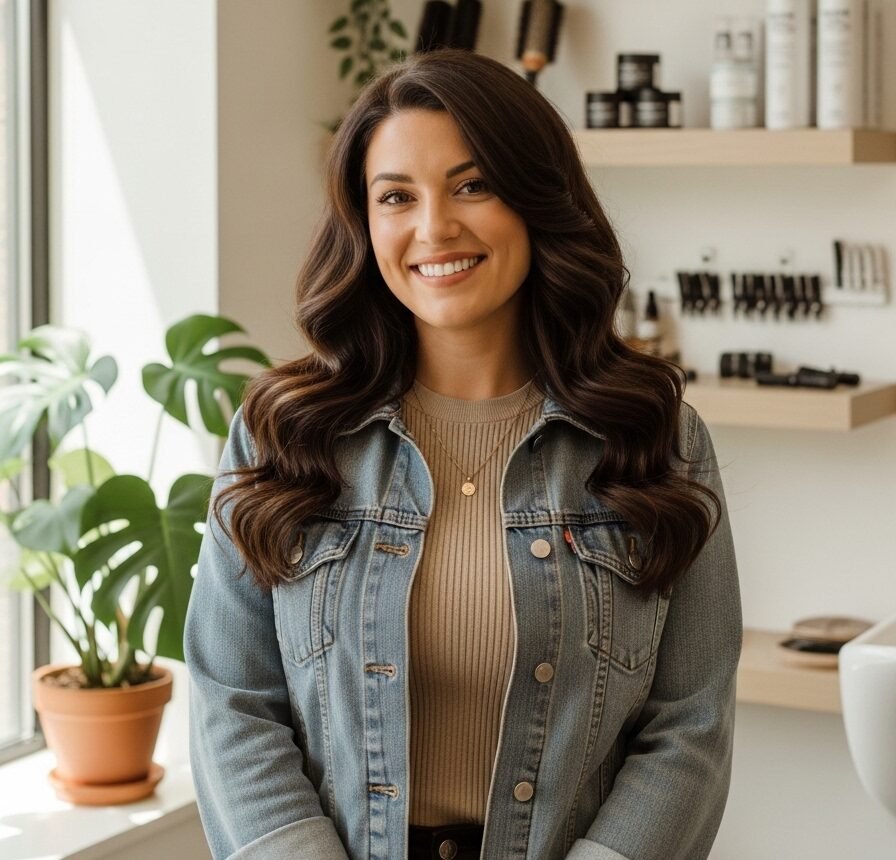
If you want long healthy hair with side bangs that actually sit where you want them, these nine looks and routines are the ones I keep coming back to. They work across fine straight 1B hair up to thicker 3B waves with small technique tweaks. Expect at-home friendly options and two salon-only choices, most taking ten to 30 minutes once you know the steps, with one splurge for a tool that cuts styling time in half.
Long Layers That Let Side Bangs Breathe
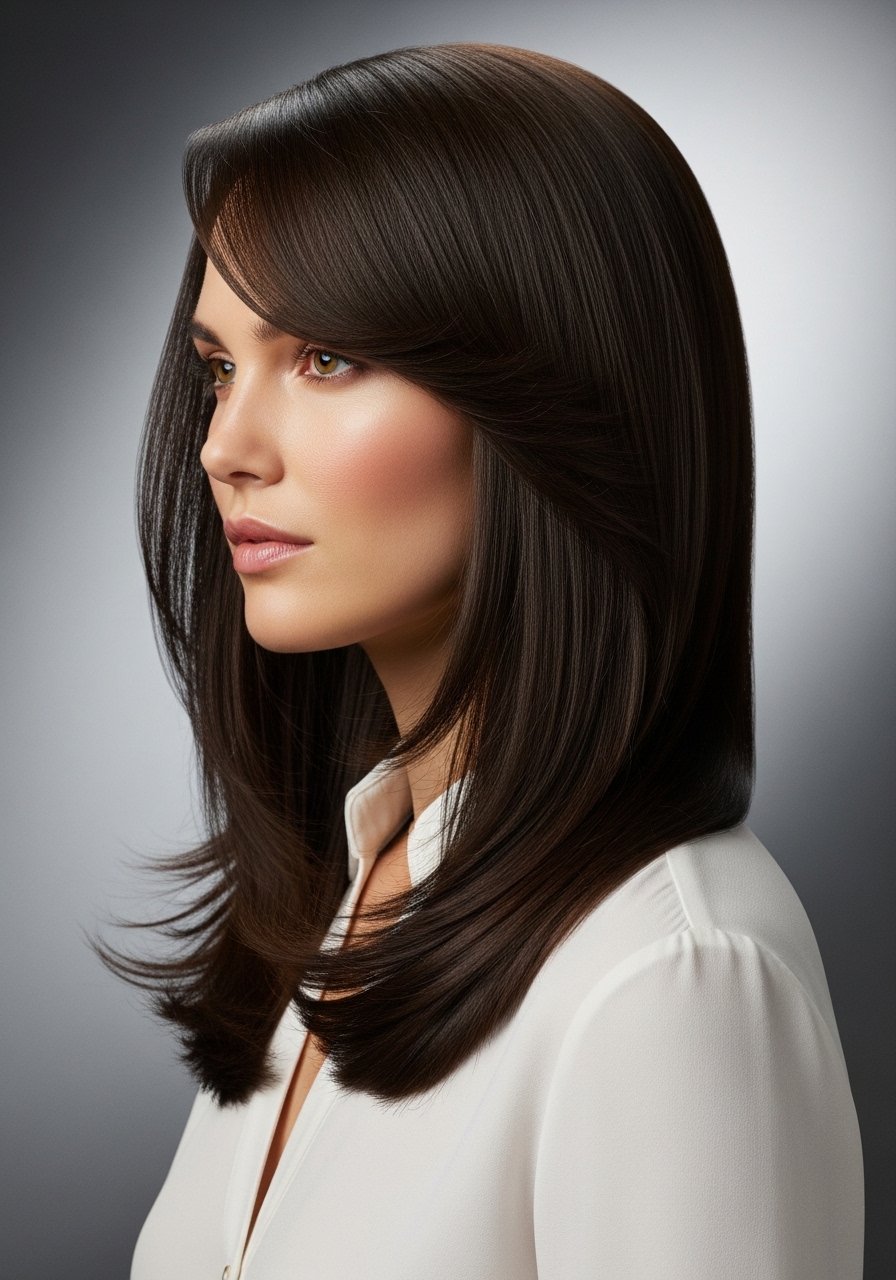
If your side bangs sit flat and the rest looks heavy, long graduated layers are the fix that makes both breathe. Ask your stylist for longer layers starting around the chin so the side bang weight blends instead of creating a forehead gap. For fine to medium straight hair this adds lift without losing length. Maintenance is one trim every 10 to 12 weeks to avoid a heavy line across the face. The mistake people make is chopping the bangs shorter than the cheekbone and expecting them to fall over time. For DIY trims, work in 1/4 inch increments and cut with hair dry so you see natural fall. Salon note, a razor can shred ends, so request shears if your hair is brittle.
Sleek Round Brush Blowout That Keeps Bangs in Place
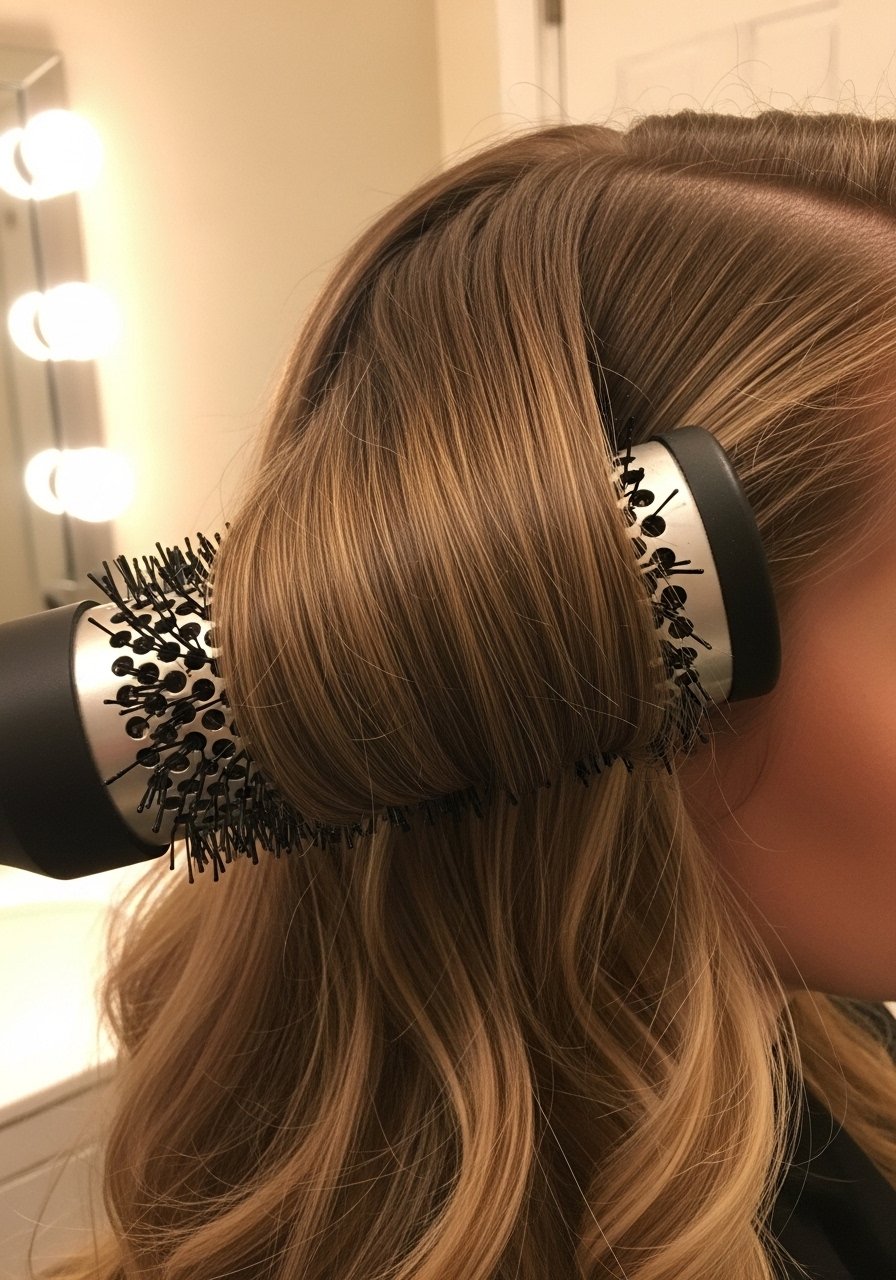
A proper blowout settles side bangs so they stay put between washes. Section hair into three horizontal layers, work from bottom to top, and use a round 2-inch ceramic brush for medium hair, 2.5-inch for long thick hair. Heat protectant goes on damp hair, not dry. Most heat protectants you spray on dry hair before flat ironing barely work. They need to absorb into damp or just-dried hair to actually shield the cuticle. Dry on medium heat and finish the bangs with the brush pointed slightly downward and the blowdryer at about 300F to 350F equivalent setting on high heat for thicker hair, medium for fine hair. Finish with one spritz of anti-humidity spray. If your salon charges extra for a blowout, learn this at home and you will save twice the cost in three months.
Heatless Ribbon Waves That Respect Side Bangs
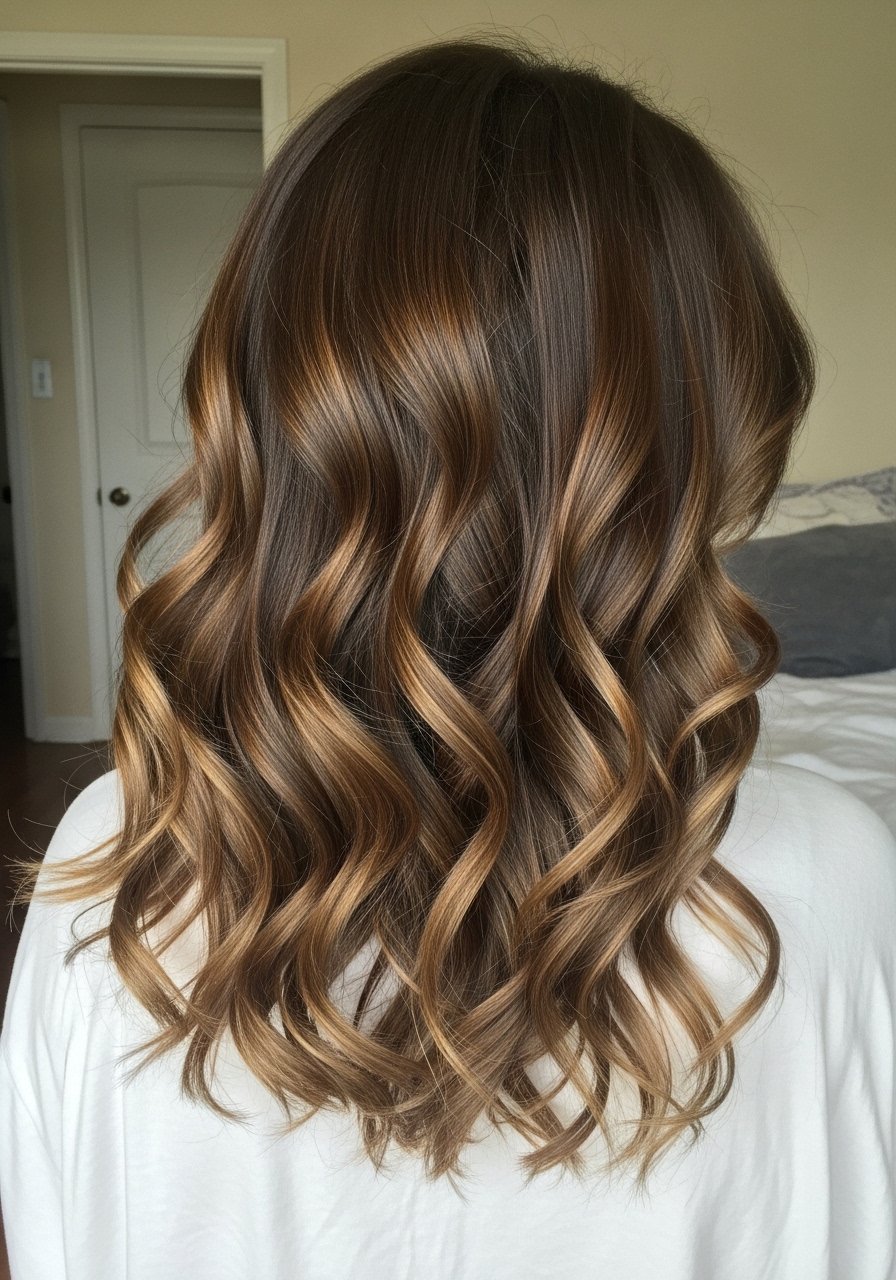
If your bangs puff up when you try heatless curls, switch to sectioning. Split the hair into five panels for long hair, wrap each strand around a soft robe sash and sleep on it. In the morning, release, finger-comb with a small amount of lightweight cream and lock with a texturizer. For wavy 2A to curly 3B hair, this cuts styling time and keeps bangs blended because you secure the front sections tighter than the crown. One common mistake is overloading on gel which makes the bangs heavy and flat. Swap gel-only routines for layering a leave-in cream underneath a light gel for hold and bounce. This method takes longer to set overnight but saves heat damage.
The 80/20 Product Placement Trick for Oily Roots and Fresh Bangs
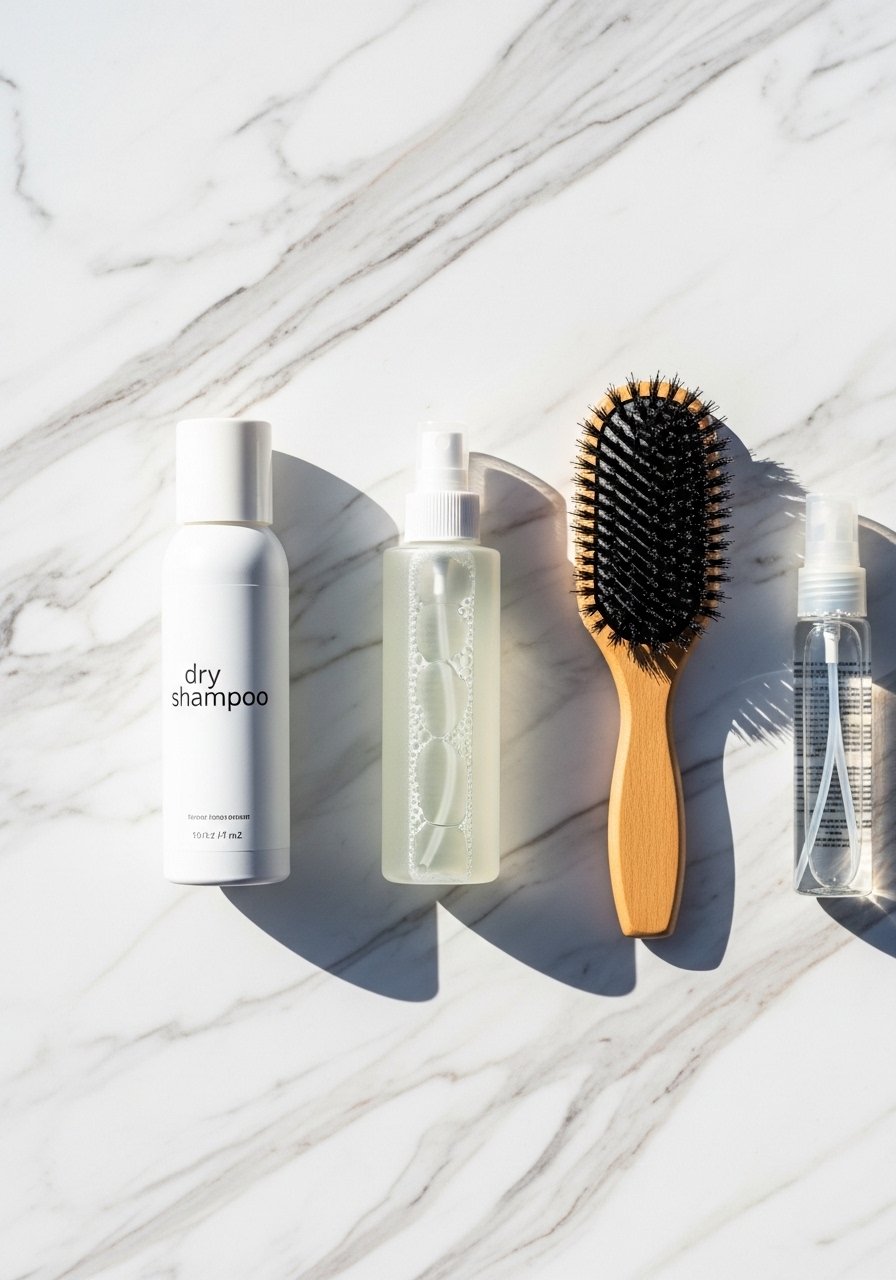
If your side bangs get greasy faster than the rest, stop slathering products at the root. The 80/20 product placement rule means roughly 80 percent of styling product goes to mid-lengths and ends, 20 percent near the roots. For long hair with side bangs this prevents the front pieces from collapsing by midday. Two quick fixes are dry shampoo applied at the part and a tiny amount of light leave-in on the bangs only, combed through with a clean brush. The mistake is spraying everything at the scalp. For short-term refresh, a toothbrush sprayed with dry shampoo and brushed through the bangs is more precise than a broad aerosol blast.
Weekly Bond Builder Routine That Saves Length
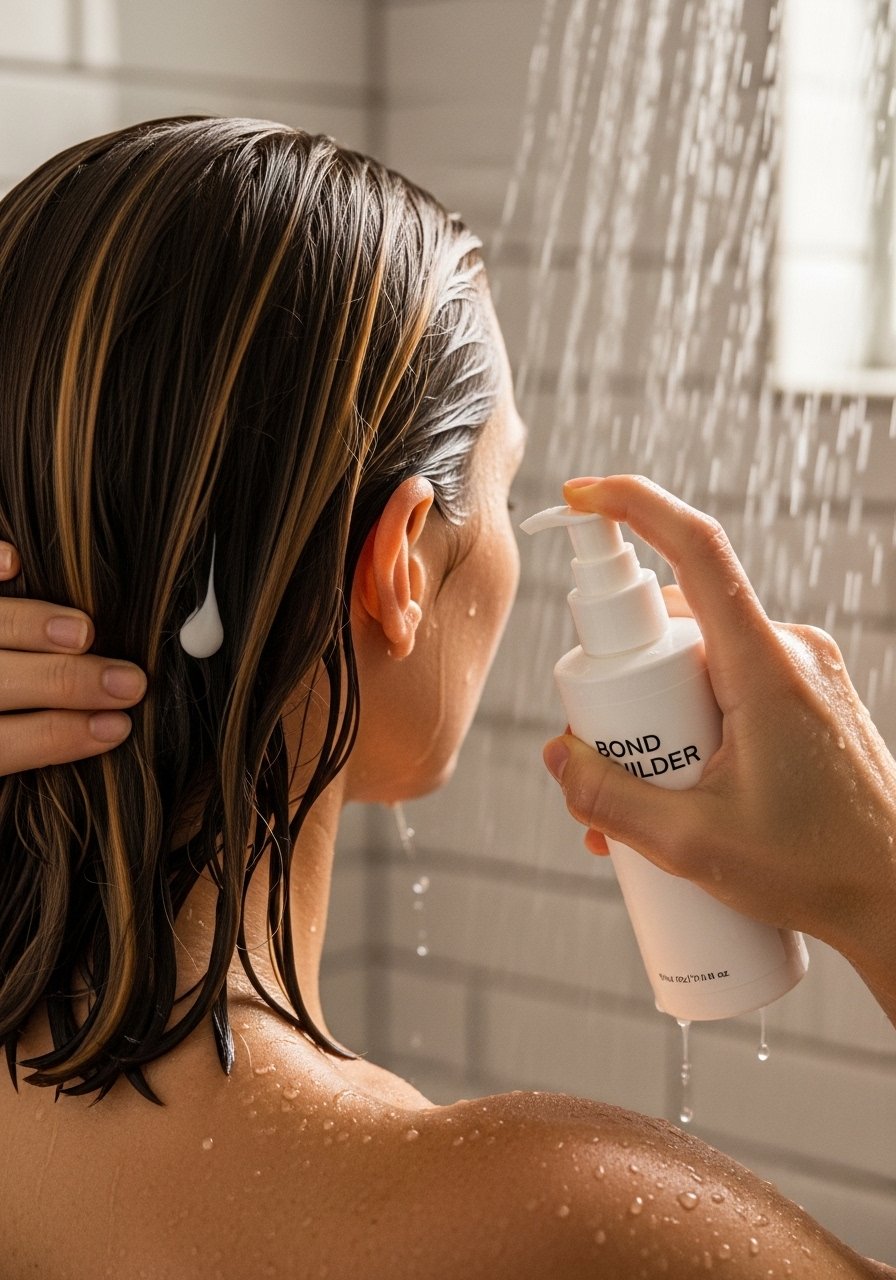
Split ends are what kills length, not the rate hair grows. Hair grows about half an inch a month at most, regardless of what biotin gummies promise you. What keeps that growth long is reducing breakage. A weekly bond builder treatment on damp hair, left for 10 minutes, then rinsed, rebuilt my ends enough to skip a trim for five weeks longer than before. Use it on lengths and ends, avoid the scalp. The mistake is treating it like a daily conditioner. One salon vs DIY note, professional in-salon bond treatments get deeper penetration, but the at-home options work really well for maintenance. Watch for counterfeits and buy from the official store on Amazon or get it at Sephora.
Gloss or Toner to Keep Side Bangs From Looking Dull
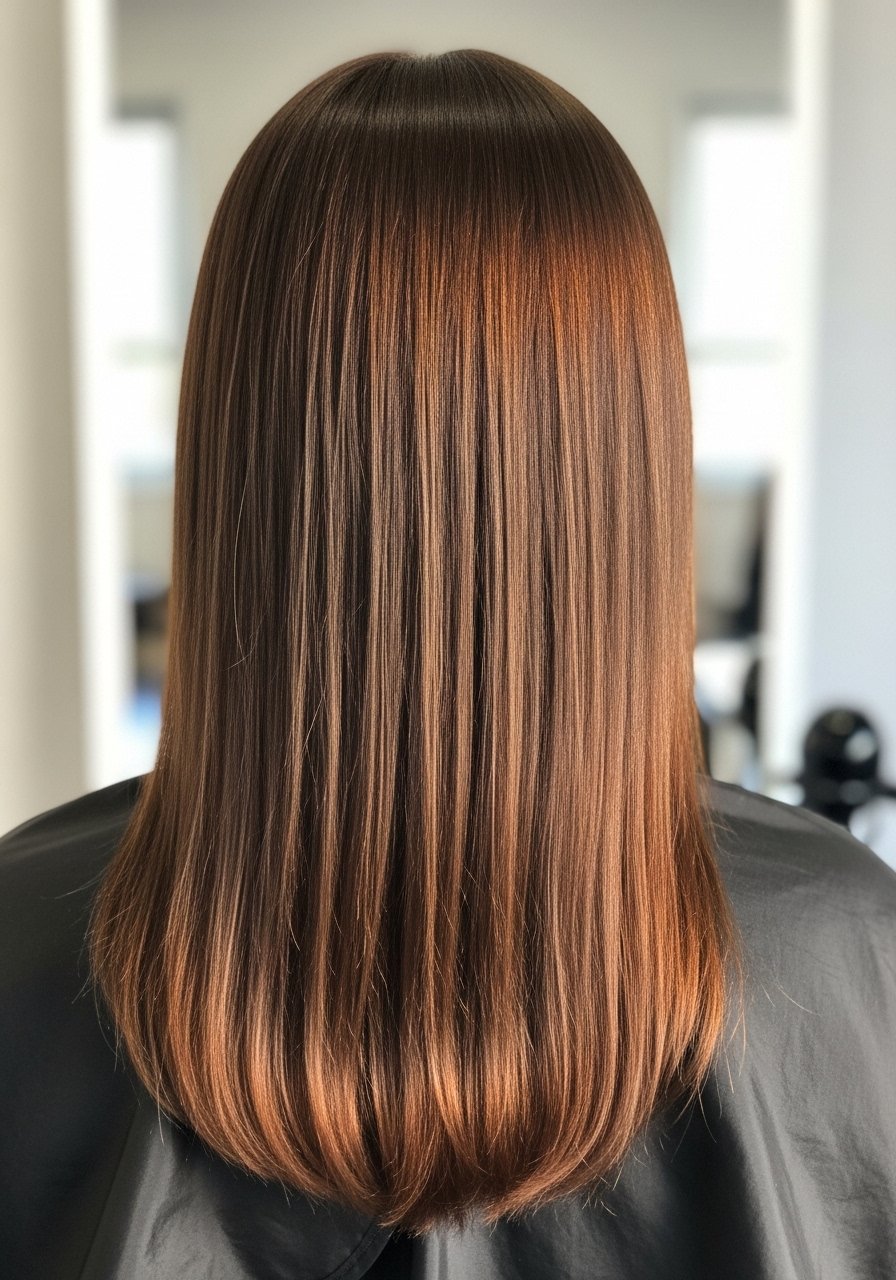
If your color fades but the bangs look particularly flat, a gloss or demi permanent toner is the cheap salon trick to restore shine and tone without heavy lift. For colored or highlighted hair, book a gloss every six to eight weeks. If you try an at-home gloss, do an allergy patch test first and avoid overlapping stronger lifts on previously bleached hair. Never attempt lifting bleach over old color at home. The common mistake is overusing purple or blue toners every wash. Swap daily purple shampoo for once a week to keep brass down without drying the mids and ends.
Curtain Bang To Side Bang Grow-Out Without the Gap

Growing curtain bangs into side bangs is mostly about direction and trimming angles. Start by clipping the center pieces back for a week or two, then dry cut the outer sections at a 15-degree angle toward the cheekbone to encourage the sweep. For straight and wavy hair this avoids the forehead gap you get when people try to cut shorter too soon. The mistake I see is trimming bangs wet and expecting the same fall when dry. Trim dry in small vertical snips and only remove 1/8 to 1/4 inch at a time. If you want the look faster, a stylist can point-cut to remove bulk and create the sweep without shortening the length drastically.
What I Actually Keep Near the Sink for Long Healthy Hair With Side Bangs
- Honestly the small things matter most, like a reliable bond treatment. Olaplex No. 3 hair perfector 3.3oz used once a week repaired what a salon fix could not. Buy from the official Olaplex store on Amazon or grab it at Sephora to avoid fakes
- For daily refreshes I keep a travel dry shampoo. A small aerosol dry shampoo is great for bangs and part touch-ups
- Found this while testing pillowcases. A silk pillowcase queen size under $20 cut morning frizz for me and reduced breakage around the face
- For shaping bangs during a blowout, a medium ceramic round brush is the tool I use most
- For texture without crunch, a lightweight texturizing spray keeps the face frame airy
- If you style with heat daily, this saves hair. A color-safe heat protectant spray applied to damp hair before blow drying is non negotiable
- For sleep protection, a silk scrunchie pack prevents that crease in your side bangs
- For brushes, a boar bristle paddle brush distributes oil and keeps bangs from looking disconnected
Quick Pin Curls for Second-Day Volume
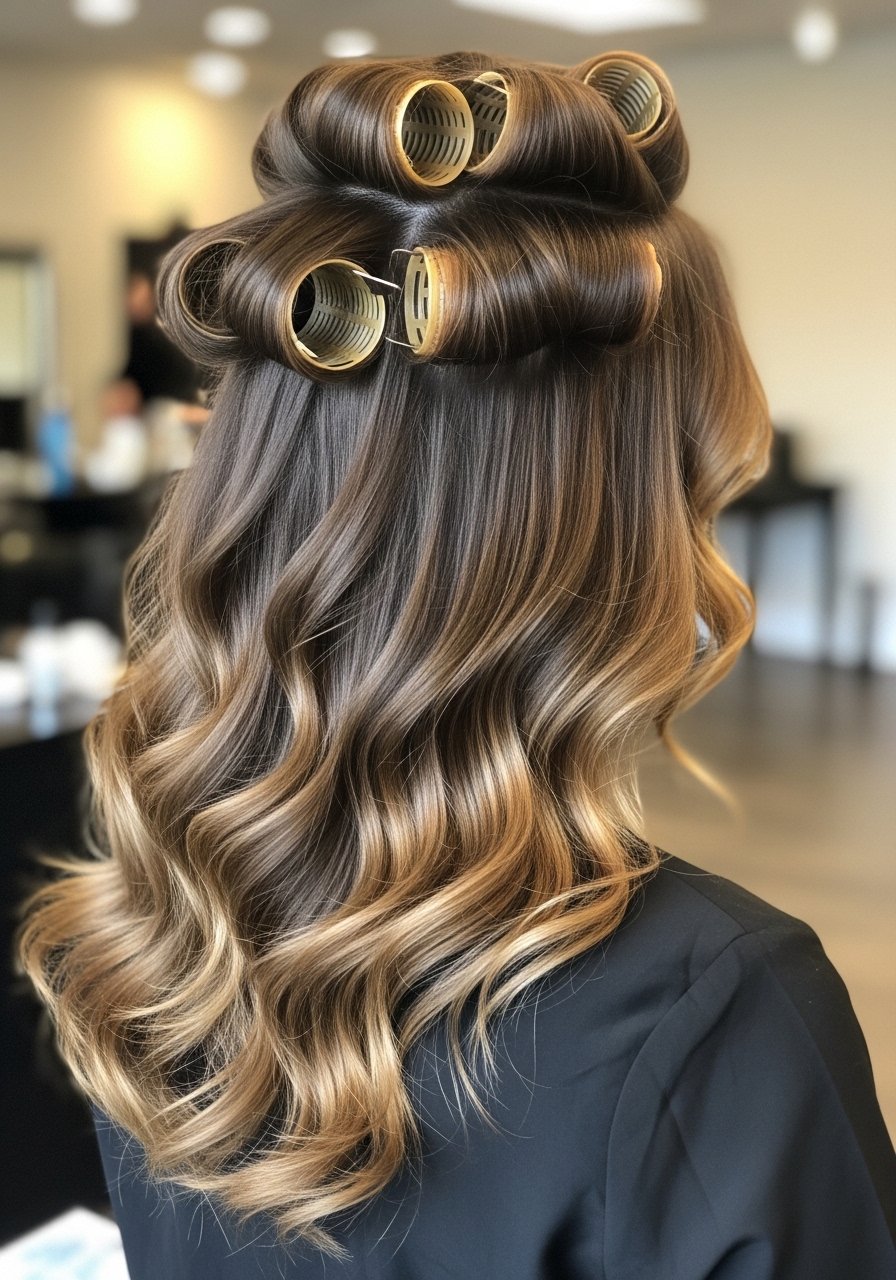
Second-day volume for side bangs is more about root manipulation than product. After the first day, section the fringe into three small panels and secure each with a pin curl toward the crown overnight. In the morning, unpin and blast with cool air for ten seconds to set. One small dab of light styling cream at the ends keeps them from frizzing. My curls looked great on TikTok and like wet noodles by 11am until I learned to set the roots this way. For thicker textured hair you can skip the cream and use a light pomade to keep the bang edge smooth.
The LOC Styling Method For Beachy Bangs That Hold
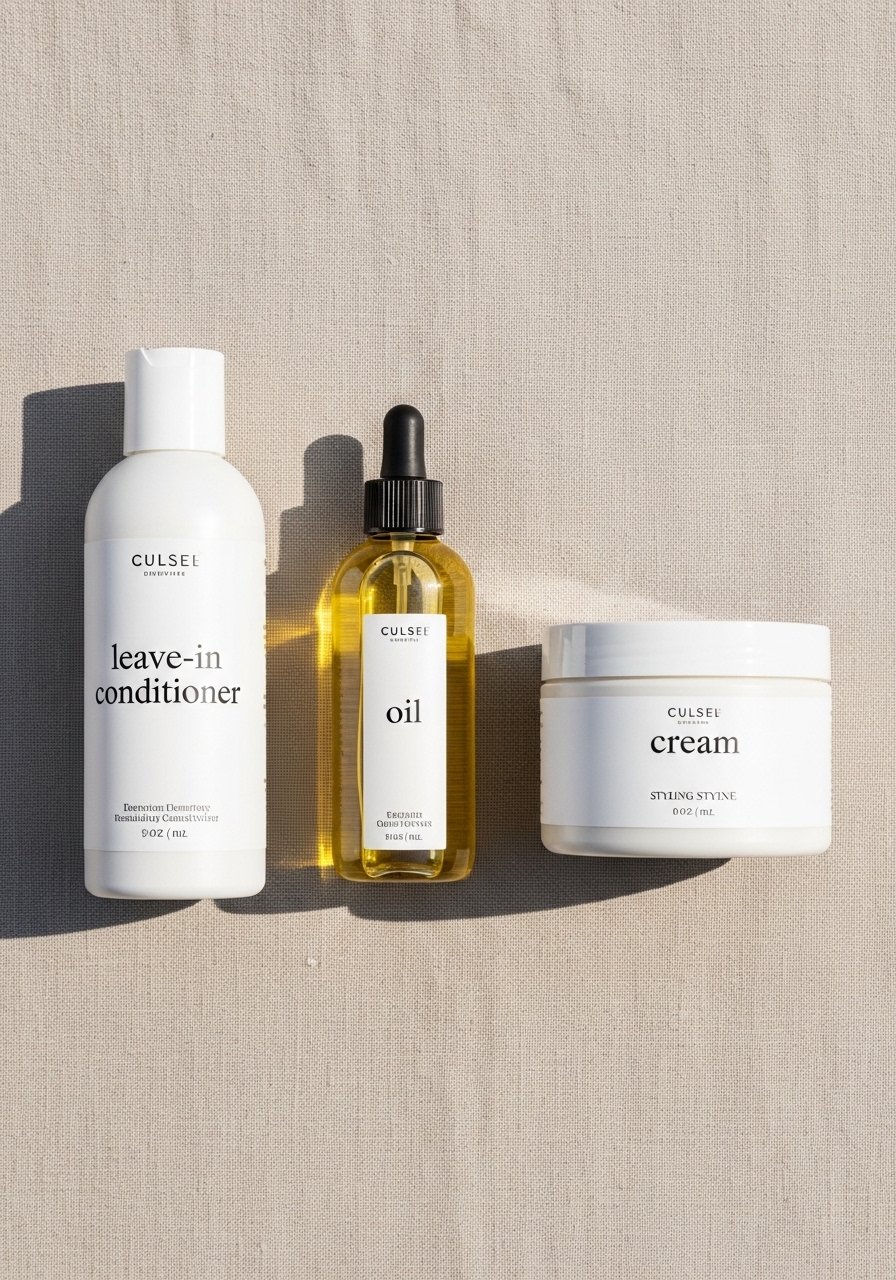
For textured long hair and side bangs that need to stay defined, the LOC method works well. Apply a small amount of leave-in to damp hair, then a cream for hold, and finish with a tiny oil only on the ends. For side bangs use one pump of leave-in split between the bangs and the topmost layer, then a coral-sized amount of cream on the hand, fingers through, and a rice-grain of oil at the tips. The common mistake is oil first which blocks product absorption. This method helps second-day texture and reduces frizz when paired with a silk pillowcase.
What I Wish Someone Had Told Me About Side Bangs and Long Hair
- Heat protectant goes on damp hair, not dry. The cuticle is more open and the product actually absorbs. A color-safe heat protectant spray is the one I reach for most
- Grab a microfiber hair towel for $12. It cuts your blow dry time by a third and stops frizz before it starts
- Hair grows about half an inch a month at most, regardless of what biotin gummies promise you. The thing that helps length retention is reducing breakage with a silk pillowcase and weekly bond treatments
- Drugstore shampoo is fine. Spend on conditioner and a bond builder. Olaplex No. 5 conditioner does more for damaged ends than a $40 shampoo ever will
- If you sleep on your side, pin your bangs loosely up with a silk scrunchie to avoid creases. A pack of silk scrunchies is a tiny investment that saves styling time
Frequently Asked Questions
Q: How often should I trim side bangs so they do not overgrow into my eyes?
A: Every 8 to 10 weeks for most people. If you like a longer sweep that grazes the cheekbone, 10 to 12 weeks is fine. Trim dry and in small amounts so you do not accidentally take too much off.
Q: Can I use Olaplex No. 3 if my hair is not damaged, or will it make it worse?
A: It will not make healthy hair worse. Used once a week on lengths and ends it prevents breakage. Buy from the official Olaplex store on Amazon or Sephora to avoid counterfeits.
Q: My side bangs are frizzing at the ends while the rest looks fine. What am I doing wrong?
A: You are probably putting product on the mid-lengths and not sealing the ends. Use a rice-grain amount of oil on the tips after styling. Also check wash frequency, because overwashing can dry the ends while roots get greasy.
Q: How often should I actually use purple shampoo to fix brassy tones without making my hair dry?
A: Once a week for most color-treated hair. Using purple shampoo every wash is the common mistake that dries hair out. If you have heavy brass, start with once a week and watch the result over two washes.
Q: Is it safe to try blending curtain bangs into side bangs at home?
A: You can do the initial grow-out trimming at home if you are conservative and trim dry. But for dramatic angle changes or if your hair is chemically treated, a stylist is safer. If you try at home, cut tiny vertical snips and avoid taking bulk with a razor.